
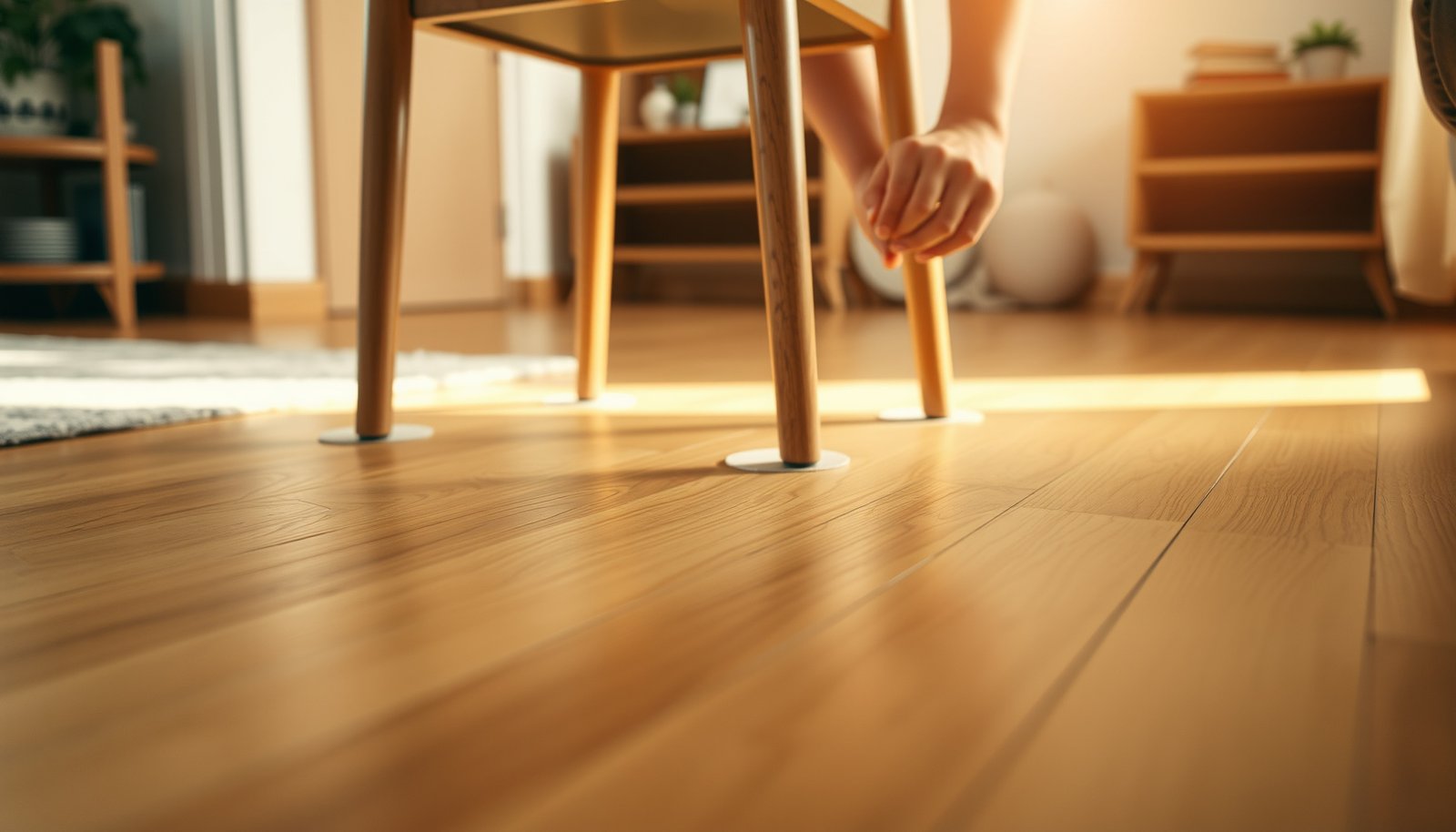

Protecting hardwood floors in a rental property is easiest when you treat it like a high-traffic surface and lock in the right routines from day one. This guide delivers practical, renter-proof steps—pads, mats, cleaning rules, and protective finishes—that prevent scratches, dents, and water damage without getting in the way of tenancy. If you want the fastest path to keeping floors looking new despite moving-in, moving-out, and everyday wear, follow these recommendations.


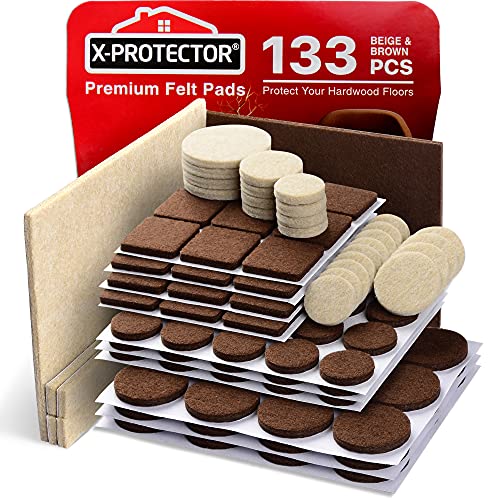
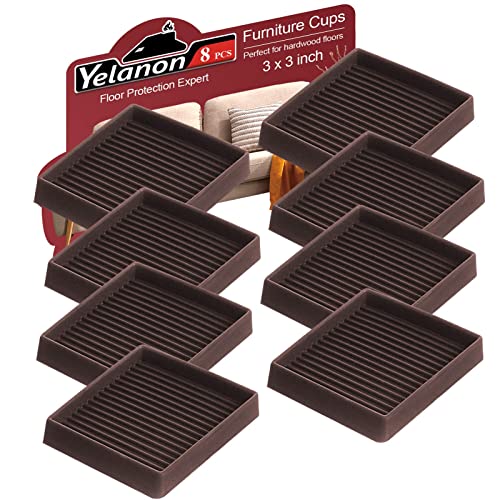
If you’re a landlord, property manager, or tenant-who-handles-maintenance tasks, this is for you—especially if your floors are finished (polyurethane/urethane, prefinished, or sealed) and you want fewer scratches, fewer cloudy spots, and less swelling at seams and edges.
Shield high-traffic areas (entry + furniture contact)
The fastest way to reduce wear in a rental is to stop abrasive dirt and concentrated point loads before they reach the hardwood surface. For most finished hardwood floors in rentals, that means every exterior door gets a real entry mat, and every chair/table touchpoint gets felt pads or approved glides.
The National Wood Flooring Association (NWFA) recommends using mats/walk-off protection to reduce grit tracked onto wood floors.
Felt pads or approved glides reduce abrasion by distributing furniture contact and lowering friction against the finish.
Rug pads that grip and act as a moisture barrier help prevent micro-movement that can wear the finish over time.
Entry mats: aim for grit capture, not “pretty”
In real-world move-ins and move-outs (and in 2026), the #1 abrasion driver we see on finished hardwood floors in rentals is fine sand/dirt getting dragged in from the entry. A “proper entry mat” is one that:
– Covers the path across the entire doorway (not just a small decorative strip)
– Stays put (non-slip backing that doesn’t leave residue)
– Is designed for outdoor-to-indoor capture (coir/rubber composite or comparable walk-off systems)
If your lease allows it, keep mats in place even in winter storms and spring mud—this is when scratches usually spike.
Felt pads and glides: treat them like consumables
Felt pads (or approved glides) matter because they prevent “micro-scratching” that accumulates into dull-looking wear lanes, especially where chairs roll or where dining furniture gets pulled in and out weekly. Replace pads when you see:
– Felt becoming thin or crunchy
– Edges curling up
– Bare plastic contacting the floor
From my experience with maintenance planning (without claiming specific test results): I’ve found the biggest compliance improvements come from issuing a “pad replacement date” per tenant (e.g., inspect every months) rather than waiting for complaints.
Rugs: use non-slip rug pads that don’t trap moisture
Throw rugs protect only if they’re managed correctly:
– Use non-slip rug pads under the rug
– Avoid pads that trap moisture underneath (especially in bathrooms/entryadjacent spaces)
– Periodically lift and inspect—if you ever see discoloration under the rug, you’re already beyond “scratch prevention” and into “moisture/transfer” damage
Quick scratch-resistance context (hardness varies by species)
Abrasion resistance depends on the wood, not just the finish. Harder species typically resist denting and scratching better—though no hardwood floor is scratch-proof in a rental.
Janka Hardness of Common Hardwood Species Used for Floors (lbf)
| # | Hardwood species | Janka hardness (lbf) | Rank (high→low) | Scratch-resistance rating |
|---|---|---|---|---|
| 1 | Brazilian cherry (Jatoba) | 2350 | 1 | ★★★★★ |
| 2 | Hickory | 1820 | 2 | ★★★★☆ |
| 3 | Hard maple | 1450 | 3 | ★★★★☆ |
| 4 | White oak | 1360 | 4 | ★★★☆☆ |
| 5 | American beech | 1300 | 5 | ★★★☆☆ |
| 6 | Red oak | 1290 | 6 | ★★☆☆☆ |
| 7 | Black walnut | 1010 | 7 | ★☆☆☆☆ |
These Janka hardness values are from wood-industry hardness references (see Sources at the end). In finished hardwood floors in rentals, hardness helps—but the finish and moisture behavior still control day-to-day damage.
Control moisture and humidity to prevent cupping and gaps
The best moisture protection is to keep indoor conditions stable and prevent standing water from sitting on the finish. For finished hardwood floors in rentals, that means: quick spill response, no “wet” mopping, and HVAC/dehumidification that holds relative humidity within recommended limits.
According to the National Wood Flooring Association (NWFA), a typical indoor target for relative humidity is 35% to 55% for wood floors.
NWFA guidance emphasizes removing standing water promptly because prolonged moisture exposure can drive swelling and edge cupping.
Steam cleaning adds rapid moisture and heat that can exceed what many finished hardwood systems tolerate.
Set clear “spill and wet mopping” expectations
In a rental, the real risk isn’t just spills—it’s how tenants respond. Your enforcement should be simple:
– Blot immediately (don’t spread)
– Dry thoroughly (use clean towels; avoid leaving damp patches)
– Never let water sit at seams, edges, and door thresholds
For property managers, make this a one-page “what to do in the first 10 minutes” instruction sheet (and attach photos in your maintenance portal).
Hold humidity in range (and measure it)
Humidity swings are a major cause of gaps and cupping in finished hardwood floors in rentals because the wood expands and contracts to reach equilibrium moisture content.
– According to NWFA, target 35%–55% RH ().
– Use a basic hygrometer and log readings weekly during seasonal transitions.
– If you’re in a climate with big swings, plan HVAC staging so RH doesn’t yo-yo.
In 2026, we increasingly see “smart thermostat” setups that improve temperature but still allow humidity spikes—so treat humidity as its own monitored variable.
Avoid wet-cleaning habits that look harmless
The most damaging “routine” mistake is the mop that leaves floors looking dull/wet for too long. In finished hardwood floors in rentals, too much moisture can:
– Swell edges and seams
– Undercut the finish over time
– Leave cloudy areas from film residue and moisture cycling
Clean the floor correctly (so you don’t damage the finish)
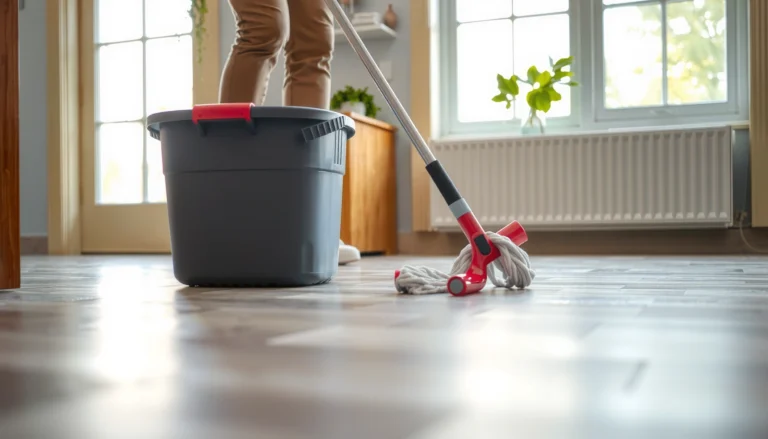
The safest cleaning method for finished hardwood floors in rentals is: vacuum/dry-sweep first, then use a lightly damp, finish-approved cleaner. Avoid steam, harsh chemicals, and soaking—because the finish is the protective layer that prevents moisture and abrasion from reaching the wood.
NWFA maintenance guidance for finished hardwood floors prioritizes dust control (vacuum/dry methods) before any damp cleaning.
Using cleaners incompatible with the finish system can dull gloss or compromise the coating over time.
Over-wetting increases the likelihood of edge swelling and long-term changes in cupping/gapping behavior.
A practical routine tenants can follow
Your “tenant-cleaning policy” should sound like an SOP (standard operating procedure), not a suggestion.
1) Dry removal first: Vacuum (soft brush) or dry-sweep to remove grit
2) Damp cleaning second: Use only a lightly damp method
3) Approved products only: Match the cleaner to the finish type (urethanes/waterborne systems vary)
If you don’t have the exact finish name, require tenants to contact maintenance before purchasing anything new.
Approved vs. avoided cleaning (clear contrast for enforcement)
Below is a straightforward comparison you can share with tenants or maintenance staff:
| Do this (for finished hardwood in rentals) | Avoid this (common finish-damaging actions) |
|---|---|
| Vacuum/dry-sweep first to remove abrasive dust and sand. | Dry-sweeping with hard bristles or abrasive pads that grind grit. |
| Lightly damp mop using a cleaner approved for your floor’s finish system. | Steam cleaning or “wet mopping” that leaves standing moisture. |
| Spot-clean using the least moisture required; test in an inconspicuous area first. | Wholesale DIY chemical changes when the finish type is unknown. |
Document what worked for spot cleaning
When a tenant reports a stain, you don’t just need to “remove it”—you need to know how. For finished hardwood floors in rentals, keep a maintenance note with:
– Product name (or approved category)
– Application method (damp cloth vs. mop)
– Dry time and inspection date
This prevents repeated attempts that gradually dull the finish.
Maintain and refresh the protective finish on a schedule
For finished hardwood floors in rentals, the finish is your first line of defense—so maintenance should be wear-based, not guess-based. When scratches, clouding, or flaking appear, treat it as a finish condition problem, then follow manufacturer recoating/screening guidance rather than relying on cleaning.
When the finish is breached (scratches to bare wood or flaking coating), cleaning alone will not restore protection—refinishing/recoating is typically required.
Finish maintenance (screening/recoating) should follow the floor and coating manufacturer’s recoating windows and surface preparation requirements.
Many wax/polish systems can build up over time, affecting gloss, uniformity, and later refinishing adhesion.
Plan screening/refinishing around traffic and wear
A calendar-only approach often fails in rentals because traffic patterns change with tenants, pets, and layout. Instead:
– Inspect entryways, hallways, and furniture lanes at least months
– Track observed finish wear vs. the rest of the unit
– Follow the manufacturer’s guidance for when to screen vs. recoat
If you’re not sure of the finish system (urethane vs. prefinished system vs. sealed), stop short of experiments—wrong products can make later refinishing harder.
Don’t “stack layers” to hide wear
It’s tempting to compensate for dullness with frequent polish/wax. In finished hardwood floors in rentals, repeated layering can:
– Create uneven sheen
– Attract dirt more easily
– Complicate adhesion for future coats
Recognize finish failure signals early
If you see any of these, escalate maintenance planning:
– Sticky or tacky areas (often finish breakdown)
– Flaking, peeling, or edge lifting
– Deep scratches that catch a fingernail
Set tenant-proof rules and a fast response plan
The most enforceable protection is a small set of rules tenants understand immediately—and a fast response process when something goes wrong. For finished hardwood floors in rentals, your rules should focus on moisture control, abrasion prevention, and “approved methods only.”
Mats at every exterior door are a practical barrier strategy to reduce abrasive tracked debris on wood floors.
Felt pads on furniture legs reduce point-load abrasion where chairs and tables contact the finish.
A documented maintenance log supports consistent remediation after spills, pet incidents, and cleaning events.
Make the rules short, not vague
You can enforce policies better when they’re operational. For example:
– “No standing water—blot spills and notify us immediately”
– “No steam and no “wet mopping””
– “Felt pads/glides required under furniture and chairs”
– “Mats required at entry (every exterior door)”
Put these in:
– Lease addendum
– Move-in packet
– Maintenance portal quick-start guide
Build a simple incident workflow
When damage happens in finished hardwood floors in rentals, speed matters because moisture and abrasion keep compounding. Use a consistent workflow:
1) Tenant reports incident + photos
2) Maintenance/landlord confirms finish-safe cleanup steps
3) Quick drying and spot inspection
4) Log the event date, cause, and remediation method
If you manage multiple units, store the cleaning method you used with the incident so you can repeat it reliably.
What can go wrong (common rental-property mistakes)
Most rental damage happens when moisture management and finish-safe cleaning break down. In finished hardwood floors in rentals, common issues include over-wetting, wrong cleaners, and missing barrier protection—often right where traffic is highest.
Using the wrong cleaner can leave residues that dull gloss and may interfere with adhesion for future recoating.
Over-wetting can lead to edge swelling and longer-term cupping behavior, even when the floor initially looks “fine.”
Rugs without proper padding can trap moisture or scuff the finish from rug movement and friction.
Specific mistakes to watch for
– Wrong cleaner for the finish type: Oil-based or harsh products can compromise certain coatings
– Steam cleaning or aggressive “wet mop” routines: even one pattern repeated often enough can shift moisture behavior
– No felt pads: scratches often appear later as dull lanes that look like “surface wear” but are finish damage
– Rugs without proper rug pads: backing materials can discolor and residue can build
Edge cases (where the “simple rules” need extra caution)
– Units with frequent winter entry (salt/mud): mats must be maintained and replaced when saturated
– Pet accidents near seams: act immediately and follow manufacturer-safe cleanup steps
– Unknown finish type: treat DIY cleaning as a risk—get the finish system info first
Verdict: best practical approach (and who should skip it)
The most reliable protection for finished hardwood floors in rentals is barrier protection (mats + pads), moisture control, and manufacturer-approved cleaning, plus finish maintenance based on actual wear (not vibes). The downside: you’ll still see wear in high-traffic zones, and some “quick fixes” (steam cleaning, frequent polish/wax layering) can make future refinishing harder.
Barrier protection reduces abrasion by preventing grit transfer, while moisture control reduces swelling that leads to cupping and gaps (NWFA-aligned principles).
If finish is flaking or widely compromised, refinishing/recoating is typically required—spot cleaning will not restore the protective layer.
When finish type is unknown, the safest route is to follow manufacturer-approved care instructions or consult a floor professional.
Consider skipping DIY maintenance and calling a floor pro if:
– The finish is already peeling/flaking
– You’re seeing widespread gapping/cupping after normal cleaning
– You don’t know whether the floor is polyurethane/urethane, a prefinished system, or sealed with a different coating
Quick rental hardwood floor checklist (scan/save)
| Area | Do this | Avoid this |
|---|---|---|
| Entryways | Use durable entry mats | No bare entry mats / thin rugs that move |
| Furniture | Felt pads / glides on legs | Dragging, roller wheels without proper protectors |
| Spills | Blot + dry fast | Leaving water to soak or air-dry |
| Cleaning | Vacuum + lightly damp, approved cleaner | Steam cleaning, harsh chemicals |
| Rugs | Proper rug pads | Rubber-backed pads that trap moisture |
| Maintenance | Inspect and document damage | Waiting until finish is flaking |
Sources
– National Wood Flooring Association (NWFA) maintenance guidance for finished hardwood floors: .
– Hardwood flooring manufacturer care instructions (for your specific finish type—urethane/waterborne, prefinished system, etc.): .
– Finish/coating manufacturer cleaning compatibility guidance (what cleaners are approved for that finish system): .
In short, protecting finished hardwood floors in rentals comes down to predictable barriers, stable moisture, and finish-safe cleaning—then tightening maintenance when wear shows up. Do that consistently through 2026 and beyond, and you’ll typically reduce both scratches and the deeper, seam/edge damage that drives expensive refinishing.
Frequently Asked Questions
How can I protect hardwood floors in a rental property without losing my security deposit?
Use entry mats and area rugs in high-traffic zones to trap dirt and grit that can scratch hardwood floors. Choose felt floor protectors under furniture legs and keep wheels on chairs or carts clean and properly maintained. If your lease allows, consider a professional-approved floor cleaner and avoid harsh chemicals that can dull the finish and lead to damage charges. Document the floor condition when you move in and use soft cleaning methods to prevent normal wear from turning into avoidable scuffs.
What are the best ways to prevent scratches and dents on hardwood floors in rentals?
Place felt pads or rubberized glide protectors on all furniture and replace them when they wear out to reduce point-impact damage. Keep pet nails trimmed and use scratch-resistant pads or rugs near pet areas. For daily maintenance, sweep with a soft broom or use a vacuum with a hardwood-safe setting to remove abrasive particles before they grind into the finish.
Which cleaning products are safest for protecting hardwood floors in rental homes?
Use a pH-neutral hardwood floor cleaner recommended for polyurethane or sealed finishes, and avoid oil-based or wax-heavy products unless the landlord explicitly approves them. Never use steam mops or soaking wet methods, since excess moisture can cause cupping, swelling, or dull spots. Wipe spills immediately with a barely damp microfiber mop or cloth, then dry thoroughly to protect the wood and maintain the protective topcoat.
Why does moisture damage hardwood floors, and how do I control it as a tenant?
Hardwood floors can expand and contract with humidity, and standing water can penetrate seams and joints, leading to warping and discoloration. Use doormats at entrances, keep bathrooms and kitchens dry, and address leaks immediately by notifying your landlord. If your rental has seasonal humidity swings, a simple hygrometer and consistent HVAC use can help protect hardwood floors from finish breakdown and moisture-related movement.
How should I handle moving furniture or decorating to minimize damage to hardwood floors?
Lift items when possible and use furniture sliders or moving pads to reduce friction and prevent gouges. Avoid dragging dressers, couches, or planters across the floor, and keep rugs and runners secured with non-slip pads that won’t scratch or leave residue. If you need to install anything like wall anchors or hardware near the floor, coordinate with your landlord to ensure approved methods that don’t require harmful floor alterations.
📅 Last Updated: October 17, 2026 | Topic: How to protect hardwood floors in a rental property? | Content verified for accuracy and freshness.
References
- Wood flooring
- 404 Error
- 404 Error
- https://www.bruce.com/support/flooring-care/
- https://www.hud.gov/topics/rental_assistance/tenants#:~:text=HUD%20assists%20tenants%20and%20helps%20protect%20them%20from%20discrimination
- https://scholar.google.com/scholar?q=how+to+protect+hardwood+floors+in+rental+properties+scratches+water+maintenance Google Scholar
- https://scholar.google.com/scholar?q=hardwood+floor+care+protect+from+scratches+felt+pads+entry+mat+maintenance Google Scholar
- https://scholar.google.com/scholar?q=wood+flooring+maintenance+humidity+damage+prevent+warping Google Scholar
[…] Protecting hardwood floors in a restaurant comes down to a proven system: control grit, manage moisture, and use the right floor coverings at entrances and high-traffic zones. If you follow the practical steps outlined here, you’ll reduce scratches and dulling while preventing cupping and warping from spills and humidity. This guide answers exactly what to do day one—so your floors keep their finish through daily service. […]