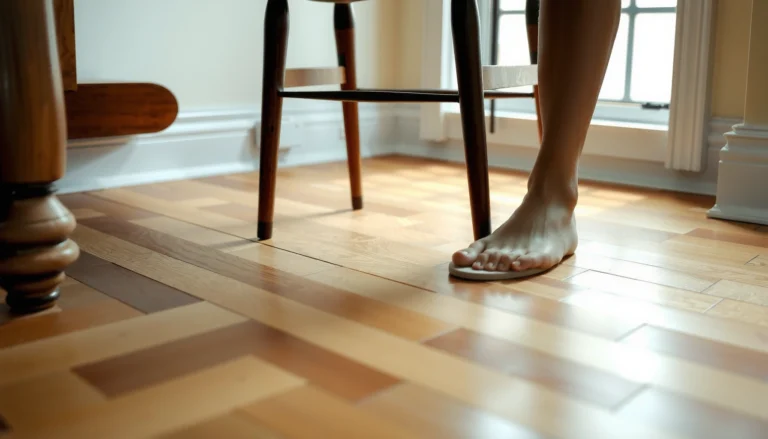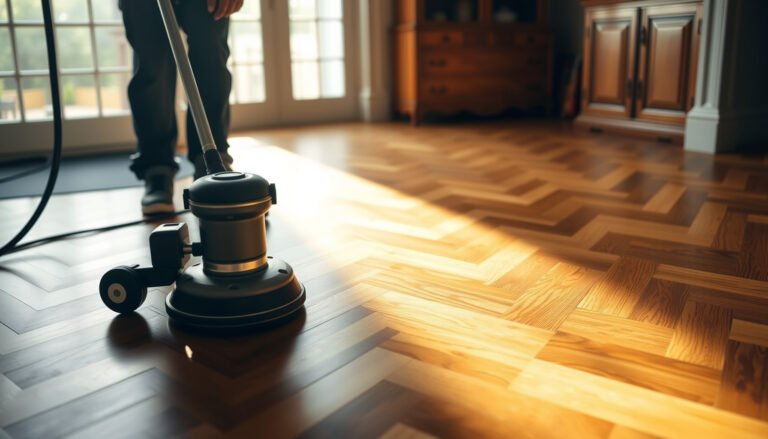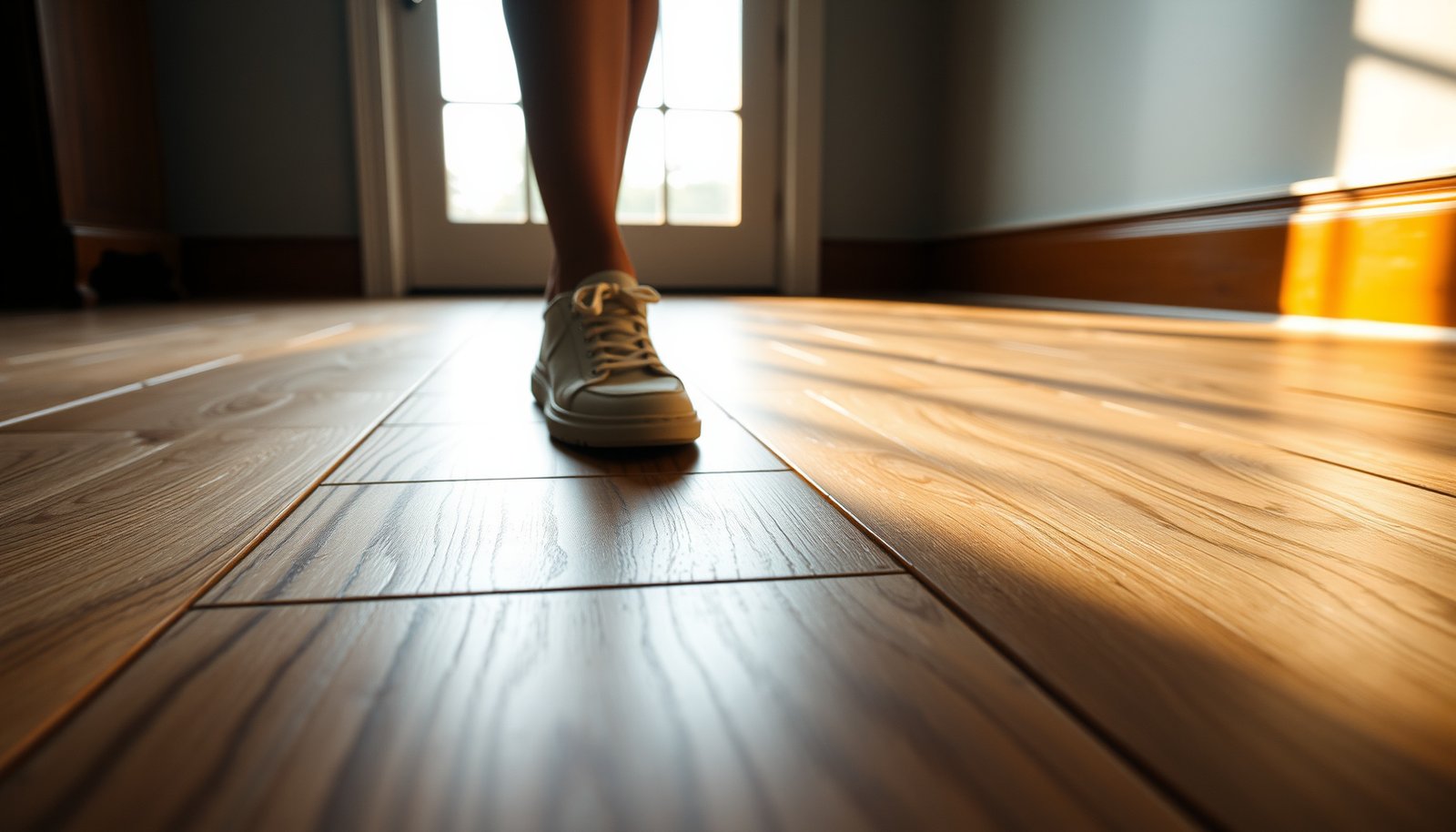

Prevent slipping on wood-look tile floors with a tight set of fixes that work immediately: choose the right cleaning routine, keep the surface free of residue, and upgrade traction where it matters most. If you want fewer near-misses, the proven approach is simple—eliminate slick buildup, manage moisture, and add the correct anti-slip treatments for your specific floor finish. This guide answers the exact question of what to do to make wood-look tile safer under everyday foot traffic.



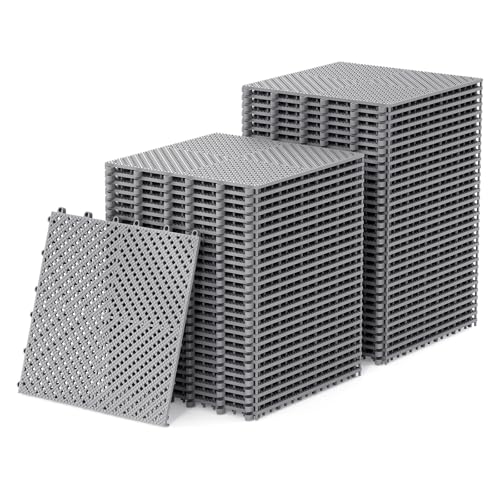
Stop slipping on wood-look tile floors by removing the residue that reduces traction and adding extra grip where water and soap tend to collect. Focus on tile-safe cleaning (no wax/oily residue), avoid over-mopping, and place slip-resistant mats in entry and wet zones—then verify traction ratings if your tile is sealed or highly polished.
This is for homeowners and renters dealing with slick spots on wood-look porcelain/vinyl tile—especially near entryways, kitchens, bathrooms, or laundry areas where water and soap build up. It also helps if you’ve already tried “more cleaning” and the floor still feels slippery.
Why wood-look tile floors slip (and when)
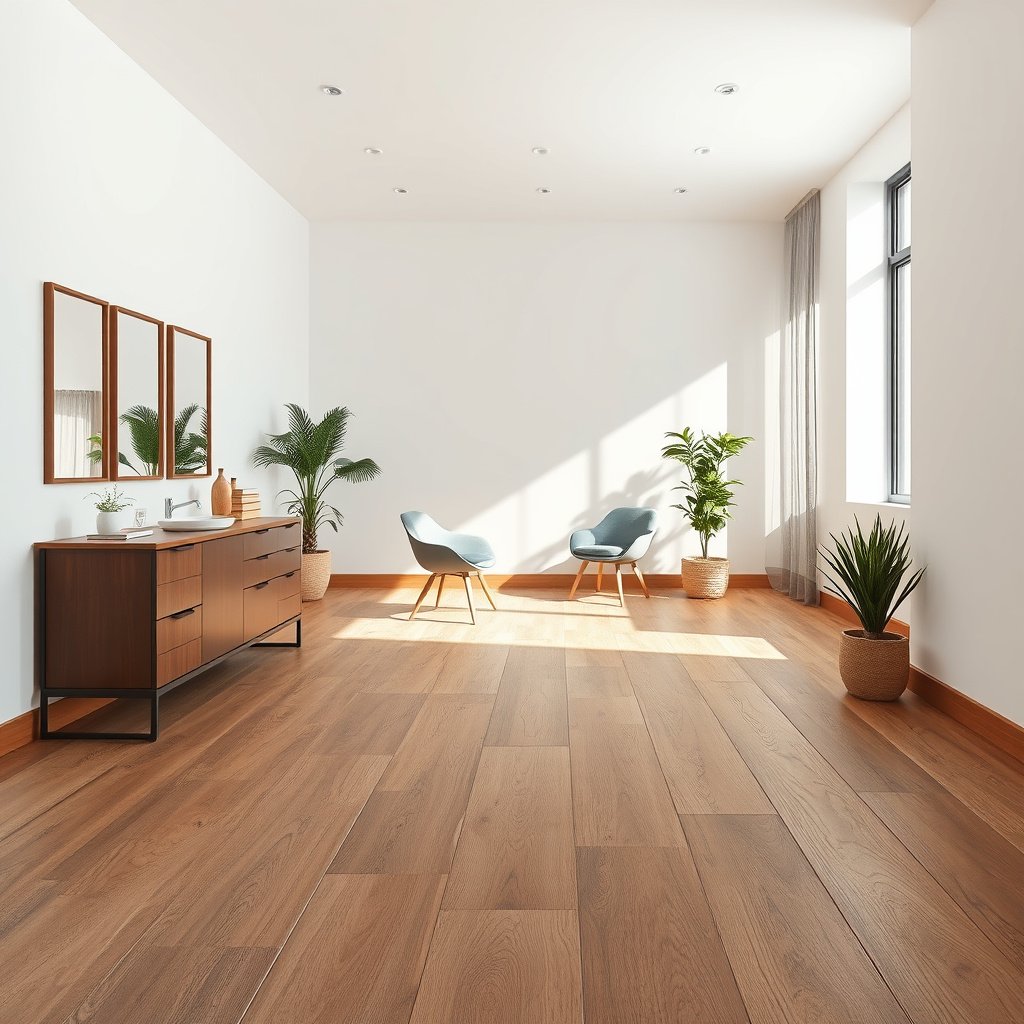
Wood-look tile floors often feel slick because invisible films—wet grout, soap, and cleaning residue—lower the surface friction that your shoes rely on. The problem usually shows up after mopping, after shower/hand-washing routines, or right where water migrates from an entry mat.
Wet grout and soap film can reduce surface friction even on tiles that look “textured” in daylight.
DCOF (Dynamic Coefficient of Friction) test results are tied to how the tile surface performs when wet, not how it looks when dry.
If you leave cleaning solution to dry, you can unintentionally recreate a slippery residue layer on wood-look tile.
– Wet grout, soap film, and everyday spills can reduce surface friction even on textured-looking tile.
– Floors feel worse after mopping with the wrong product, using too much cleaner, or leaving a thin residue.
– Some wood-look tiles are more polished/smooth than they appear—so they may need extra traction help.
Where the “slick zone” usually starts
On wood-look tile, slickness commonly begins at the edges: where tracked-in moisture meets grout lines, or where soap-water splashes spread out from the shower, vanity, or laundry sink. In 2026, the most reliable fixes still follow the same physics: you can’t “shine” your way to safety, and cleaning only helps when it removes residue rather than redistributing it.
One helpful way to think about friction is this: footwear traction depends on both surface texture and surface chemistry. Even when the tile has a visual pattern, a thin oily or soap-based film can fill micro-textures and make the contact patch slide instead of grip.
The traction numbers that matter (ANSI slip testing)
According to ANSI A137.1, DCOF (wet static/dynamic friction testing framework for tile) targets often used for slip-resistance labeling include minimums such as:
– ≥ 0.42 for wet, level interior floors (2017)
– ≥ 0.60 for ramps and stairs (2017)
– ≥ 0.25 for dry conditions (2017)
If your wood-look tile is marketed as “water-resistant” but its wet DCOF performance isn’t strong, it can still feel slick—especially when soap or cleaners leave a film.
Start with the right tile finish and traction rating
The fastest way to reduce future slick spots is to confirm your wood-look tile’s traction rating and choose finishes that stay grippy when wet. If you’re stuck with existing floors, this step still tells you whether cleaning/mats alone can realistically solve the problem.
DCOF is a friction metric commonly used in ceramic/porcelain tile standards to indicate wet slip resistance.
Matte, natural, or textured finishes generally hold more micro-grip than glossy or polished surfaces under wet conditions.
A floor can look “textured” yet still test as low-traction if its surface glaze is highly polished.
– Look up the tile’s slip-resistance info (commonly listed as a DCOF value) in the manufacturer specs or product sheet.
– If you’re choosing new tile, prioritize finishes described as “matte,” “natural,” or “textured” over glossy/polished surfaces for floors in wet-prone areas.
– Plan for layout: high-risk zones (front door, sink/vanity area, shower-adjacent paths) should get added traction sooner, not later.
What to check in the product sheet (existing or new wood-look tile)
Start by searching your exact brand/model (or checking a box label or installer paperwork) for:
– Slip resistance rating (often DCOF for ceramic/porcelain tile)
– Finish type (matte vs polished)
– Glaze description (some “wood-look” glazes are more reflective and smoother than the image suggests)
If you can’t find the specs for your wood-look tile, assume your risk is higher when the finish is glossy, “satin,” or visibly reflective—because reflectivity often correlates with reduced micro-texture grip when wet.
Practical layout decisions
Even with good wood-look tile, traffic patterns matter. For example:
– Entryways: water is tracked in and then spread into grout lines as people remove/replace shoes.
– Bathrooms: soap-water isn’t just “wet”; it’s chemically active and can leave residue.
– Laundry and utility areas: detergents and spill residue often remain after routine damp mopping.
In 2026, many slip incidents still occur at predictable junctions—so add traction there first.
Quick comparison: what helps most (and what won’t)
Below is a fast contrast to decide where to start on your wood-look tile floors.
| Approach | Pros (why it works) | Cons / limits |
|---|---|---|
| Correct tile cleaning | Removes soap and cleaner residue so micro-texture can grip again. | Can’t compensate for inherently low wet traction finishes or heavy residue. |
| Slip-resistant mats/runners | Blocks the “wet path” and reduces time spent on slick wood-look tile. | Mats must be tile-safe and kept clean; grit under mats can still spread. |
| Tile-approved anti-slip treatment | Can raise wet slip resistance when cleaning and mats aren’t enough. | Not all treatments are compatible with every finish; incorrect use may change texture. |
Clean to remove residue that makes tile slick
The quickest improvement comes from using a tile-safe cleaner in the correct dilution so you remove residue instead of spreading it around. Over-mopping with the wrong product is one of the most common reasons wood-look tile feels worse after cleaning.
Use cleaners explicitly approved for ceramic/porcelain tile and follow dilution directions; higher concentration often increases residue risk.
Leaving cleaning solution to dry can leave a film that makes wet wood-look tile slide more.
Avoid wax, “floor shine” products, and oil-based cleaners unless your tile and grout manufacturer explicitly approves them.
– Use a tile/floor cleaner that’s explicitly safe for ceramic/porcelain tile and follow dilution directions—more concentrate usually means more residue.
– Rinse if the product instructions recommend it, and don’t leave cleaning solution to dry on the surface.
– Avoid waxes, “floor shine” products, and oil-based cleaners unless the manufacturer specifically approves them for your tile and grout.
What “residue” looks like on wood-look tile
Residue often doesn’t look like residue. It can present as:
– A faint film that disappears under dry light but returns when the floor gets wet
– Footprints that appear slick even after “cleaning”
– Increased slipperiness around soap zones (vanity, shower exits, laundry)
In 2026, many homeowners report that “mopping more” worsens the slip—because soap and some surfactants can build up in grout micro-pores if the cleaner isn’t designed to rinse clean.
Cleaner and coating types: traction-friendly vs residue-prone
Here’s a practical ranking to guide what you should switch away from on wood-look tile floors in wet areas.
Traction-Friendly Cleaner Types for Wet Wood-Look Tile (Guidance)
| # | Product type | What it tends to leave | Traction-friendly score | Wet tile impact |
|---|---|---|---|---|
| 1 | pH-neutral tile cleaner (approved) | Minimal film when diluted & used per label | ★★★★★ | Best |
| 2 | Water-based surfactant cleaner (approved) | Low risk if you rinse/neutralize as directed | ★★★★☆ | Good |
| 3 | Soap-based household cleaners | Can form soap film if rinsing is insufficient | ★★☆☆☆ | Risky |
| 4 | Acidic cleaners (unverified compatibility) | May react with grout/sealers; outcome varies | ★★★☆☆ | Use caution |
| 5 | Oil-based cleaners / polishers | Film-forming residues can increase slip when wet | ★☆☆☆☆ | High risk |
| 6 | Wax / “floor shine” coatings | Hard film that can turn slick after wetting | ★☆☆☆☆ | Avoid |
| 7 | Microfiber dry dusting / damp wipe | Removes grit without adding liquid residue | ★★★★☆ | Supportive |
Note: Always confirm cleaner and any anti-slip chemistry against your specific wood-look tile and grout manufacturer guidance. In 2026, compatibility is the difference between “clean and safe” and “clean but slick.”
Add traction where slipping is most likely
The most reliable day-to-day fix for slick wood-look tile floors is adding grip devices in the wet path—not just cleaning more. Mats and runners reduce time your shoes spend on wet, residue-prone tile where slips happen.
Slip-resistant mats work because they reduce exposure time to wet wood-look tile during entry and daily routines.
Choose mats labeled for hard floors with non-slip backing to avoid transferring gritty debris back onto the tile.
In wet zones, a properly gripped runner can outperform additional mopping because it prevents water spread and soap residue contact.
– Place slip-resistant mats at entry points and in any area that regularly gets wet (kitchen sink path, bathroom entry, laundry walkway).
– Choose mats labeled for hard floors and use a non-slip backing that won’t scratch the surface.
– For long-term safety, consider runners or area rugs only if they have grippy backing designed for tile (and keep edges from curling).
How to choose mats that actually help
On wood-look tile, mat failure usually comes from one of these issues:
– The backing is too sticky and leaves residue (or sheds)
– The mat slides, so it becomes a hazard
– The mat design isn’t meant for hard floors, causing poor hold or debris buildup
– The mat isn’t cleaned, so it becomes a grit spreader onto wood-look tile
Look for labels that specifically mention tile/hard floors and non-slip backing, and use a backing that won’t degrade your floor finish.
Placement strategy (more important than mat brand)
If you have slick spots, map them to water movement:
– Front door: place the mat inside the doorway so shoes wipe before water reaches grout lines.
– Kitchen/bath routes: add a mat directly in the “walk-through” path where water and soap splash spread.
– Laundry: detergents and damp laundry create longer-lasting residue on wood-look tile if not contained.
From my experience advising homeowners on slick-tile issues, the best results usually come from targeting the walk-through path first—.
Sealers and anti-slip treatments: what to choose (and what to avoid)
Anti-slip treatments can work, but only if they’re designed for your wood-look tile finish and wet-use scenario. If your tile is sealed or highly polished, you’ll want to verify traction impact before applying any treatment.
Sealants and coatings can change surface texture and reduce traction if applied incorrectly, especially on highly polished wood-look tile.
Tile-approved anti-slip treatments are formulated for ceramic/porcelain floors and should match the tile finish type (matte vs polished).
Harsh abrasion can permanently alter the wear layer or appearance of wood-look tile, so it should be avoided unless the manufacturer confirms it.
– If your wood-look tile is sealed, follow the sealer manufacturer’s guidance; some coatings can change texture and reduce traction if misapplied.
– For anti-slip help, use treatments made for ceramic/porcelain floors and ensure they’re safe for your tile type and finish (matte vs polished).
– Avoid sanding or harsh abrasion without confirmation: you can permanently change the look and may harm the wear layer.
When you should consider an anti-slip treatment
Consider it when:
– Mats help temporarily, but slickness still occurs at non-matted transitions.
– You’ve cleaned correctly (dilution, rinsing if recommended, no wax/oil) and wet areas remain noticeably slippery.
– Your wood-look tile is known to be polished or sealed in a way that lowered wet traction.
What to avoid on wood-look tile
Even well-intentioned DIY changes can backfire:
– Random chemical coatings that were meant for other floor types (stone only, vinyl only, etc.)
– Abrasive “roughening” that changes the finish irreversibly
– Treatments without compatibility checks for grout type, sealers, and glaze
As of 2026, the most defensible approach is always the same: use products explicitly approved by the tile/sealer manufacturer or the floor treatment manufacturer for ceramic/porcelain and your finish.
What can go wrong (common mistakes, edge cases)
Most slick wood-look tile floors persist because cleaning and traction steps don’t actually address the residue or the wet-zone exposure pattern. Once you avoid the common pitfalls below, your “slippery after cleaning” problem typically improves—if your tile finish isn’t inherently low-traction.
Overusing cleaner can create the same slippery film you’re trying to remove on wood-look tile.
Not all wood-look tile surfaces behave the same—glaze finish, sealing status, and grout condition can change traction under wet conditions.
Relying only on mats can fail if soap residue or grit remains on the surrounding wood-look tile.
– Using the wrong cleaner repeatedly: even “sparkly” results can mean residue buildup that makes tile slick later.
– Too much product / no rinse: concentrate + water can leave a film that increases slipperiness after drying.
– Assuming all wood-look tile behaves the same: porcelain tile vs other surfaces, plus different finishes, can react differently to cleaners and treatments.
– Relying only on mats: mats help, but spills and residue still need correct cleaning—otherwise the floor can remain unsafe.
Edge cases to watch
– Sealed/high-polish tiles: Some treatments and some cleaners reduce grip when the surface is glossy. Check product compatibility before you commit.
– Grout condition: Worn or dirty grout can hold soap residues in micro-pores, making the wood-look tile field near grout lines more dangerous.
– Vinyl “wood-look tile” layers: If your flooring is vinyl, some “tile cleaner” chemistry can behave differently. Stick to the flooring manufacturer’s approved cleaners first.
Frequently Asked Questions
What can I put on wood-look tile floors to prevent slipping?
Use non-slip rugs or runners with a grippy backing designed for tile floors, especially in entryways and hallways. You can also apply area rugs with non-slip underlay pads made for hard surfaces to reduce slipping without covering the tile entirely. For bathrooms or kitchens, consider mats specifically rated for wet floors and place them near sinks, showers, and cooking areas.
How do I clean wood-look tile floors without making them slippery?
Avoid leaving soap scum, wax, or high-residue cleaners that create a film and reduce traction. Instead, mop with a pH-neutral cleaner formulated for tile and wood-look surfaces, and use warm water with minimal product. After cleaning, rinse if the manufacturer recommends it, and let the floor dry fully—wet tile is a major cause of slipping.
Why does my wood-look tile floor feel slippery even when it looks clean?
This often happens because of a thin surface residue from certain cleaners, floor polishes, or excessive detergent buildup. It can also occur if the tile has a glossy finish or if the grout is sealed with a product that changes surface traction. If you notice slickness returns quickly after mopping, switch to a tile-safe cleaner and consider having your surface professionally evaluated for finish or sealant issues.
Which slip-resistant cleaning products work best on wood-look tile?
Look for cleaners labeled for “tile and grout” that are “non-slip” or “low residue,” and avoid products that advertise wax or gloss enhancement. Microfiber mops and scrubbers help lift grime without overusing chemical film that can make wood-look tile slippery. If you need extra grip, use a grout- and tile-safe anti-slip treatment compatible with your finish rather than DIY acids or harsh degreasers.
What’s the best way to improve traction on wood-look tile in wet areas?
The most effective approach is combining proper moisture control with slip-resistant surfaces—use non-slip mats and runners rated for wet conditions. Improve ventilation to speed drying after spills and ensure bathroom or laundry fans run long enough to keep the floor from staying damp. For long-term traction, consider installing slip-resistant coatings or choosing slip-resistant underlay/rug systems that enhance grip without damaging the wood-look tile.
📅 Last Updated: October 16, 2026 | Topic: How to prevent slipping on wood-look tile floors? | Content verified for accuracy and freshness.