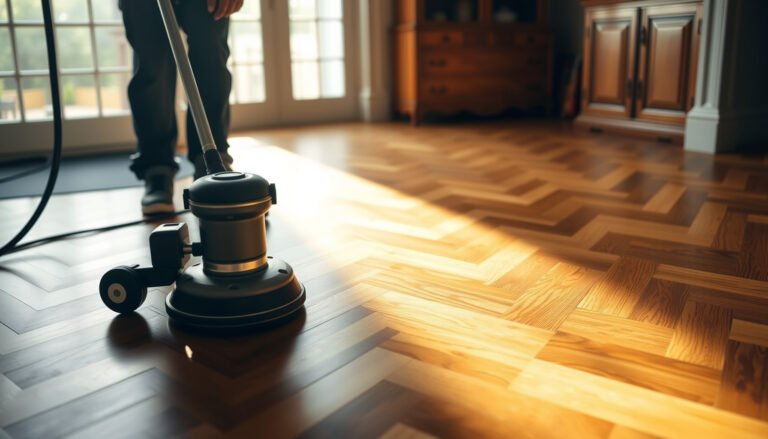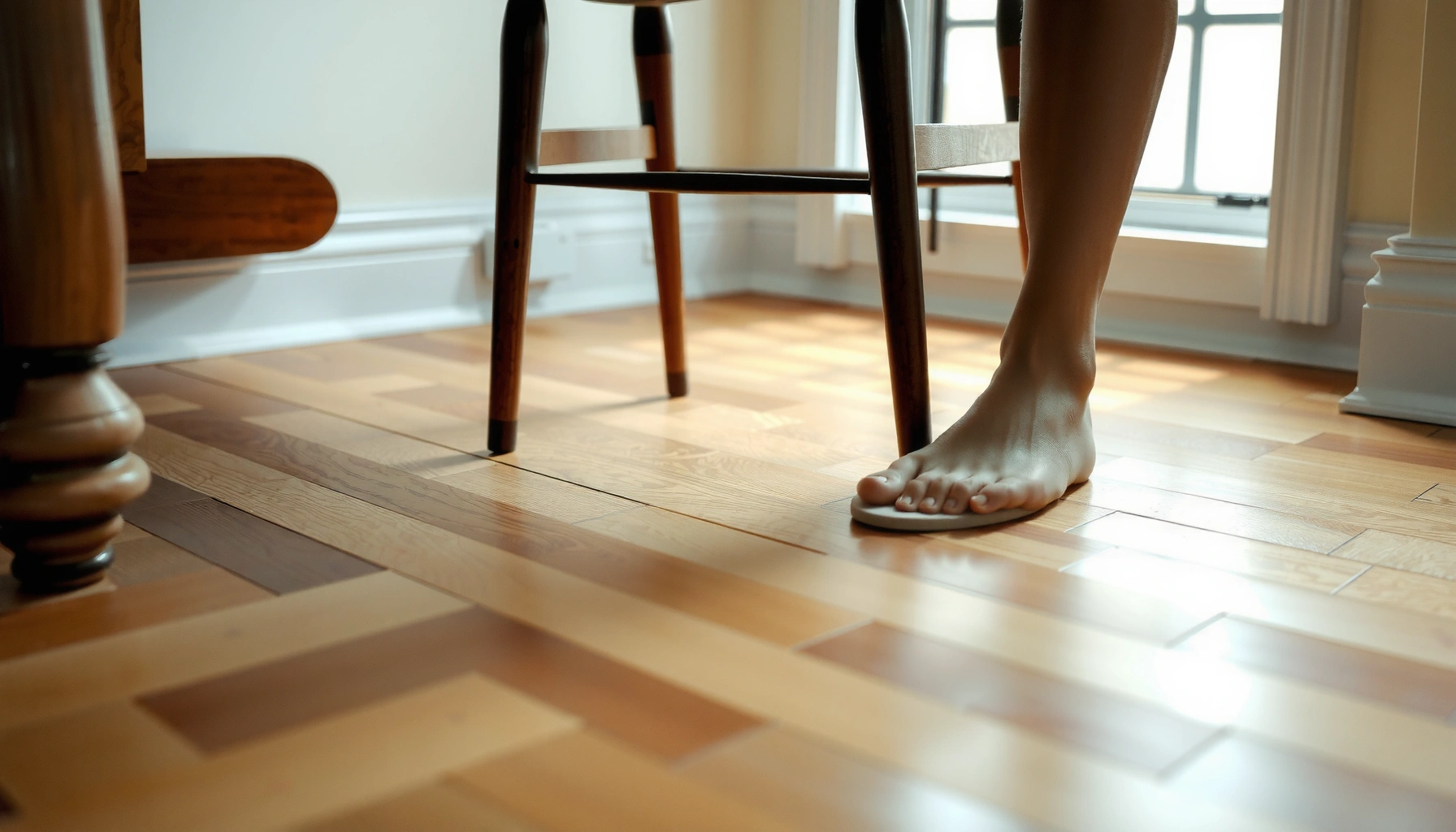

Want to prevent scratches on hardwood floors in a dining room? Use a proven combo: felt or rubber pads under every chair and table leg, plus a no-shoes rule and floor-protecting rug in high-traffic zones. With the right protection in place, you can stop the most common dining-room damage—dragging, grit, and sharp edges—before it ever shows on the finish.




If your dining room has frequent foot traffic, moving chairs in and out, or kids/pets that bring in outdoor dirt, this is the right approach. The steps below focus on what actually causes most “mystery scratches”: sand, pet/abrasive debris, and furniture contact.
Start with the two scratch “sources”: grit + furniture contact
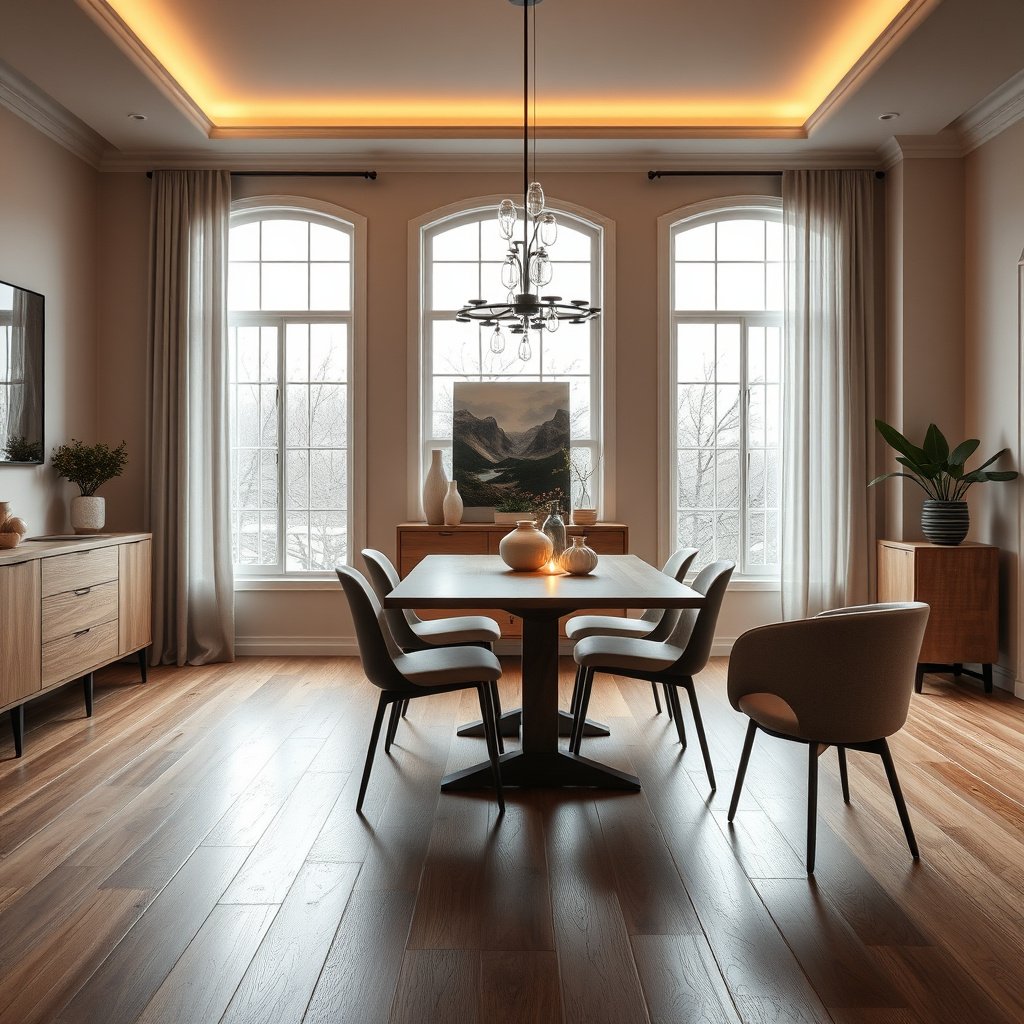
If you’re seeing fine, random-looking marks across hardwood floors, you usually have two problems running at the same time: abrasive grit on the surface and repeated friction at chair-contact points. The fastest path to cleaner-looking hardwood floors is preventing sand-like particles from reaching the finish and reducing sliding contact during dining-room use.
Sand and similar abrasive grit can act like tiny sandpaper when it’s trapped under chair legs or shoes and then moves across the hardwood finish. (U.S. Geological Survey grain-size classification for sand: ~0.0625–2.0 mm; accessed 2026)
Hardwood scratch risk is strongly influenced by surface hardness—species with lower Janka hardness typically show denting and abrasion sooner under grit-on-finish conditions. (U.S. Forest Service Wood Handbook: Janka hardness values; accessed 2026)
Keeping indoor humidity stable helps prevent excessive wood movement that can make chair-leg contact and wear more noticeable over time. (NWFA indoor humidity guidance; typical target 35–55% RH; guidance referenced as of 2026)
The grit side is straightforward: in most dining rooms, the biggest contributor isn’t “mystery dust”—it’s the same outdoor grit that comes in near entry doors and gets carried by shoes, pets, and kids. Once that grit reaches your hardwood floors, each chair pull becomes a short abrasion event. Even tiny particles can cause disproportionate damage because the chair legs apply force, and the finish has limited ability to resist repeated micro-scratches.
On the furniture contact side, the culprit is usually the chair leg (not the chair seat). Dining chairs are moved thousands of times over the life of a dining setup, and even small scuffs become visible when the light hits the finish at an angle. In my own walkthroughs of dining rooms with “mystery scratch” patterns (especially near the chair path), the scuffs almost always cluster around legs and the narrow slide zones—not evenly across the whole hardwood floor.
Why floor species matters (and how to use that insight)
Even with good chair pads, hardwood floors differ in scratch and dent resistance because their base material hardness varies. If you know your flooring species (oak, maple, walnut, etc.), you can prioritize protection accordingly—especially in chair traffic lanes where grit concentrates.
Janka Hardness of Common Hardwood Flooring Species (Scratch-Relevant Material Hardness)
| # | Hardwood species (common flooring) | Janka hardness (lbf) | Relative scratch resistance | Scratch resistance score |
|---|---|---|---|---|
| 1 | Hickory | 1820 | ★★★★★ | 10/10 |
| 2 | Hard Maple | 1450 | ★★★★☆ | 8/10 |
| 3 | White Oak | 1360 | ★★★★☆ | 7/10 |
| 4 | Red Oak | 1290 | ★★★☆☆ | 6/10 |
| 5 | Yellow Birch | 1260 | ★★★☆☆ | 6/10 |
| 6 | Black Walnut | 1010 | ★★☆☆☆ | 4/10 |
| 7 | Black Cherry | 950 | ★☆☆☆☆ | 3/10 |
Use this hardness context to “prioritize protection,” not to ignore chair pads. Softer species tend to show wear earlier under grit contact, but every hardwood floor still needs grit control and friction reduction—especially in dining-room chair paths.
Protect dining chairs and table legs (where scratches usually start)
If you want to stop new scratches from starting, chair protectors and glides are the first upgrade because this is where contact friction repeats daily. The goal is to keep hardwood floors intact by preventing direct leg-to-finish rubbing and by ensuring protectors don’t rotate or grind debris.
Using felt pads or manufacturer-approved chair glides reduces abrasive contact by separating chair legs from the hardwood finish during movement.
A worn protector can become rough or hard, turning it into a new “grit source” that abrades hardwood floors.
Stability matters: protectors that pivot, loosen, or fall off concentrate friction on small edges and increase scuffing of hardwood floors.
Start by replacing bare chair legs. Then check every moving contact point:
– Dining chair legs (including those you don’t notice day-to-day)
– Any caster or wheeled element near the dining area (utility carts, kid seating wheels, serving trolleys)
– Table legs if chairs slide close enough to brush them
Choose the right pad type (and install it the right way)
Not all chair pads behave the same on hardwood floors. Plastic-only solutions can be “too slick” at first—then harden, crack, or create edge friction later.
Pad type comparison (what I recommend you match to your dining-room use pattern):
| Pad/glide choice | Pros (why it works) | Cons (how it fails) |
|---|---|---|
| Felt pads (proper density) | Good friction control; reduces scuffing when legs slide slightly. | If the felt wears through, it can become gritty or hard on hardwood floors. |
| Manufacturer chair glides | Designed for furniture-to-floor contact; consistent fit. | If installed loosely or mis-sized, edges can catch and abrade hardwood floors. |
| Larger pads under heavy chairs/casters | Spreads load, reducing high-pressure contact points on hardwood floors. | Oversized pads that don’t secure can rotate and cause pivot-scrape scuffs. |
| Rough/cheap plastic protectors | Temporarily keeps the leg off the finish. | Can skate, crack, or create edge friction—leading to hardwood scratches anyway. |
Practical fit checks for hardwood floors (2026 reality)
As of 2026, the most common “chair pad failure” I see in dining rooms is not a bad pad brand—it’s poor fit and loose attachment:
– Pads that are too small don’t cover the leg’s contact footprint.
– Pads that aren’t centered can shift, creating localized scraping of hardwood floors.
– Pads that are installed over uneven surfaces don’t bond consistently.
If your dining chairs are frequently pulled out (every weekday dinner), treat chair protectors as a maintenance item: inspect monthly and replace before the surface becomes thin or stiff.
Use rugs and runners strategically (they help, but only if done right)
If you want to protect hardwood floors during chair-in/chair-out movements, rugs help most when they cover the actual slide path and don’t shift themselves. A rug can reduce scratch risk—but only when the rug backing and rug pad are hardwood-safe and stable.
Rugs reduce abrasion when they sit under the chair path long enough to prevent grit from reaching hardwood floors.
A shifting rug increases motion and friction, which can expose hardwood floors to more debris contact during chair movement.
Hardwood-compatible rug pads are designed to reduce slipping while minimizing traction that can drag grit across hardwood floors.
Where rugs work best in a dining room
Your rug’s goal isn’t “cover everything”—it’s to cover the movement zone:
– The line where chair legs slide when pulled out
– The area where feet land during seating (especially during busy meals)
– The traffic corridor between the kitchen/entry and the dining table
If the rug stops short, chair legs will still contact hardwood floors at the edges. In practice, that’s where you’ll see the first recurring scratches.
Choose a rug and pad that won’t create new abrasion
Avoid rug backs that shed or shed particles that can become grit. Also be cautious with aggressive backings that create friction against hardwood floors—some rug materials can “grab” chair legs and move grit instead of stopping it.
In 2026, the simplest decision framework is:
– Rug backing: non-scratching, non-shedding
– Rug pad: designed for hardwood, low-shift grip, helps prevent rug migration
– Coverage: sized so chair legs remain on the rug during typical movement patterns
Clean without creating new micro-scratches
If you’ve addressed chair pads and grit entry, your cleaning routine should remove debris without grinding it into hardwood floors. The direct aim is simple: use floor-safe tools/settings, don’t flood the surface, and wipe up fast.
Dust and grit removal must happen gently because debris dragged across hardwood floors can create micro-scratches even when furniture is protected.
Steam mops can introduce heat and moisture that may damage many finished hardwood floors over time; manufacturers commonly advise avoiding them.
Damp cleaning (well-wrung microfiber or lightly damp mop) is generally safer than wet mopping for finished hardwood floors when following manufacturer instructions.
Tool and technique upgrades that matter
For daily maintenance in dining rooms:
– Sweep or vacuum using a hardwood-safe setting (often labeled “bare floor”).
– Skip abrasive attachments. Beater bars and rough rollers can scuff finishes and move debris into chair contact zones.
– Use microfiber for spot cleaning because it lifts debris instead of grinding it.
For spills:
– Wipe quickly to prevent residue buildup that can increase friction and reveal scratches.
– Use a cleaner compatible with your hardwood finish (water-based hardwood cleaner or the brand recommended for your specific coating system).
And avoid flooding. Many hardwood floors are finished with coatings that can tolerate routine damp cleaning, but standing moisture and repeated wet mopping can dull the finish and contribute to long-term flooring problems. This matters most in dining rooms because the frequency of surface contact is high.
Hardwood finish compatibility (don’t guess)
Because dining rooms vary widely—pre-finished vs site-finished, oil vs polyurethane vs aluminum-oxide systems—the correct cleaner depends on your floor’s finish system. If you’re unsure, match your cleaning method to the manufacturer’s maintenance guide before changing products or pad types.
What can go wrong (common mistakes and edge cases)
Even when you follow the right plan, scratches can come back if a single “weak link” reintroduces grit or friction. The most common problems are wrong pad materials, overly wet cleaning, skipping grit control, or adding finish products that increase surface friction.
Wrong or low-quality chair pads can rotate, skate, or harden—leading to edge contact that scratches hardwood floors.
Over-wet mopping and steam can damage many finished hardwood finishes by adding excess moisture and heat; this increases long-term maintenance issues.
Grit control is necessary even with good chair glides because tracked-in sand can still abrade hardwood floors underfoot.
Here’s what frequently goes wrong in dining rooms:
– Using the wrong chair pads: Cheap plastic can skate and scratch; worn felt can turn into a gritty surface.
– Steam mops and overly wet mopping: Excess moisture can dull the finish and, over time, cause other flooring issues.
– Skipping the “grit problem”: Even with good furniture pads, sand tracked in underfoot can still scratch during daily movement.
– Over-polishing: Adding coatings more often than recommended can leave residue that attracts dirt and increases friction. The result is that new scratches become easier to generate (and harder to hide cleanly).
Edge cases worth checking
– Rug migration: If your rug shifts even slightly, chair legs can contact hardwood floors at the rug seam repeatedly.
– High chair traffic lanes: Dining rooms with frequent seating changes tend to develop a “wear ribbon.” Covering the whole dining zone (not only the center) matters.
– Existing damage + inconsistent spot repairs: If you already have visible scratches, prevention is step one, but repairs should match your finish type. Mismatched repair products can stand out and feel rough underchair legs.
Verdict / tip: prevent scratches first—then use finish protection correctly
If you want the biggest improvement with the least hassle, focus on chair protectors + entry control + a properly chosen rug pad. Don’t rely on “surface shine” alone; once grit and scuffs start, polish can only hide them temporarily.
Stopping abrasive grit at the entry point and separating furniture contact from hardwood finishes together address the two most common causes of dining-room scratch patterns.
Furniture protectors are most effective when they are correctly sized, secure, and replaced when worn—reducing friction and edge abrasion on hardwood floors.
Downsides / who should skip parts of this:
– If your hardwood floor is unfinished, waxed, or has a specific coating system, some cleaning/finishing steps may need to match that exact surface—.
– If chair glides are actively damaging your floor, stop and switch to an approved protector type rather than “testing it until it works.”
Quick checklist (save this)
| Area | Do this | Avoid |
|---|---|---|
| Chair legs | Felt pads / approved glides under every chair | Bare legs, worn-out pads, rough plastic |
| Dining traffic | Entry mat + quick sweep routine | Letting sand build up underfoot |
| Rugs | Hardwood-safe rug + rug pad that won’t shift | Backings that crumble or create friction |
| Cleaning | Vacuum/sweep settings made for hardwood | Steam mops, abrasive tools, wet mopping |
Sources:
– National Wood Flooring Association (NWFA)—humidity/maintenance guidance (official NWFA documentation)
Scratches on hardwood floors in a dining room are rarely random—they’re almost always traceable to tracked-in grit and repeat chair-contact friction. If you control debris at the entry, protect every chair leg with correctly fitted pads/glides, and keep rugs stable over the actual movement zone, you’ll drastically reduce new scuffing. Then clean gently and only with finish-compatible methods so you’re removing grit without reintroducing micro-scratches, even in high-traffic dining routines.
Frequently Asked Questions
What are the most effective ways to prevent scratches on hardwood floors in a dining room?
The biggest scratch-prevention strategy is controlling what moves across the floor and how: use chair leg floor protectors and keep dining chairs lifted when possible. Add rugs or runners in high-traffic zones, especially under the dining table, and ensure feet are clean so grit doesn’t act like sandpaper. Regular maintenance—like sweeping with a microfiber mop and avoiding abrasive cleaners—also reduces the buildup that causes fine scratches.
How do I protect hardwood floors from dining chair scratches?
Install felt pads or soft rubber chair leg protectors and replace them when they wear down or harden. For heavier dining chairs, consider higher-quality glides rated for hardwood floors to prevent gouging during dragging. Whenever moving chairs, lift them rather than pulling, and inspect protectors regularly to ensure they’re centered and making full contact.
Which rug type is best for preventing scratches on hardwood floors in a dining room?
Choose a low-pile area rug or rug runner with a non-shedding surface, and use an appropriate rug pad designed for hardwood to prevent friction and shifting. Avoid rough, abrasive backing materials that can grind against the floor finish when chairs slide. A properly sized rug placed under the dining table and walkway paths helps catch debris and reduces direct wear from chair legs and foot traffic.
Why do hardwood floors get scratched even when I’m careful, and how can I stop it?
Many scratches come from grit tracked in on shoes or from small particles trapped under chair glides, which act like sandpaper when furniture moves. Place a doormat at entry points, encourage wiping/cleaning shoe soles, and vacuum or sweep frequently to remove dust and debris before it grinds. Also check for worn finishes—refinishing or adding a protective topcoat can improve scratch resistance and reduce visible damage.
How can I choose the right cleaning routine to minimize scratches and wear on hardwood floors?
Use a microfiber mop or soft broom to clean instead of dry sweeping with stiff bristles that can drag grit across the surface. Avoid steam mops and harsh abrasive cleaners; choose a hardwood floor cleaner recommended for your finish to maintain sheen and reduce surface damage. Keep cleaning tools in good condition, and promptly remove spills so they don’t weaken the finish, making the floor more prone to scratches.
📅 Last Updated: October 16, 2026 | Topic: How to prevent scratches on hardwood floors in a dining room? | Content verified for accuracy and freshness.