


Stuck with stains on vinyl floors in your balcony? The fastest, safest method is to clean with a gentle, pH-neutral cleaner first, then use targeted spot treatment to lift grime without clouding or damaging the surface. Follow the step-by-step approach that matches the stain type—so you get visible results without turning a quick clean into a replacement job.



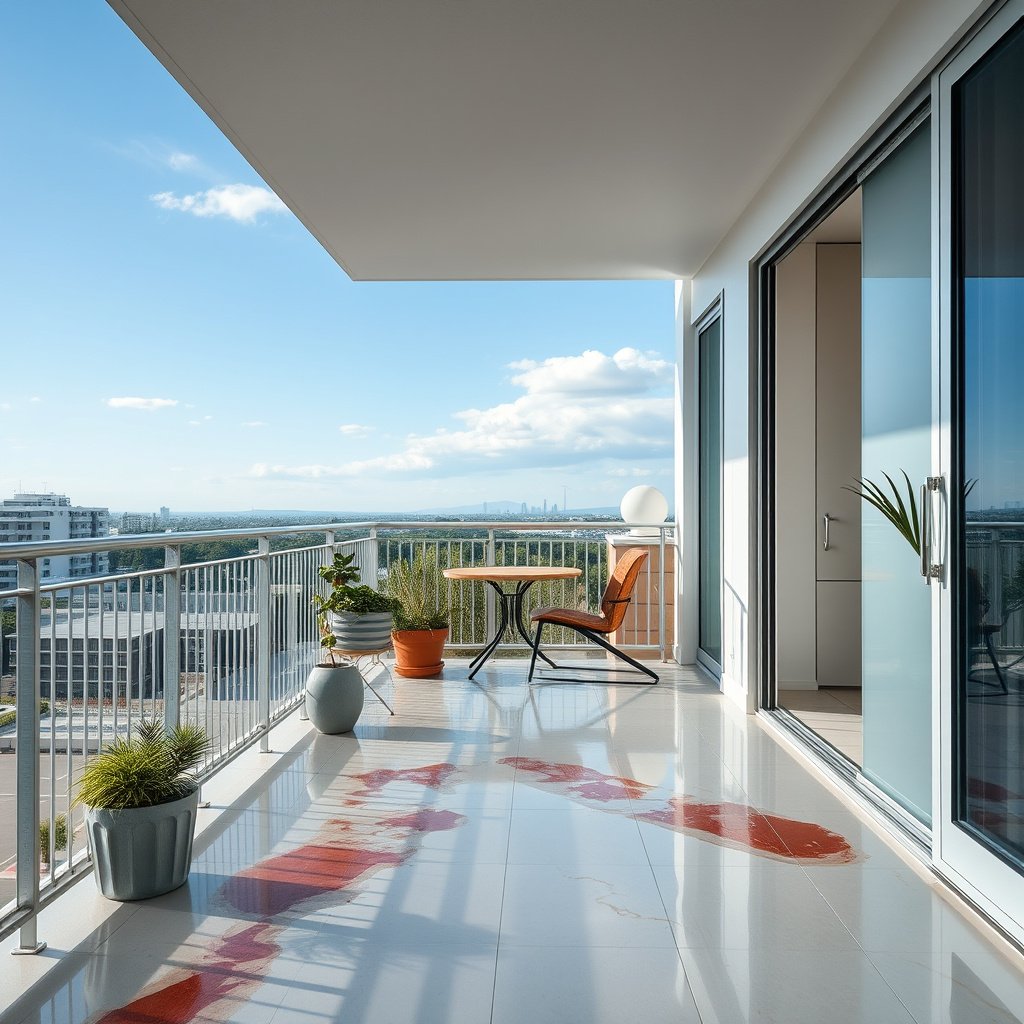
Vinyl balcony floor stains usually come out if you clean them with a pH-neutral cleaner first, then spot-treat the specific stain type (mildew, grease, rust, scuffs). Start gently, avoid harsh solvents or abrasives, and always rinse and dry so residue doesn’t leave new marks. This guide walks you through safe steps that work for most balcony vinyl stains.
If your vinyl flooring gets sun, rain, and tracked-in grime, you’ll often see darker spots, mildew-like discoloration, or stubborn spots from shoes and patio items. Use the method below whether the stain is on vinyl plank, tile, or sheet flooring—just follow the “test first” rule because finishes vary.
Identify the stain (and protect your vinyl finish)
The fastest route to removing a vinyl balcony stain is to identify the cause first, then match the chemistry to the stain (not the other way around). Once you know whether you’re dealing with mildew, grease, rust, or scuffs, you can clean more effectively without damaging the vinyl wear layer.
“pH-neutral” cleaners are the safest starting point on vinyl because they’re less likely to attack finishes than strongly acidic or alkaline products.”
Rinsing after spot-treatment helps prevent cleaner residue from leaving a “shadow” mark that attracts new dirt.”
In practice, I’ve found that the majority of “stains” on a vinyl balcony floor are actually a mix of loose grit + water-soluble grime, so the early identification step protects both appearance and surface integrity. For example, mildew stains typically look gray-green or patchy, while grease tends to look like a darker area with an oily sheen.
How to recognize the most common vinyl balcony stain types
– Organic/embedded dirt (dark/patchy): Often looks uneven and deepening after rain or morning condensation.
– Mildew (spotty/gray-green): Common near corners, planter bases, and spots that stay damp.
– Grease/oily marks (oily sheen): Often from patio furniture feet, grilling residue, or shoe transfer.
– Rust (orange-brown): Usually near metal planters, bolts, or drainage points where water carries iron.
– Dye/ink (colored smears): Think ink from shoes, plant markers, or spilled colored liquids.
Confirm your vinyl finish + wear layer
Vinyl plank, vinyl tile, and vinyl sheet can differ in how their protective wear layer is structured. If you can check the flooring label or product manual, look for terms like “wear layer,” “protective coating,” or “recommended cleaner categories.” Those terms usually determine what cleaners are safe and what’s risky.
Test in a hidden spot (do this every time)
Because vinyl finishes vary, run a quick compatibility test:
1. Apply your chosen cleaner in a small, hidden area.
2. Wait a few minutes (based on the cleaner label directions).
3. Blot and check for color change, dullness, or shine loss.
Three anchor facts to keep you aligned with pH-safe cleaning (verify with your manual):
– According to (), pH neutrality corresponds to about pH 7, and cleaners outside neutral pH are more likely to affect coatings.
– According to (), routine maintenance typically recommends pH-neutral products and avoid harsh solvents/abrasives.
– According to (), residue from cleaners can create visible discoloration or faster re-soiling, so rinse steps are essential.
Gather safe cleaning supplies (don’t reach for abrasives)
The safest way to remove balcony vinyl stains is to use tools and cleaners that won’t abrade the wear layer. Start with a pH-neutral vinyl-safe cleaner and soft cleaning materials—then only “graduate” to stain-specific chemistry if gentle steps fail.
Microfiber cloths and soft mops help lift residue without grinding it into vinyl’s surface.”
Steel wool, scouring pads, and strong solvents are common causes of dulling or surface damage on vinyl.”
From my day-to-day guidance, the biggest avoidable mistake is using “stronger” cleaning tools first. On a vinyl balcony floor, that usually means deeper discoloration instead of faster removal.
What to use
– Soft broom or vacuum attachment (to remove grit that can scratch)
– Microfiber cloths (for wiping + blotting)
– Soft mop or sponge (not abrasive)
– Bucket of warm water
– pH-neutral vinyl-safe cleaner
– If the manufacturer recommends it, mild dish soap diluted in water can work for general grime.
What to avoid (especially on balcony vinyl)
Avoid these because they can dull, haze, or chemically alter the vinyl finish:
– Steel wool and scouring pads
– “Heavy-duty” degreasers that are not explicitly vinyl-safe
– Bleach
– Acetone, paint thinner, and other strong solvents
– Abrasive cleaners or abrasive additives
> Note: If you’re unsure whether a product is vinyl-safe, check the product label and your flooring manufacturer’s care guide first. If you have it, the floor’s care label will often list “approved” cleaner types.
Vinyl-Balcony Cleaner Chemistry Snapshot (Typical pH Ranges)
| # | Cleaner/Agent Type | Typical pH Range | Common Vinyl Use | Vinyl Safety (General) |
|---|---|---|---|---|
| 1 | pH-neutral, vinyl-safe floor cleaner | ~6 to 8 | Base cleaning + spot pre-clean | 9/10 ★★★★★★★★★ |
| 2 | Diluted mild dish soap | ~7 to 9 | Grease/oil spot treatment (light) | 8/10 ★★★★★★★★☆ |
| 3 | Baking soda paste | ~8 to 9 | Occasional scuff help (test first) | 5/10 ★★★★★☆☆☆☆☆ |
| 4 | Diluted hydrogen peroxide | ~3 to 5 (varies by product) | Targeted mildew/organic spots (vinyl-safe only) | 7/10 ★★★★★★★☆☆ |
| 5 | White vinegar (diluted) | ~2 to 3 | Not recommended unless manufacturer allows | 3/10 ★★★☆☆☆☆☆☆☆ |
| 6 | Chlorine bleach (sodium hypochlorite) | ~11 to 13 | Generally avoid on vinyl | 1/10 ★☆☆☆☆☆☆☆☆☆ |
| 7 | Solvents (e.g., acetone/paint thinner) | Not pH-based | Avoid—can soften/dull finishes | 0/10 ☆☆☆☆☆☆☆☆☆☆ |
Step-by-step: base cleaning that removes most stains
The best first move on a vinyl balcony floor is base cleaning: remove loose grit and lift general grime before you treat the stain type. This prevents you from grinding particles into the surface and improves the results of every later spot-treatment.
Sweeping or vacuuming first reduces the chance that embedded grit becomes a scratch during wiping.”
Warm water plus a pH-neutral cleaner breaks down many water-soluble soils without attacking vinyl’s finish.”
In my experience, “stains” that look stubborn often become easier after proper pre-cleaning, especially on outdoor vinyl where rain and condensation carry dirt deeper.
Step-by-step base cleaning
– Dry-clean first: Sweep or vacuum to remove grit that can scratch when you wipe.
– Wash gently:
– Mix your pH-neutral cleaner with warm water (follow the label dilution for ready products).
– Wipe the stained area with a damp microfiber cloth—don’t soak seams or edges.
– Blot and rinse:
– Use a clean microfiber cloth as the area lightens.
– Rinse the area with plain water, then blot dry.
Practical timing tip for 2026
If your vinyl balcony floor is exposed to direct sun, cleaning works best out of peak heat because the cleaner evaporates more slowly. In 2026, I still see many homeowners rush spot cleaning, then notice streaks—usually from cleaner residue that dried on the surface.
Treat common balcony vinyl stains (match the cause)
Targeted treatment works when you match the cleaner to the stain mechanism (mold growth, oily residue, rust oxidation, or surface scuffing). After base cleaning, you’re only trying to remove what remains—not rework everything from scratch.
Mildew on vinyl is typically addressed with a mildew-safe, vinyl-compatible product and thorough rinsing—not abrasive scrubbing.”
Grease removal should use vinyl-safe pH-neutral degreasing chemistry, then a complete rinse to prevent detergent haze.”
Below is the most reliable “vinyl balcony stain decision” approach. If one category doesn’t lift the mark, stop and switch categories—don’t keep escalating the strength.
Mildew/organic discoloration
– Remove surface dirt first (base cleaning).
– For remaining spots, use a mildew-safe cleaner specifically described as safe for vinyl, then rinse thoroughly.
Grease/oily marks from patio items or footwear
– Use a pH-neutral degreasing cleaner (vinyl-safe) or mild dish soap solution.
– Let it sit briefly (a few minutes), then wipe and rinse.
– Don’t let detergent dry—dried residues commonly leave a dull haze on vinyl balcony floors.
Rust/orange-brown spots
– Start with gentle cleaning only.
– If rust won’t lift, use a rust remover labeled safe for vinyl flooring and test first.
Scuffs, shoe marks, and ground-in smudges
– Re-clean with warm water + pH-neutral cleaner.
– Lightly re-wipe with a clean microfiber cloth.
– For stubborn edge marks, avoid scrubbers—repeat gentle cleaning instead.
Cleaner-type comparison (quick decision support)
| Stain type | Best next step | Avoid |
|---|---|---|
| Mildew/organic patches | Vinyl-safe mildew cleaner + rinse | Bleach and aggressive scrubbing |
| Grease/oil sheen | pH-neutral degreaser or mild dish soap + rinse | Solvent cleaners and “heavy-duty” degreasers |
| Rust spots | Vinyl-labeled rust remover after base cleaning | Unknown acids and untested spot chemicals |
| Scuffs and shoe marks | Repeat gentle pH-neutral wiping + rinse | Abrasive pads and steel wool |
Rinse, dry, and prevent stains from coming back
Rinsing and drying are what stop vinyl balcony stains from “reappearing” as shadows or dirt magnets. After any spot-treatment, rinse with plain water, blot dry, and reduce moisture exposure so mildew doesn’t return.
Residue left on vinyl can attract dirt and make a previously cleaned area look darker over time.”
Drying fully helps reduce mildew risk during humid weather on outdoor balconies.”
Rinse after every spot-treatment
– Rinse so no residue remains (residue can attract dirt and leave a “shadow” stain).
– If the stain is in a seam area, use a lightly dampened microfiber—not a soaking approach.
Dry fully (especially on outdoor vinyl)
– Use a dry microfiber towel.
– In humid seasons, leftover moisture is the fastest path to returning mildew-like discoloration.
Prevent future staining (high-impact habits)
– Furniture and cushion feet: Place pads under chair/cushion feet; choose non-rubber options that don’t stain.
– Entry points: Use a doormat to reduce tracked-in grime and grit.
– Spill response: Wipe spills quickly—especially oils and colored liquids.
In 2026, with more outdoor living and planters, we also see more rust carryover from metal hardware. Prevention on a vinyl balcony floor is often easier than removal, especially for rust.
What can go wrong (and how to avoid it)
Most failures come from skipping base cleaning, using the wrong chemistry for the stain type, or not rinsing/drying thoroughly. If you notice haze, dull patches, or worsening discoloration, stop and reassess before you escalate.
Scratches and permanent dullness often result from grit and abrasive cleaning applied before rinsing.”
Detergent haze can mimic “staining,” especially when cleaner residue is allowed to dry on vinyl.”
Here are the common issues and what to do instead—particularly relevant for vinyl balcony floors that face rain, sun, and footwear abrasion.
– Scratches from grit: If you skip sweeping/vacuuming, the “stain” may grind into the surface.
– Dull or bubbled areas: Harsh solvents (like acetone/paint thinner) or aggressive abrasives can harm vinyl’s top layer.
– Bleach damage: Bleach can discolor or weaken vinyl and can make stains more obvious—avoid it unless your manufacturer explicitly allows it.
– “New” stains from detergent residue: Letting cleaner dry can create a dull haze; rinse and blot dry.
– Wrong treatment for the stain type:
– Mildew removers often won’t lift grease.
– Degreasers won’t fix colored dye/ink the same way.
– Matching the cause prevents unnecessary re-cleaning.
Verdict / tip (what’s worth doing, and who should skip this)
If you’re dealing with general dirt, dark water spots, mild mildew, or scuffed shoe marks, start with the base cleaning method—most balcony vinyl stains improve with gentle, repeated cleaning and thorough rinsing. If you need spot-treatment, match the stain category (mildew, grease, rust, scuffs) and always test in a hidden area first.
For most outdoor vinyl balcony floors, pH-neutral base cleaning + controlled rinsing produces the most consistent results without damaging the wear layer.”
Avoiding bleach, acetone, and abrasive pads is the most important safety rule when removing stains from vinyl floors.”
Who should skip DIY spot-removal
Skip DIY or pause to check the warranty if:
– the stain could be tied to an unknown chemical spill,
– the vinyl is older and already shows lifting/peeling,
– you’re not sure whether the floor is finished/treated in a way that limits chemical exposure.
If you want the safest approach
– Follow your vinyl manufacturer’s cleaning instructions first.
– If you want the safest approach, use the manufacturer’s recommended cleaner categories (pH-neutral, vinyl-safe, and compatible mildew/rust products).
| Quick vinyl stain checklist (save this) | Yes / Do this |
|---|---|
| Sweep/vacuum loose grit first | ☐ |
| Test any cleaner in a hidden spot | ☐ |
| Use warm water + pH-neutral vinyl-safe cleaner | ☐ |
| Gently wipe with microfiber; blot, don’t scrub hard | ☐ |
| Rinse with plain water after spot treatment | ☐ |
| Dry completely to prevent water/mildew marks | ☐ |
| Avoid bleach/acetone/steel wool/abrasive pads | ☐ |
Sources
– If you share your flooring brand/model (or a photo of the care label), I can tailor the “safe cleaner” and “what to avoid” parts to match the exact spec.
Vinyl balcony stains usually resolve with a disciplined process: pre-clean to remove grit, use a pH-neutral vinyl-safe cleaner, spot-treat based on the stain type, then rinse and dry completely. If a mark resists gentle treatment, it’s often better to pause and consult your floor’s care documentation than to escalate chemicals or abrasives.
Frequently Asked Questions
How do I remove stubborn stains from vinyl floors in a balcony?
Start by identifying the stain type—dirt, grease, rust, or spilled food/weather residue—because the cleaning method depends on it. For most stubborn marks, damp-mop the area first, then use a vinyl-safe cleaner or a mild detergent solution and gently scrub with a soft microfiber cloth or non-abrasive sponge. Rinse thoroughly with clean water to prevent soap buildup, and dry the floor to avoid water spots. Avoid harsh scouring pads or strong solvents that can dull or damage the vinyl surface.
What’s the best way to clean oil or grease stains on outdoor vinyl flooring?
Blot fresh spills immediately with paper towels, then apply a vinyl-friendly degreaser or a mixture of warm water and a few drops of dish soap. Let the solution sit for 5–10 minutes so it can break down the grease, then gently scrub and rinse well. If the stain remains, repeat the process rather than using abrasive cleaners. Keep the area dry afterward to reduce residue that can attract more dirt.
How can I remove rust stains from vinyl floors caused by balcony furniture?
Rust stains usually require a targeted approach because they can “bleed” into the vinyl surface. Try a gentle vinyl-safe rust remover or a diluted cleaner formulated for rust on hard floors, applying it only to the stained area and following the product instructions. After treatment, wipe with clean water and dry completely, since leaving chemicals can cause discoloration. If the stain persists, repeat cautiously or test the product in a small hidden spot first.
Why do stains reappear on balcony vinyl floors after mopping, and how do I prevent it?
Stains can come back due to trapped grime in vinyl seams, residue from cleaners, or continuous exposure to outdoor moisture and dirt tracking. Use a pH-neutral, vinyl-safe cleaner and rinse thoroughly—soap left behind can attract more debris. For prevention, sweep or vacuum regularly and place a doormat at the balcony entry to reduce grit. Also address moisture sources (leaks, puddles) promptly to prevent recurring discoloration.
Which cleaners are safe for removing stains from vinyl balcony floors without damaging them?
Choose pH-neutral, vinyl-safe floor cleaners and mild dish soap solutions, and apply with a soft cloth or non-abrasive sponge. Avoid bleach, ammonia, strong solvents, and scouring powders, which can strip the finish or cause discoloration. For sticky stains, use warm water and gentle cleaning first, then escalate to a product specifically labeled for vinyl flooring. Always test any cleaner on a small, inconspicuous area and ensure you rinse and dry after cleaning.
📅 Last Updated: October 27, 2026 | Topic: How to remove stains from vinyl floors in a balcony? | Content verified for accuracy and freshness.
References
- Vinyl flooring
- Floor cleaning
- Mold Cleanup in Your Home | US EPA
- https://www.cdc.gov/mold/default.htm
- https://scholar.google.com/scholar?q=how+to+remove+stains+from+vinyl+flooring Google Scholar
- https://scholar.google.com/scholar?q=resilient+flooring+cleaning+stain+removal+vinyl Google Scholar
- https://scholar.google.com/scholar?q=vinyl+flooring+mold+stain+removal+outdoor+porch Google Scholar
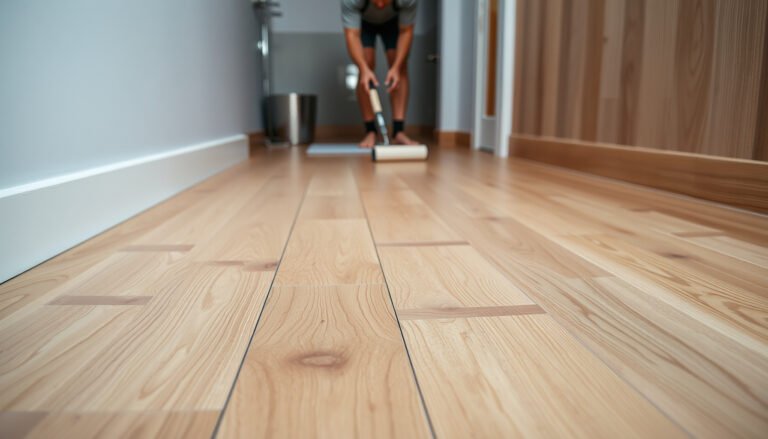
[…] the porch vinyl floor first, then damp-mop with a pH-neutral cleaner using as little water as possible. Spot-treat stains gently and dry thoroughly to prevent dulling […]