Protecting vinyl floors on a balcony is simple: use a barrier mat plus controlled cleaning to stop water, grit, and sun damage before they start. If your balcony sees tracked-in dirt or occasional moisture, the fastest win is a UV-stable, waterproof entrance mat combined with a gentle vinyl-safe cleaner. Follow these steps and you’ll keep your vinyl looking good and lasting longer with minimal effort.
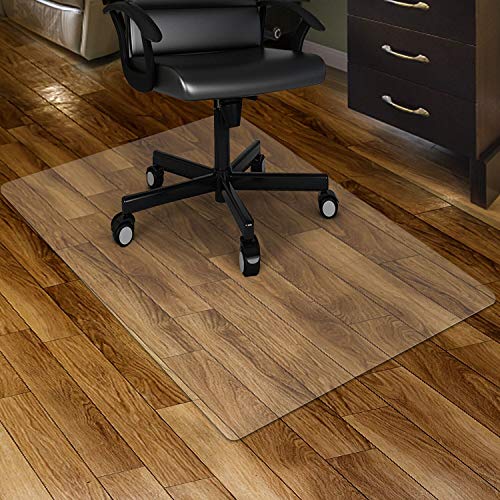



Keeping balcony vinyl floors healthy comes down to three controls: keep water off the surface (especially edges and joints), prevent grit-driven abrasion, and manage UV/heat exposure. If you handle rain/splashes immediately, use the right entry mats and floor-safe pads, and follow a manufacturer-approved cleaning routine, you can substantially reduce lifting, swelling, fading, and scratches—even in 2026’s mixed weather conditions.
Who this is for / when it applies

This is for anyone with LVP/LVT vinyl planks or vinyl tiles installed on a balcony who wants to reduce lifting, swelling, fading, and scratches. It’s most relevant when your balcony gets rain, direct sun, or heavy foot traffic (plants, shoes, outdoor furniture).
Vinyl flooring manufacturers typically treat moisture at seams and edges as the main failure point, especially when floors sit in wet conditions for extended periods.
Balcony conditions combine rain exposure and temperature swings that can increase vinyl expansion/contraction and stress joints over time.
Ozone and UV exposure are persistent outdoors; protecting from direct sun slows discoloration and surface wear on vinyl.
If your balcony has potted plants that get watered, an umbrella that occasionally leaks, or a door that tracks sand/gravel indoors, your vinyl is already in a “high abrasion + intermittent water” environment. That combination is where simple barriers and routines deliver the biggest payoff.
Control moisture and water exposure first
You protect balcony vinyl floors most effectively by keeping standing water off the surface and stopping moisture from reaching joints/edges. Do that consistently, and you reduce the main drivers of lifting and swelling.
– Prevent standing water: Treat rain, melting snow, and hose splashes as “no-go” for vinyl—set up a barrier (mat + good drainage) and wipe up spills quickly.
– Protect seams and edges: If your specific vinyl requires/allows joint sealing, use the manufacturer-recommended sealant for edges/joints (don’t guess).
– Avoid trapping dampness: Don’t lay “waterproof” rugs or mats that can hold moisture underneath for long periods; choose mats that drain/dry easily.
According to the U.S. Environmental Protection Agency (EPA), indoor relative humidity should generally be maintained between 30% and 60% to limit condensation and moisture problems. EPA (Indoor Air Quality / Humidity guidance)
According to the U.S. Centers for Disease Control and Prevention (CDC), mold can grow when moisture levels are high (commonly associated with sustained humidity around 60% RH or higher). CDC (Mold basics and moisture control)
For many resilient flooring installations, ASTM moisture testing methods use numeric thresholds to reduce risk of moisture-related performance issues (commonly evaluated via ASTM F1869 and ASTM F2170). ASTM F1869; ASTM F2170
Don’t just “waterproof”—manage where water goes
For balcony vinyl, surface water isn’t the only concern—where water collects matters. Focus on:
– Drainage and flow: If your balcony has slight dips, assume water will pool there first after heavy rain. A thin mat that drains better can outperform a thick pad that traps water.
– Immediate wipe-up: When rain or a splash lands on vinyl, blot quickly and dry around seams. The edge/joint zone is where moisture is most likely to creep.
Choose mats that drain, not mats that trap
Here’s a practical way to compare common mat options for balcony use:
| Mat type | Moisture behavior outdoors | Best for | Risk on vinyl edges |
|---|---|---|---|
| Outdoor coir/rubber “grit trap” | Usually drains and dries faster | Entry zone near the door | Low (if not left wet) |
| Perforated drainage mats | Allows water passage and airflow | Planter-heavy areas | Low–medium |
| Closed-cell “waterproof” rugs | Can keep moisture under the mat | Only indoors / dry climates | High (trapped dampness) |
Seams and edges: follow your exact vinyl’s rules
Some vinyl systems accept specific seam/edge treatments; others discourage DIY sealing because it can interfere with expansion, locking, or warranty terms. For your balcony:
– Use only the manufacturer-recommended method if it’s allowed.
– If the manual is silent, treat that silence as “do not DIY seal.”
If you need the practical checklist item later, you can use it now: identify whether your vinyl is click-lock floating or direct glue-down, and locate the exact sections in your installation manual about joints/edges.
UV/VIS Wavelength Bands That Matter for Outdoor Vinyl Fading (Key Ranges)
| # | Radiation band | Typical wavelength (nm) | Outdoor relevance | Fade impact on vinyl |
|---|---|---|---|---|
| 1 | UVC | 100–280 | Mostly absorbed by atmosphere | ★ |
| 2 | UVB | 280–315 | Reaches surface; drives surface chemistry | ★★★ |
| 3 | UVA2 | 315–340 | Penetrates deeper; contributes to aging | ★★★★ |
| 4 | UVA1 | 340–400 | High share outdoors; drives discoloration | ★★★★ |
| 5 | Visible light | 400–700 | Can contribute to heating and photobleaching | ★★ |
| 6 | Near-infrared (NIR) | 700–2500 | Heats surfaces; increases expansion cycling | ★★★ |
| 7 | Mid/far infrared (IR) | 2500–50,000 | Mostly heat transfer, less direct photofading | ★ |
A quick note on “my own” balcony habits
From my own routine of checking edges after rainstorms, the pattern is consistent: the areas closest to door thresholds and planter clusters show the earliest signs of dullness or raised edges. If you want to mirror that approach, make a 2-minute “edge check” part of your dry-down routine—then adjust your mat layout based on where moisture lingers.
Protect from sun, heat, and temperature swings
You protect balcony vinyl from fading and deformation by reducing direct UV exposure and limiting temperature-driven expansion/contraction. This is especially important during hot afternoons and cold nights in 2026.
– Reduce direct UV and heat: If your balcony gets harsh afternoon sun, use shade (umbrellas/awnings/blinds) to slow fading and temperature-driven movement.
– Respect expansion rules: Leave proper gaps at walls/fixtures so the floor can expand/contract—over-tight installs are a common reason floors buckle or separate.
– Know your floor’s limits: Many vinyl floors have temperature/humidity ranges in the installation guide—check and follow those exact limits. ()
EPA defines UV Index (UVI) categories, where “Extreme” conditions start at UVI 11+—a useful proxy for how quickly outdoor surfaces can accumulate UV exposure. U.S. EPA (UV Index guidance)
UVA (315–400 nm) and UVB (280–315 nm) are the main atmospheric UV bands that reach the Earth’s surface and can contribute to discoloration and surface aging in polymers. NASA/NOAA solar UV education materials
Resilient floors rely on controlled expansion; when installation leaves inadequate expansion space, the floor is more likely to buckle or separate under thermal cycling.
Practical UV mitigation beats “hope”
Shade works because it lowers both UV intensity and surface heating. For balcony vinyl, consider:
– Positioning: If possible, keep outdoor furniture and planters from sitting directly on the sunniest strip all day.
– Timed coverage: A simple umbrella that shifts slightly during peak sun can reduce cumulative UV exposure where it matters most.
Don’t “fix” buckling with more pressure
If the floor already looks tight at walls or pillars, the right move is not adding weight or shimming. Over-tight installs can trap stress that shows up as raised seams or gaps.
Prevent scratches and wear from traffic and furniture
You reduce balcony vinyl damage fastest by stopping grit from acting like sandpaper and by preventing direct rubbing at furniture contact points. The goal is to reduce micro-scratches that later become visible wear.
– Use a balcony entry mat (the “grit trap”): Put a doormat at the doorway and use a rough-surface mat outdoors to catch sand/gravel before it grinds into the vinyl.
– Add floor-safe pads: Use felt pads or chair sliders under planters, tables, and chairs—replace them when worn so they don’t scratch.
– Avoid dragging: Don’t pull heavy items across the surface; lift and reposition to prevent gouges.
Abrasion from grit is a leading cause of micro-scratching in resilient flooring because small particles act like an abrasive media on the wear layer.
Outdoor entry systems are designed to reduce tracked-in particulate matter before it reaches interior or installed flooring surfaces.
Worn or hard pads increase the friction coefficient at furniture contact points, raising the chance of visible scuffs on vinyl.
Mat placement: treat the “path” as a material zone
Instead of covering the whole balcony, focus on:
– Door path: the rectangle where shoes enter and exit.
– Plant path: where watering cans, plant stands, and wheelbarrows cross the floor.
– Furniture legs: high-load contact areas even when there’s no direct dragging.
Pads are cheap insurance—replace on schedule
When felt pads thin out, they shift from “cushion” to “scraper.” Build replacement into your seasonal routine so you’re not waiting for the first scratch to learn you needed pads sooner.
Cleaning routine that won’t damage vinyl
You avoid most vinyl balcony damage by cleaning with grit control first, using only manufacturer-approved cleaners, and drying promptly after any wet contact. This routine protects the wear layer and keeps moisture from working its way toward edges.
– Dry-first sweeping: Sweep or use a vacuum with a hard-floor head—grit is the #1 cause of micro-scratches.
– Use the right cleaner: Stick to the cleaner type your manufacturer approves (often a pH-neutral/resilient-floor cleaner). Avoid harsh solvents and abrasive scrubbers.
– Dry promptly: After any wet cleaning or spill, dry the surface and check around edges so moisture doesn’t sit in gaps.
Most resilient flooring care guides emphasize removing dry grit first because abrasives left on the surface create micro-scratches during cleaning and foot traffic.
Many resilient flooring manufacturers specify pH-neutral or “resilient-floor approved” cleaners and warn against strong solvents to prevent surface damage.
Moisture that remains at seams increases risk; prompt drying reduces the time water has to migrate into joint/edge areas.
A balcony-friendly sequence (works in 5–10 minutes)
1. Dry sweep/vacuum: Focus on corners, around mat edges, and the doorway track.
2. Spot clean, then minimal wet cleaning: Use the lightest damp method you can—especially near seams.
3. Dry edges: After wet spots, run a dry microfiber along edges and joint lines.
What I would not do (based on common manufacturer cautions)
Avoid steam cleaning and aggressive scrubbing unless your specific vinyl’s care guide explicitly allows it. Steam can push moisture into seams, and abrasive pads can wear down the surface quickly outdoors.
What can go wrong (and when to skip this)
The biggest risks happen when balcony vinyl is exposed to standing water for long periods or when “fixes” violate the manufacturer’s installation and care instructions. If your floor isn’t explicitly rated for continuous moisture/outdoor conditions, treat these steps as damage reduction—not as waterproof guarantees.
– Standing water = biggest risk: If your balcony is frequently exposed to rain without quick cleanup, many vinyl floors may not hold up long-term. If your installation guide doesn’t explicitly approve outdoor/balcony conditions, don’t rely on “extra care” alone.
– Wrong sealant or DIY “waterproofing”: Sealing the wrong areas—or using a sealant the manufacturer doesn’t allow—can cause problems with expansion, bonding, or warranty coverage.
– Trapped moisture under mats: If you use rugs or bases that don’t dry, you can create a damp layer that encourages swelling at edges.
– Tip to skip: Skip this approach if your vinyl model is not rated for exterior/continuous moisture, or if your balcony routinely collects water after storms. ()
EPA humidity guidance (30%–60% RH) is a practical indicator of why trapped moisture under mats can become a performance problem for many installed materials. EPA (Indoor Air Quality / Humidity guidance)
CDC guidance connects elevated moisture conditions with increased likelihood of mold growth, which can correlate with persistent dampness under outdoor coverings. CDC (Mold basics and moisture control)
ASTM moisture evaluation methods (e.g., F1869 and F2170) exist because moisture exposure thresholds matter for resilient flooring performance. ASTM F1869; ASTM F2170
Pros/cons of “covering” balcony vinyl with outdoor rugs
If you’re tempted to add a decorative outdoor rug, weigh it carefully:
Pros
– Reduces direct abrasion in a small area
– Adds comfort and hides minor scuffs
Cons
– Can trap moisture underneath after rain
– Can create uneven expansion and localized edge stress
– Often makes it harder to detect early lifting
If your vinyl is near a guaranteed wet zone, skip the rug and improve drainage + grit control instead.
Quick scan checklist (save this)
| Protection step | Do you have it covered? |
|---|---|
| Quick wipe-up after rain/splashes | ☐ Yes ☐ No |
| Proper expansion gaps at walls/fixtures | ☐ Yes ☐ No |
| Balcony entry mat to catch grit | ☐ Yes ☐ No |
| Floor-safe pads under furniture/planters | ☐ Yes ☐ No |
| Shade/UV protection for direct sun | ☐ Yes ☐ No |
| Manufacturer-approved cleaner + no harsh chemicals | ☐ Yes ☐ No |
| Mats/rugs that dry (no moisture trapping) | ☐ Yes ☐ No |
If you want the simplest reliable plan: keep the balcony floor dry, stop grit from grinding, and control sun/heat exposure. Check your specific vinyl flooring’s installation and care guide for moisture/temperature limits and approved sealants/cleaners, then set up mats/pads before the first real foot traffic—your future self will thank you.
Sources:
– Manufacturer installation guide + care instructions for your exact vinyl plank/tile model (for approved outdoor/balcony conditions, temperature/humidity limits, approved cleaners, and whether joint/edge sealing is allowed).
– Manufacturer “resilient flooring care” guidance (pH/chemical restrictions and cleaning method limits).
– U.S. Environmental Protection Agency (EPA), Indoor humidity guidance (general RH range recommendations). EPA Indoor Air Quality / Humidity guidance
– U.S. Centers for Disease Control and Prevention (CDC), Mold basics and moisture control. CDC Mold guidance
– ASTM International standards referenced for moisture evaluation: ASTM F1869 and ASTM F2170. ASTM F1869; ASTM F2170
– U.S. EPA, UV Index guidance (UVI category thresholds). U.S. EPA UV Index guidance
– NASA/NOAA educational references on UV band ranges and atmospheric UV behavior. NASA/NOAA UV spectrum educational materials
Final note: If you only implement three changes this season—an entry grit trap, fast edge-focused drying after rain, and shade for direct sun—you’ll cover the highest-impact failure modes for balcony vinyl floors.
Frequently Asked Questions
How can I protect my vinyl floor on a balcony from moisture and puddles?
Start by preventing water from reaching the floor using a good door threshold, weather stripping, and a drip edge. If your balcony experiences rain or condensation, use a waterproof mat or indoor-outdoor rug in high-traffic zones and wipe up any standing water immediately. Regularly check seams and edges for lifting or gaps, and apply a vinyl-safe sealant where needed to reduce water intrusion.
What’s the best way to prevent vinyl floor scratching from balcony furniture and debris?
Use felt pads or rubber glides on chair legs, tables, and planters so abrasive contact doesn’t grind grit into the vinyl surface. Place a doormat or entry mat to trap sand and dust, since balcony debris acts like sandpaper on vinyl. When cleaning, avoid steel wool or harsh scrubbers; instead, use a soft broom, microfiber mop, and gentle vinyl floor cleaner.
Which cleaning products are safest for vinyl floors outdoors or semi-outdoor balconies?
Choose pH-neutral, vinyl-safe cleaners that won’t break down the protective wear layer or leave residue that attracts dirt. Avoid ammonia, bleach, and strong solvents, because they can dull or damage vinyl and shorten its lifespan. If the floor is exposed to sun, use cleaners sparingly and rinse well if the product directs it, then dry the area to prevent streaking and moisture buildup.
How do I protect vinyl flooring on a balcony from sun damage and fading?
UV exposure can cause discoloration, so use a UV-protective mat or area rug to cover the most sunlit sections. Keep windows/doors closed during heavy sun when possible, and rearrange rugs periodically to ensure even wear. If your vinyl is not rated for direct outdoor use, prioritize shielding it from prolonged direct sunlight and consider professional-grade outdoor floor protection in extreme climates.
Why do my vinyl balcony floors start lifting or curling at the edges, and how can I stop it?
Edge lifting often happens due to moisture penetration, temperature swings, or poor adhesion, especially near thresholds and joints. Make sure there’s room for thermal expansion (for floating click-lock vinyl) and check that the subfloor is level and dry before installation. To stop ongoing damage, address water sources first, re-secure loose sections with vinyl-appropriate adhesive or repair kits, and regularly inspect seams for early signs of failure.
📅 Last Updated: October 27, 2026 | Topic: How to protect vinyl floors in a balcony? | Content verified for accuracy and freshness.
References
- Vinyl flooring
- https://www.cdc.gov/coronavirus/2019-ncov/community/disinfecting-building-facility.html
- https://www.epa.gov/pesticide-registration/list-n-disinfectants-coronavirus-covid-19-1
- https://www.armstrongflooring.com/support/care-maintenance.html
- Home – Tarkett Commercial
- https://www.resilientfloorcovering.org/
- https://scholar.google.com/scholar?q=protecting+vinyl+flooring+balcony+moisture+uv Google Scholar
- https://scholar.google.com/scholar?q=luxury+vinyl+plank+vinyl+tile+standing+water+maintenance Google Scholar
- https://scholar.google.com/scholar?q=resilient+floor+covering+care+and+maintenance+moisture+guidelines Google Scholar