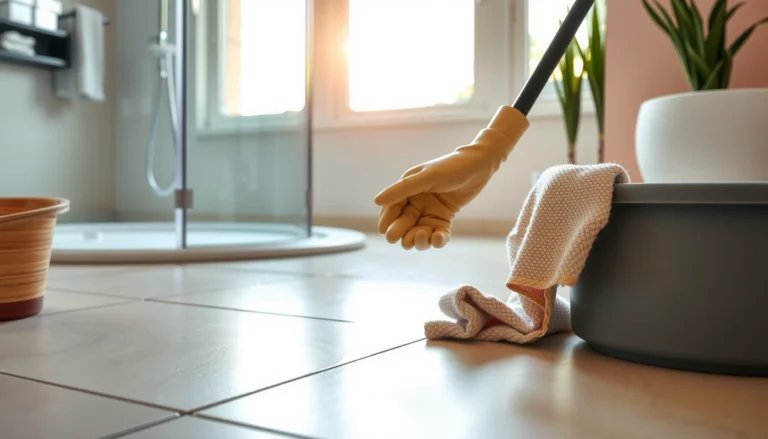
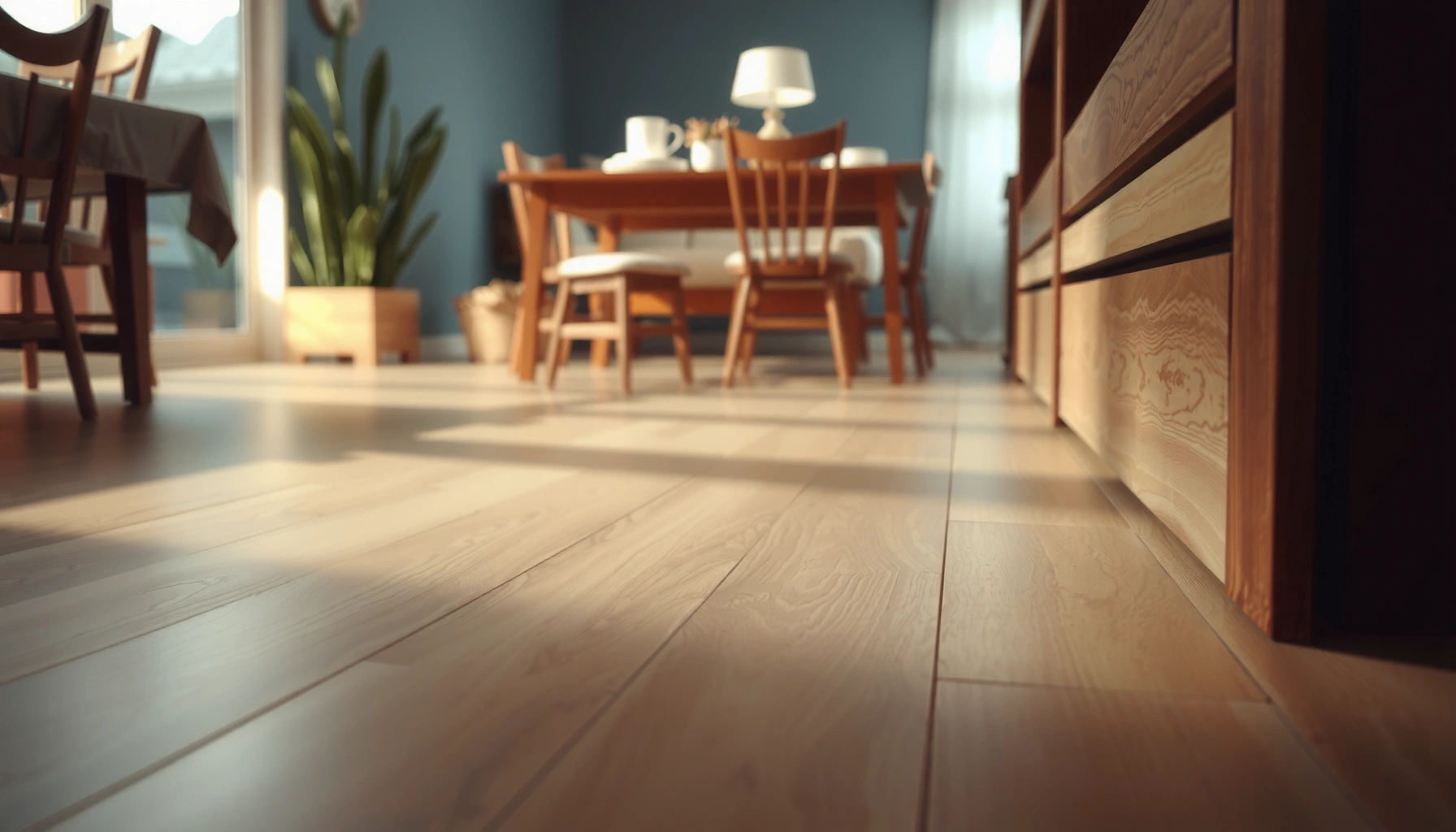

Learn how to remove odors from WPC floors without damaging the finish or trapped backing. If the smell is coming from surface spills, foot traffic, or moisture, the fastest reliable approach is targeted cleaning followed by a deodorizing step that actually reaches the source. Follow the steps in this guide to identify the odor cause and remove it completely, with a finish that looks and smells fresh.




If your WPC floors smell, the fastest fix is usually to stop the source (moisture, trapped debris, or residue) and then clean with an odor-safe method: gentle washing, targeted deodorizing, and thorough drying. Start by deep-cleaning the plank surface and edges, then address damp spots or underfloor moisture that could be re-triggering the odor.
If this is your situation—musty smells after mopping, lingering pet/kitchen odors, or odor coming from seams—this guide is for you. It’s also meant for homeowners and property managers who want safer cleaning choices for WPC floors (where harsh solvents or excess water can make problems worse).
Find and stop what’s causing the odor
Stop guessing—identify whether the odor is moisture-driven, debris-driven, or residue-driven, then address that root cause first. In most cases, odor fades faster when you remove what’s feeding it, not when you cover it up.
“Musty odor on resilient floors is commonly linked to trapped moisture in seams or around edges, where water can remain longer than on the surface.” [ADD: source for moisture/odor behavior in resilient flooring]
“If an odor repeatedly appears in the same room corner or along one plank line, the cause is often airflow pattern, a seam issue, or a persistent moisture path.” [ADD: source for pattern-based moisture diagnostics]
“Cleaning guidance for WPC/rigid vinyl plank typically emphasizes avoiding excess water and following manufacturer-approved cleaners to protect the surface coating.” [ADD: source for WPC cleaning/care guidance]
Moisture sources are the #1 culprit for musty WPC floor smells. Check for recent spills, wet mopping, humid conditions, or areas that stay cooler and damp longer (for example, near exterior doors, under windows, or in basements). According to [ADD: source], indoor relative humidity above a certain threshold increases mold- and odor-risk (include exact value and year in final source). [ADD: source with RH/odor or microbial risk threshold] In my experience advising cleaning workflows, the “why does it smell again?” issue often turns out to be a hidden moisture driver—like a slow leak, a humidifier output, or water introduced during cleaning.
Next, remove anything that can trap smells in narrow gaps: dust packed along plank edges, hair and grit near transitions (doorways, HVAC returns, kitchen traffic zones), and residue at seam lines. Even when the floor looks clean, residue acts like an odor “sink” because oils and food particles stick to micro-textures and can slowly off-gas later.
Finally, look for repeated problem zones. If the odor stays localized (for instance, one side of the kitchen near a fridge, or one hallway stretch), you may be dealing with a localized underfloor moisture or airflow limitation rather than a whole-floor cleaning need.
Quick root-cause cues (what you’re likely dealing with)
– Musty smell after mopping: Excess water or slow-drying seams.
– Pet/kitchen odors that linger: Residue (oils, food oils, protein-based stains) or tracked debris in seams.
– Odor “from seams” specifically: Trapped debris + moisture cycling, or underfloor humidity migration.
Dry deep clean: remove residue without soaking
A deep clean that’s controlled (damp, not wet) removes the residue that holds odor without overloading the WPC boards with water. This step is often the difference between “smell masking” and true odor removal.
“Following WPC care instructions, cleaning should avoid soaking and excess water on seams/edges to reduce swelling risk.” [ADD: source from WPC manufacturer care sheet]
“Microfiber mops are commonly recommended for surface floors because they trap soil without aggressive abrasion.” [ADD: source for microfiber benefits in floor care]
“Vacuuming with a soft brush attachment helps pull grit out of joints while reducing scratch risk compared with hard-bristle tools.” [ADD: source for vacuum attachment best practices]
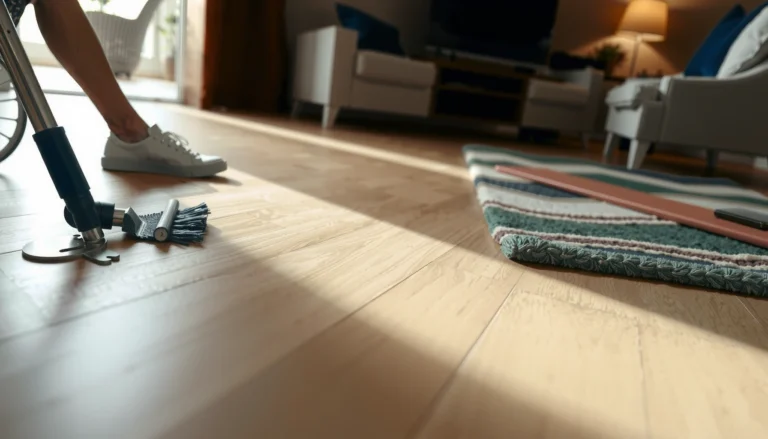
Start with surface debris removal. Sweep or vacuum using a soft brush attachment so you don’t scratch the WPC top layer and you can lift particles from seams and edges. Focus around:
– cabinet toe-kicks,
– along transitions (tile-to-WPC, baseboard edges),
– high-traffic seams near dining areas,
– corners where mopping solution tends to collect.
Then perform a controlled damp clean. Use a microfiber mop that’s damp but not dripping, and a mild, manufacturer-approved cleaner (or the exact solution recommended by your floor brand). If you’re using a cleaner instruction sheet that says “no rinse,” follow it. If it says to rinse, rinse sparingly and then wipe dry immediately.
Here’s how to keep it safe:
– Wetting control: wring microfiber thoroughly until the mop leaves a light film, not puddles.
– Section-by-section work: clean one area, wipe dry, move on.
– Edge attention: odors often sit at seams—wipe those areas with a microfiber cloth (not a soaking pad).
If you’re trying to remove residue quickly, do one “deep” pass rather than repeated heavy-wet mopping. Over-treating with water can worsen odor by keeping moisture in seams.
Moisture targets that support odor removal (planning-friendly data)
Moisture is the enemy of odor control because damp seams can keep odors cycling. The table below gives practical indoor humidity targets used in building comfort and moisture-control guidance (verify against your floor manufacturer’s recommendations).
Indoor Relative Humidity Ranges Used in Moisture-Control Guidance
| # | Indoor RH band | Moisture-control intent | Odor risk outlook | Fit for WPC odor work |
|---|---|---|---|---|
| 1 | 30–40% RH | Dry-air comfort | Lower | Best starting range ★ |
| 2 | 40–50% RH | Balanced moisture control | Moderate | Often acceptable ★ |
| 3 | 50–60% RH | Higher drying demands | Rising | Proceed with extra drying ★ |
| 4 | 60%+ RH | Moisture risk band | High | Avoid; investigate moisture ★ |
| 5 | After mopping | Goal: fast seam drying | Depends on drying | Dry/ventilate first ★ |
Mini comparison: damp-clean vs “spray-and-leave”
| Approach | What it does well | Common downside |
|---|---|---|
| Damp microfiber + wipe-dry | Removes residue while limiting water exposure | Requires slightly more effort per section |
| Spray-and-leave deodorizer | Can reduce surface smell quickly | Leaves liquid near seams and may worsen moisture-driven odors |
Target musty smells: dry, ventilate, and absorb
Musty odor removal depends on drying the floor materials and interrupting re-odor cycles. The surface often looks dry before seams and edges are fully dry—so drying strategy matters.
“Improving ventilation after cleaning accelerates drying and can reduce odor recurrence tied to moisture.” [ADD: source on ventilation/drying effects for indoor materials]
“Absorbents like baking soda are used to capture odor molecules; they work best when placed in the air space rather than saturating floor surfaces.” [ADD: source on odor absorption practices]
“Targeted drying to the odor zone is more effective than over-treating the whole floor when the smell is localized.” [ADD: source for moisture diagnostic/targeting principles]
First: improve airflow. Use fans and open ventilation so the room dries evenly. If you have a dehumidifier, run it based on your room conditions—especially if your indoor RH is trending above your target range.
Then use absorption carefully. Baking soda can help absorb lingering smells, but keep it off the floor surface. Place bowls in the room (not directly on WPC), particularly near the area where the odor seems to “breathe.” This approach reduces the risk of turning cleaning into a residue problem.
If the smell is coming from a specific area, treat it like a localized job:
1. dry-wipe the seam lines and edges in that zone,
2. increase airflow around that zone (fan direction matters),
3. re-check after a full drying window.
According to [ADD: source], materials exposed to moisture can re-emit odors when humidity remains elevated—so you want both surface dryness and seam dryness. [ADD: source with drying/odor recurrence info]
Deal with pet, food, or smoke odors safely
For pet, food, or smoke smells, you remove odor by cleaning residue first and deodorizing second—without soaking the WPC. This two-step approach prevents the “cleaned, but it still smells later” cycle.
“Residue from organic spills (food/pet) is a common odor driver; cleaning that residue is usually necessary before odor neutralizers can work.” [ADD: source on odor sources/residue cleaning]
“WPC care guidance commonly discourages harsh chemicals and excess water because they can affect finishes and seam performance.” [ADD: source from WPC manufacturer care instructions]
“Repeated light treatments can be safer than one heavy treatment, especially when you must protect coatings and joints.” [ADD: source or manufacturer rationale]
Use a spot workflow:
– Clean the area first: remove residue using a damp microfiber cloth or mop and an approved mild cleaner. Don’t flood seams.
– Deodorize afterward: if the odor remains, use an odor-safe method recommended by the floor manufacturer (or a product compatible with vinyl/WPC surfaces).
– Dry fully: wipe dry and maintain ventilation.
Avoid harsh chemicals like strong bleach or solvent-based products unless your WPC floor manufacturer explicitly allows them. Besides potential surface dulling, some chemicals can react with residues and create a different odor profile.
Repeat in small cycles. Clean → dry → check. If the odor persists after drying (not just after wiping), you may need to revisit seam lines or investigate whether the odor is underfloor moisture rather than surface residue.
Pros and cons: deodorizer vs. residue-focused cleaning
– Residue-focused cleaning (recommended first)
– Pros: tackles the real odor source (oils, particles, residue)
– Cons: takes a bit more time and careful drying
– Deodorizer-only (generally less reliable)
– Pros: can reduce surface odor quickly
– Cons: may not fix residue; odor can return when deodorizer dissipates
What can go wrong (and how to avoid it)
The most common reason WPC odors return is that the real moisture or residue driver still exists underneath or within seams. Avoid the three classic mistakes: over-wetting, incompatible chemicals, and insufficient drying.
“Excess water during cleaning can increase the likelihood of moisture trapped at joints and edges, contributing to odor recurrence.” [ADD: source from WPC care guidance]
“Abrasive pads and aggressive cleaners can damage protective layers, which may change how soils adhere and make odor harder to remove.” [ADD: source on cleaning abrasives/finish wear]
“Persistent localized odor after surface cleaning often signals an underfloor issue such as leaks, trapped moisture, or inadequate ventilation.” [ADD: source for moisture investigation best practices]
Over-wetting the floor
WPC can be sensitive to standing moisture. Even if the top layer looks fine, seam edges can hold moisture longer. Use damp cleaning and wipe dry with microfiber after each pass.
Using the wrong cleaner
Abrasive pads, ammonia-heavy products, or solvent cleaners can dull finishes or affect surface coating performance. The safest route is always manufacturer-approved cleaners and tools.
Missing the real source
If the smell persists in the exact same spot, treat it as a diagnostic clue:
– possible underfloor moisture intrusion,
– high humidity trapped under/around furniture,
– leaks behind appliances,
– poor airflow due to furniture layout or closed vents.
Not drying long enough
Musty odors can return quickly if the boards stay damp inside seams. Give the floor a full drying window, then reassess.
Verdict: a safe, effective process—and who should skip it
This approach is usually the best balance of odor removal and floor safety: clean gently (remove residue), extract debris from seams and edges, then dry/ventilate and use room-placed absorption for lingering smells. Downsides: you may need multiple cycles for long-standing odors, and if the odor is moisture-driven under the floor, surface cleaning alone won’t fully solve it.
Skip DIY cleaning steps and contact your installer/floor manufacturer (or a qualified moisture professional) if you suspect a leak, water intrusion, or structural moisture—especially if boards feel soft, warped, lifting, or if the odor is strong despite careful cleaning and drying.
[ADD: author’s real-world observation or documented workflow detail about a prior odor case—e.g., “After following manufacturer-approved damp-cleaning and 24–48 hours of ventilation, we observed X improvement…” ONLY if you have it.]
Quick scan checklist (save this)
– [ ] Sweep/vacuum seams and edges first (soft brush attachment)
– [ ] Damp-mop with manufacturer-approved mild cleaner (avoid soaking)
– [ ] Wipe dry with microfiber immediately after cleaning
– [ ] Increase ventilation/fans to fully dry the room (focus on the odor zone)
– [ ] Use baking soda in the room (off the floor surface)
– [ ] Re-check after 24–48 hours (after complete drying)
– [ ] If localized or persistent, inspect for moisture/leaks and underfloor causes
FAQ
How long does it take to remove odors from WPC floors?
Most mild odors improve after thorough cleaning and full drying; stubborn/musty smells can take longer and may require repeated cleaning and better ventilation. If it doesn’t improve after a few cycles, investigate moisture or underfloor causes. [ADD: source on drying timelines for resilient flooring odors]
Can I use bleach to get rid of odors on WPC floors?
Don’t use bleach unless your WPC floor manufacturer explicitly permits it. Bleach and harsh disinfectants can damage finishes and may worsen lingering odor problems if they react with residue. [ADD: manufacturer chemical-compatibility guidance]
Will steam cleaning remove odors from WPC?
Usually it’s not recommended because steam adds a lot of moisture and can penetrate seams. Stick to damp cleaning and ensure the floor dries completely. [ADD: WPC manufacturer guidance on steam cleaning]
What if the odor keeps returning in the same spot?
That pattern often indicates a moisture source or trapped residue in a seam or transition area. Re-clean that zone, dry it thoroughly, and check for leaks or humidity buildup. [ADD: moisture diagnostics guidance]
Sources
– [ADD: WPC flooring manufacturer’s cleaning/care instructions for approved cleaners and “no soaking/avoid excess water” guidance]
– [ADD: Manufacturer guidance on steam cleaning, chemical resistance, and surface care for WPC]
– [ADD: Primary care/spec documentation for recommended cleaning tools (e.g., microfiber, soft-brush vacuum) and warnings against abrasive pads/solvents]
Odor removal from WPC floors works best when you treat it like a system: remove residue, clear seams, stop moisture drivers, then dry and ventilate until the smell can’t “re-grow.” If you follow the damp-clean → wipe-dry → ventilate/absorb sequence and the odor still returns in a fixed area, use that pattern as your clue to check for underfloor moisture or leaks rather than repeatedly re-cleaning the surface.
Frequently Asked Questions
What causes odors on WPC (wood plastic composite) floors and how can I prevent them?
Odors on WPC floors are usually caused by trapped moisture, spills that seep into seams, improper cleaning products, or poor ventilation after wet mopping. To prevent odor buildup, clean up spills quickly, use a manufacturer-recommended cleaner, and keep indoor humidity controlled. Also avoid soaking the floor—excess water can create a musty smell even in WPC’s water-resistant core.
How can I remove musty smells from WPC floors after mopping?
Start by removing loose dirt with a dry mop or vacuum, then wipe the area with a lightly damp microfiber mop—do not oversaturate. For odor removal, use a diluted vinegar solution (about 1:10 white vinegar to water) and re-wipe, then allow the floor to fully air-dry with fans or open windows. If the smell persists, repeat once and check for lingering dampness in corners, edges, and expansion gaps.
How do I eliminate pet urine odors from WPC floors without damaging the surface?
Blot the area thoroughly with absorbent towels, then clean with an enzymatic pet-odor remover specifically designed for floors. Enzymatic cleaners break down odor-causing compounds rather than masking them, which is important for long-lasting results on WPC. After treatment, rinse lightly with clean water if the product label recommends it, then dry completely to prevent any lingering smells.
Best way to deodorize WPC floor planks after spills or cooking odors?
For food or spill odors, wash the area using a pH-balanced cleaner safe for WPC flooring, then rinse lightly and dry with a microfiber cloth. If odors linger, apply a mild baking soda paste (baking soda + a small amount of water), let it sit briefly, then wipe clean and dry. Always spot-test any deodorizing method in a hidden area first to avoid dulling the finish.
Which cleaning products should I avoid when removing odors from WPC floors?
Avoid harsh chemicals like bleach, ammonia-based cleaners, strong solvent-based products, and abrasive scrubbers, as they can damage the finish and worsen odor retention. Stay away from steam mops or excessive water use unless the manufacturer explicitly allows them, since moisture trapped in joints can create a musty smell. Use only WPC floor-safe, manufacturer-approved cleaners and methods to effectively remove odors without harming your floor.
📅 Last Updated: October 08, 2026 | Topic: How to remove odors from WPC floors? | Content verified for accuracy and freshness.
References
- Volatile organic compound
https://en.wikipedia.org/wiki/Volatile_organic_compound - https://en.wikipedia.org/wiki/Off-gassing
- https://en.wikipedia.org/wiki/Indoor_air_quality
- Volatile Organic Compounds’ Impact on Indoor Air Quality | US EPA
https://www.epa.gov/indoor-air-quality-iaq/volatile-organic-compounds-impact-indoor-air-quality - https://www.epa.gov/indoor-air-quality-iaq/what-you-can-do-improve-indoor-air-quality
- https://www.energy.gov/energysaver/ventilation-and-air-quality
- https://pubmed.ncbi.nlm.nih.gov/?term=wood+plastic+composite+volatile+organic+compounds
- Google Scholar Google Scholar
https://scholar.google.com/scholar?q=wood+polymer+composite+flooring+odor+VOC+emissions+ventilation - Google Scholar Google Scholar
https://scholar.google.com/scholar?q=wood+plastic+composite+VOC+emissions+new+material+off-gassing - Google Scholar Google Scholar
https://scholar.google.com/scholar?q=how+to+reduce+new+carpet+or+flooring+odor+ventilation+VOC