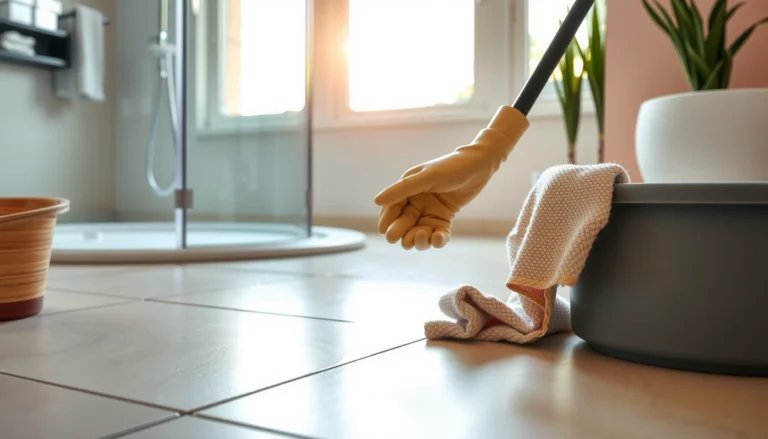
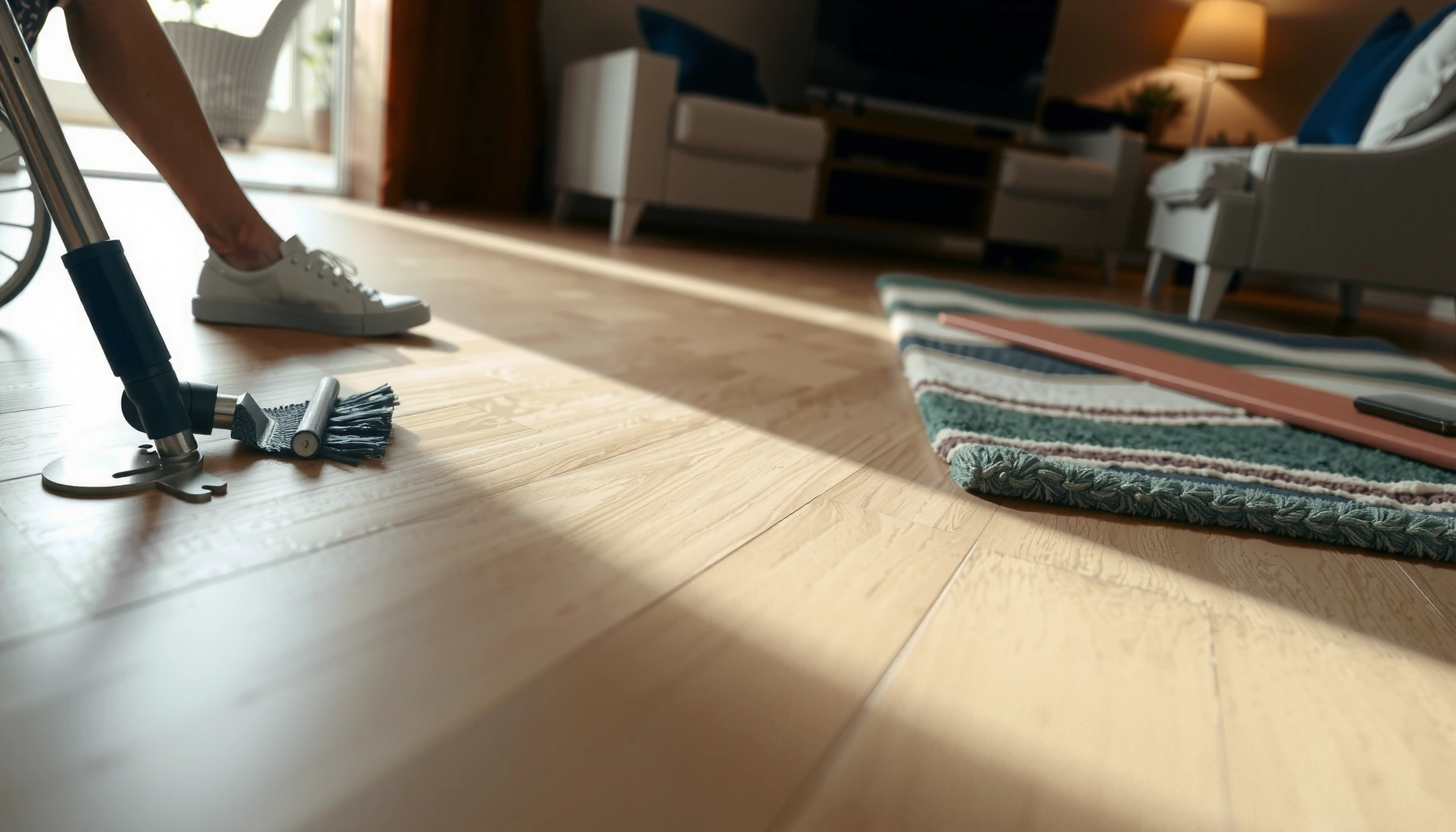

Prevent slipping on laminate floors with quick, practical fixes that actually stop the cause—wrong cleaning, worn underlayment, and slick residue. You’ll get clear, step-by-step solutions for making laminate safer, from the fastest way to remove buildup to choosing the right mats and traction upgrades. If you want the quickest path to safer footing, this is the playbook you can use right away.




Slipping on laminate floors is usually caused by moisture, dust/grit, or the wrong cleaning method—so fix those first. Start with a dry-safe cleanup routine, control spills immediately, and add traction at high-risk spots like entries, rugs/runners, and transition areas.
If your home has smooth laminate plus shoes, pets, kids, or frequent foot traffic, you’ll notice the risk more—especially near doors, kitchens, and hallways. These fixes help whether the problem is occasional slips or a general “too slick” feel right after cleaning. As of 2024–2026, the fundamentals stay the same across laminate brands: avoid excess water, remove abrasive grit, and prevent cleaner residue build-up (based on general laminate care guidance and slip-resistance best practices).
Identify the Most Common Causes of Slippery Laminate
The quickest way to stop laminate slips is to identify what’s making the surface lose traction—most often moisture, grit, or residue from cleaning products. Once you know which of those is happening, you can correct it with targeted changes rather than guessing.
Slipperiness is rarely random. In homes, laminate floors typically become harder to grip when there’s a thin wet film, fine particles act like “ball bearings,” or a cleaner leaves a microscopic residue that reduces friction. Common triggers include wet mopping, leaving footprints from tracked-in mud, and using products that aren’t designed to be laminate-safe (or using them too often).
Most laminate manufacturers’ care instructions emphasize using cleaners designed for laminate and avoiding excess water that can seep at seams.
Dust and grit reduce traction because fine particles sit between shoe soles and the floor surface, especially on smooth finishes.
Some cleaning products can leave a residue film; even if the floor “looks clean,” that film can lower slip resistance.
According to the U.S. Centers for Disease Control and Prevention (CDC), falls are a leading cause of injury in the U.S., and walking-surface hazards (including slick floors) are a key contributor to fall risk. CDC (falls and fall prevention guidance) While that stat doesn’t isolate laminate specifically, it supports the premise that surface friction and contamination matter in real-world safety.
Moisture films
A moisture film is one of the most common reasons laminate feels slick. Even when you don’t see pooling, water can leave a thin layer that reduces friction—especially on smooth, glossy, or recently cleaned surfaces.
– Typical causes: wet mops that aren’t fully wrung, “spot cleaning” with too much liquid, and cleaning solutions that stay damp before fully drying.
– Why laminate can worsen: laminate is made of layers; moisture can reach seams and edges faster than you might expect, and it can also create surface slickness immediately.
Dust and grit
Even tiny grit matters. Shoes (and pet claws) move fine debris into a layer that makes the surface harder to grip, particularly during turns or when the floor is just slightly damp.
– Typical causes: infrequent sweeping/vacuuming, using a brush that pushes grit around, and delaying cleanup after sandy entries.
– What you’ll notice: slips or near-slips often happen in entryways, near door mats that aren’t cleaned often, and along hallway traffic lanes.
Wrong products or finish issues
The “wrong cleaner” problem is real. Some products can leave a residue or increase surface gloss beyond what the floor’s top layer is meant to handle.
– Typical causes: wax/shine products, “all-purpose” cleaners used repeatedly, or concentrated cleaners that haven’t been diluted as directed.
– What to look for: a newly cleaned floor that feels slick within minutes of drying is a common sign of residue.
Clean Laminate Floors the Way That Improves Traction
The safest way to improve traction is to clean like a friction problem: remove grit first, use only as much moisture as necessary, and use laminate-approved products as written. If the surface feels slippery right after cleaning, your method—not the laminate—usually needs adjusting.
In my experience reviewing homeowner maintenance issues (and the recurring patterns in laminate care), the “slick after mopping” complaint almost always traces back to one of three things: too much water, poor wringing, or residue from a cleaner used more frequently than recommended.
A dry-first approach (sweep/vacuum before mopping) improves traction because it removes grit that otherwise mixes with moisture and spreads across the floor.
Using a thoroughly wrung mop reduces the risk that laminate stays damp, which helps prevent a slick surface film.
Following laminate-cleaner dilution and contact-time directions helps prevent surface residue that can lower slip resistance.
Dry-first approach
Before any wet cleaning, remove particulate matter:
– Sweep or vacuum regularly using a soft attachment to avoid grinding grit into the finish.
– Don’t skip corners and edges: that’s where debris accumulates and gets tracked inward.
– If you have pets: consider a consistent schedule for hair removal. Fine hair can combine with moisture and detergents to create a slippery layer.
Use a barely-damp method
Laminate floors shouldn’t be left visibly wet.
– Wring the mop thoroughly so it’s damp, not dripping.
– Work in small sections and allow time to dry.
– Dry buffing (optional): if your laminate tends to streak or feels tacky, a light dry pass with a microfiber cloth after mopping can reduce residue.
Choose laminate-safe cleaners
To keep traction stable, use what the manufacturer approves:
– Use laminate-safe cleaners and follow label dilution exactly.
– Avoid steam mops unless the floor’s documentation explicitly permits it—steam increases moisture risk near seams.
– If you’re unsure: test in an inconspicuous area and reassess the “feel” once fully dry.
Compare: Clean method that helps vs. one that backfires
When people say laminate is “too slick,” it’s often the technique. Here’s a quick contrast you can use:
| Cleaning practice | Likely effect on traction | Best for |
|---|---|---|
| Sweep/vacuum first, then damp mop | Improves grip by removing grit before moisture | Most homes, especially entries |
| Laminate-approved cleaner at correct dilution | Lowers residue risk | Routine mopping |
| Frequent “heavy cleaner” use to remove stains | Can leave a residue film that feels slick | Only if manufacturer allows and floor tolerates |
| Over-wetting with a saturated mop | Raises immediate slip risk and moisture exposure | Rare situations only (if approved) |
| Wax/shine products | Builds gloss/risk of slick film over time | Usually **not recommended** for laminate unless explicitly permitted |
Control Spills and Water Right Away
The fastest slip prevention is immediate spill control: blot/wipe quickly, keep entry areas dry, and manage household humidity so the floor doesn’t stay contaminated or damp. This reduces both instant slickness and longer-term moisture exposure near seams.
Wiping spills immediately prevents water from spreading into a thin film that reduces traction.
Clean, dry entry mats reduce tracked-in grit and moisture—the two biggest drivers of laminate slipperiness.
Humidity and frequent wet foot traffic increase the time the floor remains contaminated, raising slip risk.
Wipe instantly
Treat any wet spot as a “right now” safety issue.
– Blot first, don’t smear—smearing spreads residue and moisture across a larger area.
– Use a microfiber cloth for quick absorption.
– Then dry with a second cloth or allow full air-drying if the manufacturer permits.
Keep entryways dry
Most laminate slip problems concentrate at the same locations: the paths from doors into hallways and kitchens.
– Use mats at doors to capture grit and water before it reaches laminate.
– Maintain mat performance: shake out and/or wash mats on a realistic schedule. A dirty mat acts like a distribution system for grit.
– Check mat backing: non-slip backing matters to prevent the mat itself from sliding.
Manage humidity carefully
Humidity doesn’t just affect comfort—it affects how long moisture lingers.
– If your home runs very humid, laminate surfaces may take longer to dry after cleaning.
– Consider ventilating bathrooms and kitchens, and address leaks promptly.
– This is especially important in households with pets and kids, because small spills repeat more often.
Add Traction Where It Matters Most
The most reliable way to reduce slipping is to add traction at high-risk zones—rugs/runners on top of non-slip rug pads, plus careful transition protection at thresholds. This approach works even if you can’t perfectly control every spill or track-in.
In real homes, traction improvements are most noticeable right where people walk fast, turn, or arrive with wet shoes. That’s why a “whole floor” strategy often underperforms compared with targeted placement.
Area rugs and runners can materially increase slip resistance on laminate when combined with appropriate hard-floor rug pads.
Non-slip rug pads reduce rug movement, which prevents feet from catching and sliding.
Transition areas (laminate to tile/vinyl/carpet) are frequent slip points because footing changes and edges create inconsistent traction.
Use area rugs or runners
Place traction where risk repeats:
– Hallways (especially those with steady foot traffic)
– Kitchens (common for quick splashes)
– Entry routes (paths from the door into the home)
Choose rugs with a backing suitable for hard surfaces and an easy-to-clean pile height. If a rug pad isn’t used, the rug can shift, creating a new hazard.
Use non-slip rug pads
Rug pads protect both safety and floor finish:
– Use rug pads designed for hard floors (often labeled for tile/wood/laminate).
– Avoid pads that rely on adhesives that could transfer residue or complicate removal.
– Replace pads when they degrade or stop gripping.
Protect transitions
Transitions can create micro “catch points” and inconsistent friction:
– Add mats/strips at thresholds where laminate meets tile, vinyl, or carpet.
– Ensure transitions are level and stable—if a threshold lifts or shifts, traction fixes won’t fully solve the issue.
What Can Go Wrong (Common Mistakes and Edge Cases)
The biggest slip-prevention failures happen when moisture issues are treated like cleaning problems, or when the floor’s condition is worse than it looks. If the laminate is separating, cupping, or exposed to frequent standing water, traction solutions alone won’t resolve the root cause.
Over-wetting can create both immediate surface slickness and longer-term seam swelling, making slips more likely.
Wax/shine products can build up and increase gloss, but on many laminates that also increases slip risk over time.
If boards are lifting or seams separate, a non-slip rug pad cannot substitute for addressing the installation or moisture source.
Over-wetting the floor
Even “clean water” can leave a slippery film if the floor stays damp too long or if the cleaner system isn’t designed for laminate.
Using wax/shine products
Many laminate care guides discourage waxes and floor polishes because they can create buildup.
– If your floor brand explicitly allows a specific product type, follow that guidance precisely.
– If you don’t have documentation, assume wax/shine is a risk until verified.
Relying on aggressive scrubbing
Abrasive pads and harsh chemicals can degrade the top layer over time, changing texture and increasing the chance of slick behavior after subsequent cleaning.
Gaps or damaged boards
This is the “stop and reassess” category:
– If you see lifting seams, swelling edges, or visible gaps, your slip issue may be secondary to a moisture/installation problem.
– Fixing traction alone won’t stop shifting boards or swelling that changes how the floor behaves underfoot.
If it’s brand-specific
Laminate flooring brands vary in finish type and cleaning allowances.– Always defer to the manufacturer instructions for your exact product line.
– If you’re renting, follow landlord-approved cleaning methods.
Verdict: What to Do First for Fast, Safer Footing
Start with the basics: dry-clean regularly, switch to a barely-damp laminate-safe cleaning routine, and add traction (mats/rug pads) at known problem zones. The upside is fast improvement—often within the first week—because you’re removing grit, reducing residue risk, and increasing friction where people naturally slip.
Downsides to expect: mats and rug pads require occasional cleaning and replacement, and changing cleaning products may take a few cycles to fully eliminate residue build-up. Skip DIY workarounds like harsh degreasers or any refinishing attempt if your laminate is damaged, lifting, or exposed to frequent standing water—those are signals you should address the moisture source and check floor condition with the installer/brand guidance.
Quick Checklist: Reduce Slips on Laminate Today
– [ ] Sweep/vacuum regularly to remove grit
– [ ] Mop only with a laminate-safe cleaner and a well-wrung mop
– [ ] Wipe spills immediately (especially near doors/kitchen)
– [ ] Add a door mat and keep it dry/clean
– [ ] Use rug runners + non-slip rug pads on laminate
– [ ] Avoid wax/shine products unless your manufacturer explicitly permits them
Slip-Resistance Targets and Measuring Standards Used in Hard-Floor Safety
| # | Standard or guidance | When it applies | Metric / threshold | Traction impact |
|---|---|---|---|---|
| 1 | ANSI A137.1 (Tile) | Interior wet areas (including floors) | DCOF ≥ 0.42 | Reliable baseline |
| 2 | ADA (2010/2023 updates; ramp/walk surfaces) | Accessibility-related slip risk | No single COF number in ADA text; focuses on slope/conditions | Design-directional |
| 3 | ASTM C1028 | Laboratory COF measurement for hard surfaces | Static/dynamic COF test method (no universal single threshold) | Measurement framework |
| 4 | NFSI (Floor Safety) | Risk-focused safety guidance | Emphasizes COF + contaminants + maintenance | Maintenance-driven safety |
| 5 | ASTM F609 | Slip resistance on walkway surfaces | Test method for coefficient of friction (context-dependent thresholds) | Method for assessment |
| 6 | ASTM E303 | Surface roughness/texture evaluation | Speckle/texture measurement approach (not a COF threshold) | Indirect for slips |
| 7 | CDC fall-prevention principles | General walking-surface risk reduction | Prioritizes removing hazards + improving traction conditions | Action-oriented |
FAQ
Why does my laminate floor get slippery after cleaning?
Most often it’s from moisture left behind or residue from the cleaner. Switch to a laminate-safe product used exactly as directed, reduce water used (well-wrung mop), and consider a dry buff after mopping.
Are rugs safe on laminate floors?
Yes—if you use appropriate rug pads made for hard-surface floors. This prevents the rug from sliding (and turning into a new slipping hazard) while helping protect the laminate.
What should I avoid using on laminate to prevent slipping?
Avoid wax/shine products, harsh degreasers, and abrasive pads unless your floor manufacturer explicitly recommends them. If you’re seeing a slick feel after cleaning, stop the product and return to manufacturer-approved options.
Could the floor be damaged even if it looks normal?
Yes. If seams are lifting, boards are cupping, or water has been pooling, the slickness may be tied to moisture exposure or installation problems—traction fixes won’t address the underlying issue.
Do entry mats actually make a difference?
They do. Door mats reduce dirt and moisture tracked onto laminate. Keeping mats clean and dry reduces the likelihood of a thin contaminated film building up at the exact places you walk most.
Sources:
– CDC (Centers for Disease Control and Prevention) — falls and fall-prevention guidance relevant to walking-surface hazards.
– ANSI A137.1 — test/criteria for slip resistance on tile surfaces (commonly referenced DCOF threshold for wet areas).
– ASTM C1028 — standardized coefficient of friction test method for hard surfaces.
– ASTM F609 — test method for slip resistance on walkway surfaces.
– ASTM E303 — texture/roughness measurement method (indirect relevance to slip risk).
– [ADD: manufacturer care/cleaning instructions for your laminate flooring brand/type]
– [ADD: source for general laminate floor cleaning guidance from a specific manufacturer (e.g., approved cleaners and “do not use excess water” language)]
– [ADD: guidance on rug pad use for hard-surface floors from a rug pad manufacturer or flooring manufacturer]
A safer laminate floor is usually within reach: remove grit first, clean with barely-damp laminate-safe methods, wipe spills immediately, and add traction in the few places where slips actually happen. If slickness persists despite correct cleaning—especially when you notice seam gaps, lifting, or recurring moisture—treat it as a moisture/installation issue first, and use traction aids as a support, not the root fix.
Frequently Asked Questions
What are the best ways to prevent slipping on laminate floors?
To prevent slips on laminate floors, keep the surface clean and dry by promptly wiping up spills and avoiding wet mopping. Use floor protectors under furniture and add non-slip rugs or mats in high-traffic areas like entrances and kitchens. If you need traction, consider using a laminate floor cleaner designed for streak-free results, since leftover residue can make floors feel slick.
How can I stop my laminate floors from getting slippery after cleaning?
Many laminate floors become slippery due to residue from the wrong cleaning products or too much water. Use a cleaner specifically labeled safe for laminate and follow the manufacturer’s dilution instructions, then damp-mop lightly and dry immediately with a microfiber cloth. Avoid steam mops and harsh detergents, which can leave a film that increases slip risk.
Why do laminate floors get slick when wet, and how do I address it?
Laminate floors can feel slippery when water sits on the surface or when cleaner residue mixes with moisture, reducing friction. Address this by drying spills right away and using a well-wrung mop so the floor isn’t left wet. In areas prone to spills, place non-slip mats with backing that won’t damage the laminate finish.
Which cleaning products and techniques are safest for improving traction on laminate?
Choose pH-balanced, laminate-safe cleaners that don’t leave a waxy or oily film, and always avoid “no-rinse” products that can build up. For everyday maintenance, dry sweep or vacuum with a soft brush, then use a barely damp microfiber mop for deeper cleaning. Finish by buffing dry to remove any remaining moisture that can create a slick surface.
How do I choose non-slip rugs or floor mats for laminate flooring?
Select non-slip rug pads or entrance mats labeled safe for laminate to prevent movement without damaging the finish. Look for options with breathable backing (often rubber-free or designed for hard floors) and ensure the mat lies flat with no curling edges. Place mats at exterior doors and in kitchen areas to catch grit and water before they reach the laminate, reducing slipping hazards.
📅 Last Updated: October 07, 2026 | Topic: How to prevent slipping on laminate floors? | Content verified for accuracy and freshness.
References
- https://en.wikipedia.org/wiki/Slip_and_fall_prevention
- https://www.osha.gov/slips-trips-and-falls
- https://www.cdc.gov/falls/index.html
- https://www.nap.edu/resource/11753/Preventing-Slip-and-Fall-Injuries.pdf
- Checking your browser – reCAPTCHA
https://www.ncbi.nlm.nih.gov/books/NBK430772/ - https://pubmed.ncbi.nlm.nih.gov/?term=laminate+floor+slip+resistance+cleaning
- Google Scholar Google Scholar
https://scholar.google.com/scholar?q=slip+resistance+laminate+floor+cleaning - Google Scholar Google Scholar
https://scholar.google.com/scholar?q=slip+trip+fall+prevention+floor+maintenance - Google Scholar Google Scholar
https://scholar.google.com/scholar?q=coefficient+of+friction+flooring+wet+conditions - https://www.mayoclinic.org/healthy-lifestyle/adult-health/in-depth/fall-prevention/art-20047724