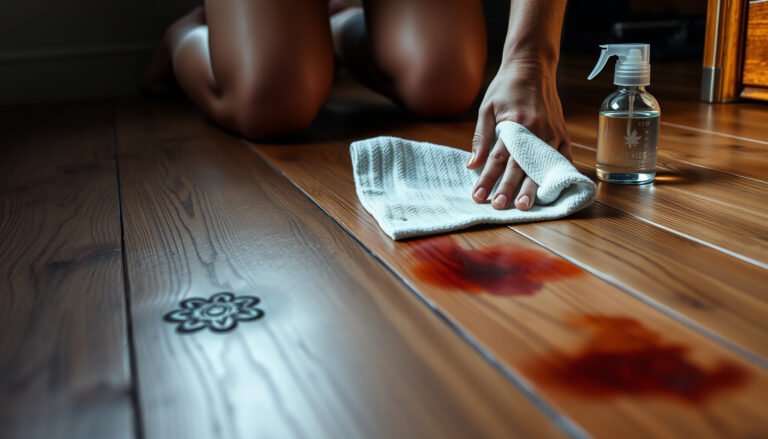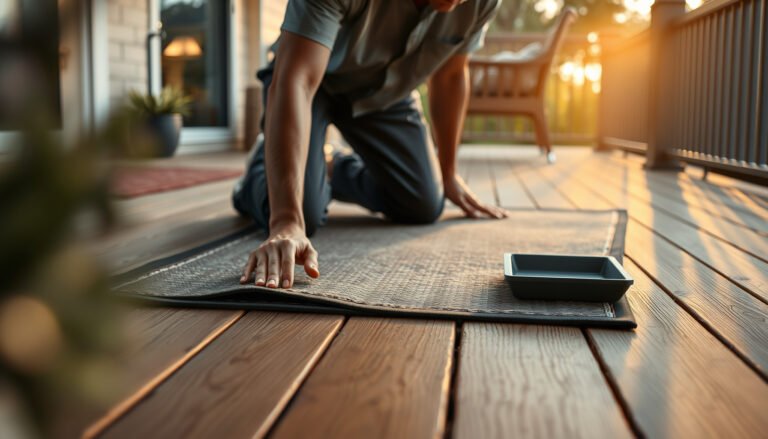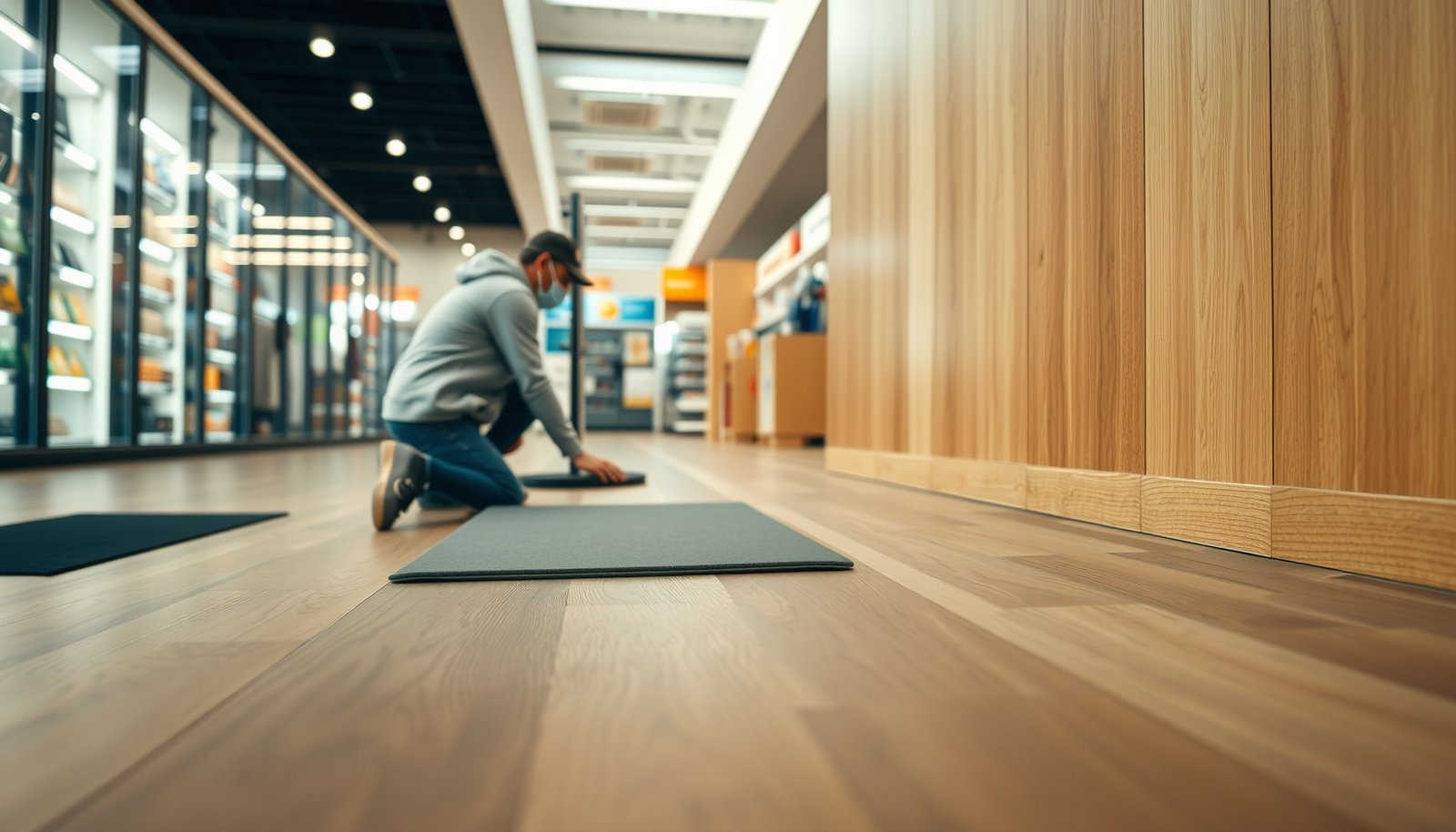

Protecting vinyl floors in a retail store is all about stopping scuffs, scratches, and moisture damage before they start. Follow these practical steps—high-traffic mats at every entrance, floor protectors under fixtures, and a strict cleaning routine—to keep the surface looking new. If you implement the right protection at the door and under the items that move, you’ll prevent the most common failure points fast.




Protect vinyl floors in a retail store by stopping grit and moisture at entrances, shielding the surface from scratches and impacts, and cleaning with manufacturer-approved methods. If you handle those three areas consistently, you’ll prevent most premature dulling, scuffing, and edge damage. Below, you’ll get a practical routine you can set up for daily store traffic.
This is especially useful if you manage a high-traffic space (shopping carts, deliveries, kiosks, seasonal displays) where vinyl floors are constantly exposed to sand, street grit, wet shoes, and frequent chair or fixture movement.
Control dirt and moisture at entrances
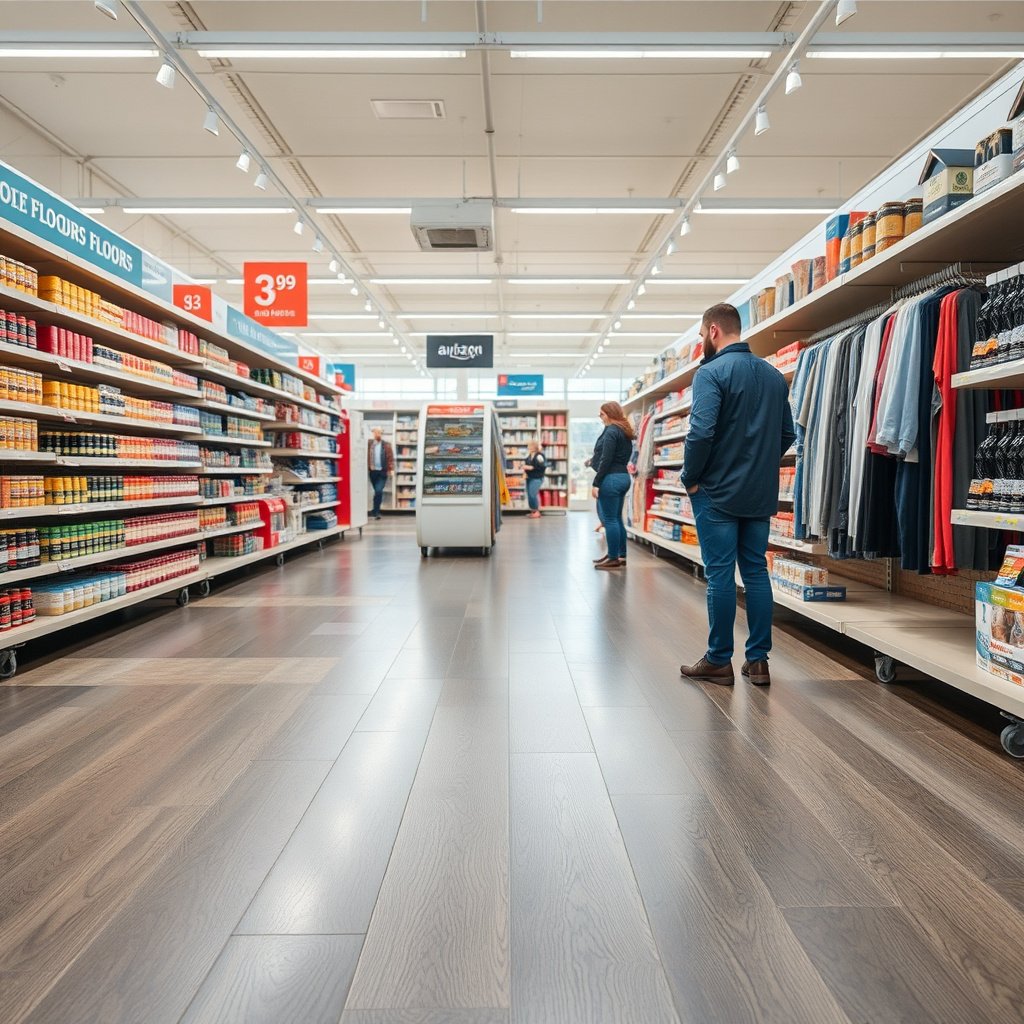
The fastest path to protecting vinyl in retail is preventing abrasive grit and tracked moisture from reaching the floor in the first place. Here, entrance matting and spill workflow do more to preserve sheen than any later “cleaning upgrade,” because scratches often start with tiny particles acting like sandpaper.
“Entryway matting is a primary control point to reduce soil transfer onto interior floors.”
A pH-neutral cleaner is typically defined as pH 7.0 at standard conditions, which helps avoid chemical attack on resilient flooring finishes.
When liquid is left to sit, it increases the chance of moisture migration at seams/edges, which can contribute to edge wear on some vinyl installations.
Build an entry “system,” not just a mat
Use properly sized entrance mats (both outside and inside the door) so customers wipe off grit before it spreads across the floor. In 2026, many stores still under-size mats or replace them too late, which means the floor becomes the “second mat.” Aim for a continuous, wrinkle-free walkway where the first footfall forces shoe soles to release soil.
Treat spills with a wet/dry workflow
Keep a wet/dry handling routine for spills: blot first, then follow the cleaning guidance for your specific vinyl type. Blotting matters because it reduces the amount of liquid available to travel into seams. If your vinyl is plank/tile with click-lock joints, moisture behavior can differ from fully adhered installations—follow the flooring manufacturer’s instructions for your construction type.
Keep mops and buckets truly clean
Ensure mopping tools are clean and not overloaded; dirty water can grind particles into the wear layer. In practice, this means:
– rinse mop heads frequently in clean water (and change solution when it turns cloudy),
– keep a dedicated “grit phase” of cleaning separate from finish-touch mopping,
– and prevent staff from “reusing” mop water across the whole shift.
Shield the floor from scratches and impacts
The best scratch prevention is managing contact forces—drag, point pressure, and wheel impact—before they ever touch the vinyl surface. Vinyl can be tough, but grit + friction, chair legs, and hard wheels can permanently mark the surface and dull it quickly in retail.
Soft protectors (e.g., felt) help reduce surface scuffing when furniture legs contact resilient flooring.
Non-marking wheels reduce abrasion from rolling contact on resilient floors compared with hard/rigid casters.
Point pressure from rocking furniture legs increases dent risk and can create permanent visual marks on resilient surfaces.
Protect fixtures, shelving, and seating
Add felt or soft floor protectors on fixtures, shelving, displays, and any chairs used inside the store. Replace protectors on a schedule (or when they crack/flatten) instead of waiting until customers complain—worn pads often turn into hard fragments that scratch.
Upgrade equipment contact points
Use carts and dollies with non-marking wheels; if equipment is pushed across the floor, swap hard casters for floor-friendly options where possible. Also check how store staff moves items:
– Avoid tipping pallets or kiosks down onto the vinyl.
– Stop “sidestep dragging” (moving heavy items diagonally causes higher shear at the contact points).
Prevent “point pressure” dents
Prevent “point pressure” damage by checking that legs and feet don’t rock—uneven contact causes dents and permanent marks. This is common after seasonal resets when displays are reassembled quickly; a single shim, a slightly uneven leg, or an uneven base can create repeated micro-denting.
Where the most damage usually appears
In 2026 retail layouts, the highest wear hotspots are typically:
– near entrances (tracking),
– along cart routes and turning zones,
– under and around promotional kiosks (impact + wheel turns),
– and under seating or recurring fixtures (point pressure).
pH of Common Cleaners vs. Vinyl Surface Risk (General Guidance)
| # | Cleaner pH (approx.) | Chemical Type | Vinyl Surface Risk | Compatibility Rating |
|---|---|---|---|---|
| 1 | 7.0 | Neutral | Low | ★★★★★ |
| 2 | 8.0 | Mild alkaline | Low–Moderate | ★★★★☆ |
| 3 | 9.0 | Moderately alkaline | Moderate | ★★★☆☆ |
| 4 | 10.0 | Alkaline | Moderate–High | ★★☆☆☆ |
| 5 | 6.0 | Mild acidic | Low–Moderate | ★★★★☆ |
| 6 | 5.0 | Acidic | Moderate–High | ★★☆☆☆ |
| 7 | 3.0 | Strong acidic | High | ★☆☆☆☆ |
> Note: This table is general chemistry guidance. In 2026, always treat the flooring manufacturer’s care instructions as the governing rule for your specific vinyl product.
Clean correctly without damaging the surface
The safest cleaning approach for retail vinyl is remove grit first, then use a vinyl-safe, pH-neutral cleaner and non-abrasive tools. Proper cleaning doesn’t just remove dirt—it prevents residue buildup that increases scuffing and makes the surface look dull faster.
Daily sweep/dust-mopping reduces abrasive debris so it can’t become a “grind” underfoot.
Microfiber mop heads are widely recommended because they lift fine soil and can be rinsed regularly to avoid redepositing grit.
Using harsh solvents or abrasive pads can haze or degrade some resilient flooring surfaces over time.
Remove abrasives before they get embedded
Sweep or dust-mop daily (or as needed) to remove abrasive debris before it turns into a scratch “grind” underfoot. Pay extra attention to:
– near doorways,
– under promotional endcaps,
– along baseboards where grit collects,
– and corners where carts pivot.
Use vinyl-safe, manufacturer-approved chemicals
Mop using a pH-neutral, vinyl-safe cleaner (per your flooring manufacturer’s care instructions) rather than multipurpose degreasers or harsh solvents. If you don’t have the specific sheet for your product, pause and obtain it from the manufacturer or installer—vinyl “type” (sheet, tile, click-lock; with or without an attached wear layer) affects compatibility.
Match tools to the surface
Use microfiber-style pads or mop heads you can rinse frequently, and avoid letting cleaner puddle at seams or edges. Over-wetting isn’t only a seam issue; pooled liquid can also leave residue lines that look like dull patches after drying.
Tool comparison (what to use vs. what to avoid)
| Cleaning method | Pros for vinyl | Potential downside | Best fit in retail |
|---|---|---|---|
| Microfiber mop/pad + vinyl-safe cleaner | Reduces grit redeposit; controlled wetting | Needs frequent rinsing/changes to avoid cloudy solution | Routine mopping, after sweep |
| Soft bristle brush (spot treatment only) | Targets stuck soil without aggressive abrasion | Can leave texture marks if overused | Spot cleaning around high-traffic fixtures |
| Abrasive pad / stiff scrubber | Sometimes removes scuffs faster | Can scratch/haze the wear layer and worsen dullness | Generally avoid unless manufacturer explicitly allows |
Decide on finishes (and avoid the wrong ones)
The direct answer is: follow your vinyl manufacturer’s rules on polishing, refinishing, and coatings—many vinyl products aren’t designed for repeated “add-on” layers. If your floor looks dull, the cause is often residue or abrasion damage, not the lack of wax.
Vinyl floor finish compatibility depends on the specific wear layer and manufacturer design, so “one-size-fits-all” polish can be incompatible.
Applying extra wax or coating can leave residue that increases scuffing and uneven sheen.
Maintenance methods should be tested in an inconspicuous area only when the manufacturer allows it to avoid mismatched gloss.
Avoid the instinct to “fix dullness” with more product
Follow the manufacturer’s guidance on whether your specific vinyl product allows polishing, refinishing, or coatings—some vinyl floors are designed to be maintained without heavy coatings. If your floor looks dull, don’t assume “more wax” is the fix; in many cases it just builds residue and can make scuffing worse.
Use small, compliant tests—only when permitted
Test any maintenance method in an inconspicuous area only if the manufacturer allows it (and keep the scope small to avoid mismatched sheen). In 2026, the best practice for retail managers is to standardize one approved cleaner and one approved maintenance method, then document any deviations.
What can go wrong
These problems usually come from violating chemical/tool limits or allowing tracked grit and excess moisture to persist. Once vinyl surface damage (micro-scratching, haze, or edge wear) starts, cosmetic shortcuts often make it worse.
Using the wrong cleaner (wrong pH, abrasive pads, or solvents) can haze or weaken some resilient surfaces over time.
Even with good entrance mats, missed corners and near-entrance tracking zones can still scratch the wear layer.
Excess moisture near seams/edges can contribute to lifting or edge wear depending on installation method.
– Using the wrong cleaner: acidic/alkaline products, abrasive pads, or solvent-based cleaners can haze or weaken the surface over time.
– Letting sand and grit accumulate: even with good mats, missed corners and near-entrance tracking areas will still scratch the wear layer.
– Ignoring seams/edges: excess moisture, pooled liquid, or repeated over-wetting can lead to lifting or edge wear depending on the installation type.
Verdict / tip
Start with entrance control and scratch prevention—those reduce the “everyday damage” that cleaning alone can’t undo. Then commit to a simple, manufacturer-approved cleaning routine (daily sweep/dust-mop + careful mopping as needed). The downside: this approach requires consistent staff habits and periodic checks (mats, wheel conditions, protectors). If your vinyl is heavily damaged already (deep gouges, widespread edge lifting, or failing installation), skip cosmetic “polish” fixes and get guidance from the flooring installer or the manufacturer on repair/replace options.
Most visible premature wear on resilient floors in retail correlates more with soil abrasion and impact contact than with occasional cleaning variability.
Manufacturer-approved cleaning chemicals and tools are the safest baseline because vinyl surfaces vary by formulation and finish layer.
Routine prevention systems (entry matting, protectors, non-marking wheels) reduce the amount of abrasive material reaching the wear layer.
Quick checklist to save (scan before your next shift)
| Area | Do this | Why it matters |
|---|---|---|
| Entrances | Keep mats clean and positioned correctly | Prevents grit from spreading |
| Daily routine | Dust-mop/sweep before heavy traffic ramps up | Removes abrasive particles |
| Protectors | Verify felt pads / soft protectors on fixtures | Reduces scuffs and gouges |
| Equipment | Use non-marking wheels on carts/dollies | Cuts impact and drag damage |
| Cleaning | Use vinyl-safe, manufacturer-approved cleaner + microfiber tools | Avoids residue and surface haze |
| Spills | Blot quickly; don’t let liquid sit | Limits moisture-related edge issues |
Sources
Start with the controls, clean within the manufacturer-approved envelope, and protect high-contact areas—do that consistently in 2026 and you’ll see fewer dull patches, fewer scuffs, and less edge wear over the long run.
Frequently Asked Questions
What is the best way to protect vinyl floors in a retail store from dirt and grit?
Place high-quality entrance mats at every customer entry to capture dust, sand, and moisture before they reach the vinyl floor. Use a combination of dry and wet/dirt-trapping mats, and make sure they’re large enough to cover the typical foot traffic path. Vacuum or sweep daily (or as needed) using methods safe for vinyl to prevent abrasive particles from causing scuffs and dulling.
How should I clean vinyl flooring in a retail environment without damaging the finish?
Sweep or vacuum regularly with a soft brush attachment, then use a manufacturer-approved vinyl floor cleaner and a damp microfiber mop. Avoid harsh chemicals, abrasive pads, and steam mops, since heat and strong solvents can break down the protective wear layer and cause discoloration. For spills, blot immediately, rinse with clean water if recommended by the cleaner, and dry promptly to prevent staining or edge lifting.
Why do vinyl floors scratch in stores, and what can I do to reduce it?
Vinyl scratches often come from tracked debris, sharp shoe edges, carts, and furniture movement across the surface. Reduce risk by keeping walk-off areas clean, using floor protectors on fixtures, and ensuring shopping carts have non-marking wheels. Consider adding protective floor film or appropriate floor mats in high-scratch zones like checkout lanes, fitting rooms, and product display areas.
Which types of floor mats and chair/caster protection work best for vinyl in retail?
Choose vinyl-safe entrance mats with a stable backing and non-rubber residues that won’t stain the surface. For mobility equipment like shopping carts, stocking carts, and rolling displays, use non-marking wheels or caster covers designed for resilient flooring. Replace worn wheels and damaged protectors quickly, since broken components can concentrate force and cause deep scuffing.
How can I manage heavy foot traffic and prevent wear on vinyl floors over time?
Implement a preventive maintenance schedule that includes routine cleaning, periodic inspections for lifted edges, and prompt repair of damaged areas. Use protective coatings only if the vinyl manufacturer recommends them, and follow reapplication schedules to maintain the wear layer. In the busiest zones, add targeted protective solutions such as clear floor protectors or industrial floor mats to reduce abrasion and keep vinyl floors looking clean and consistent.
📅 Last Updated: October 26, 2026 | Topic: How to protect vinyl floors in a retail store? | Content verified for accuracy and freshness.
References
- https://www.who.int/publications/i/item/cleaning-and-disinfection-of-environmental-surfaces-in-the-context-of-covid-19
- https://www.cdc.gov/coronavirus/2019-ncov/community/disinfecting-building-facility.html
- https://www.epa.gov/coronavirus/cleaning-and-disinfecting
- https://www.osha.gov/walking-working-surfaces/slips-trips-and-falls
- Vinyl flooring
- Flooring
- vinyl floor cleaning maintenance resilient flooring disinfectants – Search Results – PubMed
- https://scholar.google.com/scholar?q=protect+vinyl+flooring+maintenance+commercial+retail Google Scholar
- https://scholar.google.com/scholar?q=vinyl+floor+care+entryway+mat+soil+control+commercial Google Scholar
- https://scholar.google.com/scholar?q=commercial+floor+maintenance+disinfectants+resilient+flooring Google Scholar