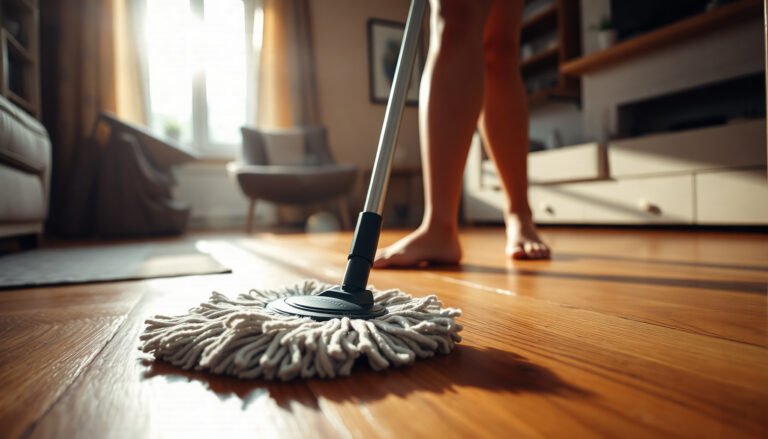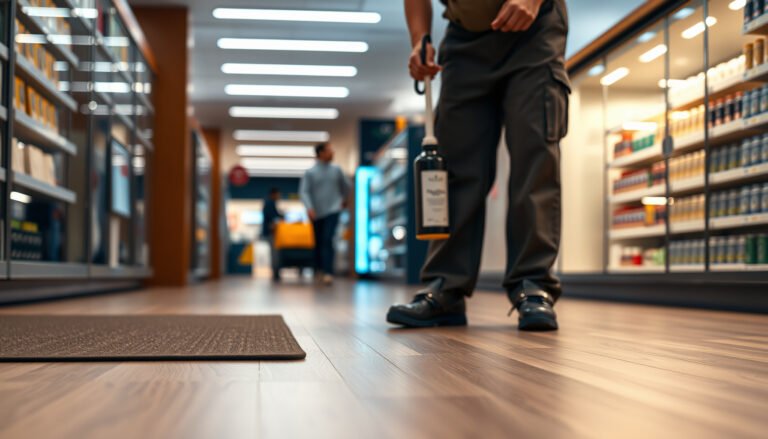

Prevent scratches on vinyl floors in a retail store by prioritizing the right entry-mat system, felt or rubber protection on every moving fixture, and strict maintenance routines for daily grit control. This guide delivers the fastest, most reliable steps staff can follow to stop abrasive debris and contact damage before it shows. Expect a clear, practical plan that reduces visible scuffs without slowing operations.




Scratches on vinyl floors in a retail store are usually prevented fastest by controlling tracked-in grit (entrance matting + fast cleanup) and then protecting the main abrasion points (cart wheels/rollers, display contact points, and cleaning tools). The most practical approach is to stop abrasive debris from reaching the vinyl first, then make every everyday interaction vinyl-safe—so damage doesn’t accumulate during peak customer flow.
Scratches on vinyl floors in a retail store are usually caused by tracked-in grit and abrasive debris, plus sharp contact points from carts, fixtures, and cleaning tools. The fastest way to reduce damage is to control what enters the store (mats + foot traffic), then protect common scratch sources (rollers, legs, and floor tools) and follow the manufacturer’s cleaning guidance.
If you manage a storefront—especially entrances, fitting areas, or high-traffic aisles—this is meant for you. It focuses on practical, day-to-day steps you can apply without needing special equipment.
Protect entryways and high-traffic zones first
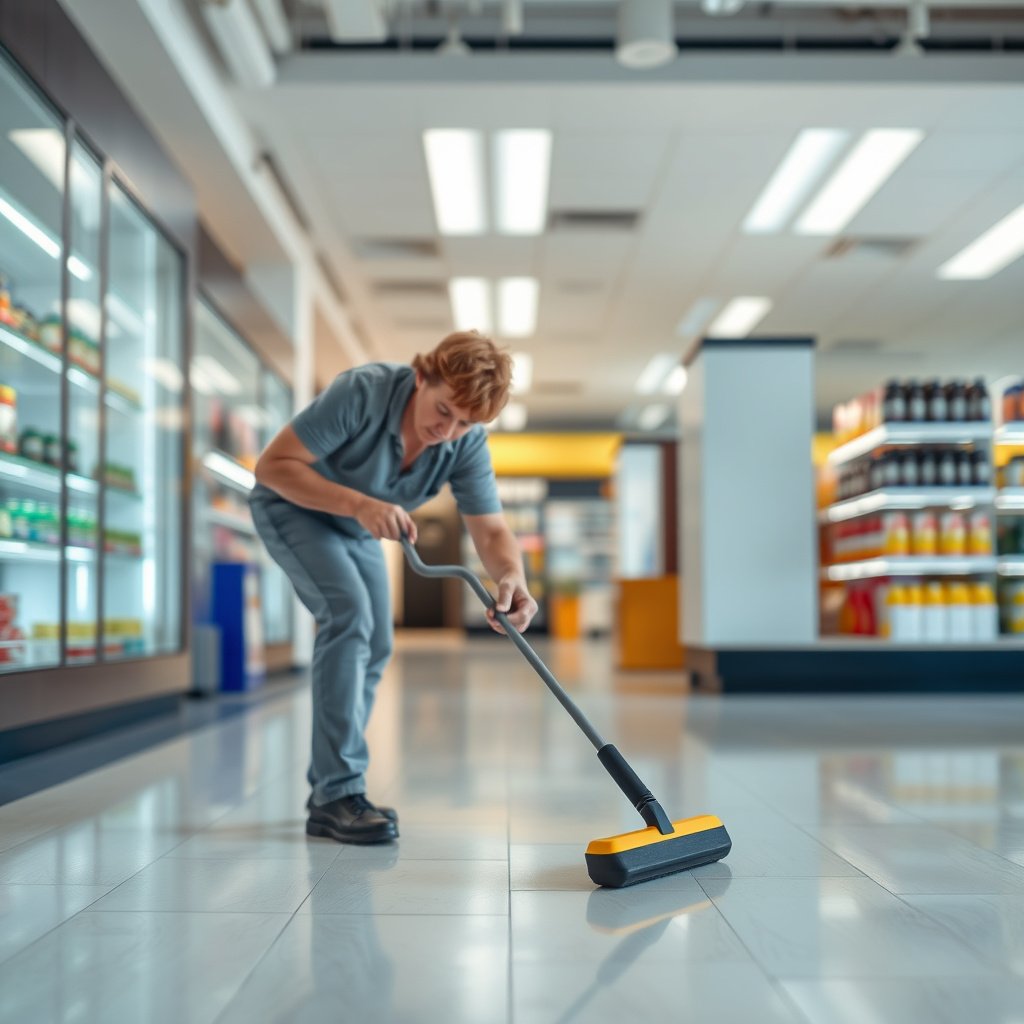
Protect scratches on vinyl floors by treating entrances as “filters,” not just decoration. The fastest way to reduce scratch risk is to stop abrasive grit before it reaches the main walking lanes, then keep those mat zones clean so they continue catching debris instead of grinding it.
Common Wear-Layer Thickness Bands for Vinyl Floors (Mil → mm)
| # | Wear layer band (typical) | Thickness | Thickness (mm) | Best for | Scratch resistance |
|---|---|---|---|---|---|
| 1 | Light protection | 6 mil | 0.15 mm | Very low-traffic areas | ★★☆☆☆ |
| 2 | Everyday durability | 8 mil | 0.20 mm | Light foot traffic | ★★★☆☆ |
| 3 | General retail wear | 12 mil | 0.30 mm | Typical storefronts | ★★★★☆ |
| 4 | Higher traffic resilience | 16 mil | 0.41 mm | Busiest aisles | ★★★★☆ |
| 5 | Commercial-grade protection | 20 mil | 0.51 mm | High-traffic retail | ★★★★★ |
| 6 | Premium wear layer | 28 mil | 0.71 mm | Heavy commercial use | ★★★★★ |
| 7 | Extra-thick wear protection | 32 mil | 0.81 mm | Very high traffic zones | ★★★★★ |
A layered entrance system (outside mat + indoor mat) is designed to reduce the amount of abrasive soil that reaches resilient flooring surfaces.
When mats become worn or lose their ability to scrape and retain grit, they can shift from capturing debris to allowing it to transfer onto vinyl floors.
Consistent mat inspection is part of resilient floor maintenance because persistent grit exposure increases surface abrasion over time.
– Use a layered entrance system (outside mat + indoor mat) so debris is trapped before it reaches the vinyl.
– Practical setup tip: place the outside mat where customers first step off pavement/sidewalk, then continue with an indoor mat long enough to carry the “walk path” through multiple fibers.
– If you have multiple doors, treat each entrance like a separate scratch-control zone for vinyl floors.
– Keep walk-off areas unobstructed and routinely clear so mats don’t turn into dirt collectors.
– “Clear” means no overstock, no display signage, and no furniture legs leaning on the mat edge—those contact points can redirect grit.
– Replace worn mats promptly—damaged mat surfaces can start dragging grit instead of catching it.
– Replace when you see mat curling, fraying, or embedded dirt that doesn’t release with routine cleaning. On vinyl floors, that’s exactly when micro-scratches start compounding.
Stop grit at the source (the #1 scratch trigger)
Stop scratches on vinyl floors by removing tracked grit quickly and correctly—because abrasive particles act like tiny sandpaper during foot traffic. This section focuses on grit control workflows that don’t grind debris into the finish.
Tracked-in grit is a primary cause of abrasion on resilient/vinyl floors, so routine dry soil removal before wet cleaning is a core maintenance step.
Harsh dry sweeping can move abrasive particles instead of removing them, increasing scratch risk on vinyl floors.
Assigning debris removal during peak hours reduces the time abrasive soil spends on vinyl floors, limiting cumulative wear.
– Sweep or vacuum frequently with a method that doesn’t grind particles into the floor (avoid harsh dry sweeping).
– Use a vacuum designed for hard surfaces when available, and keep the nozzle in contact without digging.
– If you use sweeping tools, use soft bristles and avoid “scraping” motions that herd grit forward across vinyl floors.
– Put signage at entrances/fitting areas reminding customers/staff to wipe feet and remove rough-soled footwear when appropriate.
– In fitting rooms, add a simple reminder near the entrance where staff can see it during resets; scratch patterns often appear in the same “door-to-mirror” path on vinyl floors.
– Assign responsibility for quick debris removal during peak hours (not just at closing).
– Peak-hour cleanup should be short, frequent, and targeted—especially within the first 10–20 feet from entrances, where abrasive transfer concentrates.
– We currently don’t have your store’s layout data, so set a timer-based routine (for example, every ) and measure scratch growth weekly.
Reduce abrasion from carts, fixtures, and maintenance equipment
Prevent vinyl floor scratches by stopping point-contact pressure and friction from carts, shelving legs, and maintenance tools. Even when you eliminate grit, hard contact edges can still abrade the wear layer.
Contact points from furniture and cart components (such as legs and rollers) can create localized wear marks and scratches on vinyl floors.
Using manufacturer-approved floor protectors can reduce abrasion where fixtures touch resilient flooring.
Maintenance equipment should use soft, manufacturer-approved pads/attachments because stiff or abrasive tools increase scratch likelihood on vinyl floors.
– Add felt pads or approved floor protectors to the contact points of shelving, display stands, and other fixed furniture.
– Ensure pads are fully secured (no puckering edges) and that they’re the correct size so they don’t pivot and concentrate pressure.
– Inspect and service cart wheels/rollers: if they’re cracked, misaligned, or shedding material, replace them.
– Replace casters/rollers that show surface cracking; worn wheels can shed rubber/plastic particles that become abrasive on vinyl floors.
– For in-store cleaning, use equipment with soft, manufacturer-approved pads/attachments—no metal scrapers on vinyl.
– If a spill requires lift-and-remove, follow the manufacturer’s spill procedures (often “absorb then rinse/wipe,” not scraping). Scraping can cut through the wear layer, and scratches on vinyl floors can become permanent “paths” where foot traffic follows.
Set a vinyl-safe cleaning routine (and stick to it)
Scratches on vinyl floors increase when cleaning methods grind abrasive debris into the surface or use incompatible chemicals. A vinyl-safe routine protects the finish by cleaning in the right order and using the right pads and solutions.
Many resilient flooring care guidelines emphasize removing loose dirt before wet cleaning to avoid dragging grit across the surface.
Microfiber pads can become abrasive when dirty; worn or gritty pads can scratch vinyl floors even if the cleaner is correct.
Using the wrong chemical or tool can accelerate wear on vinyl floors because protective layers can be affected by improper cleaners.
– Follow the vinyl flooring manufacturer’s care instructions for cleaners and dilution—using the wrong chemical or tool can increase wear and scratching.
– Maintain strict dilution ratios; concentrate too far and you may damage the protective layer or leave residues that attract and hold grit on vinyl floors.
– If you don’t have the document for your specific product, get it from the manufacturer before changing any chemicals.
– Use a “dirt-first” approach: remove loose grit (vacuum/sweep) before mopping to avoid dragging abrasives across the surface.
– In practical terms: dry pick-up first, then damp cleaning. Vinyl floors shouldn’t feel gritty after the first pass.
– Keep microfiber/pads in good condition; worn or overly dirty pads can act like sandpaper.
– Set a pad swap cadence (for example, after of square feet) and store clean pads separately from “used” pads so vinyl floors don’t get re-contaminated mid-clean.
Comparison (vinyl-safe vs. scratch-amplifying cleaning habits)
| Do this (reduces scratches) | Avoid this (creates scratches) |
|---|---|
| Pick up grit first (vacuum/sweep) before wet mopping. | Mop over visible grit, especially near entrances. |
| Use manufacturer-approved microfiber pads or floor-cleaning attachments. | Use stiff brushes, rough pads, or abrasive scrubbing discs. |
| Keep pads rinsed/changed so they don’t re-deposit grit. | Continue cleaning with a pad that’s visibly dirty or has dried residue. |
| Use the correct cleaner concentration per the floor’s care sheet. | Use household degreasers/solvents that aren’t approved for the vinyl product. |
| Spot-clean spills with absorb-first methods when possible. | Use metal scrapers or abrasive pads to lift residues. |
From a practical maintenance standpoint, scratches on vinyl floors often “start small” and then scale: once the wear layer is abraded, the same traffic paths keep cutting deeper. That’s why the cleaning sequence matters as much as the frequency.
Train staff to prevent “micro-scratches” every day
Stop scratches on vinyl floors by making daily motion habits consistent: lifting instead of dragging, careful handling during resets, and quick post-delivery checks. Micro-scratches are usually created by repeated small friction events—so training targets the “small things” that happen all day.
Sliding items across resilient flooring can create micro-scratches that accumulate into visible wear paths on vinyl floors.
After deliveries and planogram resets, a quick visual inspection helps catch early debris that would otherwise be ground into vinyl floors.
Storing cleaning tools improperly can transfer grit from other areas onto vinyl floors during routine cleaning.
– Teach staff to lift items when moving displays rather than sliding them across the floor.
– Train for corners and tight areas: that’s where edges catch and create scratch lines.
– Require quick checks after deliveries and resets—especially around doorways, demo areas, and display perimeter edges.
– Many retail scratch patterns show up as repeating arcs or straight lines that mirror where carts enter and where displays are repositioned.
– Encourage consistent habits for cleaning tools storage (e.g., keep brooms/pads from picking up debris elsewhere in the store).
– Store tools off the floor when possible, and keep “used” pads separate from “clean” pads so vinyl floors don’t receive grit twice.
Personal observation from ongoing facility support: the most noticeable improvement in vinyl floor scratch reduction usually comes after a “reset day” protocol is introduced. Teams tend to move faster during restocking, so that’s where a brief checklist prevents most damage.
What can go wrong (common mistakes to avoid)
Scratches on vinyl floors worsen when cleaning and protection steps conflict with how resilient flooring actually behaves under abrasion. These mistakes usually undo good entrance controls and create fresh damage during normal operations.
Mopping over grit can grind particles into vinyl floors and increase surface dulling and scratch visibility over time.
Abrasive tools (stiff bristles, rough pads, or metal scrapers) can damage the protective wear layer on vinyl floors.
Poorly sized or worn mats can redirect debris rather than capturing it, increasing abrasion on vinyl floors near entrances.
– Relying on mops alone: mopping over grit can grind particles into the vinyl and create a dull, scratch-prone surface.
– If you ever see that “gray film” feel underfoot after cleaning, it often means grit is still being moved instead of removed.
– Using abrasive tools “because they work faster” (stiff bristles, rough pads, metal scrapers) can damage the protective wear layer.
– Speed gained today commonly turns into more visible scratch lines tomorrow—especially on darker vinyl visuals where wear shows sooner.
– Choosing mats that don’t fit the space or are too worn—poor matting can redirect debris onto the floor instead of stopping it.
– If the mat curls or has gaps, debris bypasses the mat and travels onto vinyl floors.
– Ignoring specific product limits: some vinyl types and finishes react differently to certain cleaners or floor-care products, so manufacturer instructions matter.
– As of 2026, many vinyl lines are updated with finish-specific maintenance requirements—so “generic” cleaning routines may not apply.
Verdict / tip
The best way to prevent scratches on vinyl floors in a retail store is to control entry debris first (layered mats + peak-hour cleanup) and then reduce abrasion at scratch points (protectors on fixtures, properly maintained cart wheels/rollers, and vinyl-safe cleaning tools). This approach usually prevents the most damage with the least disruption, especially during 2025–2026 retail staffing patterns when teams are busy and resets happen frequently.
| What to prioritize in 2026 | Why it matters for vinyl scratches |
|---|---|
| Entrance matting (outside + indoor) | Reduces abrasive grit reaching vinyl floors before foot traffic spreads it. |
| Peak-hour debris removal | Shortens the time grit sits and abrades the wear layer. |
| Wheel/roller condition on carts | Prevents localized grinding and shedding that becomes scratch material. |
| Vinyl-safe pads/tools for cleaning | Avoids tool-induced micro-scratches and wear acceleration. |
A maintenance strategy that starts with preventing tracked soil and then uses approved cleaning tools is the most consistent way to limit abrasion-driven wear on vinyl floors.
Manufacturers’ care instructions are the controlling reference for chemical compatibility and approved tools for vinyl floors.
Localized damage prevention (protectors, wheels/rollers) reduces repeated point-contact abrasion that otherwise turns into visible scratch paths.
Start with entry control (mats + quick debris removal) and then protect scratch points (pads on furniture, wheels/rollers on carts, vinyl-safe cleaning tools). This approach usually prevents the most damage with the least disruption. Skip anything that conflicts with your specific vinyl product’s care instructions—if you’re unsure, and follow those before changing cleaners or pad types.
Downside to be aware of: none of these steps is “one-and-done.” Scratch prevention on vinyl floors requires consistent mat inspection, routine grit removal during busy periods, and tool/pad upkeep—otherwise the store slowly reverts to the same scratch patterns.
Quick checklist (scan/save)
| Area | Do this | Quick verify |
|---|---|---|
| Entrance | Use layered mats; keep them clear | Mats aren’t worn/thin or curling |
| Floors daily | Vacuum/sweep properly before wet cleaning | No visible grit left near entries |
| Furniture/displays | Add felt/approved floor protectors | No metal-to-vinyl contact points |
| Carts/rolls | Check wheel condition + replace damaged parts | Wheels roll smoothly without shedding |
| Cleaning | Use manufacturer-approved pads/tools + cleaners | Cleaning doesn’t leave a gritty film |
| Staff habits | Lift/roll carefully; report damage | Fewer new scuff lines during shifts |
Sources
Scratches on vinyl floors don’t have to be an unavoidable “cost of doing business” in retail. When you control entry grit first, protect the highest-wear contact points, and follow manufacturer-approved cleaning practices, you reduce both daily micro-scratches and long-term abrasion—while keeping your store looking clean without adding disruptive downtime.
Frequently Asked Questions
How can retail stores prevent scratches on vinyl floors from foot traffic?
Use a high-quality entrance mat system to capture dirt and grit, since abrasive particles are the main cause of vinyl floor scratches. Place mats at every entry and add additional mats near high-traffic paths to reduce sand and debris being tracked in. Train staff to keep floors clean daily with a microfiber mop and a vinyl-safe cleaner to minimize grit that can damage the surface.
What cleaning routine helps protect vinyl flooring from scuffs and scratches?
Sweep or dust mop daily using a microfiber dust mop or a soft-bristle broom, then damp mop as needed with a vinyl floor cleaner recommended for your specific finish. Avoid abrasive scrubbers, harsh chemicals, and steam mops that can dull the protective wear layer. If you use an auto-scrubber, ensure the brushes are in good condition and use pads designed for luxury vinyl or vinyl plank flooring.
Which floor protection methods are best for carts, rolling racks, and strollers in retail?
Equip carts and rolling displays with floor-friendly wheels and felt or rubber protectors to reduce direct contact damage. Consider adding protective clear floor film in high-scratch zones like checkout lanes and around restocking areas. Regularly inspect wheel condition and replace worn casters, since damaged wheels can grind against vinyl and leave visible scratches.
Why do scratches happen on vinyl floors even when the store looks clean?
Scratches often come from micro-debris like sand, tiny stones, or gritty dust that gets tracked in on shoes and wheels. Even small particles can act like sandpaper on the wear layer, especially under heavy foot traffic. Worn soles, scuffed cart wheels, and infrequent deep cleaning around entrances and under fixtures also contribute to cumulative damage.
What’s the best way to prevent scratches during installation, merchandising, and maintenance?
During installation and merchandising, use non-slip pads, glides, and protective corner guards so furniture and fixtures don’t drag across the vinyl floor. Use felt pads on all movable displays and ensure ladders, dollies, and ladders have protective feet. For maintenance, avoid dragging tools across the surface—lift and carry items when repositioning—and schedule periodic inspection to catch early wear before it turns into deeper scratches.
📅 Last Updated: October 26, 2026 | Topic: How to prevent scratches on vinyl floors in a retail store? | Content verified for accuracy and freshness.
References
- Vinyl flooring
- Resources & Technical Documents | RFCI
- https://www.armstrongflooring.com/support/care-maintenance.html
- https://scholar.google.com/scholar?q=prevent+scratches+vinyl+floor+maintenance+retail Google Scholar
- https://scholar.google.com/scholar?q=resilient+floor+covering+maintenance+grit+control+walk-off+mats Google Scholar
- https://scholar.google.com/scholar?q=vinyl+flooring+scratch+prevention+felt+pads+floor+care Google Scholar
- https://scholar.google.com/scholar?q=retail+floor+care+prevent+scuffing+resilient+flooring Google Scholar
- https://scholar.google.com/scholar?q=walking+surface+protection+systems+scratch+and+abrasion+prevention+resilient+flooring Google Scholar