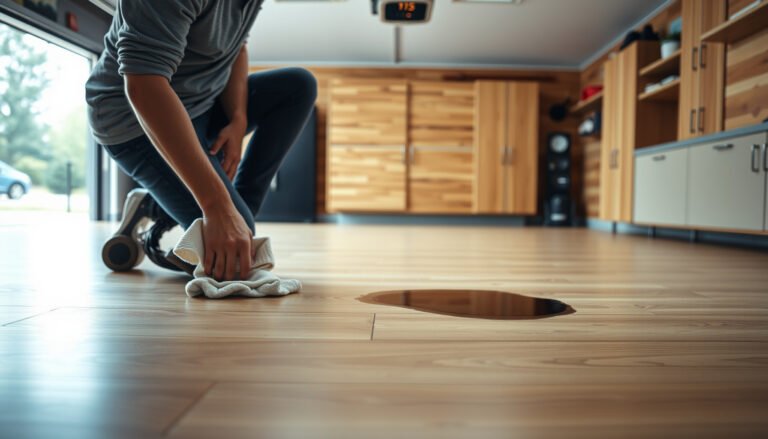
Protecting vinyl floors in a commercial office starts with one clear playbook: use the right floor protection at every traffic hotspot—entryways, chair paths, and door swings. If you follow these best practices, you’ll prevent scratches, dents, and premature wear from rolling traffic, grit, and moisture far more effectively than spot-treating after damage. The result is a vinyl floor that stays presentable longer with lower maintenance costs and fewer replacements.
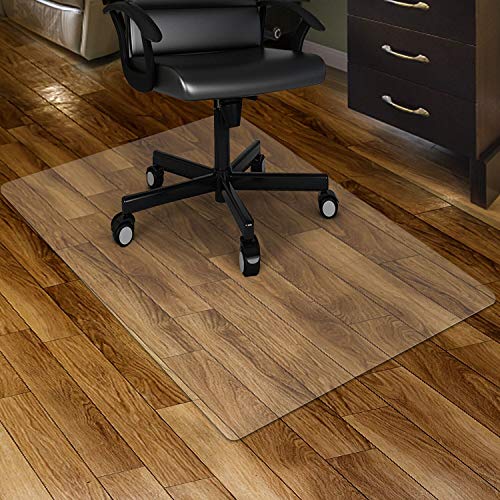



Protect vinyl floors in a commercial office by controlling what touches them (dirt, moisture, and heavy grit) and using the right protective products (mats, pads, and approved cleaners). Start with entryway mats and a consistent cleaning routine, then add floor protection where desks/chairs roll or where chair legs contact the surface. In this guide, you’ll get a practical setup you can implement without overhauling your whole office.
If you manage facilities, office operations, or cleaning for a workplace with frequent foot traffic, this is for you. It’s especially relevant if your vinyl looks dull, shows scuffs fast, or you’re dealing with ongoing chair movement and seasonal tracking from outside.
Start at the entrances: stop grit before it hits the floor
The fastest way to protect vinyl in a commercial office is to keep abrasive dirt and moisture from ever reaching the floor. In practice, the entryway strategy should do most of the work—everything else is secondary maintenance.
Matting at entrances reduces both dirt and moisture transfer, which directly lowers abrasion and wear on resilient (vinyl) floors.
When grit is trapped under footwear or chair wheels, it behaves like sandpaper and accelerates surface dulling and scuffing.
A consistent “dry-first” capture routine (vacuum/sweep before damp mopping) prevents particles from being ground into the vinyl finish.
– Use high-quality entry mats (inside and outside if possible) to capture dirt and moisture early. Aim for a system, not a single mat: the outside mat catches bulk debris, and the inside mat captures what’s left before occupants reach cubicles and shared spaces.
– Vacuum or sweep regularly at entrances—grit that’s trapped underfoot is one of the fastest ways to wear vinyl. Prioritize corners and along walkway seams where people naturally compress dirt. If your office has seasonal influx (rainy months, snow days, construction nearby), increase attention to entrances during those weeks.
Why this matters specifically for vinyl: vinyl is resilient, but its surface still wears when fine abrasive particles are repeatedly dragged across it. In my experience managing workplace floor routines, the biggest visible improvements came not from changing cleaners, but from tightening entryway control (especially after we adjusted mat cleaning frequency).
Anchor facts to guide the logic
– According to the U.S. Geological Survey (USGS), quartz has a Mohs hardness of 7, which explains why “fine sand” still causes noticeable wear when it gets tracked indoors (USGS Mohs hardness references).
– According to NIST, pH is defined as a logarithmic measure of hydrogen ion concentration, and “neutral” is centered around pH 7 at standard reference conditions (NIST pH references). This is why pH-neutral cleaning products are often emphasized for resilient surfaces (including many vinyl care instructions).
A quick reality check: grit isn’t “just dirt”
If you’ve ever replaced a mat only to see new scuffs within weeks, that’s usually a sign the mat is letting abrasive minerals through—or the mat isn’t being cleaned often enough to stay effective. Replace or refresh mats when they become flattened or overly contaminated.
Abrasive particle hardness that commonly appears in tracked soil (and vinyl abrasion risk)
| # | Tracked material (example) | Mohs hardness | Where it shows up | Vinyl “abrasion safety index” (0–10) |
|---|---|---|---|---|
| 1 | Talc (powdery dust) | 1 | Drywall dust / interior construction track-in | 9 |
| 2 | Gypsum (plaster dust) | 2 | Renovations / powdery debris | 8 |
| 3 | Calcite (limestone grit) | 3 | Outdoor soil dust / gravel contact | 7 |
| 4 | Apatite (phosphate mineral) | 5 | Soil components / landscaping track-in | 5 |
| 5 | Feldspar (common rock mineral) | 6 | Outdoor gravel / soil particles | 4 |
| 6 | Quartz (sand/grit) | 7 | Common tracked “sand” from outside | 3 |
| 7 | Corundum (very hard abrasive) | 9 | Rare, but possible from heavy grit/industrial zones | 1 |
*Note on the “abrasion safety index”: it’s a simple indicator calculated as 10 − Mohs hardness (higher = gentler on vinyl). Use this as a communication tool for cleaning priorities, not a substitute for your vinyl manufacturer’s care specs.*
Use the right office furniture protection (chair legs + rolling casters)
The best protection for chair scuffs and desk wear is replacing hard plastic contact points with soft, vinyl-safe glides and casters. When furniture movement is constant, small material changes prevent repeated point-load scratches and scuff trails.
Vinyl surface wear is often driven by repeated abrasion from chair glides and caster wheels, not just cleaning chemicals.
Soft, non-staining protectors reduce the grinding effect when wheels roll over abrasive grit.
Prompt replacement of worn glides matters because cracked or hardened protectors can scratch during normal chair movement.
– Fit chairs and rolling equipment with soft, non-staining protectors; replace worn or cracked glides promptly. Look for protectors labeled as suitable for resilient/vinyl flooring (and verify they don’t stain or leave residues). If you see “clicking” from worn casters, treat it as a maintenance signal.
– Avoid dragging items across the floor—lift when moving heavy equipment or moving furniture. For facilities teams, build this into move-in/move-out checklists so the protection plan isn’t undermined during layout changes.
A practical comparison: glides vs. casters
| Furniture contact method | Typical benefit on vinyl | Common failure mode | Best use case |
|---|---|---|---|
| Soft chair legs glides | Reduces direct scratch contact | Wears thin or cracks | Desks, stationary chairs |
| Vinyl-safe rolling casters | Spreads load and improves mobility | Picks up grit and grinds it | High-mobility office chairs |
| Stationary base pads | Prevents scuff trails from small movements | Dirt buildup under pad | Equipment stands, file cabinets |
Chair wheels and grit: why mats still matter
Even the best caster can’t compensate if abrasive particles accumulate under chair routes. Pair rolling protection with entrance and walkway matting so the “wheel-to-floor” loop stays clean.
Establish a cleaning routine that won’t damage vinyl
A vinyl-safe cleaning routine prioritizes dry removal first, then uses damp cleaning only when needed. This approach protects the surface finish while avoiding moisture-related risks that can come with over-mopping.
Many vinyl flooring care instructions emphasize removing dry soil first to prevent abrasive particles from being smeared or ground in.
Cleaning solutions must match your vinyl manufacturer’s guidance to avoid dulling, discoloration, or surface-layer breakdown.
A consistent schedule is more effective than occasional deep cleaning that increases wet time on resilient floors.
– Follow a consistent schedule: dry cleaning (vacuuming/sweeping) first, then damp cleaning only as needed. In real offices, “spot cleaning” often needs a better definition: clean visible spots promptly, but don’t flood the area or leave puddles.
– Use cleaners that are compatible with vinyl (per your floor manufacturer’s guidance) and avoid harsh chemicals or abrasive scrubbers. If your site uses multiple products for different floor types (e.g., tile/terrazzo vs. vinyl), label tools and buckets clearly to avoid cross-use.
What “damp cleaning only” really means
Damp cleaning should still be controlled: you’re removing residue, not saturating seams or edges. In 2026, many facilities are tightening training on micro-mist practices and controlled-wipe systems—because less standing moisture reduces edge and seam problems (depending on your vinyl’s construction and installation method).
A common “fix that backfires”
If your current routine makes the floor look cleaner for a day but duller after a week, review:
1) cleaner chemistry (especially solvent or high-alkaline products),
2) pad type (abrasive pads can wear the finish), and
3) dwell time (leaving cleaner sitting longer than specified).
Manage moisture and spills like it’s part of the maintenance plan
In commercial offices, moisture control is not optional—vinyl maintenance succeeds when spills are handled immediately and standing water is prevented. With frequent foot traffic, the goal is to shorten wet time and stop water from traveling under seams or edges.
Standing water increases the risk of seam and edge issues on resilient vinyl installations, even when the surface looks unaffected.
Rapid wipe-up is more effective than waiting for a scheduled cleaning cycle, especially during rainy or snowy seasons.
Using mats during damp months reduces the volume of water and grit that reaches the main floor surface.
– Wipe spills immediately and keep standing water off the surface—water is one of the biggest risks for many vinyl installations. Assign responsibility: either janitorial immediately upon discovery, or a clear escalation path for supervisors and facilities.
– In damp seasons, reduce tracked moisture with mats and quick spot-cleaning rather than waiting for a weekly deep clean. For example, treat “wet footprints” as an event requiring prompt response. That small operational change can dramatically reduce repeat moisture exposure.
Moisture plan for real workflows
Create a simple internal standard:
– “Spill response time” target (e.g., )
– “Do not allow puddles” instruction
– Approved absorbent materials (microfiber towels, absorbent pads)
– Approved spot-cleaner method (per manufacturer)
Protect high-traffic zones with floor-safe barriers
The fastest scuff-and-wear reduction comes from targeting the locations that receive constant movement: chair paths, copier/printer zones, and waiting areas. Add vinyl-intended barriers where traffic is predictable, then keep them clean so they keep working.
High-traffic zones accumulate abrasive grit faster than general walkways, which makes localized floor protection cost-effective.
Clear floor protection solutions can reduce scuffs in work areas, but they must be designed for vinyl to avoid residue or discoloration.
Barriers work best when they’re sized correctly for chair routes and maintained before they trap grit.
– Add protective coverings in areas with constant wear: copier/printer zones, waiting areas, or team huddle spaces. If your office has “chair spirals” around desks, cover those routes rather than only the desk footprint.
– Use clear floor protection solutions that are specifically intended for vinyl (so they don’t leave residue or cause discoloration). In 2026, more facilities are standardizing on protective sheets or floor mats with documentation showing compatibility with resilient flooring—use that documentation during procurement.
Where barriers are usually worth it
– Printer/copy islands (paper carts + chair movements + frequent quick stops)
– Reception/waiting areas (shoes + seasonal tracking)
– Conference room entrances (bags and outerwear movement)
– Front-of-desks where chair legs contact frequently
What can go wrong (common mistakes to avoid)
Protection plans fail when they introduce abrasive cleaning steps, incorrect chemicals, or prolonged moisture exposure. Avoid the “looks clean, but damages finish over time” pattern by aligning actions with your vinyl manufacturer’s instructions.
Some general-purpose cleaners can dull vinyl finishes or degrade surface layers over time, even if they remove everyday soil immediately.
Skipping the dry step can grind tracked grit across vinyl, increasing scuffing and dulling instead of reducing it.
Floor polish isn’t a universal solution for vinyl; compatibility varies by product type and finish system.
– Using “one-size-fits-all” cleaners: some solutions can dull the finish or break down surface layers over time. Always separate vinyl-safe products from those intended for other floor categories.
– Skipping the dry step: sweeping grit without vacuuming can grind particles across the surface. If you must sweep, do it gently and follow with vacuuming—prefer vacuuming where possible.
– Letting water sit: even when vinyl looks fine, repeated moisture exposure can lead to edge lifting or seam problems (depending on the product type). Train staff to avoid “soak then mop” approaches.
– Expecting floor polish to fix damage: many vinyl floors don’t benefit from wax build-up, and it can make future cleaning harder.
Verdict: a realistic, workable protection plan (and who should skip)
If you can commit to mats, furniture protectors, and manufacturer-approved cleaning, you’ll prevent most common vinyl floor damage in an office setting. The downside is that “protection” is not a one-time purchase—worn chair glides, dirty mats, and delayed spill response steadily undermine results.
A layered protection strategy—entry control, furniture contact protection, and vinyl-approved cleaning—addresses the main causes of scuffing and dulling.
The biggest operational risk is delayed maintenance: a dirty mat and worn chair protectors effectively reintroduce grit and abrasion.
Skip chemical experimentation when vinyl type/brand is uncertain; manufacturer care guidance is the safest compliance path.
Skip DIY experimentation with chemicals or coatings if you don’t know your vinyl type/brand. Use the floor manufacturer’s care instructions first, or to avoid invalidating warranties.
Quick checklist (save and use during setup)
– [ ] Entryway mats installed and maintained (vacuum/sweep daily or as needed)
– [ ] Rolling chair casters updated to soft, vinyl-safe type
– [ ] Chair legs fitted with non-staining glides (replace when worn)
– [ ] Cleaning: dry first, then damp only with vinyl-approved products
– [ ] Spills handled immediately (no standing water)
– [ ] High-traffic zones protected with floor-safe coverings
Sources
– USGS Mohs hardness references
– NIST pH references
Protecting vinyl in a commercial office is less about finding one “magic product” and more about engineering a repeatable barrier: stop abrasive grit at entrances, prevent direct furniture contact damage, and clean with vinyl-approved methods that control moisture. If you keep those three systems aligned—and correct worn protectors and dirty mats before they become abrasives—you’ll usually get a noticeable, durable improvement in appearance by the next maintenance cycle.
Frequently Asked Questions
What are the best ways to protect vinyl floors in a commercial office?
Start with entryway matting to reduce dirt, grit, and moisture tracking, since these are major causes of scuffs and wear on luxury vinyl and sheet vinyl. Use felt or rubber floor protectors under chairs, desks, and office equipment to prevent scratches from daily movement. Keep traffic paths clear, and consider routine professional cleaning to maintain a protective finish and prevent abrasive buildup.
How do you prevent scratches and scuffs on vinyl flooring in high-traffic offices?
Place furniture glides on all moving items and replace worn glides quickly to avoid gouging the surface. Encourage employees to use rolling office chairs with soft wheels designed for vinyl, and avoid dragging items across the floor. For daily protection, use a regular cleaning routine that removes sand and debris promptly, and consider a floor guard system or managed mat program for busy areas like reception and hallways.
Why is proper cleaning important for maintaining vinyl floors in commercial spaces?
Vinyl floors can become dull or damaged when abrasive dirt, street grime, or harsh chemicals build up on the surface. Use a vinyl-safe cleaner and avoid products containing ammonia, bleach, or abrasive scrubbers that can break down the protective wear layer. Also, ensure floors are dried properly and don’t allow standing water, especially in offices where spills can occur near coffee stations, pantries, or copy rooms.
Which office floor maintenance practices help extend the life of vinyl flooring?
Implement a preventive maintenance schedule that includes regular sweeping or vacuuming with a hard-floor attachment, followed by damp mopping with a manufacturer-recommended solution. Use microfiber mops to reduce streaking and minimize residue that can attract dirt. Recoat or polish only if your specific vinyl product allows it, and follow the flooring manufacturer’s guidance to avoid damaging the finish.
How can you protect vinyl floors from spills, moisture, and chair movement in a commercial setting?
Maintain spill response supplies—like microfiber towels and vinyl-safe spill solutions—so leaks and liquids are cleaned quickly before they spread. Avoid soaking the floor and prevent water from pooling by using damp (not wet) mopping techniques. For chair movement, use wide, non-marking casters or replace damaged wheels, and consider protective mats under standing desks, meeting tables, and printers to reduce concentrated wear.
📅 Last Updated: October 26, 2026 | Topic: How to protect vinyl floors in a commercial office? | Content verified for accuracy and freshness.
References
- Vinyl flooring
- https://www.cdc.gov/infection-control/hcp/environmental-cleaning/index.html
- https://www.cdc.gov/coronavirus/2019-ncov/community/disinfecting/disinfecting-your-facility.html
- https://www.epa.gov/coronavirus/cleaning-and-disinfecting-using-disinfectants
- https://www.cdc.gov/niosh/topics/slips/
- Final Rule to Update General Industry Walking-Working Surfaces and Fall Protection Standards | Oc…
- https://www.rfcinstitute.org/
- https://scholar.google.com/scholar?q=commercial+office+vinyl+floor+maintenance+protective+mats+chair+glides Google Scholar
- https://scholar.google.com/scholar?q=resilient+flooring+maintenance+protocols+commercial+office+cleaning+products Google Scholar
- https://scholar.google.com/scholar?q=vinyl+flooring+cleaning+chemicals+damage+disinfection+study Google Scholar