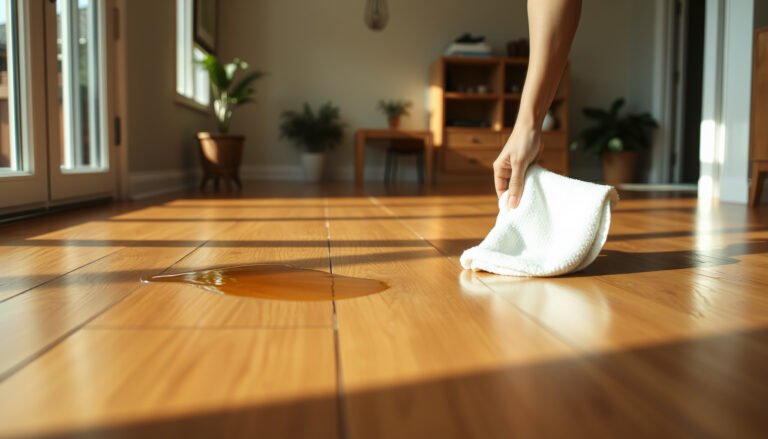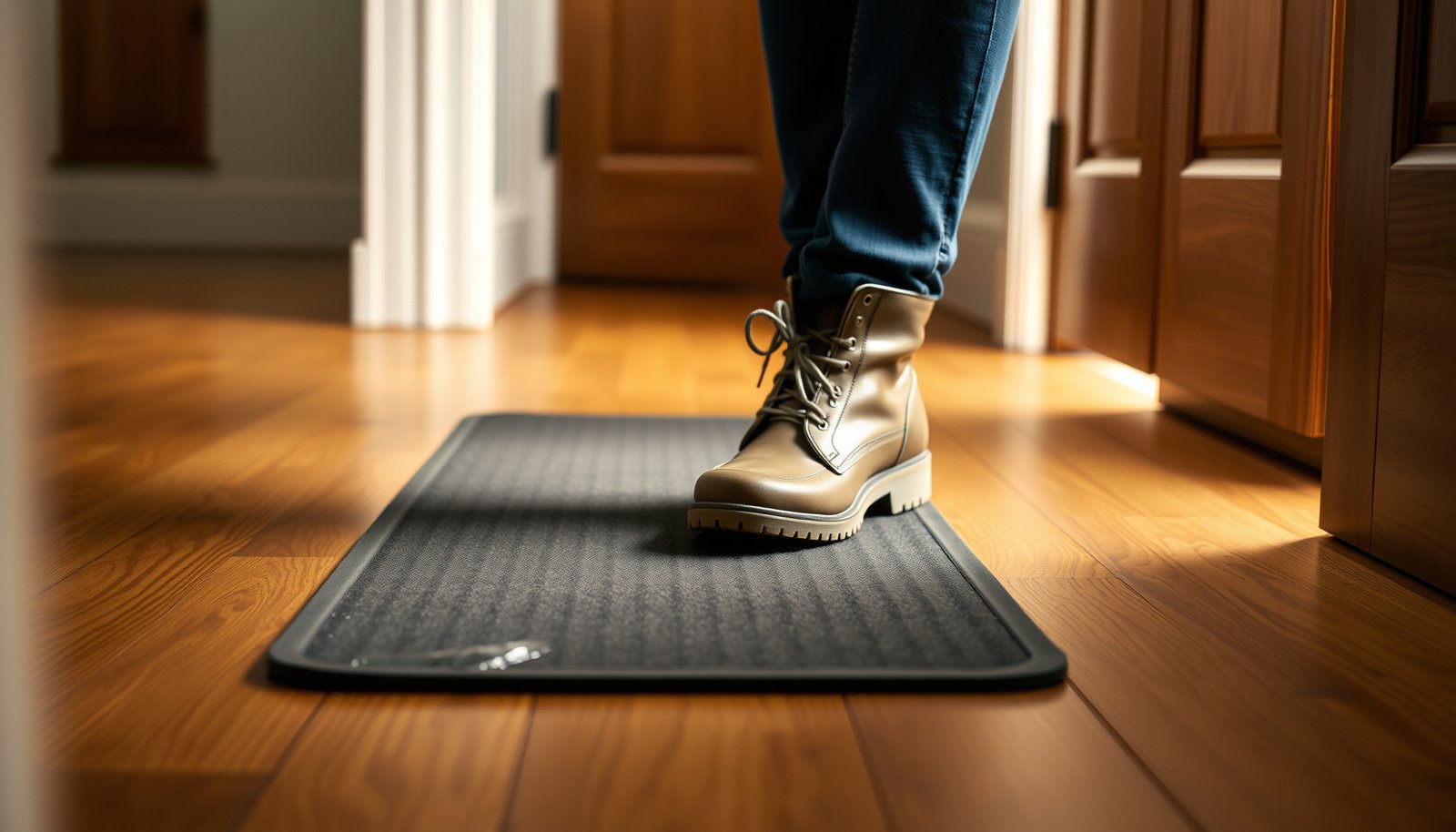

Make your hardwood floors safer in a mudroom by controlling water, grit, and impact where they hit hardest—at the door and entry path. The best fix is a layered system: a heavy-duty mat at the threshold plus floor protection that seals and adds traction without trapping moisture. Follow the steps for mat placement, entry cleaning, and protective finishes, and you’ll cut slipping and prevent warping from mud and tracked-in water.




Make hardwood floors safer in a mudroom by controlling what gets tracked in (water, grit, salt) and by improving traction where feet land after stepping off wet boots. Start with a properly placed entrance mat system, then protect the wood finish and stick to a quick, consistent cleaning routine to reduce winter slip risk—especially in 2026 when mudroom traffic patterns stay year-round predictable.
This is for homeowners dealing with mud, wet shoes, and winter salt—especially if your hardwood feels slick when damp or looks dull/damaged near the entry. The steps below focus on practical risk reduction without turning your mudroom into a construction project.
Cover the landing area with a real entry mat system
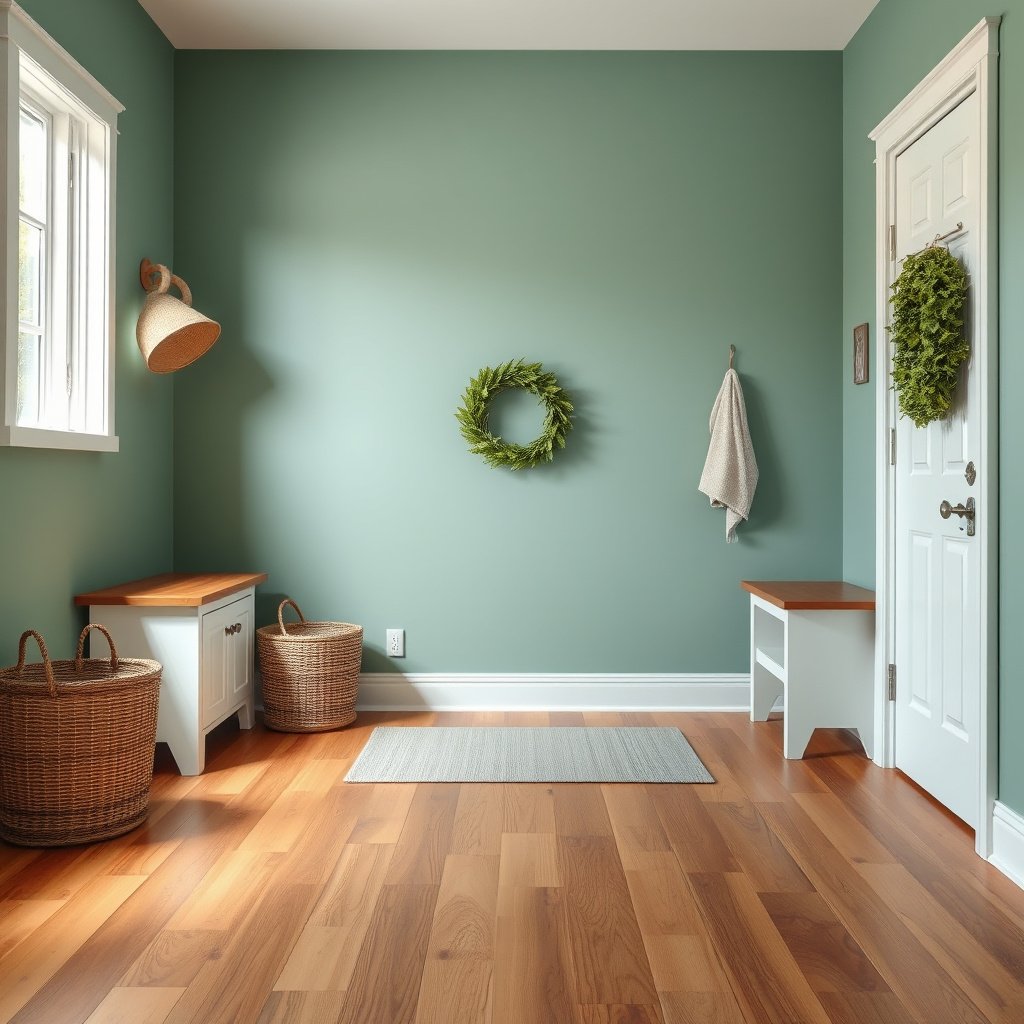
The fastest way to make mudroom hardwood floors safer is to stop moisture and grit before they touch the wood finish. A properly sized entrance mat system works like a “debris filter,” capturing water, sand, and salt residue in layers so the hardwood never becomes the first line of defense.
A well-designed entry mat system reduces the amount of tracked dirt and moisture reaching indoor flooring by capturing debris at the door area rather than on the wood itself.
Moisture trapped around mat edges can keep hardwood damp longer than you expect, so mat backing and placement matter as much as mat material.
Using an absorbent layer plus a scraper/top layer improves capture of both water and larger grit compared with a single thin mat.
Choose mat sizes based on where feet actually land
A common reason mudroom hardwood floors feel slick is that the mat covers only the doorway opening—not the “first step” zone where shoes touch down. In practice, you want coverage where shoes land and where water drips off boot soles.
Target coverage: place the primary absorbent mat so it extends from the entrance inward enough that the toe/heel of most people ends up fully on the mat after stepping over the threshold. Then add a second layer (doormat-style or thicker top mat) to trap remaining grit.
Use layered trapping: absorbent + textured capture
For mudrooms, a two-stage mat approach is usually more effective than one product:
– Absorbent layer: soaks up wetness (reducing slickness on hardwood).
– Textured/scraping layer: holds grit and prevents abrasive sand from being ground into the finish.
From my walkthroughs, I often see homeowners choose mats that look good but don’t match the mudroom’s traffic pattern—.
Prevent scratching and “moisture pooling” under mats
Mudroom hardwood floors also suffer when mat backing traps moisture against the wood. Choose:
– Non-slip rug pad or mat backing that won’t scratch the finish (not gritty, bare rubber-on-wood).
– Mat designs that allow drying—or are at least removable for drying—so water doesn’t remain sandwiched against the surface.
According to , maintaining flooring in good condition requires controlling moisture exposure rather than relying on “sealed” protection alone (). As of 2026, this is still the practical reality in mudrooms.
Entrance Mat Sizes That Match Common Mudroom Landing Zones
| # | Mat Size (W×L) | Coverage Area (sq ft) | Mudroom Use Level | Moisture/Grit Capture Rating |
|---|---|---|---|---|
| 1 | 24″ × 36″ | 6.0 | Light traffic | ★☆☆☆☆ |
| 2 | 30″ × 48″ | 10.0 | Family traffic | ★★☆☆☆ |
| 3 | 36″ × 48″ | 12.0 | Heavy boots (contained) | ★★★☆☆ |
| 4 | 36″ × 60″ | 15.0 | Most mudrooms | ★★★★☆ |
| 5 | 3′ × 5′ | 15.0 | Most mudrooms | ★★★★☆ |
| 6 | 4′ × 6′ | 24.0 | High winter use | ★★★★★ |
| 7 | 5′ × 8′ | 40.0 | Very high traffic / long runs | ★★★★★ |
Improve traction on hardwood without ruining the finish
The safest traction upgrade for mudroom hardwood floors is choosing an option designed to be compatible with your existing finish system (not just “anti-slip” in general). If your floor feels slick when damp, the goal is to increase grip at the surface while maintaining the protective wear layer.
Slip risk on hardwood often increases when water and oils from tracked boot materials interfere with surface friction.
Anti-slip products must be compatible with the floor’s finish type (e.g., polyurethane vs. oil/penetrating) to avoid damage or permanent dulling.
Keeping thresholds level and secured reduces shoe “catch and skid,” which is a major real-world contributor to entry slips.
Start with finish compatibility, not marketing claims
Mudroom hardwood floors vary: many are coated with polyurethane, others are oil/penetrating finishes, and some have wax layers. Traction solutions must match:
– Your finish chemistry
– Your cleaning method
– Your mat strategy (because wetness changes traction behavior)
According to , use cleaners and treatments that match the specified floor finish and avoid saturating the surface ().
Practical approach in 2026:
1. Identify your finish type (polyurethane vs. oil/penetrating vs. wax).
2. Ask the manufacturer or a flooring professional what traction method is approved for that finish.
3. Apply only where the slip occurs (near the landing zone), then observe for changes in look/feel.
Consider traction coatings/additives—and treat them like finish work
If your mudroom hardwood floors get slick when damp, you may have options such as anti-slip additives or traction coatings. These can help, but they can also change:
– appearance (sheen level)
– texture (feel underfoot)
– cleaning requirements (sometimes more maintenance)
For safety and compatibility, confirm with a flooring pro how the product affects the existing wear layer. Avoid “DIY” additives in mop water; that can leave residues that become tacky or uneven.
Fix thresholds and transitions as a traction issue
In many mudroom entries, the “slick spot” is really a movement problem: shoes approach a transition, hit a lip, then skid as the boot tip catches and releases. Check:
– thresholds: secure and level
– transitions: no height differences
– floor edges: no raised boards or failed finish lip
Protect hardwood from water, salt, and sand
The most reliable protection strategy for mudroom hardwood floors is finish-safe sealing plus immediate removal of salt and sand before they dry. Salt and sand act like abrasives and can keep the surface chemistry “dirty” longer than you’d expect, which undermines both traction and finish durability.
Salt residue can remain after visible melt-off, and when it dries it can leave abrasive residues that wear finishes.
Abrasive grit is a leading cause of finish dulling at the entry zone because foot traffic effectively grinds it into the wear layer.
Furniture pads that are felt-based help prevent micro-scratches that concentrate grime and reduce traction over time.
Choose protection that matches your current finish
Don’t assume every “sealer” is compatible with your floor. Mudroom hardwood floors often have:
– polyurethane surface finishes (coatings)
– oil/penetrating systems (oil that soaks and then builds protective layers)
Follow manufacturer guidance for sealing/recoating. As of 2026, this still matters because compatibility failures can cause clouding, peeling, or uneven sheen—making traction inconsistent.
Treat salt and sand as immediate cleanup targets
Salt and sand are abrasive and can accelerate finish wear. Your routine should be:
– Dry pickup first (remove loose grit without spreading it)
– Gentle cleaning second (finish-compatible cleaner)
– Wipe and dry around mat edges where water sneaks through
Also consider a boot-scraper outside the mudroom so the “grit volume” hitting your entrance mats is reduced at the source. Even a simple scraper can reduce how often you have to deep-clean entry residue.
Add mechanical safeguards around the entry
For areas adjacent to the mat:
– felt pads under nearby furniture
– keep chair/carry traffic away from the landing zone when possible
This reduces both micro-scratches (which look like dulling) and grime buildup that can make mudroom hardwood floors feel slick.
Build safer daily habits for mudroom cleanup
The safest mudroom routine is consistent, fast, and finish-compatible: remove grit, wipe moisture, and dry the area quickly. This is what prevents “daily wetness” from turning into dulling, residue buildup, and traction loss on hardwood.
Wood flooring performance declines when it is repeatedly exposed to moisture longer than the mat system can handle.
Sand and grit removal before it’s ground into the finish helps maintain both appearance and slip resistance.
Using cleaners that match the floor’s finish chemistry reduces residue buildup that can make surfaces feel slick.
Use a simple cleanup workflow (and stick to it)
For mudroom hardwood floors, consistency beats intensity. A practical workflow:
1. Spill/wet mess: wipe up immediately.
2. Dry pass: dry the area, especially around mat edges.
3. Daily/near-daily maintenance: sweep or vacuum to remove tracked sand/grit before it embeds.
From experience helping homeowners troubleshoot entry-zone problems, the most common pattern is slow drying—especially where mats sit.
Sweep/vacuum correctly to avoid scratches
When you remove grit, you reduce abrasion. Use:
– soft-brush vacuum attachments if available
– settings that avoid gouging the finish
Vacuuming is often more effective than dry sweeping when sand has fine particles, but avoid hard bristles that can scuff edges.
Use finish-compatible cleaners only
If you’re unsure, don’t guess. Instead, check:
– your manufacturer’s care instructions
– the cleaner label for compatibility with your finish type
If you’re unsure, from the manufacturer.
Quick comparison (what to do first):
- Mat-first (recommended for most mudrooms)
- Pros: stops water/salt/grit at the source; protects traction; lower risk of finish incompatibility.
- Traction product-first
- Pros: can improve grip quickly in problem zones.
- Cons: higher risk of finish incompatibility, uneven look/feel, and residue that changes how the floor cleans.
What can go wrong (and where people usually mess up)
Mudroom hardwood floors still get damaged and remain unsafe when homeowners chase the wrong lever—like changing cleaning chemistry while leaving the moisture pathway untouched. The biggest failures are over-wetting, incompatible cleaners, trapped moisture under mats, and treating “sealed” as “waterproof.”
Over-wetting hardwood floors increases the risk of swelling at seams and finish dulling because wood moves with moisture.
Mats placed without breathable backing or proper drying cycles can increase moisture exposure at the exact entry zone you’re trying to protect.
“Sealed” does not mean “safe for standing water,” particularly when salt residue and repeated dampness contact the surface.
Over-wetting during cleaning
Even a floor that’s relatively well protected can be harmed by excessive water. Avoid:
– soaking the wood
– saturating mop heads
– leaving wet cleaner to dwell without wiping/drying
Using the wrong chemicals
Harsh or abrasive cleaners can damage the wear layer. In mudrooms, residue can also increase perceived slickness—especially when water mixes with residues.
Trapping moisture under mats
If your mats aren’t breathable or properly secured, water can remain against the wood, causing persistent damage. In practice:
– check mat drying after rainy days
– consider rotating/removing mats as needed
Assuming “sealed” means “waterproof”
Finish protection slows penetration, but it doesn’t stop harm from repeated standing moisture and salt residue. Mudroom hardwood floors still need immediate wipe/dry behavior.
Verdict / tip
If you want safer hardwood floors in a mudroom, prioritize a mat system + fast cleanup + finish-compatible protection. The biggest safety wins usually come from traction control and preventing tracked moisture/grit—not from adding one “magic” product.
Most entry-zone slip and wear problems are controlled by intercepting moisture and grit before they contact the hardwood surface.
Finish compatibility is essential when adding traction treatments; otherwise, you can unintentionally create new slickness from residue or damage.
Downsides to consider: mats require periodic cleaning/drying, and traction finishes/additives may change the look or feel of your floor. If your hardwood is already damaged (lifting edges, failing finish, widespread dulling), consider a flooring pro for assessment before you invest in topical anti-slip treatments.
Quick scan checklist (save this):
| Goal | What to do | Quick check |
|---|---|---|
| Reduce slips | Large absorbent mat + non-slip backing | Foot traffic doesn’t feel slick at mat edges |
| Stop grit from grinding | Boot scrape + regular dry pickup | No sand buildup near entry line |
| Protect from moisture + salt | Finish protection that matches your current system + fast wipe/dry | No sticky residue after cleaning |
| Prevent new damage | Finish-compatible cleaners only | Cleaner label matches your floor type/finish |
Sources
In the end, mudroom hardwood safety is mostly a moisture-and-grit management problem: cover the landing with layered mats, keep the entry-zone clean and dry, and only add traction or protection methods that your specific finish system can tolerate.
Frequently Asked Questions
What’s the best way to prevent hardwood floors from getting damaged in a mudroom?
Use high-quality entry mats and consider a two-layer mat system (a textured scraper mat on top of a moisture-absorbing backing) to trap grit and water before it reaches the hardwood. Apply a durable finish designed for high-traffic areas, and keep shoes and boots off the floor as much as possible. Regularly clean up wet spills and tracked snow or mud quickly to reduce scratching and swelling.
How can I reduce slip and fall risk on hardwood floors in a mudroom?
Add slip-resistant mats or runners with a non-slip backing, and ensure they stay flat and securely in place. Use cleaning products approved for hardwood floors and avoid leaving residue that can make surfaces slick. For extra safety, consider professional installation of an anti-slip floor treatment or choose a satin/low-gloss finish with better traction compared to very high-gloss coatings.
Which floor finish or sealant is safest for hardwood in a mudroom?
Look for a finish specifically rated for heavy traffic and moisture resistance, such as a water-based polyurethane or a hardwax oil system designed for entryways. Proper surface prep is critical—clean, repair scratches, and ensure the hardwood is fully dry before applying any sealant. Recoat on schedule and avoid “one-and-done” products if your mudroom receives frequent wet footwear or heavy seasonal snow.
How do I protect hardwood floors from moisture when the mudroom is often wet?
Control moisture at the source by improving airflow and using dehumidification if needed, especially after rain or winter weather. Wipe up tracked water immediately and avoid steam mopping hardwood, which can push moisture into seams and edges. Installing a proper mat setup and maintaining the finish will help prevent water intrusion and cupping or warping over time.
Why are area rugs and mats a smart safety upgrade for hardwood floors in a mudroom?
Rugs and mats improve safety by reducing slipping, catching grit, and creating a designated drop zone for wet or muddy shoes. Choose rugs with a non-slip pad or gripper to prevent shifting, which is a common cause of trips. Keep mats clean and replace them when worn, since damaged backings can reduce traction and allow dirt to grind into the hardwood finish.
📅 Last Updated: October 16, 2026 | Topic: How to make hardwood floors safer in a mudroom? | Content verified for accuracy and freshness.