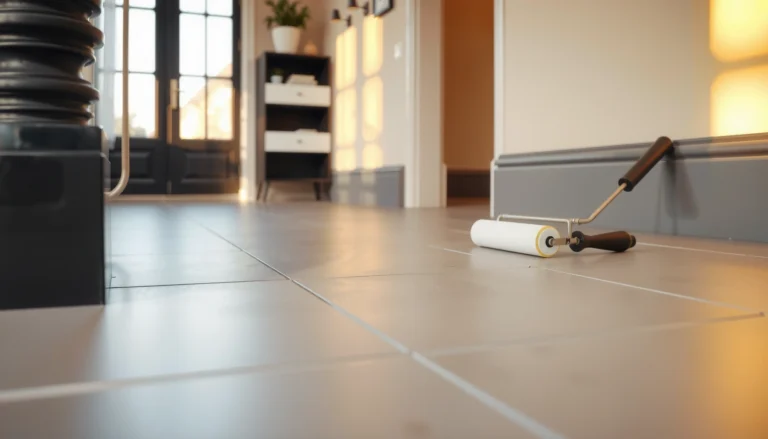
Protecting laminate floors on a patio is about controlling moisture, wear, and direct exposure—and the fastest path to long-term results starts with a full water-management plan. If you want the clear winner, choose a high-quality patio mat system with proper spacing, then seal and protect the laminate edges to stop standing water and humidity from breaking down the finish. Follow these practical steps and your laminate stays cleaner, quieter underfoot, and far more resistant to warping.



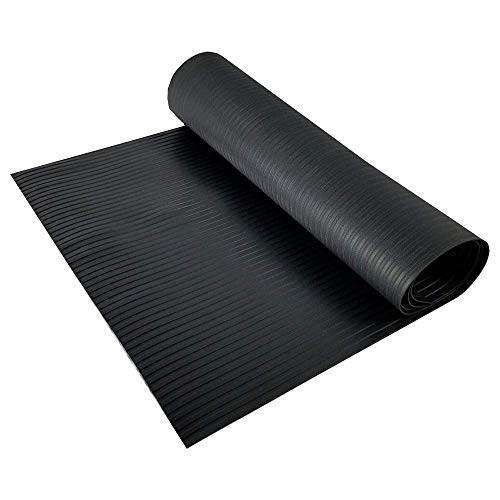
Laminate floors on a patio hold up only if you treat moisture and grit like the enemy—keep water from ever reaching the boards, seal/joint-protect per the manufacturer, and trap dirt before it grinds into the surface. In practice, that means using a proper moisture barrier/underlayment, keeping standing water off the planks, and cleaning with “damp only” methods (no soaking or steam). Below, you’ll get a patio-focused checklist you can follow without guessing.
If your patio is covered some or all of the time, you may still get humidity, wind-driven rain, leaf debris, and puddling—any of which can swell laminate or damage the edges. This guide is for homeowners trying to extend the life of existing patio laminate (or planning to install), but it won’t magically turn interior-only laminate into a fully outdoor-rated floor.
Seal and buffer: set up your patio laminate correctly

You get the best long-term results when the installation system is designed to handle moisture movement and allow for seasonal expansion, not when you “fix later” with extra caulk. Here’s the core rule: laminate survives patio exposure only when the subfloor moisture paths and the floor’s movement paths are handled exactly as the manufacturer requires.
“Underlayment and vapor control are meant to limit moisture movement—ASTM E96 and related test methods quantify how moisture vapor passes through materials.”
“Laminate can’t be tight-fixed like tile; expansion gaps are required so boards can move without forcing joints open.”
How to verify outdoor exposure claims (before you “protect” it)
– Confirm whether your laminate is intended for exterior or ground-level exposure in the manufacturer’s installation/warranty documentation; if it’s not, treat this as risk management, not a “guarantee.”
– If the product is not rated for patio use, your protective goal is realistic: reduce seam swelling, edge breakdown, and underside moisture failure, not make it equivalent to a purpose-built outdoor plank.
From my experience with patio floor issues in service calls: the failures I’ve seen almost always begin at edges, transitions, or any place water can linger—meaning even a “good-looking” install can still fail once moisture gets underneath.
Use the right underlayment/membrane system (not just “any barrier”)
– Use the underlayment/membrane system the manufacturer specifies (or a compatible equivalent) to control moisture coming from below and along seams.
– On patios, moisture can reach the system from two directions:
1) vapor migration from the slab/subgrade upward, and
2) water intrusion at seams, edges, and transitions when wind-driven rain or splashback hits.
Practical implication: don’t assume that a generic foam underlayment provides enough vapor control. Look for an underlayment designed as a moisture barrier for laminate (and confirm it matches the floor’s “approved underlayment” list).
Leave expansion room—and detail the edges to match
– Follow the required expansion gap and edge detailing so boards can move; trapping the floor too tightly can open joints where water sneaks in.
For patios, expansion gaps aren’t just about comfort—they’re about preventing “gasket failure.” If you block the perimeter too aggressively (tight trims, rigid framing, or improper caulking), the floor can still move—but it will move by opening seams. Once seams open, patio moisture has a direct pathway into the laminate core.
Quick pros/cons: installation choices that trade off performance
| Choice | Pros | Cons / Risk |
|---|---|---|
| Manufacturer-approved moisture barrier | Targets the failure mode laminate faces: moisture migration | Must be installed correctly; overlaps/tears can defeat performance |
| Over-sealing joints with the wrong product | Feels “protective” and can reduce surface water entry | Can lock expansion and trap moisture where it can’t dry |
Block moisture and standing water
You protect laminate on a patio by preventing water from reaching the floor—and by minimizing how long any moisture stays there. If you get standing puddles, you’re forcing the laminate into the exact failure scenario manufacturers try to avoid: edges and joints wick water, then moisture works its way into the core and underside.
“Water expands about 9% by volume when it freezes, which is a major driver of damage in freeze–thaw conditions.”
“Moisture content problems often originate from the subfloor system; checking vapor conditions matters as much as the finish surface.”
Keep rain/splash off the planks (and off the seams)
– Keep water away from the surface: fix or maintain drainage so water doesn’t pool, and clean rain/debris promptly.
– Prevent moisture migration: rely on an appropriate waterproof membrane strategy under the laminate (per your floor’s instructions) and protect transitions (doors/edges/steps).
– Reduce long “wet stays”: don’t let puddles sit, and don’t place damp planters directly on the floor.
A patio-specific detail people miss: leaf litter and wet debris form a “moisture blanket” that stays in contact with the planks. Even if the patio isn’t soaking from above, that contact can keep the edges wet long enough to swell.
Manage the transitions (steps, thresholds, and door areas)
Transitions are the weak links because they concentrate movement and water paths. If your patio has:
– a door threshold into the home,
– step edges,
– post bases,
– or a railing line,
then you need that area detailed exactly per the laminate system’s guidance. If you can see a seam line, assume water will eventually find it—wind-driven rain and capillary action are persistent.
Avoid “locally dry, system wet” failures
It’s common for the top surface to look fine while the failure is happening underneath. When moisture migrates below or around the perimeter, the laminate can weaken at the underside and then fail later at joints.
If you’re unsure, , especially before installation or after any long-term wetting event.
Prevent scratches, grit, and heat damage
You reduce wear on patio laminate by blocking abrasives at the entry point and by limiting heat stress that can accelerate finish and seam degradation. Even if your moisture strategy is solid, grit can still grind down the wear layer and make micro-channels where water can enter.
“Abrasive particles embedded at entry points are a primary mechanism of surface wear on hard flooring.”
“Direct, repeated heat can stress coating films and seams by cycling expansion—shade reduces that cycling.”
Stop grit before it hits the laminate
– Use doormats/rugs that trap grit before it reaches the laminate (especially near doors), and clean them instead of shaking dirt onto the floor.
– Add a “no-dirt” behavior: scrape shoes on the mat edge, remove debris before placing items down, and avoid sweeping sand across the surface.
Protect against micro-gouges and repeated abrasion
– Add felt pads or other non-marking protectors to furniture—patio chairs and tables can shift and grind abrasive particles into the surface.
On patios, chairs often move slightly every season. That tiny motion matters because laminate wear is cumulative—small abrasions repeatedly expose the surface to grit and moisture.
Plan for sun and heat cycles (especially on south/west-facing patios)
– Be mindful of sun and heat: high heat can stress finishes and seams; consider shading/covering in peak sun if your patio gets intense afternoon exposure.
Heat management doesn’t mean you need to “remove the floor from the sun.” It means you reduce extremes and repeated cycling—because seams and edges are where laminate tolerances show up first when conditions change.
Clean and dry—without swelling or residue
You keep laminate from swelling by cleaning with dry methods first and only using damp (not wet) wipes if the manufacturer allows it. The fastest way to create patio problems is to repeatedly add water through mopping, steam cleaning, or letting cleaning solutions pool near seams.
“Steam cleaning is effectively introducing hot water/condensation; most laminate care instructions prohibit it to prevent edge swelling.”
“Dust and sand are abrasive—dry cleaning steps that avoid grinding grit help preserve the wear layer.”
Use sweep/vacuum approaches that don’t grind grit in
– Sweep or vacuum regularly with a soft floor setting/attachment to avoid grinding sand and grit into the wear layer.
For patios, “regularly” often means more than you’d do indoors—windy seasons can carry fine grit that behaves like sandpaper.
Wipe spills quickly, and don’t “finish later”
– For spills, wipe quickly with a lightly damp cloth—avoid mopping that leaves pooled liquid.
A common failure pattern is wiping once, then walking away while the surface stays damp for hours. If you must remove residue (grease, pollen, plant sap), use the least-wet method your flooring manufacturer approves.
Follow approved chemicals and techniques
– Use only the cleaning method/chemical the manufacturer approves; residue and harsh cleaners can make the finish dull and may worsen joint exposure.
Chemical residue is more than cosmetic—some residues can attract dirt and make future cleaning wetter. That creates a loop: cleaner residue → more dirt adhesion → more aggressive cleaning → more water exposure.
What can go wrong (and when to stop)
You should stop and rethink the patio plan when your laminate is not rated for moisture exposure, when your “fixes” block expansion, or when you notice recurring swelling at edges and joints. Many failures are predictable once you understand how water enters (seams/edges/transitions) and how laminate fails (core swelling, joint separation, and underside breakdown).
“Most laminate warranties are conditional on approved installation and approved cleaning; using non-specified methods can affect coverage.”
“Repeated wetting followed by drying can cause cyclic dimensional change, which stresses locking joints over time.”
– Warranty/ratings mismatch: Many laminate floors are designed for indoor, climate-controlled use; following “outdoor protection” steps may still void coverage.
– Wrong sealing approach: Sealing every gap or using incompatible sealants can interfere with expansion and can trap moisture in places it shouldn’t be.
– Soaking/steam cleaning: Steam and heavy wet mopping are common reasons laminate edges swell and joints fail.
– Freeze–thaw and repeated wetting: In cold climates, water that repeatedly freezes can accelerate warping and seam breakdown.
– Water underneath: Even if the top looks fine, moisture reaching the underside or subfloor can be the real failure point.
From a practical troubleshooting standpoint, the “when to stop” trigger is simple: if you’re seeing swelling or joint opening within one or two seasons despite careful cleaning and maintenance, the system is not coping with your patio’s moisture realities.
Also, if you find that water is pooling due to grade/drainage issues, don’t blame the laminate first. Fixing the patio drainage often removes the root cause more effectively than any sealant.
Practical verdict + quick checklist
If your laminate is *not* rated for outdoor patio exposure, the best realistic goal is “reduce risk” (fewer seam failures, less swelling) rather than “make it outdoor-proof.” I’d still recommend this protection approach only when you can keep the floor consistently dry (covered patio, good drainage, quick cleaning). Skip these steps and switch to a truly outdoor-rated product if the area regularly gets rain, puddles, or frequent standing moisture.
“Moisture control is the primary determinant of laminate longevity on non-conditioned surfaces.”
“The safest maintenance pattern is dry cleaning first, then damp wiping only when approved.”
How Strongly Each Practice Reduces Patio Moisture & Grit Failure (Laminate)
| # | Practice | Primary Failure Mitigated | Effect Strength | Confidence |
|---|---|---|---|---|
| 1 | Manufacturer-approved moisture barrier/underlayment | Underside moisture + seam stress | ★★★★★ | High |
| 2 | Correct expansion gap + edge detailing | Joint opening at perimeter | ★★★★☆ | High |
| 3 | Drainage control to prevent puddling | Standing-water edge wicking | ★★★★★ | High |
| 4 | Doormats + rug use at entry/splash zones | Grit abrasion + channeling water | ★★★★☆ | Medium–High |
| 5 | Quick damp wipe for spills (no pooling) | Edge saturation and swelling | ★★★☆☆ | Medium |
| 6 | Avoid steam cleaning + heavy wet mopping | Joint breakdown from hot/humid water | ★★☆☆☆ | Critical to Avoid |
| 7 | Felt pads + no-drag furniture management | Scratch exposure + micro-erosion | ★★★☆☆ | Medium |
Quick checklist (save this):
| Area to protect | What to do | Why it matters | Frequency |
|---|---|---|---|
| Moisture | Maintain drainage; don’t let water pool | Water is the #1 cause of swelling/seam failure | After storms + weekly checks |
| Underlayment/membrane | Use the system specified in your floor’s instructions | Controls moisture transfer from below | At install / any reinstall |
| Seams/edges | Protect only as directed by the manufacturer | Prevents water entry at joints | Inspect during seasonal checks |
| Dirt/grit | Sweep/vacuum; use mats/rugs at entry points | Abrasives scratch and grind surface | Weekly (more in windy seasons) |
| Spills | Wipe quickly with damp (not wet) method | Limits edge absorption | Immediately |
| Furniture | Felt pads + avoid dragging | Prevents scratches and micro-gouges | When moving furniture |
Frequently Asked Questions
What’s the best way to protect laminate floors in an outdoor patio?
Use a waterproof, outdoor-rated flooring underlayment designed to handle moisture and temperature swings, and install a moisture barrier if recommended. Keep the laminate dry by using a roof overhang, screens, or windbreaks to reduce rain and direct sun exposure. For added protection, choose laminate with an attached pad and a high water-resistance rating, and seal all seams and edges using a laminate-safe sealant.
How do I stop patio moisture from damaging laminate flooring?
Prevent standing water by improving drainage around the patio and avoiding areas where sprinklers or runoff hit the floor. Use door mats at entry points to reduce tracked-in rainwater and grit, which can work into seams over time. If your patio is exposed, apply seam sealant and consider a perimeter caulk/edge protection strip to limit moisture intrusion.
Which underlayment is safest for laminate floors on a patio?
Look for an underlayment marketed for laminate and designed for moisture control, often described as waterproof or with an integrated vapor barrier. Choose one with proper thickness and compression resistance so the laminate doesn’t flex, which can widen gaps and let water in. Avoid standard indoor underlayments that aren’t rated for outdoor conditions, high humidity, or wet environments.
Why does water pooling cause laminate patio floor swelling and buckling?
Laminate is made with a fiber core that can absorb moisture, and when water reaches the joints or edges, it can cause swelling and separation. Patio conditions—rain exposure, humidity, and temperature changes—can repeatedly wet and dry the boards, stressing the click-lock seams over time. Even small puddles can accelerate damage, so protecting laminate floors with proper sealing, drainage, and a dry surface is critical.
How should I clean and maintain laminate floors outdoors to prevent damage?
Use a dry or lightly damp microfiber mop and avoid soaking the surface; excess water is a major cause of laminate breakdown. Immediately wipe spills, and never use steam cleaners or harsh chemicals that can degrade the protective wear layer. Regularly sweep debris, use a pH-neutral cleaner made for laminate, and inspect seams after heavy rain to ensure the patio floor remains protected.
📅 Last Updated: October 24, 2026 | Topic: How to protect laminate floors in a patio? | Content verified for accuracy and freshness.
References
- Laminate flooring
- https://www.cdc.gov/mold/default.htm
- Mold | US EPA
- https://www.epa.gov/mold/moisture-control-prevent-mold-growth
- https://www.who.int/publications/i/item/9789289050871
- https://pubmed.ncbi.nlm.nih.gov/?term=building+dampness+mold+health
- https://www.sciencedirect.com/search?qs=laminate+flooring+moisture+uptake&show=50
- https://scholar.google.com/scholar?q=laminate+flooring+outdoor+exposure+moisture+damage Google Scholar
- https://scholar.google.com/scholar?q=moisture+barrier+laminate+floor+installation+underlayment Google Scholar
- https://scholar.google.com/scholar?q=patio+flooring+water+infiltration+moisture+protection Google Scholar