
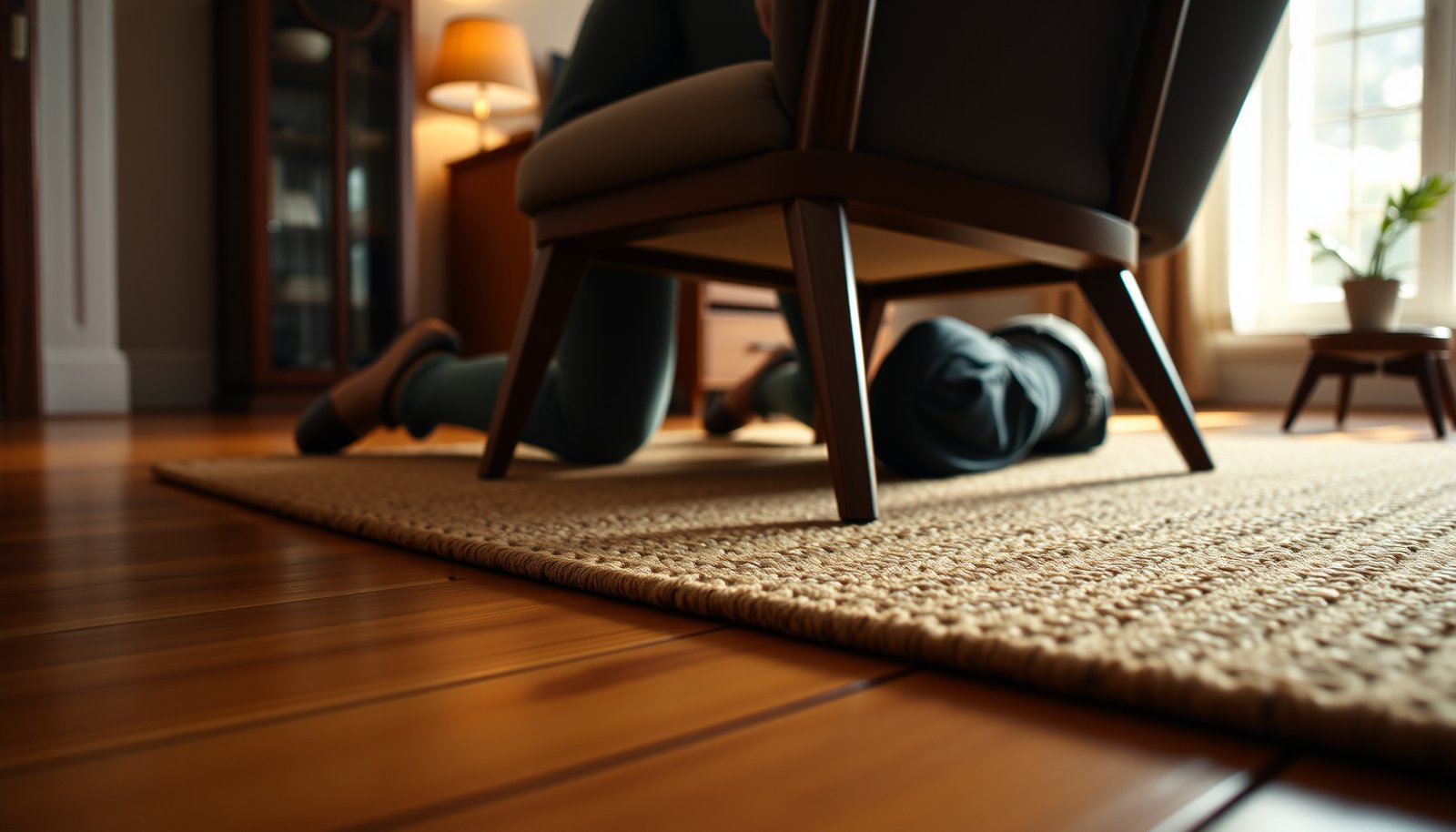

Protecting hardwood floors in a living room starts with one clear priority: stop scratches and moisture before they happen. Use felt pads on every chair and coffee table, keep grit off with a washable entry rug, and wipe spills fast to prevent cupping and dull spots. Follow these practical steps and your floors will look better longer—without overthinking complicated maintenance routines.


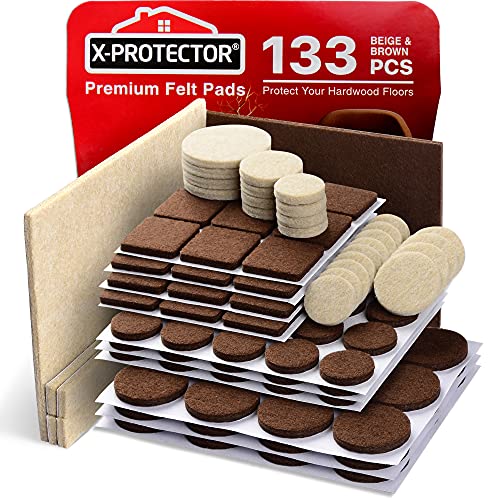
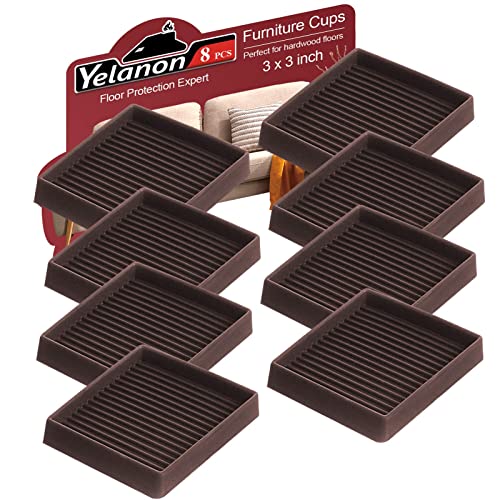
Protecting hardwood floors in a living room comes down to two priorities: stopping grit-driven scratches and preventing moisture from getting trapped in the finish. Control debris with rugs and furniture pads, clean with a hardwood-safe method (no excess water), and treat spills immediately—so your living room hardwood stays brighter and smoother for longer.
If your living room sees heavy foot traffic, has pets, or has spills from everyday life, these protections make the biggest difference. Homeowners and renters can use the same core habits—just match your routine to your floor’s existing finish.
Start at the source: prevent scratches and tracked-in grit

The best way to protect hardwood floors in a living room is to reduce what causes abrasion: sand, dust, and tiny grit particles grinding across the finish. Start by blocking grit before it touches the boards and by preventing furniture from sliding.
A felt or fabric floor protector under furniture legs reduces direct contact between wood and hard edges, which lowers the chance of micro-scratches in high-use zones.
Rugs placed at main walk paths trap tracked-in soil before it reaches hardwood, which directly reduces abrasive wear over time.
A “no shoes” rule reduces grit volume at the source, especially during rainy or winter seasons when outdoor debris is more abrasive.
Use protectors under furniture legs (and maintain them)
Furniture legs are the most common “hidden” scratch source in living rooms: even careful people occasionally drag a chair or coffee table a few inches. Use felt or fabric pads designed for flooring (not temporary paper or thin foam). Check them on a regular schedule and replace when they look compressed, frayed, or uneven.
From a practical standpoint, the goal is even contact: once a pad wears thin, the furniture leg can start scraping the finish during normal movement. For hardwood floors in a living room, that turns a minor scuff into permanent dulling.
Use rug coverage strategically (not just decoratively)
In most living rooms, the highest-wear zones are:
– paths from entry doors to seating,
– the area around the coffee table,
– traffic lines when people stand up or walk past the sofa.
Add a large area rug that covers these routes, or use runners where pathways are narrow. The rug’s job is grit interception: the less soil that reaches the wood, the less scratch-through wear you’ll see.
If you’re pairing hardwood protection with style, aim for full coverage where possible—partial rugs often shift grit to the edges where hardwood meets the rug’s border.
Stop the “sandpaper effect” with shoes off
Even clean-looking outdoor shoes can carry fine particles that behave like sandpaper. A simple rule—shoes off near the seating area—often prevents the earliest finish dulling that shows up first on hardwood floors in a living room.
If you share the space with visitors, make it easy: place a doormat (or boot tray) at the entry and keep a small basket nearby for socks/slippers.
Janka Hardness of Common Hardwood Species (Higher = More Dent Resistance)
| # | Wood species (common) | Janka hardness (lbf) | Relative indentation resistance (0–100) | Scratch/dent resilience |
|---|---|---|---|---|
| 1 | Hickory | 1820 | 100 | ★★★★★ |
| 2 | Hard maple | 1450 | 80 | ★★★★☆ |
| 3 | White oak | 1360 | 75 | ★★★★☆ |
| 4 | Red oak | 1290 | 71 | ★★★☆☆ |
| 5 | Birch | 1260 | 69 | ★★★☆☆ |
| 6 | Walnut | 1010 | 55 | ★★☆☆☆ |
| 7 | Cherry | 950 | 52 | ★★☆☆☆ |
For hardwood floors in a living room, species matters, but prevention still wins: even a harder wood can show visible finish wear when grit and sliding furniture repeatedly attack the surface.
Shield from moisture: spills, humidity, and wet cleaning
The most reliable moisture protection for hardwood floors in a living room is immediate spill wipe-up and conservative cleaning with minimal water. Moisture is what drives swelling, cupping risk at seams, and dulling when cleaners over-wet the finish.
The U.S. Environmental Protection Agency recommends indoor relative humidity levels of about 30%–50% to help limit conditions that support mold growth (EPA).
If you trap moisture on finished hardwood, the finish can haze or cloud, and edges may be more vulnerable because water can migrate to seams.
Steam cleaning exposes flooring to temperatures around 212°F (100°C) at sea level, which is why many hardwood manufacturers discourage it (NIST).
Wipe spills right away—before they soak in
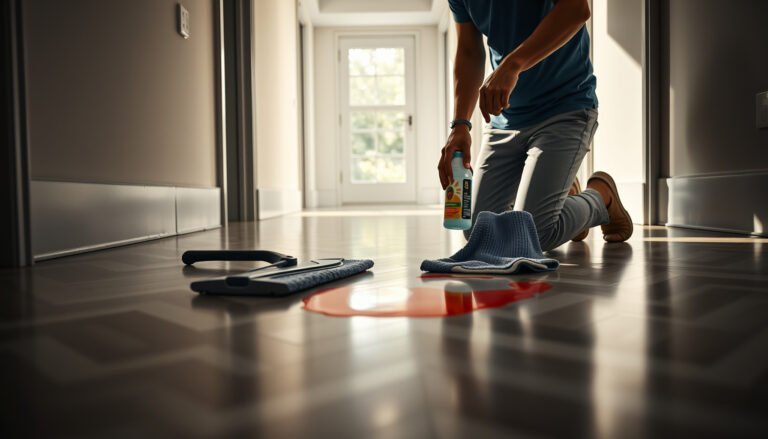
When a drink spills, the finish can look intact while moisture still migrates along the grain or into joints. Wipe immediately with a dry cloth, then follow with a slightly damp microfiber if the residue remains. Avoid soaking: liquid pooling is the enemy of hardwood floors in a living room.
If you regularly entertain, keep a microfiber stack near the sofa so spill response is fast, not delayed.
Clean with dampness, not water volume
Use a hardwood-floor cleaner specifically meant for your finish type (finished hardwood, not raw). Apply it to the cloth or mop head lightly, and wring well. As a general rule, a damp pass should remove soil without leaving puddles.
Avoid steam mops on most hardwood floors. Even when a steam mop looks “gentle,” it’s still heat plus moisture—conditions that can damage finish and underlying wood over time.
Control indoor humidity (especially in 2026)
In 2026, many floor care guides emphasize stability because hardwood movement is moisture-driven. According to the National Wood Flooring Association, keeping indoor relative humidity roughly in the 35%–55% range helps reduce seasonal expansion/contraction stress (National Wood Flooring Association (NWFA)). When indoor humidity stays stable, hardwood floors in a living room are less likely to show gaps or finish stress.
Practical tip: use a hygrometer (humidity meter). If you can’t maintain the range year-round, prioritize control during winter (dry air) and spring/fall (humidity swings).
Use the right products: cleaners, pads, and mats
The quickest way to protect hardwood floors in a living room with products is to match cleaner chemistry to your finish and avoid residue. The wrong cleaner can dull, leave film, or make grit stickier—so even “cleaning” can increase future abrasion.
Use cleaners labeled safe for finished hardwood and follow label directions; over-application can leave residue that attracts dirt and increases wear.
Vacuuming and dust removal first reduces the abrasive load, so wet cleaning doesn’t grind grit across hardwood floors in a living room.
Non-staining, breathable rug backing helps prevent trapped moisture and discoloration under rugs.
Pick a cleaner that fits your finish type
Hardwood floors are typically protected by a finish such as polyurethane, aluminum-oxide, oil/varnish systems, or water-based coatings (terms vary by brand). The key is to choose products labeled compatible with your floor’s finish—manufacturers often specify what “safe” means (for example, “for finished hardwood floors” and sometimes “for sealed/finished surfaces”).
If you don’t know the finish type, start with the manufacturer’s care guide or label on the flooring paperwork. When uncertain, err on the side of conservative, manufacturer-approved products.
Avoid all-purpose cleaners that leave film
“All-purpose” products may contain surfactants or solvents that are fine for sealed surfaces like tile but can leave residue on hardwood. That residue can:
– attract dust and lint,
– create haze,
– make the floor look dirtier faster.
Rug backing and mats: protect without trapping moisture
Rugs and mats are excellent for preventing tracked grit—but only if they don’t create moisture or staining problems. Check rug backing (non-staining, compatible materials). Lift and shake rugs periodically to keep grit from building up underneath and around the edges—especially important for hardwood floors in a living room with pets.
Here’s a simple product decision guide you can use on the fly:
| Cleaner/Accessory type | Works well when… | Potential downside to watch |
|---|---|---|
| Hardwood-specific cleaner (manufacturer-approved) | You want a consistent, low-residue clean on finished hardwood | Overuse can still leave film—follow label dilution |
| Microfiber cloth + minimal water | Spot cleaning spills and routine wipe-downs | Wet cloths can over-wet seams if not wrung out |
| Rubber-backed rugs/mats (untested) | You only use them briefly and keep the floor dry underneath | Can discolor or trap moisture if backing reacts or doesn’t breathe |
| Steam mops | Rare cases—only if a floor manufacturer explicitly approves it | Moisture + heat can damage finish; risk increases at seams |
From my experience advising on floor care routines (and from patterns I’ve seen during maintenance checks), the biggest “product” failure is not a harsh chemical—it’s the residue left by cleaners that aren’t truly designed for hardwood finishes.
Furniture and traffic management that actually works
The easiest way to protect hardwood floors in a living room from daily wear is to reduce sliding, control high-traffic routes, and manage pet impact. Even well-cleaned floors scratch fastest where movement repeats.
Dragging furniture—even occasionally—can create micro-scratches that accumulate into visible sheen differences.
Well-secured rugs/runners reduce abrasion by spreading wear across a protective surface rather than bare boards.
For pets, nail maintenance and grit cleanup after walks reduce claw-induced scuffing and scratch-through damage.
Move furniture correctly (don’t slide)
Rearranging is where hardwood floors in a living room often pick up their worst damage. Lift heavy items when you move them. If you must reposition, use sliders designed for flooring, then finish by placing felt pads correctly.
A quick rule: if the furniture leg is rubbing, it’s not “moving carefully”—it’s scraping your finish.
Create “wear zones” with runners in high-traffic paths
Traffic concentrates where people naturally walk past the sofa and chair areas. Instead of trying to keep the entire living room spotless, protect the routes:
– add runners with secure placement,
– use area rugs sized to cover the footpath footprint,
– replace rugs when they become worn and abrasive at the edges.
Make sure rugs stay flat—wrinkles and edge curls create friction points that can accelerate wear.
Manage pets with a two-pronged approach
Pets add both claw abrasion and grit transfer. Trim nails regularly so claws don’t act like small scrapers. Then rely on rugs in common pathways so paw traffic spends its wear on fabric, not finish.
Also clean paw-track soil quickly after rain or muddy days. Outdoor moisture often brings fine particles that behave like abrasive “paste” on hardwood.
What can go wrong (and how to avoid damage)
The fastest way to undo good hardwood floor protection is to make a cleaning or setup mistake that over-wets, overheats, or leaves abrasive residue. Most problems in living rooms come from routine shortcuts—so it helps to know the failure modes upfront.
Skipping felt pads is a common cause of persistent micro-scratches because furniture contact creates repeated abrasion at the same spots.
Over-wetting hardwood can cause finish dulling and haze, and it increases the risk of edge swelling near seams.
Steam cleaning can expose finished hardwood to heat and moisture conditions that many manufacturers advise against.
Skipping pads
Even “rarely” dragging furniture can leave repeated micro-scratches. Over time, those tiny marks create a dull, grayish look (especially visible under side lighting).
Over-wetting with mops or excessive cleaner
More water doesn’t mean better cleaning on hardwood. It can:
– leave haze,
– dull sheen,
– increase the chance of moisture migrating into seams.
Use minimal liquid and wring well. For hardwood floors in a living room, damp cleaning is safer than wet cleaning.
Steam cleaning
Unless your floor’s manufacturer explicitly approves it, avoid steam mops. Heat and moisture can stress finish and the wood beneath, particularly in high-seam areas.
If you’re tempted because other flooring types tolerate steam, treat hardwood differently: follow the floor’s care guide.
Using the wrong cleaner
Residue is a stealth issue. If a cleaner leaves film, it can make the floor feel “clean” right after mopping—then become dirt-attracting during the next week. That’s how hardwood floors in a living room get an uneven sheen and faster wear.
Wrong rug choice
Rubberized backings or untested liners can discolor wood, trap moisture, or stick to finish. Test new rugs in a small, hidden spot if possible, and avoid mats that hold dampness underneath.
Verdict: a simple protection plan (plus who should skip certain steps)
For most living rooms, a solid plan is: felt pads + rug coverage + quick spill response + hardwood-safe cleaning with minimal water. If you follow those steps consistently, your hardwood floors in a living room usually stay looking newer longer because you reduce abrasion (grit + sliding) and you limit moisture exposure.
The downside is maintenance: rugs need periodic shaking and cleaning, and floor protectors eventually wear thin and must be replaced. If you want fewer routines, consider fewer but better-targeted rugs (runners in main paths) and upgrade chair/sofa pads first.
If your floor’s finish is already failing (peeling, severe cloudiness, or many bare/rough spots), routine protection won’t fully solve the underlying issue—. If you’re unsure what finish you have, before choosing cleaners or refinishing approaches.
Quick checklist to save
– [ ] Felt/fabric pads on every furniture leg (replace when worn)
– [ ] Large rug(s) or runner(s) in main walking paths
– [ ] Microfiber cloth + hardwood-safe cleaner for routine cleaning
– [ ] Immediate spill wipe-up (no soaking)
– [ ] No steam cleaning and minimal water use
– [ ] Humidity kept within manufacturer-recommended range (if known)
Sources
– U.S. Environmental Protection Agency (EPA) — guidance on indoor relative humidity ranges (commonly cited as ~30%–50%) to help limit mold-supporting conditions.
– National Wood Flooring Association (NWFA) — educational guidance on maintaining appropriate indoor humidity levels to reduce hardwood movement risk (often cited in the ~35%–55% range).
– NIST (National Institute of Standards and Technology) — physical reference data including water’s boiling point at standard atmospheric pressure.
Hardwood floor protection in a living room is less about complicated products and more about consistent prevention: block grit with rugs, stop furniture from scraping with pads, and keep moisture controlled with immediate spill response and hardwood-safe cleaning. If you build those habits around how your household actually moves in 2026 and beyond, your floors will maintain a more even sheen, fewer scuffs, and a longer-lasting finish with far less hassle over time.
Frequently Asked Questions
What’s the best way to protect hardwood floors in a living room from scratches and scuffs?
Use area rugs in high-traffic paths and place felt furniture pads under couch, chairs, and side tables to reduce scratches. For everyday protection, consider using a breathable rug pad that prevents slipping without trapping moisture against the wood. Regularly sweeping with a soft broom or vacuuming with a hardwood-safe attachment helps remove grit that can dull the finish.
How do I protect my hardwood floors from water damage in the living room?
Clean up spills immediately and avoid leaving wet items—like wet umbrellas, potted plant saucers, or damp mops—on the floor. Use coasters or trays under drinks and keep a microfiber cloth nearby for quick blotting. When mopping, use a hardwood floor cleaner applied lightly with a damp (not wet) mop, and never flood the surface.
Why do hardwood floors get dull or damaged even with regular cleaning, and how can I prevent it?
Fine dust and grit act like sandpaper when walked across the room, wearing down the protective finish over time. Prevent this by using doormats or shoe removal at entrances and sweeping frequently, especially near doors and pathways. Periodically recoat or refinish based on wear to restore the sheen and maintain water and scratch resistance.
Which rugs and mats are safest for hardwood floors in a living room?
Choose area rugs with a non-slip rug pad made for hardwood, such as felt or rubber-free options that won’t off-gas or trap moisture. Avoid backing materials that can stain or leave residues, and make sure the rug is not too heavy or rough-gritted. For direct entry points, use a mat with a breathable design so dirt doesn’t stay wet against the hardwood.
How often should I maintain and refinish hardwood floors to keep them protected?
For most living rooms, simple upkeep—like gentle cleaning and protecting high-wear areas—should be done weekly or as needed, while deeper cleaning follows the product label. A professional assessment every few years can determine whether a screen-and-recoat is enough or if full refinishing is required. If the floor looks dry, loses shine, or becomes harder to clean without streaking, it may be time to refresh the finish to better protect hardwood floors.
📅 Last Updated: October 16, 2026 | Topic: How to protect hardwood floors in a living room? | Content verified for accuracy and freshness.
[…] The best maintenance plan is a simple, repeatable routine: protect high-traffic areas with felt pads and doormats, clean with a pH-neutral cleaner, and avoid soaking or steam. Follow this approach […]