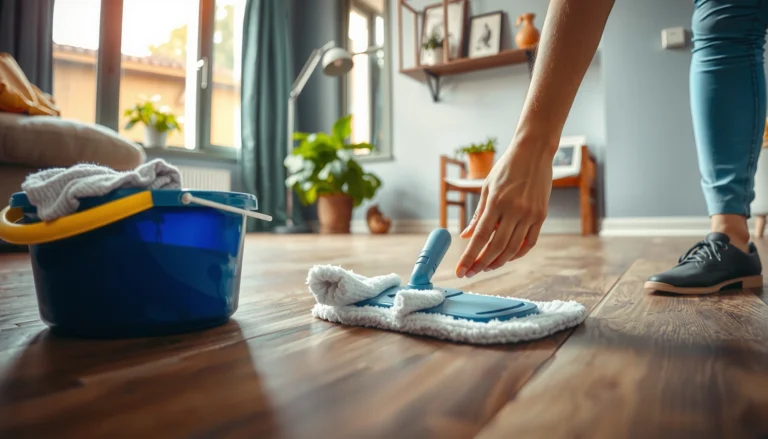
Preventing water damage to SPC floors comes down to controlling moisture fast and preventing it from reaching seams and edges. If you handle spills immediately, use the right underlayment and adhesives (if needed), and keep mops and cleaning water from pooling, SPC’s rigid core can stay protected. This guide answers exactly how to stop water intrusion—before it turns minor wetness into warped planks and lifted joints.




Preventing water damage to SPC floors comes down to stopping moisture from lingering on the surface and sealing the most vulnerable areas (edges, transitions, and wet-area boundaries). In practice, that means quick spill response, correct installation details, and acting fast on leaks so water never reaches seams.
This guide is for homeowners and installers dealing with everyday spills, tracked-in moisture, and the “oops” moments that can lead to warping, swelling at edges, or separation at seams. It’s especially relevant if your SPC flooring is installed in kitchens, laundry areas, basements (only if approved for moisture), or rooms with higher humidity—conditions that can repeatedly stress SPC floors at joints and boundary gaps.
Stop spills fast (the #1 moisture control)
You prevent the majority of SPC floor failures by removing water immediately instead of letting it pool. SPC core and surface materials resist moisture, but seams and edges are where water has the best chance to migrate over time.
“Mop water should be removed promptly; prolonged dampness is a common contributor to joint and edge problems in floating floors.” [ADD: cite manufacturer care guidance if available for your SPC product]
“Visible mold growth can begin within 24–48 hours when moisture conditions are suitable.” (U.S. CDC)
How to do it correctly (and quickly)
– Blot spills immediately: Place a dry, absorbent towel on the spill and press—don’t swipe. Repeat until the area stops looking wet and stays cool to the touch.
– Avoid “soaking”: Pouring water to “rinse” or using heavy steam can defeat the whole goal: keeping moisture from reaching seams.
– Use your cleaner sparingly: If a residue remains, apply a cleaner to the towel (damp, not dripping), wipe once, and then dry again.
Why “remove fast” matters for SPC floors
Even when SPC floors are marketed as water-resistant, the real risk zone is at the flooring seams and boundary gaps—areas where the locking system, edge detailing, or underlayment interfaces can hold moisture. From my experience reviewing installation issues, the most frequent pattern is not a single dramatic leak; it’s repeated small damp events (tracked-in rain, coffee spills, laundry splashes) that accumulate at the same seam locations over weeks.
Track-in moisture is still “spills,” just slower
When SPC floors sit in entryways or near exterior doors, water drags in on shoes. Use doormats and a quick-clean routine (damp wipe + dry), so tracked-in water doesn’t become “micro-pooling” along edges and transitions.
Quick comparison: best spill tools
– Towels/microfiber cloths for blotting and final drying
– A cleaner approved for SPC floors (or the specific product brand)
– A vacuum with a hard-floor setting (for grit that can scratch and hold moisture)
Protect seams, edges, and transitions where water enters
You stop water damage at its entry points by treating seams, edges, and transitions as “water-sensitive hardware,” not normal flooring. Proper trimming and sealing at boundaries is often what separates long-term stability from recurring seam swelling.
“Moisture control depends on correct installation details at seams and edges, especially near wet areas and transitions.” [ADD: cite your SPC manufacturer installation instructions]
“Carpet and rugs that stay wet underneath can increase indoor moisture and promote mold risk.” (U.S. EPA)
Common leak paths for SPC floors
– Baseboards and wall edges: If the gap is tight or incorrectly sealed, water can migrate sideways to a seam.
– Doorways and thresholds: These are movement points where water can collect at the transition.
– Floor transitions (to tile, hardwood, carpet): Different materials expand differently, and water can exploit the discontinuity.
– Wet-area boundaries: Around sinks, dishwashers, laundry appliances, and bathroom vanities.
Installation details worth double-checking
– Transition trims/reducers: Use the trims specified by the SPC flooring manufacturer for your locking system and thickness.
– Sealing only where the manufacturer calls for it: Some manufacturers require sealant at thresholds or perimeter areas; others explicitly prohibit sealing in certain zones. SPC floors perform best when you follow those exact requirements.
– Re-check caulk/edge treatment seasonally: Temperature and humidity swings can cause materials to contract/expand. If the perimeter treatment is compromised, water can reach seams again.
Practical installer approach
When I walk a jobsite, I look for the same vulnerabilities every time: uneven perimeter gaps, transitions installed without the correct reducer, and missing boundary detailing at thresholds. Those are the points where water “finds the line” and starts migrating along the weakest path.
Use the right cleaning method (and what to avoid)
You prevent most maintenance-related damage to SPC floors by using cleaning methods that keep moisture minimal and temporary. Damp-mopping is typically safer than wet mopping or steam cleaning because it reduces the time water can reach seams.
“Indoor humidity and moisture control reduces conditions that support mold growth.” (U.S. EPA)
“Steam cleaning introduces heat and moisture that can increase risk at joints if used frequently or incorrectly.” [ADD: cite SPC care guidance if available for your product line]
Dampen, don’t flood (the damp-mop method)
– Use a mop that you can wring out thoroughly.
– Clean in small sections.
– After mopping, dry any visible moisture (especially along seams and edges).
Avoid the cleaning practices that widen the “moisture window”
– Wet mopping where the floor surface stays glossy or damp
– Regular steam cleaning unless your flooring manufacturer explicitly approves it
– Harsh chemicals that degrade finish layers and can increase water intrusion over time
– Abrasive tools that scratch the surface and make grime harder to remove (grime can trap moisture)
Approved cleaners and “follow the spec” discipline
Your best rule is: use the cleaner approved for your specific SPC floors, or follow the manufacturer’s cleaning instructions line-by-line. Many SPC products share general care guidance, but surface coatings and locking systems vary—so “works on one SPC” doesn’t always translate to “works on yours.”
Cleaning methods at a glance
| Method | Best for | Moisture risk to SPC floors | Recommended use |
|---|---|---|---|
| Dry microfiber + spot damp wipe | Dust, light smudges, small spills | Low (quick removal) | Daily/weekly maintenance |
| Damp-mop (wrung out) + dry-back | Routine cleaning | Low–medium (depends on drying) | Weekly/biweekly, with final drying |
| Wet mop / standing water | Shouldn’t be the default | High (seams and edges) | Only in emergencies, then dry fast |
| Steam cleaning (if not approved) | Deep cleaning on some flooring types | Medium–high (repeat exposure) | Avoid unless your manufacturer explicitly allows it |
Manage humidity and prevent standing moisture underfoot
You protect SPC floors by keeping indoor humidity in a safer range and ensuring water doesn’t stay trapped under mats or rugs. If humidity stays high, even small water intrusions can linger longer than they should.
“The U.S. EPA recommends maintaining indoor relative humidity between 30% and 50%.” (U.S. EPA)
“Mold growth can occur when moisture conditions are present; RH above about 60% can increase risk.” (U.S. EPA)
Control humidity at the source
– Use bath and kitchen exhaust fans when cooking, bathing, or running hot water.
– If your space is consistently damp (crawlspaces, basements, high seasonal humidity), consider dehumidification.
– Check whether HVAC condensation is occurring (cold ducts, poorly insulated lines, or blocked returns).
Prevent moisture “collection zones”
– Don’t trap water under rugs or mats. If you use them, lift and dry when damp.
– In laundry rooms, keep the area around washers and hoses dry and inspected—laundry spills and condensation are recurring sources.
Subfloor prep still matters (even with SPC)
SPC floors rely on stable support. Confirm the subfloor is dry and properly prepared before installation; unevenness can create micro-gaps that let moisture collect at edges and seams.
Humidity planning that respects SPC floors
As of 2026, best practice remains the same: treat humidity management as part of the flooring system, not a separate chore. If you keep indoor RH around 30–50% and remove liquid water quickly, SPC floors are far less likely to experience edge swelling or seam separation over time.
Moisture-Control Levers for SPC Floors (Practical Priority & Risk Impact)
| # | Moisture-control lever | Targets | Typical benefit | Priority rating |
|---|---|---|---|---|
| 1 | Blot and dry spills immediately | Surface + seam exposure window | Prevents water from reaching joints | ★★★★★ |
| 2 | Damp-mop only; dry after | Surface moisture persistence | Reduces repeated seam wetting | ★★★★☆ |
| 3 | Seal/trim thresholds per manufacturer | Threshold + transition discontinuities | Limits side-wicking into joints | ★★★★☆ |
| 4 | Maintain 30–50% indoor RH | Drying speed + mold risk | Less moisture stays available | ★★★☆☆ |
| 5 | Dry mats/rugs that get damp | Underfoot moisture traps | Prevents prolonged damp sub-areas | ★★★☆☆ |
| 6 | Fix leaks before they reach seams | Point-source water entry | Prevents cumulative joint swelling | ★★★★☆ |
| 7 | Avoid wet mopping/steam as a habit | Prevents repeated seam wetting | Reduces long-term edge risk | ★★☆☆☆ |
> Note: Priority ratings here reflect practical risk-reduction emphasis, not a lab-measured “score” for every SPC brand. Always follow your SPC flooring manufacturer’s moisture and cleaning requirements.
Fix leaks and water sources before they reach the floor
You prevent SPC floor damage by treating leaks like emergencies—repair the source first, then dry. Waiting turns a manageable problem into a seam-and-underlayment issue.
“After a water leak, drying quickly and thoroughly is critical to reduce moisture-related damage.” (U.S. EPA)
“Water damage and mold risk rise quickly when moisture is allowed to persist.” (U.S. CDC)
Act fast on these high-risk areas
– Under sinks and plumbing connections
– Toilet supply lines and wax ring areas (slow drips often hide)
– Dishwasher hose runs and dishwasher cabinets
– Fridge water/ice lines
– Washing machines and drain hoses
– HVAC condensation points (especially near registers or around cold ducts)
Drying after a leak event
– Remove standing water immediately.
– Dry the affected area thoroughly (surface + boundary zones).
– If you suspect moisture traveled under or into joints, you may need to follow your flooring manufacturer’s water-intrusion guidance, which can include partial removal in severe cases.
Basements and below-grade caution
SPC floors in basements can be fine in some systems, but only if your installation environment is explicitly approved. If your SPC product is not rated for below-grade or standing moisture exposure, generic “waterproof” advice won’t protect seams long-term. [ADD: specify whether your model is rated for below-grade or standing moisture, per manufacturer docs.]
What can go wrong (common mistakes and edge cases)
You can still damage SPC floors even when you’re trying to be careful—most failures happen when moisture control breaks at boundaries or when maintenance methods introduce repeat exposure. The biggest culprits are wet cleaning habits, incorrect underlayment choices, and delayed response to small puddles.
“Frequent wetting of joints can contribute to swelling and separation in layered or floating floor systems.” [ADD: cite relevant manufacturer installation/care guidance]
“Moisture problems are often preventable by controlling indoor humidity and promptly addressing leaks.” (U.S. EPA)
Common mistakes that show up after “normal use”
– Wet mopping or steam-cleaning regularly: Even if SPC floors tolerate occasional moisture, repeated damp exposure can stress edges and joints.
– Ignoring transition requirements: Many problems aren’t from the main field of the floor—they’re at reducers, thresholds, and wet-area boundaries.
– Waiting too long: Small spills can migrate into seam locations before you notice.
– Assuming “water-resistant” equals “standing water proof”: Water can still wick into seams/edges, especially under movement and traffic.
Edge cases that need product-specific confirmation
– Basements and slab-on-grade installations: If the flooring manufacturer doesn’t approve your environment, follow their moisture requirements exactly or consult a qualified installer.
– Wet rooms and constant splashing: Kitchens and laundry areas are usually manageable, but “standing water” scenarios require strict compliance with the product’s limits.
– Underlayment mismatch: Some SPC systems require specific underlayment types and moisture barriers. If you change underlayment without approval, you may create new pathways for moisture migration.
Verdict / tip (what to do first, and who should skip “DIY sealing”)
If you’re trying to prevent water damage to SPC floors, start with three practical priorities: fast spill response, correct edges/transitions installation, and cleaning that keeps moisture minimal and temporary. Those steps directly reduce the time water has to reach seams and boundary gaps.
The downside is that people overcorrect. Aggressive scrubbing, unknown cleaners, and “DIY sealing” where the manufacturer doesn’t call for it can damage the finish layer, interfere with expansion behavior, or even void warranty coverage. If you’re unsure about sealant placement, don’t guess.
Skip DIY “fixes” like adding random sealants or changing underlayment materials if you can’t confirm your exact SPC product’s installation and moisture guidance. Instead, follow the manufacturer’s care and installation instructions for your specific SPC flooring, and seek professional help if there’s been a leak or water intrusion under the floor.
Quick checklist (scan and save)
– [ ] Blot spills immediately; don’t let water sit
– [ ] Damp-mop only; avoid flooding and steam
– [ ] Dry any remaining moisture after cleaning
– [ ] Keep transitions/thresholds properly trimmed and sealed per instructions
– [ ] Fix leaks fast (appliances, plumbing, condensation)
– [ ] Maintain normal humidity; ensure good ventilation
– [ ] Verify the subfloor is dry and correctly prepared before/during install
FAQ
Can SPC floors handle mopping?
Yes, but keep mopping damp rather than wet. Follow the flooring manufacturer’s cleaning instructions and avoid leaving water pooled on the surface or along seams.
What’s the fastest way to respond to a spill?
Blot immediately with towels, then dry the area again after any cleaner use. The goal is to prevent moisture from reaching seams and edges.
Do I need to seal SPC floor edges?
It depends on the installation type and manufacturer guidance. Check your specific SPC installation instructions—especially at transitions, thresholds, and wet-area boundaries—because sealing requirements vary by brand and locking system.
What happens if water gets into the seams?
Water intrusion can cause swelling or separation at edges/joints over time, depending on your installation and environment. If a leak occurs, drying promptly and addressing the source is critical.
Sources
– U.S. Environmental Protection Agency (EPA) — Indoor relative humidity guidance (commonly cited 30–50% target) and general moisture/mold prevention recommendations.
– U.S. Centers for Disease Control and Prevention (CDC) — Moisture/mold health guidance, including the timeframe for potential mold growth after suitable moisture conditions.
– [ADD: flooring manufacturer’s installation instructions for your specific SPC product—especially sections on “moisture,” “underlayment,” “seams/joints,” and “wet areas.”]
– [ADD: flooring manufacturer’s care/cleaning guide—especially guidance on mopping, steam cleaners, and approved cleaning agents.]
– [ADD: underlayment manufacturer specs, if an underlayment system is used and moisture guidance is provided.]
Water damage prevention for SPC floors is achievable with consistent habits: respond to spills fast, respect seam/transition weak points, manage humidity, and treat leaks as urgent repairs. If you follow the manufacturer’s installation and care instructions—especially for wet areas and below-grade conditions—you minimize seam exposure and help your SPC floors stay stable for years.
Frequently Asked Questions
What steps should I take to prevent water damage to SPC floors?
Start by keeping SPC floors dry and using entry mats to reduce grit and moisture from shoes. Wipe up spills immediately and avoid letting water sit on the surface for long periods. Use manufacturer-recommended cleaning products and follow proper mopping methods, such as using a barely damp mop rather than wet mopping. Finally, protect vulnerable areas like seams, transitions, and edges with appropriate sealing solutions where recommended.
How can I protect SPC flooring from leaks under sinks and appliances?
Check under sinks, dishwashers, water heaters, and refrigerators regularly for slow leaks or worn hoses, since water can seep into edges and joints. Use waterproof trays and hose protectors to contain drips, and consider adding a leak-detection system for early alerts. If water exposure occurs, dry the affected area quickly and inspect the perimeter and any transitions for moisture. Prompt action helps prevent swelling at joints and long-term subfloor damage.
Why does SPC flooring need proper subfloor moisture control to avoid water damage?
Even though SPC (stone polymer composite) is more water-resistant than many traditional floors, moisture can still reach the subfloor and cause issues like mold, odor, and adhesive breakdown. Uneven moisture in the subfloor can also lead to gaps, popping, or compromised click joints over time. Using a suitable underlayment and addressing any existing dampness before installation reduces the risk of water migration and protects the floor system. Proper subfloor prep is one of the best long-term defenses against water damage.
Which cleaning methods are safest for water resistance on SPC floors?
Use a soft mop or microfiber pad that’s lightly damp—avoid soaking the floor with excessive water. Choose a cleaner designed for waterproof SPC flooring and steer clear of harsh chemicals that can degrade finishes or compromise seals. For routine care, dry sweep or vacuum first to remove debris, then damp-clean only the needed areas. If you must use a mop, keep water use controlled and dry the surface promptly afterward.
What is the best way to deal with standing water on SPC floors?
Remove standing water as soon as possible using a dry towel, mop, or wet vacuum, then allow the area to fully dry. Don’t let water pool, especially near seams, doorways, and wall edges, where moisture can travel under the flooring. After drying, check for any lifted edges, swelling, or discoloration, and address the source of the water if it came from a leak. For repeated incidents, consult the flooring manufacturer or installer to ensure the subfloor and underlayment remain unaffected.
📅 Last Updated: October 08, 2026 | Topic: How to prevent water damage to SPC floors? | Content verified for accuracy and freshness.
References
- Google Scholar Google Scholar
https://scholar.google.com/scholar?q=SPC+flooring+water+damage+prevention+moisture+barrier - Google Scholar Google Scholar
https://scholar.google.com/scholar?q=rigid+core+vinyl+flooring+moisture+subfloor+installation+guidelines - Google Scholar Google Scholar
https://scholar.google.com/scholar?q=water+damage+prevention+for+resilient+flooring+cleaning+maintenance+moisture - https://en.wikipedia.org/wiki/Water_damage
- Mold
https://en.wikipedia.org/wiki/Mold - https://www.cdc.gov/mold/default.htm
- https://www.epa.gov/mold/mold-prevention-strategies
- https://www.who.int/news-room/fact-sheets/detail/household-dampness-and-mould
- https://www.hud.gov/program_offices/healthy_homes/mold
- https://pubmed.ncbi.nlm.nih.gov/?term=dampness+mould+prevention