


Prevent water damage to laminate floors in a restaurant by stopping leaks fast, controlling moisture at the source, and using the right matting and sealing where spills and wet traffic are inevitable. This guide lays out the exact steps to reduce swelling, warping, and buckling—starting with drainage practices around sinks, dishwashing, and mopping. If you want a clear, practical plan that protects your floors under real restaurant conditions, this is it.




Water damage to laminate floors in a restaurant is mainly prevented by stopping spills fast and controlling moisture at seams and high-risk areas. Use a “wipe + inspect” workflow (including under mats and around doorways), and keep humidity and cleaning methods laminate-friendly to reduce swelling and edge lifting. In this guide, you’ll learn practical prevention steps you can set up for daily service.
If you run or manage a restaurant (or maintain your floors through a facilities contractor), this is for you—especially if your laminate is exposed to tracked-in rain/snow, frequent mopping, wet mats, and spills near sinks, dishwashing routes, or entrances.
Map your restaurant’s “water risk zones”
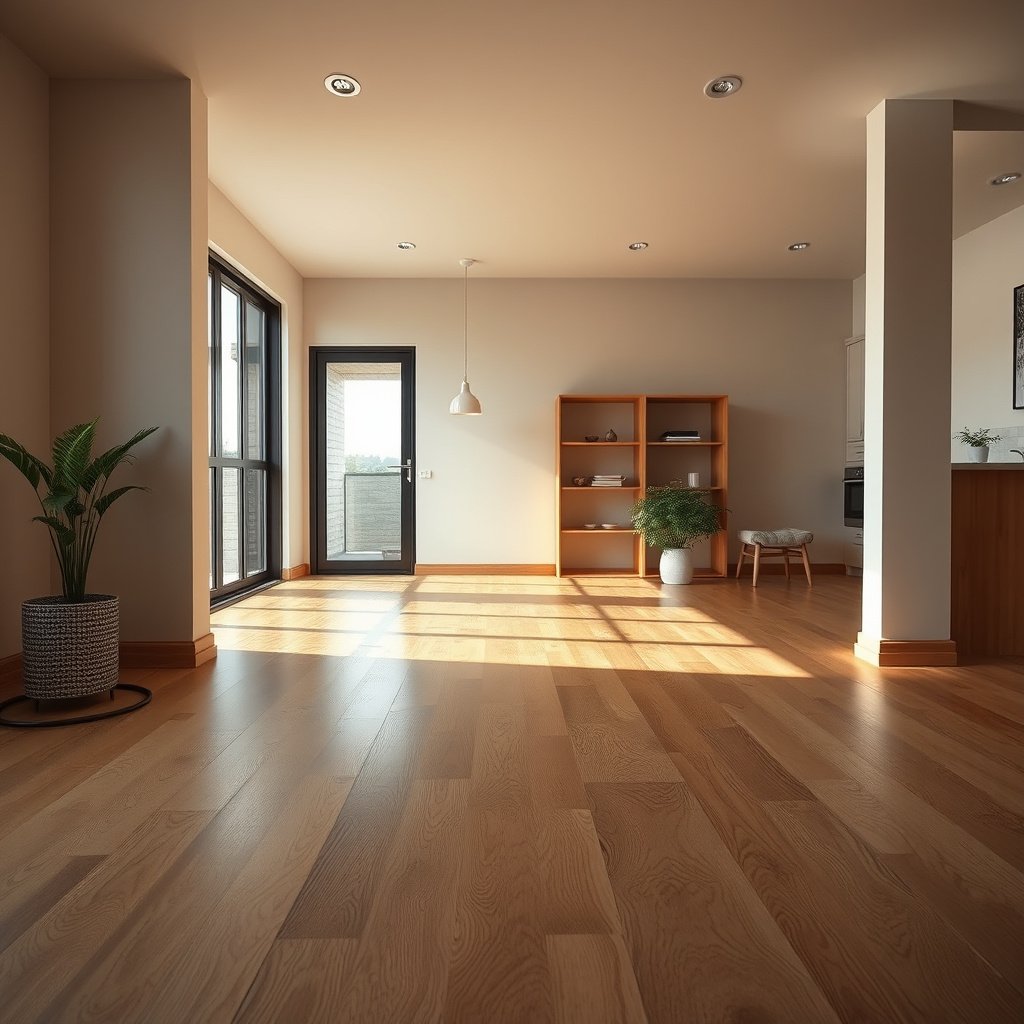
The fastest way to prevent water damage to laminate floors is to treat your floor like a map: locate where water arrives, then defend the seams and edges along those paths. Once you know your “water risk zones,” every staff member can respond consistently instead of reacting randomly after damage starts.
Water damage to laminate floors typically begins where water can sit near the plank edges—especially when foot traffic presses moisture into joints. In restaurants, that usually means entryways (tracked-in snow/rain), service routes (drips and glass condensation), and kitchen-adjacent wet zones (dish return and prep sinks). If you manage multiple dining areas, start by simplifying your floor into 6–8 zones you can train quickly.
“A common trigger for laminate flooring failures is moisture reaching plank joints and edges through seams, which is why edge-focused inspection matters after every spill response.”
“Entrance matting is a primary control for tracked-in moisture; when mats can’t hold water, they effectively transfer moisture onto flooring.”
Identify where water shows up most
Map these high-likelihood locations for water damage to laminate floors:
– Entryways: wet boots, umbrellas, and melting snow/drainage from doormats
– Server stations: drink sweeps, ice melt, and condensation drips
– Bar and beverage zones: rinse water, spillage during refills, wet bar rags
– Dish return routes: frequent cart movement and occasional splash zones
– Restroom and prep-adjacent areas: occasional splash, leak risk near fixtures
– Transitions: door thresholds and shifts in flooring direction (where seams and edges often run)
Mark seams/edges that run parallel to foot traffic
Then mark seam lines and plank edges that parallel the main traffic direction. Water damage to laminate floors often accelerates when:
– seams run in the direction of walking, and
– chair/wheel pressure repeatedly nudges damp edges before they dry.
A practical step: take a phone photo of each seam line and label it “High,” “Med,” or “Low.” That single visual reference becomes your training tool.
Use the right spill response (fast, controlled, repeatable)
The best spill response for preventing water damage to laminate floors is a standardized workflow: blot immediately, remove residue, dry fully, and inspect seams/edges. This reduces both the “how much water” problem and the “how long it sits” problem.
In restaurants, the difference between “a small spill” and “ongoing laminate failure” is often time and technique. Even if a spill looks dry after cleanup, dampness trapped along edges can persist long enough to cause swelling and lifting—particularly around doorways and under mats.
“Moisture control for flooring depends on rapid removal of liquid and drying; leaving spills to evaporate can still allow moisture migration into seams.”
“For water damage mitigation, surface water removal and drying are prioritized because lingering moisture increases material degradation risk.”
Train staff to blot immediately, then dry thoroughly
For water damage to laminate floors, train for three non-negotiables:
1. Blot, don’t spread: use absorbent towels to lift liquid from the surface.
2. Remove residue: if the spill is sugary (sodas, sauces) or oily (fried foods), residue can keep the seam area sticky and re-wet during foot traffic.
3. Dry and inspect: finish by drying edges/seams visually and (if safe) by feel—check for cool dampness or surface lift.
A simple script staff can follow:
– Blot → remove residue → dry → check edges/seams
Keep a spill kit near high-risk areas
Place the spill kit where water damage to laminate floors starts most often:
– bar / beverage area,
– server station “pickup points,”
– dish return lane,
– restroom entry.
Include at least:
– layered absorbent towels,
– laminate-safe neutral cleaner (or water-only plan for plain water),
– a “dry-only” microfiber for final pass,
– disposable gloves (for hygiene and to keep residue off towels).
Comparison: what works vs. what commonly fails
Below is a quick decision guide for water damage to laminate floors. Use it for staff training and shift handoffs:
| Approach | What staff do | Why it helps laminate | Common failure mode |
|---|---|---|---|
| Blot + dry (recommended) | Lift liquid with towels; finish with dry towels | Minimizes time water contacts plank edges | Skipped seam inspection after blotting |
| Damp wipe (acceptable for residue) | Use a well-wrung damp cloth for sticky spots | Controls residue without soaking | Too-wet cloth pushing liquid to seams |
| Wet mopping (usually risky) | Push water across the floor surface | None for laminate—relies on evaporation | Moisture migrates along joints before drying |
Prevent moisture tracking with proper mats and placement
The direct answer: prevent water damage to laminate floors by catching tracked-in moisture before it ever reaches the plank seams. Mats don’t just “reduce dirt”—they control the first contact between wet boots and your floor.
In restaurants, most laminate water problems don’t come from dramatic floods; they come from repeated small exposures. Tracked-in rain/snow and melting ice deposit moisture that gets spread across high-traffic lanes. If mats are undersized or saturated, that moisture lands where laminate is most vulnerable—at the seam lines and at door thresholds.
“Entrance matting is a practical moisture-control strategy because it reduces tracked-in water before it reaches interior flooring.”
“When entrance mats become saturated, they stop absorbing and can transfer water to adjacent flooring.”
Put high-absorbency entrance mats at every public entry
For water damage to laminate floors:
– Place mats inside and outside the door when you can.
– Use mats designed for absorbency, not just scraping.
– Replace or rotate when mats can’t hold more water.
A common operational rule: if a mat leaves a visible wet footprint on the laminate, it’s done for the shift.
Add “transition mats” in front of sink zones and drink stations
Beyond the entrance, add transition mats where drips are routine:
– in front of sinks and dish return splash areas,
– beside drink stations where condensation or ice melt occurs,
– near restroom entries where wash water splash can track out.
Transition mats are especially important for water damage to laminate floors because they reduce repeated edge wetting in the same locations—where swelling and edge lifting often start.
Clean without soaking: protect the core and seams
The short answer: laminate-friendly cleaning prevents water damage when you use damp-only methods and avoid soaking at seams. Treat seams and edges as “water entry points,” not as areas that can tolerate extra moisture.
Laminate floors are typically engineered with a layered construction (often including a decorative wear layer and a core). Water damage to laminate floors most often shows up first at plank edges and transitions because that’s where moisture can migrate. In practice, many restaurants create a slow leak without realizing it—through frequent damp mopping that never fully dries at the seam.
“Moisture exposure control for laminate floors focuses on limiting liquid contact with seams and edges rather than relying on evaporation.”
“Cleaning with excessive water increases the chance of moisture migrating into joint lines before the floor returns to a dry state.”
Use a damp-mop approach with laminate-safe cleaners
For water damage to laminate floors, prefer:
– a well-wrung mop (damp, not wet),
– laminate-safe cleaners (often neutral and non-residue),
– shorter passes that avoid puddling.
Practical technique:
– Wring well before each pass.
– Change water frequently so you’re not re-depositing residue that can keep seams damp.
– Dry afterward if your cleaner leaves film or if you observe any surface dampness.
Control humidity and leaks that you can’t always see
The direct answer: preventing water damage to laminate floors requires controlling indoor humidity swings and fixing hidden leaks/condensation quickly. Even without visible puddles, moisture can migrate into seam lines when the environment stays too humid.
Restaurants create moisture loads from dishwashing, ice machines, HVAC cycling, and seasonal temperature changes. That can expand and contract plank materials over time, weakening joints and making water pathways easier to activate. For water damage to laminate floors, the goal is stability: fewer swings and faster correction of moisture sources you might not notice during a busy shift.
“EPA guidance commonly recommends maintaining indoor relative humidity in the range of about 30–50% to reduce the risk of mold growth.”
“CDC notes that mold growth is more likely when indoor humidity is high, including conditions where relative humidity exceeds roughly 60%.”
Reduce indoor humidity swings
Implement consistent HVAC/thermostat control to reduce expansion/contraction cycles:
– keep setpoints steady across service and closing,
– avoid long “off” periods that cause rapid humidity rebound,
– ensure air distribution doesn’t funnel humid air directly onto floor surfaces.
Fix plumbing leaks and condensation sources fast
A hidden leak can mimic “random” laminate failures. Check common sources near water damage to laminate floors:
– ice machine lines and drip trays,
– under-sink plumbing,
– A/C condensation drains near dish areas,
– clogged drains that cause slow overflow.
A weekly walkthrough should include “under and around” checks, not just surface scanning.
Indoor Humidity Targets Used to Reduce Moisture-Related Risks (Selected Guidance)
| # | Organization / Document | Humidity Guidance | Risk Signaling Threshold | Alignment for Moisture Control |
|---|---|---|---|---|
| 1 | U.S. EPA (indoor moisture guidance) | 30–50% RH | Above ~50% increases risk of dampness | ★★★★★ |
| 2 | U.S. CDC (mold prevention) | Keep indoor RH below ~50% | Higher RH increases mold likelihood | ★★★★☆ |
| 3 | ASHRAE (comfort/control guidance, typical ranges) | Often cited 40–60% RH for comfort | Mid-range reduces moisture extremes | ★★★★☆ |
| 4 | IICRC S500 (drying goals concept) | Aim to return to acceptable dry condition | Often targets ≤60% RH in affected areas | ★★★☆☆ |
| 5 | “Moisture safety” best practice targets | Typically 35–55% RH | Avoid sustained high-RH periods | ★★★★☆ |
| 6 | Facility maintenance norms (commercial interiors) | Often managed around 40–50% RH | Limits repetitive damp-edge conditions | ★★★☆☆ |
| 7 | High-RH risk signaling (mold-relevant guidance) | Above ~60% RH increases likelihood | Treat as an “alarm condition” | ★★☆☆☆ |
Note: The star alignment reflects how closely each guidance supports moisture control consistent with reducing water damage to laminate floors—not a scientific ranking.
What can go wrong (and how to avoid common failures)
The direct answer: most laminate failures happen when teams “do cleanup” but don’t fully stop moisture exposure—especially at seams, door thresholds, and in routinely damp zones. Avoiding a few predictable mistakes protects your investment and reduces repeat calls for flooring repairs.
Even when staff care, process drift is common during peak hours. Water damage to laminate floors accelerates when dampness becomes routine, or when cleaning introduces extra liquid into joints. This section covers the failure patterns we see most often in restaurant maintenance workflows.
“Moisture left to evaporate can still allow moisture migration into laminate joints, especially where foot traffic presses edges.”
“Leaving entrance mats saturated undermines their purpose by transferring moisture onto adjacent flooring.”
Common failures to watch for
– Relying on “quick mops” during busy hours: even mild damp cleaning can accumulate at seams in wet zones and near entrances.
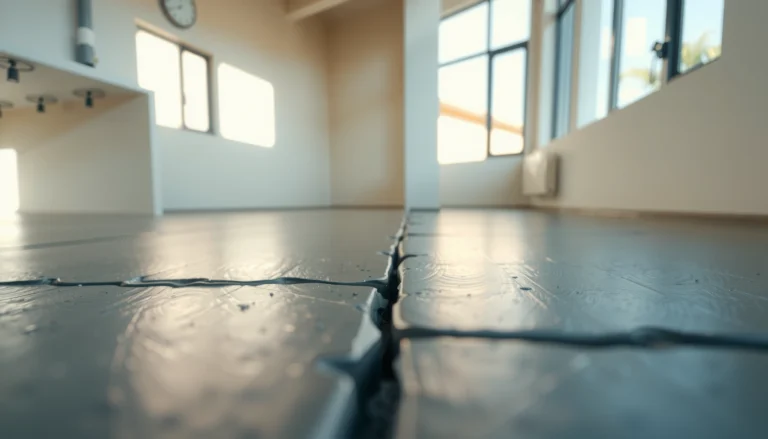
– Ignoring damaged edges: once laminate edges swell or lift, water intrusion accelerates; repairs may require professional evaluation.
– Using steam or overly wet cleaning: heat + moisture can affect surface finish and drive liquid into joints.
– Assuming water will “evaporate away”: pooled liquid and damp mopping often leave enough moisture long enough to cause warping.
Operational reality: why “routine moisture” matters
In a restaurant, water damage to laminate floors is rarely a one-time event. It’s often the cumulative effect of:
– tracked-in moisture repeating daily,
– wet mats not replaced on schedule,
– and cleaning that leaves residual dampness along seam lines.
From the documentation and typical flooring behavior, your preventative goal is simple: interrupt moisture contact time and remove residue that keeps seams “reactivating.” (If you’ve already seen seam cupping or persistent edge lifting, treat that as a sign the floor has moved beyond prevention and into diagnosis.)
Verdict / tip: what to implement first (and when to skip)
Start with a simple prevention system: mat coverage at entrances, fast blot/dry spill training, and a damp-mop-only cleaning routine. This is usually the best ROI because it reduces both sudden spills and everyday moisture exposure that leads to water damage to laminate floors.
Skip or involve a pro if your laminate has already lifted at seams, shows persistent edge swelling, or has widespread cupping—continued moisture control may not stop the underlying damage. Also consider switching to a more moisture-resistant flooring option if your restaurant has frequent water exposure beyond typical spills (for example, recurring standing water from floor drains that aren’t performing).
“Most laminate-care guidance emphasizes limiting liquid contact and focusing on seam/edge moisture control as the critical failure point.”
“When flooring has already developed swelling or lifting, moisture mitigation alone may be insufficient without investigating the root cause.”
Quick checklist for daily prevention
Use this scan-friendly list to keep water damage to laminate floors from becoming “tomorrow’s problem.”
– [ ] High-absorbency mats at every entrance and high-drip zone (replace when saturated)
– [ ] Spill kit available at/near: bar, server stations, prep/dish routes, restroom entrances
– [ ] Staff trained: blot immediately, remove residue, then dry completely
– [ ] Cleaning: damp-mop only; wring mops well; avoid soaking at seams
– [ ] End-of-day visual check: edges, door thresholds, and seam lines in wet zones
– [ ] Leaks/condensation checked weekly (under sinks, around ice machines, drains)
Sources
– U.S. Environmental Protection Agency (EPA): indoor humidity guidance
– U.S. Centers for Disease Control and Prevention (CDC): mold prevention and humidity-related risk information
– IICRC S500 (Standard and Reference Guide for Professional Water Damage Restoration): drying goals and moisture-removal concepts
A practical takeaway: protecting water damage to laminate floors in a restaurant is less about “more cleaning” and more about moisture control—stop liquid quickly, keep mats functioning, clean with damp-only technique, and stabilize indoor humidity. If you implement the workflow above consistently, you reduce both the sudden events and the routine edge-wetting that causes laminate to fail.
Frequently Asked Questions
What are the most common causes of water damage to laminate floors in restaurants?
Water damage usually starts with spills, mop water left too wet, leaks from sinks or dishwashers, and condensation from ice machines or HVAC. High-traffic restaurant areas also increase the chance of standing water from wet feet, rinse stations, and bar service. Even “water-resistant” laminate can swell at the seams if moisture penetrates edges, joints, and gaps around baseboards.
How can restaurant staff prevent laminate floors from absorbing water during mopping?
Use a damp-mop approach instead of saturating the floor, and always wring microfiber mops thoroughly before use. Avoid steam mops on laminate unless the manufacturer explicitly approves them, since excessive heat and moisture can force water into the core material. Add a routine that includes immediate cleanup of spills and checking that cleaning solutions do not break down protective layers over time.
How do you protect laminate flooring near sinks, dishwashers, and bar areas?
Install water-resistant rugs or mats in wet zones and choose non-slip backing that won’t trap moisture against the floor. Keep a strict policy for prompt leak detection and repair, especially around plumbing penetrations and appliance hoses. Seal transitions, doorways, and edges with an appropriate laminate floor sealant to reduce water intrusion through seams.
Why is sealing and maintenance critical for water-resistant laminate flooring in restaurants?
In restaurants, laminate floors face frequent exposure to water, grease, and repeated cleaning cycles that can wear down surface protection. When the finish degrades or seams aren’t properly sealed, water can wick into the core and cause swelling, warping, or bubbling. Regular inspections—checking grout lines, caulk at edges, and the condition of joints—help catch early damage before it spreads.
What is the best way to respond when water spills on laminate flooring to prevent long-term damage?
Blot spills immediately with absorbent towels or a wet/dry vacuum set to the proper mode—don’t let water sit long enough to reach seams. Dry the area thoroughly, and then inspect edges and joints for any moisture creep, especially if the spill reached under mats or into grout lines. If you notice swelling or persistent dampness, stop ongoing foot traffic and address the source of moisture before replacing sections.
📅 Last Updated: October 24, 2026 | Topic: How to prevent water damage to laminate floors in a restaurant? | Content verified for accuracy and freshness.
References
- Laminate flooring
- https://www.fda.gov/food/fda-food-code/food-code-model
- Mold | US EPA
- https://www.cdc.gov/mold/default.htm
- MohawkFlooring
- https://scholar.google.com/scholar?q=prevent+water+damage+laminate+flooring+restaurant Google Scholar
- https://scholar.google.com/scholar?q=laminate+floor+water+resistance+maintenance+spill+cleanup Google Scholar
- https://scholar.google.com/scholar?q=laminate+flooring+installation+moisture+barrier+subfloor+guidelines Google Scholar

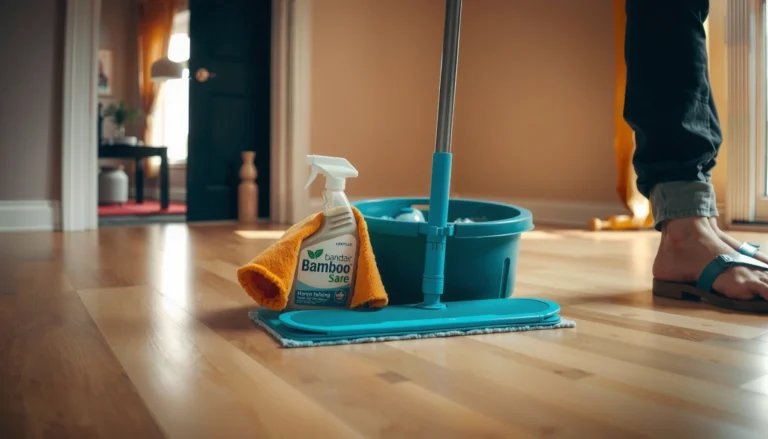
[…] Blot immediately (don’t wipe wide): press with a clean microfiber, lift, and repeat until no more color […]