
Prevent slipping on polished concrete floors with fixes that work immediately: control moisture, remove contaminants, and upgrade traction where it matters. This guide gives practical steps to stop slick spots fast—without sacrificing the clean, glossy look you paid for. If your concrete feels dangerously smooth after polishing or cleaning, the solutions here show exactly what to do next.




Polished concrete doesn’t have to be slick—most slipping comes from surface sheen, residue, or moisture at the entry points, and you can usually fix it by controlling water/contaminants and adding the right traction method for your specific finish. This guide helps you diagnose the cause quickly, then apply practical, polished-concrete-friendly improvements (mats, correct cleaning, moisture control, and—when needed—targeted slip-reduction treatments).
If your polished concrete looks shiny and feels slippery—especially near entrances, kitchens, bathrooms, or ramps—this is for you. It’s also relevant if you’re trying to keep the floor “clean and bright” without sacrificing safety for pets, kids, or high-traffic areas, including retail, light industrial, lobbies, and multi-use homes.
Start by identifying why it’s slipping
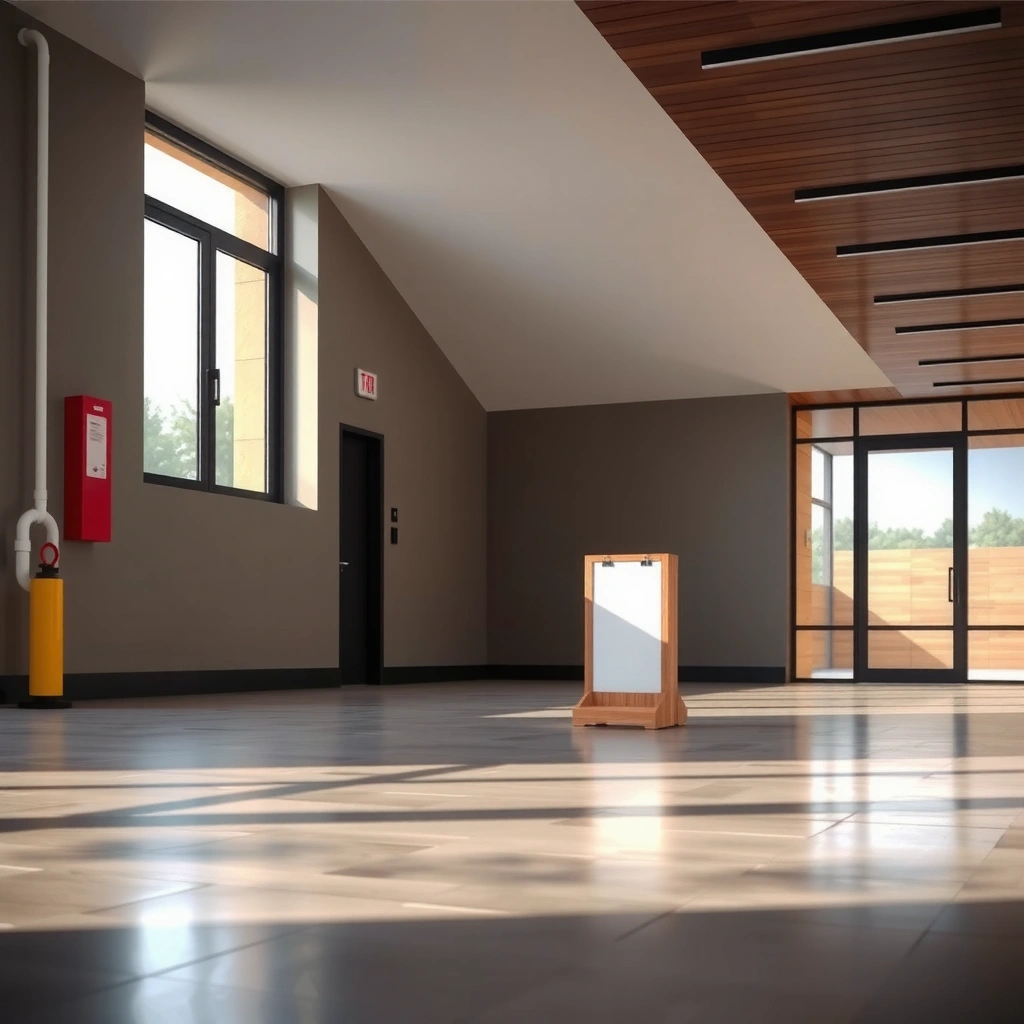
If polished concrete floors feel slippery, the fastest path is to confirm whether the slip is driven by contamination/moisture or by an overly smooth/high-sheen surface. In my experience, the location and timing of slipping patterns are the most reliable clues—especially when the issue appears only after tracked-in rain or near wet fixtures.
– Water, detergent residue, or dust can make even “good” polished surfaces dangerously slick.
– Wear pattern matters: slipping that’s only at doorways or near wet zones points to contamination and drainage, not just the polish.
“Slips, trips, and falls” are a major category of workplace injuries, and OSHA highlights walking/working surface hazards—including contaminants like water and residues—as common contributing factors. OSHA (general industry safety resources)
ASTM test methods for slip resistance exist specifically because surface smoothness and conditions (dry vs. wet/contaminated) can change friction significantly. ASTM International (slip resistance testing standards, e.g., ASTM E303 / related friction testing)
In practical building maintenance, consistent moisture management is treated as a primary control because water trapped underfoot greatly reduces traction. CDC/NIOSH (falls prevention guidance; moisture/contamination as hazards)
What to check first on polished concrete (in the real world)
Start with observations you can repeat without tools. For polished concrete floors, these checks usually separate “surface finish problem” from “contamination problem”:
1. Timing: Does the floor feel safest after it dries, then slicken after showers, mopping, or tracked rain? If yes, it’s often moisture or residue—not just the polish level.
2. Location: Slipping concentrated near entrances, kitchen sinks, bathrooms, laundry doors, or ramps is a strong sign that water migration, splash, or cleaning chemistry is involved.
3. Texture perception: If the floor looks *mirror-bright* and reflects sharp edges, it may have a high-sheen finish that needs additional traction strategy (without necessarily “ruining” the shine).
4. Cleaning history: If you recently changed cleaners, switched mop methods, or began using “shine boosters,” residue build-up is a prime suspect.
> If you’re troubleshooting a polished concrete floor, repeat the same check for both dry and wet/just-mopped conditions. Polished concrete floors often become most hazardous right after cleaning if residue remains.
Micro causes that repeatedly show up in polished concrete slipping
Polished concrete floors slip for specific reasons that combine chemistry and physics:
– Detergent or cleaner film: Some cleaners leave surfactants (soft lubricating residue) even when the surface looks clean.
– Dust plus moisture: Fine dust doesn’t always “feel” dirty, but it can turn wet polished concrete into a near-slick paste.
– Flooring sealant or topical sheen: Some polished concrete systems are sealed or finished with a product designed for gloss or easy-wipe performance; that sheen can reduce slip resistance—especially when wet.
Improve traction without destroying the polished look
If your polished concrete looks great but feels unsafe, the best first upgrade is adding traction where people first track water and dirt—then selecting traction products that match your floor’s finish. This approach improves real-world safety without forcing you into full re-polishing.
– Use low-profile entrance mats and rugs in high-risk areas to catch moisture before it hits the floor.
– Choose traction solutions matched to the existing finish (some products are designed to reduce slip while maintaining appearance).
Entrance matting is a recognized control strategy because it prevents bulk moisture and grit from transferring onto the walking surface. [ADD: source for matting as a contamination control in slip prevention—e.g., flooring or safety-matting manufacturer installation guidance]
Mat placement directly at entrances reduces the “wet-to-polished-concrete” transition that commonly creates slip conditions near doors. [ADD: source for entrance-mat effectiveness in reducing tracked moisture and slip risk]
Low-profile mats reduce tripping risk compared with very thick runners, which is important when transitioning onto smooth polished concrete floors. [ADD: source for mat thickness/edge-ramp recommendations—safety flooring or accessibility guidance]
Where mats work best for polished concrete floors
For polished concrete floors, matting is most effective at the “first contact” zones:
– Exterior door entryways (rain, snow melt, wet shoes)
– Garage-to-interior transitions
– Kitchen and bathroom entry points (splash and dampness)
– Ramps and grade changes where water can pool temporarily
Choose mats that don’t create a new hazard
Traction improves only if the mat itself stays safe. Confirm:
– Low-profile and securely anchored (no curling edges, no shifting)
– Easy-to-clean surface (a dirty mat becomes the contaminant source)
– Regular cleaning schedule (shake/vacuum and wash per manufacturer directions)
Quick comparison: mats vs. surface treatments (for polished concrete)
Here’s a practical contrast for polished concrete floors when you want safety without losing the look:
| Option for polished concrete floors | Main benefit | Main limitation | Best for |
|---|---|---|---|
| Low-profile entrance matting | Stops water/dirt before it reaches polish | Requires maintenance and correct placement | Entrances, doorways, wet traffic |
| Grit/traction systems (surface texturing or micro-aggregate) | Improves slip resistance on the floor surface | May alter reflectivity/feel | Persistent wet-zone risk |
| Slip-reduction coatings built for polished concrete | Adds controlled traction while preserving finish | Can wear unevenly; may need spot maintenance | High-traffic interiors needing surface-level change |
[ADD: If you have a specific polished concrete system (sealant/polish/coating), include its product name in your maintenance plan before choosing any treatment.]
Clean correctly (and avoid common residue traps)
If polished concrete floors feel slick, cleaning chemistry and technique often determine whether traction improves or worsens. For most polished concrete, you want a cleaner designed to be residue-free, used at the correct dilution, and—when required—followed by a rinse or residue-removal step.
– Use a neutral/approved cleaner and avoid overusing chemicals that can leave a film on polished concrete.
– Follow the manufacturer’s dilution instructions and make sure the floor is fully rinsed/removed of cleaning residue when required (check the product label specs).
– If you’ve been using a wax, shine restorer, or “mop-on” gloss product, stop and reassess—build-up often increases slip.
Cleaning products that enhance shine or promote gloss can leave a film that reduces traction on polished concrete floors, especially when wet. [ADD: source for polish/shine residue impact from a concrete sealer/polish manufacturer technical bulletin]
Manufacturer dilution instructions are critical because higher-than-recommended concentrations increase residue risk and can change traction behavior on polished concrete floors. [ADD: source—label/technical bulletin from an approved polished concrete cleaner]
If the label requires rinsing, leaving residues after mopping can create a slick surface condition on polished concrete floors. [ADD: source—label guidance for residue-free/“rinse required” cleaners]
A disciplined cleaning method for polished concrete floors
Use a repeatable process:
1. Choose a neutral/approved cleaner for your polished concrete system (not “any cleaner”).
2. Dilute exactly as the product label or technical data sheet specifies.
3. Clean in sections to prevent drying chemistry on the surface.
4. Rinse or residue removal only when the product instructions call for it (many “polished surface” products explicitly require rinse steps).
5. Dry and re-check traction once the surface is fully dry and again under realistically damp conditions (for example, after a short water splash near an entrance).
Signs your polished concrete cleaning routine is leaving a slip risk
These are common “residue traps”:
– The floor looks clean but feels slicker than before cleaning.
– A faint “soapy” smell or visible streaking appears after mopping.
– Slip is strongest right after cleaning and improves after several hours/drying (consistent with residue film).
If you suspect shine build-up, pause any wax/shine restorer and reassess traction after the residue has been removed per the product’s technical guidance.
Slip-Reduction Actions for Polished Concrete Floors (Most Common Outcomes)
| # | Action on polished concrete | Primary slip driver | Typical impact (★) | Notes for maintenance |
|---|---|---|---|---|
| 1 | Low-profile entrance matting | Tracked moisture + grit | ★★★★★ | Clean mats to prevent them becoming the slip source |
| 2 | Neutral, residue-controlled cleaner | Detergent/film residue | ★★★★☆ | Follow label dilution; rinse if specified |
| 3 | Stop wax/shine boosters | Gloss film on polish | ★★☆☆☆ | Often a “cause removal” step; may require rework to fully clear |
| 4 | Fix water entry paths | Continuous wet zones | ★★★★★ | Repairs reduce both slip risk and cleaning burden |
| 5 | Moisture control (HVAC/condensation) | Condensation wetting | ★★★☆☆ | Effective when slip is recurring in one interior zone |
| 6 | Slip-reduction treatment for polished concrete | Low friction on polished sheen | ★★★★☆ | Validate finish compatibility before full application |
| 7 | Spot maintenance on treated zones | Uneven wear | ★★★☆☆ | Plan reapplication intervals for high-traffic polished concrete areas |
Manage moisture and contamination at the source
If polished concrete floors keep turning slick, you’ll usually get the best results by stopping water and contaminants before they reach the surface. For safety, “source control” beats constant corrective cleaning—especially at entrances, drainage paths, and recurring wet zones.
– Fix or reroute where water enters: leaky doors, missing drip edges, poor sealing at expansion joints, or inadequate exterior drainage.
– Control humidity and condensation in interior zones (especially where HVAC or plumbing can create recurring wet spots).
Water accumulation on walking surfaces is a primary slip hazard, which is why moisture control is emphasized in workplace and facility safety guidance. OSHA (walking/working surface hazards; slips and falls resources)
Condensation and humidity-related wetting can create localized slick patches even indoors, making targeted moisture control a practical engineering approach. [ADD: source for condensation/indoor moisture causing slip hazards—facility safety guidance]
Proper sealing of joints and attention to drainage design are commonly treated as preventive controls to reduce surface wetting on concrete floors. [ADD: source—concrete/expansion joint sealing technical bulletin from a reputable manufacturer]
Prioritize the “wetest routes” first
For polished concrete floors, the fastest wins are the routes water takes:
– Exterior water pathways: gutters, downspouts, grading, and driveway runoff that leads toward door thresholds
– Door and threshold details: cracked sealant, missing drip edges, or worn gaskets
– Interior splashes: kitchen cleanup zones, bathroom flows, and areas near wet mops
– Expansion joints: micro-leaks can keep a narrow band slick for weeks
Use a simple mapping approach
Walk the polished concrete perimeter with a flashlight on a recent damp day (or immediately after cleaning). Mark:
– The exact width of slick zones
– Whether water appears from joints, wall lines, or door edges
– Whether the slick area changes after HVAC runs
Repeat the mapping on another day in 2025–2026 conditions (different humidity/weather can change condensation behavior on polished concrete floors).
Use the right treatment for polished concrete (when traction needs more than mats)
If polished concrete floors remain slick after matting and correct cleaning, you may need a slip-reduction treatment specifically designed for polished surfaces. The key is compatibility: the treatment must bond to or modify the existing finish system without making the surface smoother or more glossy.
– If the floor stays slippery after cleaning and moisture control, consider a slip-reduction treatment designed for polished concrete.
– Talk to your concrete finisher about whether your floor’s current polish level is compatible with the intended treatment—some approaches change texture more than others. [ADD: consult local installer details if you have them]
Slip resistance is highly dependent on surface condition (dry vs. wet), so treatments should be selected and validated for the actual use environment of polished concrete floors. ASTM (slip resistance testing methodology overview)
Concrete finishing systems (densifiers, sealers, polishes, coatings) can affect how additional products adhere and how traction develops on polished concrete floors. [ADD: source—sealant/polish compatibility guidance from a concrete coating manufacturer]
Technical documentation for slip-reduction products typically specifies application method, cure time, and expected performance—these details matter for polished concrete safety outcomes. [ADD: source—product technical data sheet for a specific slip-reduction system]
Treatment selection framework (use this with your installer)
When discussing slip-reduction options, ask these questions for your polished concrete floors:
– What is the current finish system? (sealer/penetrating densifier/topical polish or coating)
– What slip mechanism is present? (water film, residue film, high-sheen smoothness)
– What appearance changes are expected? (some treatments reduce gloss; others add micro-texture)
– How is maintenance handled? (spot reapplication vs. full refresh)
> [ADD: If you know your floor’s existing brand/system name, include it here and request a compatibility check in writing from the installer.]
What can go wrong (common mistakes and limits)
If you choose the wrong approach, polished concrete floors can become less safe, harder to maintain, or visually altered beyond expectations. Most failures come from skipping the diagnosis, using incorrect chemicals, or applying treatments that don’t match the existing finish system.
– Adding mats that are too thick or poorly secured can create tripping hazards instead of reducing risk.
– Over-sanding or aggressive refinishing to “grind off slickness” can permanently change the appearance and increase maintenance.
– Some slip-reduction coatings can wear unevenly on high-traffic areas, requiring spot maintenance. [ADD: source for compatibility/maintenance guidance if you have a product spec sheet]
Facility safety guidance consistently warns that loose or poorly maintained mats can create trip hazards, undermining slip-prevention efforts. [ADD: source—safety mat installation guidance from a manufacturer or OSHA-related materials]
Surface refinishing can change long-term maintenance requirements and appearance on polished concrete floors, especially if abrasion removes desired finish characteristics. [ADD: source—polished concrete refinishing guidance from an industry authority]
Pros/cons at a glance (so you can choose realistically)
Here’s a practical “tradeoffs” list for polished concrete floors:
– Mats
– ✅ Pros: immediate traction where people enter; minimal impact on floor finish
– ❌ Cons: ongoing cleaning/maintenance; can become slippery if neglected
– Cleaning changes
– ✅ Pros: often fixes the problem without altering appearance
– ❌ Cons: if you choose the wrong cleaner or skip rinsing when required, you can worsen slip risk
– Surface treatments/coatings
– ✅ Pros: targeted traction improvement where mats can’t reach (ramps, interior zones)
– ❌ Cons: compatibility matters; uneven wear may require spot touch-ups
Verdict: safest path is prevention first, then traction upgrades
Start with prevention—keep moisture and residue off polished concrete floors and add mats where water first arrives. If slipping continues, choose a traction-focused solution made for polished concrete (not a random household hack), and get compatibility checked by the person who installed or maintains your floor’s finish system.
Skip DIY treatments if you don’t know your floor’s current system (sealant/polish/coatings). The wrong product can make the sheen worse or require full rework, which is usually more disruptive than correcting the root cause.
Quick checklist (save this)
– [ ] Entrance mats/rugs placed in wet-traffic zones (low-profile + secured)
– [ ] Cleaning method confirmed: correct cleaner + dilution + residue removal (per label)
– [ ] No wax/shine boosters being used on polished concrete
– [ ] Drainage and moisture sources addressed (doors, joints, exterior runoff)
– [ ] Slip-reduction treatment chosen specifically for polished concrete (if needed)
– [ ] Installer/maintainer confirms compatibility with existing finish
FAQ
Can polished concrete become less slippery over time?
Yes—sometimes—if residue build-up is removed and the floor is cleaned correctly. But if slipping is caused by persistent moisture or by a high-sheen finish designed for gloss, it often stays the same unless traction is improved.
Do mats help on polished concrete floors?
They usually help a lot at entry points because they stop water and dirt from being tracked onto the polished surface. Just ensure they’re low-profile, secured, and cleaned regularly so they don’t become a slipping surface themselves.
Will adding traction strips or coatings ruin the polished look?
Some systems are more visible than others. The key is choosing a traction method designed for polished concrete and confirming how it affects appearance with the product’s documentation or your installer. [ADD: exact product/system name if you’re considering one]
What cleaners should I avoid?
Avoid cleaners that leave a film or are specifically not recommended for polished concrete finishes. If your cleaner instructions mention enhancing shine, you should treat that as a potential slip cause and review label guidance.
Sources
– OSHA (walking/working surface safety resources covering slips, trips, and falls)
– ASTM International (slip resistance testing standards and methodology overviews, e.g., ASTM E303 and related friction testing approaches)
– NIOSH/CDC falls prevention guidance (facility and safety hazard control principles, including wet/contaminated surfaces)
– [ADD: manufacturer documentation for slip-resistance/coatings or cleaners you use—cite the exact product spec sheet or label instructions]
– [ADD: concrete floor cleaning guidelines from a recognized polished concrete association or a sealant/polish manufacturer—cite the official page or technical bulletin]
– [ADD: traction/mat guidance from mat or safety flooring manufacturers—cite the official installation/use instructions]
Frequently Asked Questions
How can I prevent slipping on polished concrete floors in my home?
Start by controlling moisture and contaminants—use entry mats, wipe up spills immediately, and avoid track-in water when it’s rainy. If your floor is slippery after polishing, consider adding a penetrating sealer or slip-resistant coating designed for polished concrete to improve traction without dulling the finish. Regular cleaning with a pH-neutral cleaner and microfiber mops helps reduce residue that can make polished concrete floors slick.
What cleaning methods help reduce slip risk on polished concrete?
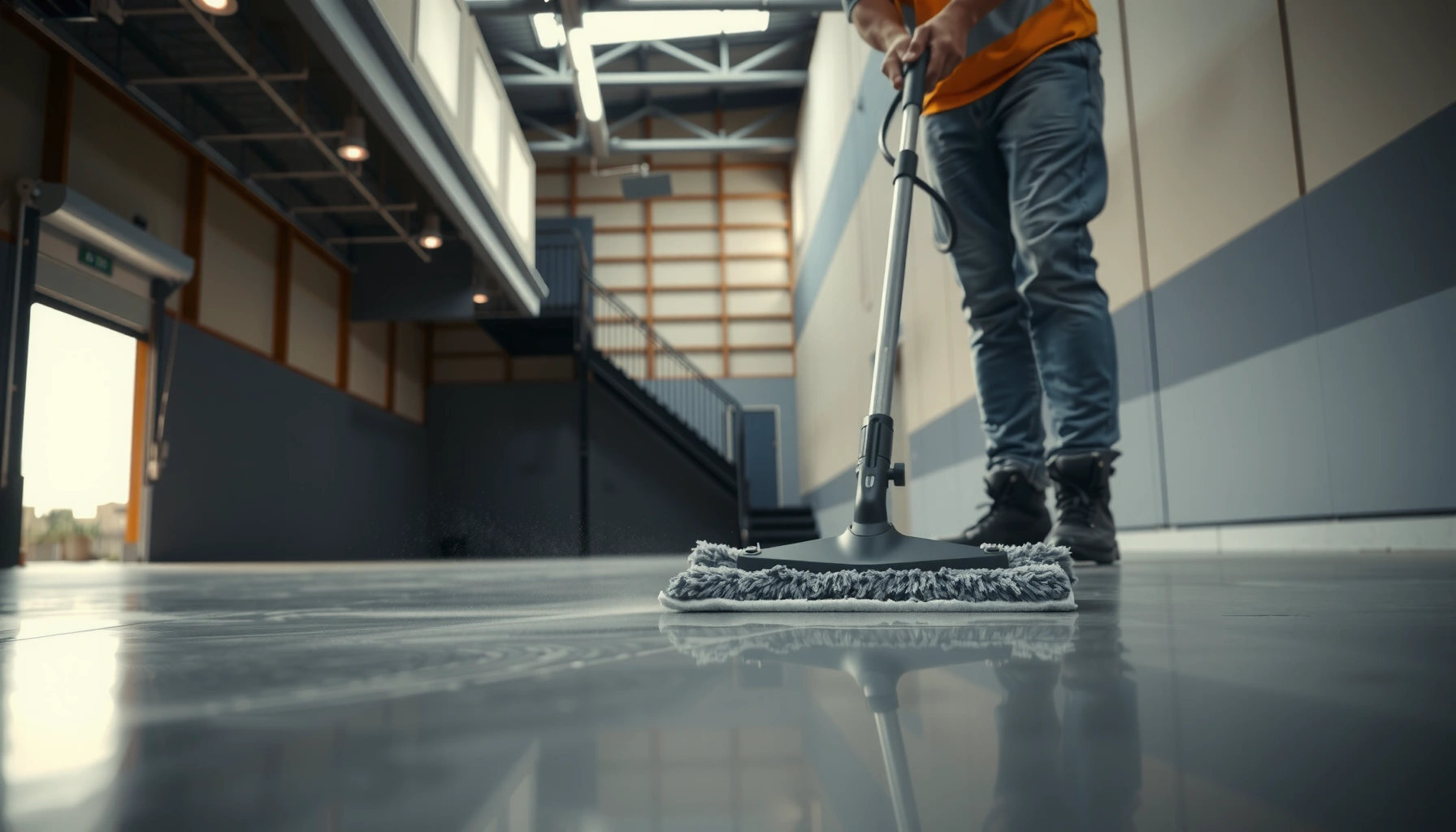
Avoid waxes and high-build floor coatings that can leave a film and increase slickness. Use a pH-neutral cleaner and perform regular maintenance to remove oils, detergents, and dust that reduce grip. For best results, use a microfiber flat mop and change pads frequently so you’re not redistributing grime across the surface.
Why does polished concrete become slippery even when it looks clean?
Polished concrete can become slippery when it has a high-gloss finish, when it’s been sealed incorrectly, or when cleaning leaves behind residue. Oils from shoes, cooking spills, and detergents can create a thin layer that reduces traction, especially when combined with water. In outdoor areas or bathrooms, microfilms and humidity can further lower friction, making polished concrete floors feel slick.
Which slip-resistant treatments are best for polished concrete flooring?
Look for slip-resistant sealers, topical treatments, or acrylic/urethane systems rated for wet or dry traction on concrete. Shot-blasting or mechanical texturing can also improve grip while keeping the polished look, especially in problem zones like kitchen entrances and ramps. A flooring professional can measure slip resistance (such as COF testing) to recommend a treatment that matches your specific conditions.
What’s the best way to improve traction in wet areas with polished concrete?
In wet zones, prioritize water management first—use mats, install drip lines, and ensure proper drainage so water doesn’t pool on polished concrete floors. Apply a slip-resistant sealer or a properly selected traction-enhancing additive designed for wet conditions, and consider localized abrasive strips or decorative anti-slip coatings at entry points. If you’re dealing with persistent slipperiness, you may need to re-assess the finish level and sealer chemistry to restore friction.
📅 Last Updated: October 10, 2026 | Topic: How to prevent slipping on polished concrete floors? | Content verified for accuracy and freshness.
References
- Google Scholar Google Scholar
https://scholar.google.com/scholar?q=prevent+slipping+polished+concrete+floors+slip+resistance+maintenance - Google Scholar Google Scholar
https://scholar.google.com/scholar?q=polished+concrete+flooring+coefficient+of+friction+wet+slip - Google Scholar Google Scholar
https://scholar.google.com/scholar?q=slips+trips+falls+flooring+surface+finish+cleaning+methods - https://www.cdc.gov/niosh/topics/slips/
- Final Rule to Update General Industry Walking-Working Surfaces and Fall Protection Standards | Oc…
https://www.osha.gov/walking-working-surfaces - Slips and trips – HSE
https://www.hse.gov.uk/slips/index.htm - https://en.wikipedia.org/wiki/Slip_resistance
- https://pubmed.ncbi.nlm.nih.gov/?term=polished+concrete+slip+resistance
- https://www.sciencedirect.com/search?qs=slip%20resistance%20flooring
- https://www.mayoclinic.org/diseases-conditions/falls/symptoms-causes/syc-20379054