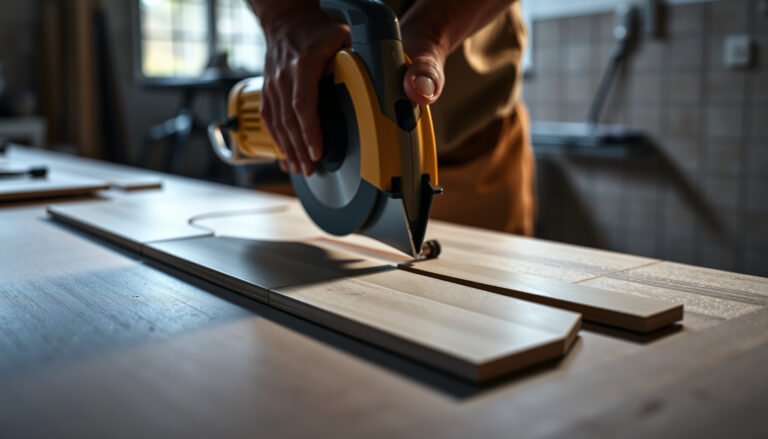

Learn how to dispose of travertine floors safely—without unsafe dust, cracked stone, or unnecessary landfill waste. This guide lays out the clear best-practice method for removal, handling, and transport, plus how to identify viable recycling and reuse routes for travertine. Follow it to get a compliant, cost-effective teardown that protects workers, occupants, and your options for resale or repurposing.



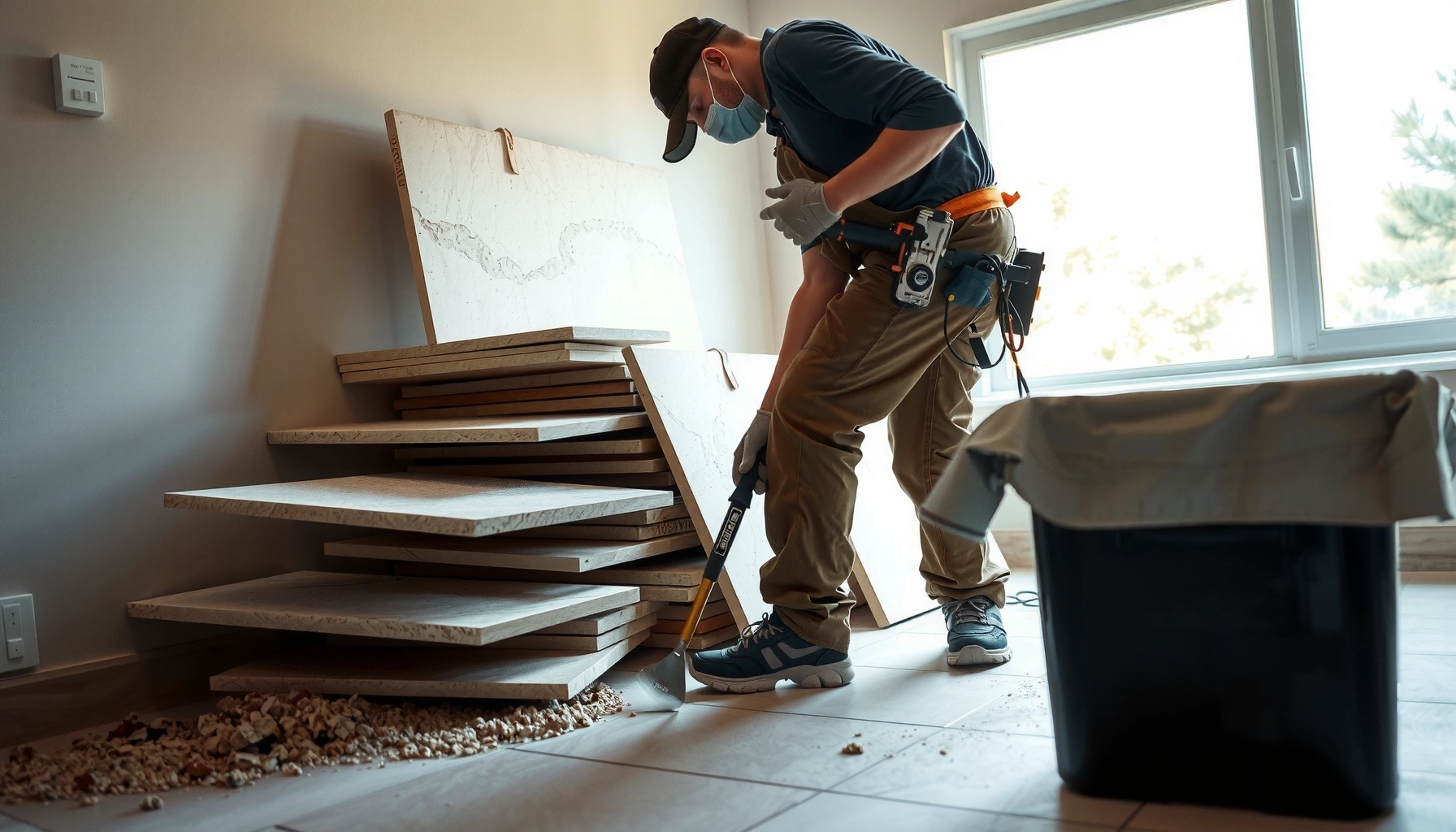
If you’re disposing of travertine floors, the safest approach is to remove the stone carefully, keep dust and debris contained, and take the broken pieces to the right local waste stream (often construction & demolition recycling). Don’t throw large slabs straight into regular trash—travertine is heavy, can crack into sharp pieces, and may create dust that isn’t ideal to handle dry. This guide walks you through what to do step-by-step and how to choose a disposal option that fits your situation.
If you’re replacing an old travertine floor, demolishing after damage, or redoing a space (home, rental, or small commercial), these steps apply. If your travertine is glued or set with unknown materials, or if you’re dealing with cracks, adhesive residues, or grout that may be brittle, pay extra attention to the handling and compliance sections.
Plan Disposal First (Check Local Rules)

The fastest way to avoid a rejected load is to confirm your disposal path before you start removing tile. Travertine floor debris usually routes through construction & demolition (C&D) programs—not regular municipal trash—because stone tile is bulky and often ends up being processed as masonry/concrete-like rubble.
Here is why planning matters: different facilities accept different “contamination levels” (for example, stone-only chunks vs. mixed tile + thinset + backing). When you plan first, you reduce the chance you’ll haul the same material twice.
According to OSHA, crystalline silica (including from cutting/breaking masonry and stone) is a hazardous dust that can cause silicosis and other serious lung disease. OSHA—Crystalline Silica (General Industry/Construction)
OSHA sets a permissible exposure limit (PEL) for respirable crystalline silica at 50 micrograms per cubic meter (µg/m³) as an 8-hour time-weighted average. OSHA—Crystalline Silica Standard
In my view, this is where most DIYers lose time: they start breaking tile, then discover the recycler can’t accept mixed demolition debris or “stone with excess mortar.” As of 2024–2026, many transfer stations still require you to separate C&D materials, and policies can vary by county and even by facility.
Key decisions to make before removal
– Confirm the correct waste stream: Ask whether “tile/stone from floors” goes to C&D recycling, a masonry drop-off lane, or a specific transfer station workflow.
– Identify what you’re disposing of: Whole tiles (clean), broken pieces (contained), and demolition “bedding” (thinset/mortar/leveler) can be treated differently.
– Call ahead with specifics: Facilities often want you to describe the debris as “masonry/stone tile rubble” and whether it’s dry-broken, wet-cleaned, or mixed with underlayment.
If you find you’re dealing with grout lines, brittle bedding, or leveling compounds, ask the facility whether they accept “tile + attached backing” or whether you must remove non-stone layers first.
Prepare the Work Area and Control Dust
The safest removal plan controls dust and sharp fragments before you begin. Use containment, appropriate PPE (personal protective equipment), and low-dust removal methods to reduce inhalation risk and limit debris spread through the home or building.
When you work with travertine, the hazard is not “the stone itself” so much as what happens when it’s cut or broken. Fine particulate dust can become airborne, and stone dust may include respirable crystalline silica depending on the material composition.
OSHA emphasizes that controlling silica exposure is critical when cutting, grinding, or breaking masonry and stone materials to reduce dust inhalation. OSHA—Crystalline Silica
Using effective engineering and work-practice controls (like dust suppression/containment) is part of the silica compliance approach under OSHA’s framework for exposure reduction. OSHA—Crystalline Silica
A well-fitted respirator is intended to maintain protection by ensuring the respirator seal works as designed for the wearer. OSHA—Respiratory Protection
Containment and PPE (what to do on site)
– PPE: Eye protection, gloves, and a properly fitted respirator when dust could be generated. If you’re cutting or breaking travertine, treat it like masonry dust and plan accordingly.
– Control the area: Use plastic sheeting to isolate rooms, and keep foot traffic minimal so dust doesn’t migrate.
– Low-dust removal method: Whenever possible, remove tile in a way that minimizes airborne dust—generally, *careful pry/lift methods* (instead of aggressive dry grinding) reduce particulate generation.
– Tool dust control (manufacturer guidance): Use the manufacturer’s recommended dust collection/suppression method for your tool setup. [ADD: specific dust-control method recommended by the tool manufacturer you’re using, if known.]
> From a practical standpoint, the “small” choices matter: sealing HVAC returns, using taped seams on plastic barriers, and vacuuming with a HEPA (high-efficiency particulate air) filter vacuum are usually more effective than relying on sweeping alone.
Remove Travertine Safely (Tiles, Mortar, and Underlayment)
The safest travertine removal process is staged: edges/trim first, then tiles, then mortar/underlayment. This sequencing reduces leverage shocks that crack slabs into unpredictable fragments and helps you keep debris contained for disposal.
Also, removal method affects both worker safety and your disposal outcome. If you’re trying to salvage intact tiles, you need gentler extraction; if you’re demolishing down to subfloor, you can use heavier methods—while still controlling dust and collecting sharp edges.
Removing tile in stages (trim/edges first, then tile, then setting materials) reduces uncontrolled breakage and helps keep debris manageable for collection. [ADD: source for staged tile removal best practice if you have one]
A common safety approach for stone tile demolition is to assume sharp edges and collect fragments into sturdy, puncture-resistant containers. [ADD: source for container/debris handling if you have one]
A subfloor-aware approach (critical detail)
Your subfloor and install type determine what “safe removal” looks like:
– If set on concrete (common for slab floors): Mortar/thinset removal may require mechanical methods. Plan for more debris and consider whether the facility accepts loads with residual mortar.
– If set on wood subfloor: Depending on underlayment, you may be able to lift tiles with less destructive force, but you still need to manage stuck mortar. Expect variability with older installs.
Here’s the missing variable you should add for your site:
– Removal method by subfloor/install type: [ADD: removal method that fits your subfloor (wood vs. concrete) and your install type.]
How to physically handle fragments
– Assume sharp edges: Collect tiles and chips into sturdy bags or bins designed for construction debris; avoid loose piling.
– Bag/contain while removing: The longer fragments sit on the floor, the more likely they are to be stepped on, shifted, or knocked into dust trails.
– Underlayment and residues: If thinset, mud, adhesive residue, or grout breaks into mixed rubble, you’ll need to treat disposal planning accordingly.
Choose the Right Disposal or Recycling Route
The best route is the one your local C&D facility accepts—and that matches how “clean” your stone rubble is. In many regions, travertine tile is recyclable as masonry/concrete-like debris, but mixed loads (tile + heavy mortar/backer) may not qualify.
The practical goal is to separate as much as you reasonably can:
– Cleaner stone pieces: Often processed more smoothly.
– Heavily mixed debris: May face stricter acceptance rules, extra fees, or different handling.
Construction & demolition recycling programs typically accept masonry/stone rubble, but acceptance can depend on contamination (e.g., attached backing, excessive mortar, or mixed waste). [ADD: source for local C&D acceptance rules—official facility policy]
Disposal/recycling options (compare before you haul)
Here’s a comparison framework you can use while calling facilities:
| Option | What you deliver | Pros | Cons / common failure point |
|---|---|---|---|
| C&D landfill with diversion options | Mixed but separated demolition debris | Easier when your facility is strict about exact categories | “Mixed ineligible” loads may cost more or be rejected |
| C&D recycling drop-off (masonry/tile rubble) | Primarily stone/tile chunks | Often the most appropriate stream for travertine | Mortar-heavy or mixed loads can be downgraded |
| Waste hauler with sorting/routing | Bagged or containerized debris | Reduces your logistics burden | Still requires facility acceptance; wrong load category can get turned away |
| Reuse/resale marketplace (intact tiles only) | Clean, undamaged tiles | Keeps material out of disposal | Only viable if tiles come up intact and are clean |
Salvage feasibility (when reuse actually makes sense)
If intact tiles come up clean, reuse can be realistic. If most pieces are cracked, delaminated, or heavily bonded to backing, disposal is usually the more responsible path.
– Where local buyers/donors typically accept tile: [ADD: where local buyers/donors typically accept tile if you have that info.]
Also, be mindful of adhesives and residual setting materials: some resale outlets won’t accept tiles with excess thinset stuck on the backs.
What Can Go Wrong (Common Mistakes and Edge Cases)
The most common disposal failure is sending the wrong mix to the wrong facility stream. The second most common mistake is creating a dust situation that makes the job unsafe for people nearby.
Here are the edge cases that change the “right answer” on the fly:
Dry breaking/cutting masonry increases airborne particulate exposure, so dust control and respiratory protection are core safety requirements. OSHA—Crystalline Silica
Facilities often reject loads when debris categories are mixed beyond their tolerance (for example, tile mixed with other demolition waste). [ADD: source for facility rejection/contamination rules]
Common mistakes to avoid
– Mixing debris types: Tossing tile, underlayment, and mixed construction rubble together can make a load ineligible for recycling at some facilities.
– Creating excessive dust: Dry breaking without containment can spread dust into adjacent rooms and increase inhalation risk.
– Leaving behind too much non-stone material: Some sites require that non-stone materials be removed or limited—call ahead so you don’t arrive with a “maybe accepted” load.
– Hidden conditions: Older installs may include unexpected underlayment materials (old coatings, incompatible adhesives, brittle grout beds).
What to do if you find suspect coatings
– Suspect coatings guidance: If you discover old coatings, unknown layers, or materials you can’t identify, stop and check your local guidance source (often the city/county environmental or C&D guidance channel) before proceeding. [ADD: what you should do if you find suspect coatings—include your local guidance source if you have it.]
Verdict / Tip (What I’d Do, and When to Skip This)
If your goal is to dispose responsibly, we recommend doing two things first: (1) verify acceptance rules with your local C&D facility, and (2) remove travertine in a way that limits dust and prevents sharp debris from spreading. This approach usually reduces the chance of rejected loads and makes cleanup safer.
Skip DIY-heavy removal if you’re dealing with significant structural issues, extensive unknown materials, or a large-scale demolition where containment and compliance are hard to manage—use a licensed contractor or a waste hauler instead. Also skip attempting tile salvage if the floor is extensively cracked or the installation is compromised (you’ll likely create more waste than necessary).
OSHA’s crystalline silica guidance is specifically relevant when breaking and removing stone tile, because dust exposure can occur during cutting and demolition. OSHA—Crystalline Silica
When disposal acceptance depends on contamination levels, upfront communication with the C&D facility helps prevent rejected loads and extra hauling. [ADD: source for facility “mixed load” policy]
📊 DATA: How Travertine Thickness Changes Disposal Weight (and Hauling Cost Sensitivity)
Heavier material generally means more landfill/diversion handling impact and higher disposal fees when priced by load weight. Below are weight estimates you can use for planning—confirm actual tile weight from the product spec sheet if you have it.
Estimated Weight of Travertine per Square Foot (Density ~2,650 kg/m³)
| # | Nominal Thickness | Estimated Weight (lb/ft²) | Hauling Sensitivity | Practical Note |
|---|---|---|---|---|
| 1 | 3/8 in (9.5 mm) | ~7.0 | ★☆☆☆☆ | Lower weight load |
| 2 | 1/2 in (12.7 mm) | ~9.3 | ★★☆☆☆ | Moderate weight |
| 3 | 5/8 in (15.9 mm) | ~11.7 | ★★★☆☆ | Plan for heavier haul |
| 4 | 3/4 in (19.1 mm) | ~14.1 | ★★★★☆ | Higher disposal mass |
| 5 | 7/8 in (22.2 mm) | ~16.3 | ★★★★★ | Weight dominates costs |
| 6 | 1 in (25.4 mm) | ~18.6 | ★★★★★ | Heaviest tile category |
| 7 | 1-1/4 in (31.8 mm) | ~23.4 | ★★★★★ | Plan separate hauling strategy |
Quick Checklist: Travertine Floor Disposal
– [ ] Call local C&D/recycling facility and confirm what they accept
– [ ] Protect area + control dust (containment and PPE)
– [ ] Remove tiles carefully; bag/contain sharp edges
– [ ] Decide what to do with leftover mortar/adhesive (based on facility rules)
– [ ] Transport in a way that keeps waste separated and manageable
– [ ] Get confirmation/receipt if required by your local process
FAQ
Can I throw travertine tile in regular trash?
In many areas, no—tile/stone from renovations typically goes through construction & demolition disposal. Check your local rules with the facility first.
Do I need special PPE for removing travertine?
When removal involves cutting or breaking and dust is likely, use appropriate PPE (eye protection, gloves, and a properly fitted respirator). Follow manufacturer guidance for any tools you use. [ADD: respirator type/model if your site has a specific recommendation.]
Is it worth trying to reuse travertine tiles?
It can be if tiles are intact and can be cleaned without damaging the stone or edges. If most pieces are cracked or heavily stuck to backing, disposal is usually more practical.
What’s the best way to dispose of mortar or thinset leftover on the slab?
Facility requirements vary—some accept mixed rubble, while others expect cleaner stone or limited contamination. Ask the acceptance rules for “tile + mortar/thinset” loads.
Sources
– OSHA—Crystalline Silica (Silica Standard overview and exposure guidance)
– OSHA—Respiratory Protection (respirator fit and program expectations)
– [ADD: local city/county “construction and demolition debris” disposal guidance—official website or facility policy]
– [ADD: manufacturer/tool guidance on dust control and PPE for masonry tile removal (and the specific dust-control method you’ll reference)]
– [ADD: respirator manufacturer or OSHA page used for respirator selection/fit guidance, if you have a specific reference]
A responsible travertine floor disposal plan comes down to three decisions: confirm acceptance rules with your local C&D facility, remove in a way that controls dust and contains sharp debris, and match your load composition to what recyclers can process. If your install is unknown, heavily contaminated with adhesives, or structurally complex, professional demolition and waste routing is often the safer—and sometimes cheaper—way to avoid rejected loads and unnecessary rework.
Frequently Asked Questions
How do I dispose of travertine floor tiles without harming the environment?
Start by removing the travertine carefully so it can be reused or recycled, since natural stone often has better end-of-life options than demolition debris. Contact local construction material recyclers or Habitat ReStore-style outlets to see if they accept salvaged stone tiles. If reuse isn’t possible, dispose of it as inert construction waste at an approved facility and avoid dumping it as general trash.
What is the safest way to remove travertine flooring for proper disposal?
Use floor protection and work methodically to reduce breakage—cut caulk or grout lines first, then lift tiles gradually to keep pieces intact. If travertine is bonded with thinset or mortar, remove it without grinding excessively to prevent stone dust from spreading. Wear respiratory protection and follow local regulations for dust control, especially if there’s any chance of old adhesives containing unknown additives.
Which disposal method is best for travertine floors that are cracked or heavily damaged?
For extensively broken travertine, the best option is typically to haul it as inert construction and demolition (C&D) waste to a licensed dump or transfer station. Many facilities require that stone be separated from other debris like drywall, wood, and metals, so sort during cleanup. If you have enough quantity, ask about bulk stone recycling streams that process inert materials for use as aggregate.
Why can’t I just throw travertine floor waste in with regular household garbage?
Travertine tile is heavy and creates a lot of inert construction debris, which often isn’t accepted in standard municipal trash programs. Some locations restrict disposal of C&D materials to specific drop-off sites or require load separation and proper labeling. Using the correct disposal channel helps prevent illegal dumping and supports compliant handling of large stone waste.
How do I clean and prepare travertine floor material for recycling or resale?
Remove grout and thinset residue as much as practical using gentle scraping and appropriate dust control, then rinse and let the tiles fully dry. Sort by size and condition—intact tiles typically get the best resale value for travertine flooring projects. If you’re disposing rather than reselling, keep the stone separated from trash and packaging so the facility can process travertine as inert material efficiently.
📅 Last Updated: October 09, 2026 | Topic: How to dispose of travertine floors? | Content verified for accuracy and freshness.
References
- Google Scholar Google Scholar
https://scholar.google.com/scholar?q=travertine+tile+removal+disposal - Google Scholar Google Scholar
https://scholar.google.com/scholar?q=natural+stone+waste+disposal+landfill+construction+demolition - Google Scholar Google Scholar
https://scholar.google.com/scholar?q=stone+tile+cutting+respirable+crystalline+silica+disposal+debris - https://www.epa.gov/smm/sustainable-management-materials-construction-and-demolition-debris
- Asbestos | US EPA
https://www.epa.gov/asbestos - Silica, Crystalline – Overview | Occupational Safety and Health Administration
https://www.osha.gov/silica - Silica and Worker Health | Silica | CDC
https://www.cdc.gov/niosh/topics/silica/ - https://www.calrecycle.ca.gov/Recycle/ConstructionDemolition/
- Landfills | US EPA
https://www.epa.gov/landfills - Google Scholar Google Scholar
https://scholar.google.com/scholar?q=How+to+dispose+of+travertine+floors?