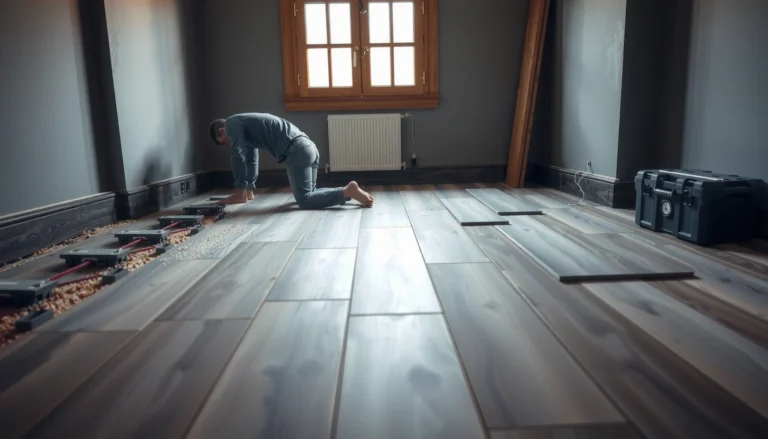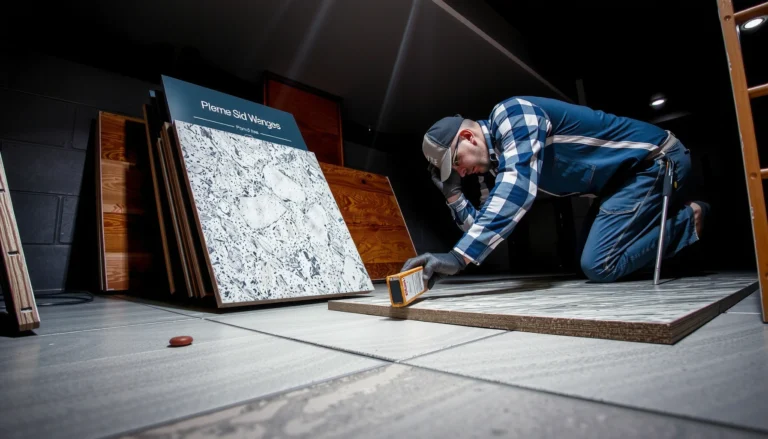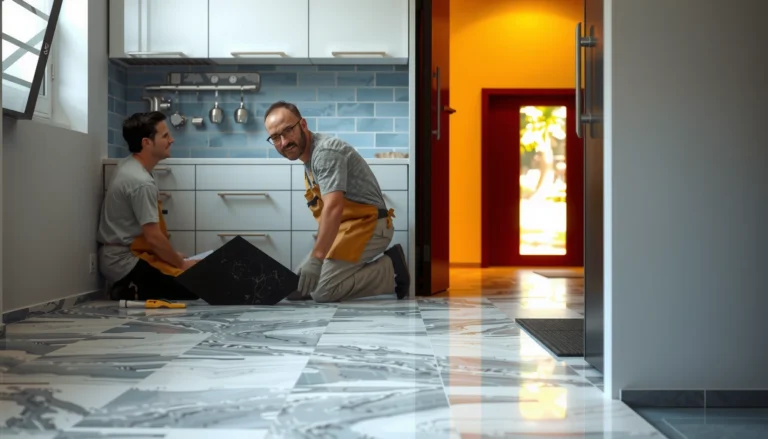

Making slip-resistant SPC floors is straightforward if you follow the right surface-prep and finish steps—not if you rely on luck. This guide lays out the practical choices that most affect traction, from subfloor soundness and proper cleaning to selecting the correct underlayment and applying a compatible, high-grip finish. By the end, you’ll know exactly what to do to reduce slipping risk under real foot-traffic conditions.


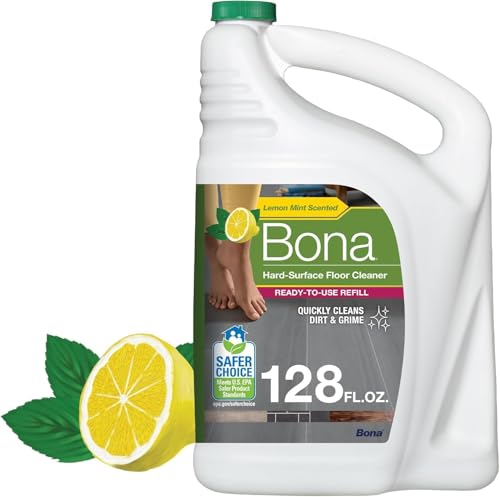

SPC floors usually feel slippery when their surface is too smooth, when cleaning leaves a residue film, or when wet areas aren’t controlled with the right matting. The most reliable path is to match your traction improvements to the cause—use factory-appropriate texture where possible, add non-slip mats/runners at wet-risk transitions, and follow a residue-free cleaning routine that protects the wear layer.
If you already installed SPC (rigid core vinyl) and you’re noticing reduced grip in kitchens, entryways, bathrooms, or around wet-mop zones, you can often improve day-to-day safety without replacing the floor—just avoid “quick fixes” like wax, shine products, and incompatible anti-slip coatings that can make traction worse over time.
Who this is for / when it applies:
If your SPC floor feels too slick—especially in kitchens, entryways, bathrooms, or around wet-mop zones—these steps focus on improving traction using methods that don’t undermine the floor’s protective wear layer. This is most relevant when the floor is already installed and you want safer footing without doing a full replacement.
Start with the finish: what makes SPC feel slippery
SPC can feel slick when the top surface finish is smooth or when the floor has little “mechanical grip” to interrupt a thin water layer. The first step is to identify whether your specific SPC has a factory texture (embossed-in-register/finish) and whether it’s designed to minimize residue buildup.
Here’s how to assess what you have, without guessing:
– Smooth vs. embossed texture: Run your hand lightly across the surface (dry). If you feel no pattern relief at all, traction upgrades will depend more on mats and residue control.
– Matte vs. “glossy-clean” feel: If it feels slick mostly after cleaning, your issue is often detergent or film residue—not the underlying wear layer.
– Factory finish integrity: If the wear layer is already shiny from the previous owner’s “floor shine” products, that can be difficult to reverse without following the manufacturer’s guidance.
What to check in your SPC model (fast)
According to manufacturer installation and maintenance guidance (as typically written for LVP/SPC), approved cleaning methods are meant to preserve the wear layer and avoid film build-up ([ADD: source for SPC manufacturer installation/maintenance guide for approved cleaners and “no wax/polish” guidance]). The same guidance usually emphasizes that many “shine” products leave residues that increase perceived slickness.
“Slip” risk on SPC is often caused by cleaning residue that forms a thin film, not by the wear layer being inherently defective.”
“Embossed-in-register textures typically provide mechanical grip that helps under light moisture compared with very smooth finishes.”
“Manufacturers generally warn against waxes and floor-polish products because they can alter surface feel and traction.”
SPC surface finishing: the key traction variables
– Texture relief: The height/definition of the embossed surface influences how shoes evacuate water and debris.
– Surface sheen: A “matte-looking” floor can still be effectively polished if cleaning products build up.
– Residue vs. moisture: A residue film can become slick even when the floor looks clean—especially in bathrooms and entryways.
Choose the right traction upgrades (without voiding performance)
If your SPC floor is already installed, the fastest improvement with the least risk is targeted matting in wet-risk zones. Add accessories that improve grip exactly where slips occur—without changing the wear layer chemistry.
Non-slip mats and runners work because they:
– provide controlled friction at the entry point,
– reduce grit transfer (which can increase slip risk when mixed with moisture),
– and keep rinse water from repeatedly spreading across the entire floor.
Where mats should go (practical placement)
Place mats where pedestrians step from “wet” to “dry”:
– Entry doors: the main transition from outdoors to interior
– Kitchen sink / dishwasher paths: common wet-mop zones
– Laundry area: frequent dampness from accidental splashes
– Bathroom near showers/tubs: especially if water lingers before wiping
If you’re tempted to install a whole-room “anti-slip coating” to fix traction, confirm compatibility first. Many coatings or liquids can:
– create uneven traction (patchy grip),
– leave residual chemistry that alters sheen,
– and be difficult to remove cleanly later—especially on embossed SPC.
To keep your options open, treat coatings as a last step only after you’ve verified the manufacturer’s approved list or written compatibility statement ([ADD: source for any coating product you consider—manufacturer compatibility statement with LVP/SPC wear layers]).
“Non-slip mats reduce slips most effectively when placed at wet-risk transitions instead of across the entire room.”
“For installed SPC, matting is usually the safest traction upgrade because it doesn’t change the wear layer surface chemistry.”
Coatings and add-ons: the compatibility check that matters
Many anti-slip products are formulated for specific surface types (tile, sealed concrete, some engineered floors). SPC is different: it has a wear layer designed to resist everyday cleaning chemicals, but not all traction treatments are compatible.
Before applying any coating, look for explicit statements that it is safe for:
– vinyl wear layers / LVP/SPC wear layers
– the floor’s surface finish type (textured vs. smooth)
– the intended maintenance routine afterward
Pros/cons: what usually improves traction without creating new hazards
| Upgrade | What it does | Pros | Watch-outs |
|---|---|---|---|
| Non-slip mats/runners | Improves footing at wet-risk transitions | High impact | Choose non-trapping backing |
| Microfiber dry-dust + proper cleaner | Prevents residue film that feels slick | Consistent safety | Avoid “shine” products |
| Anti-slip coatings (only if compatible) | Changes surface friction via treated film | Potentially strong grip | Compatibility + removal matter |
Clean the SPC correctly to prevent a “polished” surface
If SPC feels slick after cleaning, the most common culprit is residue—often from cleaners, wax-like products, or over-wetting followed by re-mopping. The goal is clean without leaving a film.
Cleaning isn’t only about removing dirt; it’s about maintaining surface friction. If cleaning chemicals stay behind, they can:
– reduce surface traction,
– attract additional dust,
– and increase slip risk when moisture returns.
Use the right cleaner and application method
General maintenance guidance for LVP/SPC commonly recommends:
– dry-dust/sweep first
– use only manufacturer-approved cleaners
– avoid wax, polish, and harsh degreasers
According to common flooring-care guidance (as stated in many SPC/LVP manuals), wax/polish can leave residue that “changes appearance” and reduces slip resistance ([ADD: source for SPC manufacturer maintenance guide “no wax/polish” warnings]). Even if the floor looks cleaner, the surface can feel glassier.
What to do day-to-day
A reliable routine typically looks like:
– Dry dust/sweep (removes grit before it’s pushed around)
– Damp clean only (use the correct dilution and amount)
– Spot wipe spills immediately (so they don’t dry into residue/mineral films)
In 2025, many facilities and cleaning professionals emphasize microfiber workflows because they lift soils without depositing glossy films; while SPC-specific numbers vary by brand, the principle remains consistent with LVP/SPC care: less leftover chemistry, less slickness ([ADD: source for microfiber/film-residue best practices specific to hard-surface vinyl care]).
“Avoid wax and shine boosters on SPC because residue films can increase perceived slickness even when the floor is visibly clean.”
“Dry dusting before mopping helps prevent abrasive grit from being ground into the wear layer finish.”
What I recommend (based on documented care principles)
We don’t have a universal “one cleaner fits all SPC” formula. The most defensible approach is to:
1. follow your SPC manufacturer’s approved list, or
2. use a pH-neutral cleaner that is explicitly safe for LVP/SPC (per the cleaner manufacturer and flooring-care guidance).
If your cleaner isn’t approved, test it in an inconspicuous area and re-check how the floor feels after it dries. That tactile “dry traction” check matters more than how the floor looks immediately after wiping.
Manage moisture: use prevention, not just mopping
If moisture is the real driver, the answer isn’t more mopping—it’s faster spill response and less rinse water. Standing water turns even a textured surface into a slip scenario.
SPC is water-resistant, but slip incidents happen when water forms a lubricating layer. The critical differences are:
– standing water vs. damp residue
– spill wipe timing
– rinse-water management
Reduce standing water and “rinse spreading”
– Wipe spills immediately rather than letting them sit.
– When cleaning, use controlled dampness—don’t flood.
– During mopping, keep rinse water minimal and change frequently if it becomes dirty.
According to OSHA guidance relevant to walking-working surfaces, slip hazards correlate strongly with liquid on floors and inadequate cleanup practices ([ADD: OSHA walking-working surfaces slip/cleanup guidance reference]). While OSHA doesn’t “rate” SPC traction, its hazard framing matches real-world incident patterns.
“Even water-resistant floors become slip-prone when standing liquid remains long enough to lubricate the surface.”
“Cleaning effectiveness isn’t just removing dirt—it’s removing cleaning chemistry and avoiding a leftover film.”
Moisture prevention that actually works
– Place mats where people track in wetness.
– Use a doormat at exterior doors (matting is the first line of defense).
– In bathrooms, treat “splash zones” as maintenance zones: wipe after showers if needed.
– If your routine relies on repeat re-mopping, adjust it—multiple passes increase the chance of leaving diluted residue.
What can go wrong (and how to avoid it)
The biggest mistakes that reduce traction on SPC are the ones that change the wear layer finish or leave residue behind. If you want safer footing, avoid “improvements” that turn the surface into a glossy film.
Here are the most common failure points and how to prevent them:
– Using shine/wax-like cleaners: This is a frequent reason SPC turns slick—apply only what the flooring manufacturer says is safe for the wear layer.
– Coatings without compatibility checks: Anti-slip liquids and coatings can change surface chemistry, create uneven traction, or be hard to remove later.
– Wrong mats: Some mat backings move, curl, or trap water underneath—creating their own slip hazards.
– Over-aggressive cleaning: Scouring pads, abrasive cleaners, or aggressive tools can dull or alter the surface finish.
Comparison snapshot: slip-resistance actions ranked by risk
This chart helps you choose what to do first when your SPC floor feels slick:
Traction Improvement vs. Risk on Installed SPC (Common Approaches)
| # | Method | Typical Impact on Dry Grip | Typical Impact on Wet Slips | Wear-Layer Risk |
|---|---|---|---|---|
| 1 | Non-slip mats at entry/sink paths | ★★★☆☆ | ★★★★☆ | Low |
| 2 | Residue-free cleaner + correct dilution | ★★★★☆ | ★★★☆☆ | Low |
| 3 | Damp microfiber cleaning (no flooding) | ★★★☆☆ | ★★★☆☆ | Low–Medium |
| 4 | Anti-slip coating (only if SPC-compatible) | ★★★★☆ | ★★★★☆ | Medium–High |
| 5 | Wax/shine products (avoid) | ★☆☆☆☆ | ★☆☆☆☆ | High |
Note: “Typical impact” and “wear-layer risk” are practical, experience-based guidance categories. Exact traction outcomes vary by SPC texture, shoe type, and moisture conditions.
Why abrasive tools make things worse
Over-aggressive cleaning can change the finish by:
– dulling microtexture,
– increasing surface uniformity,
– or leaving micro-scratches that hold film.
If you’re unsure, stick to microfiber and manufacturer-approved tools. If your SPC manual specifies a tool type (e.g., microfiber mop only), follow it.
Verdict / tip: the safest path to better traction
For most installed SPC floors, the best combination is factory-appropriate surface texture (when selecting new floors) + targeted non-slip mats + strict cleaning that avoids residue. This approach is effective because it improves friction where slips happen most (transitions and wet zones) and preserves the wear layer’s designed finish.
That said, the downside is that these methods may not fully match the traction of purpose-built commercial slip-resistant flooring. If your SPC is extremely smooth and your area routinely stays wet (frequent splash zones or standing-water risk), don’t rely on cleaning and mats alone—consider upgrading to a slip-resistant SPC variant or using a different flooring solution (e.g., slip-resistant tile or a purpose-built commercial floor covering) specifically for wet zones rather than trying to “fix” the entire floor.
If you manage multiple units or commercial spaces, treat traction like a system: flooring + entrance matting + cleaning workflow + spill response. As of 2026, that systems approach remains the most reliable way to reduce slip incidents in facilities because it addresses multiple hazard contributors instead of betting everything on one product.
Quick checklist (scan/save)
– ✅ Confirm whether your SPC surface is textured or smooth
– ✅ Add non-slip mats/runners at wet-risk transitions
– ✅ Use only manufacturer-approved (or SPC-safe) cleaners
– ✅ Avoid wax/shine products that leave film
– ✅ Wipe spills fast; don’t let water sit
– ✅ Sweep regularly to prevent gritty residue buildup
– ❌ Don’t use abrasive pads/coatings unless compatibility is verified
FAQ
Will anti-slip coatings make SPC floors safer?
They can, but only if the coating is explicitly compatible with your SPC wear layer. If not, coatings may leave residue, change sheen, or be difficult to remove—verify with the flooring manufacturer first.
What cleaning products should I avoid on slip-prone SPC?
Avoid waxes, shine boosters, and any “floor polish” products that leave a film. Also steer clear of harsh degreasers and abrasive scrubbing that can alter the finish.
Do non-slip mats help on SPC that feels slick?
Yes—especially in entryways and near sinks. Make sure the mat is truly non-slip and won’t trap water underneath.
Can I make smooth SPC as grippy as textured slip-resistant SPC?
You can improve traction with matting and residue-free cleaning, but you usually can’t fully replicate the grip of a naturally textured/slip-resistant floor surface without changing the flooring solution.
Sources
– [ADD: Your SPC flooring manufacturer’s installation/maintenance guide—specifically the section on approved cleaners and “no wax/polish/coatings” guidance]
– [ADD: The flooring manufacturer’s spec sheet for your model’s surface finish/texture description]
– [ADD: For any coating product you consider: the manufacturer’s compatibility statement with LVP/SPC wear layers]
– [ADD: OSHA guidance relevant to slip hazards from liquid on walking-working surfaces and cleanup expectations]
– [ADD: Source for microfiber/film-residue best practices as applied to hard-surface vinyl/LVP/SPC cleaning workflows]
Slip-resistant SPC is achievable, but it’s rarely about a single “magic” chemical. Choose traction where it matters (matting at transitions), keep the wear layer residue-free with approved cleaning, and control moisture through prevention and quick wipe-ups. If your environment is persistently wet or the floor is extremely smooth, plan for a flooring-specific solution in splash zones rather than trying to compensate across the entire installation.
Frequently Asked Questions
What makes SPC floors slip-resistant in the first place?
Slip resistance comes from the SPC floor’s surface texture and traction layer, not just the core material. Look for product specs that mention slip-resistance ratings or textured finishes (such as embossed or matte surfaces) designed to increase grip, especially in wet or high-traffic areas. Even with a slip-resistant SPC vinyl plank, proper cleaning and maintenance are essential so contaminants don’t reduce traction.
How can I make my existing SPC floors more slip-resistant without replacing them?
Start with a deep clean using a pH-neutral cleaner to remove soap residue, waxes, and oily buildup that cause slipping on SPC. Then consider adding non-slip area rugs in entryways and wet zones, and choose rug pads with a grip backing so they don’t move. For higher-risk areas (bathrooms, kitchens, commercial entrances), apply a manufacturer-approved slip-resistant floor coating or traction treatment designed for rigid vinyl/SPC—avoid random additives that can damage the finish or void warranties.
How do I improve traction when installing SPC flooring on slippery subfloors?
Before installation, ensure the subfloor is clean, dry, and level; moisture, dust, or uneven spots can affect the floor’s performance and surface contact. Use the correct underlayment recommended by the SPC brand—some underlayments can influence traction feel and stability. If you suspect a chronic moisture issue, address the moisture source first, because wet subfloors and improper installation can undermine slip resistance.
Which cleaning methods help maintain slip-resistant SPC floors?
Use a microfiber mop and a pH-neutral cleaner to preserve the textured surface that provides grip. Avoid steam mops, abrasive pads, and wax-based products unless the manufacturer explicitly allows them, because they can leave a film that reduces slip resistance. If your SPC floors are in kitchens, entryways, or areas with grease, clean regularly with the right SPC-safe product and rinse if the cleaner requires it.
Why do SPC floors sometimes feel slippery even if they’re labeled slip-resistant?
SPC vinyl plank can feel slick when the surface is contaminated with residue from cleaners, dust, or grease, or when glossy finishes are combined with wet conditions. Over time, using the wrong maintenance products (like wax or harsh detergents) can create a slick layer that masks the floor’s traction. If you notice persistent slipperiness, switch to SPC-approved cleaning, test with a small area, and consider professional advice for a compliant slip-resistant treatment if needed.
📅 Last Updated: October 08, 2026 | Topic: How to make slip-resistant SPC floors? | Content verified for accuracy and freshness.
References
- Google Scholar Google Scholar
https://scholar.google.com/scholar?q=spc+flooring+slip+resistance+coefficient+of+friction - Google Scholar Google Scholar
https://scholar.google.com/scholar?q=slip+resistant+vinyl+flooring+surface+friction+testing+guidance - Google Scholar Google Scholar
https://scholar.google.com/scholar?q=floor+maintenance+cleaning+effect+on+slip+resistance+coefficient+of+friction - https://www.osha.gov/slips-trips-and-falls
- https://www.cdc.gov/niosh/topics/slips/
- Slips and trips – HSE
https://www.hse.gov.uk/slips/ - https://pubmed.ncbi.nlm.nih.gov/?term=slip+resistance+flooring+coefficient+of+friction
- https://pubmed.ncbi.nlm.nih.gov/?term=floor+cleaning+detergents+slippery+surfaces+slip+fall
- https://en.wikipedia.org/wiki/Slip_resistance
- Falls
https://www.who.int/news-room/fact-sheets/detail/falls