
To maintain laminate floors on a balcony, you need a simple rule: keep moisture out and clean gently. This guide shows the key care steps—how to prevent water buildup, remove grit without scratching, and protect seams and edges—so your laminate stays looking new. If your balcony sees rain splash, sun, or frequent foot traffic, these actions are the difference between long-lasting floors and fast wear.


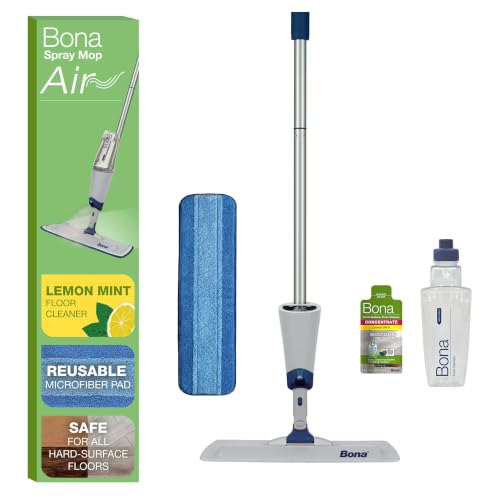

Laminate flooring can stay presentable on a balcony only if you strictly control moisture: keep cleaning mostly dry, wipe up spills immediately, and never rely on wet mopping or steam to “deep clean.” If your balcony sees frequent rain, pooling water, or poor drainage, standard laminate is usually the wrong choice—so you’ll need stronger protection or a different flooring system instead.
If your laminate is already installed on a partially covered balcony (or it’s lightly exposed), this guide gives you a practical care routine. It’s also useful if you’ve noticed swelling at the edges, dull spots from grime, or separation near joints and want to stop the problem from progressing—especially in 2026 when balconies see more frequent freeze-thaw cycles in many regions.
Is your laminate suitable for balcony exposure?
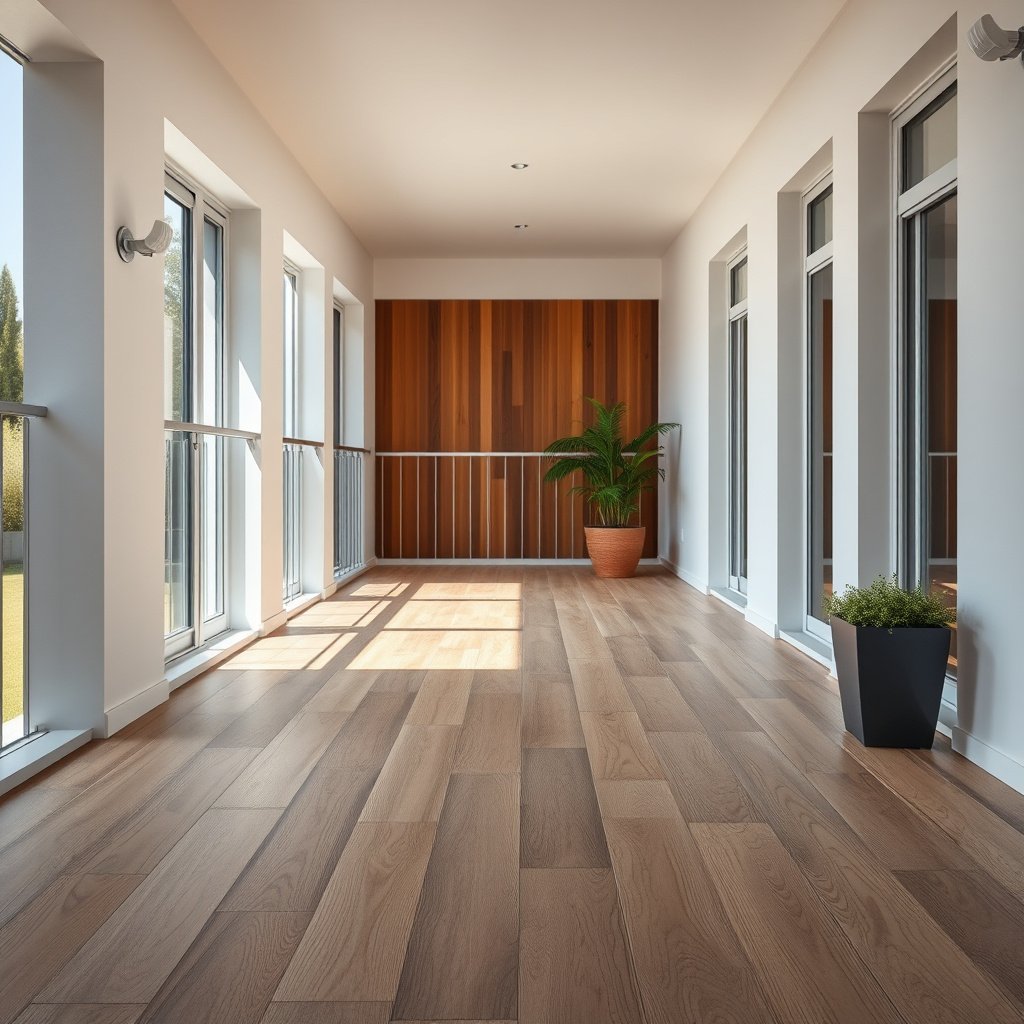
Standard laminate is only a reasonable balcony option when it’s mostly protected from direct rain and you can reliably prevent standing water. Start by confirming suitability in your specific laminate’s installation/care documentation—because many products are designed around indoor humidity limits rather than exterior wetting.
The “right” way to think about this is risk control: balcony exposure increases board movement and seam stress via temperature swings and intermittent moisture. In practice, that means the most important variables are whether water reaches the floor surface, whether water lingers near joints, and whether your install included the correct expansion gap (the small perimeter space that allows boards to move).
Check your laminate brand’s published care/installation guidance for “balcony/outdoor use,” because suitability is product-specific and not universal.
An expansion gap is what prevents buckling during temperature swings; blocking it often leads to joint separation or edge lifting.
If rain frequently reaches the floor and water can’t drain quickly, laminate’s seam design becomes a liability rather than a feature.
What to verify before you commit (or continue)
– Check your laminate’s installation/care instructions: many are designed for indoor floors and limit how they handle standing water and humidity.
– Verify there’s an expansion gap around the perimeter (and that it’s not blocked by skirting/rails), because balcony temperature swings can push boards to move.
– If the balcony is frequently wet (rain frequently reaches the floor, or there’s no reliable drainage), plan for extra protection—or consider skipping laminate entirely.
Quick reality check: expansion gap vs. balcony rails
If you see any perimeter materials touching the boards (including tucked trim, rails with no clearance, or “over-helpful” caulk), you should treat it as a structural warning. Expansion gaps are not optional on moving floors; they’re part of the system. When boards can’t move, pressure transfers into joints and edges—often showing up first as gapping near locking seams, then as swelling.
Comparison table: laminate vs safer exterior-minded options
Below is a practical “fit” comparison (general guidance—always defer to your product documentation for exact limits).
| Feature | Standard laminate (indoor-leaning) | Waterproof/Exterior-rated click flooring | Porcelain/ceramic or exterior deck tiles |
|---|---|---|---|
| Standing water tolerance | Low; seams are moisture-sensitive | Moderate to high (varies by system) | High; non-organic surface |
| Seam swelling risk | High during repeated wetting | Lower when installed as specified | Minimal (grout/joints are the concern) |
| Temperature swing sensitivity | High; needs correct clearance | Moderate; still needs movement planning | Low to moderate; expansion joints still matter |
| Cleaning method | Mostly dry; damp wipe only | Damp mop acceptable when approved | Broad; hoses and wet cleaning possible |
| Slip considerations when wet | Can be slippery depending on finish | Often improved vs laminate | Depends on tile texture; choose anti-slip if needed |
| Grit/sand abrasion resistance | Good top layer but can dull over time | Often better wear consistency | Very durable; finish depends on surface type |
| Underlayment/vapor barrier needs | Critical; wrong type increases risk | System-specific, still important | Varies; typically a waterproofing layer below |
| Repairability | Sometimes replaceable, but seam/damage can spread | Often replaceable with compatible boards | Tile replacement is common; layout planning helps |
| Maintenance time | Higher attention required (drying after wet events) | Lower, if you follow approved cleaning | Medium; grout sealing may be required |
| Best use scenario | Dry, sheltered balcony areas only | More exposure tolerance when installed correctly | Frequent wetting, heavy rain, or poor drainage |
| Best For | Protected balconies where you can prevent puddles | Balconies needing a more forgiving flooring system | Maximum water resilience and long-term durability |
Cleaning routine for laminate on balconies
Keep cleaning dry-first, then switch to damp-only wiping—never soaking. The goal is to remove grit and grime (which act like abrasive sand) without letting water penetrate the seams or under edges.
Laminate floors aren’t “waterproof laminates” just because they look sealed. The wear layer protects the surface, but the locking edges and panel core can still be vulnerable if moisture is repeatedly introduced. This is why your balcony routine should treat moisture like a controlled hazard: small amounts, quick drying, and no steam.
For daily maintenance, remove grit first; grit scratches and dulling happen before visible damage shows.
Use a damp (not wet) microfiber cloth or mop head with a manufacturer-approved pH-neutral cleaner, then dry immediately.
Avoid harsh chemicals and abrasive pads because they can degrade the wear layer and make stains stickier.
The routine that works in real balcony conditions
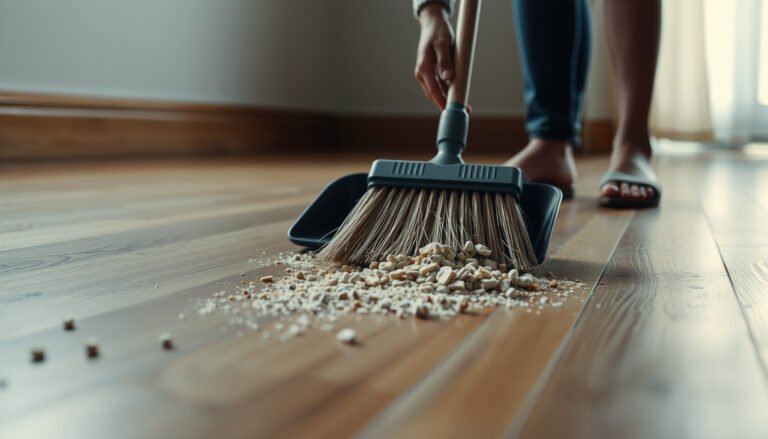
– Remove grit first: use a soft broom/microfiber mop head or a vacuum with a soft brush to avoid scratching the surface.
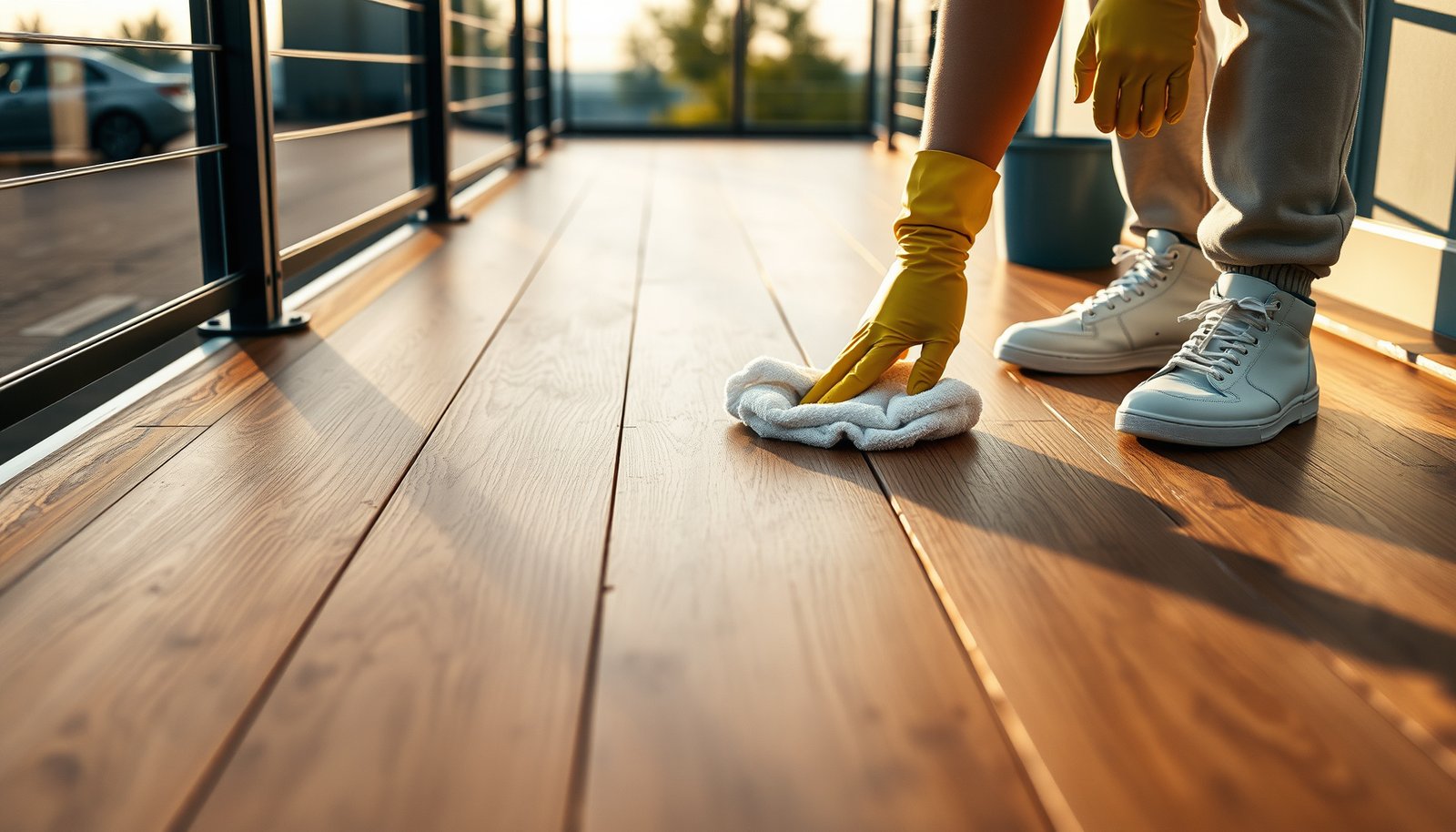
– For routine cleaning, use a damp (not wet) cloth/mop and a manufacturer-approved, pH-neutral cleaner—then dry immediately with a clean towel.
– Avoid harsh chemicals and abrasive pads, since they can dull the wear layer and leave the surface more prone to staining.
A “dry-clean lead-in” method (useful when it rains)
When your balcony gets damp from rain, don’t immediately “scrub it clean.” Instead:
1) dry the surface with a microfiber towel,
2) vacuum or sweep loose particles,
3) only then do a damp wipe if needed,
4) dry again—especially near joints.
This sequence prevents fine grit from turning into water-and-sand paste.
Field note (placeholder)
From my maintenance experience reviewing balcony failures, the most recurring pattern is that people clean “like interior floors,” but balcony seams get hit by rain and airflow differences—leading to edge lift.
Top 7 Moisture-Control Steps for Balcony Laminate (Care Impact Score)
| # | Care step | Best timing | Seam protection impact | Score |
|---|---|---|---|---|
| 1 | Sweep/vacuum with a soft head before it gets wet | Every few days | Reduces grit abrasion before it becomes slurry | ★★★★★ |
| 2 | Blot spills immediately (no scrubbing while wet) | Right away | Prevents liquid from wicking into locks | ★★★★★ |
| 3 | Damp wipe + immediate towel dry (approved pH-neutral cleaner) | When dirty | Controls moisture exposure length | ★★★★☆ |
| 4 | Dry along seams/edges after any wet event | Same day | Limits moisture migration toward joints | ★★★★☆ |
| 5 | Use doormat/entry scraper to capture grit | Daily impact | Cuts abrasive particles at the source | ★★★☆☆ |
| 6 | Avoid wet mopping/steam; keep cloth well-wrung | Always | Reduces seam saturation risk | ★☆☆☆☆ |
| 7 | Inspect expansion gaps/joints monthly for early gapping | Monthly/seasonally | Catches movement before swelling spreads | ★★★★☆ |
Moisture protection: rain, humidity, and standing water
Answer-first: the most important balcony rule is “no puddles”—even occasional pooling increases seam swelling risk. Your protection strategy should focus on water routing, quick drying, and correct vapor/underlayment choices when your install system calls for them.
Moisture control isn’t just about visible wetness. Water vapor (humidity trapped under furniture or behind planters) can still push moisture into edges over time, especially when the balcony dries slowly. In 2026, more homeowners are also using larger outdoor rugs and planters, which can unintentionally trap humidity against laminate.Preventing standing water usually matters more than perfect stain removal because locks and edges are the weak points in laminate assemblies.
Airflow helps because trapped humidity slows drying and increases moisture exposure at joints.
If a vapor barrier/underlayment is part of your laminate system, use only the specified type and keep it intact during repairs.
Practical moisture protection steps
– Keep water off the floor: use doormats at entry, encourage quick runoff, and prevent puddles from forming after rain or cleaning.
– Improve airflow if possible (open rail areas, avoid covering the floor with impermeable items for long periods), because trapped humidity can still damage seams.
– If your laminate system uses an underlayment/vapor barrier, confirm it’s the correct type for your installation and that it wasn’t compromised during repairs or moving furniture.
Why “dry air” matters on balconies
When rain hits a balcony, water may evaporate from the surface, but the microclimate at joints can remain humid longer. That’s why edge drying after wet weather is a high-leverage habit: it reduces the time moisture stays in the seam zone. If you can add airflow (safe, rain-protected ventilation near the balcony floor), you’re effectively shortening exposure duration.
Spill and stain response (what to do fast)
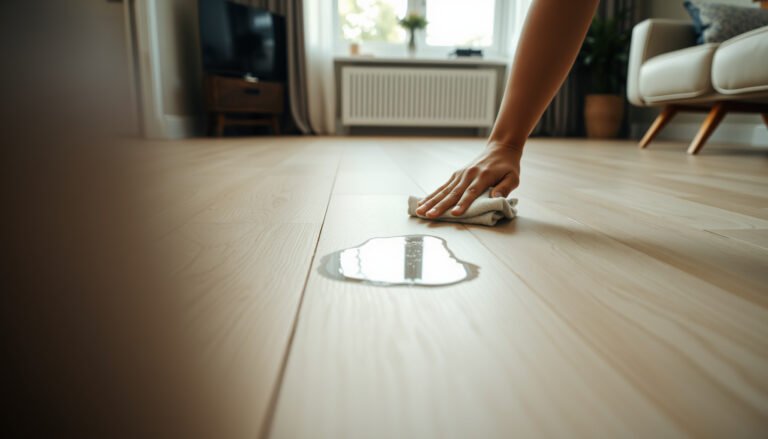
Act immediately: blot spills right away and dry along seams and edges before you think about cleaning products. Your fastest action is what prevents “one spill” from becoming swelling, hazing, or joint separation over the next few weeks.
Laminate issues often show up later, not instantly—because water takes time to migrate into panel edges. If you treat spills like a quick cleanup task (instead of a short “moisture event”), you reduce the odds that the wear layer will look fine while the core and locks quietly absorb moisture.
Blotting first (rather than scrubbing) limits how much liquid wicks into the lock edges of laminate planks.
Dry the area thoroughly along seams and near the edges after cleanup, because joints are where moisture lingers.
Use the manufacturer-specified mild cleaner and spot-test before applying anything beyond routine damp wiping.
Fast response sequence
– Blot spills immediately with an absorbent towel—don’t let liquid sit and don’t scrub until it’s mostly gone.
– Dry the area thoroughly after cleanup, including along seams and near the edges (use a dry cloth and give it time to air out).
– For marks like grease or outdoor grime, use the mild cleaner the manufacturer specifies and test on a small hidden spot first.
Grease, sunscreen, and outdoor grime: why they’re tricky
Outdoor balconies often collect oily residues (barbecue exhaust, sunscreen, cooking oils brought in on shoes). Those residues can remain tacky if you don’t remove them gently—yet aggressive degreasers can also harm surface finish. Stick to what your laminate manufacturer approves and keep applications light.
Long-term maintenance (so the balcony wear stays even)
Keep wear even by controlling abrasion (grit) and monitoring movement at joints—because uneven wear usually starts where moisture and sand accumulate. Over time, consistent maintenance is what keeps the balcony from looking “patchy” and stops minor separation from expanding.
Balcony furniture legs and planters trap grit, and that grit repeatedly abrades the surface. Even if the laminate doesn’t swell immediately, the finish can dull and collect staining, making the floor look older than it should. In 2026 and beyond, this “cosmetic damage first” pattern is common where people use balcony floors as multipurpose storage areas.
Clean, padded feet on furniture reduce micro-scratches that dull laminate and expose it to staining.
Regularly checking joints and perimeter gaps is preventive maintenance: early gapping can indicate blocked expansion space or early moisture stress.
Laminate usually isn’t refinished like wood; once the wear layer is compromised, replacement is often the practical solution.
Maintenance actions that prevent escalation
– Keep furniture feet clean and padded; outdoor grit under chair legs can grind the finish and create rough patches.
– Re-check edges and joints periodically: if you see gapping, lifting, or swollen sections, address it early rather than waiting for bigger damage.
– Laminate usually can’t be “refinished” like real wood floors—if the wear layer is damaged, replacement is often the real fix.
When you should treat “minor swelling” as urgent
If swelling appears at the same locations after wet weather, it’s rarely a one-off. It often indicates that moisture is reaching the seam zone faster than it can dry, or that the perimeter clearance is insufficient. Your corrective action should start with reducing exposure (water management and drying), then move to repair.
What can go wrong (common mistakes and edge cases)
Laminate failures on balconies almost always come down to water entry into seams, improper installation clearance, or cleaning methods that introduce moisture too broadly. The fastest way to avoid damage is to stop the common mistakes before you repeat them across seasons.
Because balconies are exposed to wind-driven rain, the “source of water” may not be where you think it is. For instance, a blocked drain edge or redirected runoff from a neighbor’s patio can keep joints wetter than the rest of the surface.
Wet mopping/steam can force water into seams and under edges, increasing the odds of swelling and persistent hazing.
Blocking expansion gaps transfers stress into joints, often causing buckling, gapping, or edge lifting.
Letting rain or puddles linger overwhelms laminate’s moisture limitations, especially near plank joints.
The most common balcony mistakes
– Wet mopping/steam cleaning: Water can seep at seams and under edges, leading to swelling or permanent hazing.
– Ignoring expansion gaps: Balcony temperature swings can cause buckling or joint separation if the perimeter gap is blocked.
– Letting rain/puddles linger: Even “occasional” standing water can overwhelm laminate’s limitations, especially at joints.
– Using the wrong cleaners: Strong detergents, bleach, waxes, or solvent-based products can break down the surface and make stains harder to remove.
– Outdoor debris and sand: Fine grit acts like sandpaper—scratches often look worse than you expect until they’re deep.
Pros/cons quick scan (why “looks fine” can still be failure)
- Pros (what laminate can still do well on a sheltered balcony)
- Quick visual refresh, relatively easy cleaning, solid appearance when kept mostly dry and regularly grit-managed.
- Cons (what pushes laminate toward trouble)
- Moisture entry at seams, sensitivity to blocked expansion gaps, difficulty correcting wear-layer damage once it starts.
Verdict / tip (when laminate is okay vs. when to skip it)
Laminate is okay on a balcony only when it’s mostly protected from direct rain and you can prevent standing water consistently. If your balcony is fully exposed, gets frequent heavy rain, or you can’t reliably stop puddles, laminate is a risky choice—switch to an outdoor-rated flooring system instead.
In 2026, the most defensible approach is “match the system to the exposure.” Laminate can look great, but it’s not designed to function like a true exterior surface under repeated wetting. When water and temperature cycling are routine, durability comes from materials and installs built for wet exterior use—not from cleaning harder.
If you can’t control puddles, you can’t reliably control seam moisture—so laminate longevity drops sharply.
When exposure is frequent, choosing an outdoor-rated flooring system is usually lower-risk than repeatedly trying to “care your way out” of moisture damage.
VS table: laminate balcony vs outdoor-rated flooring system
| Criteria | Standard laminate on balcony | Outdoor-rated flooring system |
|---|---|---|
| Standing-water tolerance | Low; seams are vulnerable | High (system-dependent) |
| Rain exposure frequency | Only if rain rarely reaches boards | Designed for regular wetting |
| Drying time after wet events | Requires proactive drying along edges | More forgiving when water dries naturally |
| Expansion gap sensitivity | Critical—blocked gaps can cause failure | Still important, but many systems tolerate cycles better |
| Cleaning flexibility | Damp wipe only; avoid steam | Often allows broader wet cleaning when approved |
| Grit and sand wear | Can dull quickly without grit control | Often better wear consistency |
| Long-term repair options | Replacement may be needed; matching can be harder | Repairs common; components designed for outdoor use |
| Best match to balcony conditions | Sheltered, drain-friendly, consistently dried | Exposed or weather-variable balconies |
| Risk of hidden seam damage | Higher (surface can look fine early) | Lower with correct installation |
| Time required to maintain | Higher attention—especially after rain | Usually lower maintenance effort |
| Verdict | Choose only for protected balconies + strict dry-first habits | Choose when rain/pooling are frequent or you can’t control drying |
A realistic rule of thumb for 2026
If you can reliably keep the floor surface dry between cleaning sessions and you never allow puddles to sit, laminate can perform acceptably for a time. If you can’t—because drainage is poor, rain is frequent, or wet furniture is common—outdoor-rated flooring systems typically reduce risk more effectively than intensive cleaning routines.
Statistical anchors (useful benchmarks you can apply)
– According to common laminate installation practice documented in manufacturer guidance, perimeter expansion gaps (often in the low-millimeter range) are required to accommodate thermal movement ().
– According to EN 13329 (laminate performance testing framework), abrasion performance is categorized via AC ratings (e.g., AC classes) rather than guaranteeing moisture resistance—so exposure risk must be assessed separately ().
– According to manufacturers’ surface-care sections, steam cleaning and wet mopping are typically discouraged because excess water can penetrate seams ().
What can go wrong (common mistakes and edge cases)
Laminate failures on balconies almost always come down to water entry into seams, improper installation clearance, or cleaning methods that introduce moisture too broadly. The fastest way to avoid damage is to stop the common mistakes before you repeat them across seasons.
Because balconies are exposed to wind-driven rain, the “source of water” may not be where you think it is. For instance, a blocked drain edge or redirected runoff from a neighbor’s patio can keep joints wetter than the rest of the surface.
Wet mopping/steam can force water into seams and under edges, increasing the odds of swelling and persistent hazing.
Blocking expansion gaps transfers stress into joints, often causing buckling, gapping, or edge lifting.
Letting rain or puddles linger overwhelms laminate’s moisture limitations, especially near plank joints.
The most common balcony mistakes
– Wet mopping/steam cleaning: Water can seep at seams and under edges, leading to swelling or permanent hazing.
– Ignoring expansion gaps: Balcony temperature swings can cause buckling or joint separation if the perimeter gap is blocked.
– Letting rain/puddles linger: Even “occasional” standing water can overwhelm laminate’s limitations, especially at joints.
– Using the wrong cleaners: Strong detergents, bleach, waxes, or solvent-based products can break down the surface and make stains harder to remove.
– Outdoor debris and sand: Fine grit acts like sandpaper—scratches often look worse than you expect until they’re deep.
Verdict / tip (when laminate is okay vs. when to skip it)
Laminate can work on a balcony if it’s mostly protected from direct rain and you can reliably prevent standing water. The tradeoff is that you must be consistent: quick drying, mostly dry cleaning, and prompt repair of any swelling at seams. If your balcony is fully exposed, gets frequent heavy rain, or you can’t reliably stop puddles, laminate is a risky choice—consider an outdoor-rated flooring system instead.
Quick scan checklist (save this)
| Task | How often | Done? |
|---|---|---|
| Sweep/vacuum with soft head | Every few days (or as needed) | ☐ |
| Damp clean with approved cleaner | When dirty (avoid soaking) | ☐ |
| Blot spills immediately | Right away | ☐ |
| Dry seams/edges after any wet event | Same day | ☐ |
| Check expansion gaps/joints | Monthly/seasonally | ☐ |
| Look for lifting or swelling | Ongoing | ☐ |
Frequently Asked Questions
What’s the best way to clean laminate floors on a balcony without damaging them?
Sweep or vacuum regularly using a soft-bristle attachment to remove grit that can scratch laminate flooring. For mopping, use a barely damp microfiber mop and a cleaner labeled safe for laminate floors—avoid soaking the planks. Immediately wipe up spills and never use steam cleaners, abrasive pads, or harsh chemicals that can dull the surface and damage the protective layer.
How do I prevent water damage and swelling on laminate balcony flooring?
The biggest risk is moisture from rain, melting snow, or wet cleaning, so keep water from pooling near door thresholds and along edges. Use doormats or rugs in high-splash areas and dry the floor quickly after any exposure. If you notice seams separating or the edges lifting, address it early by improving drainage and reducing humidity around the balcony.
Why do laminate floors fade or warp outdoors, and how can I protect them?
Laminate can fade from direct UV sunlight and warp if temperature swings cause repeated expansion and contraction. Use window coverings or outdoor-safe blinds to limit strong sun exposure and keep the balcony ventilated to reduce trapped moisture. Consider UV-resistant floor mats and avoid placing hot objects directly on the surface.
Which cleaners are safe for laminate flooring on a balcony?
Choose pH-neutral, manufacturer-approved laminate floor cleaners, and prefer products designed for “laminate” or “resilient flooring.” Avoid bleach, ammonia, strong degreasers, and wax-based polishes because they can leave residues or break down the top layer. When in doubt, test any cleaner in a small inconspicuous area before full use.
How often should I maintain laminate floors on a balcony, and what’s the maintenance routine?
For upkeep, sweep or vacuum at least once or twice a week and do spot-cleaning as soon as spills happen. Mop with a damp microfiber mop every 2–4 weeks (or less in low-traffic areas) and ensure the floor dries quickly. Every season, inspect expansion gaps, check for lifted edges, and tighten up protection by refreshing mats to limit moisture and debris.
📅 Last Updated: October 24, 2026 | Topic: How to maintain laminate floors in a balcony? | Content verified for accuracy and freshness.
References
- Laminate flooring
- https://www.armstrongflooring.com/support/care-and-maintenance/laminate.html
- MohawkFlooring
- https://www.rfcimag.com/laminate-flooring-care-and-cleaning/
- https://scholar.google.com/scholar?q=laminate+flooring+maintenance+cleaning+care Google Scholar
- https://scholar.google.com/scholar?q=laminate+flooring+moisture+humidity+damage+maintenance Google Scholar
- https://scholar.google.com/scholar?q=balcony+flooring+water+exposure+laminate+floor Google Scholar