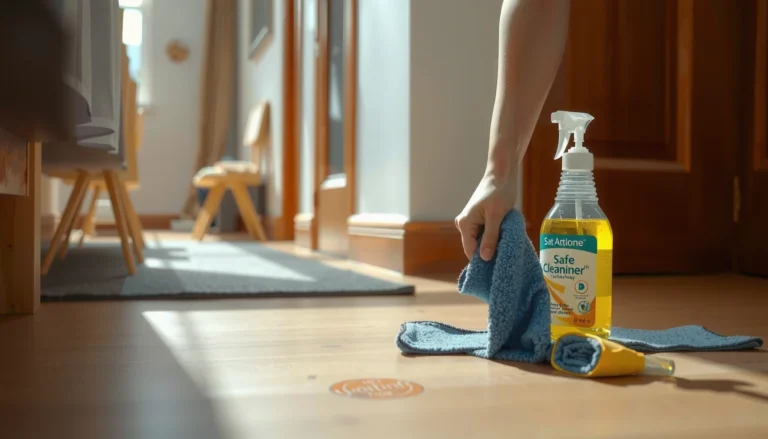
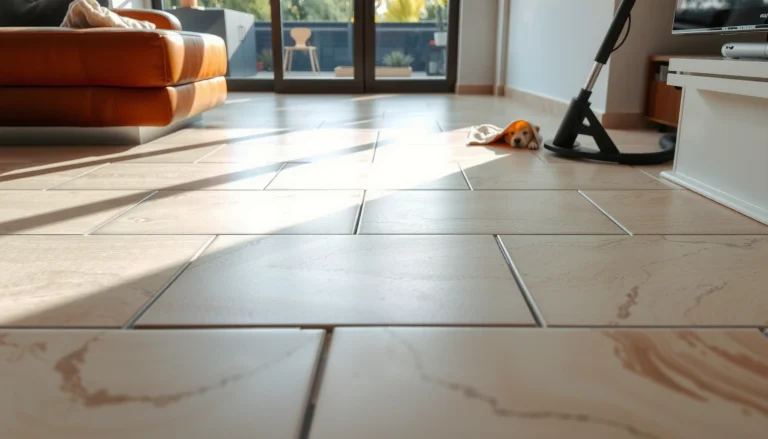
Maintain garage floors for real: clean them the right way and treat them so they stay durable under vehicles, spills, and salt. This guide answers how to maintain garage floors step-by-step, from removing grime and oil safely to preventing cracks, staining, and wear. You’ll learn the most effective cleaning frequency and the best maintenance habits to extend floor life without costly rework.



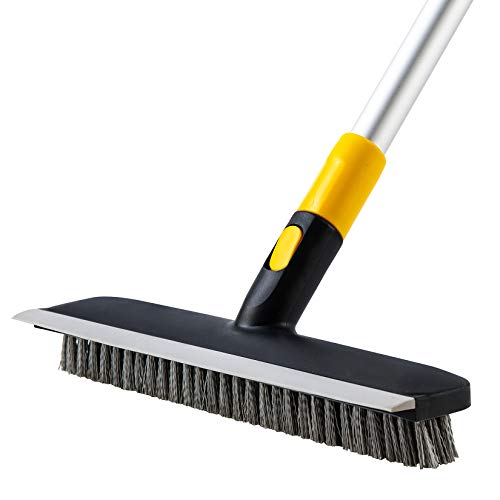
Maintain garage floors by cleaning spills fast, controlling moisture, and using the right coating or sealant for your floor type. If your concrete is bare, regular degreasing plus periodic sealing helps prevent stains, pitting, and cracks from spreading—while avoiding trapped contamination that can ruin coatings.
If you park vehicles indoors, store tools/chemicals, or deal with salt, oil, and tire marks, this is for you—especially if you want to protect concrete or an existing coating from everyday damage.
Start with the surface: identify your floor type

The right maintenance plan depends on whether you’re working with bare concrete, a stained/sealed surface, or an installed epoxy/polyurethane coating. Start by identifying what’s already on the floor and whether contamination is active, so you clean and prep in a way that actually helps—not just masks problems.
Bare concrete maintenance focuses on reducing absorption and preventing staining through degreasing, rinsing, and periodic sealing based on wear and temperature/curing conditions.
Coated floors (epoxy/polyurethane) require compatible cleaning and prep; many failures come from sealing/priming over contamination or incompatible chemistry.
Efflorescence (white, powdery residue) is often a moisture-related symptom; sealing over it can trap water vapor and worsen adhesion issues.
Determine which system you have (and why it matters)
– Bare concrete: Usually dull/porous, absorbs liquids readily, and shows staining more easily. Sealer can help, but it won’t “fix” ongoing moisture or structural movement.
– Stained/sealed concrete: Often has a decorative color with a protective topcoat. It can be tougher than bare concrete, but it still relies on a sound, intact surface film.
– Coated (epoxy/polyurethane): Smooth-ish, glossy or satin, and typically more resistant to chemicals and abrasion. However, it’s sensitive to moisture vapor, surface profile, and correct primers.
Spot contamination before you “upgrade” the finish
Before you degrease or seal, inspect for:
– Oil spots and grease halos: Usually indicate active contamination in the pores. If you seal too soon, trapped oil can cause bubbling and fisheyes.
– Efflorescence: White powder can signal moisture migration through concrete. It often needs moisture/grade fixes and thorough cleaning, not just cosmetic sealing.
– Peeling/softening coating: If you can scratch coating with a fingernail or see lift at edges, assume the bond is already compromised.
Quick guidance from industry testing concepts (without guessing your coating)
Moisture-related coating failures commonly connect to measurable moisture emissions. For example, ASTM F1869 measures moisture vapor emission rate in lb/1000 sq ft/24 hr (ASTM F1869). That’s one reason you shouldn’t treat moisture as “good enough” when applying a film-forming system.
Clean regularly (and handle spills immediately)
Cleaning isn’t just about looks; it’s about removing grit and contaminants that abrade finishes and fuel staining. A simple routine—sweep often, degrease spills quickly, and rinse thoroughly—protects both bare concrete and coated floors.
Regular grit removal reduces mechanical wear; grit works like sand that abrades sealers and coatings over time.
Concrete-safe degreasers are designed to break down oils without permanently altering the concrete surface chemistry when used and rinsed correctly.
For coated floors, avoid cleaners that leave residues because residue can interfere with bonding for future maintenance coats.
Sweep and vacuum on a schedule
Grit is the silent damage driver. Salt, sand, and metal filings hitch a ride on tires and boots, then act like abrasive media:
– Sweep or vacuum at least weekly (more often in winter or high-traffic use).
– Use a nylon brush or soft bristle broom to avoid scratching coatings.
Degrease oil spots ASAP (then rinse thoroughly)
When a spill happens (especially motor oil, brake fluid, transmission fluid, or solvents), treat it immediately:
1. Blot (don’t spread) with absorbent pads or paper towels.
2. Apply a concrete-safe degreaser designed for oil/grease.
3. Let it dwell only as directed by the product label.
4. Rinse thoroughly. Residue is a common cause of sticky patches and premature coating breakdown.
Choose a pH-appropriate cleaner for everyday dirt
For general grime, use a cleaner formulated for:
– The floor finish you have (bare concrete vs sealed vs coated).
– Compatibility with your sealant/coating system (some chemicals can dull finishes or affect adhesion later).
[ADD: source for garage floor cleaning/degreasing guidance from a concrete/epoxy/coating manufacturer]
Manage moisture and drainage to prevent damage
Moisture management is usually the difference between a floor that stays protected and one that cycles through staining, peeling, or cracking. Fix leaks, improve ventilation, and prevent pooling so water doesn’t sit under mats, near walls, or around door thresholds.
Moisture intrusion is a primary driver of efflorescence, debonding, and premature coating failure in garages.
Correct drainage and runoff control reduce standing water that can carry salts from vehicles into concrete pores.
If your garage has a persistent humidity problem, moisture testing (and system selection) should precede installing non-breathable coatings.
Fix leaks and prevent hidden water pockets
Common sources:
– Roof leaks or HVAC condensate lines
– Vehicle leaks (coolant, oil)
– Plumbing drips along walls
– Condensation from temperature swings
Concrete can look “dry on top” while still holding moisture beneath. If you’re planning a coating, measure moisture rather than guessing.
Watch for pooling after rain or washing
After rainstorms or pressure washing:
– Inspect for puddles near the garage door, low spots, or along walls.
– Consider small drainage corrections or changes to rinse methods so runoff doesn’t remain trapped.
Consider a “moisture barrier” approach when construction requires it
In some builds, systems are designed to manage vapor differently (below-slab systems, breathable assemblies, etc.). The right path depends heavily on slab construction, groundwater levels, and climate. If you’re unsure, consult a qualified installer or building professional.
[ADD: details on moisture barrier approaches appropriate for your garage construction type]
Seal or coat—only when the floor is ready
Sealing or coating only works when the surface is properly cleaned, profiled (if needed), and dry enough for the specific system. If your floor is already coated, don’t assume “any sealant will work”—some products require specific prep and compatible primers.
Coating longevity depends on compatibility and correct surface profile; many installers fail by skipping grinding or primer steps when required by the system.
Applying film-forming products over contaminants (especially oil/grease) can cause bubbling, fisheyes, and early edge failure.
Most sealer/coating warranties assume specific surface preparation and environmental conditions per the manufacturer’s technical data sheet.
For bare concrete: sealing reduces staining and improves cleanability
A penetrating sealer or appropriate topcoat can help reduce absorption, making oil and road grime easier to clean. Recoat timing depends on wear, traffic, and chemistry exposure—follow the label and service conditions.
For existing coatings: verify compatibility, not just appearance
“Looks fine” doesn’t guarantee bond health. Check:
– Peeling, soft areas, or hollow-sounding sections
– Surface chalking or dusting
– Gloss changes (coatings can degrade gradually)
[ADD: source for compatibility/prep requirements for your specific coating system]
Moisture testing matters before you commit
Moisture testing standards help remove guesswork:
– ASTM F1869 reports moisture vapor emission rate (MVER) in lb/1000 sq ft/24 hr (ASTM F1869).
– ASTM F2170 measures concrete relative humidity (RH) using in-situ probes (ASTM F2170).
> Use these results to choose whether to wait, address moisture, or use a compatible moisture-mitigating system—per your product’s technical data sheet.
Typical Garage Floor Maintenance Focus by Surface Type (Real-World Priorities)
| # | Surface condition | Main risk | Recommended maintenance emphasis | Suitability for sealing/coating (1–5) ★ |
|---|---|---|---|---|
| 1 | Bare, dry, clean concrete | Staining/absorption | Degrease + periodic sealing | ★★★★★ |
| 2 | Sealed/stained concrete (intact) | Abrasion-wear | Gentle cleaning + recoat schedule | ★★★★☆ |
| 3 | Coated floor (intact, bonded) | Chemical/impact damage | Targeted spot cleaning + system maintenance | ★★★★☆ |
| 4 | Concrete with oil contamination | Trapped residue under film | Strong degrease + verify cleanliness/dryness | ★★☆☆☆ |
| 5 | Efflorescence present | Active moisture transport | Moisture source resolution first | ★☆☆☆☆ |
| 6 | Scaling/flaking visible | Surface breakdown | Identify cause before recoat | ★★☆☆☆ |
| 7 | Peeling coating edges | Bond failure underway | Removal/prep rather than spot fixes | ★☆☆☆☆ |
Repair damage early: cracks, scaling, and peeling
Small problems grow fast in a garage because concrete experiences freeze-thaw cycles, salt exposure, impacts from tools, and repeated chemical spills. When you repair early, you reduce the chance that water and salts spread the damage deeper.
Cracks act as pathways for water and salts; addressing small cracks early reduces freeze-thaw and chemical-driven expansion.
Scaling and flaking often indicate an underlying moisture or contamination mechanism that must be corrected before resealing.
For peeling coatings, maintenance typically requires proper removal and surface prep because edge-bond failures spread under new films.
Treat cracks before they widen
– Clean the crack path first (remove dust and loose material).
– Use a repair method compatible with concrete (and compatible with your coating system if one exists).
– Seal/join only after the repair material cures per spec.
Diagnose scaling/flaking instead of covering it
Scaling can come from:
– Moisture intrusion
– Freeze-thaw expansion
– Poor surface preparation or contamination
If the cause stays, the new coating will fail in the same way.
Plan for peeling coatings: removal often beats patching
Spot repairs can fail at feather edges if adhesion and profile aren’t consistent. In many cases, the safer approach is removal of loose coating, surface profiling, then reinstallation with compatible primers and topcoats.
What can go wrong (and how to avoid it)
Many garage floor failures look like “bad luck,” but most are predictable: sealing over contamination, trapping moisture under an incompatible layer, or skipping the prep that creates adhesion. Here are the common mistakes and how to prevent them.
Film-forming products generally bond only to clean, properly prepared substrates; contamination can cause localized failure even if the rest of the floor looks intact.
Non-breathable coatings can underperform when moisture vapor emissions remain high, leading to blisters or debonding.
Acid-based cleaners and aggressive solvents can dull or degrade some sealers/coatings, so use products formulated for the specific finish system.
Pros/cons: sealing vs coating (quick decision lens)
| Option | Pros | Cons | Best fit |
|---|---|---|---|
| Penetrating sealer (bare concrete) | Helps reduce staining/absorption; often easier to reapply | Less resistance to chemical spills than full coatings | Home garages with moderate spills |
| Epoxy/polyurethane coating | Strong chemical and abrasion resistance (when installed correctly) | Requires strict prep + moisture compatibility | Heavy traffic, tool use, frequent chemical handling |
| Recoat existing system | Lower disruption | Only works if the existing surface is sound and compatible | Intact coatings with normal wear |
Verdict / quick tip
A practical maintenance plan is: sweep often, degrease spills quickly, prevent water from pooling, and reseal/recoat only when the floor is clean, dry, and compatible with the product system. This approach is usually worth it for homeowners who want fewer stains and easier cleanups.
If your floor has active leaks, widespread peeling, or persistent moisture problems, don’t just coat over it—address the root cause first or [ADD: hire pros for moisture testing/evaluation if needed]. Also note: sealing or coating is not a structural fix; if you have major cracking or slab movement, maintenance won’t eliminate the underlying issue.
Garage floor maintenance checklist (save this)
– [ ] Sweep/vacuum regularly to remove grit
– [ ] Clean spills immediately (especially oil/solvents)
– [ ] Degrease and rinse thoroughly; don’t leave residue
– [ ] Fix leaks and prevent pooling near doors/walls
– [ ] Inspect monthly for cracks, scaling, or coating wear
– [ ] Re-seal/recoat only with compatible products after proper prep
– [ ] Follow dry time/curing instructions from the label for every product
FAQ
How often should I clean my garage floor?
Clean as needed, but do a routine sweep/vacuum frequently and deep-clean when spills or stains occur. If you use degreasers, follow the product label for frequency and rinsing steps.
Can I seal a garage floor right after washing it?
Not usually. Most sealers/coatings require a dry surface and specific prep conditions—follow the label’s drying/curing requirements and make sure any moisture issue is resolved. [ADD: source for your sealer’s dry-time requirements]
What’s the best way to remove oil stains from concrete?
Use a concrete-safe degreaser designed for the stain type, work it in per instructions, then rinse thoroughly. Avoid aggressive methods that may damage nearby coatings or leave residue that prevents bonding.
Should I pressure wash before sealing?
Often you’ll need cleaning that removes grime and contaminants, but pressure washing can be okay only if the floor is properly dried afterward and you follow the product’s prep guidance. [ADD: source for prep method guidance from your sealant/coating manufacturer]
What if my coating is peeling?
Peeling usually means the surface prep or bonding failed, or there’s moisture/contamination underneath. Plan for troubleshooting and likely more involved prep/removal rather than just reapplying on top.
Sources
– [ADD: manufacturer instructions/specs for your concrete sealer or garage floor coating system, including surface prep, compatibility, and dry times]
– [ADD: source for garage floor cleaning/degreasing guidance from a concrete/epoxy/coating manufacturer]
– [ADD: primary technical guidance on concrete surface contamination and coating adhesion (e.g., from coating industry associations or specific manufacturer technical datasheets)]
– ASTM F1869: Standard Test Method for Measuring Moisture Vapor Emission Rate of Concrete Subfloor Using Anhydrous Calcium Chloride (ASTM F1869)
– ASTM F2170: Standard Test Method for Determining Relative Humidity in Concrete Floor Slabs Using in situ Probes (ASTM F2170)
Overall, the most durable garage floors come from disciplined basics: keep grit and spills from building up, control moisture and runoff, and only seal/coat when the surface condition matches the product requirements. If you treat maintenance as a repeatable routine instead of a one-time makeover, you’ll spend less time scrubbing—and more time enjoying a garage that stays clean, safe, and protected.
Frequently Asked Questions
How do I clean and degrease my garage floor without damaging the concrete?
Start by sweeping loose debris and then use a concrete-safe degreaser or detergent to break down oil and grease. For tougher stains, apply the cleaner, let it dwell per the label, then scrub with a stiff-bristle brush or floor scrubber. Rinse thoroughly with clean water and allow the garage floor to fully dry before applying any sealant, stain remover, or coating.
What’s the best way to repair cracks and chips in concrete garage floors before sealing?
Clean cracks and chip areas first by removing dust, loose concrete, and debris with a wire brush and vacuum. Fill small cracks with a concrete crack filler or epoxy crack repair product, and use a concrete patch for spalling or larger damaged sections. Once repairs cure, lightly sand high spots and ensure the concrete is dry before you seal garage floors to prevent moisture from getting trapped.
Which garage floor sealant works best for protecting against oil stains and water damage?
The best sealant depends on your garage usage and climate, but many homeowners choose penetrating concrete sealers for oil resistance and breathable protection. For heavier vehicle traffic or a more uniform surface, epoxy or polyurea garage floor coatings can provide stronger stain resistance and easier cleaning. Look for products specifically labeled for “concrete sealant for garage floors,” check compatibility with your floor condition, and apply only when the surface moisture and temperature meet the manufacturer’s requirements.
How often should I reseal my garage floor, and what signs mean it’s time?
In general, garage floor sealing is typically reapplied every 2–5 years, but frequency varies based on traffic, weather exposure, and how often chemicals or water are used. You should consider resealing sooner if you notice a dull, faded finish, increased staining, water no longer beading on the surface, or concrete that looks dry and porous. Spot tests like a water droplet test can help confirm whether the seal is still performing.
Why do garage floors get stained and worn even with regular sweeping, and how can I prevent it?
Garage floor stains often come from oil drips, brake dust, coolant spills, and moisture intrusion that carry dirt into the concrete pores. Prevention comes from using floor mats in high-drip zones, promptly cleaning spills, and applying a quality concrete sealant or coating designed for garage floors. Keeping drainage clear and managing humidity in the garage also reduces mold risk and helps maintain a cleaner, more durable concrete surface.
📅 Last Updated: October 11, 2026 | Topic: How to maintain garage floors? | Content verified for accuracy and freshness.
References
- Google Scholar Google Scholar
https://scholar.google.com/scholar?q=how+to+maintain+garage+floor+concrete+cleaning+sealing+oil+stains - Google Scholar Google Scholar
https://scholar.google.com/scholar?q=concrete+floor+maintenance+chemical+cleaners+stain+removal+durability - Google Scholar Google Scholar
https://scholar.google.com/scholar?q=epoxy+floor+coating+maintenance+surface+preparation+cleaning - Concrete
https://en.wikipedia.org/wiki/Concrete - https://en.wikipedia.org/wiki/Concrete_sealer
- https://en.wikipedia.org/wiki/Epoxy_flooring
- Pavement Preservation – Design & Analysis – Pavements – Federal Highway Administration
https://www.fhwa.dot.gov/pavement/preservation/ - https://www.fhwa.dot.gov/pavement/preservation/approaches.cfm
- https://www.cdc.gov/niosh/topics/conc_risk/concrete.html
- Google Scholar Google Scholar
https://scholar.google.com/scholar?q=How+to+maintain+garage+floors?