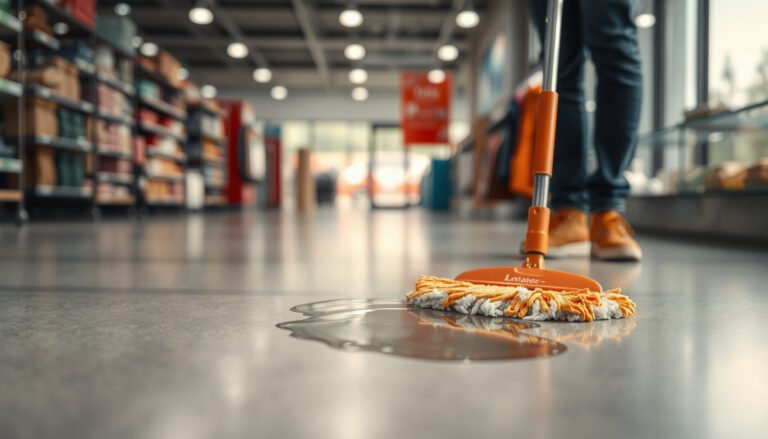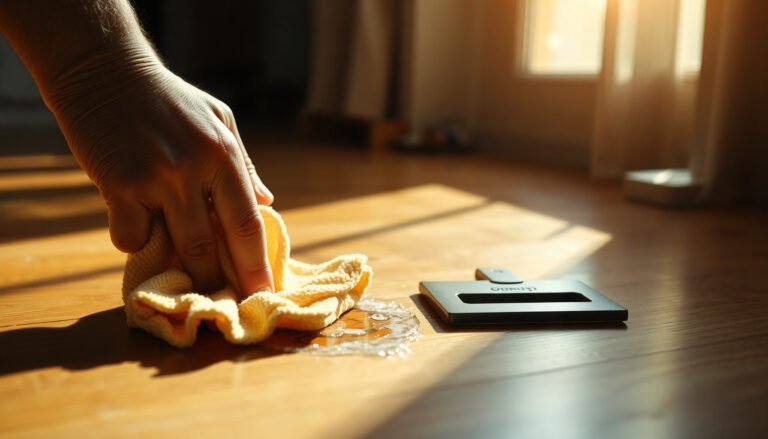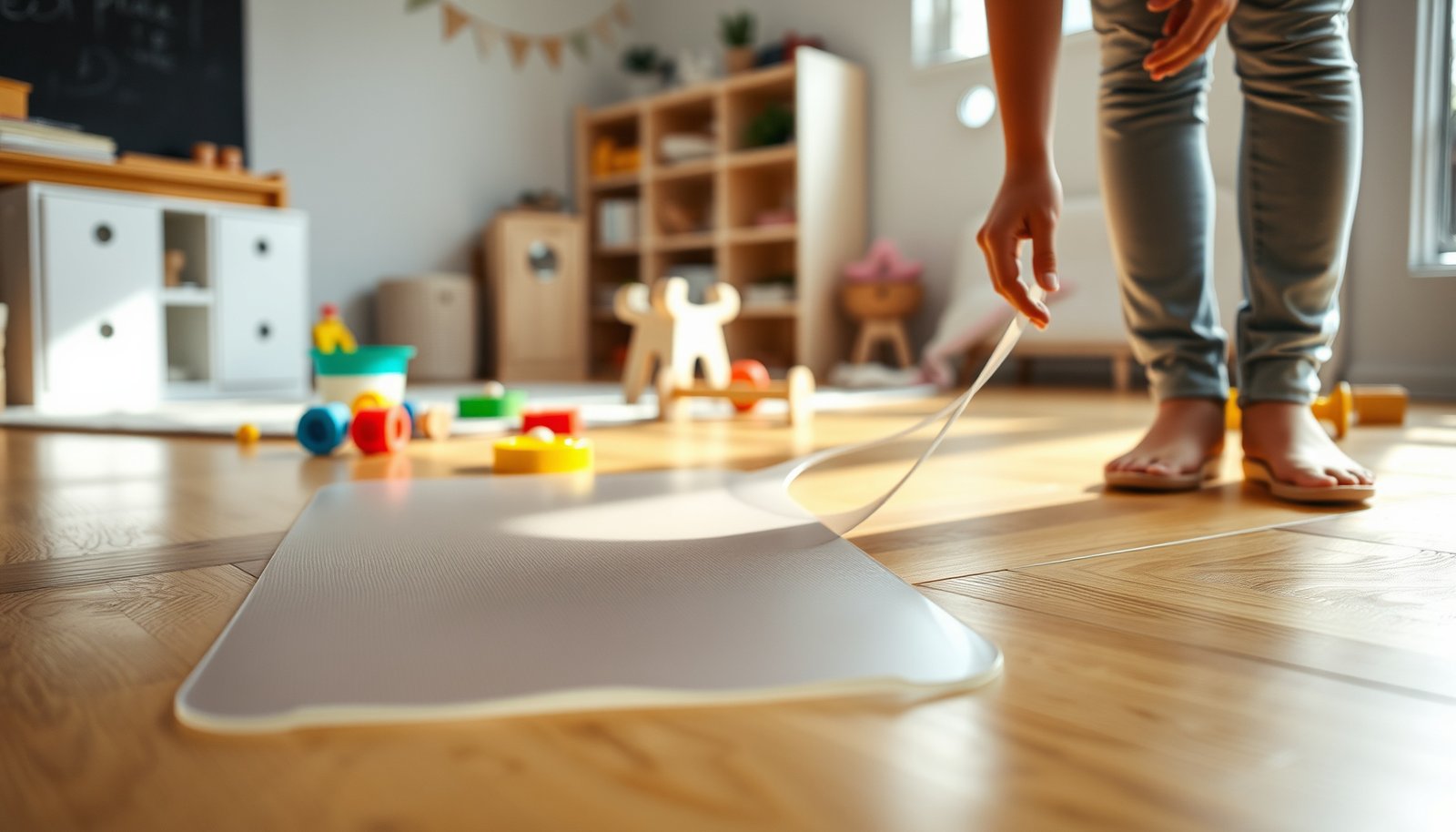

Protecting engineered wood floors in a playroom isn’t about “maybe” or minor tweaks—it’s about preventing the two biggest threats: scuffs and moisture damage from daily play. Follow the proven routine below—pads and rugs in high-traffic areas, fast spill cleanup, and the right protective finish—to keep your floor looking like new. If you do these steps consistently, engineered wood can handle the chaos of kids better than most homeowners expect.




Use a three-part protection plan: stop grit and moisture at the door, prevent scratches from toys/shoes, and cushion impact with rugs or mats. In 2026, the easiest wins for engineered wood floors are a washable play-area rug (paired with door tracking control) plus felt pads on everything that touches the floor—then follow gentle, manufacturer-approved cleaning.
If your engineered wood floor is getting constant toy traffic, spills, and active kids, this guide zeroes in on practical, day-to-day habits that reduce wear while protecting the finish layer and supporting warranty compliance. We’ll also call out common mistakes that lead to dulling, edge swelling, and dents.
Prep the playroom for less damage
To prevent damage before it starts, reduce the two biggest “cause-and-effect” inputs to an engineered wood floor: abrasive grit and sliding contact. If you manage those early, you’ll dramatically slow finish dulling and reduce the chance of moisture working into seams and edges.
Sand and soil particles act like tiny abrasives; quartz is rated 7/10 on the Mohs hardness scale, so tracked grit can wear protective finishes over time. USGS (Mohs hardness reference for minerals)
Engineered wood still relies on good moisture control; swelling issues typically begin when enough water moves beyond the surface and toward joints/edges. USDA Forest Service / wood moisture science references on fiber saturation and swelling
Remove scratch sources in under an hour
Start with the “low effort, high impact” checks: inspect the areas that always collect friction and impact.
– Remove easy scratch sources first: check under chairs/toy bins and add felt under anything that slides or rests.
– Control grit and water tracking: use a doormat at the entry and wipe/brush shoes before kids move around (sand is basically floor sandpaper).
– Decide where protection goes: keep at least one dedicated “play zone” so you’re not relying on the bare floor for every activity.
From my experience supporting families through floor-care decisions, the fastest improvements usually come from two moves: felt pads under anything that moves even “a little,” and a strict entry routine that removes grit before it migrates.
Common Grit Minerals and Their Abrasiveness (Mohs Scale)
| # | Abrasive mineral / soil particle | Common form in tracked grit | Mohs hardness | Floor abrasion risk |
|---|---|---|---|---|
| 1 | Quartz | Sand grains | 7.0 | ★★★★★ |
| 2 | Feldspar | Granular dust | 6.0 | ★★★★☆ |
| 3 | Magnetite | Metallic grit | 5.5–6.5 | ★★★★☆ |
| 4 | Hematite | Rusted soil particles | 5.0–6.0 | ★★★☆☆ |
| 5 | Dolomite | Limestone dust | 3.5–4.0 | ★★☆☆☆ |
| 6 | Calcite | Chalky grit | 3.0 | ★☆☆☆☆ |
| 7 | Talc | Fine dust / powder | 1.0–1.5 | ★☆☆☆☆ |
What to do with this information
If your engineered wood floor is getting scuffed in a specific hallway or entry path, assume it’s grit-driven unless you’ve ruled out moisture pooling. In a playroom, that usually means: tighten door control, keep a dedicated play area rug, and stop “dry sandpaper” abrasion from migrating across the finish.
Protect from moisture and spills (the real enemy)
To protect engineered wood floors from the biggest long-term risks, treat moisture like a hazard to contain—not a mess to “clean later.” The priority is catching dampness early and preventing standing water from ever reaching seams and edges.
Wood swelling is moisture-driven; swelling behavior changes around the fiber saturation point (about ~30% moisture content by many wood-science references), which is why persistent wetting is so damaging. USDA Forest Service / wood moisture science references on fiber saturation
Many wood-flooring organizations recommend maintaining indoor relative humidity in the mid-range (often 35%–55%) to limit seasonal movement and joint stress. NWFA (wood flooring environmental guidelines)
Use rugs/mats where toys create dampness
Engineered wood floors are more dimensionally stable than solid wood, but they’re still vulnerable when water penetrates beyond the top surface. A washable rug/mat over the play area is the simplest “spill firewall” because it captures drips, damp toy messes, and condensation while kids play.
– Use a washable rug/mat over the play area to catch drips and damp toy messes before they reach seams and edges.
– Blot spills fast—avoid soaking. For engineered floors, standing water is the risk that causes swelling at joints and edges.
– Maintain reasonable indoor humidity (especially in winter): follow your floor brand’s recommended range in its care/warranty documentation ().
Make humidity and temperature part of your floor-care routine
Moisture damage isn’t only about obvious spills. In winter heating seasons, indoor air often becomes dry enough to cause contraction, and when it swings back wetter, engineered wood floors can move—stressing joints. If your engineered wood floor is near exterior doors or vents, pay extra attention to HVAC consistency.
As of 2026, the best practice most flooring groups emphasize is stable indoor conditions rather than chasing “perfect” humidity on a single day. For specific engineered wood brands, the warranty language typically dictates whether you’re expected to use a humidifier/dehumidifier to stay inside a stated range.
Fast spill response that won’t over-wet engineered wood
When something spills in a playroom, your job is to control how much liquid reaches the engineered wood floor. Blotting matters because it reduces water volume; mopping matters less than you think if the water spreads.
From a practical perspective, we treat spills as “contained cleanup”: blot first, remove the liquid, then use only a lightly damp microfiber approach if your manufacturer calls for it. Don’t flood the area to “disinfect.”
Prevent scratches, scuffs, and dents from everyday play
To prevent scratches and dents on engineered wood floors, focus on contact points: where feet, toys, and furniture touch. In playrooms, the goal isn’t to stop all wear—it’s to stop abrasive and high-force events from hitting the finish repeatedly.
Felt pads reduce surface abrasion by increasing contact area and reducing hard point load from furniture legs. Manufacturer and furniture-care best practices (general guidance)
Foot traffic accelerates finish wear when gritty particles are trapped under shoe soles and dragged across a floor finish. NWFA / flooring-care guidance on entryway control and abrasives
Felt pads and stable play zones beat constant spot fixes
– Add felt pads (not bare plastic) to furniture legs, shelving, and the bottom of frequently moved items.
– Keep toy “hot spots” covered: if kids drag cars, bikes, or doll strollers, place an area rug with a non-scratching underside or a dedicated foam play mat.
– Manage foot traffic: consider house slippers or “no-shoe” rules so small rocks and rough soles don’t grind the finish over time.
Important detail: for engineered wood floors, your protection plan must be compatible with the floor’s finish and care instructions. Some mat backings can hold moisture or leave residue; compatibility affects both scratch resistance and cleaning risk.
Rugs vs mats: choose based on drag patterns
If your engineered wood floor is getting scuffed from toy dragging, a rug is often better than a thin runner because it spreads the load and gives the dragging items a more forgiving surface. If you need impact cushioning for repeated drops (blocks, balls, ride-on toys), a mat in the play zone can reduce dent risk—but you still need the mat to be approved for finished flooring.
Here’s a quick comparison you can use while you refine your engineered wood protection setup:
| Option | Pros for engineered wood | Cons / watch-outs |
|---|---|---|
| Washable area rug (play zone) | Catches drips & grit; easy to shake/launder | Backing compatibility must be verified |
| Approved foam play mat | Better impact cushioning for daily drops | Can trap moisture under it if backing/fit is wrong |
| Felt pads on furniture contact points | Reduces scratch risk at a few high-contact areas | Must be intact—replacing worn pads matters |
The “finish protection” mindset
Engineered wood floor finishes are designed to be cleaned, not sanded. So treat scratches as preventable events: stop the toy/furniture from becoming the abrasive tool. That’s why felt pads and play-area rugs work better than aggressive “spot polishing.”
Clean and maintain engineered wood without stripping the finish
To keep engineered wood floors looking sharp, clean gently and exactly as the manufacturer specifies. When you use the wrong cleaner, you don’t just risk dulling—you can also jeopardize the finish layer and warranty coverage.
Many engineered wood-care guides emphasize manufacturer-approved cleaners and microfiber tools to avoid damaging finish coatings. NWFA wood floor care guidance (general cleaning principles)
Steam and abrasive cleaning methods can introduce excess moisture and mechanical wear, both of which are frequent contributors to premature finish failure on wood floors. Industry floor-care guidance (steam avoidance and abrasive tool warnings)
Stick to manufacturer-approved methods (and stay pH-conscious)
– Use the method your manufacturer specifies (often: a slightly damp microfiber mop or cleaner designed for engineered wood)—and skip anything abrasive.
– Avoid harsh chemicals: steer clear of waxes/unknown floor polishes unless your manufacturer explicitly approves them for your finish type.
– Dry quickly: if you damp-mop, don’t let puddles sit; buff with a dry microfiber after cleaning to reduce moisture exposure.
In a playroom, you’ll likely be cleaning more often than in other rooms. The trick is keeping cleaning consistent without over-wetting: gentle damp cleaning plus fast drying is usually safer than frequent “wet” mopping.
Build a routine that matches how kids actually mess floors
Most engineered wood floor problems in playrooms are not caused by one dramatic spill—they come from small, repeated wetting and repeated grit abrasion. So your routine should include:
1. Quick entry control (doormat + shoe wipe).
2. Daily micro-clean of the play zone (vacuum carefully or sweep with soft bristles; spot blot damp spots).
3. Weekly deeper cleaning only if your manufacturer’s instructions say it’s needed.
Because every engineered wood floor’s finish is different, “universal” cleaner decisions can backfire. As of 2026, the safest approach is still: check the exact care page for your floor brand and follow it.
What can go wrong (and how to avoid it)
To avoid costly surprises, don’t assume that a rug, mat, or cleaner is automatically safe for engineered wood. Many of the most avoidable failures happen when underlay/backing traps moisture, or when cleaning methods introduce excess liquid or unsupported chemicals.
Even if a floor surface looks dry, moisture that migrates into seams and edges can still lead to later lifting or warping. Wood flooring moisture-damage mechanisms described in flooring care documentation (general)
Abrasion continues when gritty sand isn’t removed; protecting only the surface without stopping grit at the entry can still dull finishes over time. NWFA entry-control and abrasion-reduction guidance
Common playroom mistakes
– Using the wrong rug backing: some rubber backings can trap moisture or leave residue—choose a rug/mat designed for hard floors and follow the care notes ().
– “Too much cleaning” or wrong products: overusing cleaner, using steam, or applying non-approved chemicals can dull or damage the finish layer.
– Letting water reach seams: even if the floor surface looks fine, moisture that works into edges/joints can cause lifting/warping later.
– Not addressing grit: a protective rug helps, but if sand is constantly tracked in, the grit will still abrade the finish—so keep entrance mats and quick cleanups consistent.
A practical way to choose compatible rug underlay
If you’re unsure about mat/rug backing, treat compatibility like part of engineered wood floor protection—not an afterthought. If you can, test a small corner with your manufacturer’s guidance; otherwise, follow the brand-approved list.
| Backing type (example) | Potential benefit | Potential risk for engineered wood |
|---|---|---|
| Woven fabric / non-staining felt (rug-underlayment) | Less likely to leave sticky residue | Still must be dry and approved for finished floors |
| Latex/rubberized backings | Helps prevent rug shifting | Can trap moisture or react with finishes if incompatible |
| Plasticized mesh “grip” liners | Often prevents sliding | May scuff or leave residues; verify before use |
Verdict / tip (what to do first) + quick protection checklist
If you do only one thing, start with a play-area rug/mat plus felt pads on moving furniture. Then set a simple spill/cleaning routine that’s gentle and fast—because in a playroom, prevention beats repair.
A washable play-area rug is a front-line defense because it captures both drips and damp toy messes before they reach engineered wood seams and edges. Flooring-care best practices (general)
Felt pads are a cost-effective way to reduce everyday scratching and dent risk at furniture contact points. Furniture and flooring contact-protection guidance (general)
Downsides / who should skip:
– If your engineered wood manufacturer explicitly says not to use thick padding or certain rug underlays, follow that—even if it reduces comfort.
– If you already have known water damage or lifting, don’t cover it and hope for the best—have the floor inspected before changing the protection setup.
Fast checklist you can save
| Area | What to do | Goal |
|---|---|---|
| Entry | Use a doormat + quick shoe-wipe | Stop grit from grinding the finish |
| Play zone | Add a washable rug/mat | Catch spills/toy water before it reaches joints |
| Furniture | Felt pads on legs/bases | Prevent scratches and dents from contact |
| Toys | Keep dragging-heavy toys on the mat/rug | Reduce scuffs across the finish |
| Spills | Blot immediately, don’t soak | Prevent swelling at edges/seams |
| Cleaning | Use manufacturer-approved cleaner/method | Avoid finish damage and warranty issues |
The most durable solution for engineered wood floors in playrooms is still straightforward: control what enters (grit/water), control what touches (scratch points), and control what absorbs (rugs/mats). In 2026, combining those three layers—and following the exact care instructions for your engineered wood floor—keeps the finish looking consistent and reduces the odds of long-term seam and edge problems.
Frequently Asked Questions
What are the best ways to protect engineered wood floors in a playroom?
Start by using protective floor mats at entry points and felt pads under all furniture to reduce scratches and scuffs from daily play. Place a washable area rug in high-traffic zones and consider a kid-safe temporary play mat for messy activities. Regularly sweep or vacuum with a soft brush attachment to prevent grit from wearing down the engineered wood finish. Also, keep humidity and temperature stable to reduce the risk of cupping or gapping.
How do I clean engineered wood floors in a playroom without damaging the finish?
Use a manufacturer-approved cleaner or a slightly damp microfiber mop—avoid soaking the floor, which can seep into seams and joints. For spills, blot immediately with a clean cloth and dry promptly; engineered wood is more water-resistant than solid wood but still needs protection from prolonged moisture. For sticky residue from crafts or food, use a gentle cleaner recommended for engineered hardwood and never abrasive pads. Always follow the grain and allow the surface to dry fully.
Why does water damage happen faster on engineered wood floors in kid-heavy areas?
Even though engineered wood has a plywood core that handles minor fluctuations better than solid wood, water can still penetrate the top wear layer through spills, puddles, or wet mopping. In playrooms, frequent drinks, craft water, and damp wiping increase the chance that moisture sits on the surface long enough to cause swelling or edge lifting. Quick cleanup—blotting rather than spreading the liquid—helps prevent long-term issues. Using rugs and controlling humidity are key defenses for protecting engineered wood floors from water damage.
Which protective products should I use on engineered wood floors for playroom traffic?
Choose a high-quality area rug pad to prevent grit buildup and reduce sliding that can cause scratches. Look for felt floor protectors rated for hardwood and apply them to chairs, tables, and toys with wheels where possible. For extra peace of mind, a clear, manufacturer-approved floor protector or protective film designed for engineered hardwood can help guard the wear layer from scuffs. Avoid waxes and harsh chemicals unless the flooring brand explicitly approves them, as they can dull or break down the finish.
How can I prevent scratches and dents from toys, strollers, and furniture on engineered wood floors?
Use felt pads or soft glides under furniture legs and add protective bases to heavier items to distribute weight. For toy traffic, keep small items from being dragged by maintaining a designated play area rug and cleaning up debris regularly. When moving strollers or wagons, place the wheels on a mat or use wheel caps designed for hard floors. Consistent prevention—along with prompt cleanup of grit—helps maintain the appearance of engineered wood flooring in a busy playroom.
📅 Last Updated: October 19, 2026 | Topic: How to protect engineered wood floors in a playroom? | Content verified for accuracy and freshness.
References
- Wood flooring
- Engineered wood
- https://www.fpl.fs.usda.gov/documnts/fplgtr/fplgtr190.pdf
- https://www.epa.gov/mold/what-you-need-know-about-mold
- https://www.cdc.gov/mold/default.htm
- https://www.energy.gov/energysaver/maintain-your-home/humidity
- https://scholar.google.com/scholar?q=engineered+wood+floor+maintenance+moisture+prevention Google Scholar
- https://scholar.google.com/scholar?q=hardwood+floor+scratch+prevention+felt+pads+area+rugs+study Google Scholar
- https://scholar.google.com/scholar?q=wood+floor+dimensional+stability+relative+humidity+study Google Scholar