
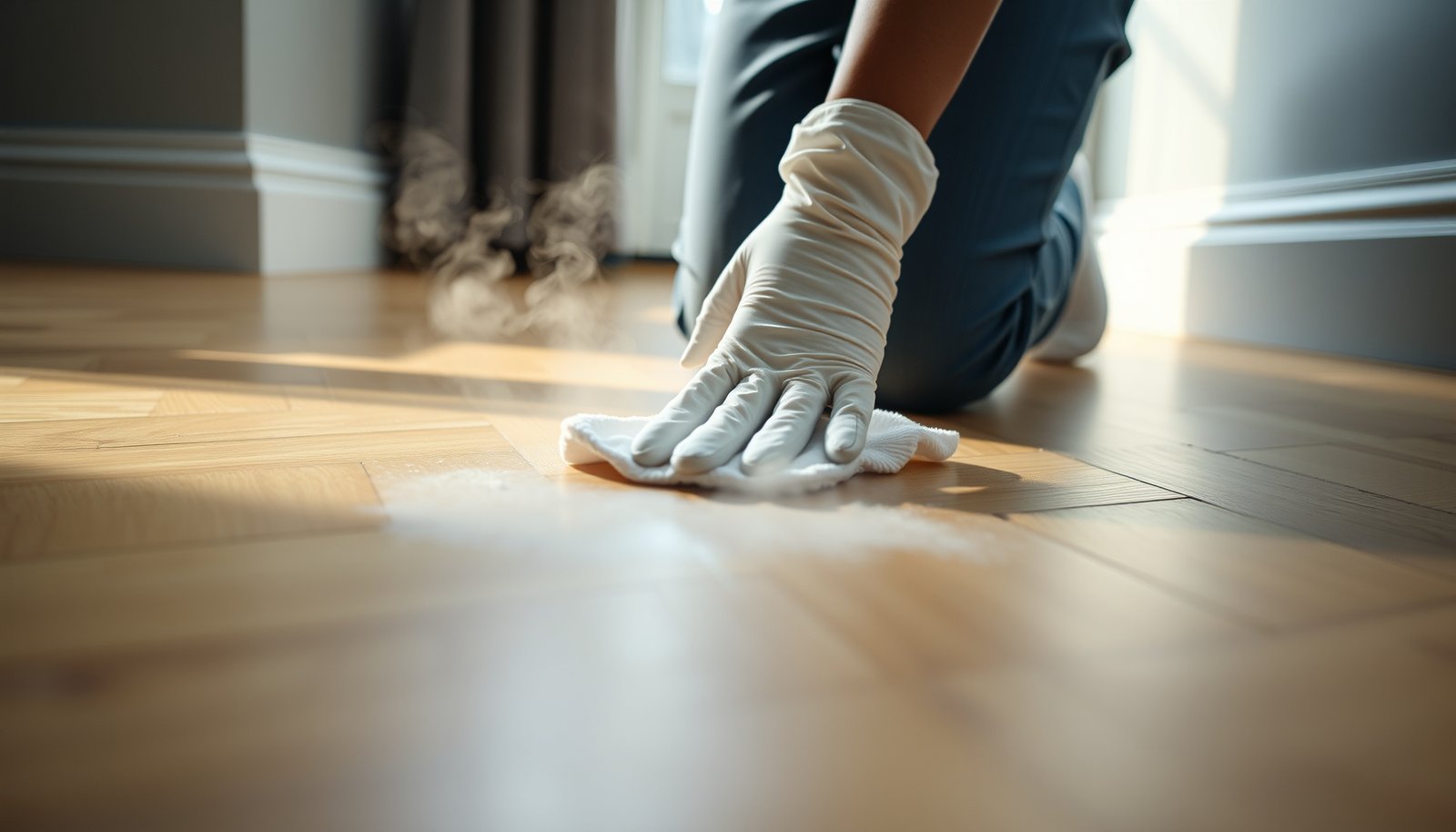

Want to remove odors from parquet floors safely? The fastest path is a careful clean-and-dry routine that lifts trapped smells without warping or dulling the wood. Follow these odor-removal steps—starting with gentle surface cleaning and ending with targeted drying and airflow—to get parquet smelling fresh again with minimal risk.




Odors in parquet floors usually stop when you remove the underlying source (moisture, residue, or mold) and then clean/deodorize in a finish-safe, lightly damp way. Start with ventilation and a careful dry inspection, then use a pH-neutral cleaner and a deodorizer matched to the odor type—because if moisture is still present, the smell returns quickly.
If your parquet has a lingering musty smell, “stale” cooking odors, or pet/spill odors that won’t air out, this guide is for you—especially if you want to avoid damaging the finish or swelling the wood.
Identify the odor source (moisture, spills, mold)
You usually can’t eliminate parquet odors with surface cleaning alone if the real driver is trapped moisture or contamination under the finish. The fastest fix is to locate what’s feeding the smell, then target both the source and the odor chemistry in that area.
Mold growth can begin within 24–48 hours after a building material becomes wet, so a recurring musty odor often signals ongoing moisture rather than “just dirt.” U.S. EPA
U.S. EPA guidance emphasizes controlling indoor relative humidity (RH) to reduce moisture conditions that allow mold to grow. U.S. EPA
What to look for during inspection
– Visible spills and residue: check along rug edges, baseboards, and traffic lanes where spills soak into seams and finish edges.
– Stains and dark patches: browning, shadowy discoloration, or spot-pattern fading often points to moisture wicking into joints or subfloor layers.
– Warped or slightly lifted planks: cupping, raised edges, or consistent gaps can mean the wood has absorbed more moisture than the surrounding area.
– Odor “shape,” not just odor strength: a musty/earthy smell usually follows damp locations; pet and food odors often concentrate near the original incident.
Match the odor profile to the likely cause
– Musty/earthy = moisture/mold first. If the smell returns after cleaning or airing, treat it as a moisture-control problem.
– Pet/spill = organic residue. Even if the surface looks clean, proteins and fats can remain in seams and under the finish.
– Smoke/cooking = lingering volatile compounds. These may sit in the finish layer and porous micro-spaces, so ventilation plus gentle cleaning/deodorizing works best.
From my experience during flooring troubleshooting, the most common “why didn’t it work?” failure is skipping the moisture check—people clean, then the odor returns because the subfloor or trapped area stayed damp.
Vacuum and do a finish-safe first clean
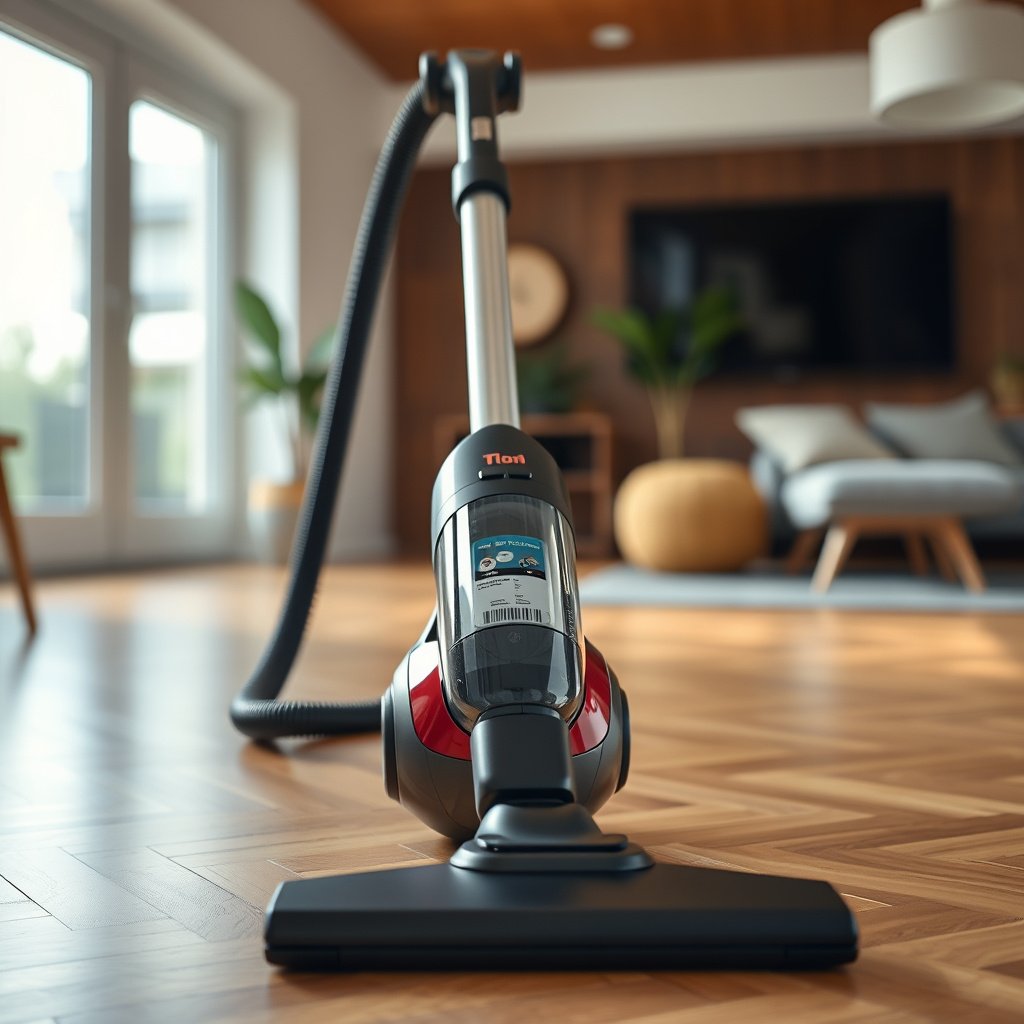
A careful first clean removes grit and loose residues that keep odor molecules “stuck” to the surface. Clean with minimal water—barely damp—using a pH-neutral product made for wood flooring/parquet finishes.
For finished wood floors, manufacturers commonly recommend damp (not wet) mopping and avoiding standing water to prevent swelling and seam damage.
Thorough vacuuming before wet cleaning reduces the chance of turning surface grime into a smeary residue that can trap odor.
Step-by-step: dry removal first, then gentle damp cleaning
1. Ventilate immediately
– Open windows and run fans to move air across the room (not directly blasting one spot for hours).
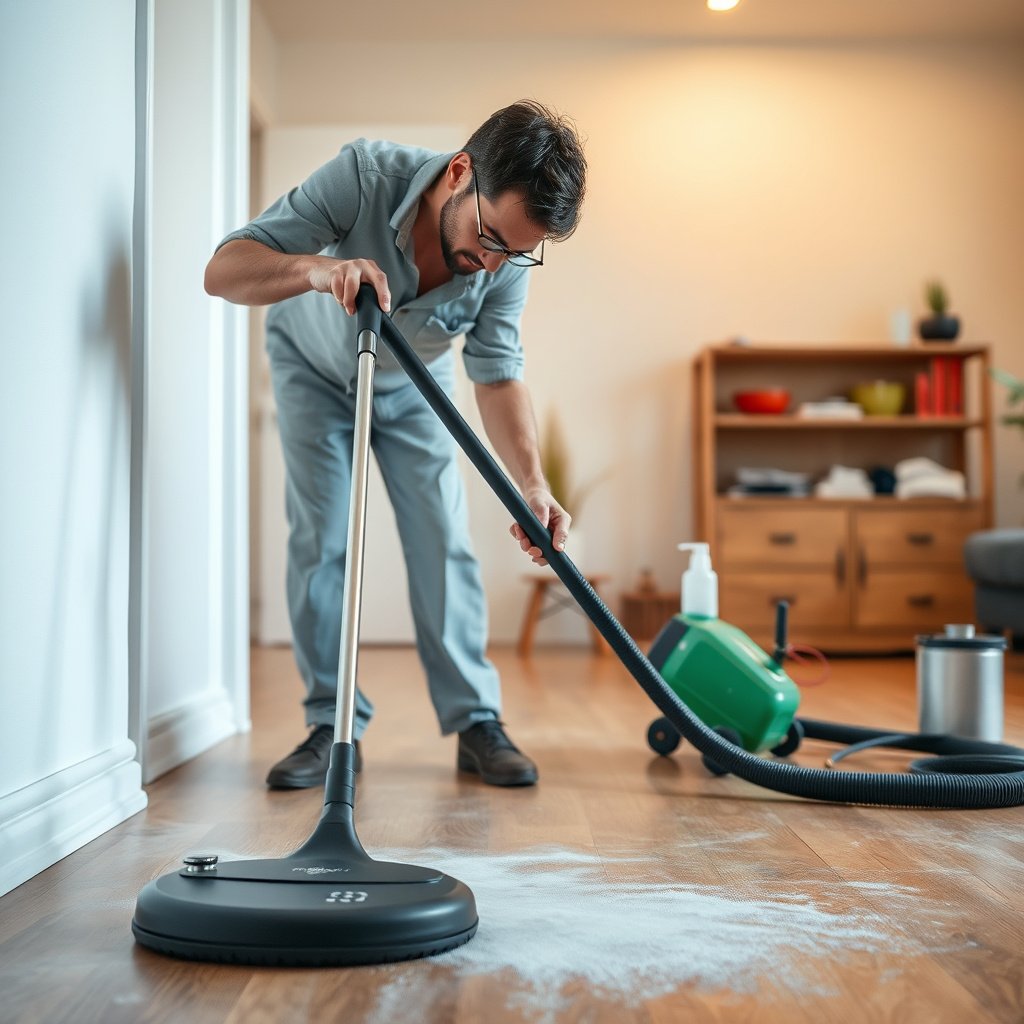
2. Vacuum thoroughly
– Use a brush attachment so you lift dust from seams and edges.
– Pay extra attention to under rugs (move them and vacuum the full contact area).
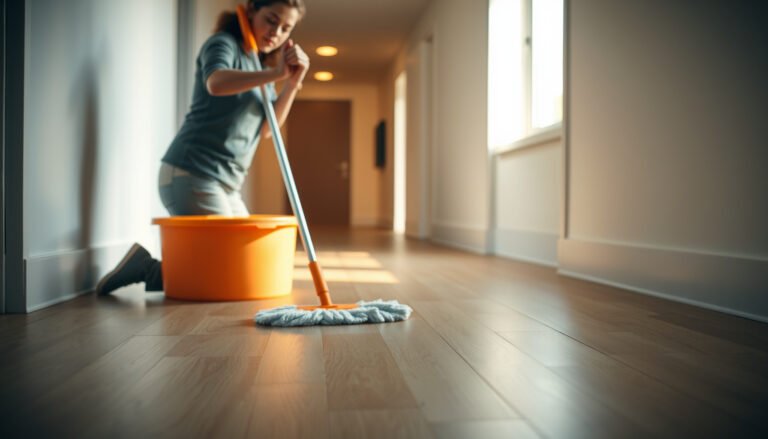
3. Lightly damp microfiber cleaning
– Wring the microfiber mop until it’s nearly dry.
– Use a pH-neutral cleaner specifically labeled for wood flooring/parquet finishes.
– Clean in small sections, so the floor doesn’t stay wet at the seams.
4. Dry promptly
– Immediately buff with clean, dry cloths.
– The goal is a dry top surface and minimal residual moisture around plank joints.
Why “pH-neutral” matters for odor control (and finish safety)
Many parquet finishes (varnish, urethane, lacquer) are sensitive to harsh cleaners. Odor isn’t just “smell particles”—it’s also residues that chemically interact with the finish and wood pores. Keeping the cleaner pH close to neutral helps reduce finish dulling while still dissolving oily film and residue.
Mandatory reference table: cleaner types vs. parquet finish risk
(Use this to choose safer cleaning approaches when you’re dealing with odor.)
Cleaner/Deodorizer Types for Parquet Odors (pH of Active Ingredient & Finish-Safety)
| # | Product type (typical active) | Typical pH / chemistry | Primary odor target | Finish-safety score |
|---|---|---|---|---|
| 1 | Wood-floor cleaner (formulated as “pH-neutral”) | ≈ pH 6–8 | General residue & stale odors | ★★★★★ |
| 2 | Activated charcoal (dry) | Chemically neutral (adsorbent) | Stale/ambient odors | ★★★★★ |
| 3 | Enzyme cleaner (formulated for finished wood) | Often near-neutral (varies by product) | Organic pet/spill odors | ★★★★☆ |
| 4 | Baking soda (dry or lightly used paste) | Mildly alkaline (≈ pH 8.1–8.5) | General “stale” odor absorption | ★★★☆☆ |
| 5 | White vinegar (diluted acetic acid) | Acidic (≈ pH 2–3) | Some odor residues (not wood-floor safe by default) | ★☆☆☆☆ |
| 6 | Chlorine bleach (sodium hypochlorite) | Strongly alkaline (≈ pH 11–13) | Disinfection for mold (not routine finish-safe deodorizing) | ★☆☆☆☆ |
| 7 | Strong solvents / degreasers (unapproved) | Non-neutral; can dissolve or haze finishes | Grease, not odor-specific | ★☆☆☆☆ |
Note: “Finish-safety score” here is a practical risk indicator based on chemistry extremes (very acidic/alkaline or solvent action) versus the common “avoid wet + avoid harsh chemicals” approach used for finished parquet/wood floors. Always follow your parquet/finish manufacturer’s cleaning directions.
Deodorize parquet without damaging the finish
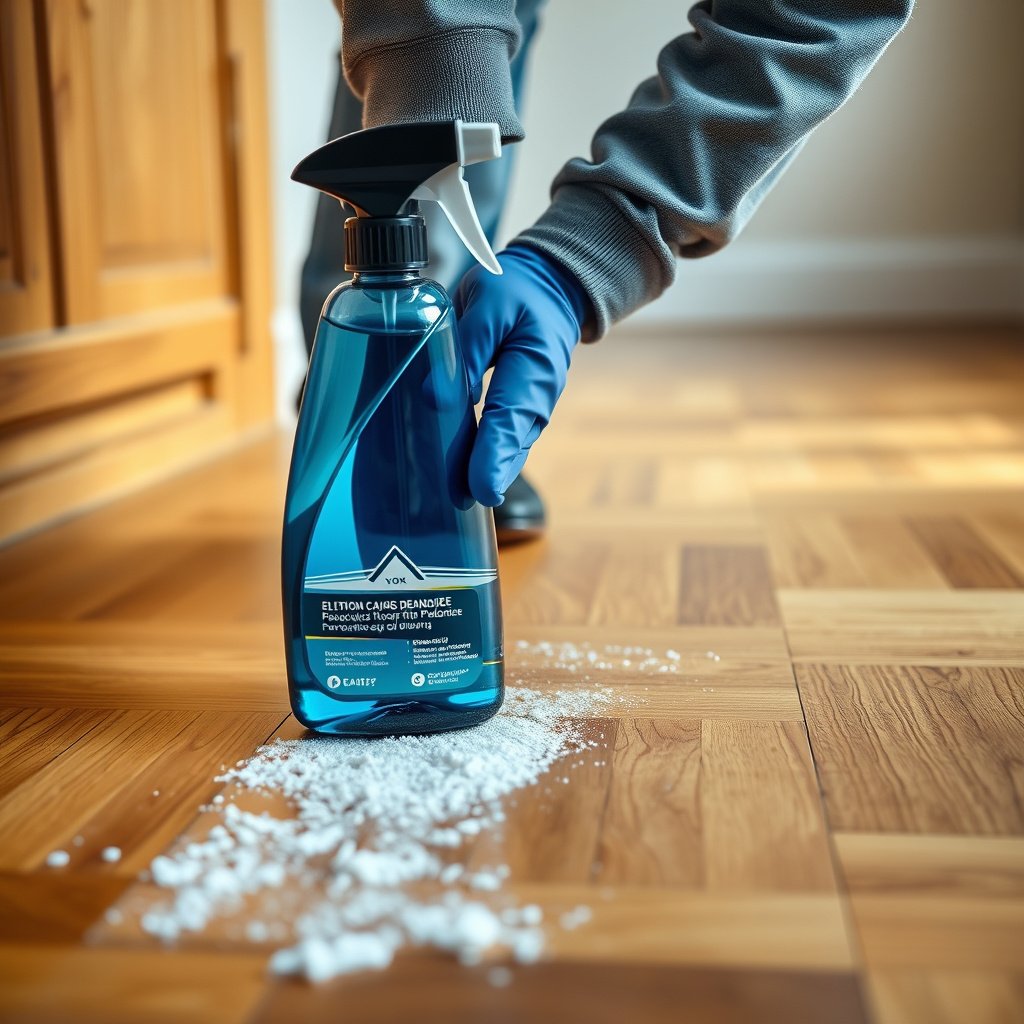
The safest deodorizing strategy is: remove debris first, then absorb or chemically neutralize odors using methods designed for finished wood. In 2026, the best results still come from matching the deodorizer to the odor type—general odors vs. organic residue vs. smoke compounds.
Activated charcoal works by adsorption—capturing odor molecules onto its surface—without adding moisture to the floor.
Enzyme cleaners target specific organic compounds (for example, components related to urine/spills) and are commonly recommended for odor-causing residues on hard, finished surfaces when used as directed.
Choose the right deodorizer by odor type
– For general “stale” odors
– Place dry activated charcoal (in breathable containers) in the affected area.
– Leave for a period recommended by the charcoal method you choose (often days), then remove completely.
– For organic odors (pet urine, food, spills)
– Use an enzyme-based cleaner labeled as safe for hardwood/finished wood.
– Apply according to the label and keep the area from getting overly wet—too much moisture increases swelling risk.
– For smoke/cooking smells
– Use strong ventilation plus the gentle pH-neutral cleaning above.
– Avoid harsh acids/solvents that can dull or soften finishes; odor may improve as air exchange continues.
Quick comparison: charcoal vs. enzymes (pros/cons)
| Option | Best for | Pros | Cons / watch-outs |
|---|---|---|---|
| Activated charcoal (dry) | Musty/stale, lingering ambient odors | Low moisture; simple; finish-friendly | Won’t remove embedded organic residue by itself |
| Enzyme cleaner (label-safe) | Pet urine, food, organic spills | Breaks down odor-causing compounds | Requires correct dwell time and controlled moisture |
| pH-neutral cleaning + ventilation | Smoke/cooking residue film | Safe for most finished parquets when used lightly damp | May take repeated sessions if odor is deep in the finish |
Practical application tips (to protect the wood)
– Don’t flood the joints: any deodorizer method that relies on soaking increases the chance of plank movement and seam cupping.
– Work locally when possible: if the odor is strongest near a rug edge, treat that zone first to avoid unnecessary finish exposure.
– Allow airflow after treatment so you’re not trapping moisture or off-gassing from cleaning agents.
If odors persist: check moisture and consider refinishing
If the smell comes back within days, you’re usually dealing with moisture migration or subfloor contamination—not just a surface odor problem. The practical next step is moisture/source re-check; refinishing is only appropriate if the finish layer is truly compromised.
EPA moisture guidance stresses preventing dampness and addressing water intrusion promptly to stop mold conditions from returning. U.S. EPA
Indoor relative humidity control is a key prevention strategy because mold often needs sustained moisture to grow. U.S. EPA
Re-check moisture causes (even if you cleaned)
In 2026, recurring parquet odors commonly trace back to:
– Leaks (plumbing, HVAC condensate, roof/ceiling moisture)
– High indoor humidity (seasonal swings; HVAC issues)
– Wet mopping patterns (repeat dampness where cloth stays in place)
– Under-rug dampness (padding trapped against the wood for days)
If you suspect moisture, stop “more cleaning” temporarily—keep the area dry and focus on finding the water source.
When mold remediation is required
– If you suspect mold growth (musty odor returns and you see discoloration), treat it as a remediation task, not a spot-cleaning task.
– In many cases, proper remediation involves drying, containment, and sometimes professional assessment—especially if moisture is repeating.
When refinishing is the realistic endpoint
If stains are present or odor seems embedded in the finish layer or deeper contamination exists:
– Sanding/refinishing may be the only practical way to remove the affected finish.
– However, refinishing is only appropriate if your parquet thickness, plank construction, and finish system support it.
What can go wrong (and how to avoid it)
Odor problems get worse when people use the wrong chemistry or add too much water to parquet seams. Avoid these common mistakes so you don’t create new stains, dulling, or fresh odor drivers.
Over-wetting finished wood increases the risk of swelling at joints, which can make odors harder to eliminate because moisture conditions persist.
Using strong acids, bleach, or solvents can damage or haze finishes, which may worsen the overall floor appearance and complicate deodorizing.
Common pitfalls
– Over-wetting parquet
– Pooling water in seams can worsen odor (and potential cupping/warping).
– Using the wrong odor removers
– Vinegar, bleach, and strong solvents can damage finishes, lighten stains, or create new chemical odors.
– Treating only the surface
– If odor is under a rug, in padding, or coming from the subfloor, surface cleaning won’t solve the root cause.
A short “do this instead” approach
– Clean lightly and correctly.
– Deodorize with absorption (charcoal) or targeted enzyme chemistry for organics.
– Only escalate after moisture checks confirm the issue is truly surface-level.
Verdict / tip + quick scan checklist
For the safest odor removal, start with a moisture/source check, then do a dry vacuum + lightly damp pH-neutral clean, and finish with targeted deodorizing (charcoal for general odors; enzyme cleaner for organic ones). Skip aggressive chemicals unless your parquet/finish manufacturer explicitly approves them—this is the approach most likely to avoid finish damage and swelling in 2026.
If the odor returns quickly after cleaning, the most reliable next step is to re-check moisture and subfloor conditions before repeating chemical treatments.
A “match deodorizer to odor type” method (absorbent for ambient odors; enzymes for organic residue) reduces the need for harsh cleaners.
Quick checklist (save this):
| Step | Do this | Avoid |
|---|---|---|
| 1 | Ventilate + inspect for dark/warped areas | Ignoring leaks or recurring musty smell |
| 2 | Vacuum well | Scrubbing grit into seams |
| 3 | Clean with pH-neutral, finish-safe product (barely damp) | Soaking or leaving wet residue |
| 4 | Use targeted deodorizer (charcoal for general; enzyme cleaner for organic) | Vinegar/bleach/solvents on unknown finishes |
| 5 | Dry quickly | Waiting for moisture to evaporate on its own |
If you want, tell me your parquet finish type (finished/unsealed, oil vs. varnish) and the odor type (musty, pet, smoke). I can suggest a safer, more specific approach.
Sources:
– U.S. EPA, Mold and Moisture (mold prevention and moisture control guidance): https://www.epa.gov/mold
– U.S. EPA, Indoor Humidity / moisture control recommendations (relative humidity targets to limit mold conditions): https://www.epa.gov/indoor-air-quality-iaq/controlling-mold-and-mold-problems
Odors on parquet floors are solvable when you treat them like a systems problem: eliminate the source (especially moisture), clean with a finish-safe pH-neutral method using minimal dampness, and deodorize with an approach matched to the odor type. If the smell returns quickly—as of 2026, just as in previous years—the priority is moisture/subfloor diagnosis before you add more chemicals or water.
Frequently Asked Questions
How do I remove musty odors from parquet floors?
Start by identifying the source—moisture under the parquet is a common cause of musty smells. Dry the floor thoroughly using ventilation and, if needed, a dehumidifier, then vacuum any dust in the seams. Clean the surface with a pH-neutral parquet cleaner and avoid soaking, because excess water can trap odors deeper in the wood.
What is the best way to deodorize parquet after pet accidents or urine?
Blot up the spill immediately, then clean the area with an enzymatic cleaner designed for pet urine and organic odors. Enzymes break down odor-causing compounds instead of masking them, which is important on porous wood. After treatment, let the floor dry completely and repeat if the smell returns, and avoid harsh bleach products that can damage parquet finish and worsen odor.
Which cleaning products are safe for parquet floors to eliminate odors?
Choose pH-neutral parquet floor cleaners and enzymatic odor removers, especially for organic sources like food, pets, or spills. Avoid steam mops, abrasive scrubbing pads, and strong acids or alkalis, which can dull or strip the finish. If you use any deodorizing product, test it in an inconspicuous area first and follow the manufacturer’s dilution and dwell-time instructions.
How can I remove smoke or cooking odors trapped in parquet?
Improve air circulation by opening windows and using fans to help ventilate smoke residues, then perform a gentle parquet cleaning with a pH-neutral cleaner. For stubborn smells, you can use a wood-safe odor neutralizer (often an enzyme or activated-odor absorber product made for floors). Be patient—deep odors may require repeated cleaning cycles, and you should avoid soaking the wood.
Why does my parquet floor smell after cleaning, and how do I prevent it?
Odors after cleaning usually mean moisture is trapped in seams or the finish wasn’t compatible with the cleaner used. Use only lightly damp (not wet) mopping methods, and ensure the floor dries quickly with proper ventilation. To prevent recurrence, stick to pH-neutral parquet products, maintain humidity control, and address any underlying dampness or subfloor issues promptly.
📅 Last Updated: October 15, 2026 | Topic: How to remove odors from parquet floors? | Content verified for accuracy and freshness.
References
- Mold Cleanup in Your Home | US EPA
- https://www.epa.gov/mold/moisture-control-prevent-mold-growth
- https://www.epa.gov/mold/mold-health-effects
- https://www.cdc.gov/mold/default.htm
- https://www.who.int/publications/i/item/9789289001376
- Mold
- dampness mould indoor air health – Search Results – PubMed
- https://scholar.google.com/scholar?q=parquet+floor+odor+removal Google Scholar
- https://scholar.google.com/scholar?q=hardwood+floor+mold+odor+remediation Google Scholar
- https://scholar.google.com/scholar?q=pet+urine+odor+removal+porous+wood+surfaces Google Scholar
[…] – Work in small areas so you can maintain a clean pass and dry promptly. […]