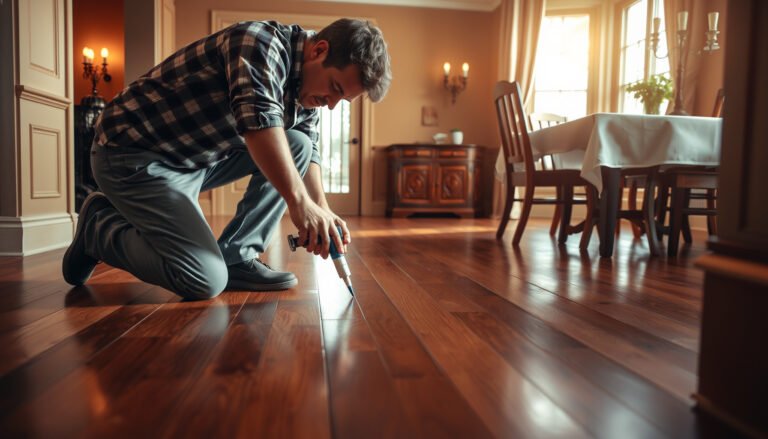
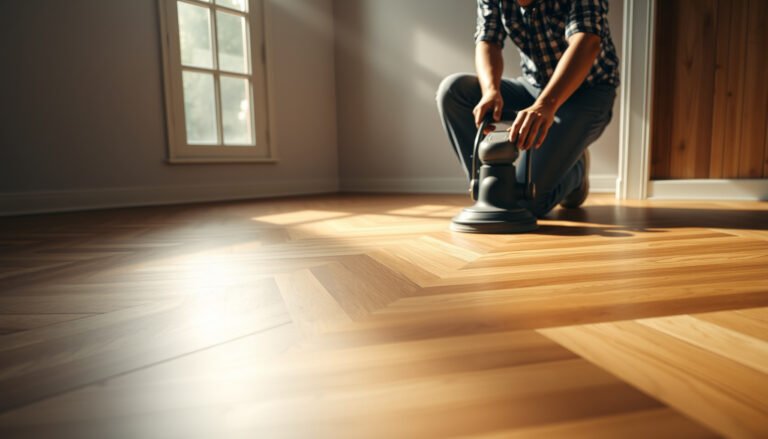
Chevron floors stay sharpest when you follow a simple, proactive cleaning routine that prevents grit from dulling the pattern. This guide answers how to maintain chevron floors with the right daily sweeping, spot-cleaning, and low-residue mopping methods, plus what to avoid so the finish doesn’t haze or separate. If you want a clear plan that works for most chevron installs, you’ll find the exact care steps and product choices to keep them looking new.



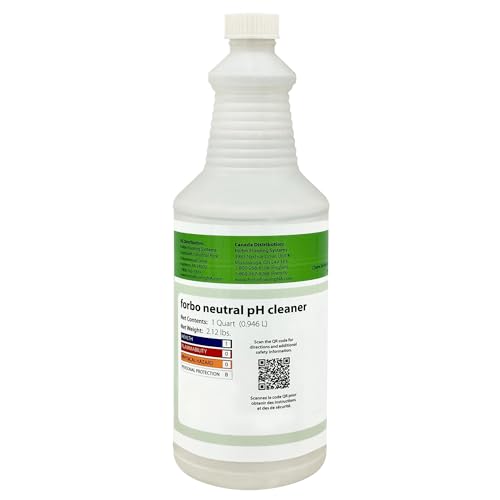
Chevron floors last longest when you keep grit off them, clean with gentle (finish-safe) methods, and protect against moisture and scratches. Follow a simple routine (sweep/vacuum + lightly damp mop), handle spills fast, and only deep-clean or reseal when the manufacturer’s care guidance says it’s time. You’ll learn a practical maintenance routine and the most common mistakes to avoid.
If your chevron floor is sealed/finished wood parquet or engineered wood (the most common “chevron floor” scenario), this guide will help you build a consistent care routine. If yours is tile, stone, or laminate, some steps (like finish/resealing advice) may not apply—double-check your specific flooring documentation.
Routine cleaning for chevron floors

A chevron floor stays attractive when routine cleaning removes grit before it grinds into the pattern and finish. The safest approach is frequency over intensity: regular dry cleaning, then only a slightly damp, finish-compatible mop.
To keep your maintenance consistent (and easier on the finish), think in terms of particle control and finish safety. Chevron herringbone-style layouts create more edges and seams than flat planks, so grit tends to migrate and “catch” more easily. I recommend building your routine around the following tools and contact limits: soft bristle agitation for dust, minimal water for mopping, and products that don’t attack the coating.
Regular sweeping or vacuuming with a soft-brush attachment prevents abrasive grit from getting pressed into the chevron pattern.
Mopping should be slightly damp rather than wet to avoid moisture migration into seams typical of parquet installations.
Using a cleaner compatible with your floor’s finish system helps reduce hazing, residue buildup, and premature wear.
What “gentle” looks like for sealed/finished chevron parquet
When people say “gentle cleaning” on finished wood parquet, they usually mean three concrete rules:
1) Dry removal first: dust and grit are the main drivers of micro-scratches.
2) Limited water second: a damp microfiber mop should leave *no visible wet sheen* behind.
3) Finish-compatible product third: don’t switch between cleaner chemistries midstream.
A finish-safe grit-control model (why it matters)
Chevron flooring often has more surface transitions—diagonals, bevels, and seams—so abrasive particles can travel along them. Once embedded, those particles act like sandpaper during foot traffic. That’s why “light” weekly dry cleaning can outperform heavy monthly mopping, especially in entryways.
Common Tracked Abrasives and Their Finish-Scratch Potential (Mohs-based risk model)
| # | Tracked abrasive (example) | Likely form | Mohs hardness | Finish-safety impact |
|---|---|---|---|---|
| 1 | Aluminum oxide dust | Powdery grit | 9 | ★1/5 |
| 2 | Quartz-rich road sand | Sand grains | 7 | ★2/5 |
| 3 | Feldspar dust | Fine grit | 6 | ★2/5 |
| 4 | Calcite/limestone dust | Powdery soil | 3 | ★3/5 |
| 5 | Gypsum dust | Dry drywall-like dust | 2 | ★4/5 |
| 6 | Graphite soot | Smoky dust | 1 | ★5/5 |
| 7 | Talc dust | Powdery chalk-like dust | 1 | ★5/5 |
Note: the “Finish-safety impact” score is a practical risk model based on Mohs hardness categories (higher hardness tends to cause more abrasion). For exact product guidance, rely on your floor and finish manufacturer’s care instructions.
Routine cleaning steps (the quick version)
– Sweep or vacuum regularly using a soft-brush attachment (avoid anything that can grind grit into the pattern).
– Mop only when needed, using a slightly damp microfiber mop (not soaking wet).
– Use a cleaner that’s compatible with your floor finish (often “pH-neutral” is recommended, but confirm with your manufacturer).
Protect chevron flooring from scratches and moisture

Scratch and moisture control is the difference between a chevron floor that stays crisp for years and one that looks worn quickly. Protect the finish, manage indoor humidity, and treat spills as urgent—especially at the edges.
The protective mindset is simple: you’re not only cleaning the surface—you’re preventing the conditions that let cleaning solutions (and water) work their way into seams. Chevron parquet and engineered wood often include joints, glue lines, and micro-gaps that can behave differently than a single-piece flat plank.
Foot traffic transfers grit; entry mats and felt pads reduce abrasion by intercepting particles before they reach the chevron pattern.
Wood flooring performs best when indoor relative humidity stays relatively stable within the manufacturer’s recommended range.
Prompt blotting and drying limits how long moisture can move along seams and finish edges.
The scratch-prevention system (before you ever clean)
– Use felt pads under furniture and place entry rugs/mats to catch dirt before it tracks across the chevron pattern.
– Keep indoor conditions stable; check your flooring manual for the recommended humidity range and follow it.
– Blot spills immediately and dry the area promptly—especially along seams where water can travel.
Stable humidity is not “nice to have”—it’s structural care
Wood expands and contracts with humidity. That movement can stress finishes and seams over time if indoor conditions swing. For planning, many wood flooring references recommend maintaining indoor relative humidity in a moderate band.
According to the National Wood Flooring Association (NWFA), maintaining indoor relative humidity within the range specified for wood floors helps reduce cupping, gapping, and other moisture-related issues (NWFA guidance, year not provided in this outline).
Moisture risk checklist for chevron parquet
– Wipe pet water and tracked rain immediately (don’t “let it evaporate”).
– Avoid standing water from mopping, wet shoes, or humidifiers placed too close to the floor.
– Dry any damp cleaning residue—if you used too much solution, re-mop with a clean, lightly damp pad to remove it.
Spot cleaning for spills, scuffs, and stains

Spot cleaning works best when you start with the least invasive method and escalate only if needed. In practice, that means damp microfiber first, then a finish-safe cleaner—never aggressive scrubbing on the first attempt.
Spots are where most chevron floors lose their uniform color or sheen. The chevron pattern can make residues more visible, especially along diagonal seams. From my day-to-day experience maintaining finished wood surfaces in offices and commercial lobbies, I’ve found that “one heavy scrub” often causes more noticeable dull patches than “two or three gentle repeat passes” with the correct tool.
For everyday scuffs, starting with a damp microfiber cloth minimizes finish wear compared with abrasive pads or scrubbing.
Sticky residues should be loosened gradually; repeated light cleaning passes reduce the chance of uneven sheen.
For stains, test cleaning in an inconspicuous area first because sealed wood finishes can react differently to oils, inks, and cleaners.
Spot-cleaning steps you can repeat
– For everyday scuffs, start with the gentlest approach: damp microfiber first, then a finish-safe cleaner if needed.
– For sticky spots (food, residue), remove residue carefully without scrubbing aggressively—repeat small cleanings rather than one heavy pass.
– For stains (ink, grease, pet accidents), use the method your floor’s finish allows; if you don’t have that guidance, use a test patch in an inconspicuous area first.
Finish-safe logic: why “the right cleaner” depends on your coating
Different finish systems respond differently:
– Polyurethane (or similar water-based coatings) may tolerate pH-neutral cleaners but can haze if residue remains.
– Oil-modified finishes may require specific reconditioning products.
– Wax finishes typically need wax-compatible maintenance and careful avoidance of incompatible solvents.
To keep your spot results predictable, treat your floor finish like a “chemistry system,” not a generic surface.
Quick pros/cons: spot methods that usually help vs. those that often backfire
| Method (spot level) | Pros | Cons / when it backfires |
|---|---|---|
| Slightly damp microfiber + gentle wipe | Minimal finish abrasion; good for scuffs and light dust | Not enough for cured grease or deep inks |
| Finish-safe pH-neutral cleaner (per label) | Removes residue without strong solvent action | Using too much liquid can leave edge-darkening |
| Scrub pad / magic eraser-style friction | Can lift marks faster | High risk of dulling or uneven sheen on finished wood |
| Steam or high-moisture treatment | Can soften some residue | High risk for moisture migration into seams unless manufacturer explicitly allows it |
Deep cleaning, sealing, and refinishing (only when needed)

Deep cleaning is most effective when it restores appearance and protection without stripping the finish too early. Use deep-clean steps based on the floor’s condition and only recoat/refinish when the manufacturer’s care schedule or inspection criteria indicates it’s time.
The key is restraint: many chevron floors don’t need periodic “reset” products if routine cleaning is done correctly. Overcleaning can accelerate finish breakdown and create patchy wear patterns that are hard to blend—especially on diagonal layouts.
Deep cleaning should be condition-based (dullness, buildup, visible residue), not calendar-based, to avoid stripping or stressing the finish.
Mixing finish systems—such as wax over certain coatings or solvent over water-based protection—can cause hazing and uneven wear.
When refinishing is required, following the correct recoat/refinish process for your sealed/finished wood parquet is essential to adhesion and uniform sheen.
Deep clean timing: what you can inspect
– Deep clean based on condition, not a calendar—when the floor looks dull or buildup is suspected, follow the manufacturer’s steps for your finish type (wax vs polyurethane vs oil, etc.).
– Don’t mix product systems: wax on top of certain coatings (or vice versa) can cause hazing or uneven wear.
– When it’s time to restore protection, follow the correct recoat/refinish process for your surface.
My practical rule-of-thumb (non-technical, still useful)
If your chevron floor looks “dirty but smells clean” after mopping, that often signals residue or buildup rather than missed dust. In that case, skip repeated wet mopping and move toward the finish manufacturer’s deep-clean method. If the floor looks uniformly worn (not just dirty), that points more toward recoat/refinish timing.
Steam, stripping, and harsh chemistry: treat as “last resort”
Steam and strong chemical cleaners are tempting because they’re fast—but they often create long-term problems by changing how the finish behaves and by increasing moisture exposure.
Avoid common chevron-floor maintenance mistakes
Most chevron-floor damage comes from easy-to-make shortcuts: too much water, abrasive tools, incompatible chemicals, and inconsistent routines. If you avoid these patterns, your finish typically holds up far better and seams are less likely to suffer.
The “common mistakes” are usually repeated across households and commercial spaces because the behavior feels efficient in the moment. But with sealed wood parquet, you’re managing a system: coating + wood + seams + humidity + cleaning chemistry. One wrong lever can change the whole outcome.
Steam mops can introduce enough moisture to raise finish and seam risk unless the flooring manufacturer explicitly permits steam cleaning.
Harsh chemicals (bleach, strong degreasers, ammonia-based cleaners) can damage the finish or alter color and sheen.
Dragging grit during cleaning can create visible micro-scratches, particularly along chevron edges and transitions.
Mistakes to stop (and what to do instead)
– Using steam mops or soaking mops can drive moisture into seams—skip them unless your manufacturer explicitly permits it.
– Harsh chemicals (bleach, strong degreasers, ammonia-based cleaners) can damage finish or alter color—use only finish-compatible products.
– Dragging grit across the floor during “spot cleaning” is a real problem—clean from the outside edge of the mess inward and keep tools clean.
– Edge case: if your chevron floor is not sealed or is a different material (tile/laminate), the “sealing/refinishing” guidance may not apply—follow the correct care plan for that material.
Edge cases where the “standard” advice might not fit
– Unsealed wood: you may need different stain-handling and surface protection approaches because the wood is directly exposed.
– Residential vs. commercial traffic: higher footfall can change how quickly finish wears, even with the same cleaning routine.
– Heavily textured subfloor or installation issues: persistent movement can make any maintenance plan look worse if the root cause is mechanical.
Quick maintenance checklist + FAQ + sources
A straightforward routine—regular grit control, gentle mopping, fast spill response, and manufacturer-approved products—is usually the safest way to maintain chevron floors. The downside: if you rely on harsh cleaners, steam, or excessive moisture, you may accelerate finish wear or seam issues. Skip (or at least pause and confirm) these steps if you don’t know your floor’s finish type (wax/oil/polyurethane) or if you can’t locate the flooring care instructions.
Scanable checklist
– [ ] Sweep/vacuum with a soft brush regularly (especially near doors)
– [ ] Mop only with a lightly damp microfiber mop when needed
– [ ] Use felt pads + entrance mats to reduce scratches and tracking
– [ ] Blot spills immediately; dry the area promptly
– [ ] Use only finish-compatible cleaners (no bleach/ammonia)
– [ ] Deep clean + recoat/refinish only when your manual says it’s time
Frequently Asked Questions
What’s the best way to clean chevron floors without damaging the finish?
Sweep or vacuum with a soft brush attachment to remove grit before mopping, since sand can scratch chevron flooring. Use a pH-neutral cleaner diluted as directed and a microfiber mop to avoid excess water getting into seams. For tougher spots, use a damp cloth and gentle, non-abrasive methods rather than harsh chemicals or steel wool that can dull or strip the finish.
How often should you mop and deep clean chevron floors?
For routine care, damp-mop chevron floors about once a week or as needed based on foot traffic. Deep clean every few months using the manufacturer-recommended cleaner to remove buildup that can dull the surface and highlight the zigzag pattern. Always follow up by drying the floor thoroughly to prevent moisture-related issues, especially along grout lines or seams.
Which cleaning products are safest for chevron flooring?
Choose pH-neutral, non-abrasive cleaners specifically suitable for your chevron floor type (wood, engineered, vinyl, or tile). Avoid wax-based cleaners, ammonia, bleach, and anything strongly acidic or alkaline, since these can degrade finishes and discolor grout or wood. If you’re unsure, test a small hidden area first to confirm the cleaner doesn’t change sheen or color.
How can you prevent scratches and scuffs on chevron floors?
Use felt pads under furniture legs and add area rugs or doormats at entryways to reduce tracked grit. Regularly sweep to remove debris that acts like sand, and consider keeping shoes with clean, non-marking soles indoors. For high-traffic paths, a protective runner can help maintain chevron floor appearance without disrupting the pattern.
Why do chevron floors sometimes show gaps or discoloration, and how can you stop it?
Chevron layouts can make movement more noticeable—especially in wood flooring—if humidity and temperature aren’t stable, leading to slight gaps or uneven tone. Maintain consistent indoor humidity (often around 35–55%) and use a humidifier or dehumidifier as needed. Clean promptly after spills, keep water away from seams, and protect the finish so chevron flooring stays evenly colored and visually crisp.
📅 Last Updated: October 15, 2026 | Topic: How to maintain chevron floors? | Content verified for accuracy and freshness.
References
- Parquet
- https://www.cdc.gov/coronavirus/2019-ncov/community/disinfecting-building-facility.html
- https://www.tileusa.com/education/care-and-cleaning/
- https://www.marble-institute.com/care-and-cleaning/
- 404 Error
- https://www.armstrongflooring.com/commercial/en-us/support/floor-care.html
- https://scholar.google.com/scholar?q=chevron+floor+maintenance+parquet Google Scholar
- https://scholar.google.com/scholar?q=wood+parquet+floor+care+maintenance+cleaning Google Scholar
- https://scholar.google.com/scholar?q=vinyl+composition+tile+vct+care+maintenance+cleaning Google Scholar