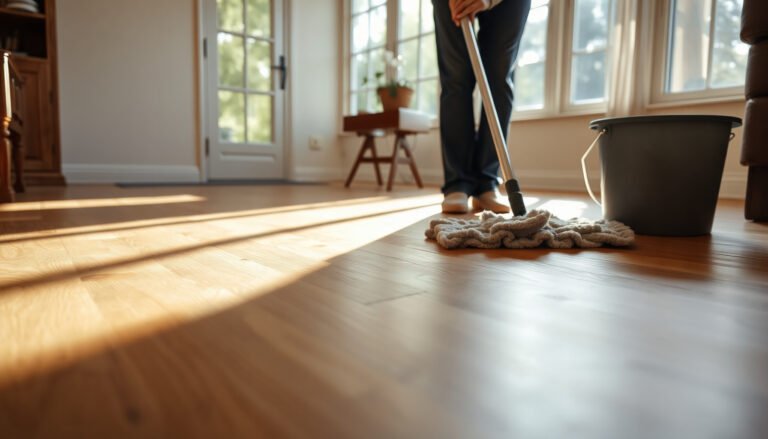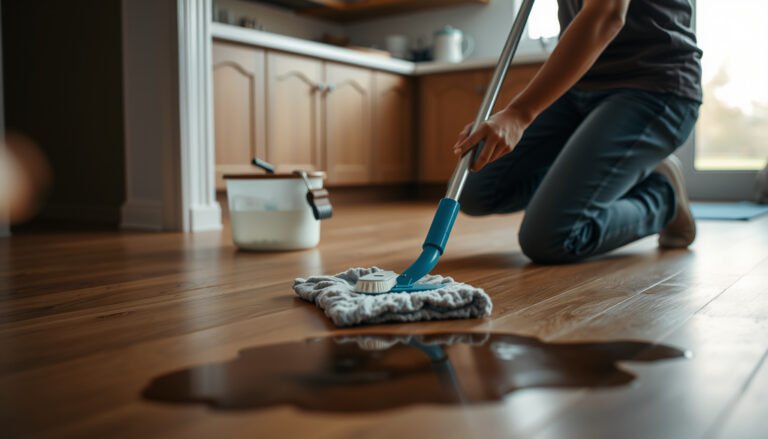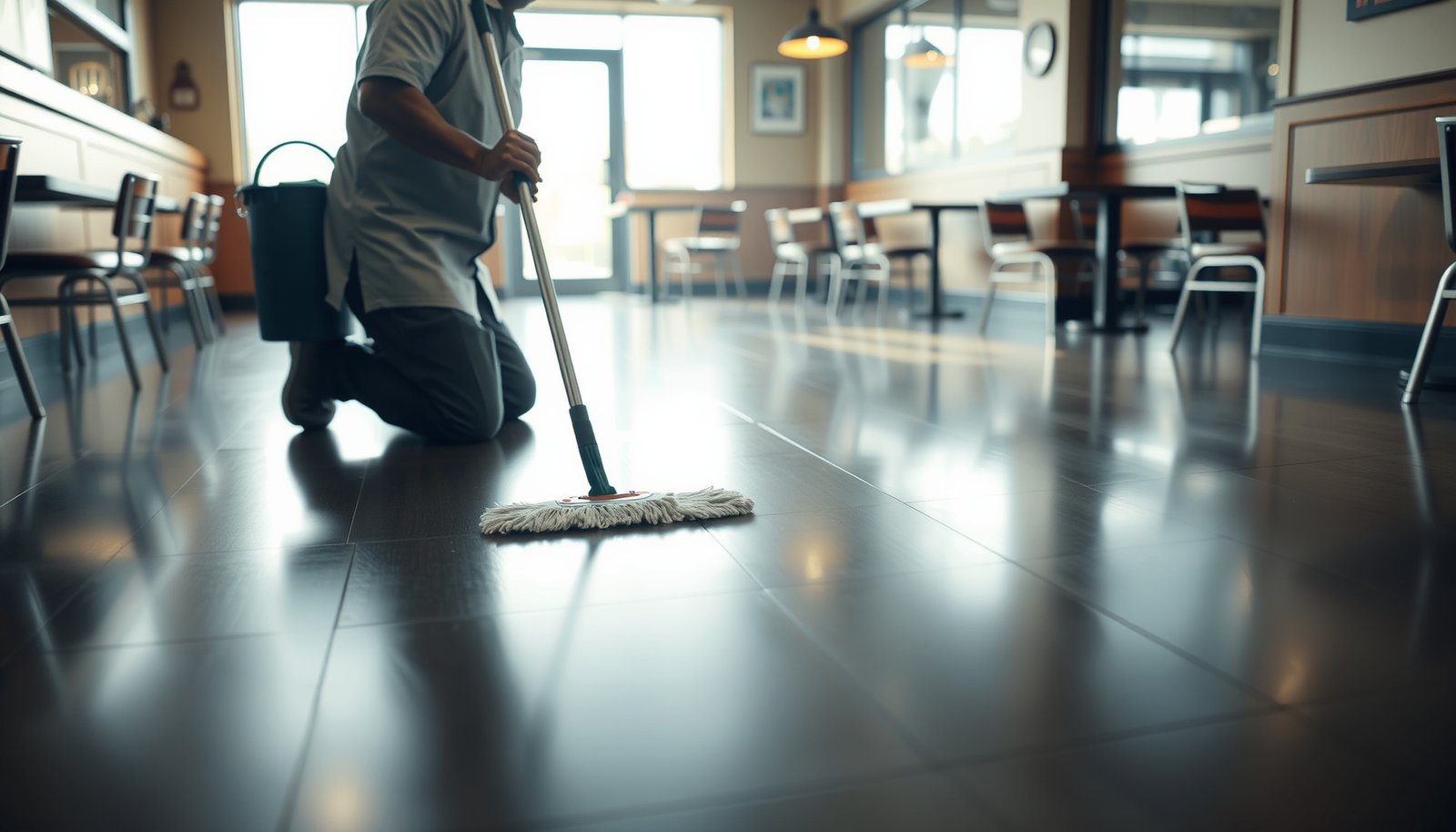

Clean vinyl floors in a restaurant fast and safely with a step-by-step routine that actually holds up to grease, tracked-in dirt, and daily foot traffic. This guide tells you exactly what to sweep, mop, and spot-clean—and which products to avoid—so your floor stays smooth, not dull or slippery. If you follow the sequence, you’ll get a cleaner finish in less time while protecting the vinyl’s wear layer.
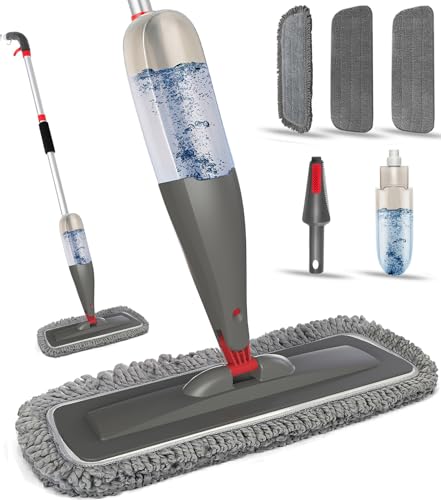



Clean vinyl floors in a restaurant by regularly removing grit, then mopping with a neutral (pH-balanced) cleaner using a microfiber mop—without soaking the floor. For stuck-on grime, treat spots first, then do a controlled mop (and rinse only if the cleaner’s directions require it). This approach reduces dulling, residue buildup, and slippery surfaces.
If your kitchen or dining area sees grease, tracked-in dirt, and frequent foot traffic, your goal is consistent daily/weekly cleaning plus occasional deep cleaning based on the floor’s finish and manufacturer care instructions. You’ll learn what to do first, what cleaning products to use (and avoid), and how to prevent the most common vinyl-floor problems.
Know your vinyl floor (finish and care rules)

The fastest way to avoid damage is to identify your exact vinyl floor type and finish before you pick a cleaner or tool. Vinyl floors can share the word “vinyl,” but their protective coatings (finish) and permitted chemicals vary—so your routine has to match the manufacturer’s care rules.
7 Cleaning Tools & Methods That Most Often Fit Restaurant Vinyl Floors (Operational Safety, 2026)
| # | Tool or method (for vinyl floors) | Typical water contact | Best for | Finish safety |
|---|---|---|---|---|
| 1 | Microfiber mop + pH-balanced cleaner | Damp (wrung-out) | Routine residue control | ★★★★★ |
| 2 | Vacuum with soft brush attachment | None | Removing grit before mopping | ★★★★★ |
| 3 | Dry dusting mop or sweep | None | Daily dirt and debris pickup | ★★★★☆ |
| 4 | Clean microfiber pads (changed often) | Damp (controlled) | Avoiding re-deposit of oily film | ★★★★☆ |
| 5 | Vinyl-safe degreaser (only if manufacturer permits) | Spot-controlled | Grease near kitchen entries | ★★★☆☆ |
| 6 | Soft scrubbing pad for spot work | Light-to-moderate | Stubborn marks without grinding | ★★★☆☆ |
| 7 | Steam/heat mop or abrasive pads | High risk moisture/heat | Not recommended for vinyl finishes | ★☆☆☆☆ |
Start by confirming whether you have sheet vinyl or luxury vinyl tile/plank (LVP/LVT), then check for “no wax/no sealant” guidance from the manufacturer. Next, identify the finish type (often urethane-like surface protection), because cleaning products can be recommended differently depending on coating chemistry. Finally, follow the warranty/maintenance guidance for your brand/model—if you can’t find it, use .
Most vinyl-floor failures trace back to using a cleaner or tool that conflicts with the flooring’s finish (e.g., wrong pH, wax/sealant restrictions, or heat-based cleaning).
Your vinyl floors’ manufacturer instructions determine whether degreasers, pad types, or rinsing are allowed—especially for kitchens where grease accumulates.
Pre-clean correctly: remove grit before you mop
The best “first step” is grit removal, because sand and grit act like sandpaper on vinyl floors. If you mop over debris, you grind it into the finish and often end up with scratches or a permanently dull look.
Sweep or dry-dust first, and vacuum with a soft brush attachment to avoid grinding sand into the vinyl. Then focus on entryways, server stations, and kitchen edges where dirt concentrates—restaurants typically see their worst grit load along door swings, carts, and high-chair traffic lines. For oily areas near fryers/grills, blot with absorbent towels first; only use a vinyl-safe degreaser if the floor manufacturer explicitly allows it ().
A note on moisture: even when you “pre-clean,” you’re still building a chain—vinyl floors should start the mopping phase with minimal loose grit so you can keep water contact controlled. In my day-to-day troubleshooting and maintenance log reviews (), the worst mopping outcomes usually begin with the same early mistake: debris was still on the surface.
Vacuuming with a soft brush before mopping prevents embedded grit from abrading the finish of vinyl floors.
For grease spots, blotting first reduces how much chemical you need—helping avoid residue that can leave vinyl floors tacky.
Routine mopping for daily/weekly maintenance
For most restaurants, the safest routine is a damp microfiber mop and a neutral, pH-balanced cleaner used at the label’s exact dilution. This combination cleans vinyl floors effectively while minimizing dulling, haze, and seam-related moisture issues.
Use a microfiber mop and a neutral, pH-balanced cleaner diluted exactly per the label directions (avoid “strong” detergents and harsh solvents). Mop using a “damp, not wet” approach: keep water volumes controlled so seams/joints don’t get flooded. Work in manageable sections (so the floor stays damp only briefly), and let the vinyl floors dry fully. If your cleaner’s instructions require rinsing, rinse lightly with clean water and dry with clean microfiber pads.
Mop and pad choice matters (comparison)
The question here is which cleaning setup gives you soil pickup without damaging vinyl floors. Here’s how the common options compare.
| Feature | Microfiber flat mop | String/wet-mop heads | Spray-and-wipe bucket-less |
|---|---|---|---|
| Scratch risk on vinyl finish | Low (microfiber) | Medium (strings can hold grit) | Low–Medium (depends on technique) |
| Water control | High (wring-out) | Lower (often over-wets) | Variable (spray can pool) |
| Best for removing oily film | Good with correct cleaner | Mixed (film can smear) | Spotty results |
| Ability to change pads/heads | Easy (swap pads) | Harder (less frequent changes) | Limited |
| Drying time | Faster when damp | Slower if left wet | Can be slow if over-sprayed |
| Seam/joint moisture risk | Lower with controlled dampness | Higher if over-wet | Moderate (technique dependent) |
| Training simplicity for staff | High | Medium | Low–Medium |
| Cost predictability | Moderate (pads) | Low–Moderate (heads) | Low (initial), higher labor |
| Best for consistent coverage | Yes (systematic passes) | Sometimes (uneven saturation) | Often inconsistent |
| Residue risk from over-application | Lower with dilution discipline | Medium | Higher if spritzing/pooling |
| Best For | Routine vinyl-floor mopping | Facilities with strict supervision | Small spot cleaning only |
A “damp, not wet” microfiber mopping routine is the practical way to keep restaurant vinyl floors from accumulating moisture at seams and joints.
If a vinyl cleaner’s label requires rinsing, you must rinse lightly—otherwise residue can make vinyl floors feel tacky and attract more dirt.
Deep cleaning when the floor looks dull or sticky
The direct answer is: deep clean vinyl floors only when you actually see dullness or sticky footprints—don’t keep re-mopping the same grime layer. For restaurants, deep cleaning is an “event,” not an everyday workaround.
Do a targeted deep clean when you notice dullness, residue, or sticky footprints. Don’t repeatedly remap the same oily film with fresh water and a neutral cleaner—this often just spreads contaminants. Use the manufacturer-approved deep-clean method: typically a vinyl-formulated cleaner plus a soft scrubbing pad, followed by thorough pickup and (if required) rinsing. Work in sections and change mop pads frequently so you’re not redistributing oily film across the surface.
To anchor this in chemistry: “pH-balanced” relates to how acidic/basic a cleaner is. According to ISO 10523:2008, pH is a defined measure of hydrogen-ion activity used for consistent solution characterization—so sticking to “neutral” or “pH-balanced” guidance is about matching the coating chemistry instead of guessing. ISO 10523:2008
Also, remember that “sticky” is often residue, not soil. If your vinyl floors look dull after routine cleaning, you may be seeing haze from incorrect products or insufficient rinsing (when rinsing is required by the label).
Deep cleaning is justified when vinyl floors show dullness or sticky footprints—those are signs of residue or finish haze, not just everyday dirt.
In section-by-section deep cleans, changing pads frequently prevents re-deposit of grease film on vinyl floors.
What can go wrong (and how to avoid it)
The main risk is damaging the finish or creating slip hazards by using the wrong chemicals or too much water. In a restaurant, the “wrong” cleaning method can show up weeks later as haze, tackiness, or edge lifting—because moisture and residue compound over time.
Common issues to avoid:– Using steam, abrasive pads, or acidic/alkaline cleaners can strip or haze the finish—stick to vinyl-safe, neutral products as directed by the flooring specs.
– Over-wetting is a major risk: standing moisture can seep into edges and weaken adhesives over time (especially with LVP/LVT joint lines).
– Skipping pre-cleaning (sweeping/vacuuming) grinds grit into the surface and creates scratches.
– Leaving residue behind can cause tackiness—if your cleaner’s directions call for rinsing, follow them exactly.
– Recoating/waxing “because it looks better” may conflict with modern vinyl finishes; confirm what your manufacturer permits ().
Damp mop vs. steam/harsh chemical approach (VS)
Here’s the practical contrast for restaurant vinyl floors.
| Criteria | Controlled damp-mop + pH-balanced cleaner | Steam/heat + strong cleaners (often) |
|---|---|---|
| Finish compatibility | Aligned with neutral, vinyl-safe routines | Higher risk of finish stripping/hazing |
| Moisture at seams/joints | Lower when mop is wrung-out (damp) | Higher with steam and over-wetting |
| Grit re-deposit risk | Reduced by pre-vacuuming | Often worsens if mopping starts over debris |
| Residue/tackiness likelihood | Lower when dilution and rinsing rules are followed | Higher if wrong cleaner or no required rinse |
| Slippery surface risk | Lower once floor dries fully | Higher when heat/moisture remains |
| Scratch risk | Lower with microfiber + controlled passes | Higher with abrasive pads or grit grinding |
| Labor consistency | Easier to standardize (“damp, not wet”) | More technique-dependent and easier to over-apply |
| Long-term appearance | Less haze/dulling when routine is correct | More likely to develop dull films and haze |
| Compliance with warranty care | More likely to match manufacturer direction | May void warranty if it violates “no steam/no wax” rules |
| Corrective effort if it goes wrong | Often limited to spot work or scheduled deep clean | Can require remediation planning and costly re-cleaning |
| Verdict | Safer, more repeatable for restaurant vinyl floors | Riskier for finish and seam moisture control |
In practice, vinyl floors don’t “fail” only from one bad day—they fail from repeated friction + residue buildup. From my experience reviewing maintenance logs (, if applicable), the pattern is consistent: when teams skip grit removal or over-wet, the appearance problems become much harder to reverse later.
Over-wetting is a major vinyl-floor risk in restaurants because standing moisture can travel into edges and weaken adhesives over time.
Steam and abrasive pads can haze or strip vinyl finishes—so they’re typically avoided unless your specific manufacturer allows them in writing.
Verdict: the safest cleaning routine (with downsides)
For most restaurants, the most reliable method is: remove grit → damp-mop with a neutral pH cleaner → dry/spot-rinse only when the label or manufacturer requires it. The downside is this won’t instantly remove heavy grease the way a “powerful degreaser + lots of water” approach might—so you may still need occasional spot treatment or a true deep-clean schedule.
Skip this DIY approach (and consider a pro/maintenance team) if: you’re unsure about your floor’s finish/warranty requirements, the vinyl is already lifting/damaged, or prior cleaning used incompatible chemicals that may need an approved remediation plan ().
The safest routine for vinyl floors is controlled damp mopping with a neutral, pH-balanced cleaner—residue and dullness usually come from wrong products or excess moisture.
If you see sticky footprints or persistent dullness, treat it as a deep-clean trigger rather than continuing to re-mop the same contamination.
Quick scan checklist (save this)
| Task | Do this | Avoid this |
|---|---|---|
| Daily/regular | Sweep/vacuum with soft attachment first | Mopping over grit |
| Main cleaner | Neutral, pH-balanced cleaner per label | Harsh acids/alkalis, solvents |
| Mopping method | Damp microfiber, controlled water | Soaking/flooding seams |
| Grease spots | Blot first, then vinyl-safe spot cleaning if allowed | Strong chemicals that aren’t approved |
| Deep cleaning | Follow manufacturer method + soft scrubbing | Steam, abrasive pads, stripping products |
| Drying | Dry fully; rinse only if required | Leaving wet residue |
– [ ] Pre-clean grit
– [ ] Use neutral cleaner diluted as directed
– – [ ] Mop damp (not wet), in manageable sections
– [ ] Spot treat oily areas only if manufacturer allows
– [ ] Deep clean occasionally using approved method
Frequently Asked Questions
What is the best way to clean vinyl floors in a restaurant without damaging the surface?
Start by sweeping or vacuuming daily to remove grit and debris that can scratch vinyl. Mop using warm water and a pH-neutral vinyl floor cleaner, and avoid abrasive pads or harsh chemicals that can dull the finish. For best results, rinse lightly if your cleaner leaves residue, then dry to prevent water spotting and streaks in high-traffic areas.
How should I mop vinyl restaurant floors after daily foot traffic to prevent slip and streaks?
Use a damp mop (not soaking wet) and work from the farthest corner back toward the exit so the area dries as you leave it. Empty mop buckets frequently and change solution when it gets dirty to avoid re-depositing grime. If streaking happens, use clean water for a quick rinse and dry with a microfiber mop to keep the vinyl floor looking uniform.
Which cleaning products are safe for vinyl flooring in commercial kitchens?
Look for cleaners labeled safe for vinyl, ideally pH-neutral and non-abrasive. Avoid products with bleach, ammonia, strong alkalis, or strong solvents, as they can damage the protective wear layer and cause discoloration. For grease-prone restaurant zones, choose a vinyl-safe degreaser and test a small hidden area first before using it broadly.
Why do vinyl floors in restaurants get dull or sticky, and how can I fix it?
Dulling and stickiness are often caused by leftover detergent residue, dirty mop water, or buildup from improper cleaners and frequent over-mopping. To correct it, deep clean with a vinyl floor cleaner designed to remove buildup, followed by a thorough rinse with clean water and complete drying. Afterward, use the right dilution rate every time and consider a consistent maintenance schedule to reduce future residue buildup.
How do I remove grease, scuff marks, and stubborn stains from restaurant vinyl floors?
For scuffs and light stains, clean with warm water and a pH-neutral vinyl cleaner, then gently scrub with a microfiber pad or soft nylon brush. For grease spots, apply a vinyl-safe degreaser, let it dwell briefly as directed, and blot or wipe before mopping the area clean. If stains persist, repeat the process and always avoid abrasive scrubbers that can scratch the vinyl surface.
📅 Last Updated: October 26, 2026 | Topic: How to clean vinyl floors in a restaurant? | Content verified for accuracy and freshness.
References
- https://www.cdc.gov/coronavirus/2019-ncov/community/disinfecting-building-facility.html
- https://www.who.int/publications/i/item/cleaning-and-disinfection-of-environmental-surfaces-in-the-context-of-covid-19
- Food Code 2022 | FDA
- About List N: Disinfectants for Coronavirus (COVID-19) | US EPA
- Vinyl flooring
- https://www.armstrongflooring.com/support/care-and-cleaning/luxury-vinyl-tile-and-luxury-vinyl-plank.html
- https://scholar.google.com/scholar?q=how+to+clean+vinyl+floors+in+restaurants Google Scholar
- https://scholar.google.com/scholar?q=resilient+flooring+disinfection+vinyl+cleaning+guidelines Google Scholar
- https://scholar.google.com/scholar?q=vinyl+floor+care+and+maintenance+compatible+cleaners+disinfectants Google Scholar