
Why do streaks keep showing up on your hardwood floor after you mop it? Because the finish is being left with residue or too much cleaner, a quick reset with a barely damp microfiber and a hardwood-safe, diluted solution usually clears it in minutes. Grab two clean cloths, work with the grain, and finish with a dry pass to prevent new marks.




Use a clean-water microfiber reset first, then dry-buff; only after that should you use a wood-safe cleaner sparingly to spot-buff until the finish clears. Streaks on hardwood usually come from leftover cleaner, hard-water residue, or using too much solution. This article walks you through the fastest order of operations so you don’t re-wipe the same streaks into the finish.
If you’ve noticed shiny lines, hazy film, or rainbow-looking smears after mopping, these steps are for you. They work best on sealed hardwood floors; if your floor is unfinished or the finish is worn through, you’ll want to adjust (or stop) early to avoid damage.
If you’re a homeowner, property manager, or facilities lead trying to restore a “just-cleaned” look without damaging the finish, this guide is built for you—especially if your hardwood looks streaky even when you used “the right” product. As of 2026, the most reliable approach still follows the same principle: remove residue before adding any new cleaning chemistry.
Why hardwood floor streaks happen
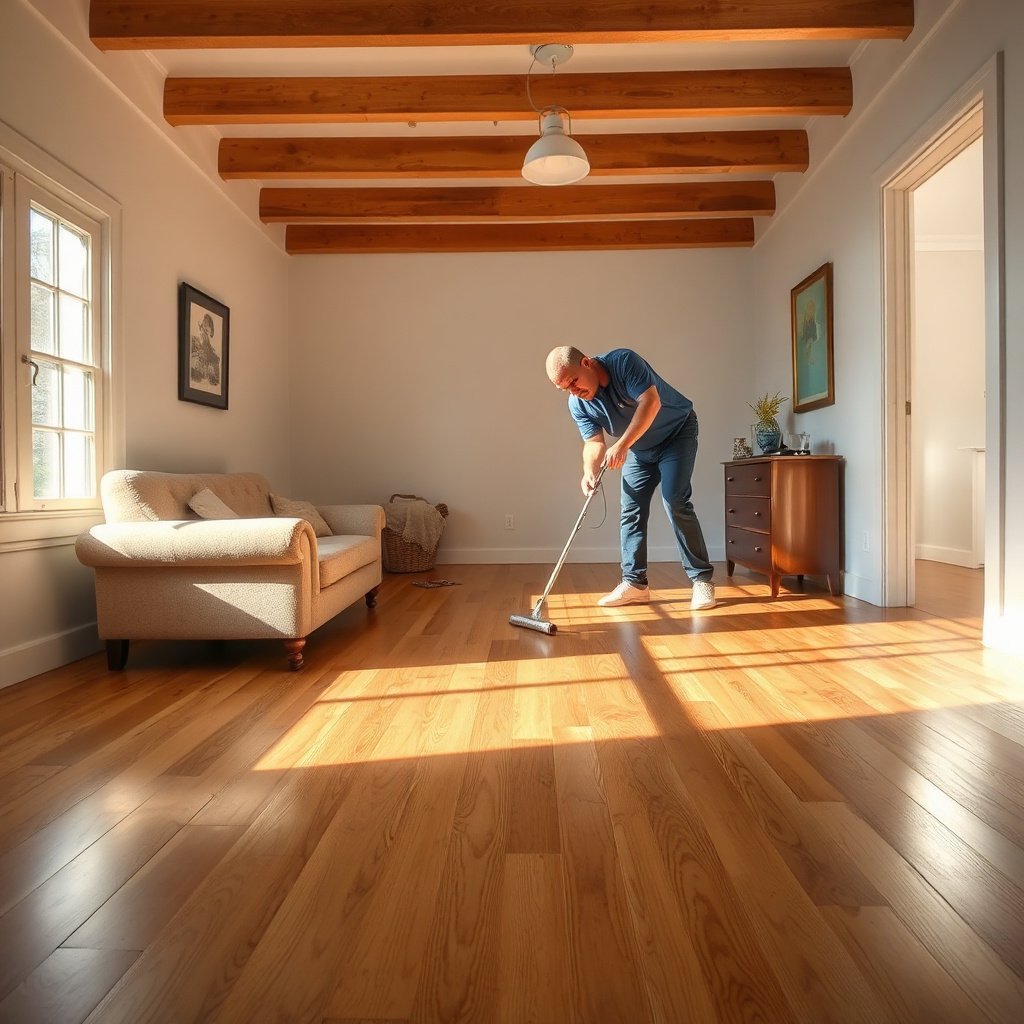
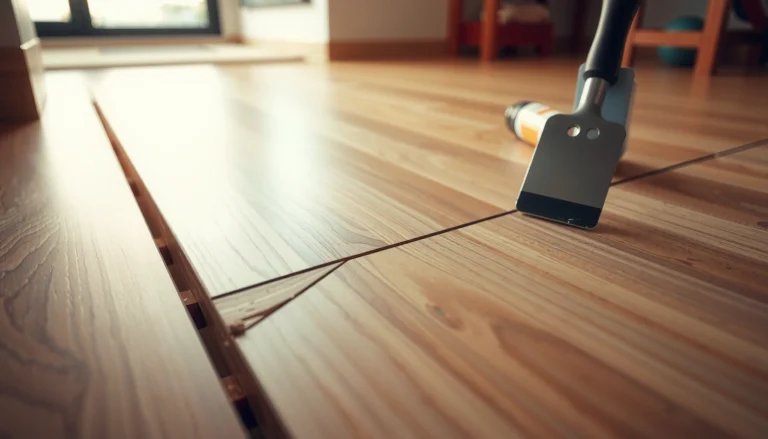
Hardwood floor streaks almost always come from residue drying in place or from spreading dirty/over-wet cleaning pads. The key is that streaks are rarely “new dirt”—they’re usually what’s left behind after cleaner, minerals, or grime gets redistributed during mopping.
Here’s what most commonly causes hardwood floor streaks:
– Too much cleaner (or the wrong type) leaves a film that dries into visible lines.
– Hard water and certain additives can deposit minerals, even when the floor feels “clean.”
– Re-mopping with a dirty or overly wet pad spreads residue instead of removing it.
One reason this is confusing: the floor can look fine while it’s wet, then “stage” the problem as it dries—especially along the direction you mopped.
Typical Streak Triggers on Sealed Hardwood (What to Expect)
| # | Cleaner/Residue Type | Typical pH* | Best Symptom Match | Finish Compatibility |
|---|---|---|---|---|
| 1 | All-purpose detergent residues | ~7–9 | Hazy film, dull “wipe marks” | ★★★★☆ |
| 2 | Hard-water mineral deposits | Varies with water (often ~8+) | Rainbow smears, crusty-looking edges | ★☆☆☆☆ |
| 3 | Cleaner used “too strong/too much” | Product-specific | Shiny lines where solution dried | ★★☆☆☆ |
| 4 | Microfiber pad picking up grime mid-mop | N/A | Streaks that worsen as you “go over it” | ★☆☆☆☆ |
| 5 | Vinegar-based solutions (unapproved) | ~2–3 (typical) | Dullness + streaking on some finishes | ★☆☆☆☆ |
| 6 | Ammonia-based cleaners (unapproved) | ~11–12 (typical) | Haze, film feel, possible sheen change | ★★☆☆☆ |
| 7 | Wood-safe, finish-approved cleaner (used lightly) | Usually neutral/low-residue | Targeted lift without heavy film | ★★★★☆ |
Typical pH values reflect common formulations; always verify your product label and SDS before applying to hardwood floor streaks.
Start with the safest “reset” step (clean-water wipe)
Resetting hardwood floor streaks is faster when you start with plain water and a clean, barely damp microfiber pass. This removes loose residue before you introduce any cleaner that could add to the haze.
Do this first:
– Mop or wipe the area with a microfiber cloth lightly dampened with plain water—don’t flood the wood.
– Change cloth sections often; streaks can be residue being moved around.
– After wiping, dry-buff with a dry microfiber cloth to lift remaining haze.
In practice, hardwood floor streaks often look “locked in” after mopping because the cleaner or minerals dry onto the finish. A clean-water wipe re-dissolves what’s sitting on top; the dry microfiber then pulls it back off.
A couple of practical rules that matter for hardwood floor streaks:
– Use light pressure: pressing hard can drive residue into finish micro-texture.
– Work one small area at a time so the water stays controlled (no puddling at seams).
– If the cloth drags and looks gray or sudsy, you’re carrying grime forward—swap it.
Pick the right cleaning method for your streak type
The fastest path to removing hardwood floor streaks depends on how the streaks present after drying. Here’s the decision logic: start with water when you suspect film or minerals, then use a wood-safe cleaner only if water doesn’t move the finish residue.
Use this comparison to choose your next move:
| Hardwood streak look | Most likely cause | Next best action | Avoid |
|---|---|---|---|
| Thin shiny lines | Too much solution or cleaner drying | Barely damp wipe → dry-buff immediately | Adding more cleaner and re-mopping |
| Hazy film / dull patches | Residue left behind after mopping | Second clean-water wipe → buff dry | Steam or heavy chemical cleaners |
| Rainbow smears | Hard-water mineral deposits | Water reset first; then wood-safe product sparingly, buff as you go | Vinegar/ammonia unless finish-approved |
A quick chemistry note explains why this works for hardwood floor streaks: residues concentrate as water evaporates. Steam mops are risky partly because the system can deliver steam near boiling temperature—water reaches 100°C/212°F at sea level—so you’re effectively combining heat + moisture with mineral-laden water residue . If you’re dealing with hardwood floor streaks right now, you generally want less water and less chemistry, not more.
If streaks persist after water:
– Use a wood-safe floor cleaner per label directions, but apply sparingly and buff as you go.
– Work in small sections so the solution doesn’t sit long enough to dry.
From my experience helping homeowners troubleshoot hardwood floor streaks, the “big mistake” is usually repeating the same mopping pattern with the same pad after the floor is already visibly streaking. Once you see hardwood floor streaks forming, switch strategies (reset + buff) rather than escalating cleaner strength.
How to mop without creating new streaks
Preventing new hardwood floor streaks is mostly about pad cleanliness, moisture control, and final dry-buffing. When those three are right, even a mild cleaner usually won’t leave obvious lines.
Follow this process:
– Use a microfiber mop head that stays clean (swap pads/cloths as soon as they pick up grime).
– Avoid soaking: wring until it’s damp, not dripping.
– Mop with consistent pressure and finish with a dry buff (especially near baseboards and traffic paths).
Moisture control matters because hardwood floor streaks can be “invisible” while wet, then become obvious as the film dries. Keep water consumption low—think “damp wipe,” not “wet wash.”A practical workflow that reduces hardwood floor streaks:
1) Light dust-mop or dry sweep first (prevents dragging grit into solution).
2) Damp mop with minimal product.
3) Immediate dry microfiber pass in the same direction as the boards.
Also, pay attention to corners and along molding where hardwood floor streaks often concentrate. These areas tend to collect extra liquid because your mop slows down there—so the cleaner has more time to dry.
What can go wrong (and when to stop)
Most problems with hardwood floor streaks come from using the wrong chemistry, adding more cleaner to “chase” streaks, or treating finish wear as a cleaning issue. If the streaks are actually dullness or worn-through finish, cleaning may not fix the underlying problem.
Avoid these common missteps on hardwood floor streaks:
– Don’t use vinegar, ammonia, or harsh degreasers on finished hardwood unless the product is explicitly approved for your floor type—these can dull or react with the finish.
– As a reference point, household vinegar is commonly ~4–7% acetic acid (typical household range) and tends to sit around pH 2–3, while typical ammonia solutions are strongly alkaline (often pH ~11–12), which can change the sheen on some finishes ADD: cite for typical vinegar concentration/pH range ADD: cite for typical ammonia solution concentration/pH range.
– Avoid steam mops; heat and moisture can worsen streaking and damage the finish over time.
– If the streaks are widespread dullness or wear-through in the finish, cleaning won’t fix it—refinishing or light restoration may be needed.
Before you do anything more aggressive, confirm your floor finish. Hardwood floor streaks behave differently on sealed vs. unfinished wood:
– Sealed hardwood: streaks are often removable by residue control (reset + buff).
– Unfinished or worn-through finish: moisture and chemical contact can darken or unevenly lift dirt, making “streaks” look like finish problems.
Verdict: the best approach (and who should skip it)
The best approach for hardwood floor streaks is: clean-water wipe → dry microfiber buff → only then a wood-safe cleaner, applied lightly. The downsides are real: if you keep adding cleaner to “try to fix” streaks, you can deepen the film and make the problem harder to remove—especially with hard water.
Here’s when you should be cautious:
– Downsides to expect:
– Multiple rounds of cleaner can build residue faster than you can buff it out.
– Heavily worn finishes may not return to uniform sheen with cleaning alone.
– Who should skip DIY spot-cleaning:
– Skip DIY if streaks cover large areas and look like finish failure (patchy dullness, peeling, or scratches deep enough to catch a fingernail).
– If you’re seeing that the floor’s surface is no longer uniformly glossy/matte—rather than just streaky from cleaning—stopping early prevents you from unintentionally making hardwood floor streaks “look worse.”
Quick checklist you can save
– [ ] Wipe with lightly damp microfiber (plain water)
– [ ] Dry-buff immediately with a clean, dry microfiber
– [ ] If needed, use only a wood-safe cleaner (sparingly), then buff dry
– [ ] Use less solution next time and keep pads/cloths clean
– [ ] Stop if streaks are widespread dullness or finish damage
Frequently Asked Questions
How do I remove black streaks from hardwood floors without damaging the finish?
Start by sweeping or vacuuming thoroughly so you’re not grinding grit into the wood. Use a microfiber mop lightly dampened with a hardwood floor cleaner (or a pH-neutral cleaner) and wipe in the direction of the grain, then dry with a clean towel to prevent water marks. For stubborn black streaks, apply a small amount of rubbing alcohol to a white cloth and dab lightly, then immediately wipe and dry. Avoid harsh abrasives and steam mops, which can dull or strip the hardwood floor finish.
What causes streaks on hardwood floors in the first place?
Streaks usually come from residue left behind by cleaning products, overly wet mopping, or cleaning with dirty pads that re-deposit dirt. Oil-based cleaners, wax buildup, and improper dilution of floor cleaner can leave a film that turns streaky as it dries. Overusing water or not drying the surface can also create haze lines, especially on sealed hardwood.
Which cleaning method is best for removing streaks from sealed vs. unfinished hardwood?
For sealed hardwood floors, use a pH-neutral hardwood floor cleaner and a microfiber mop, then buff dry to eliminate streaks. For unfinished wood, avoid soaking and use a barely damp cloth with a cleaner designed specifically for unfinished hardwood, because excess moisture can raise the grain and create uneven dark lines. If you’re unsure whether your floor is sealed, do a small spot test in an inconspicuous area before cleaning the full surface.
How can I get streaks off hardwood floors using common household supplies?
Mix a small amount of mild dish soap with warm water (use sparingly), dampen a microfiber mop or cloth, and wipe with the grain, then dry immediately. For light streaks or haze, you can use a diluted vinegar solution (only if your finish allows it) and wipe again with clean water to remove residue, followed by thorough drying. Always spot test first because some hardwood floor finishes can be sensitive to acidic or oily cleaners.
Why do streaks keep coming back even after I clean my hardwood floors?
Recurring streaks often mean you’re using too much cleaner, not rinsing enough, or the pad/mop head is holding residue from previous cleanings. Dirty water, using the wrong solution strength, and not changing water during mopping can also spread film across the floor. Switch to fresh microfiber pads, use the correct dilution for your hardwood floor cleaner, and finish by buffing dry to prevent the streaky residue that reappears as it dries.
📅 Last Updated: November 04, 2026 | Topic: How to get streaks off hardwood floors? | Content verified for accuracy and freshness.
References
- Wood flooring
- https://hgic.clemson.edu/factsheet/cleaning-hardwood-floors/
- https://extension.umn.edu/household-hazards-and-cleaning/cleaning-and-maintaining-hardwood-floors
- Mold | US EPA
- 404 Error
- https://www.armstrongflooring.com/support/faqs/how-to-clean-hardwood-floors.html
- https://scholar.google.com/scholar?q=how+to+remove+streaks+from+hardwood+floors+residue Google Scholar
- https://scholar.google.com/scholar?q=hardwood+floor+cleaning+streaks+film+formation+surfactants Google Scholar
- https://scholar.google.com/scholar?q=wood+floor+cleaner+residue+microfiber+streaking+study Google Scholar