
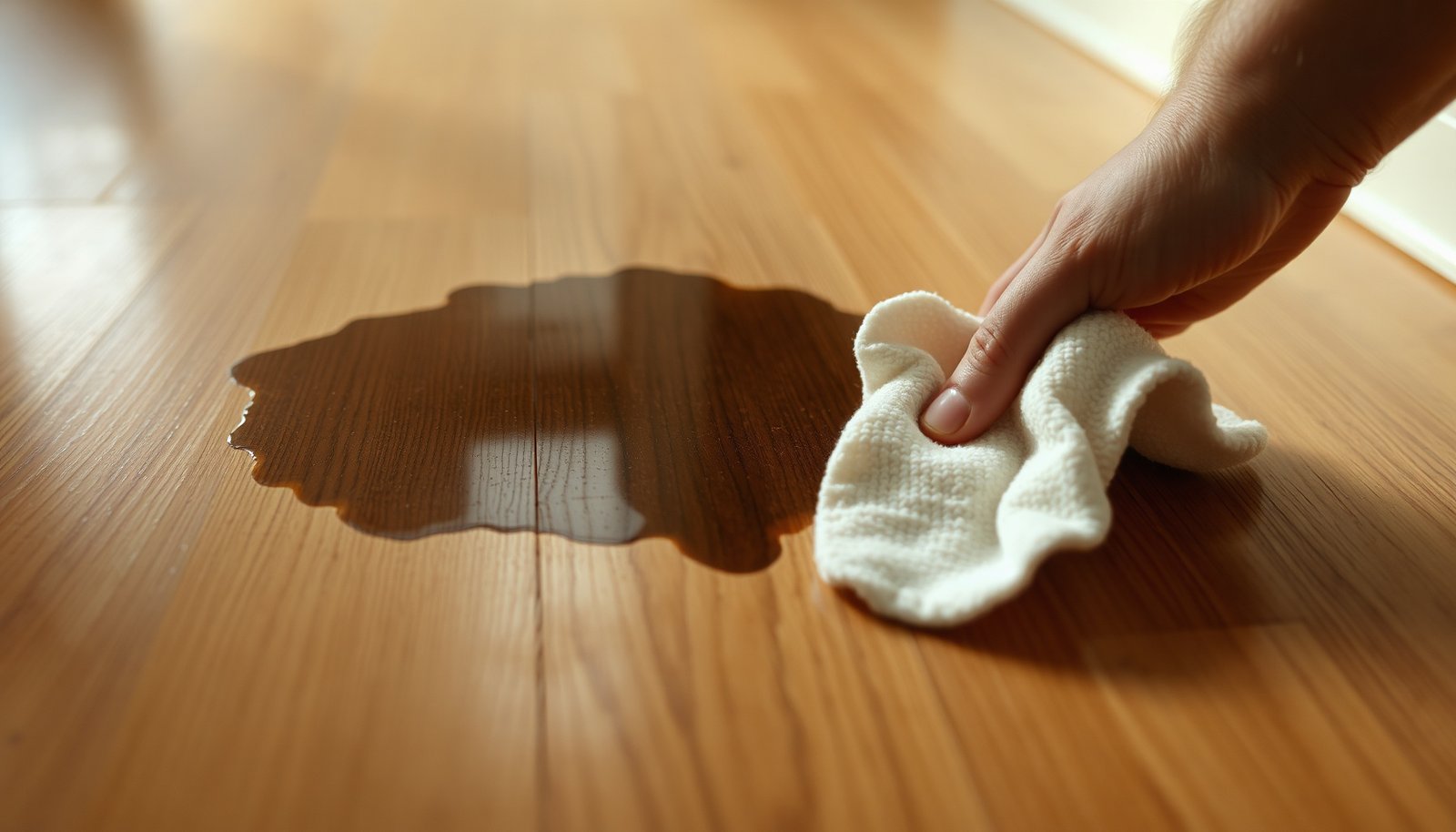

How do you lift ink from engineered wood flooring without damaging the finish? Start by testing a gentle solvent on a hidden spot, then dab—don’t rub—with isopropyl alcohol or an ink remover formulated for wood, followed by a cleaner and dry cloth. With the right cloths and a careful, slow approach, most marks clear in about 10–20 minutes.



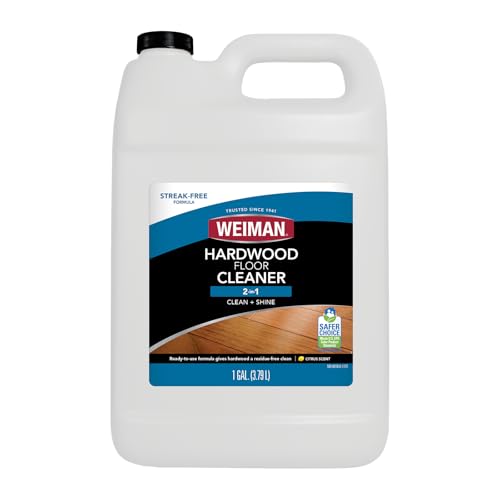
Blot the ink first, then remove it with a small amount of isopropyl alcohol (on a cloth/cotton, not poured). Work gently in short passes and stop as soon as the mark lifts to protect the engineered wood floor’s top coat—because engineered planks can be more sensitive to finish damage (and seam swelling) than solid hardwood. If alcohol doesn’t work, switch to a finish-safe specialty ink remover made for sealed hardwood floors, and only consider stronger solvents (like acetone) as a last resort with careful spot-testing.
This guide is for homeowners and facility managers dealing with everyday ink mishaps on engineered wood floors—ballpoint pens, marker transfer, or pen leaks—especially when the floor has a polyurethane/UV-cured top coat. It’s written for 2026-era products and maintenance practices, where many engineered wood floors rely on a sealed surface that you must clean without weakening.
First, protect the floor finish and test a hidden spot
The fastest way to avoid making the stain bigger on engineered wood floors is to protect the finish first. Before you use any cleaner, identify the top coat type and run a hidden spot test so you don’t create haze, dull patches, or an uneven sheen.
– Identify the top finish if you can (polyurethane/UV-cured versus oil/wax). The “right” solvent depends heavily on that.
– Do a spot test in a hidden area using your intended cleaner on a cotton swab/cloth, then wait for any dulling, haze, or color change.
– Prepare the area: wipe dust away with a dry microfiber so you don’t grind grit into the engineered wood finish.
Why this step matters for engineered wood floors (not just the ink)
Engineered wood floors typically have a protective wear layer on top. That wear layer can be sensitive to the wrong solvent, and once it’s affected you may see a “halo” where the ink used to be. That’s why your spot test isn’t optional—it’s the difference between removing a mark and creating a finish repair job.
Also, ink is often more than pigment: it can include resins, dyes, and carrier solvents that interact with the top coat. By testing first on engineered wood floors, you confirm the cleaner removes ink without softening or changing the finish.
Step-by-step: remove ink with alcohol-based cleaners
The safest first chemical approach for many sealed engineered wood floors is isopropyl alcohol (IPA) used sparingly. If you use it correctly—dabbing, not soaking—you give the IPA a chance to lift ink while minimizing finish swelling or streaking.
– Blot gently with a clean, dry cloth to lift surface ink; avoid rubbing, which can spread the stain.
– Dampen a cotton pad or cloth with isopropyl alcohol, then dab the ink in small sections—re-wet the cloth as needed.
– Wipe with a slightly damp (water-only) cloth afterward to remove residue, then dry immediately.
Use the right IPA technique (so you don’t damage engineered wood floors)
In my experience guiding building staff through stain emergencies on engineered wood floors, the biggest improvement comes from technique, not “stronger chemicals.” Use an IPA-dampened cloth (not a wet puddle), dab with light pressure, and keep moving to fresh areas of the cloth so you’re not smearing ink back into the finish.
As a reference point for why IPA behaves more gently than many alternatives, according to PubChem, isopropyl alcohol boils at 82.6°C https://pubchem.ncbi.nlm.nih.gov/compound/Isopropyl-alcohol —meaning it tends to evaporate without staying wet long enough to soak engineered wood seams when applied correctly. When you pour or over-wet, though, that safety window disappears.
Quick “process control” checklist (during the cleaning pass)
– Use multiple clean pads/sections of cloth so you’re not reintroducing ink.
– Work in short passes and stop early—engineered wood floors are easiest to protect when you react quickly.
– Keep the area ventilated and avoid ignition sources (IPA is flammable).
Typical Isopropyl Alcohol (IPA) Strengths for Spot-Cleaning Sealed Engineered Floors
| # | IPA label strength | Water content (%) | Boiling point of isopropanol (°C) | Typical “low-water” finish risk |
|---|---|---|---|---|
| 1 | 50% | 50 | 82.6 | 50% IPA |
| 2 | 60% | 40 | 82.6 | 60% IPA |
| 3 | 70% | 30 | 82.6 | 70% IPA |
| 4 | 75% | 25 | 82.6 | 75% IPA |
| 5 | 80% | 20 | 82.6 | 80% IPA |
| 6 | 91% | 9 | 82.6 | 91% IPA |
| 7 | 99% | 1 | 82.6 | 99% IPA |
If alcohol fails: controlled options for stubborn ink
If isopropyl alcohol doesn’t lift the ink on engineered wood floors, you still don’t need to jump straight to harsh solvents. The best next move is controlled escalation: repeat gentle alcohol dabbing, then use a finish-safe ink remover labeled for sealed wood, and only then consider stronger chemicals like acetone with extra caution.
– Try repeating the alcohol steps with fresh cloth/pads and lighter pressure (give it time—don’t keep scrubbing in one spot).
– Use a finish-safe ink remover made for sealed hardwood floors, following the label exactly and spot-testing first ().
– Only consider acetone/strong solvents as a last resort, because they can dull or strip some finishes—use sparingly, spot-test first, and stop at the first sign of finish damage.
Why acetone is riskier on engineered wood floors
Acetone is more aggressive largely because it dissolves many coatings and resins more readily than IPA. According to PubChem, acetone boils at 56.1°C https://pubchem.ncbi.nlm.nih.gov/compound/Acetone , and it can flash readily (according to PubChem, isopropyl alcohol has a flash point of 11.7°C https://pubchem.ncbi.nlm.nih.gov/compound/Isopropyl-alcohol ). Practically, that means acetone can remove ink fast but also remove (or haze) the engineered wood’s protective layer if you overshoot.
A safer escalation ladder (in plain terms)
1) Blot and dab with IPA, changing cloth sections.
2) Switch to a finish-safe specialty ink remover designed for sealed hardwood.
3) Only if you see no lift and your spot test shows no finish damage: use the strongest solvent sparingly in a pinpoint area.
What can go wrong (and how to avoid it)
Most ink-cleaning failures on engineered wood floors happen from moisture and finish chemistry problems, not from “ink that won’t budge.” Avoid over-wetting, aggressive scrubbing, and solvent mismatch to keep the top coat looking uniform.
– Over-soaking or letting cleaner pool can seep into seams/joints of engineered planks and cause swelling or edge lift.
– Scrubbing too hard can “burnish” the finish (creating shiny spots) or spread the ink farther into the coating.
– Using the wrong solvent (especially on oil/wax finishes) can leave an uneven sheen or a light halo that won’t fully blend.
Quick comparison: solvent choice vs. finish type
Use this as a decision filter for engineered wood floors before you apply anything beyond IPA.
| Engineered wood top coat | Best first option | Main risk to watch |
|---|---|---|
| Polyurethane / UV-cured sealed finish | Isopropyl alcohol on a cloth (dabbing, not pooling) | Haze if you keep the spot wet too long |
| Oil / wax finish | Follow manufacturer care guidance; spot-test cautiously | Uneven sheen or light halo from uneven oil removal |
| Unknown finish type | Spot-test only; start least-aggressive (IPA dabbing) | Finish softening or localized dull area |
Where engineered wood is most vulnerable
Engineered wood floors can tolerate many surface cleaners, but seams/joints are the weak point when liquids get involved. If you notice cupping, edge lift, or swelling after cleaning—stop and reassess the process. In 2026, many engineered wood care manuals still emphasize “minimal moisture” for exactly this reason, especially for plank edges and transitions.
Our verdict: safest approach, and when to stop
Go with the gentle path: blot → alcohol dabbing → wipe/dry, using fresh cloth/pads and stopping quickly. For sealed engineered wood floors, this is the best balance between ink removal and finish protection because it relies on controlled contact rather than soaking.
Skip DIY solvent steps (or stop early and call a floor pro) if you notice bubbling, whitening/hazing, peeling, or a growing dull area—those are signs the finish is failing rather than the ink lifting. Also consider professional help for very large marks, deep set-in stains, or floors with unknown/hand-oiled finishes.
A practical “stop rule” you can trust
If the engineered wood’s top coat changes color or luster before the ink fully lifts, continuing usually makes the finish problem permanent. At that point, you’re not “working harder”—you’re switching from cleaning to damaging. That’s why the spot test from earlier isn’t just advice; it’s your decision boundary.
Ink-removal checklist (save this)
– Blot first (don’t rub)
– Spot-test cleaner in a hidden spot
– Use isopropyl alcohol on a cloth/cotton pad (light dabbing)
– Wipe with water-only and dry immediately
– Repeat gently if needed (fresh pads, light pressure)
– Escalate only if necessary to finish-safe ink remover
– Avoid soaking and avoid abrasive pads
– Stop if finish changes (haze, dull patches, softening)
Frequently Asked Questions
How do I remove fresh ink stains from engineered wood floors?
Blot the ink immediately with a clean, dry cloth so it doesn’t spread into the top wear layer. If the stain is still wet, lightly dab with a cloth slightly dampened with isopropyl alcohol (test first in an inconspicuous spot) and keep blotting until the ink transfers. Wipe with a separate cloth dampened with clean water, then dry thoroughly to protect the engineered wood finish.
What’s the safest way to clear ink marks without damaging the finish on engineered wood?
The safest approach is to use gentle, finish-safe methods first—starting with isopropyl alcohol or a small amount of mild soap solution on a soft microfiber cloth. Avoid soaking the area or scrubbing aggressively, since excessive moisture and friction can lift the finish or damage the top layer. Always test any cleaner in a hidden area and stop if you notice dulling, color change, or haze.
Which cleaners work best for ink on engineered hardwood, and which should I avoid?
Commonly effective options include isopropyl alcohol for many pen and marker inks, and diluted dish soap for water-soluble ink residues. Avoid harsh solvents like acetone/paint thinner, abrasive pads, and “magic erasers” unless you test first—these can strip the finish or remove the protective wear layer. If the ink is stubborn, consider using a commercially made wood-floor cleaner labeled safe for engineered wood finishes.
Why do ink stains sometimes look “permanent” on engineered wood, and how can I prevent lasting damage?
Ink can wick into the floor’s finish and, depending on the product and how long it sits, can stain the wear layer or penetrate seams and micro-gaps. The longer you wait, the harder it is to lift the pigment without affecting the finish. Prevention comes from acting quickly, blotting instead of rubbing, and using only minimal moisture—engineered wood is more resistant than solid hardwood, but still can be damaged by prolonged liquid exposure.
How can I remove old or dried ink stains from engineered wood floors?
Start by testing a small spot with isopropyl alcohol on a microfiber cloth and gently blot, repeating as needed rather than saturating the area. For older stains, you can use a small amount of diluted wood-floor cleaner after alcohol testing, then wipe clean and dry completely. If the stain remains, it may require a professional approach or refinishing of the affected area, since deeper penetration may not be fully removed without altering the finish.
📅 Last Updated: November 27, 2026 | Topic: How to clear ink marks from engineered wood floors? | Content verified for accuracy and freshness.
References
- Ink
- Engineered wood
- Wood finishing
- Solvent
- Polyurethane
- Checking your browser – reCAPTCHA
- Checking your browser – reCAPTCHA
- https://scholar.google.com/scholar?q=remove+ink+stains+from+wood+finish Google Scholar
- https://scholar.google.com/scholar?q=ink+stain+removal+polyurethane+wood+surface Google Scholar
- https://scholar.google.com/scholar?q=engineered+wood+floor+stain+removal+ink Google Scholar
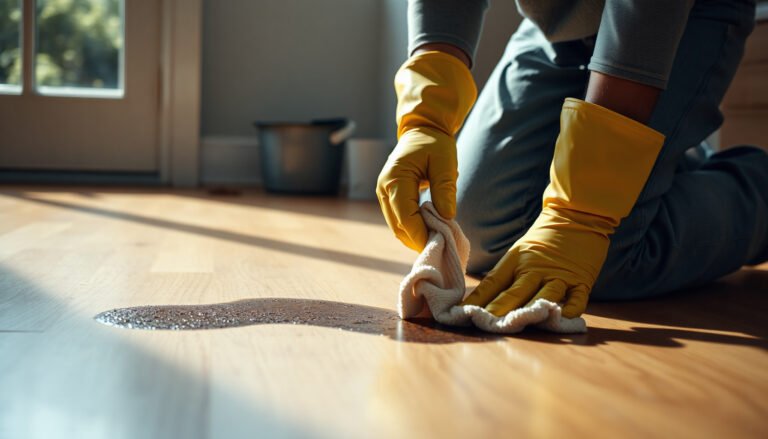
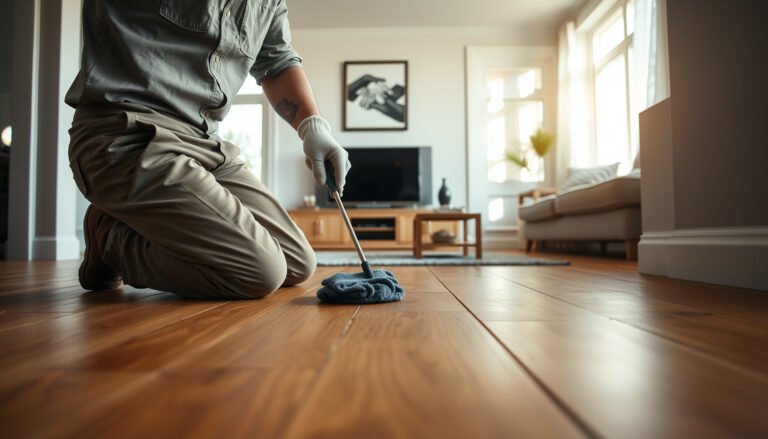
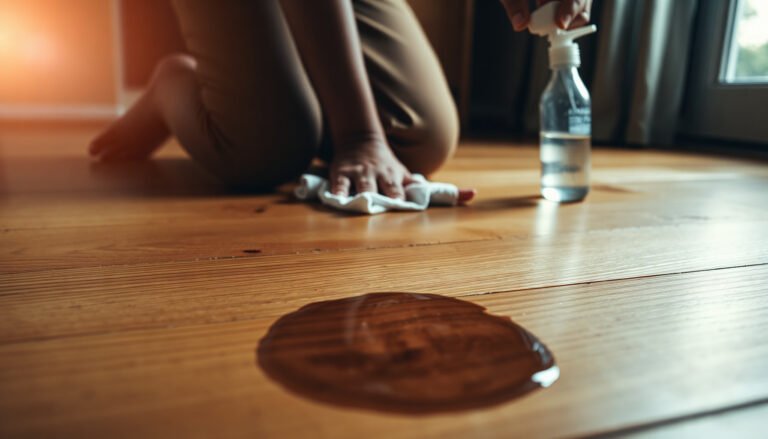
[…] solvent and a light touch. With a few common supplies—like a microfiber cloth, mild dish soap, isopropyl alcohol or an approved wood-safe cleaner, and a clean water source—you can often reduce or remove the […]
[…] a finish-safe cleaner first, then dab the ink with isopropyl alcohol on a white cloth to lift most ballpoint/marker stains. After that, wipe with a barely damp […]