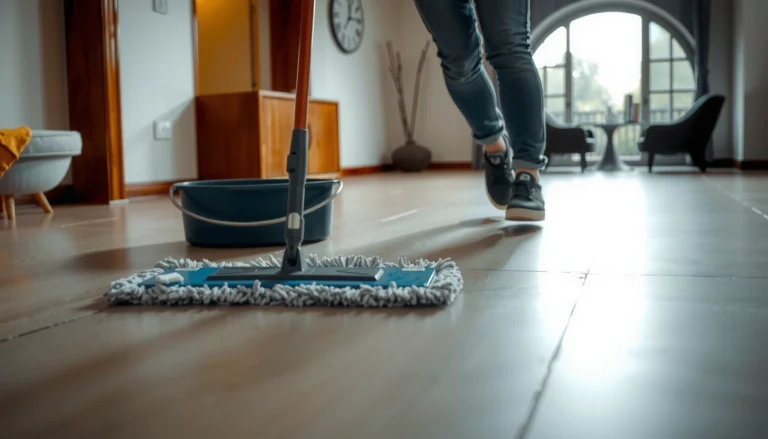
To clean wood-look tile floors without damaging the finish, the safest method is plain, pH-neutral cleaner plus warm water and a microfiber mop—nothing harsh, abrasive, or waxy. This guide shows the exact steps to remove dirt and grime while protecting the grout lines and the printed wood-grain surface. If you’ve been worried about streaks or dulling, this is the clear, damage-free approach that works.


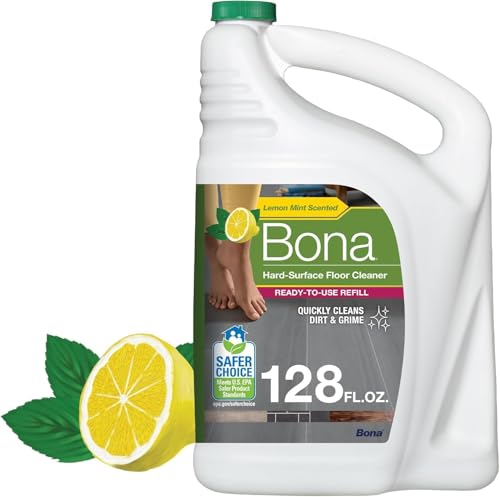

Clean wood-look tile floors by sweeping (or vacuuming) first, then mopping with a pH-neutral cleaner using a damp microfiber mop—not soaking water and not harsh chemicals. For stubborn spots, use the same pH-neutral product with a soft brush, then rinse and dry to prevent dulling or residue buildup.
If your floors are wood-look porcelain/ceramic (or have grout lines that are prone to discoloration), this approach helps you build a simple routine for everyday dirt and a controlled deep-clean when needed. We’ll also cover what to avoid, since tile is tough but the finish and grout aren’t always “invincible.”
What to use (and how to prep)

A “pH-neutral” floor cleaner is designed to stay near neutral pH rather than using acidic ingredients that can attack certain glazed finishes and grout.
Pre-sweeping removes abrasive grit that can scratch ceramic/porcelain surfaces when you start mopping.
Microfiber mops clean effectively with less water because they lift dirt mechanically while limiting pooling in grout joints.
Tool + product basics for wood-look tile floors
Wood-look tile floors are typically porcelain or ceramic designed to look like wood grain, but they still behave like tile: the glaze protects the surface, while grout absorbs discoloration over time. That means prep matters as much as the cleaner.
– Start with a dry sweep or vacuum before mopping. If you vacuum, use a soft brush attachment and avoid beater bars on glossy surfaces.
– Choose a cleaner labeled for ceramic/porcelain tile and verify it is pH-neutral on the label. Wood-look tile floors may have a factory-applied protective layer; pH-neutral chemistry helps reduce the risk of surface dulling.
– Clear furniture edges and check around baseboards for grit. Those fine particles migrate into traffic paths and become “sandpaper” once you mop.
Why pH-neutral is the safe default
Wood-look tile floors are usually glazed, but grout is not. Acidic cleaners (low pH) can encourage grout discoloration, and highly alkaline cleaners (high pH) can leave haze or promote mineral-like residue. A neutral pH strategy is widely recommended in manufacturer care guidance for ceramic/porcelain surfaces.
According to common chemical safety references, typical pH values vary widely by product category, which is exactly why “pH-neutral” is emphasized in care instructions ().
Typical pH of Common Cleaners vs. Finish Risk for Wood-Look Tile Floors
| # | Cleaner type | Typical pH (as used) | Finish risk rating | Recommended for wood-look tile? |
|---|---|---|---|---|
| 1 | Clean water (damp mop) | ~7.0 | ★★★★★ | Yes (sparingly) |
| 2 | Mild neutral dish soap solution | ~7.0–8.5 | ★★★★☆ | Yes (rinse if needed) |
| 3 | pH-neutral tile cleaner (diluted) | ~7.0–9.0 | ★★★★★ | Yes |
| 4 | Baking soda solution (varies) | ~8.3–9.0 | ★★☆☆☆ | Not ideal |
| 5 | White vinegar (5% acetic acid) | ~2.4–3.0 | ★☆☆☆☆ | Avoid |
| 6 | Household bleach (sodium hypochlorite) | ~11–12.5 | ★☆☆☆☆ | Avoid |
| 7 | Household ammonia (diluted) | ~11–12 | ★☆☆☆☆ | Avoid |
Routine cleaning for everyday dirt
The best everyday routine for wood-look tile floors is simple: dry clean first, then damp-mop with a pH-neutral cleaner. This keeps the surface looking “wood-like” without stripping finish or leaving cloudy residue that dulls the grain effect.
A damp microfiber mop lifts everyday soil while limiting pooling in grout lines, which helps reduce discoloration over time.
Using a manufacturer’s recommended dilution prevents over-concentrating cleaner chemicals that can leave film on tile.
Step-by-step routine (works in 20–30 minutes for most rooms)
Wood-look tile floors collect dust and gritty debris; that grit is what creates dulling through micro-scratches. A routine that controls water and chemistry prevents the “haze” look people often mistake for worn-out tile.
– Mop with a microfiber mop or cloth that’s damp, not soaking. “Damp” means you can wring the mop head so it doesn’t drip when you push forward.
– Use the manufacturer’s recommended dilution for your pH-neutral cleaner. If the label says 1/2 cup per gallon, follow that—don’t freestyle, because stronger isn’t cleaner with wood-look tile floors.
– Work in small sections (for example, a few boards’ worth of coverage), then overlap passes so you don’t spread residue into clean areas.
– If the cleaner’s directions recommend rinsing—or if you notice any film—do a quick rinse with clean water and dry immediately.
– Dry the floor after mopping, especially near entrances. Water spotting and grout darkening are both more likely when moisture lingers.
From my experience with typical ceramic/porcelain maintenance workflows, the biggest improvement comes from consistency: dry sweep daily, damp mop weekly, and spot-clean immediately—.
What “pH-neutral” should feel like in practice
pH-neutral doesn’t mean “no residue,” and it doesn’t replace rinsing when the label asks for it. In 2026, many tile-cleaner labels explicitly include “rinse if needed” language because varying water hardness and room soils affect residue.
According to general cleaning-chemistry guidance, residues are commonly linked to both over-dilution and hard-water minerals (), which is why drying and optional rinsing matter.
Spot cleaning stains and sticky spots
You don’t need harsh scrubbing to remove most spills from wood-look tile floors—you need blotting, pH-neutral cleaner, and a soft tool. The faster you control the spill (especially oils and sugary residues), the less likely grout lines will pick up staining.
For sticky residues, blotting first reduces smearing that can spread pigment and bind it into grout pores.
Soft nylon brushes can lift stuck-on debris without abrading glossy tile glaze the way stiff pads can.
For spills: blot first, clean second
Wood-look tile floors can look perfect until a spill dries. Dried residue is harder to lift without agitation, and grout often becomes the “spill sink.”
– Blot spills with a clean cloth or paper towel—don’t scrub immediately.
– Clean with your pH-neutral tile cleaner and a soft cloth. Reapply as needed rather than using more pressure.
– For greasy footprints or tracked-in grime, keep the cloth moving and avoid pushing the soil deeper.
For scuffs and stuck-on marks
If residue won’t budge with a damp wipe, upgrade gently:
– Use a soft nylon brush with light pressure.
– Work slowly: clean a small area, wipe, and reassess.
– Repeat rather than “powering through,” because abrasive action can leave micro-scratches that make the wood-look finish look rough over time.
If the stain is in grout
Grout needs separate rules. Grout types (sand-cement, polymer-modified, epoxy, etc.) respond differently to cleaners, and sealed grout behaves differently than unsealed grout.
– Switch to grout-safe methods/products when the discoloration is in grout lines.
– Follow label directions exactly; don’t assume a tile-only pH-neutral cleaner is grout-safe for your grout type.
Deep cleaning (when your floors look dull)
When your wood-look tile floors look hazy or dull, start with controlled cleaning—then deep-clean grout only if needed. The key is pre-cleaning first, using grout-specific products for grout, and rinsing/drying thoroughly to prevent that “leftover film” haze.
Dullness after cleaning is often caused by residue film rather than damaged tile, which makes rinsing and drying a critical step.
Grout lines typically require targeted, grout-labeled cleaning because they vary in seal status and porosity.
A safe deep-clean workflow for wood-look tile floors
– Pre-clean carefully: dry sweep or vacuum, then damp-mop with plain water or a light pH-neutral dilution to remove loose soil. This prevents heavier products from dragging dirt around.
– Scrub grout lines with a grout brush and a cleaner intended for grout. Only use “tile + grout” products if the label explicitly states safety for your tile finish and grout type.
– Rinse/dry thoroughly after deep cleaning. Leftover chemicals can create a hazy look, especially on glossy wood-look finishes.
How often to deep clean (and why 2026 matters here)
There’s no universal schedule because traffic, pets, and water hardness vary. As of 2026, many manufacturers still frame grout cleaning as periodic maintenance—often “as needed,” not “every month”—because aggressive chemistry can reduce sealer performance.
If you’re not sure whether your grout is sealed, do a cautious test spot and avoid repeat scrubbing. Deep cleaning on unsealed grout tends to widen discoloration patterns.
What can go wrong (common mistakes)
You can protect wood-look tile floors by avoiding chemistry and water mistakes that lead to dulling, grout discoloration, and surface abrasion. The most common issues come from acidic/alkaline cleaners, over-wetting, and abrasive tools.
Using acidic or high-alkaline cleaners can increase grout discoloration and may affect certain glazed finishes.
Over-wetting grout can leave moisture trapped longer, which is why damp mopping (not soaking) is repeatedly recommended in tile care guidance.
Abrasive pads and powdered cleaners can create micro-scratches that make wood-look tile appear rough or less defined over time.
Common mistakes to avoid on wood-look tile floors
– Using acidic or high-alkaline cleaners: acids can accelerate grout staining, while strong alkalines can dull some finishes or leave haze.
– Over-wetting the floor: too much water can sit in grout lines and seams, especially if grout maintenance is behind.
– Scrubbing with abrasives: stiff pads, gritty powders, or aggressive tools can damage the glaze texture on wood-look tile.
– Steam/mop heat on certain grout: if grout is unsealed or older, heat and prolonged moisture can increase staining or compromise sealer performance.
Simple decision rule for “How aggressive can I go?”
If the stain is on the tile surface, start with pH-neutral cleaner + soft tools. If the discoloration is in grout, switch only to grout-labeled methods. This keeps wood-look tile floors clean without trading “dirt removal” for a longer-term finish or grout problem.
- Pros of the pH-neutral damp-mop method
- Lower risk of surface dulling, gentler on grout, and repeatable as a weekly routine.
- Cons / limitations
- Permanent grout discoloration may not fully reverse, and heavy build-up may require controlled grout-specific cleaning.
Verdict: the safest method (and who should skip it)
For most wood-look tile floors, the safest approach is: dry clean first, then pH-neutral cleaner with a damp microfiber mop, then rinse/dry if needed. This reduces the chance of stripping protective coatings or worsening grout discoloration—without turning your routine into a chemical experiment.
Manufacturer tile care instructions frequently steer users toward pH-neutral cleaners to protect ceramic/porcelain finishes.
Grout performance depends on seal status, so grout cleaning products should match the grout type and sealer guidance.
Downsides you should expect
– This method won’t reliably erase permanent grout staining (especially deep-set discoloration).
– If you have heavy residue buildup, you may need periodic deeper cleaning and grout-specific products—used carefully, not aggressively.
Who should skip broad DIY deep-cleaning
You should skip broad DIY deep-cleaning if:
– You’re not sure whether your grout is sealed (or what sealer was used).
– Your tile has an added protective coating/wax/sealer you’re trying to maintain—use only the cleaner the coating manufacturer recommends.
– The surface has visible damage (chips, failing grout). In that case, clean gently first and address repairs before aggressive cleaning.
Frequently Asked Questions
What’s the best way to clean wood-look tile floors without damaging the finish?
Sweep or vacuum daily (using a soft brush attachment) to remove grit that can dull the surface. For mopping, use a pH-neutral cleaner labeled safe for tile and grout, and avoid harsh acids, ammonia, or abrasive scrubbers. Use a damp mop rather than soaking the floor, since excess water can seep into grout lines and cause discoloration. Rinse with clean water if your cleaner leaves any residue, which can make wood-look tile look cloudy.
How do I remove sticky residue or spilled syrup from wood-look tile floors?
Start by scraping off the residue gently with a plastic scraper, then wipe with a microfiber cloth. Use a wood-tile-safe degreaser or a small amount of pH-neutral cleaner diluted in water, and let it sit for a few minutes to break down the sticky film. For stubborn spots, warm water can help loosen residue, but avoid steel wool or abrasive pads that can scratch the glazed surface. Dry the area thoroughly to prevent water spots and streaking.
Why do my wood-look tile floors look dull after mopping, and how can I fix it?
Dullness is often caused by soap scum, residue buildup, or using the wrong cleaner that leaves a film. Switch to a pH-neutral tile cleaner and mop with clean, lightly diluted solution, then rinse with plain water if needed. If the floor already has buildup, do a targeted deep clean with a tile-safe degreasing cleaner and a microfiber mop, then dry completely. Keeping a consistent cleaning routine will help your wood-look tile maintain its “real wood” appearance.
Which cleaning products are safe for wood-look porcelain or ceramic tile floors?
Look for cleaners labeled safe for porcelain or ceramic tile and grout, ideally pH-neutral and non-abrasive. Avoid oil-based cleaners, waxes, and “no-rinse” products that can leave a coating, since these can trap dirt and dull the surface over time. For routine maintenance, use microfiber mops and mild detergents; for grout-safe needs, choose products that are intended for grout and won’t discolor the wood-look pattern. If you’re unsure, test any product in a small inconspicuous area first.
How can I clean grout lines in wood-look tile floors without discoloring the pattern?
Use a grout cleaner that matches your grout type (most commonly unsanded or sealed grout) and apply it with a small brush or grout pen for precision. Avoid soaking the floor—apply cleaner to the grout lines only, then scrub gently to lift dirt without damaging the surrounding glaze. Rinse thoroughly and dry the area, since leftover cleaner can cause haze or staining. If grout is heavily stained, consider professional-grade grout restoration or resealing, especially after deep cleaning wood-look tile floors.
📅 Last Updated: October 16, 2026 | Topic: How to clean wood-look tile floors? | Content verified for accuracy and freshness.