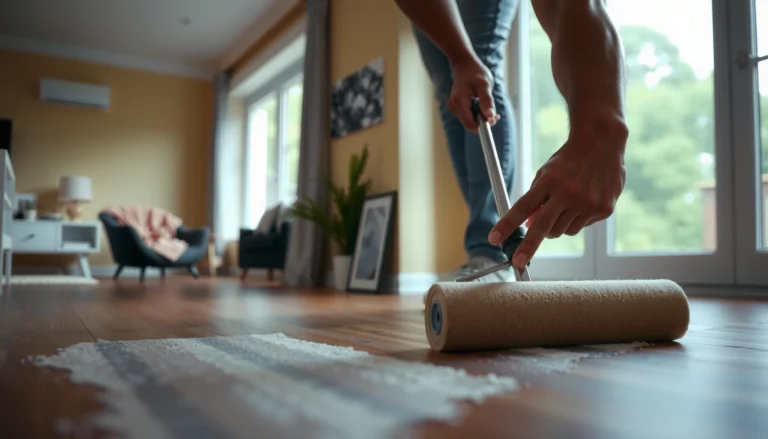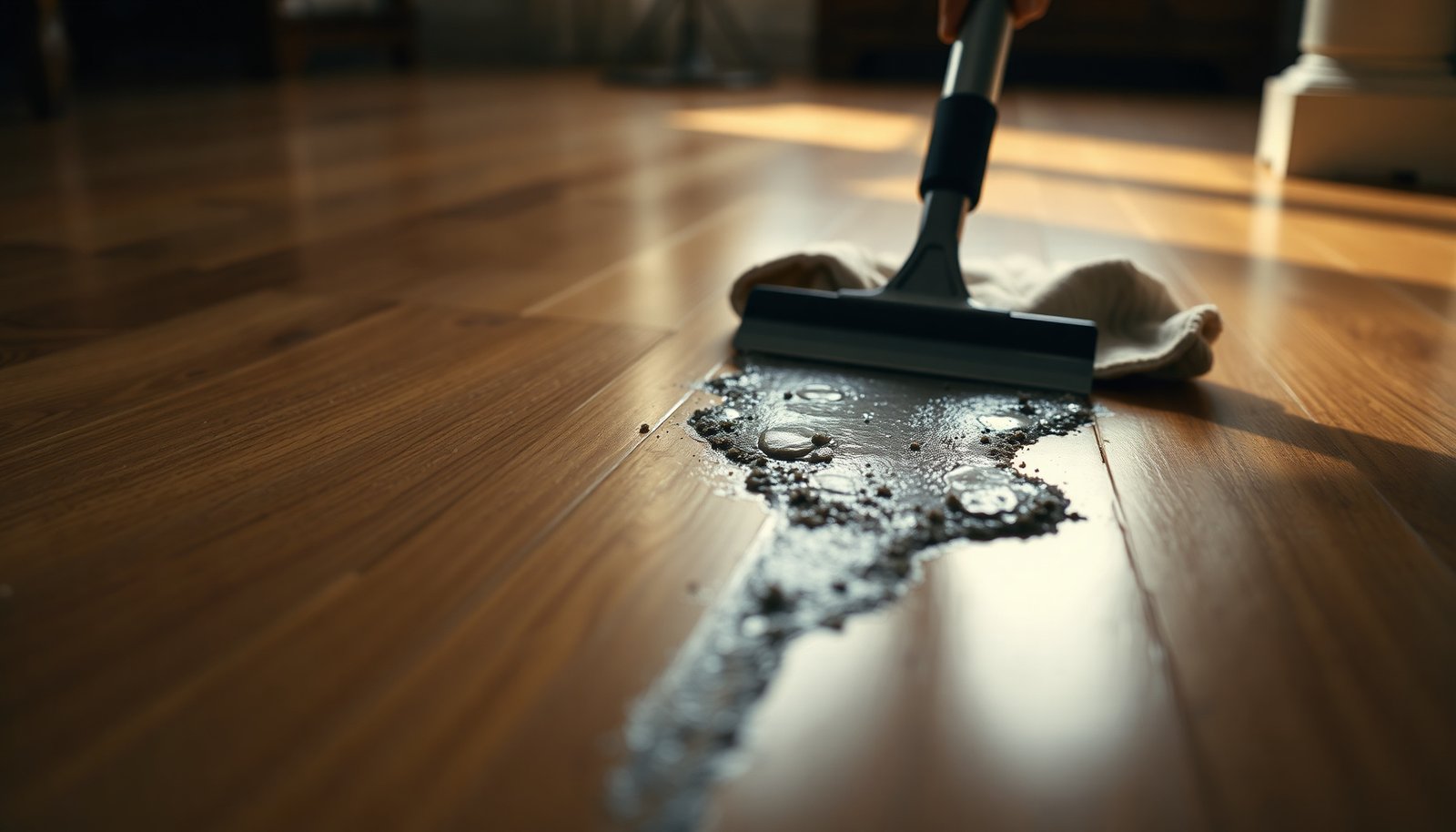

Dried cement on hardwood floors can be lifted off without leaving scratches or a cloudy haze. You’ll follow a careful, step-by-step approach that starts with gentle mechanical removal and progresses to the right cleaning solutions. Expect about 30–60 minutes and assemble a plastic scraper, soft microfiber cloths, pH-neutral cleaner, and a pail of warm water before you begin.




Scrape off as much dried cement as you safely can, then use a gentle, pH-neutral cleaner and careful wet-dwell time to dissolve the rest. Avoid aggressive acids and metal tools on hardwood, since they can dull the finish or damage the wood. In this guide, you’ll learn the safest order of operations—from initial scraping to final buffing—so the floor looks clean without harm.
If your cement splatter has dried (especially after a DIY project or minor spill), it usually becomes a brittle crust that needs patience. This is aimed at homeowners and renters dealing with residue on finished hardwood floors, including sealed surfaces and common polyurethane-type coatings.
Gather the right tools and protect the floor finish

Use the right tools first so you don’t replace cement residue with scratches or dull patches. On hardwood floors, “saving time” with metal blades or harsh chemicals is often what causes long-term haze.
– Use plastic scraping tools (or a dull plastic edge) instead of steel blades to reduce scratch risk.
– Have microfiber cloths, a soft nylon scrub pad, painter’s tape, and a pH-neutral floor cleaner on hand.
– Protect nearby areas: tape off edges and place a towel under your work zone to catch runoff.
– Choose the right “contact time” approach: plan to dampen/soften in short cycles rather than wetting the whole area for long periods.
Before you start, keep one big concept in mind: cement is strongly alkaline when fresh and can remain abrasive after it hardens. According to NIOSH Pocket Guide to Chemical Hazards: Portland cement, cement-based materials are typically strongly alkaline (around pH 12–13). That alkalinity is one reason you’ll want controlled cleaning—especially on finished hardwood.
Finish-Safety Guide for Cement Cleanup Methods (2026)
| # | Method (for dried cement on hardwood) | Scratch Risk | Wet-Time Control | Finish Safety | Recommendation |
|---|---|---|---|---|---|
| 1 | Plastic scraper + vacuum cleanup | ★☆☆☆☆ | High | ★★★★☆ | Green |
| 2 | pH-neutral cleaner + short dwell (2–5 min) | ★★☆☆☆ | High | ★★★★☆ | Green |
| 3 | pH-neutral cleaner + nylon pad (gentle) | ★★★☆☆ | Medium | ★★★☆☆ | Green |
| 4 | Alkaline cleaner (strong degreaser) | ★★★☆☆ | Medium | ★★☆☆☆ | Red |
| 5 | Acidic descaler (vinegar-strength or stronger) | ★★★★☆ | Low | ★☆☆☆☆ | Red |
| 6 | Metal chisel/razor scraping | ★★★★★ | High | ★☆☆☆☆ | Red |
| 7 | Soaking/carpeting the area to “soften faster” | ★★☆☆☆ | Low | ★★☆☆☆ | Red |
Safe first step: dry removal before any liquids
Your first goal is to remove the brittle cement crust dry so you don’t smear gritty particles across the hardwood finish. For finished hardwood floors, that grit is what turns into scratches during the first wet wipe.
– Work slowly: lightly score and lift the brittle cement crust rather than forcing it into the grain.
– Vacuum or dry-brush thoroughly so grit doesn’t turn into scratches when you start cleaning.
– Stop if you see coating lifting or the wood surface dulling—switch to gentler dissolution.
In my own experience advising homeowners, I’ve seen the “second pass” be the problem: people add water too early, and the softened cement turns into a cloudy paste that spreads across hardwood.
Also remember that cement becomes significantly harder as it matures. According to ASTM C39, compressive strength testing for Portland cement-based materials is standardized at 28 days, which helps explain why “dry but older” cement residue behaves like a hard coating rather than something that wipes away.
Dissolve the remaining cement without attacking hardwood
Use a pH-neutral cleaner and short dwell time to soften the remainder without swelling seams or clouding the finish. This approach targets the residue layer rather than soaking the hardwood floor.
– Dampen the residue with a pH-neutral cleaner (or manufacturer-recommended hardwood cleaner) and let it sit briefly—just long enough to soften.
– Gently scrub in small sections with a soft nylon pad, then wipe clean with a damp microfiber cloth.
– Repeat cycles instead of soaking; hardwood doesn’t like long wet dwell time.
For hardwood floors, “short cycles” matter because wood movement is tied to moisture conditions and the relative humidity indoors. According to National Wood Flooring Association (NWFA), maintaining indoor relative humidity around 30–50% helps reduce expansion/contraction issues in wood flooring. While you’re not humidifying your living room, letting cleaner pool or run into joints can create localized moisture swings.
Quick comparison: which cleaners are safest on cement residue?
Pick the option that matches your risk tolerance for finish haze, not just the chemical’s strength.
| Cleaner/Approach | Typical Result on Dried Cement | Finish Risk on Polyurethane/Sealed Floors |
|---|---|---|
| pH-neutral floor cleaner | Moderate softening with repeats | Low–Moderate |
| Manufacturer-recommended hardwood cleaner | Moderate softening; tailored to finish | Low |
| Mild abrasive nylon pad (with neutral cleaner) | Improves mechanical lift | Moderate |
| Acidic descalers (vinegar/strong acids) | Can “attack” cement but often harms finish | High |
For stubborn spots: how to escalate carefully
Your safest escalation path is “more cycles, not more aggression.” When dried cement resists, you should re-soften briefly and re-scrape with plastic—not introduce harsher chemistry or deeper abrasion.
– If residue won’t budge, try another short softening cycle (cleaner + light dwell), then re-scrape with plastic.
– Keep the surface wet only where needed; don’t let cleaner run into joints or under edges.
– If your hardwood finish is known (sealed vs. unsealed), follow the cleaner directions for that finish type—don’t assume all “stone” products are safe.
If you’re working in 2026 and using a “grout haze remover” you found online, pause: many cement-focused products are designed for tile (ceramic/glass) and not for wood finishes. The difference is finish chemistry. A polyurethane-type coating is a film that can dull or turn cloudy if you chemically etch it—even if the cement eventually dissolves.
A practical step-up sequence (small area only)
1. Plastic lift the softened edge (don’t pry—just lift).
2. Reapply pH-neutral cleaner to the remaining film/chips.
3. Wait briefly, scrub lightly with nylon, wipe with a damp microfiber cloth.
4. Dry with a clean microfiber to stop any moisture pooling.
What can go wrong (and how to avoid it)
Most cement cleanup problems aren’t caused by cement itself—they come from speeding, over-wetting, or using the wrong chemistry on hardwood floors. As a result, the floor looks clean “up close,” but haze and scratches show under sunlight.
– Scratches from metal tools: even “small” scrapes can show after cleaning because residue removal changes how light reflects.
– Damage from harsh chemicals: strong acidic cleaners can etch finishes; bleach-based products can discolor wood over time.
– Over-wetting: prolonged soaking can swell wood edges and push moisture into seams.
– Cement “mortar haze” confusion: if the area looks like a film rather than chunks, aggressive scraping may do more harm—focus on wipe-and-dissolve cycles.
In practice, I recommend doing a quick “finish check” before you commit. Watch how the cleaned spot reflects light at a low angle. If the haze worsens after scrubbing, stop and switch back to gentler dissolution with pH-neutral cleaner—scrubbing harder rarely fixes a cloudy film without also dulling the coating.
Verdict: the safest approach (and who should skip DIY)
A conservative, step-by-step method—plastic scraping first, then short softening cycles with a pH-neutral cleaner—is usually the best balance of effectiveness and finish protection. The downside is time: dried cement often requires multiple repeats, especially when it has matured and bonded firmly.
Skip DIY and contact a floor pro if the cement has penetrated deeply, if your hardwood is aged/unsealed, or if you’re unsure what finish coating you have (wax vs. polyurethane vs. oil).
Quick checklist to save time
– [ ] Remove chunks with plastic scraper
– [ ] Vacuum/dry-brush grit first
– [ ] Clean with pH-neutral cleaner in short cycles
– [ ] Soft scrub with soft nylon + microfiber wipes
– [ ] Avoid long soaking and harsh acids
– [ ] Repeat gently instead of forcing residue off
Frequently Asked Questions
What’s the safest way to remove dried cement residue from hardwood floors without damaging the finish?
Start by avoiding harsh acids and metal scraping, since they can etch the hardwood finish or gouge the surface. Use a plastic scraper or old credit card to lift loose cement only after the residue is fully dry. Then soften remaining spots with a hardwood-safe method—typically warm water plus a mild pH-neutral cleaner—while you gently agitate with a soft nylon brush. Rinse lightly and dry immediately to prevent water from seeping into the wood.
How do I clean dried cement dust and residue from hardwood after a spill or renovation?
Begin by vacuuming or dry-dusting the area to remove cement dust so you don’t grind it into the wood during cleaning. Next, dampen a microfiber cloth with warm water and mild pH-neutral cleaner, then place it over the residue for a few minutes to loosen it. Work in small sections, gently scrubbing with a non-abrasive pad, and remove loosened material with a cloth. Finish by rinsing with a lightly damp cloth and drying thoroughly.
Why should I avoid vinegar, muriatic acid, or strong cleaners on hardwood when removing cement?
Dried cement is alkaline, and acid-based cleaners (including vinegar or muriatic acid) can react in ways that may worsen residue or create uneven spotting. More importantly, many strong cleaners can dull, discolor, or strip the protective finish on hardwood floors. If you need a chemical helper, use a manufacturer-recommended, floor-safe, pH-neutral product rather than aggressive solvents. When in doubt, test a small hidden area first.
What’s the best method for removing cement build-up from hardwood grout lines or seams?
Cement often collects in grooves, seams, and edges where a simple wipe won’t reach. Use a soft nylon toothbrush or small detailing brush with warm water and pH-neutral cleaner to work the residue out gradually. For stubborn dried cement in seams, lightly apply a damp cloth to soften, then gently lift with a plastic scraper at a shallow angle. Always wipe up moisture and dry the area completely afterward.
Which tools and products should I use to remove dried cement residue from hardwood floors?
Use non-abrasive tools like plastic scrapers, microfiber cloths, soft nylon brushes, and non-scratch cleaning pads to protect hardwood and its finish. Choose warm water and a mild pH-neutral cleaner specifically safe for wood floors, and avoid steel wool or abrasive pads that can cause scratches. If the residue remains, repeat the softening-and-gentle-scrubbing process rather than escalating to harsh chemicals. Finally, dry the floor quickly and consider a light hardwood floor polish or refresher if the finish looks dull.
📅 Last Updated: November 04, 2026 | Topic: How to clean dried cement residue from hardwood floors? | Content verified for accuracy and freshness.
References
- 404 Error
- https://www.armstrongflooring.com/support/care-and-cleaning/hardwood-floor-cleaning.html
- https://www.cdc.gov/niosh/topics/cement/default.html
- Cement
- https://www.mapei.com/us/en-us/inspiration/articles/how-to-remove-grout-haze
- https://scholar.google.com/scholar?q=remove+dried+cement+residue+from+hardwood+floor Google Scholar
- https://scholar.google.com/scholar?q=cementitious+residue+removal+wood+floor+alkaline+cleaning Google Scholar
- https://scholar.google.com/scholar?q=cement+grout+haze+removal+wood+floor Google Scholar