
Dried soda that has seeped into your engineered wood floor can be frustrating, especially when the stain looks darker than the surrounding finish. The good news is that, with a few household supplies and careful, finish-safe cleaning, you can usually lift the sticky residue and even out the appearance. You will be able to assess what’s left quickly and work through the process in about an hour, without sanding unless the stain has truly penetrated the surface.



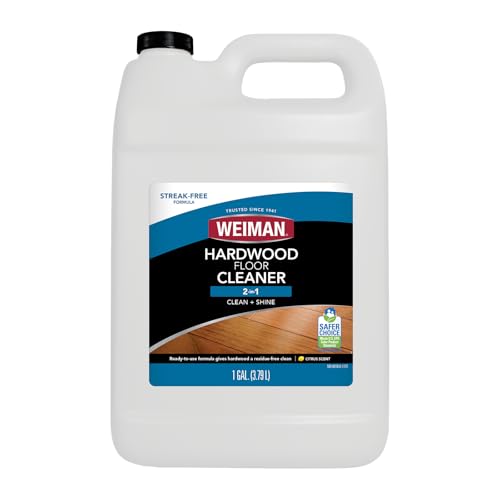
Scrape off what’s left, then clean the area gently with the least-wet method your engineered wood allows. For dried soda stains, start with softening and lifting the residue, then use a wood-safe cleaner and finish by drying fully to prevent haze or swelling. This guide walks you through the safest order of operations so you don’t lift the finish or drive sticky sugar deeper.
This is for homeowners dealing with an old, crusted soda spill on engineered wood—especially where the top wear layer is sealed but the stain has dulled the finish. It’s most helpful when you’re not sure whether the discoloration is just residue or has actually etched the finish.
Identify the stain and protect the floor finish

– Check whether the spot is only sticky/crusty or if it’s discolored (brown/amber) under the finish.
– Test cleaning steps in an inconspicuous area first, because engineered floors vary by coating and wear-layer thickness.
– Keep water to a minimum—use damp (not wet) cloths and wipe dry immediately.
Before you touch the dried soda, confirm what you’re actually removing. In most cases, dried cola leaves two problems: (1) a sticky sugar film that dulls sheen and attracts dust, and (2) sometimes finish alteration (a cloudy “haze” or true discoloration) when the liquid sat long enough. According to the U.S. USDA, many regular colas contain roughly 39 grams of sugar per 12 fl oz (355 mL)—that sugar is exactly what makes residue linger after the spill dries (USDA FoodData Central).
Also consider the soda chemistry. Many sodas are acidic; even after drying, the affected area may have a different surface chemistry than the surrounding finish. In practice, that means you should start with the lowest-risk approach (soften, lift, wipe dry), then increase only if the floor manufacturer’s guidance supports it. As of 2026, engineered wood coatings still vary widely by brand and wear-layer system, so testing matters.
Typical pH of Common Cleaners and Finish Risk (Sealed Wood)
| # | Cleaner (typical use) | Typical pH* | Finish safety ★ | Finish safety score |
|---|---|---|---|---|
| 1 | Distilled/neutral water wipe | ~7.0 | ★★★★★ | 9.5 |
| 2 | pH-neutral wood floor cleaner | ~6.5–8.0 | ★★★★☆ | 8.5 |
| 3 | Mild dish soap solution | ~7.0–9.0 | ★★★☆☆ | 6.5 |
| 4 | Baking soda slurry (alkaline) | ~8.0–9.5 | ★★☆☆☆ | 5.5 |
| 5 | Ammonia-based cleaner | ~11–12 | ★☆☆☆☆ | 3.0 |
| 6 | Vinegar (acidic) | ~2–3 | ★☆☆☆☆ | 2.5 |
| 7 | Chlorine bleach | ~12–13 | ☆☆☆☆☆ | 1.0 |
Typical pH ranges shown reflect commonly cited values for these product classes; always follow your specific cleaner label and your engineered floor manufacturer’s approved-care guidance.
According to the U.S. Environmental Protection Agency, the pH scale runs from 0 to 14 (U.S. EPA).
Loosen and remove dried soda residue (without scratching)
– Use a plastic scraper or a dull credit card edge to lift crust gently; avoid metal scrapers.
– If it’s truly stuck, soften with a slightly damp cloth over the area for a short time, then wipe and re-scrape.
– Vacuum or sweep loosened sugar carefully so you don’t grind it into the grain.
Start dry and mechanical. Dried soda sugar behaves like a brittle film: if you start with a wet mop or soaking cloth, the residue can smear and spread across the finish. A plastic scraper (or even a worn plastic card edge) lets you lift the crust with controlled pressure. Avoid metal tools—engineered wood wear layers are protected by a finish, but that finish can still be nicked.
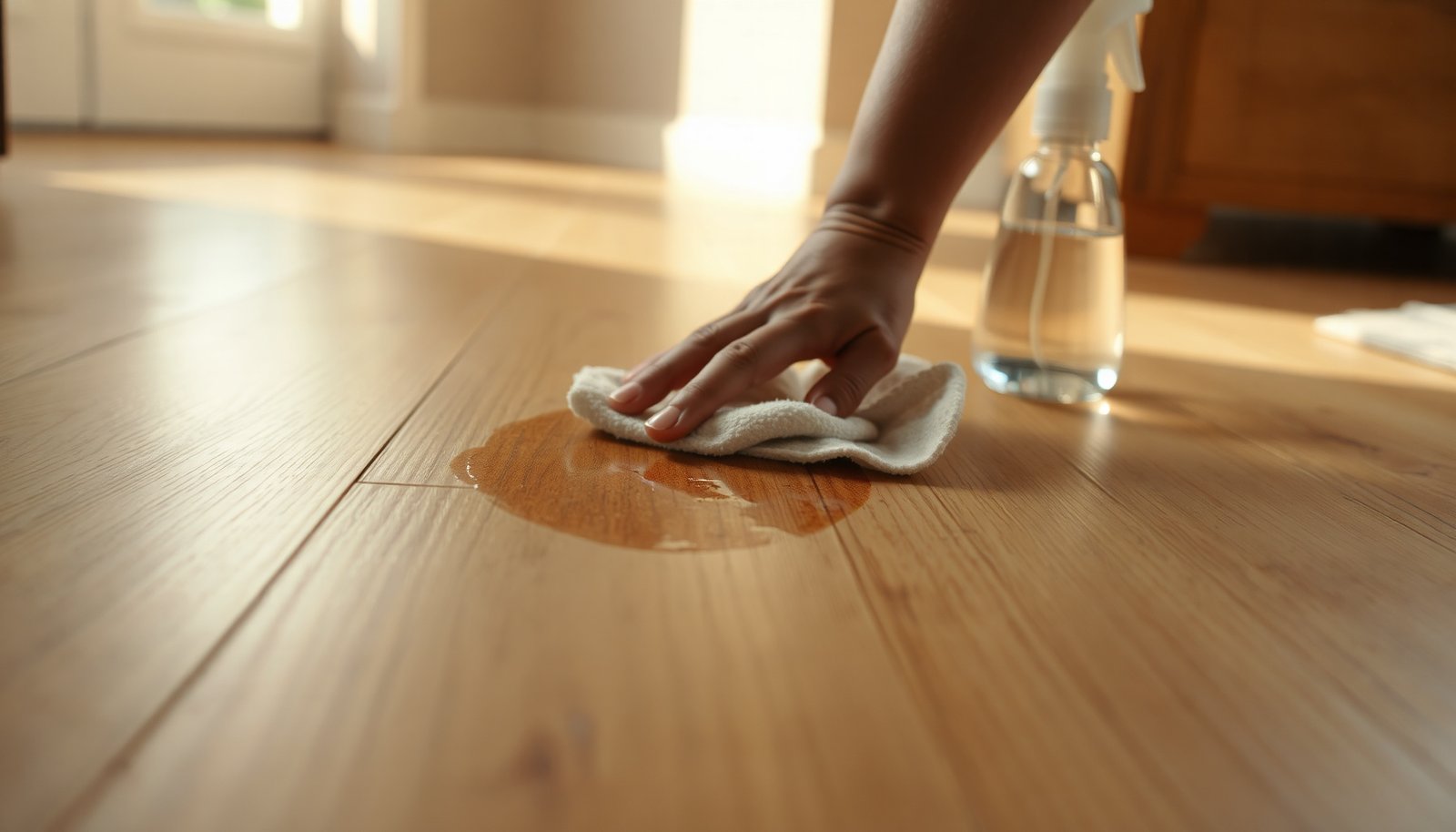
If residue is fused to the finish, use short softening, not flooding. Place a lightly damp microfiber cloth on top for a brief period (you can re-wet the cloth if it fully dries). Then wipe and attempt scraping again. This staged approach reduces the chance of lifting finish texture and helps prevent you from turning the spill into a larger, duller patch.
Practical timing matters. I recommend keeping softening to “seconds to a couple minutes,” then reassessing—if the crust isn’t moving after that, you’re better off stopping and switching methods rather than increasing moisture.
Finally, remove the loosened sugar without grinding. Vacuum with a soft brush attachment or sweep gently toward a dustpan. Any remaining sugar granules are abrasive and can act like sandpaper during the wiping stage.
Clean residue safely with wood-floor–friendly methods
– Wipe with a cleaner made for sealed wood floors or a mild, pH-neutral option appropriate for wood finishes; dampen the cloth, not the floor.
– For stickiness, repeat gentle wipe cycles until tackiness is gone—don’t switch to harsh chemicals right away.
– Rinse behavior matters: if your cleaner manufacturer advises a follow-up wipe with clean water, do only a light wipe and dry immediately.
Once the crust is lifted, cleaning becomes about chemistry and film removal—not “scrubbing until it looks right.” The key is to avoid driving sugar residue deeper under the edge of the wear layer or into micro-scratches. Use a cleaner designed for sealed wood floors (often pH-neutral). Apply it the way the manufacturer intends: typically by dampening a cloth, not by applying product directly to the floor.
Repeat wipe cycles. Soda residue removal usually doesn’t happen in a single pass because sugar films dissolve gradually and can leave behind a thin sticky-to-dull layer. You’ll know you’re done when a white microfiber cloth no longer feels tacky after drying. As of 2026, many floor care professionals still emphasize “damp cloth, wipe dry immediately” for sealed engineered floors because moisture exposure is the fastest route to haze and edge swelling.
Rinsing is optional only when instructions say so. If the cleaner’s label calls for a follow-up water wipe, keep it minimal: a barely damp cloth wipe, then immediate dry wipe. Over-rinsing can leave residue from the cleaner itself (especially if it includes conditioners), creating the very dull look you’re trying to eliminate.
Here’s a quick method comparison to help you choose without escalation:
| Cleaning approach | Plastic scrape + softening cloth | pH-neutral sealed-floor cleaner | Aggressive chemicals/sanding |
|---|---|---|---|
| Primary goal | Remove crust before wet cleaning | Dissolve remaining sugar film | Remove deeply etched/unknown damage |
| Moisture risk | Low (short damp contact) | Low–moderate (cloth dampness only) | High (solvent/moisture can harm) |
| Scratch risk to wear layer | Low (plastic edge) | Low (microfiber wipe) | High (pads/abrasives) |
| Effect on stickiness | Reduces the bulk residue | Most effective for tack film | Can help but often damages finish |
| Effect on haze | Indirect (removes film source) | Often improves if haze is residue | May worsen if finish is stripped |
| Finish compatibility | Generally safe for sealed surfaces | Depends on cleaner label approval | Unpredictable without manufacturer approval |
| Time to see results | Fast for crust removal | Gradual (repeat wipes) | Sometimes quick, often high-risk |
| Skill requirement | Moderate (gentle pressure) | Low–moderate (follow label) | High (test areas first, may require repair) |
| Best stopping point | When crust lifts cleanly | When cloth is no longer sticky | Avoid; may require refinish |
| Overall risk | Low | Low–moderate | High |
| Best For | Old, crusted soda on sealed engineered wood | Leftover sticky sugar film and dullness | Only after identifying true finish damage (often professional/refinish) |
Treat lingering discoloration (haze vs. true staining)
– If the area looks hazy but isn’t sticky, it may be residue/finish film—try a clean, lightly damp cloth wipe, then dry thoroughly.
– If the stain persists after residue is removed, you may need a more targeted approach recommended for your floor’s finish type (follow the manufacturer’s guidance).
– Avoid aggressive sanding or strong solvents unless you’re prepared to refinish a patch, since engineered wood can’t always be sanded safely.
After cleaning, assess what’s left using two quick checks: tackiness and visual clarity. If it’s still sticky, you likely still have sugar film or an oily residue from the soda. If it’s not sticky but looks lighter or cloudy (“haze”), you may have a thin finish film altered by the original spill or by repeated moisture exposure.
For haze that isn’t sticky, start with the gentlest reset: wipe with a clean, lightly damp microfiber cloth and dry immediately. This can remove residual cleaner film or loosen a faint residue layer that’s clouding the finish rather than staining the wood beneath.
If discoloration persists after residue is truly gone, you may be dealing with finish etching or color change in the coating. At that point, “more cleaner” usually becomes the wrong lever. Instead, follow the engineered floor manufacturer’s guidance for your finish system (some recommend specific spot treatments; others warn against anything beyond approved cleaners). Sanding is a last resort because engineered floors don’t always have enough wear layer thickness to safely level repairs—particularly after years of use.
Also, pay attention to surrounding climate. Wood movement is real: according to the National Wood Flooring Association, maintaining indoor humidity in a typical range of 35–55% relative humidity helps prevent excessive expansion/contraction (National Wood Flooring Association). If your home swings outside that range in 2026, the “hazed” spot can appear worse after cleaning because the floor transitions to a new moisture equilibrium.
What can go wrong (and how to avoid it)
– Over-wetting: excess moisture can seep at edges/joints and cause swelling, bubbling, or longer-term cupping.
– Scratching the wear layer: using metal tools or scrubbing pads can cut through the finish and make the spot worse.
– “Trying everything” in the wrong order: sticking sugar left behind can keep re-dulling the surface even after stronger cleaners.
– Unknown floor finish: acids/bleach/ammonia-based cleaners can react with some coatings—skip them unless the floor maker explicitly allows them.
Most failures are procedural, not chemical. The fastest way to make a dried soda problem bigger is to introduce too much water too early. Engineered wood is more stable than solid wood, but moisture can still travel through seams and along edges, especially if the spill sat for hours or the area has aged gaps.
Scratching is another common outcome. Even if the wear layer is sealed, a rough scrubbing pad can break through the surface topcoat layer and create a permanent dull window. Once the finish is physically damaged, cleaning can’t “undo” texture—only refinish can.
Then there’s the “wrong order” trap. If you skip scraping and go straight to wet cleaning, sugar often disperses into a thin film over a broader area. The result is a larger dull patch that keeps reappearing because every new wipe reactivates part of the residue.
Finally, don’t assume all cleaners are safe on engineered wood coatings. Acidic products (like vinegar), alkaline options (like strong baking soda solutions), bleach, and ammonia-based cleaners can react with certain finishes or degrade gloss. As a safeguard, avoid unapproved chemistry on unknown coatings—especially on older floors where the coating may have aged.
Verdict: safest approach, plus who should skip DIY
For most engineered wood with a sealed top layer, the safest path is: gently scrape, lightly soften if needed, clean with a wood-safe pH-neutral method, and dry thoroughly—then reassess discoloration. Skip DIY (or stop early and contact a floor professional) if the stain is accompanied by finish damage (visible dull gouges), if you’re unsure of the coating type, or if you suspect the spill penetrated seams or edges.
The upside of this approach is control: you minimize moisture, protect the wear layer, and keep sugar from being ground into the surface. The downside is that stubborn discoloration may not fully disappear if the finish was truly etched or chemically altered. In those situations, trying stronger chemicals often costs more than it saves.
Also skip DIY if the area is large (for example, multiple boards affected), if you see lifting, bubbling, or swelling, or if the floor has been previously refinished with a nonstandard topcoat. When engineered wood is damaged at the finish level, a pro can determine whether spot repair, refinish, or replacement is the more responsible move—especially as of 2026 when many coatings are proprietary.
Quick checklist for dried soda stains
– [ ] Scrape crust with plastic tool (no metal)
– [ ] Lightly soften with damp cloth if needed
– [ ] Wipe with wood-floor–safe cleaner (damp cloth only)
– [ ] Repeat until no stickiness remains
– [ ] Dry completely right away
– [ ] Re-check: sticky (residue) vs. haze (film) vs. deep discoloration
If the haze remains, repeat the clean-damp-wipe once more with clean water only if your cleaner label advises rinsing; then stop and reassess rather than endlessly wetting the finish.
Frequently Asked Questions
What’s the best way to remove dried soda stains from engineered wood floors?
Start by softening the dried soda residue with a damp microfiber cloth—avoid soaking the engineered wood surface. Once the sticky film lifts, wipe gently and dry immediately with a clean cloth to prevent water damage. If a stain remains, use a wood-safe cleaner recommended for engineered hardwood, and test it in an inconspicuous spot first.
How do I clean dried soda from engineered wood without damaging the finish?
Work slowly and use the least aggressive method first: warm water on a microfiber cloth, then a small amount of pH-neutral wood floor cleaner. Avoid harsh chemicals like ammonia, bleach, or abrasive pads that can dull or strip the protective coating. Always wipe with a barely damp cloth, then follow with dry wiping to keep moisture from seeping into seams.
Which household products are safe for dried soda stains on engineered hardwood?
Typically, pH-neutral dish soap diluted in water and specialized wood floor cleaners are safer options for engineered wood. For stubborn sticky spots, a small amount of isopropyl alcohol on a cloth can help dissolve residue—apply lightly and wipe dry right away. Skip vinegar, steam mops, and strong degreasers unless the product label explicitly says they’re safe for engineered hardwood finishes.
Why does soda leave marks on engineered wood floors, and how can I prevent it next time?
Soda contains sugar and carbonation that can leave a sticky film and moisture that stains or affects the top finish over time. Even if the spill looks “dry,” residue can harden and attract dirt, making stains more visible. To prevent repeat problems, clean spills immediately, blot (don’t rub), and dry the area thoroughly within minutes, especially along seams and edges.
How can I remove stubborn sticky residue or discoloration after the soda has fully dried?
Begin with gentle rehydration: place a damp microfiber cloth over the spot for a few minutes, then wipe in the direction of the wood grain. If discoloration remains, use a manufacturer-approved cleaner or a minimal amount of wood-finish-safe spot remover, applying with a soft cloth rather than saturating the floor. For best results, repeat small steps rather than scrubbing hard, and stop if you notice the finish getting dull or cloudy.
📅 Last Updated: November 14, 2026 | Topic: How to clean dried soda stains from engineered wood floors? | Content verified for accuracy and freshness.
References
- 404 Error
- https://www.bruce.com/flooring-care/cleaning-and-maintenance/
- MohawkFlooring
- https://scholar.google.com/scholar?q=how+to+clean+dried+soda+spill+from+engineered+wood+floor Google Scholar
- https://scholar.google.com/scholar?q=engineered+wood+floor+cleaning+sticky+sugar+residue+soft+cloth+mild+detergent Google Scholar
- https://scholar.google.com/scholar?q=hardwood+floor+care+avoid+excess+water+remove+stains+guidelines+manufacturer Google Scholar