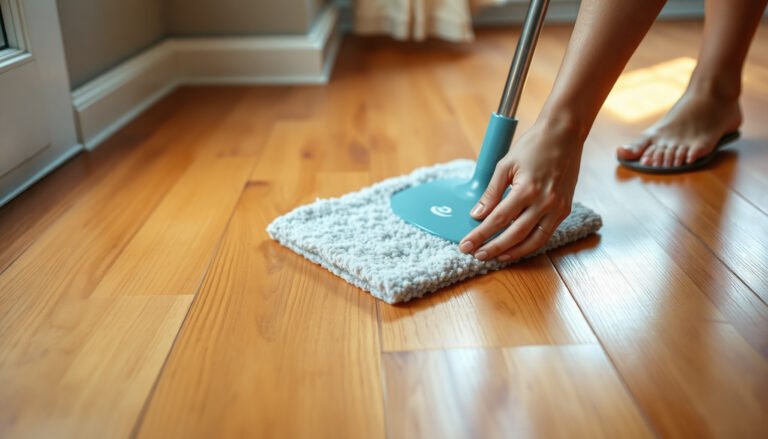
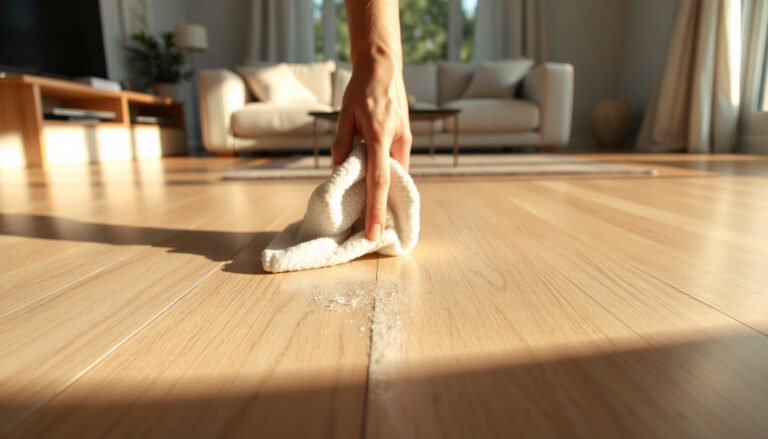
Fresh coffee stains can soak into the finish on engineered wood floors fast, and the common mistake is scrubbing or using too much water, which can dull or seep past the protective layer. You can lift the stain safely in about 10–15 minutes with the right approach: blotting immediately, then using a barely damp microfiber cloth with a pH-neutral cleaner and light pressure. Gather a clean cloth, distilled water, and a wood-floor–safe solution, and you will be able to restore a clean look without risking the surface.



Fresh coffee stains on engineered wood floors are usually removable if you act right away: blot immediately, then clean with a lightly damp, pH-neutral solution and dry thoroughly. If a faint tint remains, use only a finish-safe, tested spot treatment—never soak or flood the surface—because engineered wood’s top wear layer (often a polyurethane coat) is designed for light cleaning, not standing liquids.
If your engineered wood has a factory seal (for example, a polyurethane/laminate-style top coat), you’ll usually be able to remove fresh coffee stains with minimal risk. This guide is for spills that are still new or only slightly set—not for stains that have fully dried for weeks (those may require stronger steps or professional refinishing).
Act Fast: Blot, Don’t Rub

If you want the best chance of complete removal on engineered wood floors, start with blotting while the coffee is still wet. The fastest path is to lift liquid out of the finish instead of spreading it across the floor’s surface.
Blot the spill with a clean, dry white cloth or paper towel, moving upward and switching to a fresh dry section often. Avoid rubbing: engineered wood finishes can have micro-scratches, and rubbing pushes pigment and tannins deeper into the coating and along any tiny gaps between planks. If coffee has spread beyond the main spot, blot outward first (perimeter to center) so the darker edge doesn’t migrate into the cleaner area.
Choose a Gentle Cleaner and Use Minimal Moisture
For most sealed engineered wood floors, the most reliable cleaner choice is a pH-neutral soap solution used sparingly. Your goal is controlled contact time with minimal moisture—wipe, don’t wet.
Mix a few drops of mild, pH-neutral dish soap into warm water, then dampen a cloth so it’s barely wet. Wipe the stained area gently in the direction of the wood grain (following the plank pattern), applying light pressure and only a few passes. Immediately follow with a second cloth dampened with plain water (or a separate water-only cloth) to remove soap residue, then dry thoroughly with a towel.
Why the “minimal moisture” emphasis matters: wood swells when moisture penetrates into the structure. According to the U.S. Forest Products Laboratory, wood dimensions can change as moisture content climbs above the fiber saturation point (about 30% moisture content), which is why pooling liquids are risky even on engineered wood surfaces that feel “hard.” U.S. Forest Products Laboratory (2017) (If you ever see darkening that spreads as you wipe, stop and dry—engineered wood floors may be taking in moisture at the edges.)
Finish-Safety of Common Spot-Cleaning Agents for Sealed Engineered Wood
| # | Agent (typical use case) | Approx. pH | Common Form | Finish-Safety (1–5★) |
|---|---|---|---|---|
| 1 | pH-neutral dish soap solution (first-pass cleaning) | 7.0–8.5 | Diluted in warm water | ★★★★★ |
| 2 | Plain water wipe (rinse step) | ~7.0 | Damp cloth | ★★★★★ |
| 3 | Diluted white vinegar on cloth (tannin tint test) | ~3.0–4.0* | Spritz/transfer to cloth only | ★★★★☆ |
| 4 | Diluted hydrogen peroxide on cloth (spot lift) | ~3.0–5.0** | Small cloth application only | ★★★☆☆ |
| 5 | Baking soda paste (avoid for spot fixes) | ~8.3 | Thick paste + rubbing risk | ★★☆☆☆ |
| 6 | Household ammonia (skip) | ~11–12 | Often streaking/odor-heavy | ★☆☆☆☆ |
| 7 | Chlorine bleach (skip) | ~11–13 | Oxidizer; can discolor finishes | ★☆☆☆☆ |
Dilution changes pH; the “vinegar on a cloth” approach uses diluted vinegar at a low-moisture transfer.
Store-bought hydrogen peroxide is often ~3%—dilution and immediate blotting/drying reduce finish exposure.
Treat Stubborn Coffee Tint (Finish-Safe Options)
If the coffee stain has left a lingering brown/tan tint on engineered wood floors, you don’t need to re-wet the whole area—you need a controlled spot treatment. Many times, the tint is from tannins settling in the finish layer rather than deep penetration.
First, test in an inconspicuous spot: diluted white vinegar (about a 1:4 to 1:10 vinegar-to-water ratio) applied to a cloth—not poured—can help neutralize or lift tannin discoloration. Wipe lightly, keep dwell time short, and rinse with a lightly damp water cloth afterward if your manufacturer allows vinegar. Vinegar is typically around a 4–8% acetic acid solution; the dilution you use is what keeps the risk lower for engineered wood finishes. PubChem (2024)
If discoloration remains, consider a very small amount of hydrogen peroxide on a cloth, starting diluted. Household hydrogen peroxide commonly comes in a ~3% solution, and stronger concentrations increase the chance of finish color shift, haze, or uneven brightness. CDC (2022) (In practice: apply to the cloth, test, stop immediately when you see lift, and dry right away.)
Here’s how I frame the tradeoff for engineered wood floors:
– Pros of diluted vinegar: usually less aggressive than oxidizers, often effective on coffee tannin tint when used briefly and tested.
– Cons of vinegar: if the finish is matte or sensitive, you can sometimes get temporary dullness until the area fully dries.
– Pros of diluted hydrogen peroxide: can brighten discoloration when the tint won’t move with soap and water.
– Cons of peroxide: oxidizers can alter some coatings if overused or left too long.
Also prioritize the floor’s own care guidance. Engineered wood finishes vary, so manufacturer-approved spot cleaning is the safest “decision framework” for avoiding finish alteration.
Drying and Protecting the Area
If you want engineered wood floors to look uniform after cleaning, drying is the final “step that decides the outcome.” Even a successful stain lift can look worse if moisture remains and causes temporary darkening.
Dry the area right after cleaning with a towel, then use airflow (a fan placed safely nearby) to speed evaporation. Don’t apply wax, polish, or restorers until the stain is fully gone and the surface is dry; some products can trap remaining tint under a film. Once clean, place a rug or felt pads temporarily to prevent re-wetting and to reduce traffic while the engineered wood floor stabilizes.
If you notice the spot looks darker 10–30 minutes later, treat that as a sign moisture traveled beyond what you intended. Stop further chemical attempts, dry more thoroughly, and revisit only with gentle pH-neutral cleaning when the area is fully dry.
What Can Go Wrong (And How to Avoid It)
The most common failure mode with coffee on engineered wood floors is turning a fresh spill into a finish-change or moisture-spread problem. The surface may look “fixed” for an hour, then the tint or sheen mismatch shows up later.
Soaking the floor is the big one. Engineered wood can handle light cleaning, but pooling liquid at the surface or getting it into seams can cause swelling, edge lifting, or permanent spotting. If you see liquid creeping toward plank seams, immediately blot dry and stop.
Using harsh cleaners is another risk. Bleach, strong degreasers, or abrasive pads can dull or strip the finish and make the treated area more visible than the original coffee stain. Steam cleaning is particularly risky: heat and moisture can damage finishes and drive stain or dye deeper into joints.
Finally, rubbing too hard creates an appearance problem even if the stain disappears. Aggressive scrubbing can leave a lighter “shined” patch due to finish abrasion, which is one reason blotting and minimal moisture work better for engineered wood floors than “scrub and hope.”
Verdict: What’s the Best Approach for Fresh Coffee Stains?
For fresh coffee on engineered wood floors, the safest winning combo is immediate blotting + minimal-moisture pH-neutral cleaning, then a carefully tested finish-safe spot treatment only if the tint lingers. This sequence prevents pigment from spreading and limits finish exposure time.
The downside of spot treatments is unevenness: even a “successful” test can leave minor sheen differences on matte finishes or around the application area. That’s why it’s smart to stop after you see lift, rinse appropriately (if your product guidance allows), and avoid over-treating a larger area than necessary.
If you’re dealing with an engineered wood floor that’s already dried for weeks, treat this as a best-practice starting point—not a guarantee. At that stage, the stain may have set into the top coating and may require the manufacturer’s recommended refinishing/repair process.
Quick Scan Checklist (Save This)
| Step | Do This | Don’t Do |
|---|---|---|
| 1 | Blot immediately with a dry white cloth | Rub the stain |
| 2 | Lightly damp pH-neutral soap cloth, then dry | Pour water or let it pool |
| 3 | If tint remains: test diluted vinegar on cloth | Use chemicals without testing |
| 4 | Rinse lightly with plain water on a separate cloth | Apply polish before stain is gone |
| 5 | Dry fully (towel + airflow) | Ignore lingering dampness |
Frequently Asked Questions
How do I clean a fresh coffee spill on engineered wood flooring without damaging the finish?
Blot the coffee immediately with a clean, dry microfiber cloth—don’t wipe, which can spread the stain or push liquid into seams. Lightly dampen another cloth with clean water and wipe gently, then dry right away with a towel. If a brown tint remains, use a small amount of mild dish soap in water, apply with a damp cloth, and dry thoroughly to protect the engineered wood finish.
What’s the best way to remove coffee stains from engineered wood floors when the spill just happened?
For fresh coffee stains, act fast: blot, then rinse the area lightly with a damp cloth (not soaking) to lift residue. After the spot is clean, dry completely and, if needed, buff with a dry microfiber cloth to restore sheen. Avoid harsh cleaners and steam because excess moisture can seep into the engineered wood core and cause swelling or warping.
Which cleaning solution is safest for coffee on engineered wood floors—soap, vinegar, or commercial wood cleaner?
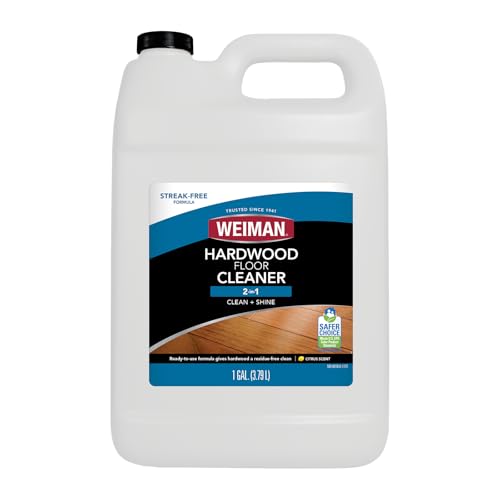
Start with the gentlest option: mild dish soap mixed with water, applied using a barely damp microfiber cloth. Vinegar can be risky on some finishes and sealants, so it’s better to avoid it unless the manufacturer recommends it for your engineered wood flooring. For ongoing spot cleaning, choose a cleaner labeled safe for finished wood floors and follow the dilution instructions exactly.
Why do coffee stains sometimes “set” on engineered wood, and how can I prevent that?
Coffee contains tannins and pigments that can bond to surface coatings if liquid isn’t removed quickly. Even though engineered wood is more stable than solid wood, moisture can still penetrate joints and edges, increasing the chance of permanent discoloration. Prevent setting by blotting immediately, using minimal water, drying right away, and repeating gentle spot-cleaning rather than scrubbing aggressively.
How can I lift dried or lingering coffee stains from engineered wood floors after the spill was missed?
Begin by rehydrating gently with a damp microfiber cloth—work slowly and keep the area as dry as possible to protect the engineered wood layer and finish. If the stain remains, use a small amount of cleaner safe for sealed wood floors, applying with a soft cloth and wiping clean, then dry thoroughly. For tougher stains, try a manufacturer-recommended wood floor spot remover and test in an inconspicuous area first, since abrasive products can dull the finish.
📅 Last Updated: November 14, 2026 | Topic: How to clean fresh coffee stains from engineered wood floors? | Content verified for accuracy and freshness.
References
- Engineered wood
- Coffee
- Tannin
- Wood flooring
- Stain
- Checking your browser – reCAPTCHA
- Checking your browser – reCAPTCHA
- https://scholar.google.com/scholar?q=cleaning+coffee+stains+from+wood+floors Google Scholar
- https://scholar.google.com/scholar?q=engineered+wood+floor+care+spot+cleaning Google Scholar
- https://scholar.google.com/scholar?q=tannin+stain+removal+wood+oxalic+acid Google Scholar