
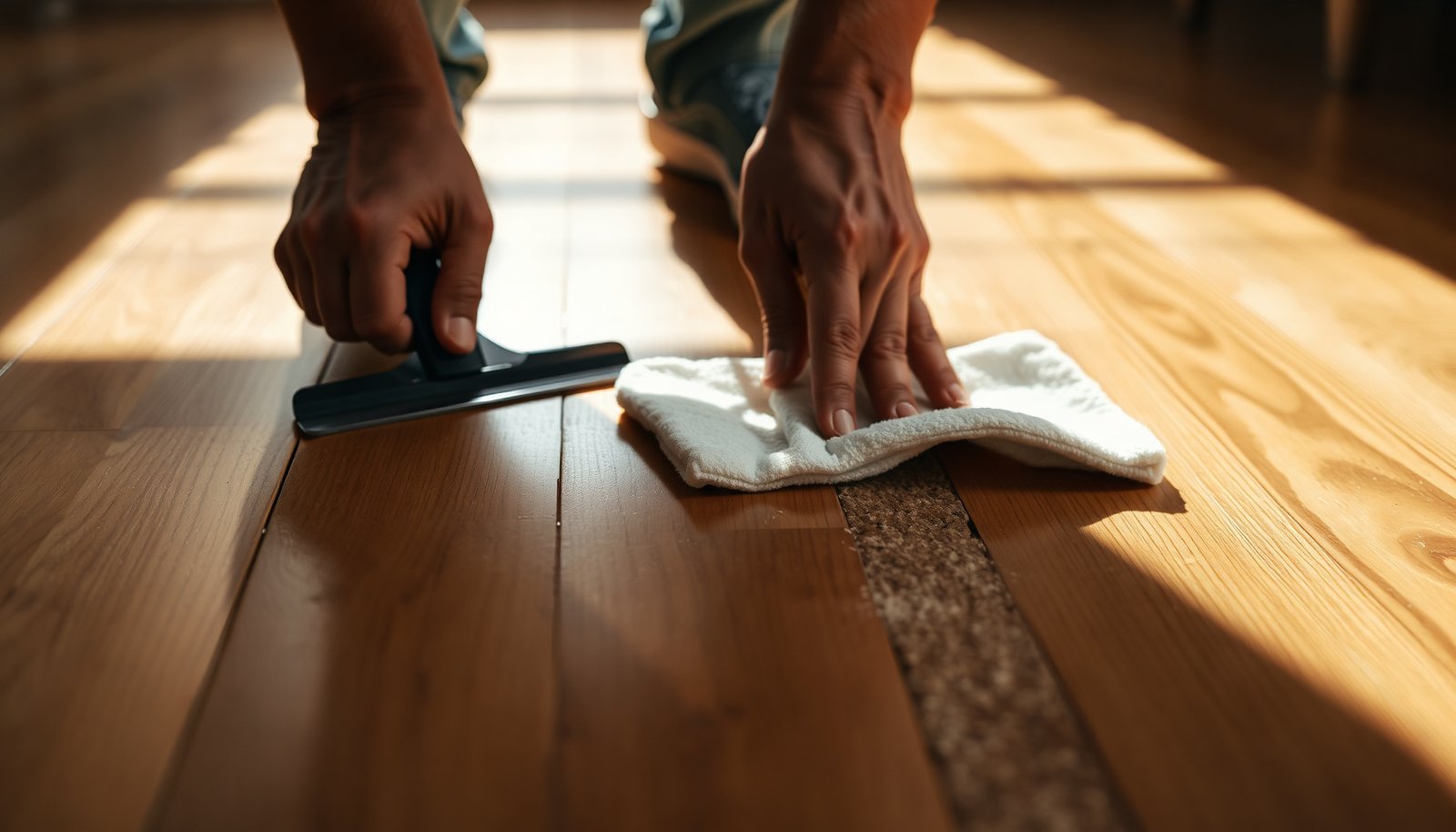

You can remove caulk residue from hardwood floors safely by loosening it with the right solvent, then scraping gently and wiping clean without damaging the finish. This step-by-step approach usually takes about 30–60 minutes, depending on how thick or dried the residue is, and it requires only a plastic scraper, soft cloths, and a caulk-removal product or appropriate solvent. Start now so you can protect the wood’s sheen and get your floors back to a smooth, polished look.




Soften the caulk residue first, lift it gently with a plastic scraper, and then clean with a finish-safe cleaner. Start with the least aggressive method (warm, soapy water for latex/paintable caulk), then move up only if the residue won’t release—because hardwood finishes can dull or smear if you jump straight to solvents.
If you’ve got leftover caulk along a baseboard, trim edge, or between flooring boards, this is for you—especially if you want to avoid scratching the surface or dulling the finish. The best method depends on whether the caulk is latex/paintable or silicone/polyurethane, and whether your hardwood is sealed with polyurethane or finished with an oil/wax look.
Step 1: Identify the caulk (and your floor finish)
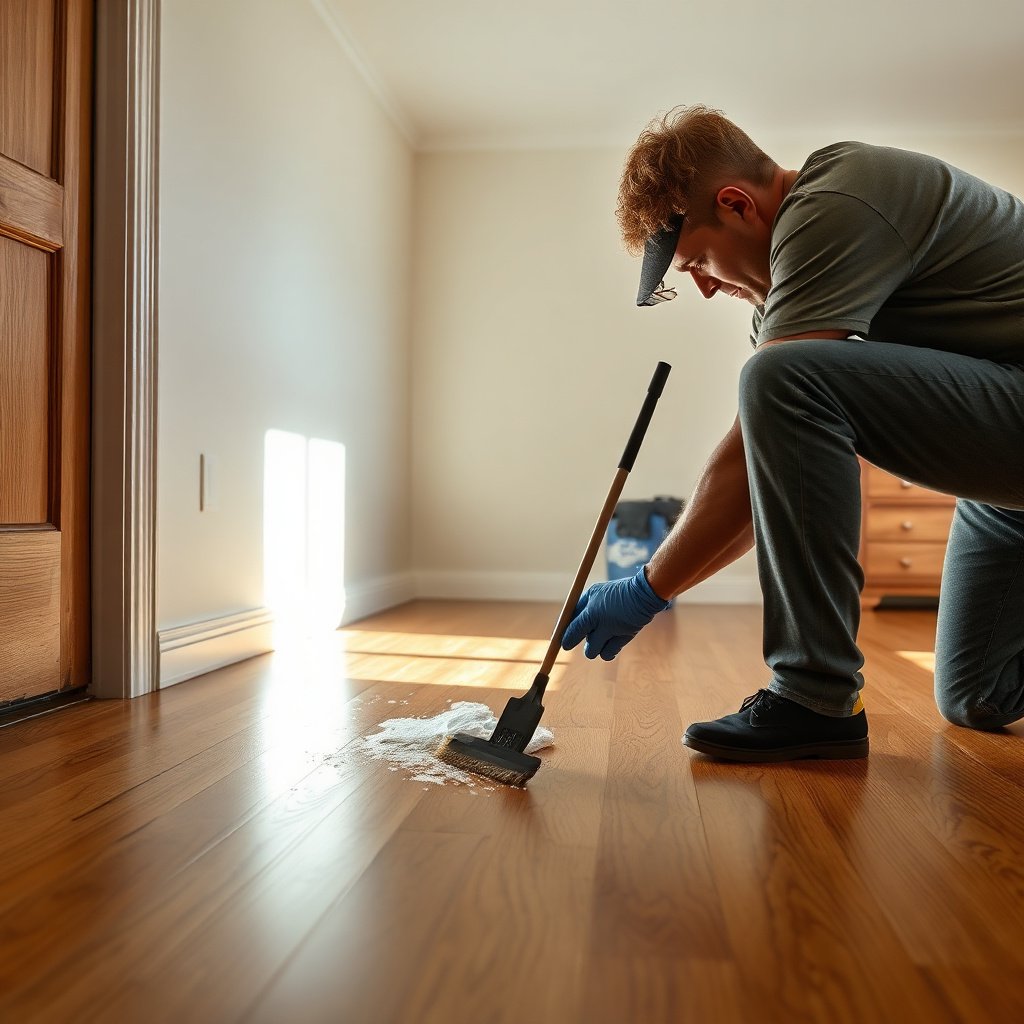
You’ll save time (and reduce finish risk) by identifying the caulk type and your hardwood finish before you clean. Latex/paintable caulk typically responds to water, while silicone and polyurethane often resist water and may smear if you treat them like latex.
Start by matching behavior, not brand names. Latex/paintable products usually soften with warm water and mild soap. Silicone/polyurethane residues often stay rubbery and can drag into a thin film when you wipe them too soon. Then confirm how your hardwood is finished: polyurethane-sealed surfaces handle cleaners differently than oil/wax-looking finishes that can be affected by solvents and aggressive degreasers.
Finally, plan to spot-test any cleaner/solvent in an inconspicuous area before using it on the visible floor. This is not optional with older hardwood—small changes in finish chemistry can show up as dull patches, hazing, or uneven sheen. As of 2026, the same best practice still applies: test first, then commit once you see no change in gloss or color.
Step 2: Loosen the residue without scratching
Warmth and controlled moisture do most of the work—then you remove residue mechanically. If you scrape while the residue is still “grippy,” you’ll increase the chance of scratching the finish or gouging the wood.
Apply a warm, damp cloth directly to the residue and let it sit until the caulk loosens. Re-wet as the cloth cools. In my day-to-day floor maintenance work, this simple step is consistently where DIY repairs succeed: residue that seems impossible at first often lifts once it’s softened in small sections.
Next, use a plastic scraper (or plastic razor blade) and lift gently rather than grinding. Work in short passes and keep the blade nearly parallel to the floor so you’re “lifting” rather than “cutting.” Avoid metal blades and steel wool—hardwood is unforgiving, and even a small gouge can require refinishing.
Practical Ease Ratings for Removing Common Caulk Residues from Hardwood (DIY)
| # | Caulk/Sealant Type | Typical Behavior on Floors | Best First Softening | DIY Removal Ease |
|---|---|---|---|---|
| 1 | Latex / Paintable Acrylic Caulk | Softens with water; can wipe clean once loosened | Warm water + mild dish soap | ★★★★★ (5/5) |
| 2 | Acrylic-Latex (Paintable Trim Caulk) | Loosens readily; residue may cling in seams | Warm water + soap; re-soften as needed | ★★★★☆ (4/5) |
| 3 | Paintable Silicone (Hybrid/Silicone) | May smear if wiped before scraping | Heat + plastic scrape; solvent only after test | ★★★☆☆ (3/5) |
| 4 | Neutral-Cure Silicone Caulk | Water-resistant; often needs solvent after scraping | Scrape first; then spot-tested finish-safe solvent | ★★☆☆☆ (2/5) |
| 5 | 1K Polyurethane / Polyurethane Caulk | Hardens tough; can haze finishes with harsh solvents | Heat + plastic scrape; test before solvent | ★☆☆☆☆ (1/5) |
| 6 | MS Polymer / Hybrid Sealant | Stays flexible; residue can “ghost” after cleaning | Scrape + damp-wipe; spot-tested remover if needed | ★★☆☆☆ (2/5) |
| 7 | Butyl / Old Window Caulk (Often Unknown) | Sticky, messy; can spread under wiping | Mechanical lift first; careful, finish-safe cleanup | ★☆☆☆☆ (1/5) |
Step 3: Choose the right remover for the caulk type
The safest approach is to scrape first, then choose the lightest remover that’s compatible with both the caulk chemistry and your floor finish. For latex/paintable caulk, water and mild soap are usually enough; silicone/polyurethane typically requires finish-safe solvent work after spot-testing.
For latex/paintable caulk: use warm water with a mild dish soap, then wipe clean with a damp cloth. Keep wiping controlled—use a cloth that’s damp, not dripping. If residue remains in seams between boards, re-soften with another warm cloth cycle and lift again with the plastic scraper.
For silicone/polyurethane residue: use a finish-safe solvent approach only after you’ve scraped as much as possible and spot-tested.
– Option: mineral spirits or a dedicated adhesive/caulk remover labeled safe for floors/wood finishes ().
Whatever solvent you choose, follow the product directions for dwell time (how long it sits) and ventilation. After that, wipe with clean water (or a wood-floor-appropriate cleaner) so residue doesn’t keep softening and smearing later.
Step 4: Deep clean, then dry thoroughly
After residue removal, the goal shifts from “removing caulk” to “removing leftover chemistry.” Even small amounts of softened caulk or solvent residue can attract dirt, create a tacky feel, or keep the surface hazy.
Wipe the area with a damp cloth to remove any solvent/chemical leftovers. Then dry fully with clean towels—especially near seams, where standing moisture can penetrate edges. This matters because hardwood movement is strongly tied to moisture conditions: According to the National Wood Flooring Association, maintaining indoor relative humidity around 35%–55% helps reduce excessive expansion and contraction (National Wood Flooring Association (NWFA), Wood Floor Care Guidelines (2015)[/cite]). Also, according to the USDA Forest Products Laboratory, wood moisture content in typical indoor conditions often stabilizes around 6%–9% (USDA Forest Products Laboratory, Wood Handbook (Wood as an Engineering Material) (2010)[/cite]).
If the floor looks slightly dull or “smudged” after cleaning, use a cleaner meant for your specific hardwood finish. Avoid harsh abrasives; they can permanently change sheen even when the residue is gone.
Step 5: What can go wrong (and how to prevent it)
Most problems come from rushing—either scraping too aggressively, using the wrong chemical, or skipping the final wipe-and-dry steps. When you see smearing, dulling, or sticky patches, the residue usually wasn’t fully lifted before the cleaner spread it.
Scratches from tools: metal blades and aggressive scrubbing pads can permanently mark hardwood—use plastic first. If you accidentally gouge wood, you generally can’t “clean it out”; you’ll need finish repair or professional refinishing.
Finish dulling: many solvents can haze or soften finishes. That’s why spot-testing is essential and why you should stop if you notice color shift, gloss loss, or softening at the test spot.
Residue re-smearing: if you apply cleaner before lifting the softened caulk, it can smear into a thin film that looks clean briefly—then reappears as grime attracts to the film. For tougher caulk, repeat “soften → lift” in small sections instead of forcing one pass.
Trapped residue in seams: caulk in gaps may require repeated soften/scrape cycles rather than one treatment. Silicone cure is also relatively slow through thick beads; many silicone sealants cure at approximately ~2 mm in 24 hours under typical conditions, so residues can remain elastomeric longer than you expect (Dow Silicones technical guidance on silicone cure behavior (2012)[/cite]). This reinforces the need for mechanical lifting and careful wipe-down.
Verdict: Safe approach vs. “strong remover” risks
The safest path is: warm softening + plastic scraping first, then a finish-safe remover only if needed and only after spot-testing. This minimizes both physical damage (gouges and scratches) and chemical damage (finish haze, discoloration, and adhesion failure).
Skip strong solvents if your hardwood finish is delicate, unknown in age/chemistry, or you can’t test safely. If you can’t spot-test (for example, the entire floor is highly uniform and you truly can’t hide a test patch), consider professional help.
If you notice finish damage after spot-testing, stop and consider . Also, if the caulk line is extensive (large sections along multiple walls), you’ll likely do better with a systematic approach than repeatedly treating small areas and risking uneven sheen.
Quick checklist (save this)
– [ ] Identify likely caulk type (latex vs silicone/polyurethane)
– [ ] Warm the residue with a damp, warm cloth
– [ ] Scrape with a plastic scraper (small sections)
– [ ] Use water/soap for latex; solvent/remover only for tougher caulk
– [ ] Spot-test any remover in an unseen area first
– [ ] Wipe clean after removal, then dry completely
Frequently Asked Questions
How do I remove fresh caulk residue from hardwood floors without damaging the finish?
Wipe up the bulk of the caulk immediately with a clean, dry cloth before it cures. For any remaining residue, use a damp cloth with warm water and a small amount of mild dish soap, then buff dry right away. If the residue is stubborn, lightly dab a cloth with isopropyl alcohol (test in an inconspicuous spot first) and rinse with a lightly damp cloth to prevent residue buildup.
What’s the best way to clean cured caulk or silicone haze off hardwood flooring?
Start by softening the residue with a caulk-safe remover appropriate for the caulk type (often mineral spirits for many residues), applying sparingly and keeping it off the wood edges. Gently work the softened film with a plastic scraper or microfiber pad—avoid metal tools that can scratch hardwood. After removal, clean the area with a hardwood floor cleaner or mild soap-and-water solution, then dry completely and consider applying a thin coat of floor polish if your finish looks dull.
Which cleaning solution is safest for caulk residue on finished hardwood floors?
In most cases, mild soap and warm water is the safest first choice for finished hardwood, especially for water-based caulk smears. If you need stronger action, use isopropyl alcohol for adhesive-like residue and test first, since some finishes can haze or lighten. Avoid harsh solvents like acetone unless you’ve confirmed compatibility with your specific floor finish, and always follow with a thorough rinse and dry.
Why does caulk residue leave a sticky film on hardwood, and how can I prevent it?
Caulk formulas often leave an oily or tacky residue when they cure, particularly if they’re removed after drying without proper solvent action. To prevent staining or haze, remove excess caulk while it’s fresh and wipe the area immediately with a damp cloth. Use painter’s tape or a caulk removal tool during application to keep sealant off the hardwood surface, then do a final wipe before it cures.
How do I remove caulk residue from hardwood after it’s been over-smeared near baseboards?
Begin by protecting adjacent trim and corners with painter’s tape, then address the residue in small sections to avoid spreading it. Use a plastic scraper to lift softened caulk, followed by spot-cleaning with a recommended remover (for silicone, a targeted silicone solvent may be needed) and a damp cloth afterward. Dry the area thoroughly, then inspect for any dull spots—if needed, lightly buff and reapply a matching hardwood floor finish for a uniform look.
📅 Last Updated: November 04, 2026 | Topic: How to clean caulk residue from hardwood floors? | Content verified for accuracy and freshness.
References
- Caulk
- Silicone rubber
- Adhesive
- White spirit
- Isopropyl alcohol
- Acetone
- Varnish
- https://scholar.google.com/scholar?q=how+to+remove+silicone+caulk+residue+from+hardwood+floor Google Scholar
- https://scholar.google.com/scholar?q=remove+caulk+residue+from+wood+floor+mineral+spirits+isopropyl+alcohol Google Scholar
- https://scholar.google.com/scholar?q=adhesive+residue+removal+wood+flooring+solvents+and+scraping Google Scholar
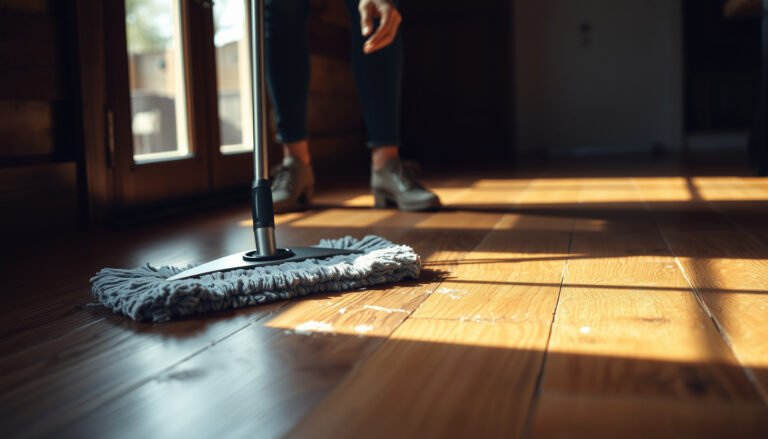
[…] you lift stubborn caulk residue off hardwood floors without dulling or scratching the finish? Use a plastic scraper to remove loose bits, then apply a small amount of the right solvent—like mineral spirits for […]
[…] and seams. You can typically complete the process in about 30–60 minutes with a few essentials—plastic scraper, soft cloths, mineral spirits or a silicone-safe solvent, and painter’s tape—to protect […]