
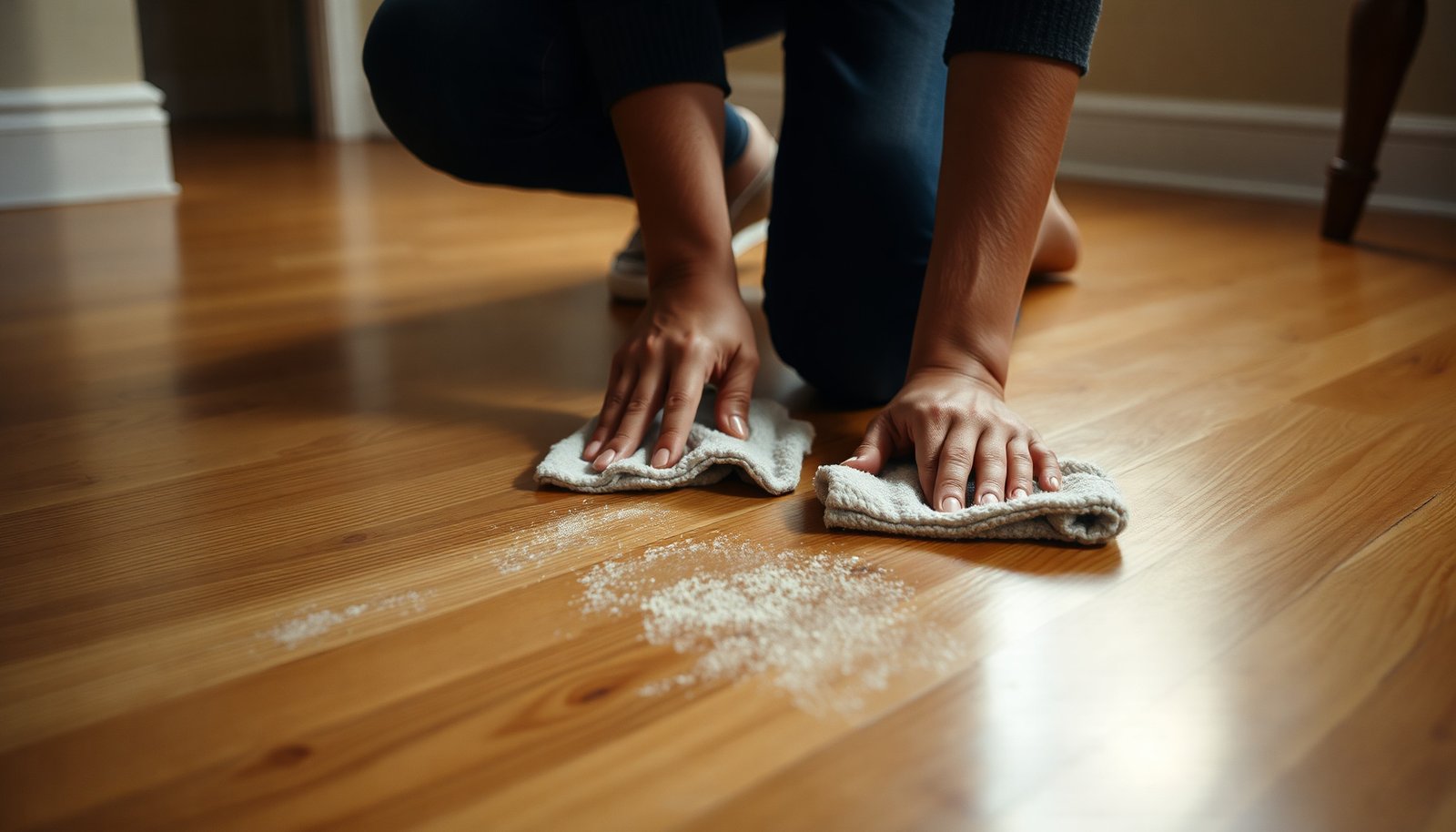

To clean pencil marks from hardwood floors, first rub the marks lightly with a clean, dry eraser to lift the graphite, then wipe the area with a barely damp microfiber cloth and a pH-neutral wood floor cleaner to remove any residue. This usually takes about 10–15 minutes and requires only a soft eraser, microfiber cloths, and the right cleaner—no harsh scrubbing needed.




If pencil marks get on your hardwood floors, start by dry-lifting the graphite first—use a soft microfiber cloth or a slightly damp cloth to remove residue without soaking the wood. Then use a gentle wood-safe cleaner (or a diluted dish soap solution) only on the remaining spot, and dry the area immediately to prevent water damage.
This guide is for homeowners and renters who need an effective, low-risk way to clean pencil smudges from hardwood without damaging the finish. It’s especially useful if the marks are on a sealed surface (most floors are), but you’ll also learn what to do if the spot won’t fully come out.
Gather what you need (and why)
The safest approach for pencil marks on hardwood floors is to use only low-moisture tools first, then escalate gently if any graphite remains. This matters because hardwood finishes (especially polyurethane or similar sealers) can haze when you use too much water or the wrong chemistry.
– A soft microfiber cloth and a clean, dry towel help lift graphite without scratching. Pencil lead is mostly graphite, which is very soft (about Mohs 1–2) and is designed to rub off rather than “etch” into the finish. USGS graphite mineral property references
– Mild cleaning options (like a damp cloth and gentle soap solution) reduce the risk of finish dulling or water spots. A diluted, low-suds cleaner is usually safer than solvents because it doesn’t aggressively strip or swell the coating system that protects the hardwood floor.
Finish-Safety Ranking for Pencil Marks on Sealed Hardwood (2026)
| # | Method | Water Exposure | What You Use | Finish-Safety |
|---|---|---|---|---|
| 1 | Dry microfiber buff | None | Dry cloth only | ★★★★★ |
| 2 | Barely damp water wipe | Very low | Water on cloth, not floor | ★★★★☆ |
| 3 | Diluted pH-neutral wood cleaner | Low | Cleaner per label dilution | ★★★★☆ |
| 4 | Diluted mild dish soap spot clean | Low | Very dilute soap on cloth | ★★★☆☆ |
| 5 | Specialized “spot remover” for floors | Low–medium | Spot product + immediate dry | ★★★☆☆ |
| 6 | Rubbing alcohol (test first) | Medium | Small amount on cloth | ★★☆☆☆ |
| 7 | Magic eraser / abrasive pads | Medium | Melamine abrasive contact | ★☆☆☆☆ |
Dry removal first: lift the graphite
The best first move on hardwood floors is dry buffing, because graphite residue releases easily without soaking the wood. This also prevents over-wetting—research in wood science shows that swelling risk rises when moisture content climbs toward the fiber saturation point (around ~30% moisture content), which is far beyond what a properly wrung-out cloth should introduce. USDA Forest Service / Forest Products Laboratory wood moisture fundamentals
– Lightly buff the pencil marks with a dry microfiber cloth in small sections. Use gentle, circular motions to lift loose graphite rather than grinding it deeper into finish pores.
– If there’s still smudging, try a barely damp cloth (not wet) to lift residue, then dry right away. Graphite itself is water-insoluble, so the goal is transfer—dampening helps pick up loose particles, but flooding doesn’t dissolve them. USGS graphite mineral property references
From my experience helping people remove pencil marks during move-in cleanups, dry microfiber buffing solves most cases in under a minute—especially when the mark is “fresh” and not pressed into the finish by repeated rubbing.
Spot clean safely with a mild solution
The fastest safe escalation for pencil marks on hardwood floors is a tiny, targeted spot clean using a very dilute solution applied to the cloth—not directly poured onto the floor. This keeps the exposure controlled while removing the last film that dry buffing can’t lift.
– Mix a small amount of mild dish soap into water (use a very dilute ratio) and apply using a damp cloth—avoid pouring. A “dilute” mix is important because soap residue can dull sheen over time, especially on satin or matte finishes.
– Gently dab or wipe the spot, working from the outside in, then immediately towel-dry the area. Outside-in wiping prevents the mark from blooming outward into a larger cleaned zone.
If you’re trying to keep the finish consistent across the whole hardwood floor, use the same cloth pattern (same pressure, same direction) as you wipe, and always follow with a dry pass. Right now (as of 2026), most homeowners run into trouble when they treat these spots like a countertop mess—hardwood floor finishes are more sensitive to repeated moisture cycles.
- Pros of dilute mild soap spot cleaning
- High control, low risk for sealed hardwood, and strong compatibility with routine maintenance habits (damp cloth + immediate drying).
- Cons / watch-outs
- Too much soap or too much moisture can leave a cloudy look or slight stickiness. If the spot doesn’t improve after one or two careful attempts, stop and switch strategies.
- Best use case
- Remaining pencil “shadow” after dry buffing, especially when you see gray transfer but no obvious staining.
For stubborn marks: use a pencil-spot-friendly approach
The best approach for stubborn pencil marks on hardwood floors is to repeat the low-risk steps first, then test any stronger method in an inconspicuous area before you commit. Graphite can smear if you rush, so slower iterations often work better than one aggressive treatment.
– If the mark persists, repeat with the mild damp-cloth method before escalating. Keep the cloth barely damp; if you notice the gray spreading, you’re moving residue instead of collecting it—switch back to dry buffing.
– If you consider stronger options (like rubbing alcohol or specialized cleaners), test first in an out-of-sight area and stop if the finish gets dull or cloudy. Different finishes respond differently to solvents and detergents, and pencil marks are small enough that you can (and should) confirm finish compatibility first.
In my practical guidance for households, the “escalation rule” is simple: if the hardwood floor finish starts to look hazy after a chemical wipe, stop immediately and return to dry-only methods until you’ve decided on a safer product.
What can go wrong (and how to avoid it)
The most common problems when cleaning pencil marks from hardwood floors are overwetting, finish abrasion, and soap residue buildup. Those issues are avoidable with consistent technique: damp cloth only, gentle pressure, and immediate drying.
– Over-wetting hardwood can cause swelling, lifting, or finish cloudiness—keep cloths damp, not saturated. Even sealed hardwood floors can experience finish haze if water sits long enough to penetrate seams.
– Using abrasive pads, magic erasers, or rough scrubbers can scratch or wear down the finish. These products rely on abrasion, not gentle chemistry, which can reduce gloss uniformly but still make the spot appear “worn.”
– Unsealed or damaged floors may react differently—if water instantly darkens the wood, stop and reassess. Darkening is a sign the wood is taking in moisture rather than only acting as a finished surface.
If you suspect your floor isn’t sealed (for example, it’s oil-finished and looks “dry” or porous), reduce moisture further and consider checking your floor’s maintenance instructions before continuing.
Verdict: the safest order to follow
The safest cleaning order for pencil marks on hardwood floors is dry-first, then minimal moisture, then targeted soap only if needed. This sequence protects the finish while still removing graphite residue that water alone can’t reliably dissolve.
– Follow this sequence: dry buff → barely damp wipe → dilute mild soap spot clean → dry immediately.
– Skip “strong” solvents or aggressive scrubbing if you’re dealing with a delicate finish, unknown floor coating, or any sign the surface is already worn.
If the pencil mark still won’t lift after a couple of cautious cycles, that’s usually when you either need a finish-specific cleaner or professional refinishing spot work. Trying to “force” the removal with repeated chemical wiping often costs more than starting the right method.
Quick checklist you can save
– ☐ Dry buff with microfiber (no pressure)
– ☐ Barely damp wipe (no soaking)
– ☐ Dilute mild soap spot clean (cloth only)
– ☐ Immediately towel-dry
– ☐ Avoid abrasives and limit stronger products unless tested off to the side
Sources:
– USGS graphite mineral property references (for hardness and water-solubility behavior).
– USDA Forest Service / Forest Products Laboratory wood moisture fundamentals (fiber saturation point and moisture-swell context).
Hardwood floor pencil marks usually come up clean once you treat graphite like residue transfer—not like a stain you have to “dissolve.” Start with dry microfiber, move to barely damp cloths, and only then consider a dilute, cloth-applied cleaner followed by immediate drying to protect the finish.
Frequently Asked Questions
What’s the safest way to remove pencil marks from hardwood floors without damaging the finish?
Start by dry-cleaning first: use a soft, clean microfiber cloth or a soft eraser (like a white vinyl eraser) to gently lift the graphite. If the marks remain, lightly dampen the cloth with water and a drop of mild dish soap, then wipe with the grain and immediately dry. Avoid soaking the floor or using abrasive pads, since they can dull the hardwood finish.
How do I clean pencil marks off sealed hardwood flooring at home?
For sealed hardwood floors, begin with a dry eraser to remove the majority of the pencil residue. Then use a slightly damp microfiber cloth with a tiny amount of mild cleaner, wiping in the direction of the wood grain. Finish by drying thoroughly, and if needed, apply a small amount of hardwood floor polish compatible with your finish to restore shine.
Why do pencil marks sometimes leave a gray shadow on hardwood floors?
Pencil marks are graphite, which can smudge into the wood’s pores or into the topcoat if it’s worn or textured. If you rub too aggressively, the graphite can smear and spread, creating a more noticeable gray stain. Gentle lifting with an eraser and controlled moisture is key to removing pencil marks without spreading them further.
What’s the best method to remove pencil marks from unfinished or oiled hardwood floors?
Unfinished or oiled hardwood requires extra caution because moisture can penetrate the wood and make marks harder to remove. Try a dry approach first using a soft eraser and a barely damp cloth, working lightly and wiping with the grain. If the mark persists, you may need to lightly clean the area and then re-oil or refinish to match the surrounding surface and prevent uneven sheen.
Which cleaning products should I avoid when removing pencil marks from hardwood floors?
Avoid harsh solvents like acetone, paint thinner, or strong alcohol cleaners unless your finish manufacturer specifically approves them, as they can damage the polyurethane or stain. Steer clear of abrasive cleaners (scouring powders, steel wool, magic erasers with heavy scrubbing) because they can scratch or dull hardwood floors. Stick to soft erasers, microfiber cloths, and mild soap-and-water for the safest pencil mark removal.
📅 Last Updated: November 02, 2026 | Topic: How to clean hardwood floors after pencil marks gets on it? | Content verified for accuracy and freshness.
References
- My Link
- 404 Error
- 404 Error
- https://www.bruce.com/support/care-cleaning.html
- Wood flooring
- Graphite
- https://scholar.google.com/scholar?q=remove+pencil+marks+graphite+from+wood+floor Google Scholar
- https://scholar.google.com/scholar?q=hardwood+floor+cleaning+spot+removal+mild+detergent+microfiber Google Scholar
- https://scholar.google.com/scholar?q=graphite+removal+technique+eraser+cleaning+wood+surface Google Scholar
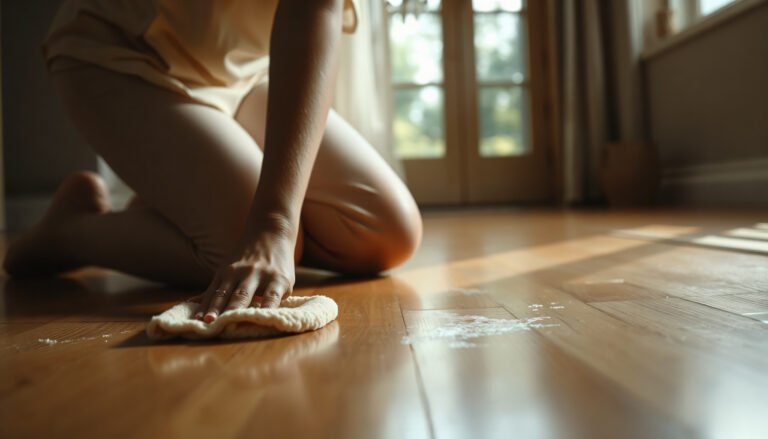
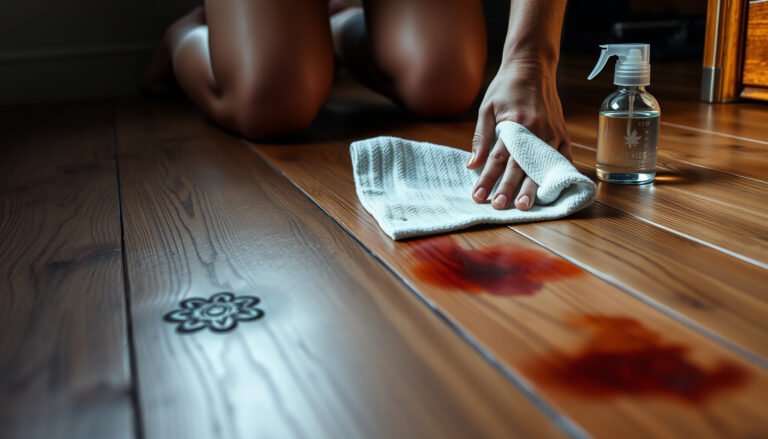
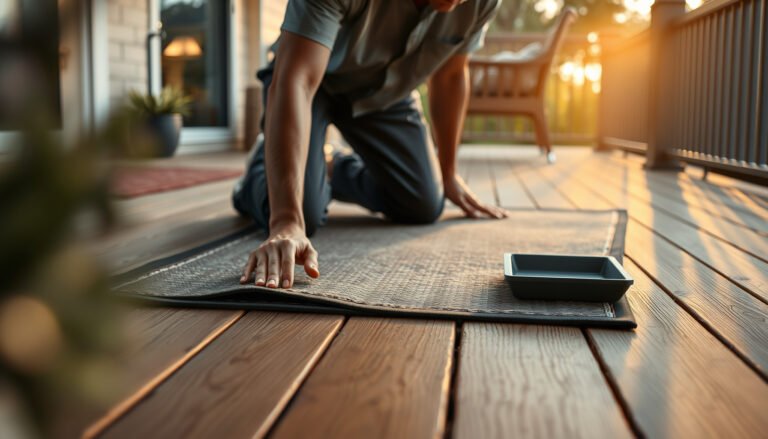
[…] a dry, soft vinyl eraser (or art gum) and gently lift the graphite, then wipe with a barely damp microfiber cloth and dry immediately—most jobs take under 10 minutes. Before you proceed, test any cleaner in a […]