
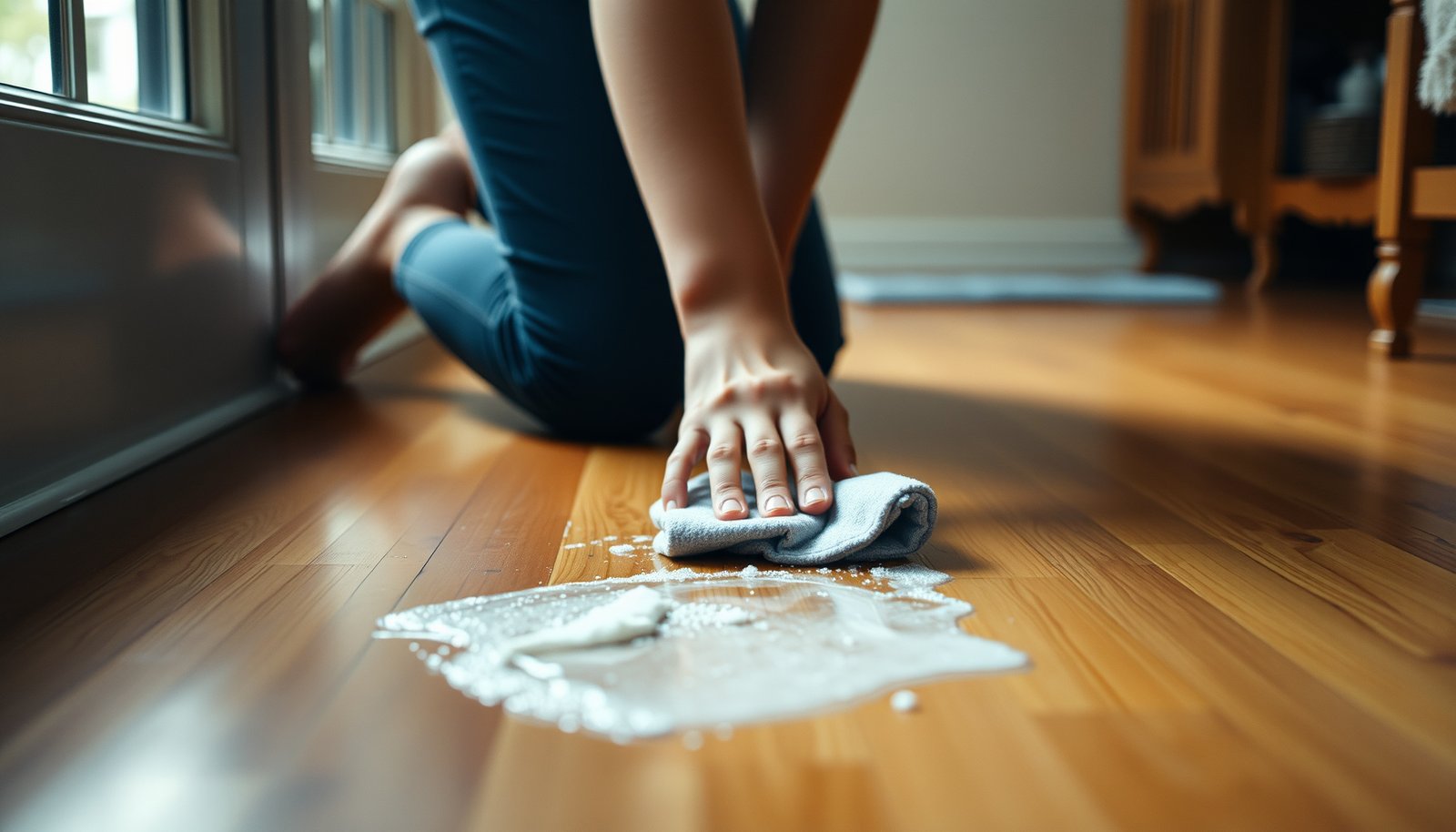

How do you remove dried soap residue from hardwood floors without dulling the sheen? Start by loosening the buildup with warm, distilled water and a pH-neutral floor cleaner, then wipe with a microfiber cloth and gently buff dry. For tougher rings, use a plastic scraper and light pressure; most cleanups take about 15–30 minutes and require no sanding.




Soften the dried soap residue first with a barely damp cloth, then lift it gently with a microfiber cloth or a plastic scraper—without soaking the floor or using harsh chemicals. This keeps the hardwood finish intact while you break the film so it releases cleanly, especially when the buildup has had time to harden.
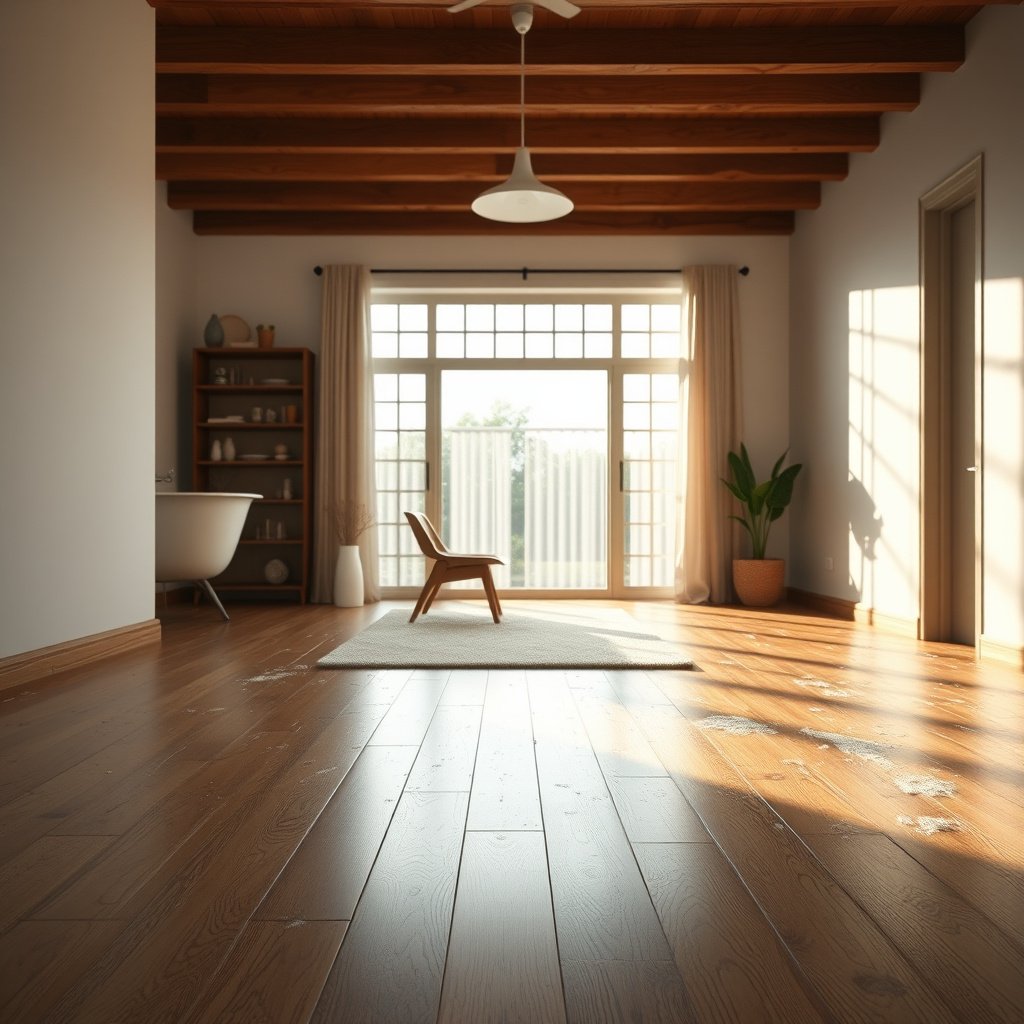
If you’ve got a slippery film, cloudy patches, or crusty white spots near sinks, entryways, or areas where mops tend to splash, this approach helps. It’s especially useful if the residue has been there long enough to harden.
If you maintain hardwood for a household, rental property, or office space, dried soap residue is one of those problems that “looks minor” until it starts dulling high-traffic areas. The key is to treat soap residue on hardwood floors like a finish-safe material: control moisture, avoid abrasion, and stop as soon as the residue lifts.
Identify the dried soap residue and check the finish
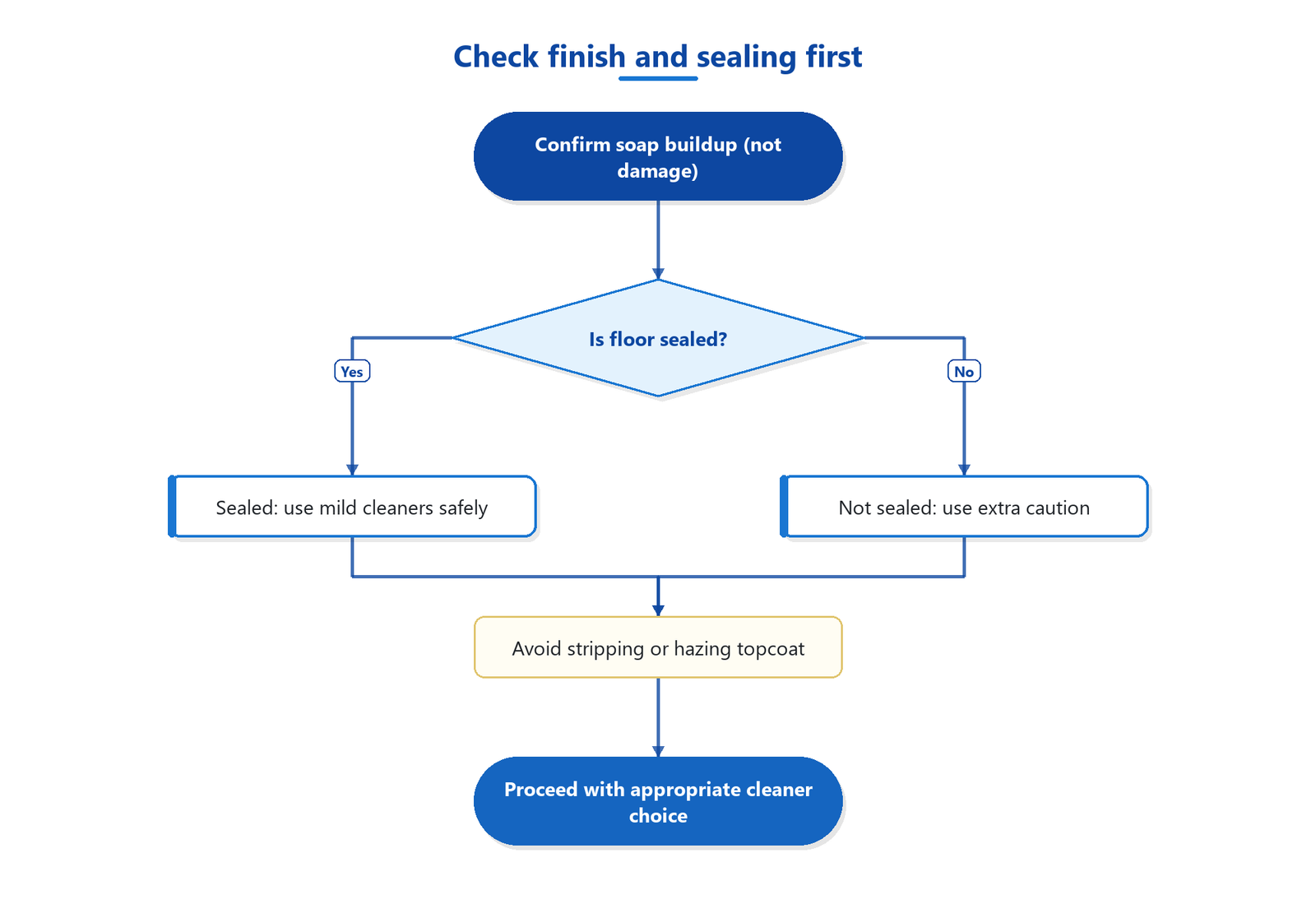
Start by confirming the residue is actually soap-related buildup and not finish damage—and by checking whether your hardwood floor is sealed. That one step determines whether you can use mild cleaners safely or whether you must use extra caution to avoid stripping or hazing the topcoat.
– Look and feel for common dried-soap signs: Dried soap often appears chalky, dull, or slightly whitish, and it may still feel slippery even after a quick clean. On sealed floors, soap film can also trap dust, which makes the “whitening” look more persistent around doorways and sink-adjacent cabinets.
– Identify the finish type (sealed vs. unsealed): Most modern floors are sealed (often with polyurethane or a similar clear coat). Unsealed/oiled hardwood is more sensitive to moisture and cleaner ingredients, so soap residue on hardwood floors may require a gentler process and immediate drying.
– Follow the manufacturer’s care instructions first: If you know the floor/finish brand or the cleaner you used, review its guidance. If you don’t, treat your first attempt on soap residue on hardwood floors as a test: pick a hidden spot, use the least aggressive method, and confirm the finish doesn’t haze or change sheen.
– Use a “minimal moisture” rule for troubleshooting: If you see cloudiness and it worsens after cleaning, that’s a signal your method may be pushing soap residue deeper into the finish or introducing excess water—both of which can create longer-lasting marks on hardwood.
Why this matters: According to the National Wood Flooring Association (NWFA), hardwood floors are sensitive to moisture imbalance, and cleaning methods should avoid excessive water exposure to help prevent finish and wood-condition issues. NWFA also emphasizes maintaining proper indoor conditions (including relative humidity) to protect installed wood flooring.
Step-by-step: gentle removal without soaking
When dried soap residue is on hardwood floors, the safest removal sequence is dry-lift → soften → lift again, using minimal moisture. This prevents smear-and-haze problems and reduces the odds of scratching the finish while you’re breaking the bond.
– Dry-lift first (remove grit, then lift): Wipe the area with a dry microfiber cloth to pick up loose dust and any non-bonded residue. Then lightly scrape only what lifts easily using a plastic scraper. The goal is to remove the “ready-to-go” layer before you add moisture.
– Soften the residue (barely damp, not wet): Place a barely damp cloth over the dried soap residue on hardwood floors for a short time, then wipe up. Repeat in short cycles rather than letting water pool at edges or seams.
– Clean the surface after release: Once the residue releases, wipe the area with a clean, damp microfiber cloth (minimal moisture), then dry immediately with a fresh microfiber towel. For soap residue on hardwood floors, drying promptly is what helps prevent water spotting and finish dulling.
Practical technique (what to do when you’re unsure): Work in small sections (for example, one board width at a time). Keep your cloth dampness consistent—“barely damp” should not leave visible wetness behind. If you notice the residue smearing instead of lifting, stop, re-soften, and switch back to lifting rather than rubbing.
For stubborn spots: soften, then use mild abrasion
If dried soap residue on hardwood floors won’t release with gentle lifting, use a softening step first, then apply very mild abrasion—never aggressive scrubbing. This sequence helps the residue break without turning your cleanup into finish damage.
– Make a thick baking-soda-and-water paste (no soaking): Mix baking soda with just enough water to form a paste. Apply it gently with a soft cloth or a very soft pad—only on the stubborn spot.
– Let it work briefly: Give it a short sit time (long enough to help loosen the film, not long enough to dry out and become abrasive). Then wipe in small circles using light pressure.
– Remove and reset with a clean damp cloth: After wiping, use a clean microfiber cloth lightly dampened with water to remove paste residue, then dry immediately.
Avoid aggressive scrubbers: Steel wool and stiff brushes can scratch hardwood finishes even when the floor looks “tough.” For soap residue on hardwood floors, scratches can be hard to spot at first but become visible as the surrounding sheen changes.
Cleaners to use (and avoid) on hardwood finishes
For dried soap residue on hardwood floors, choose cleaners that are specifically designed for finished hardwood and that won’t leave behind additional residue. After lifting the bulk film, use the gentlest chemistry that still cleans.
– Use pH-neutral, finished-hardwood-safe cleaners: A pH-neutral cleaner intended for finished hardwood helps you complete the cleaning step without excessively stressing the finish. Follow the label directions and keep application minimal—think “dampen the cloth,” not “wet the floor.”
– Avoid common shortcuts that leave hazing or new buildup:
– Don’t soak the floor or leave cleaning solution to dwell broadly.
– Avoid vinegar-heavy approaches that can be too acidic for some finishes.
– Avoid strong degreasers that can strip or alter the topcoat.
– Stick to microfiber + minimal moisture + pH-neutral hardwood cleaner: Then dry right away. When dealing with soap residue on hardwood floors, the fastest path to “clean and clear” is usually controlled moisture and controlled chemistry.
Comparison: what works vs. what tends to backfire
| Approach | Pros | Cons / Risks |
|---|---|---|
| Dry-lift → soften → lift | Breaks soap residue bonding without soaking; lower scratch risk on sealed finishes. | May take multiple short cycles on thick buildup. |
| Baking-soda paste (mild abrasion) | Helps loosen stubborn film with controlled, gentle abrasion. | Too much pressure or extended dwell time can dull high-gloss surfaces. |
| Vinegar-heavy cleaners | Sometimes removes alkaline soap residue on hard surfaces. | Can haze or dull polyurethane and other sealed finishes; may worsen cloudy areas on soap residue on hardwood floors. |
| Steam or wet mopping | Can soften residue quickly in some cases. | Excess moisture increases risk of swelling/cupping at seams; finish can be affected by water exposure. |
What can go wrong (and how to prevent damage)
When cleaning dried soap residue on hardwood floors, the most common problems come from too much water, too much chemistry, or too much force. If you control those three variables, you dramatically reduce the odds of permanent haze, scratches, or edge damage.
– Water pooling: Excess moisture can seep at seams and edges, potentially causing swelling or cupping. Always wipe dry after damp cleaning and avoid saturating cloths.
– Finish dulling or haze: Acidic cleaners or harsh abrasives can haze polyurethane and other sealed coatings. Test any product in a hidden spot before treating the main area.
– Scratches from tools: Metal scrapers and abrasive pads can create visible marks—use plastic scrapers and soft materials whenever possible when dealing with soap residue on hardwood floors.
– Re-wetting residue too aggressively: Repeatedly dragging dried residue with a wet cloth can smear it deeper into the finish layer. Soften first, then lift—don’t grind.
A helpful reality-check from the floor-care perspective: wood flooring is a dimensional material. According to the NWFA, maintaining recommended indoor relative humidity (commonly cited as 35%–55%) helps reduce expansion/contraction stress that can make moisture issues worse during cleaning. NWFA guidance also reinforces avoiding unnecessary water exposure during routine maintenance.
Also, soap residues are not all chemically identical. If your soap came from a cleaner that includes additives (fragrance, polymers, conditioners), the residue can act more like a film than a simple detergent—meaning it may require more softening cycles on soap residue on hardwood floors rather than “one strong wipe.”
Typical pH of Common Cleaning Agents vs. Hardwood Finish Risk
| # | Cleaner type | Typical pH* | Residue risk | Finish safety |
|---|---|---|---|---|
| 1 | Plain water | 7.0 | Low | ★★★★★ |
| 2 | pH-neutral floor cleaner (label range) | 6.0–8.0 | Low | ★★★★☆ |
| 3 | Baking soda solution | 8.1–8.5 | Medium (if not wiped) | ★★★☆☆ |
| 4 | Household ammonia | 11–12 | Low | ★☆☆☆☆ |
| 5 | Household bleach (sodium hypochlorite) | ~11–12 | Medium | ★☆☆☆☆ |
| 6 | White vinegar (dilute acetic acid) | 2.4–3.4 | Low | ★☆☆☆☆ |
| 7 | All-purpose degreasers (alkaline range) | 9–13 | High (film possible) | ☆☆☆☆☆ |
These are typical pH ranges for common household solutions; always check your specific product label/SDS. The practical takeaway for soap residue on hardwood floors: pH extremes and residue-forming degreasers are more likely to haze or leave new films if not used exactly as intended.
Quick checklist you can save
| Step | What to do | Why it matters |
|---|---|---|
| 1 | Dry wipe to remove grit | Prevents scratching while you clean |
| 2 | Softening cloth (barely damp) | Loosens dried soap without soaking |
| 3 | Gentle lift (microfiber + plastic scraper if needed) | Removes residue without gouging |
| 4 | If stuck: mild baking-soda paste | Gentle abrasion to break the film |
| 5 | Final wipe + dry immediately | Prevents water marks and haze |
Sources
– National Wood Flooring Association (NWFA) — Cleaning & moisture precautions for hardwood floors ()
– Finish manufacturer care instructions for sealed hardwood floors ()
– Floor-cleaner manufacturer directions for use on finished hardwood ()
To clean dried soap residue from hardwood floors safely, soften first (barely damp), then lift gently with microfiber and only light scraping if needed—always wipe dry right after. If residue remains, use a mild baking-soda paste approach rather than harsher chemicals or soaking. Skip this process (or pause and test more cautiously) if you have an unsealed/oiled floor, a floor with an unknown finish system, or if repeated cleaning is visibly dulling the surface—at that point, follow the floor/finish manufacturer’s care guidance before continuing.
Frequently Asked Questions
What’s the best way to remove dried soap scum from hardwood floors without damaging the finish?
Start by loosening the residue with warm water and a soft microfiber cloth, then gently wipe in the direction of the wood grain. If the soap film remains, use a small amount of pH-neutral hardwood floor cleaner or a solution of warm water with a few drops of mild dish soap, and wipe again with a damp (not wet) cloth. Avoid harsh cleaners, abrasive pads, or excessive scrubbing, since soap residue can be easier to remove while the floor finish is still intact.
How do I clean dried soap buildup from hardwood floors that have a wax or polyurethane finish?
First, test your cleaning method in a hidden area to confirm the finish won’t dull. For wax or polyurethane, use warm water plus a pH-neutral cleaner and apply with a microfiber mop or cloth, then dry thoroughly to prevent water spotting. For stubborn dried soap residue, lightly use a plastic scraper or a soft nylon brush with the cleaner—never steel wool or metal scrapers—then finish by buffing the area dry.
How can I dissolve dried soap residue from hardwood floors without soaking the wood?
Dried soap scum often rehydrates, so use the “damp wipe” approach: apply warm water or pH-neutral cleaner to the area with a cloth, let it sit for 1–3 minutes, and then wipe gently. Work in small sections so the moisture doesn’t seep into seams or edges, and always follow with a dry microfiber towel. This helps remove soap film while minimizing the risk of swelling or finish damage.
Why does soap residue build up on hardwood floors, and what can I do to prevent it?
Soap residue collects when cleaning products contain oils or surfactants that don’t rinse clean, creating a dull, sticky film that hardens over time. To prevent it, use a hardwood floor cleaner designed for sealed wood floors and avoid regular dish soap or harsh detergents. Also, rinse lightly with a clean damp cloth when recommended by the product and dry promptly to keep soap buildup from re-depositing on the finish.
Which cleaning method works best for thick, crusty soap deposits on hardwood floors?
For thick dried soap residue, start with warm water and a pH-neutral cleaner to soften the buildup, then gently lift it with a plastic scraper held flat. If needed, use a soft nylon brush on the softened spot, keeping pressure light and staying within the affected area. Afterward, wipe with a clean damp cloth to remove loosened residue, then dry and buff to restore the hardwood floor’s shine.
📅 Last Updated: October 31, 2026 | Topic: How to clean dried soap residue from hardwood floors? | Content verified for accuracy and freshness.
References
- Soap scum
- https://scholar.google.com/scholar?q=remove+soap+residue+from+hardwood+floor Google Scholar
- https://scholar.google.com/scholar?q=dried+soap+residue+removal+wood+floor+finish Google Scholar
- https://scholar.google.com/scholar?q=hardwood+floor+cleaning+avoid+excess+water+and+residue Google Scholar
- https://scholar.google.com/scholar?q=pH+neutral+cleaner+wood+floor+finish+maintenance Google Scholar
- https://scholar.google.com/scholar?q=soap+scum+removal+mechanism+fatty+acid+salts+surface Google Scholar
- https://scholar.google.com/scholar?q=vinegar+soap+scum+removal+study Google Scholar
- https://scholar.google.com/scholar?q=detergent+residue+removal+from+polyurethane+coated+wood Google Scholar
- https://scholar.google.com/scholar?q=cleaning+agents+effect+on+wood+finishes Google Scholar
- https://scholar.google.com/scholar?q=mechanical+removal+of+deposits+on+wood+floor+surfaces Google Scholar
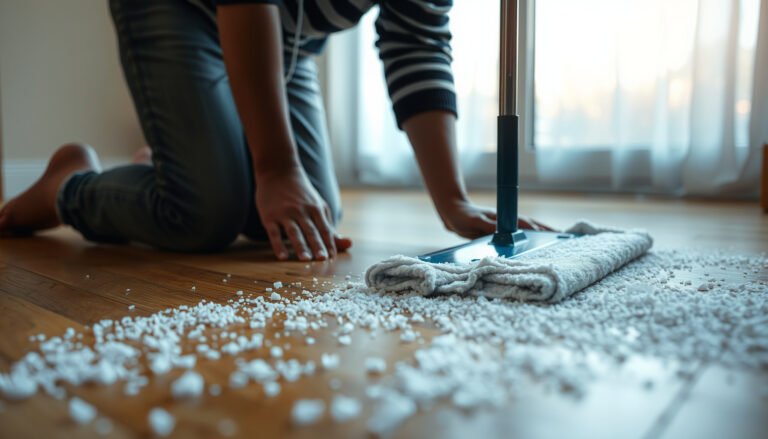

[…] as you avoid soaking the wood or using harsh abrasives. Gather white vinegar, warm water, a soft microfiber cloth, and a dry towel, and you can restore the finish with minimal […]