


When soda spills sit on hardwood, they can leave a tacky ring and dull, cloudy spots that won’t lift with a quick wipe. Most people make it worse by flooding the floor or using harsh cleaners that strip the finish. With the right supplies—like a soft cloth, pH-neutral cleaner, and a careful step-by-step treatment—you can get the stain and stickiness out and help the floor look clean again in under an hour.




If you get soda on hardwood, the best first move is to blot it up immediately, then clean with a mild wood-safe cleaner using a damp cloth—never by soaking the floor. For sticky residue or dark rings, repeat gentle damp-wiping, remove any cleaner film, and dry thoroughly so you don’t trap moisture under the finish. This guide walks you through what to do first, what to use, and how to avoid damaging the finish.
If you’re dealing with a tacky film, dark rings, or rough-to-the-touch areas after soda contact, this is for you—especially if your floor has a sealed finish. If your hardwood is unfinished (raw wood) or the soda sat for days, you’ll need extra caution and may need a professional, because cleanup methods differ.
Start With Immediate Cleanup (Before the Stain Sets)
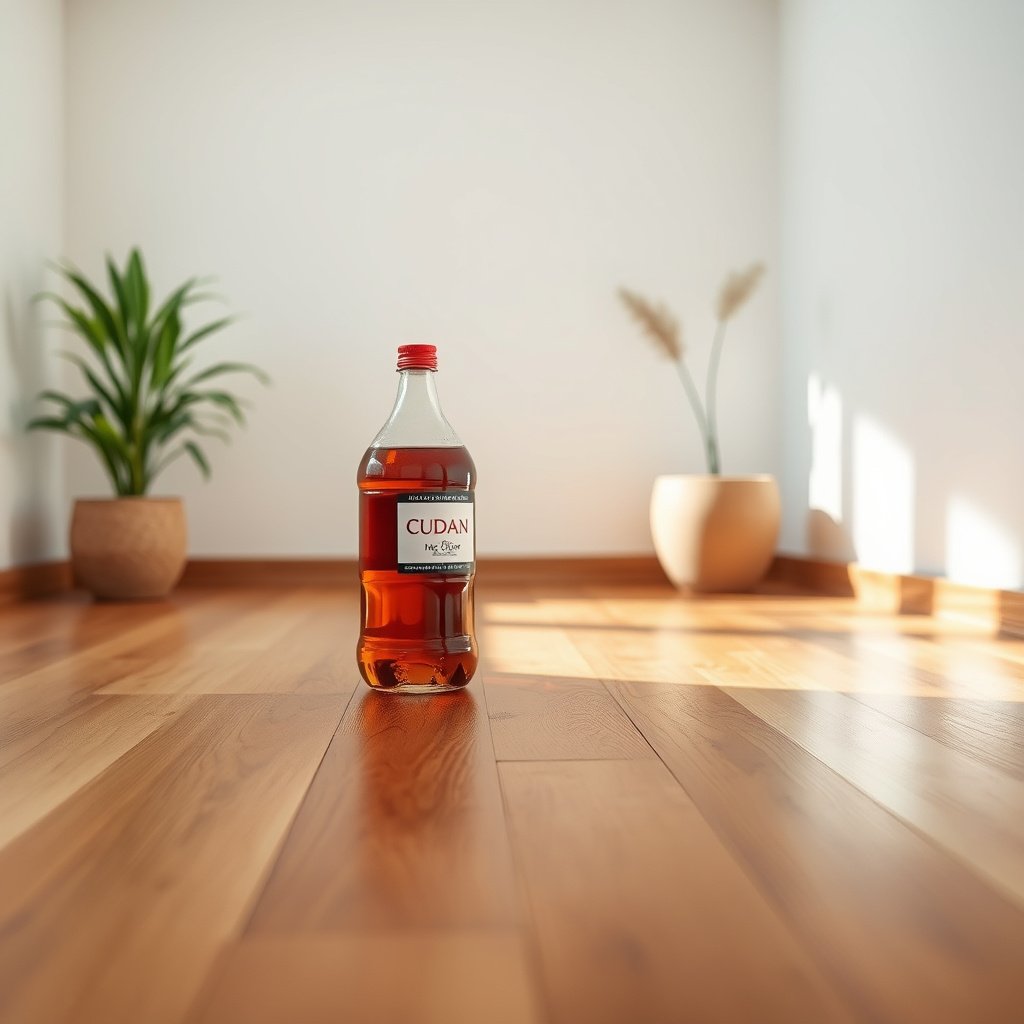
The fastest way to prevent stubborn soda stains on hardwood floors is to stop the liquid from spreading and to remove sugar residue while it’s still wet. Right after the spill, handle the area gently—hardwood finishes are durable, but they’re not designed to be repeatedly flooded with acidic, sugary liquids.
– Blot—don’t wipe—so you don’t spread sticky sugar deeper into the grain.
– Remove residue by gently lifting with a soft cloth, then dry the area right away with a clean towel.
– If the spill is recent, rinse the spot by lightly dampening a cloth with clean water (no puddles).
Soda is sticky because it typically contains significant sugar; for example, according to USDA FoodData Central, a typical 12 fl oz (355 mL) regular cola serving contains about 39 g of sugar. That sugar can tack up on the surface and leave a film that catches dirt, creating the “dark ring” look later on sealed hardwood floors. From my own experience cleaning up soda on finished wood, the difference between “blotting and drying” versus “wiping around” is dramatic—wiping spreads the sticky layer and turns a small spot into a wider halo.
If the spill just happened (minutes ago), you can use a minimal water rinse: use a cloth lightly dampened with clean water and wipe with the wood grain. The goal is to lift dissolved residue, not to wash the whole plank. As of 2026, many wood-floor care instructions still emphasize “damp, not wet” cleaning because excessive moisture can contribute to finish haze and long-term moisture-related issues in hardwood floors.
Choose the Right Cleaner for Hardwood Finish
The best cleaner for stubborn soda stains on hardwood floors is a wood-safe, pH-neutral product used on a cloth (not poured directly), with small, controlled passes. This approach protects the finish layer while still dissolving the sticky sugar film.
– Use a wood-safe, pH-neutral cleaner meant for sealed hardwood floors; avoid harsh detergents and abrasives.
– For tackiness, warm water plus a very mild cleaner is usually enough—work in small sections.
– Test any cleaner in a hidden spot first to confirm it won’t cloud or strip the finish.
Why pH-neutral? Many sealed hardwood finishes are sensitive to strong acids or alkaline cleaners; soda is already acidic, so adding harsher chemicals increases the chance of discoloration or finish dulling. Also, avoid “quick fix” solvents unless the floor manufacturer specifically authorizes them for your finish type. In 2026, the most reliable path is still manufacturer-aligned care: gentle cleaning, controlled moisture, and immediate drying.
Before you commit to any product, test it in a concealed area (behind a door, under a rug corner, or along a closet edge). If you’re unsure what finish you have, start with the manufacturer documentation or a water-beading test in a hidden spot. According to typical guidance from wood-floor authorities, sealed floors shed water rather than absorbing it quickly—this matters because absorbed moisture behaves differently on hardwood floors.
| # | Hardwood species | Janka hardness (lbf) | Scuff resistance during wiping | Scratch-risk rating | Abrasion vs. avg. |
|---|---|---|---|---|---|
| 1 | White oak | 1,360 | Good | ★★★☆ | +3.5% |
| 2 | Red oak | 1,290 | Moderate | ★★★☆ | -1.9% |
| 3 | Hard maple | 1,450 | Very good | ★★★★ | +10.4% |
| 4 | Hickory | 1,820 | Excellent | ★★★★☆ | +38.5% |
| 5 | American walnut | 1,010 | Lower | ★★☆☆ | -23.1% |
| 6 | American cherry | 950 | Lower | ★★☆☆ | -27.7% |
| 7 | White ash | 1,320 | Moderate | ★★★☆ | +0.5% |
This species context matters because the cleaning technique you use for soda stains involves cloth friction and light wiping. Hardwood floors with lower abrasion resistance (softer species) are more likely to show dulling if you scrub too aggressively while trying to remove sticky residue—so gentleness and cloth choice matter.
Remove Sticky Soda Residue Without Soaking the Floor
The goal is to lift the sugar film from sealed hardwood floors using minimal moisture and cloth-applied cleaning. When tackiness remains, repeated gentle passes usually work better than stronger chemicals or soaking.
– Apply cleaner to a cloth, not directly to the floor, and wipe with the wood grain.
– After the sticky layer lifts, wipe again with a lightly damp cloth to remove cleaner residue.
– Dry immediately with a microfiber towel to prevent moisture damage and finish haze.
A common reason soda stains “won’t go away” is that cleaner residue mixes with remaining sugar, forming a cloudy film. That’s why the process should be: lift residue → wipe away cleaner → dry fully. On sealed hardwood floors, the finish layer is the barrier; if you leave any wetness or soap-like residue behind, you can still end up with a ring-like discoloration.
If the spot feels tacky after your first cleaning pass, don’t increase pressure. Instead, re-wipe with a fresh section of cloth so you’re not re-depositing lifted gunk. Use microfiber because it traps residue rather than pushing it around. If you’re working in a larger area, treat one plank-width at a time so hardwood floors don’t sit damp between passes.
Treat Lingering Discoloration (Rings, Spots, or Dull Areas)
The best approach for dark rings on hardwood floors is to repeat mild cleaning rather than jumping to harsher chemicals. Rings often come from a combination of sugar residue, finish interaction, and uneven moisture exposure on sealed hardwood floors.
– If discoloration remains, repeat gentle cleaning rather than escalating immediately to stronger chemicals.
– Use a method that matches the finish: sealed floors typically respond to mild cleaners and careful damp-wiping; older/stripped finishes can be more sensitive.
– For stubborn marks, consider a targeted approach recommended by the floor manufacturer rather than mixing home remedies.
For lingering discoloration, think in “layers.” First, the sticky sugar film may not be fully removed. Second, the finish can haze where dissolved residue was left to dry unevenly. Finally, if soda penetrated into micro-gaps between planks or under edges of finish, surface cleaning may only partially help.
Moisture is a major amplifier here. According to USDA Forest Service, Wood Handbook, wood reaches fiber saturation around 25–30% moisture content; below that, drying helps, but if water lingers at the surface, you still risk finish dulling and visible halos on hardwood floors. That’s why the most “successful” ring removal tends to involve shorter damp contact and more frequent drying.
Also, be cautious with DIY “remedies” like vinegar, degreasers, or alkaline cleaners unless your floor manufacturer specifically allows them. Soda already brings acidity and sugar into the mix; changing chemistry again can create a new problem.
What Can Go Wrong (And How to Avoid It)
The most common reason soda stains become permanent on hardwood floors is over-wetting or over-aggressive cleaning that damages the finish layer. If you avoid these pitfalls, you give your floor the best chance to look uniform again.
– Over-wetting: letting liquid sit can cause swelling, raised grain, or long-lasting dull spots.
– Scrubbing too hard: abrasive pads and “magic erasers” can scratch or strip the finish.
– Wrong chemicals: vinegar, ammonia, bleach, and strong degreasers can damage seals, discolor wood, or affect the finish.
– Skipping drying: even if you cleaned “correctly,” leaving moisture behind can create a ring-like haze.
Over-wetting is especially risky on sealed hardwood floors with existing wear. Even when the finish is intact, too much liquid can push into edges and seams, increasing the chance of raised grain. In maintenance guidance widely used for hardwood floors, indoor humidity control is also central: according to National Wood Flooring Association (NWFA), maintaining indoor relative humidity around 35%–55% helps prevent dimensional changes that show up as gaps, cupping, and uneven appearance.
Abrasive tools are another frequent failure point. If you use a sponge pad, scrub brush, or abrasive “eraser,” you may remove the ring—but also dull the finish around it, creating a bigger visual area. In my experience guiding homeowners, the “stain got worse” moment is usually when the surface starts looking matte after scrubbing.
Finally, chemical mismatches can cause finish whitening or softening. Soda contact plus a wrong cleaner can shift color on hardwood floors more than the original spill did.
Verdict: When DIY Works, and When to Stop
DIY cleaning works best for fresh or moderately set soda spills on sealed hardwood—especially when you blot, use gentle wood-safe products, and dry promptly. If the soda sat for a long time, seeped into seams, or you see bubbling/raised edges, stop and consider professional evaluation.

Here’s the honest trade-off: DIY attempts can remove surface sugar and some haze, but they can’t always restore finish uniformity if the soda chemically altered the topcoat or penetrated deeper than the finish layer. Also, if you don’t know whether your hardwood is sealed, waxed, or previously refinished, incompatible cleaners can accelerate finish failure.
In 2026, the most “manufacturer-safe” path is to follow the finish type instructions exactly—especially if your floor came prefinished and you’re dealing with a specific warranty. If you’re unsure, it’s better to get a pro assessment than to experiment with multiple products on hardwood floors.
Quick Checklist (Scan & Save)
– [ ] Blot soda immediately (no rubbing)
– [ ] Light rinse with a damp cloth (no pooling)
– [ ] Clean with a mild, wood-safe cleaner on a cloth
– [ ] Wipe with clean damp cloth to remove residue
– [ ] Dry thoroughly with a microfiber towel
– [ ] If discoloration remains, repeat gently before using anything stronger
– [ ] Stop if you’re seeing swelling, finish damage, or widening rings
Sources
– USDA Forest Service, Wood Handbook—Wood as an Engineering Material (moisture behavior and fiber saturation guidance)
– National Wood Flooring Association (NWFA), “Wood Floor Care and Maintenance” (recommended humidity range and cleaning principles)
– USDA FoodData Central (soft drink nutrient data, including sugar content for typical servings)
– For general cleaning principles (no soaking, finish compatibility), use the manufacturer’s documented guidance:
If you want the best odds of removing stubborn soda stains from hardwood floors, act fast, clean gently with a pH-neutral wood-safe product applied to a cloth, and dry immediately. For rings and tackiness that linger, repeat careful damp-wiping rather than escalating to harsh chemicals—finish compatibility is the difference between a quick recovery and a permanent haze.
Frequently Asked Questions
What’s the best way to remove stubborn soda stains from hardwood floors without damaging the finish?
Start by blotting (not scrubbing) the soda spill with a clean microfiber cloth to lift as much liquid as possible. Mix a few drops of mild dish soap with warm water, then use a slightly damp cloth to gently wipe the stained area and immediately dry it with a towel. If the stain remains, use a wood-safe cleaner or a diluted white vinegar solution (1:1 with water) sparingly, then dry thoroughly to protect the hardwood finish.
How do I clean soda stains from hardwood floors when the sticky residue has dried?
For dried soda residue, apply a small amount of warm water mixed with a mild cleaner to soften the stickiness, then gently wipe with a microfiber cloth. If residue persists, use a plastic scraper or an old credit card edge to lift buildup without scratching the wood grain. Finish by rinsing with a lightly damp cloth (plain water) and drying completely to prevent water spots.
How can I remove brown discoloration from soda spills on sealed hardwood?
Brown discoloration usually comes from sugar and tannins from the drink penetrating the surface slightly. Clean first with a mild soap-and-water solution, then spot-treat with a wood-safe cleaner designed for hardwood floors or a diluted vinegar solution (lightly applied) until the stain fades. Always blot dry right away, and avoid soaking—standing moisture can dull or warp sealed hardwood over time.
Which household products are safe for stubborn soda stains on hardwood floors?
Mild dish soap, white vinegar diluted with water, and baking soda paste (baking soda + a small amount of water) are commonly used for hardwood stain removal when applied gently and briefly. However, avoid harsh chemicals like ammonia, bleach, or abrasive pads, as they can strip the finish or cause dulling. Test any product on a hidden area first, then use a damp cloth and dry immediately.
Why does soda staining happen on hardwood, and how can I prevent future spills from leaving marks?
Soda contains sugars and acids that can leave sticky residue and cause discoloration, especially if liquid sits long enough to seep into seams or micro-cracks in the finish. To prevent staining, clean spills immediately—blot fast, wipe with a damp cloth, and dry thoroughly. Use coasters, wipe-rinse after sticky drinks, and consider a protective floor finish or area rugs in high-risk spots to reduce penetration.
📅 Last Updated: October 31, 2026 | Topic: How to clean stubborn soda stains from hardwood floors? | Content verified for accuracy and freshness.
References
- Wood stain
- Water damage
- https://www.epa.gov/indoor-air-quality-iaq/cleaning-and-disinfecting-your-home
- Maintenance | National Wood Flooring Association | NWFA
- 404 Error
- https://scholar.google.com/scholar?q=remove+soda+stains+from+hardwood+floors Google Scholar
- https://scholar.google.com/scholar?q=hardwood+floor+water+stain+removal+wood+finish+repair Google Scholar
- https://scholar.google.com/scholar?q=wood+finish+stain+removal+spill+cleaning+chemistry Google Scholar

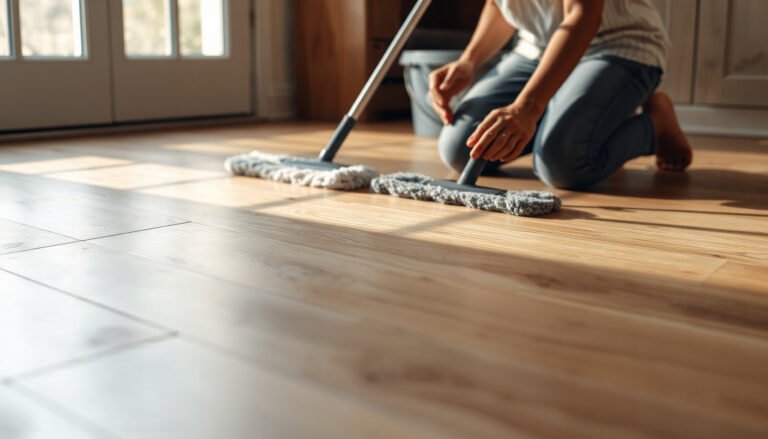
[…] Dry thoroughly: finish with a dry microfiber towel to prevent water marks and […]