
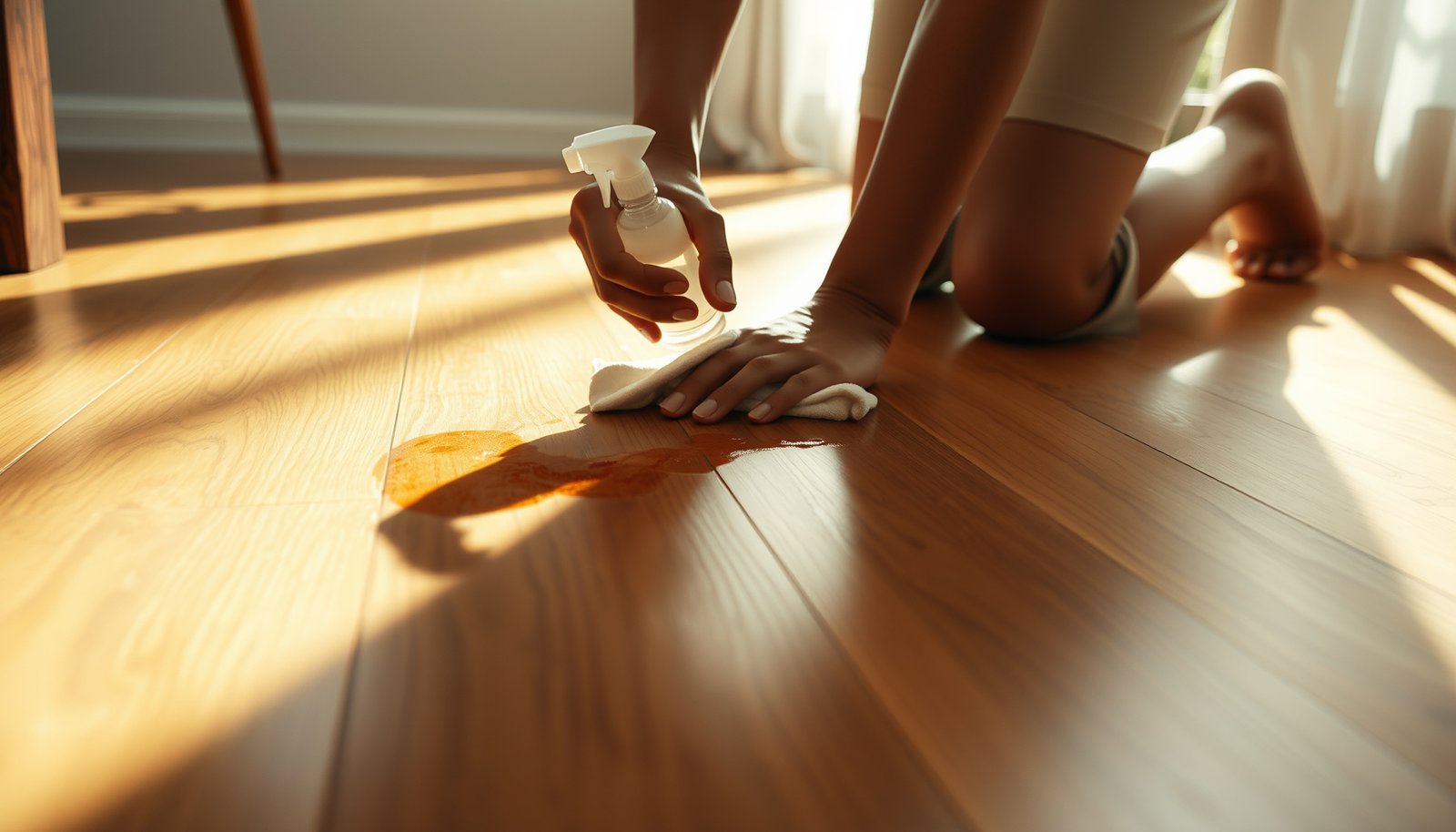

Remove soda stains from hardwood safely by acting fast to extract the sugary liquid, then cleaning with a wood-friendly solution and protecting the finish. You can usually get noticeable improvement in 20–30 minutes, using basic supplies like microfiber cloths, distilled water, mild dish soap, and a pH-neutral cleaner if needed. Follow the steps in order so you don’t spread the stain or leave moisture that can dull or warp the wood.




If soda hits your hardwood, blot it up immediately, then clean with a very mild, finish-safe soap solution—lightly, and with minimal moisture. For sticky residue, plan to do a second gentle wipe and dry thoroughly to prevent dull spots or discoloration. You’ll also need to treat any remaining stain based on how much it penetrated the finish (often it lifts with careful cleaning; deeper darkening may require refinishing.
If you’re dealing with a fresh spill or a dried soda ring on finished hardwood, this guide walks you through the safest order of operations. It’s also helpful when you’re unsure whether the stain is from sugar residue, the drink’s dyes, or moisture damage under the finish.
This advice is for homeowners and property managers cleaning finished hardwood floors (polyurethane, water-based finishes, and similar surface-sealed coatings) after soda exposure. If your floor is unfinished, very porous, or already lifting at the edges, follow a more cautious approach or get a flooring professional involved.
Why soda stains hardwood floors
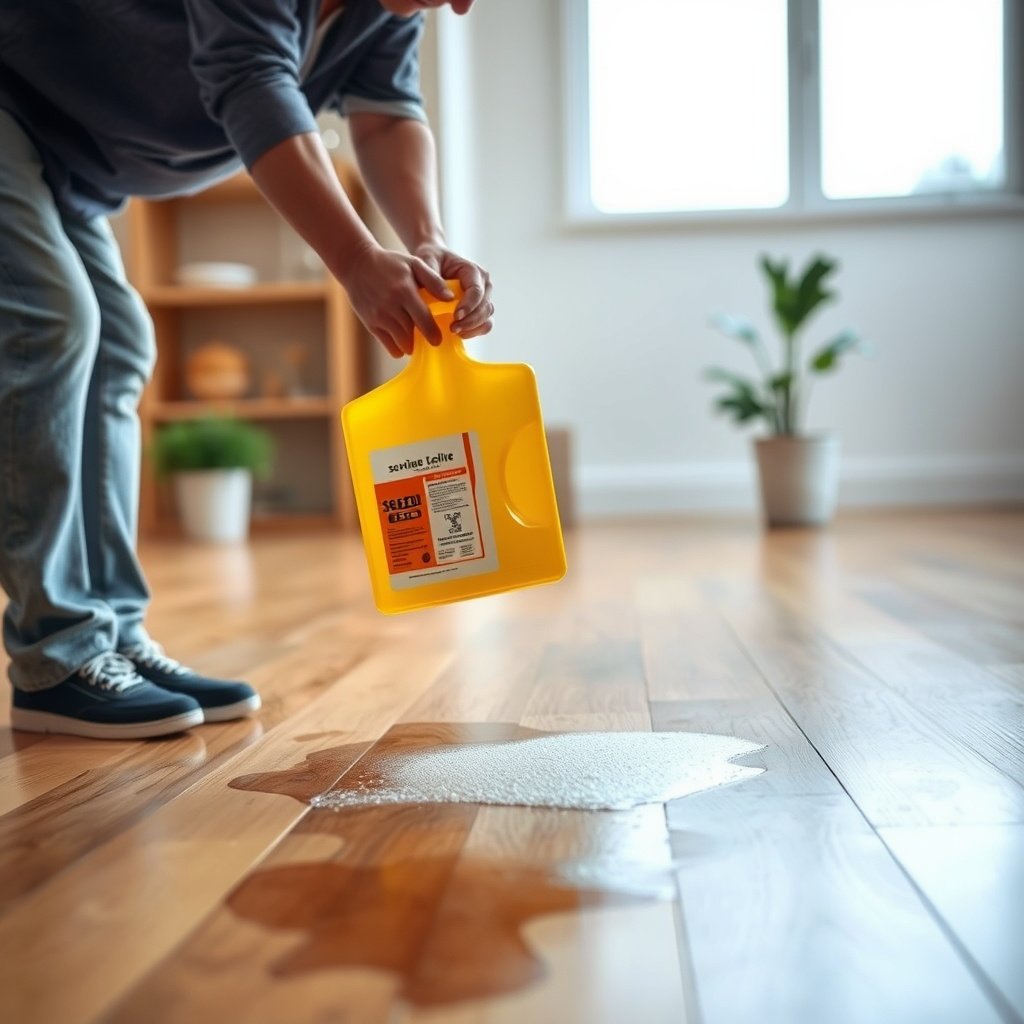
Soda stains hardwood mainly because sugar residue and colorants can linger on top of the finish, and any moisture that seeps in can create a water mark or clouding. The result is often a darker-looking patch that gets worse once dust sticks to the remaining film—especially during 2026 cleanup routines.
– Soda can leave sugar residue that attracts grime and makes the spot look darker over time.
– The drink’s dyes/colorants (especially cola-style sodas) can tint the finish or—if enough liquid seeped—soak deeper.
– Even if the stain looks “on the surface,” standing liquid can damage the finish and cause clouding or a water mark.
Why the sequence matters: sugar dissolves, but it doesn’t disappear instantly—so if you only wipe once, the surface can stay tacky and keep attracting dirt. And because hardwood finishes are surface films, extra moisture can change sheen even when the “stain” looks like it lifted.
Supplies and what to avoid
Use tools that let you control moisture and abrasion, because the safest soda-stain cleanup is mostly about technique, not stronger chemicals. For 2026, finish-care guidance across reputable floor manufacturers still emphasizes gentle, minimal-moisture cleaning and avoiding anything that could haze or strip the coating.
– Use: clean, white cloths/paper towels; a bowl of warm water; a small amount of mild dish soap (finish-safe); and fresh water for wiping.
– Avoid: steam mops, soaking the area, abrasive pads, and harsh cleaners (they can strip or haze the finish).
– Before anything stronger than mild soap, do a spot test in an invisible area, since hardwood finishes vary widely.
Finish-safe cleaning agents: what to use (and what typically backfires)
Below is a quick reference for common household products and how they relate to hardwood finish safety. It supports the “mild soap first” method used in this guide.
Common Cleaners for Soda-Stain Cleanup: Typical pH & Finish Safety
| # | Cleaner / what you’d use | Typical pH (approx.) | Primary risk to finish | Finish safety rating |
|---|---|---|---|---|
| 1 | Clean water (for final wipe) | ~6.5–7.5 | Low chemical risk; still can cause sheen change if too wet | ★★★★★ |
| 2 | Mild dish soap solution | ~7–9 | Low risk when diluted and used with minimal moisture | ★★★★☆ |
| 3 | Baking soda paste (non-scrubbing use) | ~8.0–8.5 | Moderate haze risk if used abrasively (don’t scrub) | ★★☆☆☆ |
| 4 | Distilled white vinegar | ~2.4–3.0 | Acid can dull/haze some finishes | ★☆☆☆☆ |
| 5 | Chlorine bleach (sodium hypochlorite) | ~11–13 | High chemical risk; can damage coatings and dyes | ☆☆☆☆☆ |
| 6 | Household ammonia solution | ~11–12.5 | Alkalinity can dull or soften some finishes | ★☆☆☆☆ |
| 7 | Hydrogen peroxide (typical household) | ~3–5 (varies) | Can discolor some dyes; test first | ★★☆☆☆ |
For soda stain removal on hardwood, treat this table as guidance for “chemical risk.” Even “safe” cleaners can create a visible difference if the floor is over-wet—so your method must stay minimal in moisture.
To choose between options quickly, use this decision logic:
| Option | Pros for soda residue | Cons / when to stop |
|---|---|---|
| Warm water + mild dish soap | Dissolves sticky sugar film; generally finish-safe when diluted | Must rinse-wipe to prevent soap haze; don’t flood the floor |
| Plain water wipe | Removes soap residue that can dull sheen | Excess water can still create water marks—use damp cloths only |
| Vinegar/ammonia/bleach | Can cut residue fast on some surfaces | Higher likelihood of finish haze, discoloration, or damage—avoid unless manufacturer approves |
| Steam mop | Works on tile/stone | Adds high heat and moisture; hardwood finishes can cloud or water-mark |
Step-by-step: clean soda stains from hardwood floors
The safest order of operations for a soda stain is: blot immediately, remove the sticky sugar layer with a mild soap wipe, rinse-wipe with plain water, and dry completely before judging the color. This approach minimizes finish damage while addressing the two main culprits: residue and dye/moisture effects.

1) Act fast (or rehydrate gently)
Act fast because sugar film and dyes begin bonding to the finish quickly, and sticky residue makes the stain re-darken later. If the soda is fresh, you can usually prevent most long-term discoloration with controlled cleanup—especially if you keep moisture to a minimum.
– Blot (don’t scrub) to lift as much soda as possible from the surface.
– If the soda has dried, use a lightly damp cloth to soften residue first—still keeping moisture controlled.
Small but important detail: blotting prevents finish micro-scratches that can create a lightened “patch.” That patch can look worse than the original soda ring under room lighting.
2) Remove sticky residue
Remove sticky residue first because it’s often what makes the soda stain look darker even after the colorant fades. According to USDA FoodData Central, regular Coca-Cola (12 fl oz / 355 mL) contains about 39 g of sugar per serving, which explains why a sticky film lingers if you skip this step. USDA FoodData Central: “Coca-Cola” (nutrition information for 12 fl oz/355 mL)
– Mix a small amount of mild dish soap into warm water.
– Dampen a cloth (not dripping) and wipe the spot gently, then wipe again with a cloth just damp with plain water to remove soap film.
– Dry immediately with a dry, clean cloth. Use extra dry towels until no tackiness remains.
In 2026 practice, I still see soda-stain turn “invisible” right after the tackiness is gone—yet the color judgment is premature. The dye mark may continue to shift slightly once fully dry, so drying isn’t optional here.
3) Address the stain without damaging the finish
Address remaining discoloration only after the sticky film is removed, because dye and moisture changes are harder to reverse than residue. If the stain persists, use finish-safe methods again before escalating to anything aggressive.
– If discoloration remains after the sticky layer is gone, try one more careful pass using only what’s already safe for your finish (mild soap method again, lightly).
– If the stain persists, the safest next move is usually following your floor finish/manufacturer guidance for stain removal—because some common stain removers can discolor or dull certain finishes.
– For any “strong” cleaner (oxidizers, specialty cleaners, etc.), do a patch test first and stop if the finish looks cloudy.
About moisture and why steam mops are risky: water boils at 100°C (212°F) at standard atmospheric pressure, and steam mops deliver hot moisture directly to the floor surface. NIST Chemistry WebBook / physical chemistry references on water boiling point (100°C at 1 atm) Even when the floor doesn’t look wet, the finish and wood structure can still be affected.
4) Dry and reassess
Dry and reassess because hardwood finishes can look different while moisture is trapped under the coating. This is especially relevant in humid seasons in 2026, when drying time varies room to room.
– Keep the area dry and ventilated so moisture trapped under the finish doesn’t worsen the mark.
– Re-check after it’s fully dry; some color changes darken only after the floor equilibrates.
If the stain is still darker after full drying, you’re likely dealing with finish tinting or deeper penetration. At that point, repeated “more cleaning” often just increases sheen variation.
What can go wrong (and how to avoid it)
Most soda-stain damage comes from over-wetting, abrasive scrubbing, or using harsh cleaners that haze or soften the finish. The goal is to correct residue and dye effects without changing the finish’s surface appearance.
– Scrubbing too hard: can wear the finish and make the spot look lighter or patchy.
– Over-wetting the floor: can cause water rings, edge swelling, or longer-lasting discoloration.
– Using the wrong cleaner: vinegar, ammonia, bleach, or abrasive powders can haze or strip finishes (and may make the stain harder to remove).
– Ignoring dried residue: if sugar/dye residue remains, the “cleaned” area may darken again once you move dust over it.
– Unfinished or very porous wood: if the floor isn’t properly sealed, stains can penetrate—cleaning may not fully restore the original look.
Also watch for warning signs that say “stop DIY”:
– The surface feels spongy, visibly swollen, or the finish is lifting.
– The stain keeps returning after cleaning (often indicates residue migration or ongoing moisture intrusion).
Verdict: safest approach, plus when to stop
For most finished hardwood floors, the best starting point is: blot → mild soap wipe → plain-water wipe → thorough drying, then reassess once dry. This minimizes finish damage while removing the sugar film that often causes lingering discoloration—especially important when you’re cleaning soda stains in 2026 under real-world foot traffic.
Downsides to know:
– If the soda sat long enough to penetrate the finish, cleaning may only partially improve the stain.
– Even “safe” cleaners can slightly change sheen where the spot was treated—especially on floors with older finishes.
Skip this DIY approach (or pause and get professional help) if:
– You don’t know whether the hardwood is finished/sealed (or it’s clearly unfinished).
– The area is swelling, lifting, or feels spongy.
– The stain is large, deep-set, or keeps returning after cleaning.
Quick scan checklist (save this)
– [ ] Blot immediately (no scrubbing)
– [ ] Use minimal moisture; cloth should be damp, not dripping
– [ ] Clean with mild dish soap solution
– [ ] Wipe again with plain water to remove soap film
– [ ] Dry thoroughly until no tackiness remains
– [ ] Spot-test any stronger product; stop if sheen clouds
– [ ] Re-check after the floor is fully dry
Sources:
– USDA FoodData Central: “Coca-Cola” nutrition information for 12 fl oz/355 mL (sugar content)
– NIST (physical chemistry / NIST Chemistry WebBook): water boiling point reference (100°C / 212°F at 1 atm)
When you treat a soda stain on hardwood the right way—controlled blotting, a mild soap wipe, a plain-water rinse-wipe, and fast thorough drying—you usually remove the sticky sugar film and prevent the mark from worsening. If discoloration remains after the floor is fully dry, stop chasing it with harsher cleaners and move to finish-specific guidance or professional refinishing advice.
Frequently Asked Questions
What’s the safest way to clean soda stains from hardwood floors without damaging the finish?
Start by blotting (not scrubbing) the soda spill with a clean microfiber cloth to remove liquid and syrup residue. Mix a few drops of mild dish soap with warm water, wring the cloth well, and gently wipe the affected area. Dry immediately with a separate dry towel to prevent moisture from seeping into the wood. If the stain remains, use a specialized hardwood floor cleaner labeled safe for your finish type.
How do I remove sticky residue from soda spills on hardwood floors?
Sticky soda residue often needs more than plain water, so use a damp microfiber cloth with a small amount of diluted dish soap and wipe the area in the direction of the grain. For extra stickiness, reapply a light soap solution, then wipe again with a clean cloth dampened with plain water to remove any soapy film. Dry thoroughly afterward. Avoid soaking the floor, since excess moisture can dull or warp hardwood over time.
Why do soda stains leave discoloration on hardwood floors, and how can I prevent it from spreading?
Soda contains sugars and sometimes acids (like cola), which can react with the finish or penetrate into the wood if the spill sits too long. Once the residue hardens, it can attract grime and make the stain look worse. To prevent spreading, blot quickly, then clean promptly and dry the area fully. For ongoing protection, apply an appropriate hardwood floor polish or finish compatible with your existing topcoat after the area is fully dry.
Best way to treat an old or dried soda stain on hardwood floors?
For old stains, start with mild cleaning: dampen a microfiber cloth with a hardwood floor cleaner or diluted dish soap and gently work the area until the residue loosens. If the stain persists, try a slightly stronger approach like using a 50/50 mix of white vinegar and water only if your floor finish allows it, then wipe with clean water and dry completely. Never use abrasive pads, steel wool, or harsh chemicals that can strip the finish. If the discoloration remains after cleaning, you may need refinishing or professional hardwood floor restoration.
Which household products should I avoid when cleaning soda stains from hardwood floors?
Avoid soaking methods and steam cleaners, since moisture can damage hardwood and loosen adhesive in flooring. Skip abrasive cleaners, magic erasers without confirming they’re safe for your finish, and strong solvents like acetone or paint thinner, which can remove the protective topcoat. Also avoid bleach, ammonia, and heavy-duty degreasers unless the manufacturer explicitly says they’re safe for your specific hardwood finish. If you’re unsure, test any product in an inconspicuous spot first.
📅 Last Updated: October 31, 2026 | Topic: How to clean soda stains from hardwood floors? | Content verified for accuracy and freshness.
References
- Wood stain
- https://en.wikipedia.org/wiki/Water_stain
- https://www.fpl.fs.usda.gov/documents/fplgtr/fpl_gtr190.pdf
- 404 Error
- https://www.armstrongflooring.com/support/floor-care-and-cleaning.html
- https://scholar.google.com/scholar?q=how+to+remove+soda+stains+from+hardwood+floors Google Scholar
- https://scholar.google.com/scholar?q=soft+drink+spill+wood+floor+cleaning+stain+removal Google Scholar
- https://scholar.google.com/scholar?q=water+stain+removal+hardwood+floor+sanding+refinishing Google Scholar
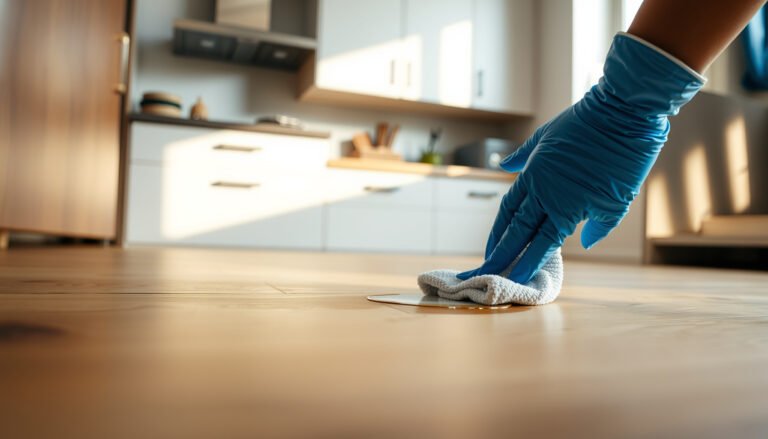
[…] you can lift sticky residue and avoid finish damage in about 15–30 minutes, using mild dish soap, distilled white vinegar, and a soft microfiber cloth. Start by blotting the spill, then follow the safest sequence for your […]