
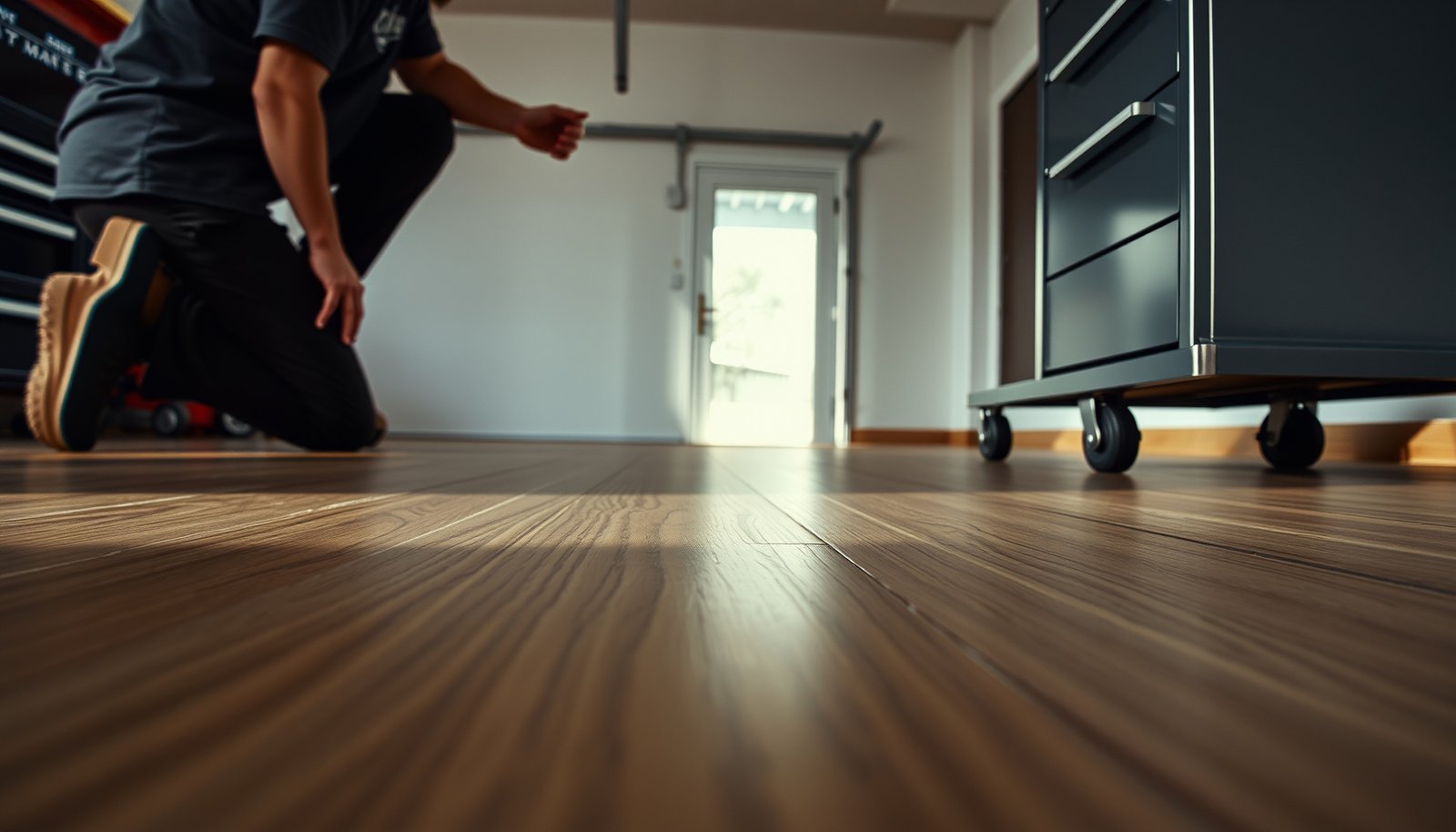

Preventing scratches on laminate floors in a garage comes down to one actionable rule: stop abrasive grit and hard-point impacts before they reach the planks. Use proper entry mats, install floor protectors on wheels and heavy equipment, and keep cleaning methods grit-free to preserve the surface from everyday damage. Follow these steps and your laminate will stay cleaner-looking and smoother for the long run, even with vehicles and tools rolling around.
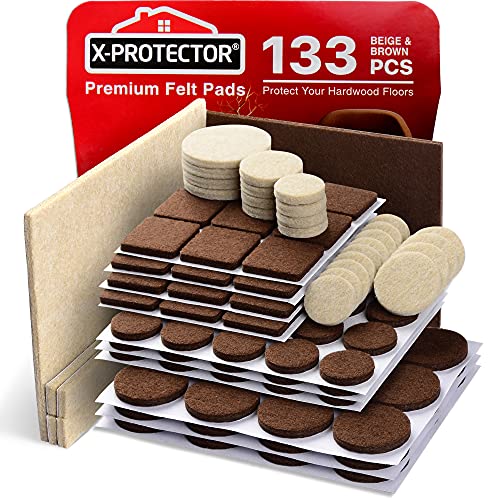

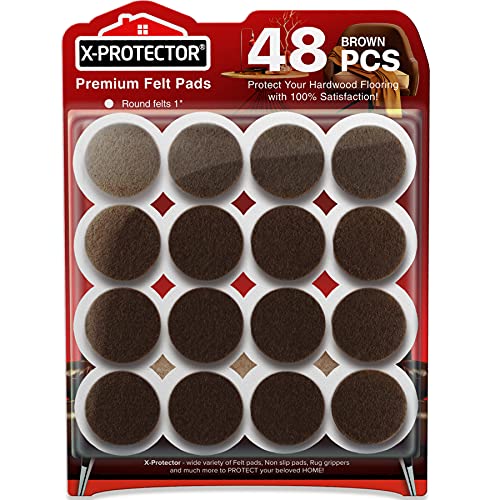

To prevent scratches on laminate floors in a garage, you need to stop abrasive grit from being dragged, rolled, or embedded into the wear layer. Trap dirt at the door, use the right protection under anything that rolls or gets moved, and clean in a way that doesn’t grind particles deeper into the surface—especially in 2024–2026 as more garages turn into multipurpose workspaces.
If your garage regularly sees muddy shoes, tire-grit, metal shavings, or frequent tool/caddy movement, these steps are worth doing. Laminate can handle normal traffic, but it won’t tolerate “sand-like” debris or hard, grit-transferring wheels and feet on a repeated schedule.
Control dirt before it touches the floor
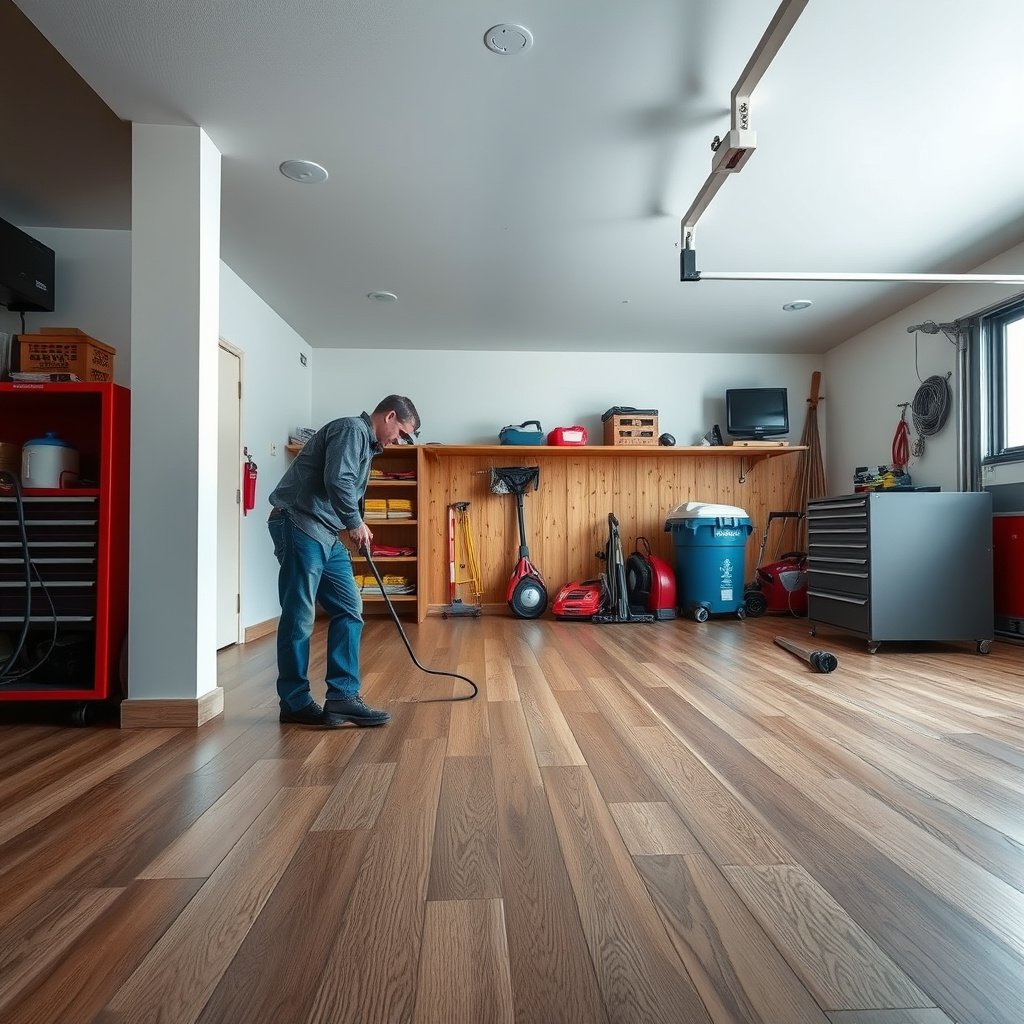
Keep abrasive grit off laminate in the first place—most visible garage scratches start as tiny particles that behave like sandpaper. The best approach is a two-stage entry system plus a pre-clean step before anything wet touches the laminate.
According to ASTM E11-21, common “grit-sized” particles can fall in the sub-millimeter range (for example, sieve No. 70 has an opening of 212 µm), which is small enough to lodge under mops, mats, and cart wheels.
According to USDA NRCS textural classification guidance (2002), sand particles are approximately 0.05–2.0 mm—enough to be tracked from tires and shoe soles and still act abrasively on laminate surfaces.
What to do for laminate garage floors (in practical terms):
– Put a heavy-duty doormat at the door, then a second mat just inside. Outdoor mats capture larger debris; indoor mats catch what’s left so laminate floors aren’t the “final filter.”
– Sweep or vacuum before mopping—every time. Grit under a damp mop becomes a grinding paste. For vacuuming, use the soft/brush setting (or a soft floor head) so you’re removing particles, not scuffing the top layer.
– Create a “boot wipe” station near the entry. A small brush tray, boot scraper, or wipe-down mat reduces the amount of tire grit that migrates deeper into the garage.
– Keep mat maintenance on a schedule. Shake outdoor mats outside and vacuum indoor mats weekly; otherwise, your “dirt trap” turns into a grit source for laminate floors.
To make this risk concrete, here’s how hard, abrasive debris maps to scratch likelihood on laminate wear layers.
Abrasive Hardness of Common Garage Materials and Scratch Potential (Mohs-based)
| # | Material (typical garage source) | Mohs hardness | Where it shows up | Scratch potential |
|---|---|---|---|---|
| 1 | Silica sand / quartz (tracked grit) | 7 | Tire tread + muddy shoe transfer | ★★★★★ |
| 2 | Feldspar (stone/dust from cutting) | 6 | Dry cutting/grinding debris | ★★★★☆ |
| 3 | Steel (chips/shavings) | 4–5 | Metalworking, fasteners, tool wear | ★★★☆☆ |
| 4 | Aluminum oxide (sandpaper/grit) | 9 | Sanding dust or abrasive pads | ★★★★★ |
| 5 | Silicon carbide (grinding media) | 9.5–9.7 | Grinding/cutting abrasive dust | ★★★★★ |
| 6 | Calcite (chalky dust) | 3 | Concrete dust / some masonry debris | ★☆☆☆☆ |
| 7 | Talc (soft mineral dust) | 1 | Dry powder transfer (less common) | ★☆☆☆☆ |
Note: “Scratch potential” here is a hardness-based ranking for laminate floors—your real-world damage depends on how long debris stays in contact and how often items roll or slide.
Protect high-movement areas and rolling items
If something rolls, drags, or gets bumped repeatedly, it becomes the “sandpaper delivery system” for laminate floors. Protect those contact points so grit never gets forced into the top layer.
Because laminate floors rely on a wear layer over the core, repeated grit under load (tool cart wheels, bench legs, cabinet feet) can convert tracked particles into visible scuffing over time.
ASTM D4060 describes standardized abrasive-wheel testing (Taber abrasion) to quantify surface wear from controlled abrasive action—useful conceptually for why abrasive grit on laminate matters (2018).
Here’s the garage-specific playbook:
– Use non-staining floor protectors under:
– tool bench bases
– shelving upright feet
– storage cabinet corners
Look for protectors marketed for “hard floors” or “laminate-safe,” and avoid bare metal touching laminate floors directly.
– For carts, dollies, and rolling shop equipment, choose the right wheels. Wheels designed for hard surfaces typically use softer/low-friction materials that reduce gouging and reduce grit transfer. If you’re unsure, swap wheels before you start a heavy project—once scratches form, they’re harder to hide on laminate.
– Avoid dragging mats, stools, and hoses across laminate garage floors. Lift and reposition. Dragging creates long, directional scratch lines (the exact pattern most people notice first).
– Keep wheel condition clean. Even the “right” wheels can scratch if their axles collect debris and then roll it in.
Prevent impacts from dropped objects and small hardware
If grit is the “cause,” impact points are the “timeline accelerators” for laminate floors. You want a clear work zone with runners and immediate cleanup so dropped hardware doesn’t become embedded abrasive dots.
According to ASTM E11-21, fine particles can be smaller than 212 µm on common sieves—this means tiny hardware and dust can still behave abrasively on laminate when they’re ground into the surface.
In practice, abrasive debris becomes more damaging when it’s pressed and moved repeatedly—so dropped nuts, bolts, and metal fragments should be cleared immediately from laminate garage floors.
Action steps that work:
– Add a protective floor runner in your main work zone (bench/mower zone) and replace it when worn through. A runner is cheaper than refinishing or replacing laminate floors.
– Don’t store loose gravel/sand/stone on the laminate. Use sealed bins, then keep the “transfer zone” off the laminate (a different floor type, a tray system, or an outer mat boundary).
– Clean up dropped small hardware immediately.
– Nuts/bolts/screws can act like tiny point-load abrasives.
– Over time, repeated foot traffic over “a few metal grains” turns into scuffs that catch light.
Choose scratch-safe cleaning and maintenance
Clean laminate garage floors the way you’d sand a surface you don’t want to scratch: remove grit first, then use minimal moisture and non-abrasive tools. The goal is surface-safe removal, not polishing with friction.
Laminate is engineered for surface wear resistance, but abrasive pads and grit trapped in cleaning tools can reintroduce scratching during “routine” maintenance—so microfiber + manufacturer-approved cleaners matter.
ASTM D4060 (2018) is a standardized way to quantify abrasion-driven wear using abrasive wheels, reinforcing the principle that uncontrolled abrasive contact accelerates surface damage.
Recommended cleaning choices:
– Use a laminate-appropriate cleaner and a damp (not wet) mop. Excess moisture can swell or loosen some laminate constructions; once seams or edges are compromised, scratches are more likely to show and damage can spread.
– Avoid abrasive pads, steel wool, and harsh scrubbers. Stick with microfiber and tools the manufacturer recommends.
– Use a consistent routine:
1) dry pickup first (sweep or vacuum)
2) damp clean only as needed
This prevents grit from being redistributed across laminate floors.
Quick comparison: what to use (and what to avoid) on laminate garage floors
| Feature | Soft brush vacuum / microfiber | Abrasive scrubbing (pads/steel wool) |
|---|---|---|
| Scratch risk | Low | High |
| Grit removal before wet mopping | Supports dry-first steps | Can grind debris into the surface |
| Moisture control | Easier to keep “damp” only | More likely to over-wet |
| Surface finish (gloss/scuff visibility) | Minimizes new scuff lines | Increases haze and visible marks |
| Compatibility with wear layer | Generally aligned with manufacturer care | Often discouraged in care guides |
| Time-to-clean in a garage | Efficient with quick dry pickup | Usually takes longer due to repeated scrubbing |
| Cleaning consistency for laminate floors | Easy to repeat safely | Varies by pad/material and user pressure |
| Replacement frequency | Microfiber pads wash and last | Pads degrade and trap grit |
| Safety with damp seams/edges | Lower risk when “damp only” is followed | Higher risk if moisture penetrates |
| Stubborn marks | Treat spot marks first; avoid aggressive scrubbing | More likely to create visible scratch pattern |
| Best For | Weekly garage maintenance | Avoid on laminate garage floors |
What can go wrong (common mistakes and edge cases)
Even with good intentions, a few garage realities can defeat scratch prevention—mostly by reintroducing grit, adding hard contact, or stressing laminate floors through moisture and temperature changes.
Using the wrong vacuum attachment can reintroduce abrasive contact; hard bristle heads can scuff laminate even when the goal is “cleaning.”
Laminate floors can expand and contract with environmental conditions; when the installation allows for movement incorrectly (or acclimation is skipped), the surface can experience stress that makes defects—including scratches—more noticeable.
Common failure modes:
– Wrong vacuum attachment: hard bristles can scuff laminate floors; if unsure, use a soft/brush setting or a non-abrasive head.
– Grit buildup in corners: fine particles collect under benches and along edges—places people skip during weekly sweeps.
– Wheel and mat “gotchas”:
– some mats have abrasive backing
– some wheels transfer grit from debris-filled treads
The result is repeat scratching with every roll.
– Sun/heat and humidity swings: if your garage sees big temperature changes, laminate can move. Follow the manufacturer’s acclimation guidance and installation expansion-gap requirements to reduce stress-related damage.
And for “steam clean” habits:
– Many laminate care guidelines discourage excess moisture (including steam).
One more practical note:
Verdict: the most reliable approach (and who should skip DIY fixes)
The most reliable way to prevent scratches on laminate floors in a garage is simple: trap grit at the door and use correct floor protection for anything that rolls or gets moved. Do that consistently and you prevent most scratches before they start, without needing complicated product changes.
Here’s the logic: laminate scratches aren’t usually caused by “wear” alone—they’re caused by abrasive particles acting under load (wheels, dragging, foot traffic over embedded grit). Once scratches appear, the top surface may not fully “recover,” so prevention stays more effective than cleanup.
Skip DIY fixes if:
– your laminate warranty requires specific approved cleaners/accessories and you can’t confirm what you’re using
– scratches are deep enough that the finish/wear layer is compromised—then your best path may be mark-removal guidance from the manufacturer or replacement, not DIY-only patching.
Quick checklist to save (scan before you work)
| Task | Do this | Avoid |
|---|---|---|
| Entry traffic | Use 2-stage mats; wipe shoes/boots | Single thin mat only |
| Weekly cleaning | Sweep/vacuum first, then damp clean | Scrubbing with abrasives |
| Rolling items | Soft/low-friction hard-floor wheels | Dragging carts/stools |
| Furniture & benches | Felt/plastic floor protectors | Bare metal feet |
| Work zones | Protective runner where tools move | Rubber-backed grit collectors |
| Spills/drops | Clean up immediately | Leaving sharp bits for “later” |
Sources
– ASTM E11-21, Standard Specification for Wire Cloth and Sieve Openings (2021) — sieve opening sizes used to discuss grit particle ranges.
– USDA NRCS, Soil Textural Classification guidance (sand: ~0.05–2.0 mm) (2002) — sand particle size range used for abrasion-risk context.
– ASTM D4060, Standard Test Method for Abrasion Resistance of Organic Coatings by the Taber Abraser (2018) — standardized abrasion concept applied to why abrasive contact matters for surfaces.
Scratch prevention on laminate garage floors is mostly about behavior: trap abrasive debris early, eliminate hard-contact points, and clean in a grit-first, non-abrasive way. If you set up mats + protectors correctly and keep wheels, runners, and corners clean, you’ll drastically reduce the scuffs that make laminate look worn—without fighting your garage every week.
Frequently Asked Questions
What are the best ways to prevent scratches on laminate garage floors?
Use protective mats or area rugs at entry points and under vehicles to stop grit, gravel, and wheel debris from grinding into the laminate. Add felt pads to chairs, tool carts, and shelving legs, and keep bags of sand, rocks, or heavy items off the floor or on a sacrificial protective layer. Regularly sweep or vacuum with a soft brush attachment so abrasive particles don’t act like sandpaper.
How can I protect laminate floors in a garage from car tires and dragging items?
Place a durable floor mat or garage floor runner where tires frequently roll in, and consider a rubberized mat designed for hard floor traction. When moving items, avoid dragging—use lifting, dollies, or furniture sliders with felt or microfiber bases to reduce friction. For heavier equipment like air compressors or tool chests, add protective pads and keep the base clean so grit doesn’t scratch the surface.
Why do laminate floors scratch so easily in garages, and how do I stop it?
Laminate scratches easily because garage dirt often contains tiny abrasive particles that get embedded in shoe soles and wheels, creating micro-scratches over time. The key is controlling contaminants at the source by wiping feet, using a doormat system, and maintaining clean entry paths. Pair that with regular dry cleaning and immediate removal of sharp debris (like small rocks) to minimize abrasive wear.
Which cleaning methods and tools help avoid scratching laminate garage floors?
Use a soft-bristle broom, a microfiber mop, or a vacuum with a brush roll turned off and a soft floor head to prevent surface abrasion. Avoid steel wool, abrasive scrubbing pads, and harsh powders that can dull or scratch the laminate. If you need spot cleaning, use a laminate-safe cleaner and a soft cloth, and never let grit remain under the mop head.
How should I set up a scratch-resistant garage floor routine for laminate?
Start with prevention: install mats at the door and under high-traffic areas, and add felt pads to everything that contacts the floor. Maintain a consistent cleaning schedule—sweep daily in high-use periods and do a deeper clean weekly to remove grit before it damages the finish. Inspect regularly for worn pads or trapped debris, and address issues quickly so small scratches don’t spread across the laminate surface.
📅 Last Updated: October 22, 2026 | Topic: How to prevent scratches on laminate floors in a garage? | Content verified for accuracy and freshness.
References
- Laminate flooring
- Quick-Step flooring
- MohawkFlooring
- https://www.armstrongflooring.com/residential/en-us/floor-care-and-maintenance/laminate.html
- Home – Tarkett Commercial
- https://scholar.google.com/scholar?q=how+to+prevent+scratches+on+laminate+floors Google Scholar
- https://scholar.google.com/scholar?q=garage+laminate+flooring+scratch+protection+floor+mats Google Scholar
- https://scholar.google.com/scholar?q=felt+pads+floor+scratch+prevention+study Google Scholar
[…] protect laminate floors in a home office, stop the two biggest threats—abrasive grit (scratches and scuffs) and moisture (swelling at seams/edges). The quickest wins are a chair mat in […]