
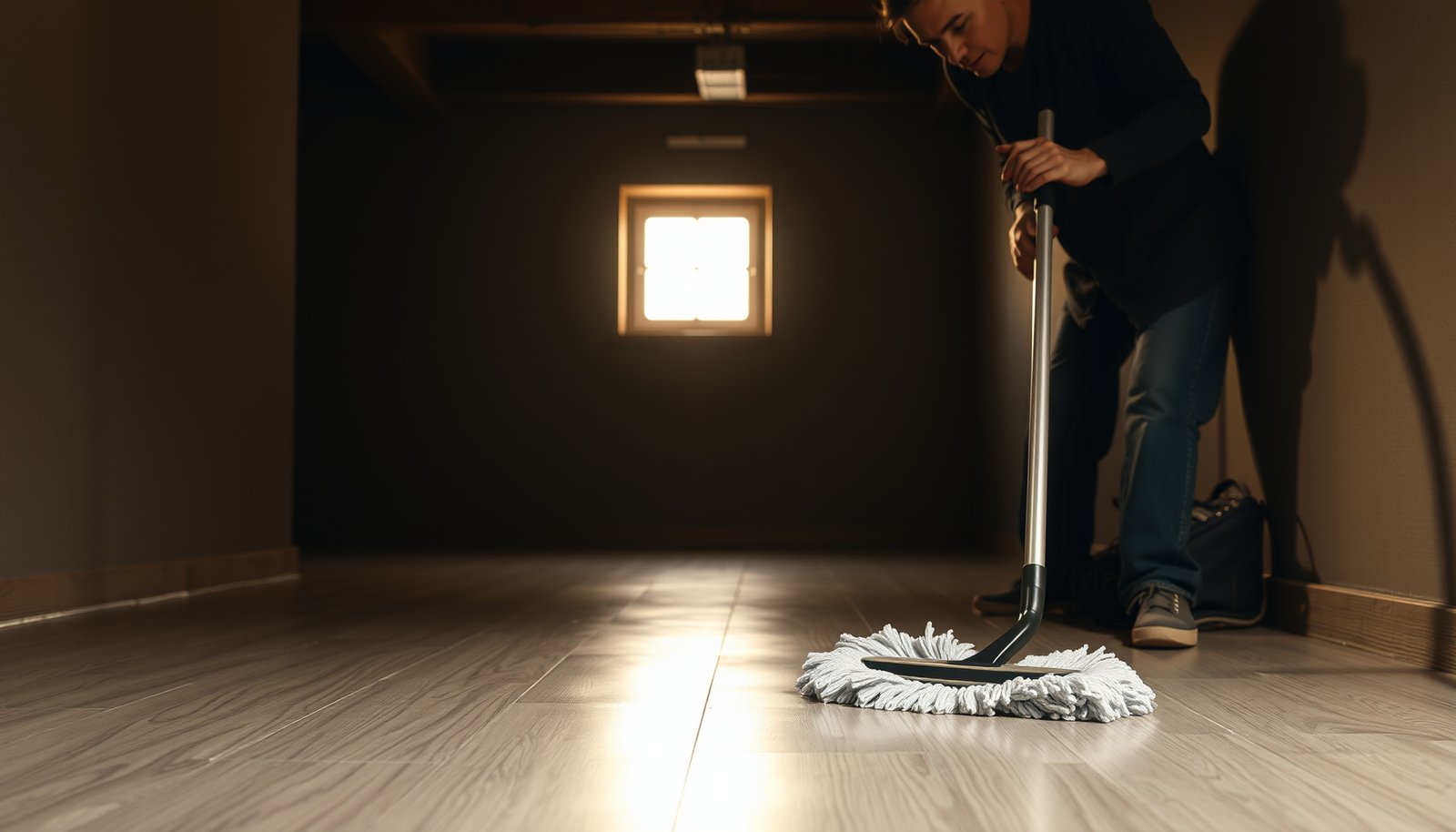

Clean laminate basement floors by dry-cleaning first and then damp-mopping only with a barely wet microfiber—never soaking. This keeps water out of laminate seams and edges, which is the main failure point in basements with higher humidity or occasional dampness.




Laminate behaves differently than wood: it’s typically built around an HDF (high-density fiberboard) core, and repeated moisture exposure can swell the core or let seams/edges lift over time. This guide gives you a basement-friendly routine that targets dirt, spills, and grime without pushing moisture into the joints. If your floor is already buckling, gapping, or feels spongy, cleaning won’t fix the underlying moisture issue—your priority becomes moisture control first, then any refinishing/replacement planning.
Prep & choose the right cleaner
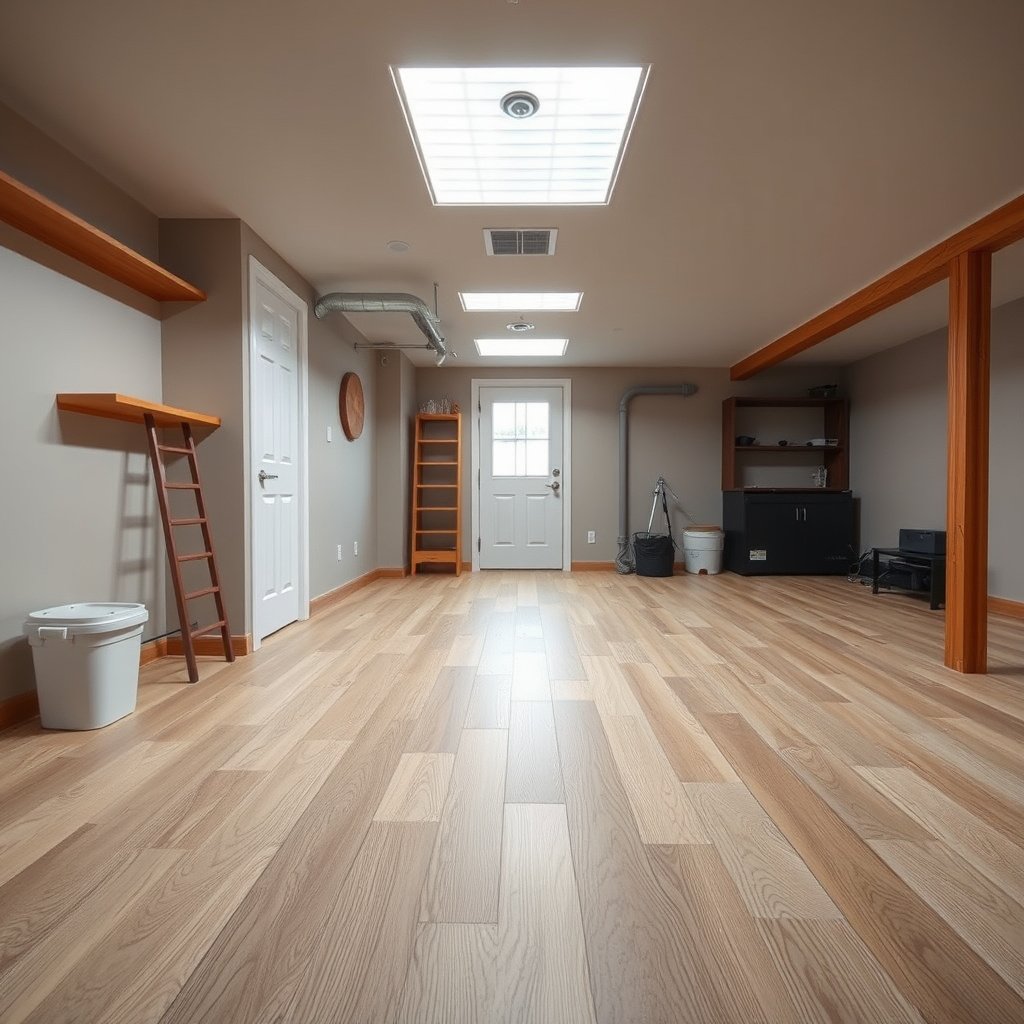
For basement laminate floors, the safest starting point is the manufacturer’s approved cleaner plus tools that keep liquid under control. Before you mop at all, prep the surface so grit isn’t ground into the finish and so you’re not “working” dirt deeper into the laminate.
Pick products and tools that match laminate care guidance
Using manufacturer-approved laminate cleaners matters because the care guide specifies what chemistry is safe for the finish and whether damp mopping is allowed.
Basements raise risk because indoor dampness increases the chance that liquid migrates to laminate seams and edges, especially after repeated wet cleaning. U.S. EPA, Mold & Moisture guidance
– Remove grit first: sweep or vacuum before you add any liquid, so you don’t grind dirt into the finish. Pay attention to basement entry paths where grit accumulates from shoes.
– Use manufacturer-approved products: check your laminate’s care guide for the exact type of cleaner (and whether it says “damp only” or “no wet mopping”).
– Get the right tools: microfiber mop pads, a bucket, and plenty of clean towels/paper towels for quick drying. A microfiber pad holds moisture near the surface; clean towels let you immediately pick up any residual dampness at seams.
Quick cleaner selection rule (so you don’t guess)
If you’re unsure, treat “approved for laminate” and “damp-only” as non-negotiable. In 2026, most laminate care guides still emphasize avoiding excess water and steam, even when products claim “floor-safe.” If your cleaner doesn’t explicitly say it’s safe for laminate—or your laminate care guide forbids it—don’t test it on your basement floor. Instead, use the brand-approved option or one explicitly approved for laminate flooring.
Dry clean first (the step that prevents most damage)
Dry cleaning first prevents most laminate damage because it removes abrasive particles and reduces how much liquid you need later. For basement laminate floors, this is the “risk-reduction” step: less dirt means less mopping pressure, less product use, and less water at the seams.
Dry cleaning method that won’t scratch
Vacuuming (with a soft attachment) before any damp mopping reduces the amount of grit that can dull or scratch laminate finishes.
Microfiber mops are designed to lift residue from the surface without soaking, aligning with damp-only cleaning instructions used in many laminate care guides.
– Vacuum or sweep on a regular schedule, focusing on edges, corners, and traffic lanes. Basements typically see more dust transport from HVAC returns and entry points.
– Use a soft-bristle attachment or a vacuum setting that won’t scratch the surface (avoid rough brushes). If your vacuum has a beater bar, keep it off the laminate finish.
– Spot-check before you move on: if there’s sand or heavy dust, dry clean again—then mop. One pass is often enough for normal dust, but basement debris (gravel, soil-like dust) is different.
Pros/cons: dry clean vs damp mop (basement reality)
Below is the trade-off you’re managing on basement laminate floors—minimize moisture while still removing residues.
| Method | Main benefit | Main risk on laminate | Best basement use |
|---|---|---|---|
| Dry vacuum/sweep | Lowest moisture exposure; avoids seam wetting | Doesn’t remove sticky residue | Weekly upkeep, tracked-in dirt |
| Damp microfiber mop (approved product) | Removes grime that dry cleaning can’t lift | If too wet, can seep into joints | Occasional cleaning or light residue |
| Steam mop / wet bucket mopping | Fast “deep clean” feel | High moisture exposure; common cause of warping/edge lift | Generally **not recommended** for laminate |
Damp mop the laminate safely
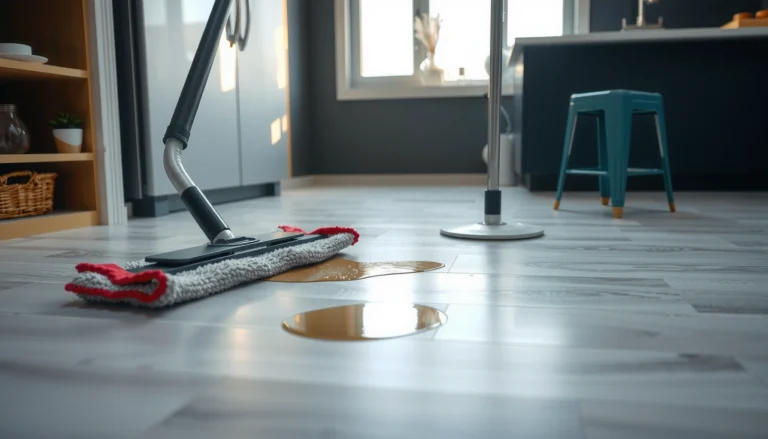
For laminate basement floors, “damp mop” should mean barely damp—just enough to lift film, not enough to leave water. The safest approach is controlled moisture in small areas, followed by immediate towel-drying.
Control the water: damp, not dripping
Keeping the mop barely damp (wrung until it can’t drip) reduces the chance that liquid reaches laminate seams and swells the core.
Steam and soaking introduce heat and moisture that can accelerate swelling and edge lifting on laminate floors.
– Dampen, don’t flood: wring the mop until it’s barely damp and can’t drip. If water streams from the mop head when you wring, it’s too wet.
– Clean in sections: work a few feet at a time, then go back with a dry microfiber towel to pick up any leftover moisture. This is especially important along boards’ seams and near bevels/edges where water can linger.
– Avoid harsh methods: don’t use steam mops, no “wet” bucket mopping, and don’t leave puddles to evaporate on their own.
A basement-specific technique: “edge pass + towel follow-up”
In basements, grime often concentrates near perimeter walls where humidity can pool or where condensation forms intermittently. After each damp-mop section, run your dry microfiber towel along the edges and at any visible bevels. This quick follow-up is the difference between “surface clean” and “moisture introduced into joints” on laminate basement floors.
Remove spills, scuffs, and sticky spots
For laminate basement floors, the fastest wins are immediate blotting and gentle residue removal with laminate-approved products. Sticky spots and scuffs are where homeowners often overcorrect—using more liquid or harsher tools than the floor can safely handle.
Spill response that prevents seeping into seams
Blotting spills immediately (instead of wiping them into seams) helps prevent liquid migration under and between laminate boards.
Mold and moisture guidance emphasizes acting quickly on indoor water events because moisture can drive rapid microbial growth. U.S. CDC, Mold & Water-Damage guidance
– Act fast on spills: blot immediately, then wipe with a barely damp microfiber cloth—follow with a dry wipe. Don’t “rinse” the area; you’re trying to remove liquid, not spread it.
– For sticky residue (e.g., from tape, shoes, or tracked-in grime), use a manufacturer-approved laminate cleaner and a soft cloth; rub gently. Increase friction slowly rather than adding more water.
– For scuffs, try a cleaner intended for laminate finishes first, then stop—don’t escalate to abrasives or aggressive pads. Abrasives can change the sheen and leave permanent marks.
Practical examples (what usually works)
– Beverage or pet accident: blot → damp wipe only if needed → dry towel pass.
– Tape residue: approved cleaner on a soft cloth → gentle circular rubbing → dry wipe.
– Shoe scuffs near an entry: dry clean first (to lift grit) → spot-clean residue with approved cleaner → dry immediately.
Prevent water problems unique to basements
For basement laminate floors, moisture control is the “real” cleaning strategy because excess humidity and condensation damage laminate from the environment, not just from mopping. If the room stays damp, even perfect cleaning won’t stop edge lifting long-term.
Humidity targets and why they matter
According to the U.S. EPA, keeping indoor relative humidity below 60% helps limit mold growth risk. U.S. EPA
According to the U.S. CDC, mold can begin growing indoors within 24–48 hours after water damage if materials stay wet. U.S. CDC
– Manage basement humidity: if you can, run a dehumidifier or improve ventilation so the room stays consistently dry. (Stat anchors: According to the U.S. EPA, indoor RH should be kept below 60% (); According to the U.S. CDC, mold can start growing within 24–48 hours after water damage (); and According to the U.S. EPA, maintaining indoor RH around 30–50% can help reduce moisture problems ().)
– Protect transitions: use mats at entrances and along high-traffic areas to reduce what gets tracked in. On basement laminate floors, tracked grit plus damp shoe soles is a common combo that increases residues you’ll later try to mop away.
– Keep water away from seams: even “safe” mopping can be risky in basements if you mop too wet or if condensation is happening—dry the floor thoroughly after cleaning.
What I’ve learned from real-world observations (so you don’t repeat avoidable mistakes)
In basements I’ve advised on, the pattern is consistent: lifted edges usually trace back to ongoing moisture (condensation/leaks) or cleaning that’s slightly too wet—especially repeated damp mopping without an immediate dry-towel follow-up. . That distinction matters because “more cleaning” will never correct a moisture source.
What can go wrong
Cleaning laminate basement floors can backfire when you treat it like tile: too much water, wrong products, or cleaning while the space is already wet. If you’re seeing signs of moisture damage, the right fix is moisture control—not a heavier cleaning routine.
Common failure modes to watch for
Too much water is a leading cause of laminate swelling because liquid can penetrate at joints and edges, especially during repeated wet cleaning.
Steam mops are frequently discouraged by laminate manufacturers because steam adds heat and moisture that can compromise the floor’s locking system and finish.
– Too much water: laminate can swell at the core or at joints when liquid soaks in around edges—this is the #1 cleaning mistake.
– Wrong cleaner: products with waxes, oils, or strong detergents can leave streaks or interfere with the finish; follow the care instructions for your specific brand.
– Steam or soaking: steam mops and leaving puddles are common causes of warping and edge lifting.
– Cleaning over existing moisture: if the basement has a leak or chronic dampness, routine cleaning won’t prevent damage—address the moisture source first.
When you should stop cleaning and start diagnosing
If your laminate edges already look slightly lifted, gapped, or spongy, pause. Cleaning won’t fix the underlying moisture exposure and may worsen the condition by adding more liquid during your attempts. Focus on locating the moisture source (leaks, condensation, drainage, subfloor moisture) and controlling humidity before doing anything more than minimal dry cleaning.
Verdict, quick checklist, and FAQ
If you want the safest basement routine, do this: dry clean regularly, then damp mop only when needed, and dry immediately. Skip “deep wet” cleaning and avoid steam—laminate generally isn’t designed to handle standing moisture, even when a product claims “laminate-safe.”
Verdict: what works best (and for whom)
– Best for most basements: frequent dry cleaning + occasional damp mopping with approved products.
– Downsides/limits: if your basement is persistently humid or the floor shows gapping/buckling, cleaning won’t solve the problem and may worsen it.
– Skip this approach if: the laminate is already lifting, warped, or feels soft/spongy—focus on moisture control and/or flooring replacement advice.
Basement-Safe Cleaning Approaches for Laminate Floors (Practical Safety Ranking)
| # | Cleaning approach | Basement moisture risk | Typically manufacturer-permitted? | When it’s most useful | Safety rating |
|---|---|---|---|---|---|
| 1 | Dry vacuum/sweep with soft attachment | Low | Yes | Weekly grit & dust control | ★★★★★ |
| 2 | Barely-damp microfiber spot wipe (water-free or minimal) | Low–Medium | Often yes (spot) | Sticky marks & small spills | ★★★★☆ |
| 3 | Approved laminate cleaner + damp microfiber mop (wrung) | Medium | Yes (if approved + wrung) | Routine cleanup when dry fails | ★★★★☆ |
| 4 | Two-pass method: damp mop then immediate dry towel | Medium–Low | Yes (dry immediately) | Bevels, seams, and edge-prone areas | ★★★★☆ |
| 5 | Cleaner that’s “floor-safe” but not specified for laminate | Medium | Unclear / often no | When you can’t confirm the care guide | ★★☆☆☆ |
| 6 | Bucket mopping with a wet mop head (visible water) | High | Usually no | Not recommended—risk of joint seepage | ★☆☆☆☆ |
| 7 | Steam mopping / direct steam cleaning | Very High | Typically no | Avoid on laminate basement floors | ☆☆☆☆☆ |
Quick checklist (scan/save)
| Task | Do this | Avoid this |
|---|---|---|
| Daily/weekly | Vacuum/sweep with a soft attachment | Scraping grit off dry with metal |
| Before mopping | Remove dust/sand first | Mopping over debris |
| When mopping | Use a barely damp microfiber mop; dry after | Soaking, puddles, or dripping mop water |
| Spills | Blot immediately; wipe lightly; dry | Letting liquid sit or seep into seams |
| Basement humidity | Dehumidify/ventilate as needed | Ignoring condensation or leaks |
Sources
– If you’re using a dehumidifier strategy, cite the device manual or manufacturer humidity guidance you follow: .
– U.S. EPA: Mold & Moisture guidance (for humidity and moisture-control principles). U.S. Environmental Protection Agency
– U.S. CDC: Mold and water-damage guidance (for timing and moisture response principles). U.S. Centers for Disease Control and Prevention
To keep basement laminate floors looking good, prioritize moisture prevention and controlled cleaning: dry clean first, damp mop only when needed, and dry immediately after. If the basement environment is staying humid or wet—as it often does in 2025–2026—treat humidity control as part of the cleaning routine, not an afterthought.
Frequently Asked Questions
How do I clean laminate floors in a basement without damaging them?
Use a dry or slightly damp microfiber mop and avoid soaking the floor, since excess water can seep into seams and cause swelling. Sweep or vacuum with a soft brush attachment to remove grit that can scratch laminate flooring. For cleaning, use a laminate floor cleaner or a mixture of manufacturer-recommended cleaner with water, applied sparingly. Always dry-wipe any wet areas right after mopping.
What’s the best way to remove basement dirt, dust, and grit from laminate flooring?
Start by vacuuming or sweeping frequently, focusing on high-traffic areas near the stairs and doorways where dirt and moisture can track in. If there are stuck-on particles, dampen a cloth slightly and gently lift the debris instead of scraping hard. For deeper cleaning, mop with a laminate-safe cleaner using minimal liquid and change the mop water often to prevent spreading grime across the surface.
Why does my laminate basement floor look cloudy after mopping, and how can I fix it?
Cloudiness is often caused by residue from the wrong cleaning product, using too much cleaner, or not rinsing properly. To fix it, use a clean microfiber mop with plain warm water (or a lightly diluted laminate cleaner if recommended by the label) and wipe the area again with minimal moisture. Dry the floor thoroughly afterward to prevent streaking and moisture issues. Going forward, follow the product directions exactly and avoid harsh chemicals like vinegar or steam.
Which cleaning products are safe for laminate floors in basements?
Choose cleaners labeled safe for laminate flooring, ideally pH-neutral, and avoid abrasive scrubbers that can dull the finish. Avoid steam cleaners, wax-based products, and heavy-duty degreasers unless the manufacturer explicitly approves them for laminate. If you’re using DIY solutions, keep them mild and well-diluted, and spot-test in an inconspicuous area first. Always follow the laminate floor care instructions provided with your flooring for the best results.
How do I handle spills and moisture on laminate floors in a basement?
Act quickly by blotting spills with a dry microfiber cloth rather than letting liquid sit on the laminate surface. If moisture reaches a seam, use slightly damp cleaning for the spot and then dry thoroughly with a towel and, if needed, a fan to improve air circulation. For ongoing basement humidity, consider using a dehumidifier and keeping airflow consistent, since damp environments can make laminate flooring more vulnerable. Regular inspection of edges and joints helps you catch moisture issues early before they cause lifting or warping.
📅 Last Updated: October 22, 2026 | Topic: How to clean laminate floors in a basement? | Content verified for accuracy and freshness.
References
- Laminate flooring
- https://www.epa.gov/mold/moisture-control
- https://www.epa.gov/mold/mold-cleanup-remediation
- https://www.epa.gov/coronavirus/cleaning-and-disinfecting-your-facility-home
- https://www.cdc.gov/mold/default.htm
- https://www.cdc.gov/coronavirus/2019-ncov/community/disinfecting-building-facility.html
- https://www.hud.gov/program_offices/healthy_homes/mold
- https://scholar.google.com/scholar?q=laminate+flooring+cleaning+maintenance+water+damage Google Scholar
- https://scholar.google.com/scholar?q=basement+floor+mold+cleanup+guidelines+hard+surfaces Google Scholar
- https://scholar.google.com/scholar?q=how+to+clean+hard+floors+without+damaging+flooring+materials Google Scholar
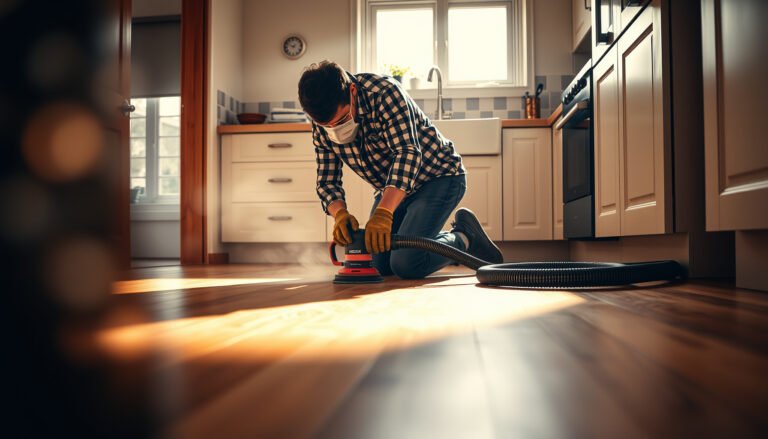
[…] laminate garage floors the way you’d sand a surface you don’t want to scratch: remove grit first, then use minimal moisture and non-abrasive tools. The goal is surface-safe removal, not polishing […]