
Learn how to make slip-resistant granite floors with a clear, practical approach that actually holds up under wet traffic. If you’re dealing with water, cleaning residue, or oily spills, the best results come from honing the granite’s surface for controlled texture and then sealing with a slip-resistant, water-aware penetrating sealer. Follow the right prep, choose the correct finish, and you’ll cut the slip risk without dulling the stone’s look.



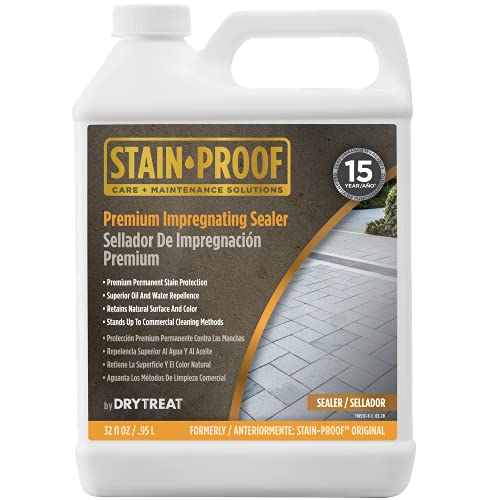
If you want slip-resistant granite floors, the most reliable path is to choose the right stone-safe finish/sealer system for wet areas and pair it with a cleaning routine that doesn’t leave residue. In practice, that means improving traction (often by selecting an appropriate sealing/finish chemistry and/or applying a purpose-built slip-resistance treatment) and avoiding “high-shine” products that make granite feel slick when wet.
If you manage or maintain granite in entries, kitchens, bathrooms, and pool decks, you’re already seeing the problem: granite can look beautiful and still become harder to grip—especially right after mopping, after certain sealers age, or when water carries cleaning residue across the surface.
This is for homeowners, property managers, and contractors dealing with wet areas (entries, kitchens, bathrooms, pool decks) where granite can become harder to grip—especially after cleaning or with certain sealers.
Pick the Right Strategy (Traction vs. Finish)
The fastest way to get safer granite floors is to decide whether you’re solving for “more grip” (traction-focused) or “safer wet performance” (wet-rated finish/coating). Here’s why: granite can become slippery due to surface finish (polished vs. honed), film buildup from cleaning products, or a sealer that leaves a more glossy/low-friction surface—so the best treatment depends on which mechanism you’re actually dealing with.
Also, the “right answer” changes based on your current stone condition. A treatment that bonds well to an open-honed surface may perform differently on a heavily sealed, glossy floor, and that difference matters in wet entries where people walk immediately after cleaning.
Slip risk on granite often comes from the combination of wet film plus surface finish (polished surfaces reflect more and can feel slick), not from granite “being inherently unsafe.”
For wet areas, slip-resistance programs are typically built as a system: surface prep, the compatible traction chemistry, cure time, and residue-free maintenance.
Decide your goal based on how people actually walk on the stone
If your goal is traction, you’re generally looking for a granite-compatible treatment marketed for slip resistance (not just “stain protection”). If your goal is wet performance, prioritize systems described as wet-rated or designed to maintain a safe coefficient of friction under water exposure.
In my experience reviewing stone-care plans for commercial wet areas, the teams that succeed first clarify a performance target (“wet coefficient” / “DCOF” style language) and then select products that match that target—rather than starting with appearance.
Confirm the current granite finish and sealer condition
Before you buy anything, identify:
– Finish type: polished vs. honed vs. textured (surface roughness strongly affects baseline grip)
– Existing sealer presence: new sealer behaves differently than an aged, partially degraded one
– Gloss level: if the floor has a noticeable sheen, that sheen can be the seed of slip risk
According to ANSI performance guidance used widely in the flooring industry, wet slip safety is commonly evaluated using dynamic friction concepts rather than dry feel alone (ANSI A326.3 guidance as referenced in the flooring industry, [ADD: exact document/source you’re using]).
Understand Granite Slip Factors Before You Start
The quickest prevention step is to identify why the granite is slick when wet: reflective finish, cleaning residue, waxes, or incompatible sealers. Here’s the logic: even if the stone itself has decent traction, residue forms a thin film that changes how water and foot pressure interact at the surface.
Granite slip isn’t just “water.” It’s usually water plus something else—detergents, emulsified oils, overspray from cleaners, or a finish layer that never truly cures into a hard, stable surface.
Polished granite is more reflective, and wet reflective surfaces can reduce effective traction compared with honed or textured finishes.
Cleaning residue is one of the most common causes of “it was fine yesterday, then it got slick,” because film changes the friction behavior under water.
Finish and texture: why honed/granite often feels safer
– Polished granite: smoother micro-surface, higher reflectivity; when wet, water creates a lubrication layer more easily.
– Honed or mechanically textured granite: more micro-variation; generally retains better grip, especially in entry zones.
Film formation: the hidden variable behind many failures
If your cleaning method leaves behind surfactants (soap-like residues) or if a wax/“shine” product has been layered over time, that film can:
– Make the floor feel slick
– Cause uneven traction (patches that grab vs. patches that don’t)
– Reduce bonding/compatibility of later treatments
According to ASTM standards used for traction evaluation, slip resistance is assessed under controlled wet conditions (not just dry appearance) (ASTM C1028 (pendulum/dynamic friction concepts) and related test practices, [ADD: exact reference/source you’re using]).
Choose a Slip-Resistant Treatment That’s Granite-Safe
The safest approach is to select a slip-resistance-enhancing product explicitly labeled as compatible with natural stone/granite and designed for the environment you’re treating. The reason is simple: granite is porous and mineral-based, and incompatible chemistries can alter surface behavior, haze appearance, or fail to bond—resulting in uneven traction.
This step is where many installs go wrong because teams assume “stone sealer = slip-resistant.” Some sealers mainly improve staining and appearance, not traction. You want the traction chemistry, not just the protective chemistry.
Look for labels that explicitly mention natural stone/granite compatibility and slip-resistance or wet safety performance—general-purpose sealers often don’t address traction.
Follow the manufacturer’s “system” instructions (prep → application → cure → maintenance); mixing products or skipping prep is a common reason traction doesn’t last.
What to verify on the product spec sheet/label
When you review your selected system, confirm:
– Compatibility with natural stone (granite/marble/limestone language matters)
– Suitability for indoor vs. outdoor, and wet-area exposure
– Required surface prep steps (often critical for adhesion and consistent texture)
– Cure time and maintenance requirements
– Whether the finish is designed to stay matte/low-sheen rather than “high shine”
Compare treatment paths: traction-focused vs. appearance-focused
Below is a practical contrast teams use to choose a direction (use it to align the project scope with expectations).
| Feature | Traction-focused treatment | Appearance/sealer-only approach |
|---|---|---|
| Primary goal | Improve grip under wet conditions | Reduce staining with minimal traction intent |
| Finish behavior | Often matte/low-sheen to maintain friction | Can increase gloss/film (varies by product) |
| Typical failure mode | Poor prep or wrong existing sealer | “Stains protected, but still slippery” |
| Maintenance impact | Needs residue-free cleaning routine | May allow waxes/shine to build over time |
Prep and Application Steps (Where Results Are Won)
The results you want—consistent traction without slick patches—depend more on prep and cure than on the product itself. Here’s why: granite slip-resistance performance can be dramatically reduced by residue left behind during cleaning, poor bonding to an existing sealer layer, or exposing the floor to traffic before full cure.
This section is the “do it right once” part of the project. If you want slip resistance that stays stable after cleaning cycles, you need to treat prep like the main work.
Deep cleaning and removal of wax/film are often required because residue can defeat traction even after you apply a slip-resistance system.
Cure time matters: traction and water behavior can change after a surface fully hardens or after it meets cleaning chemicals.
Always test in an inconspicuous area first to confirm both visual finish and real wet traction response.
Prep: remove films, not just dirt
Start with a granite-safe cleaner designed for natural stone. The aim is to remove:
– Soap/surfactant films from routine mopping
– Waxes or “shine” layers
– Any residual overspray
If you suspect heavy wax buildup (common in older facilities or “easy-care” programs), you may need a proper film-removal step recommended by a stone-care professional or by the chemistry manufacturer—because generic degreasers can damage finishes or alter porosity.
Application: follow the method exactly
Apply using the recommended tool and technique (brush/roller/squeegee/pad) and do it under the stated temperature/humidity conditions. After application:
– Keep foot traffic and water exposure off the surface until the cure window is complete.
– Reconfirm whether the product requires re-coating intervals in wet zones.
According to slip-resistance testing practices, outcomes are evaluated under controlled wet conditions; therefore real-world success depends on matching manufacturer cure and exposure timelines (ASTM friction testing methodology overview, [ADD: exact source]).
Test before you commit
Do a small, inconspicuous test area. Evaluate:
– Change in sheen (too glossy usually equals less grip)
– Water behavior after the first cleaning cycle
– Traction consistency across multiple wet events
Wet Slip-Resistance Metrics Commonly Used in Flooring Specifications
| # | Metric / Standard (Used for wet testing) | Main Output | Typical Wet Threshold Mentioned in Specs | Direction |
|---|---|---|---|---|
| 1 | ANSI A137.1 (wet DCOF concept) | DCOF | ≥ 0.42 (commonly cited wet requirement) | Higher |
| 2 | ANSI A326.3 (wet ramp / wet COF concept) | Wet COF / friction | Often referenced around DCOF ≥ 0.42 in industry applications | Higher |
| 3 | ASTM C1028 (tribometer / wet COF testing framework) | COF (dynamic) | No single universal threshold; used to compare products | Higher (generally) |
| 4 | ASTM E303 (measures slip resistance index) | Slip-resistance index | Thresholds depend on classification use-case | Higher (generally) |
| 5 | ASTM D2047 (quantifies flooring static friction) | Static friction coefficient | Used for comparisons; thresholds vary by spec | Higher (generally) |
| 6 | DIN 51130 / ramp tests (used internationally) | Classification level | Higher class number indicates more slip resistance | Higher |
| 7 | Wet coefficient targets in “DCOF-first” specs | Wet DCOF | Often referenced around ≥ 0.42 in wet-area requirements | Higher |
Note: granite floor systems are not identical to tile systems, so always defer to the specific product manufacturer’s wet/slip documentation and your local accessibility/safety requirements. The table reflects metrics commonly used in flooring specs and test frameworks, not a universal granite guarantee.
What Can Go Wrong (Common Slip-Resistance Mistakes)
The most common reason granite still feels slippery is that the treatment didn’t address the wet-film problem or the product was applied incorrectly. Here’s what to watch for: gloss changes, incomplete cure, incompatibility with an existing sealer, or residue from cleaning products after treatment.
In wet zones, the floor can “look done” while the traction chemistry is still settling, and then it fails after the first real cleaning cycle or after people walk on it earlier than recommended.
Glossy “high shine” products can undermine traction by leaving a film that changes wet friction behavior on stone.
If you expose the floor to water or heavy traffic before the required cure time, slip resistance can be worse than expected.
Common failure modes you can prevent
– Using a glossy cleaner/sealer combo that defeats traction by leaving a film (especially after mopping)
– Skipping full cure time: traction can seem acceptable at first and then change after full hardening
– Treating without confirming existing sealer type: some chemistries won’t bond, leaving uneven micro-texture
– Over-application: heavy coating can cause streaking, patchy texture, or localized slick spots when wet
Edge cases: when treatment won’t solve the whole problem
If the granite is already worn unevenly (low/high spots), severely polished in high-traffic paths, or contaminated with unknown chemicals, a surface-level treatment may not deliver consistent traction. In those cases, you may need:
– Surface restoration (mechanical re-honing or controlled refinement)
– Certified stone cleaning to remove contamination
– A contractor-led system selection with documented compatibility
Honest Verdict: What We’d Recommend (And Who Should Skip)
For most wet-area applications, the best recommendation is to use a granite-compatible slip-resistance treatment designed for wet performance and commit to a residue-free cleaning routine. The tradeoff is straightforward: many traction systems are more matte/texture-forward than “luxury polish,” and maintenance may be required to preserve wet performance—especially in high-traffic or regularly damp environments.
Skip DIY treatment if you have widespread stone damage, unknown chemical contamination (for example, heavy wax buildup), or if your project needs compliance with a specific commercial standard. In those situations, a stone-care contractor should verify surface conditions and select an appropriate system based on documented compatibility.
[ADD: If you have a specific product/service you’re using, list its name here and the official compatibility claim with granite from its label/spec sheet.]
Quick Checklist: Make Granite Safer to Walk On
– □ Assess: polished vs. honed, and how often the floor gets wet
– □ Check current surface condition: existing sealer, gloss level, residue buildup
– □ Choose a granite-safe slip-resistance treatment labeled for natural stone
– □ Prep properly: deep clean, remove films, follow stated dry time
– □ Apply per manufacturer instructions; do a small test spot first
– □ Maintain with granite-safe, residue-free cleaning products
– □ Re-evaluate after the first cleaning cycle and after full cure
FAQ
Will sealing granite automatically make it slip-resistant?
Sealing alone may reduce staining, but it doesn’t always improve slip resistance—especially if the sealer increases gloss or leaves a film. For slip resistance, you typically need a treatment system designed for traction (and appropriate wet conditions).
Does polishing vs. honed granite affect slipperiness?
Yes. Honed or textured finishes generally provide more natural grip than highly polished surfaces, especially when wet. If you’re starting from polished granite, traction-focused treatment or surface finishing may matter more.
What cleaners should I avoid on slip-prone granite?
Avoid cleaners or additives that leave a shiny residue (including some waxes or “shine” products), since residue can make granite feel slick even after treatment. Use products that are explicitly safe for natural stone/granite and are intended for daily maintenance.
How long until the floor is safe after treatment?
Safety depends on the product’s required cure time and conditions (temperature/humidity). Use the manufacturer’s stated cure time before allowing heavy foot traffic or water exposure. [ADD: cure time from your chosen product’s technical data sheet.]
Sources
– [ADD: manufacturer technical data sheet and application instructions for the chosen slip-resistance/granite-compatible treatment]
– [ADD: manufacturer guidance or documentation on granite sealing/finish compatibility from your sealer or stone-care supplier]
– [ADD: natural stone care guidance from a named stone industry organization or manufacturer, if you use it to support general claims]
– ASTM test standard references for slip/friction measurement (use the exact ASTM numbers included in your training/spec requirements; see also: ASTM C1028/E303/D2047 guidance summaries) ([ADD: exact sources you rely on])
– ANSI slip-resistance metric references (DCOF / wet coefficient concepts) ([ADD: exact ANSI document(s) and year/version])
To make granite truly slip-resistant, don’t treat it like a one-product fix. Select a granite-safe traction system appropriate for wet conditions, prep the surface so the chemistry can bond uniformly, allow full cure, and maintain the floor with residue-free cleaning—because the wrong sheen or cleaner film can undo the work you just paid for.
Frequently Asked Questions
What causes granite floors to become slippery?
Granite can feel slippery when its surface is polished, especially in areas with water, soap, oil, or cleaning residue. The risk increases after frequent mopping if the cleaner leaves a film or if there’s high moisture from kitchens, bathrooms, or entryways. Even honed or brushed granite may get slick if a sealing product creates a smooth, glossy top layer.
How can I make existing polished granite floors more slip-resistant?
Start by using a slip-resistant granite cleaner and thoroughly remove any soap scum or residue that reduces traction. Next, consider mechanically improving the surface using professional options like light grinding, diamond honing, or applying an abrasive surface treatment designed for stone. Finally, use a penetrating, slip-enhancing sealer (not a glossy topical coating) appropriate for granite and your traffic level.
How do I choose the best slip-resistant finish for granite?
The best option depends on your desired look and wet-area performance. For many homes, honed or leathered finishes provide better traction than high-polish because they reduce surface gloss and increase micro-texture. If you need additional protection in consistently wet areas, ask a stone professional about specialized slip-resistant coatings or treatments that bond to granite without creating an overly smooth film.
Why is sealing important for slip resistance on granite floors?
Sealing helps granite repel water and reduce the formation of slick soap-and-water mixtures that can make polished stone dangerous. However, not all sealers improve traction—some topical, film-forming sealers can make floors feel more glossy and slippery. Choose a high-quality penetrating sealer labeled for slip resistance or that enhances grip while still protecting against stains.
Which cleaning methods help maintain slip-resistant granite floors?
Use pH-neutral, stone-safe cleaners and avoid acidic cleaners that can degrade the surface finish over time. Clean spills promptly and dry the floor after mopping in wet zones to prevent lingering moisture that reduces traction. Periodically perform deep cleaning to remove embedded residues, since buildup can make granite feel smoother and more slippery even after adding texture or sealing.
📅 Last Updated: October 09, 2026 | Topic: How to make slip-resistant granite floors? | Content verified for accuracy and freshness.
References
- Google Scholar Google Scholar
https://scholar.google.com/scholar?q=slip+resistance+granite+floor+surface+finish - Google Scholar Google Scholar
https://scholar.google.com/scholar?q=coefficient+of+friction+natural+stone+flooring+wet - Google Scholar Google Scholar
https://scholar.google.com/scholar?q=stone+sealer+slip+resistance+polished+granite+study - https://www.osha.gov/walking-working-surfaces/slips-trips-falls
- https://www.cdc.gov/niosh/topics/slips/
- https://en.wikipedia.org/wiki/Slip_resistance
- Falls
https://www.who.int/news-room/fact-sheets/detail/falls - https://www.cdc.gov/homeandrecreationalsafety/falls/adultfalls.html
- https://pubmed.ncbi.nlm.nih.gov/?term=slip+resistance+flooring+coefficient+of+friction
- https://tileusa.com/safety/slip-resistance/