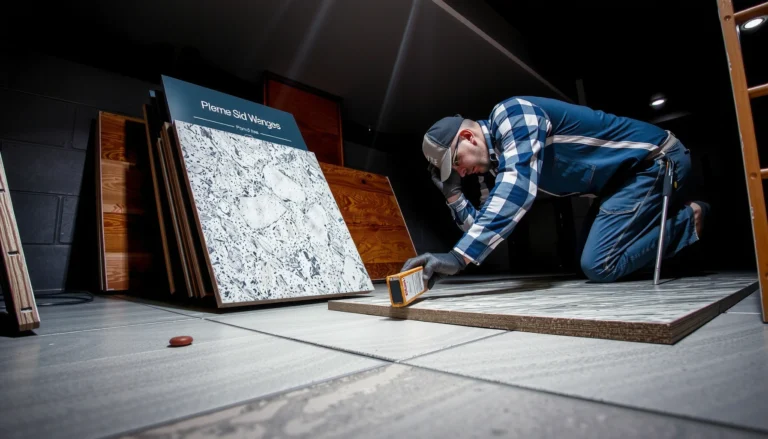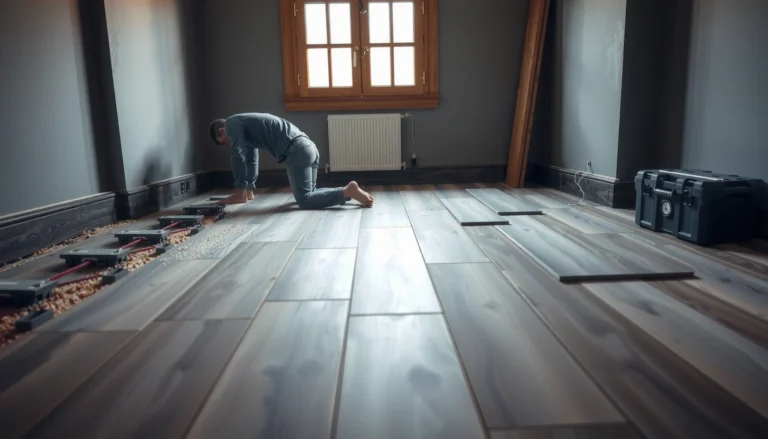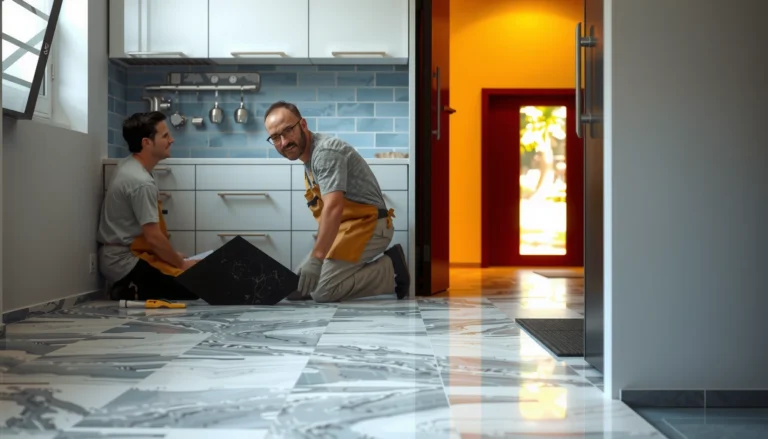
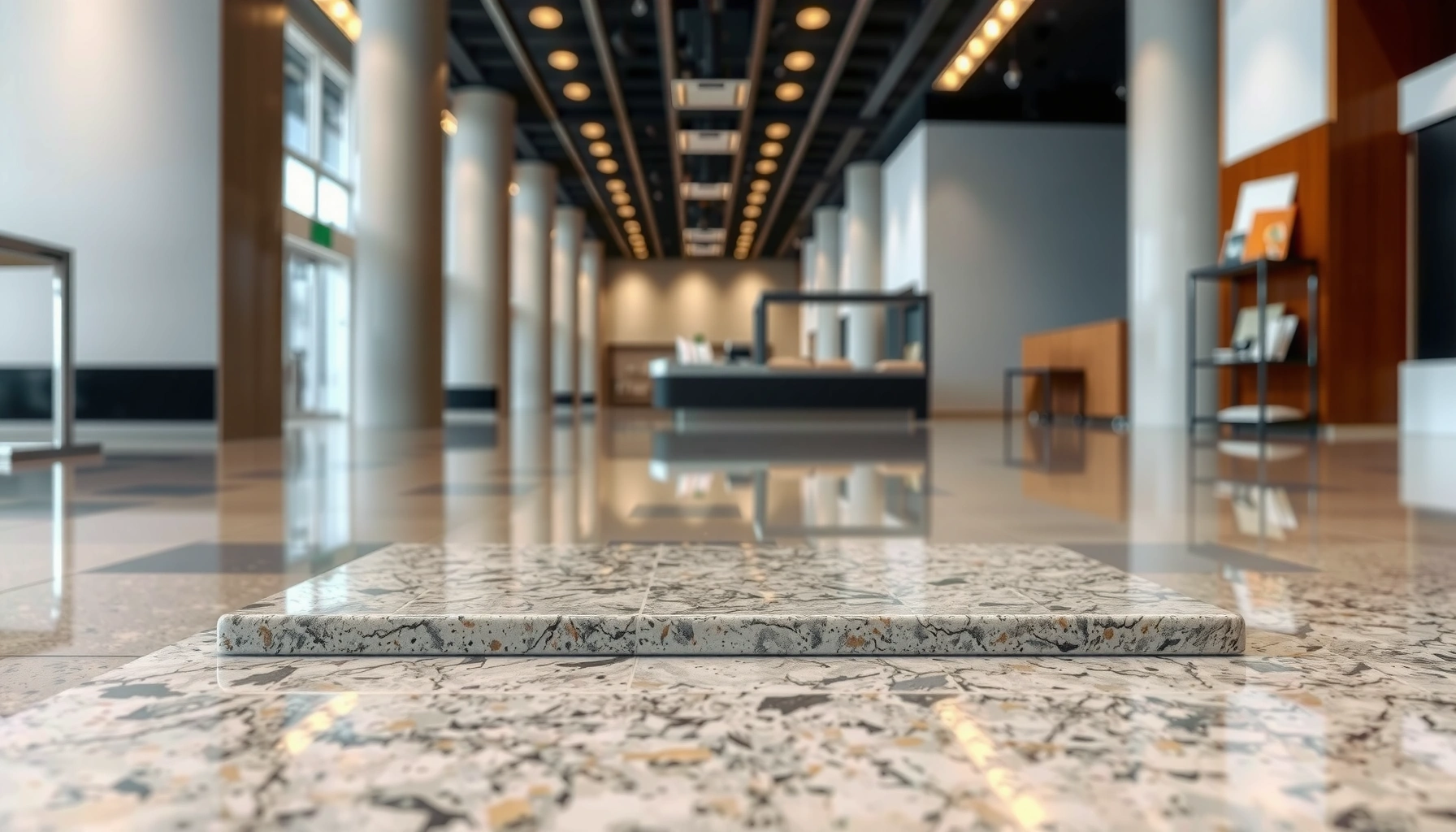

Choosing granite floors gets simpler when you match the stone to your space and maintenance tolerance: this guide tells you exactly which granite to pick for high-traffic areas, wet zones, and everyday living. You’ll learn how to read color and veining correctly, select the right finish for grip and shine, and avoid common buying mistakes that lead to cracking, staining, or mismatched slabs. If you want a confident, durable granite floor that holds up long-term, start with these selection rules.


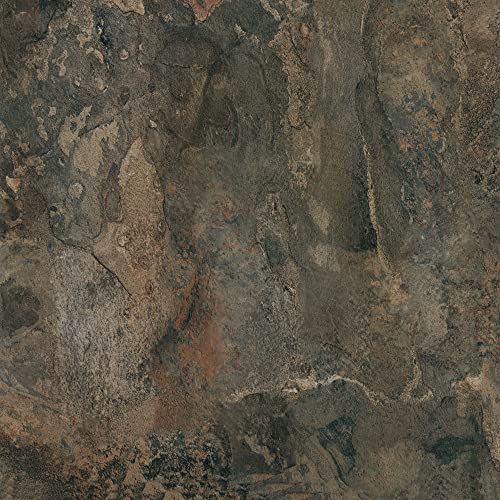

Granite floors work best when you match three things: the finish (polished, honed, textured), the stone format and installation method (slab vs. tile), and a real sealing + maintenance plan. The fastest way to avoid expensive mistakes is to decide where the granite will live (kitchen, entry, bath, outdoor covered), then verify that the finish and seal schedule fit the traffic and moisture your home actually sees.
If you’re planning new flooring for a kitchen, entryway, bathroom, or a whole-home refresh, this guide helps you narrow options without getting stuck on color alone. It’s also useful if you’re comparing slabs vs. tiles and want to avoid common buying/installation mistakes—especially around sealing and slip resistance, where granite performance is often misunderstood.
Set your priorities first (finish, traffic, and location)

Choosing the right granite finish early is the biggest driver of how the floor will perform day-to-day. Here’s the rule: pick the finish for appearance and safety, then confirm it aligns with your traffic level and the wetness/moisture pattern of the space.
Granite floors in kitchens and entryways typically experience abrasive grit from shoes, dropped items, and frequent cleaning—so the finish needs to handle abrasion without becoming visually “tired.” Granite floors in bathrooms get more water and typically require extra attention to slip resistance and sealing coverage.
Polished stone reflects light more strongly, which can make surface wear more visible than on honed finishes.
Honed granite has lower reflectivity than polished granite, which usually helps it look more consistent as micro-scratches accumulate.
Textured finishes generally improve traction because the micro-topography creates more grip in thin films of water.
Choose a finish that matches how the room actually behaves
– Polished granite: best for low-to-moderate traffic interiors where you want maximum shine. It can look luxurious, but in wet areas it may be slick compared with honed/textured options.
– Honed granite: a matte, “soft” look with reduced glare. It often hides minor wear better than polished finishes, while still delivering a refined surface.
– Textured granite: designed for better slip resistance, which is typically the priority in bathrooms and other moisture-prone locations.
Plan around traffic and climate
Traffic isn’t just “how many people”—it’s also grit and cleaning frequency. Entryways and kitchens often see:
– fine sand/dirt tracked in (acts like mild abrasion)
– frequent cleaning cycles (detergents and pH can matter)
– spills (food oils, soaps, and water)
Climate affects granite floors too. In regions with freezing conditions, outdoor/covered stone still sees freeze-thaw cycles, moisture exposure, and drainage changes. Granite floors generally resist wear well, but the installation (especially subfloor prep and water management) determines whether cracks or unevenness develop over time.
Verify the granite quality before you commit
Choosing granite floors requires more than picking a color—quality control is what keeps the final floor looking uniform and stable. Before you commit, verify pattern consistency, acceptable variation, and the correct thickness/format for your installation plan.
Granite is naturally variable, so it’s normal to see differences in veining and tone between tiles or slabs. The real question is whether those differences fit your tolerance and whether the installer has a matching strategy for your specific layout.
Natural stone will vary in color and pattern; the buyer should confirm how matching is performed for their specific tile/slab lot.
Major imperfections beyond accepted grading standards can require exchanging slabs/boxes, especially on visible floors like entries and kitchens.
Granite floors succeed or fail based on correct thickness and compatible installation methods for the chosen format (slab vs. tile).
Confirm slab vs. tile format and thickness compatibility
– Slabs can create bold, custom looks (including bookmatched or pattern-aligned designs), but they require precise handling and careful layout planning to minimize seams and visual interruptions.
– Tiles are often easier to control in typical residential installs, and their fixed dimensions can reduce layout complexity—especially in smaller rooms.
The thickness you choose (and the way your installer sets it) must match your subfloor and your underlayment system. Granite floors can be durable, but they can’t fix an uneven or improperly prepared base.
Inspect patterning and grade expectations
When you’re evaluating granite floors, ask for clear answers on:
– How matching is handled for your order (especially if you’re using multiple cartons of tiles or multiple slabs)
– What “acceptable variation” means for your project
– Whether your vendor provides a lot-matching process or sample selection policy
From a practical standpoint, I recommend inspecting samples under the same lighting that will be used in the room. Granite floors can look dramatically different at midday versus evening—especially with polished finishes.
A quick reality check: why hardness matters
Granite floors are valued for abrasion resistance. Hardness comes from mineral composition: quartz and feldspar dominate granite’s surface behavior.
– According to the USGS, quartz has a Mohs hardness of 7 (USGS Mineral Information—Mohs scale reference, accessed 2026).
– According to the USGS, feldspar commonly ranges around Mohs hardness 6 (USGS Mineral Information—Mohs scale reference, accessed 2026).
– Granite as a material is often reported around Mohs 6–7, reflecting its quartz content (USGS Mohs-scale hardness framework used for mineral hardness, accessed 2026).
Mohs Hardness Reference for Granite Flooring Wear Considerations
| # | Material / Stone | Mohs Hardness | Scratch Resistance for Flooring | Relative Durability |
|---|---|---|---|---|
| 1 | Quartz | 7.0 | ★ ★ ★ ★ ★ | High |
| 2 | Feldspar (common in granite) | ~6.0 | ★ ★ ★ ★ ☆ | Good |
| 3 | Granite (typical range) | 6–7 | ★ ★ ★ ★ ☆ | Very High |
| 4 | Slate | ~2–4 | ★ ★ ☆ ☆ ☆ | Lower |
| 5 | Marble (calcite/dolomite-based) | ~3–5 | ★ ★ ☆ ☆ ☆ | Lower |
| 6 | Calcite | 3.0 | ★ ★ ☆ ☆ ☆ | Low |
| 7 | Dolomite | ~3.5 | ★ ★ ☆ ☆ ☆ | Low |
Understand sealing and maintenance requirements
Granite floors are naturally resistant to wear, but sealing is what protects against staining. A correct sealing plan—and a realistic cleaning routine—prevents most appearance problems that owners blame on “the granite itself.”
Sealing is not a permanent shield. Even when granite floors are sealed, oils, dyes, and some liquids can eventually penetrate over time, especially if the sealer is depleted or if cleaners remove/compromise the surface protection.
Sealers increase stain resistance for many natural stones, but they do not make granite stain-proof indefinitely.
Cleaning methods that damage the finish can also reduce long-term stain resistance by affecting how protection sits on the surface.
Maintenance instructions from the stone supplier or sealer manufacturer should govern what cleaners are safe for granite floors.
Confirm whether your granite is pre-sealed (and what that means)
When you’re buying granite floors, ask:
– Is the stone pre-sealed by the fabricator/installer?
– If yes, what type of sealer is used (and is it breathable/compatible with your environment)?
– What is the re-sealing schedule recommended in the product spec or stone documentation?
From a planning perspective, you want this documented before installation so you can budget for future maintenance.
Build a cleaning routine that doesn’t “undo” the seal
A safe maintenance approach generally includes:
– using pH-neutral, stone-approved cleaners
– wiping spills promptly
– avoiding harsh acids/alkaline cleaners that can affect finishes and surface protection
– using soft mops and non-abrasive pads to prevent dulling, especially on polished granite floors
If your installer uses any maintenance wipes or recommendations, keep the paperwork. The best protection plan is the one you can consistently follow.
Compare installation considerations (slab vs. tile, subfloor, grout)
The right installation method is what turns granite floors into a stable, long-lasting surface. Slab vs. tile affects layout, seams, handling risk, and how you manage transitions—while subfloor prep and grout choices influence cracking, movement, and long-term appearance.
Granite floors don’t “forgive” installation errors. An uneven subfloor can telegraph through tiles, and movement can create stress at joints. In wet areas, grout and edging details become part of the moisture management system.
For granite floors, subfloor leveling and preparation are critical because stone cannot correct structural or plane irregularities.
Grout selection and grout joint detailing influence both appearance and how easily joints stay clean over time.
Tile layout planning (including cuts and seam placement) reduces visual interruptions and helps avoid weak spots from awkward edge cuts.
Slab vs. tile: when each option fits best
Below is a practical comparison framework for homeowners evaluating granite floors:
| Criterion | Slab flooring (granite slabs) | Tile flooring (granite tiles) |
|---|---|---|
| Best for | Custom, continuous-looking runs | Easier DIY-friendly logistics and tighter standard layout control |
| Seams | Fewer seams if well-planned | More grout lines; seam pattern is integral to the design |
| Handling | Requires expert fabrication/transport | Smaller pieces; typically easier to manage on-site |
| Subfloor sensitivity | Still requires a flat base; seams can hide/feature movement differently | Flatness and mortar coverage still critical; grout lines can reveal lippage issues |
| Project complexity | Higher planning and scheduling | More straightforward selection for typical rooms |
| Moisture areas | Works if waterproofing/transitions are detailed correctly | Works if grout joints and waterproofing are specified correctly |
Get grout and edges right (especially for bathrooms and entry transitions)
Edge detailing is where granite floors often show their long-term story:
– Choose grout width and color intentionally—wider joints can show debris more easily.
– Plan transitions at thresholds to reduce rocking and to manage water shedding.
– In wet areas, the waterproofing system and how granite meets walls becomes as important as the stone finish.
What can go wrong when choosing granite floors
Most failures come from choosing granite floors based on aesthetics alone or underestimating how sealing and installation details interact. Color and veining matter, but finish performance, moisture risk, and maintenance follow-through typically decide whether the floor looks great in year three—not just day one.
Common issues include:
– Choosing only by color: polished granite floors can look stunning but may be slippery in wet conditions compared with honed or textured finishes.
– Skipping sealing or re-sealing: stain resistance depends on a maintained seal layer; neglect can lead to spot staining that “won’t come out.”
– Ignoring installation realities: an incompatible subfloor level, poor drainage, or unsuitable tile/slab thickness can lead to cracking, shifting, or uneven appearance.
In moisture-prone rooms, slip resistance is often more tied to finish texture and cleaning residue than to color choice.
Natural stone stain resistance typically declines as protection breaks down, so the maintenance plan matters as much as the initial sealer.
Stone flooring performance depends on mortar bonding, substrate flatness, and movement accommodation—not just the stone hardness.
Verdict: choose granite floors if you can commit to maintenance—skip if you can’t
Granite is a durable, natural choice for many homes, but the “right” selection depends on finish, correct installation, and a realistic sealing/cleaning plan. If you want ultra-low maintenance, or you know you won’t follow a sealer and care routine, you may be better served by another flooring type—or at least a finish and maintenance plan you can stick to.
Also be careful with expectations: granite floors resist wear and many stains, but they are still susceptible to staining when unsealed or when sealer protection is depleted. Your best next step is to match the granite finish to the room’s moisture and slip needs, then confirm the exact sealer type and re-sealing guidance for your specific stone.
[ADD: installer or manufacturer-maintenance guidance you follow for your specific product/spec.]
Quick checklist: selecting granite floors in minutes
– Location: kitchen/entry/bath/outdoor covered?
– Finish: polished, honed, or textured?
– Usage: pets/kids/heavy traffic?
– Format: slab or tile (confirm thickness and recommended installation method)
– Quality: acceptable variation and defect level for your taste
– Sealing plan: pre-sealed? recommended sealer type and re-sealing interval [ADD: source/spec]
– Care plan: approved cleaners + what to avoid [ADD: source/spec]
FAQ
Does polished granite work well in bathrooms?
Polished granite can look beautiful, but it may be slick in wet conditions compared with honed or textured finishes. If you expect frequent water exposure, prioritize slip resistance and consider a finish better suited to wet areas.
How often do I need to re-seal granite floors?
Re-sealing frequency depends on the specific granite, the sealer used, and your household conditions. Check the sealer guidance and the stone’s documentation and plan around that—don’t rely on a generic timeline. [ADD: exact re-sealing interval from your granite/sealer documentation.]
Are granite tiles easier than slabs for flooring?
Tiles are often more manageable for typical residential installs because they come in consistent formats, making layout easier. Slabs can work well for custom looks, but they require careful handling and installation planning.
Will granite scratch or stain easily?
Granite is generally durable, but it can still be scratched by abrasive grit and can stain if not properly sealed and maintained. Using entry mats, careful cleaning, and following the sealing plan help a lot.
What should I avoid when cleaning granite floors?
Avoid harsh, abrasive, or acidic cleaners that can damage the finish or impact stain resistance. Stick to cleaner instructions recommended in the stone/sealer documentation. [ADD: approved cleaner guidance from manufacturer/sealer label/spec sheet.]
Sources
– USGS Mineral Information—Mohs hardness scale reference for mineral hardness (used for quartz/feldspar hardness context).
– [ADD: manufacturer or stone supplier specification for granite finish/porosity and sealing recommendations]
– [ADD: sealer manufacturer guidance for granite re-sealing frequency and approved surfaces]
– [ADD: official installation guidance from a tile/granite installation authority or relevant manufacturer documentation—subfloor prep, grout selection, and suitable adhesives for natural stone]
Choosing granite floors comes down to disciplined decision-making: pick the right finish for the room’s moisture and traction needs, confirm quality and thickness for your specific installation method, and commit to the sealer and cleaning routine your stone documentation specifies. If you do those three things, granite becomes a resilient, attractive surface that holds up to real life—where most flooring decisions actually get tested.
Frequently Asked Questions
What factors should I consider when choosing granite floors?
Start by evaluating the granite quality and finish—choose a finish (polished, honed, or leathered) that matches your lifestyle and desired look. Consider the stone’s color, veining pattern, and whether it will hide wear or show water spots. Also check thickness, slip resistance for kitchens/bathrooms, and the level of sealing needed for stain resistance. Finally, confirm whether the granite is suitable for your climate and interior environment to avoid issues over time.
How do I choose the right granite finish for my home?
For high-traffic areas, a honed or leathered granite finish often hides minor scratches and reduces glare compared with polished granite. If you want a glossy, upscale look, polished granite can work well in living rooms and entryways, but it may show water marks more easily. In wet or frequently used spaces like bathrooms, prioritize finishes and grits that provide better traction. Always match the finish to how the floor will actually be cleaned and maintained.
Which granite floor colors and patterns are best for resale value?
Neutral tones like beige, cream, gray, and warm white granite tend to appeal to a broader range of buyers, which can help long-term resale value. Moderate veining patterns are often easier to style and coordinate with different cabinets, countertops, and wall colors. Very bold, highly contrasted granite can look striking but may limit buyer appeal if your home’s design changes. Choosing granite floors with consistent movement and a timeless palette typically makes the upgrade feel more universally “current.”
How can I tell if granite floors will be durable and scratch-resistant?
Granite is generally very durable, but the real-world scratch resistance depends on the finish and how it’s maintained. Polished granite can show dulling or fine etching from acidic spills, while honed surfaces may hide scratches better. Ask your supplier about the specific granite’s hardness characteristics and whether it’s been tested for floor use. To maximize longevity, use proper cleaners (non-acidic, pH-balanced) and place mats or felt pads under furniture.
Why is sealing important when choosing granite floors, and how do I do it right?
Granite floors are naturally stain-resistant, but sealing adds an extra protective layer that helps prevent oil-based and water-based stains from penetrating. The right sealer depends on the granite type and the finish, so follow the manufacturer’s recommendations and re-seal on the suggested schedule. You’ll also want to ensure the floor is fully cured, clean, and dry before sealing for best absorption. If you’re choosing granite floors for a kitchen or bath, prioritize a sealing plan to maintain performance and appearance.
📅 Last Updated: October 09, 2026 | Topic: How to choose granite floors? | Content verified for accuracy and freshness.
References
- Google Scholar Google Scholar
https://scholar.google.com/scholar?q=how+to+choose+granite+flooring+sealer+porosity+absorption - Google Scholar Google Scholar
https://scholar.google.com/scholar?q=granite+water+absorption+porosity+stain+resistance+study - Google Scholar Google Scholar
https://scholar.google.com/scholar?q=granite+flooring+slip+resistance+coefficient+of+friction - Granite
https://en.wikipedia.org/wiki/Granite - https://www.britannica.com/science/granite
- https://www.usgs.gov/faqs/what-granite
- Silica and Worker Health | Silica | CDC
https://www.cdc.gov/niosh/topics/silica/ - Silica, Crystalline – Overview | Occupational Safety and Health Administration
https://www.osha.gov/silica - https://pubmed.ncbi.nlm.nih.gov/?term=crystalline+silica+health+effects
- https://en.wikipedia.org/wiki/Porosity