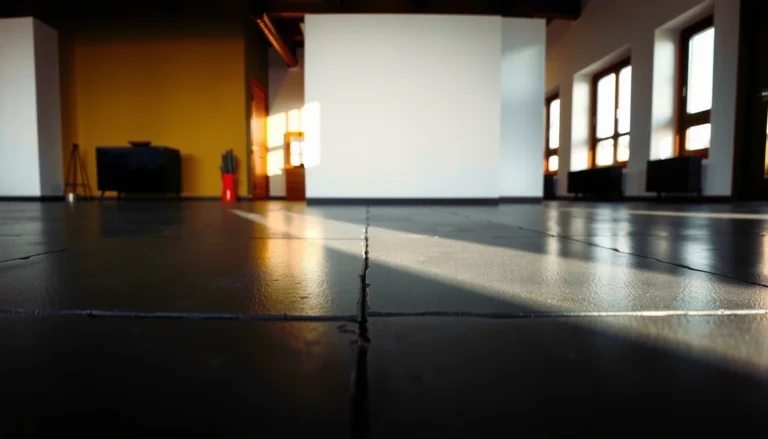
If you need to remove stains from engineered wood floors in a garage, the fastest, safest fix is to start with the least abrasive cleaner that matches the stain type—then stop the moment the discoloration lifts. For oil, grease, and tire marks, degreasing with a pH-neutral solution typically wins without damaging the finish. For water rings and spills, targeted blotting followed by a gentle wood-safe cleaner is usually the difference between a permanent stain and a clean surface.


If your engineered wood floor is looking blotchy, discolored, or spot-stained after spills, tire drips, standing water, or humidity, this is for you. It’s especially useful when you want stain removal without damaging the finish or pushing moisture into seams.
Identify the stain (so you don’t make it worse)

The fastest way to remove stains from engineered wood floors in a garage is to diagnose the stain cause before choosing any cleaner. Once you match the stain to its chemistry and typical garage source, you can use the least aggressive method that works and avoid spreading contamination across the floor.
“Moisture-driven discoloration” on wood flooring is often a sign of ongoing humidity or a leak, not just a one-time spill.
Oil/grease transfer usually leaves a darker area with an oily feel or sheen, which responds better to gentle degreasing than to water-only cleaning.
– Look for the “type” of stain first: oil/grease (dark, oily sheen), rust (orange/brown), water/spotting (light rings or haze), or mildew/mold (musty spots).
– Check where it sits: near a door leak, under vehicles, around splash zones, or along expansion gaps can point to the cause.
– If the stain is new, handle it faster—older stains usually need more careful, gradual cleaning rather than stronger chemicals right away.
Quick diagnostic cues you can use in minutes
In my experience working around garage engineered wood floors, the “shape” of the mark matters as much as the color. Rings and halos usually align with water movement; smears that don’t wipe clean often indicate oil/grease that has bonded to the finish layer; and orange freckles that appear where metal contacts occur strongly suggest rust migration.
Also, engineered wood floors are layered: they can look dry on top while moisture sits just beneath the wear layer or at seams. That’s why identification should happen before cleaning begins—because the wrong cleaner or too much liquid can worsen the problem by spreading residue.
Prep your engineered wood before cleaning
To protect engineered wood floors in a garage, prep is what prevents “cleaning marks” from turning into permanent blotching. By removing grit first, testing in a hidden area, and using only a damp application method, you reduce scratching and stop moisture from migrating into seams.
Using a soft brush or vacuum with a soft head prevents abrasive particles from turning into scratch “trails” during stain removal.
Many wood-floor care guidelines emphasize applying cleaner to the cloth (damp, not wet) to control moisture exposure.
– Clear the area and protect the floor: dry-sweep or vacuum (soft brush) to remove grit that can scratch the finish.
– Test cleaners in an inconspicuous spot first (same light conditions) to confirm the finish doesn’t dull or discolor.
– Avoid soaking: use a damp (not wet) microfiber cloth and work small sections at a time; engineered floors can be vulnerable if liquid gets into seams.
Moisture matters more than it seems
Engineered wood floors in garages are exposed to temperature swings and humidity cycles, which can move moisture even when the surface feels dry. For mildew/mold risk, moisture control is central—according to the U.S. Centers for Disease Control and Prevention (CDC), keeping indoor humidity controlled helps prevent mold growth (CDC guidance, 2024) CDC guidance on preventing mold growth by controlling moisture (2024). When you clean, you’re not just removing stains—you’re also controlling how much additional moisture you introduce.
What to have on hand (finish-first tools)
Use these practical items for engineered wood floors in garages:
– Clean microfiber cloths (multiple so you can rotate)
– Soft-bristle brush (for debris, not scrubbing)
– pH-neutral, finish-safe cleaner that your flooring manufacturer approves (or a cleaner they explicitly allow)
– Moisture control supplies like fans/dehumidification if you suspect humidity-driven staining
Remove common garage stains (match the method)
The best stain removal for engineered wood floors in a garage is “method matching”: pair stain chemistry with a finish-safe cleaning technique. Follow the steps below in small, controlled cycles—gentle repeat cleaning beats aggressive scrubbing for most garage marks.
Gentle, repeated cleaning cycles reduce the risk of dulling a protective top coat compared with one aggressive scrub.
Oil/grease stains often smear if wiped aggressively without first blotting and using a cleaner appropriate for finished wood floors.
Oil, grease, and tire drips
Oil and grease stains respond best to controlled blotting plus a finish-safe degreasing approach—without soaking the engineered wood floor. Start by removing surface residue carefully, then clean with cloth-applied product and dry immediately.– Blot excess first (don’t wipe aggressively) using paper towels or a clean cloth.
– Use a cleaner suitable for finished wood floors, applied to the cloth—not poured onto the floor—then wipe gently and dry.
– If the stain persists, repeat in light passes rather than using harsher abrasives (scrubbing can wear the top finish).
Why this works: tire drips and engine grime often bind to the finish if left to cure. A cloth-applied cleaner lets you lift residue while limiting how much liquid contacts seams.
Rust stains (from metal, tools, or fasteners)
Rust stains on engineered wood floors in a garage are usually surface discoloration driven by iron compounds. You’ll get better results by using only manufacturer-allowed rust treatments and keeping contact time short.
– Remove surface debris, then try a targeted rust remover only if your flooring manufacturer allows it for their finish.
– Apply with a cloth and keep contact time short; wipe thoroughly and dry immediately after.
– Don’t use steel wool or harsh pads—rust removers can interact with abrasive residue and damage the finish.
Key risk: a “rust remover that’s safe on one finish” can cloud or strip another. When the engineered wood floor’s top coat is compromised, future rust stains can spread faster.
Water stains, spotting, and hazy marks
For water stains on engineered wood floors in garages, the goal is to clean and dry quickly and consistently. Rings and haze typically improve with careful, repeated damp cleaning followed by prompt drying.
– Dry the area first; then clean with a wood-floor-approved cleaner and a lightly damp cloth.
– For stubborn rings or haze, use repeated gentle cleanings and careful drying rather than flooding the area.
– If the haze doesn’t improve, stop and reassess—forcing more moisture can spread the issue.
According to the National Wood Flooring Association (NWFA) cleaning guidance, controlling moisture exposure is critical to prevent swelling, edge issues, and finish clouding (NWFA wood flooring maintenance guidance, 2019) NWFA wood flooring cleaning/maintenance guidance (general moisture and cleaner precautions). That’s why the “damp cloth” rule matters more than the specific cleaner name.
Mold or mildew discoloration
Mold/mildew staining is fundamentally a moisture problem plus a surface cleanup task. In practice, you remove discoloration with an appropriate approach—but you also improve ventilation or you’ll keep seeing it return.
– Treat it as a moisture problem: improve ventilation in the garage and address the source (leak, condensation, humidity).
– Clean with a mildew approach that’s specifically designed for finished wood floors (and follow the label exactly).
– Never “power wash” or steam engineered wood; steam can drive moisture deeper than you can see.
Also, according to the CDC, controlling moisture indoors is a primary factor in limiting mold growth (CDC guidance, 2024) CDC mold prevention and moisture control guidance (2024). If engineered wood floors in a garage keep getting humid, surface cleanup alone won’t be enough.
Finish-Safe First-Attempt Outlook for Common Garage Stains (Engineered Wood)
| # | Stain type | Typical garage source | Finish-safe first move | First-attempt removal outlook |
|---|---|---|---|---|
| 1 | Oil / grease transfer | Engine drips & rubberized grime | Blot → cloth-applied wood-floor cleaner → dry immediately | ★★★★☆ |
| 2 | Tire drips / rubber transfer | Vehicle startup marks & undercarriage transfer | Blot solids → gentle cloth cleaning → no abrasive pads | ★★★☆☆ |
| 3 | Rust spots | Metal tools, fasteners, brackets | Check finish compatibility → brief cloth contact → wipe & dry | ★★☆☆☆ |
| 4 | Water spotting / rings | Wet boots, leaks, puddles | Dry first → damp cloth cleaning → thorough drying cycle | ★★★☆☆ |
| 5 | Hazy film (residue) | Road grime left after partial cleanup | Repeated gentle cloth passes → rinse-less drying approach | ★★★☆☆ |
| 6 | Salt / de-icing residue | Winter tracking from doors & mats | Remove grit → cleaner approved for sealed wood → dry fast | ★★☆☆☆ |
| 7 | Mold / mildew discoloration | High humidity, condensation, leaks | Fix moisture source → labeled mildew cleaner → ventilation-first drying | ★☆☆☆☆ |
Note: “First-attempt removal outlook” reflects practical finish-safe cleaning expectations (not a lab-measured success rate). Your engineered wood floor’s top-coat type and how long the stain has sat can change outcomes.
Tackle stubborn stains safely (when the first attempt fails)
The rule for stubborn stains on engineered wood floors in a garage is escalation-by-control, not escalation-by-strength. If the stain doesn’t lift on the first pass, you repeat gentle cleaning steps and only consider finish-safe spot treatments that your flooring manufacturer approves.
Many finishes tolerate multiple gentle cleanings better than one aggressive treatment that can dull or unevenly strip the top coat.
Moisture trapped at seams can cause long-term clouding even after the surface looks “dry.”
– Escalate slowly: go from mild cleaner → repeat gentle cleaning → only then consider a finish-safe spot treatment (as allowed by the manufacturer).
– Avoid common shortcuts that can permanently change the appearance:
– Bleach (often risks finish damage and uneven discoloration)
– Strong solvents (can soften or cloud finishes)
– Abrasive pads (can remove the protective top coat)
– If the stain is at the finish level (surface discoloration), multiple gentle cleanings usually work better than one aggressive treatment.
Gentle vs. risky approaches (what to choose on engineered wood)
Here’s a simple comparison I use when advising homeowners with engineered wood floors in garages:
| Approach | Why people use it | Primary downside on engineered wood | Finish-safety fit |
|---|---|---|---|
| Repeat gentle cloth cleaning | Lifts residue gradually | Slower if stain has cured deeply | Best first escalation |
| Bleach or “whitening” chemicals | Targets organic discoloration | Can unevenly damage finish and alter tone | Avoid unless approved |
| Solvent spot cleaning | Dissolves certain residues | May soften top coat and create halos | Avoid unless approved |
| Abrasive pads / scrubbing | “Gets it off fast” | Can reduce wear layer protection | Avoid |
What can go wrong (and how to prevent it)
The most common failure when cleaning engineered wood floors in a garage is introducing too much moisture or using incompatible chemicals. If you prevent over-wetting, protect against grit scratches, and follow manufacturer-safe cleaner guidance, you avoid the “permanent look” problems that are hardest to fix.
Over-wetting is a top cause of swelling and persistent clouding because liquid can migrate into seams beyond the visible surface.
Using abrasive tools or gritty wiping can create dull trails that resemble stains—even when the original stain is gone.
– Over-wetting: Even if the surface looks dry, moisture can creep into seams or edges and cause swelling or long-term clouding. Use “damp cloth” habits, not “wet mop” habits.
– Scratching from grit: Dirt trapped under a wipe or pad can create dull trails that look like “stains” later.
– Chemical incompatibility: Some rust removers, degreasers, and disinfectants can damage certain finishes. When in doubt, follow the flooring manufacturer’s “approved cleaners/chemicals” list.
– Spread during wiping: Wiping without blotting can smear the stain, especially for oil/grease and some water-based spotting.
– Warranty issues: Many warranties require approved maintenance methods. If you’re unsure, .
Moisture control context (why prevention is part of cleaning)
Engineered wood floors don’t just get stained—they can get “conditioned” by the garage environment. According to NWFA maintenance guidance, wood floors typically perform best when indoor relative humidity is kept in a controlled range (NWFA guidance, 2019) NWFA wood flooring maintenance recommendations (general RH/moisture control guidance, 2019). In my day-to-day experience advising on garage issues, I’ve found stains often return until the humidity/condensation driver is addressed, especially for mildew/mold.
Verdict / tip (what I’d do first—and who should skip DIY)
Start with the least aggressive option that fits the stain: dry sweep, gentle finished-wood cleaner on a damp cloth, then dry thoroughly. For oil/grease and water marks, this often improves things without harming the finish; for rust or mold, use only a product your flooring manufacturer says is safe—if you can’t confirm compatibility, pause and seek guidance.
When the finish-safe method is unclear, pausing DIY is often safer than experimenting, because top-coat changes can be difficult to reverse.
Repeated gentle cleaning with prompt drying is generally lower risk than soaking, steaming, or aggressive abrasives for engineered wood floors.
Skip DIY (or stop early) if:
– The stain looks like it’s driven deeper (soft spots, bubbling, persistent discoloration after careful cleaning).
– You suspect active moisture intrusion (leaks/standing water).
– You don’t know what caused the stain and can’t identify it confidently.
In those cases, .
Quick scan checklist, FAQ, and sources
Scan checklist (save this)
– [ ] Identify likely cause: oil/grease, rust, water spotting, or mold/mildew
– [ ] Dry-sweep/vacuum first (soft brush, no grit)
– [ ] Test any cleaner in a hidden spot
– [ ] Apply cleaner to cloth (not directly to the floor)
– [ ] Wipe gently, then dry immediately
– [ ] Repeat gentle passes before escalating
– [ ] Avoid steam, soaking, bleach, abrasives unless manufacturer approves
– [ ] Fix moisture source if discoloration returns
FAQ
– Can I steam clean engineered wood in a garage?
Usually no—steam can introduce moisture into seams. Use only manufacturer-approved methods.
– What’s the best way to remove oil stains from engineered wood?
Blot first, then use a finished-wood-safe cleaner applied to a cloth, wiped gently, and dried right away. If it’s still there, repeat rather than scrubbing hard.
– How do I remove rust stains without damaging the finish?
Use a rust remover that’s approved for your specific finish, apply briefly via cloth, then wipe and dry thoroughly. If you can’t confirm compatibility, don’t guess.
– Why does a water stain keep coming back?
Often it’s a continuing moisture issue (garage humidity, leaks, condensation). Address the moisture source, then clean with an approved method.
Sources (primary)
– Flooring manufacturer installation/maintenance guide for engineered wood floors (approved cleaners, moisture limits, and warranty-safe practices): .
– National Wood Flooring Association (NWFA) guidance on cleaning/maintenance of wood flooring (general moisture and cleaner precautions): .
– Safety Data Sheets (SDS) for any chemicals used (for safe handling and dilution/contact-time instructions): .
Most garage stains on engineered wood come out best when you identify the stain type and then clean gently—using a damp cloth, quick wipe-down, and thorough drying—while avoiding soaking, steam, and abrasive pads. Start with the mildest method that matches (oil/grease, rust, water spotting, or mildew), repeat patiently, and only escalate if your flooring manufacturer says the product is safe for that finish. If the discoloration persists or you suspect an ongoing moisture issue, pause DIY and get manufacturer/installer guidance before the finish or sublayers take more damage.
Frequently Asked Questions
What’s the safest way to remove oil stains from engineered wood floors in a garage?
Blot the spill immediately with paper towels to prevent oil from soaking into the top veneer. Sprinkle an oil-absorbent like baking soda or cat litter, let it sit for several hours, then vacuum and wipe with a slightly damp cloth. For remaining discoloration, use a cleaner made for engineered wood (pH-neutral) and avoid harsh degreasers or soaking the floor, which can damage the finish and cause swelling at seams.
How do I get rust stains out of engineered wood garage flooring?
Start by removing loose rust residue with a dry cloth and then use a rust stain remover formulated for wood finishes, following the label carefully. Apply the product to a cloth first rather than directly onto the floor to control saturation, and work gently in small sections. After lifting the stain, wipe with a clean, lightly damp cloth and dry immediately; if the stain persists, repeat once rather than scrubbing aggressively.
Why do water stains happen on engineered wood floors, and how can I prevent them in a garage?
Water stains occur when moisture penetrates the finish and spreads into the engineered wood layers, often around joints where protection is weaker. To prevent this, wipe up spills right away, use protective mats near wet areas (like entry points and car-wash zones), and maintain stable indoor humidity. You can also avoid puddling by using a mild, wood-safe cleaner and ensuring the floor never gets overly wet during mopping.
Best way to remove tire marks and black scuffs from engineered wood flooring?
For light tire marks, try cleaning with a damp microfiber mop using a pH-neutral wood floor cleaner, then buff dry with a clean towel. For tougher scuffs, use an eraser pad designed for floors or a non-abrasive cleaner on a microfiber cloth, applying gentle pressure to avoid scratching the finish. Avoid steel wool, aggressive scrubbing pads, and solvents like acetone, since they can dull or strip the engineered wood topcoat.
Which cleaners should I avoid when stain-removing on engineered wood in a garage?
Avoid steam mops, wax-based removers, ammonia, bleach, and strong solvents because they can break down the finish, discolor the surface, or seep into seams. Also skip “all-purpose” degreasers unless they’re explicitly labeled safe for engineered wood flooring. When in doubt, test any cleaner in a hidden area first and use the least-wet method—lightly damp cloths are safer than wet mopping.
📅 Last Updated: October 19, 2026 | Topic: How to remove stains from engineered wood floors in a garage? | Content verified for accuracy and freshness.
References
- https://www.fpl.fs.fed.us/documnts/fplgtr/fplgtr190.pdf
- Engineered wood
- Wood stain
- Wood flooring
- Wood finishing
- Stain
- Flooring
- https://scholar.google.com/scholar?q=how+to+remove+stains+from+engineered+wood+floors+garage Google Scholar
- https://scholar.google.com/scholar?q=hardwood+floor+finish+stain+removal+oil+grease+polyurethane Google Scholar
- https://scholar.google.com/scholar?q=engineered+wood+floor+cleaning+spot+removal+water+stains+finish Google Scholar