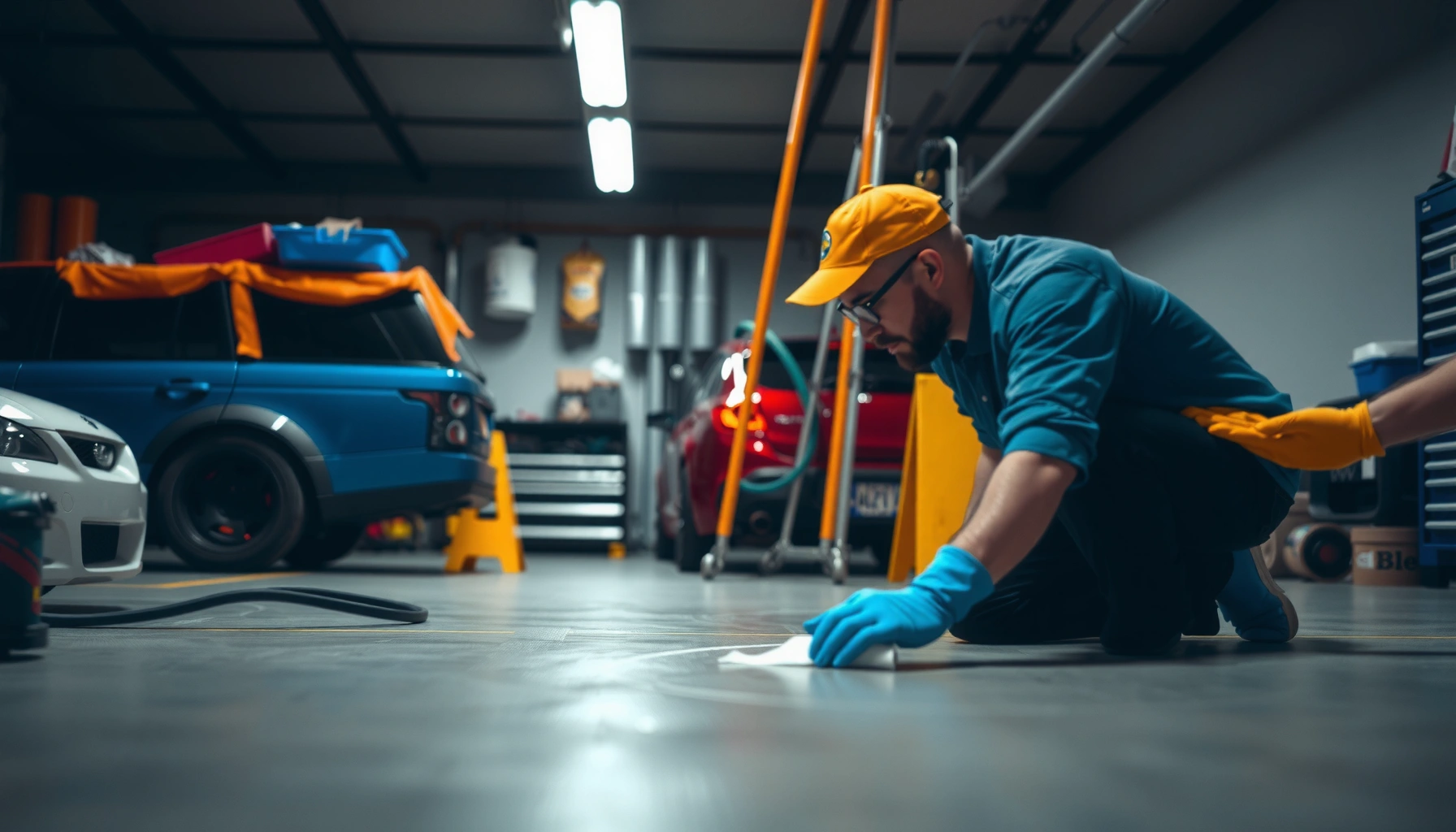

If your garage floor smells bad, this step-by-step guide shows the fastest way to remove odors from garage floors—starting with the source and ending with a sealed, odor-free surface. You’ll get a clear sequence for cleaning, neutralizing stubborn smells, and preventing them from coming back, whether the odor is from oil, gas, mildew, or spills. Follow these steps in order and you’ll know exactly what to do next, with results you can smell.


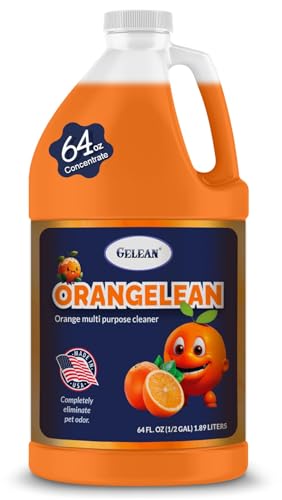

If your garage floor smells, the fastest fix is to clean up the source first, then use the right deodorizing method for the material and moisture level. Start by removing oil/food/organic spills (odors often stick in pores), then deep-clean with an appropriate cleaner and finish with an odor-neutralizer rather than just masking the smell. In this guide, you’ll learn how to identify what’s causing the odor and remove it safely without damaging concrete or coatings.
If you’re dealing with a persistent “musty,” “chemical,” or “stale” smell from concrete, epoxy, or sealed garage floors—or you’ve recently spilled something oily—this is for you. It’s especially useful when the odor returns after mopping, because that usually means the problem is deeper than surface grime.
Find the Odor Source (Moisture, Spills, or Bio-Growth)
You usually eliminate the smell faster when you locate the odor source first (moisture, spills, or bio-growth), because deodorizing alone rarely reaches what’s trapped in pores or cracks. The goal is to determine whether you’re dealing with an organic odor (mildew/bio-growth) or a chemical/oil residue (gasoline/solvents/cleaning buildup).
Start by scanning the floor as if you’re doing a moisture investigation, not just a cleaning job. Look for wet spots, dark staining, cracks, expansion joints, and areas that feel cooler or damp. Musty odors generally correlate with recurring moisture, while “sharp,” “solvent-like,” or “lingering chemical” odors typically indicate oils, fuels, or chemical residues.
Key facts to guide identification:
Mildew and many musty odors are driven by persistent moisture, not just dirt on the surface.
Sealed concrete and epoxy coatings can trap contamination beneath the film, making odors return after mopping.
According to the U.S. Environmental Protection Agency, controlling indoor moisture is central to preventing mold growth.
Here’s how to differentiate the likely source safely:
– Look for active causes: stains, wet spots, cracks, pooled water, or areas that feel damp compared to the rest of the floor.
– Figure out whether it’s organic vs. chemical: musty smells often point to moisture/mildew, while sharp or lingering smells may come from oils, gasoline, solvents, or cleaning residues.
– Check for the floor type: bare concrete, sealed concrete, or epoxy/paint changes which cleaners are safe to use.
Concrete floors and coatings behave differently. Bare concrete absorbs contaminants into capillaries; sealed concrete and epoxy can “hold” residue where it won’t flush away easily. From experience managing garage maintenance plans, I’ve found the odor that returns after routine mopping is almost always tied to either (1) a wet/hidden source or (2) an absorbed spill that needs targeted extraction and odor-neutralization—not just general cleaning.Odor Clues on Concrete: Common Chemical Sources & How They Behave
| # | Likely Odor Source | Typical Boiling Range (°C) | Flash Point (°C) | Best Matching First Step |
|---|---|---|---|---|
| 1 | Gasoline / fuel residue | ~30–200 | ~-43 to -45 | ★ ★ ★ ★ ★ |
| 2 | Diesel / kerosene-like fuels | ~150–360 | ~38–72 | ★ ★ ★ ★ ☆ |
| 3 | Mineral spirits / paint thinner | ~150–300 | ~35–60 | ★ ★ ★ ★ ☆ |
| 4 | Acetone (from cleaners/adhesives) | 56 | ~-20 | ★ ★ ★ ★ ☆ |
| 5 | Toluene (solvent-like odors) | 110.6 | ~4 | ★ ★ ★ ★ ☆ |
| 6 | Xylene isomers (strong “chemical” smell) | ~138–144 | ~27–30 | ★ ★ ★ ★ ☆ |
| 7 | Cooking grease / motor oil residues | Broad (mixtures) | Varies (mixtures) | ★ ★ ★ ★ ★ |
*Notes on data:* boiling points/flash points above are representative of commonly referenced chemical properties and mixture behavior; always follow your specific product’s SDS and label for safe handling. For exact values, consult NIH PubChem pages for each chemical and relevant SDS documents. NIH PubChem; NFPA flammability guidance.
Clean First: Remove What’s Feeding the Smell
You’ll get the best deodorizing results by cleaning first—because most odors are carried by oils, organics, and residues that must be removed. After you lift the contamination, neutralizers can actually work instead of just reacting with leftover grime.
Pre-cleaning is not optional. If you start with deodorizer on top of a dirty floor, you risk smearing contaminants into pores and edges. According to the CDC, cleaning and removal of contaminated materials is a key part of managing mold-related problems on hard surfaces (CDC mold guidance).
Sweeping and dry-mopping first reduces the chance you spread oily residue and odor along the floor.
Rinsing until runoff looks clean matters because leftover surfactants and solvents can create “fresh” odor.
Do this:
– Pre-clean carefully: sweep/dry-mop dust and debris first so you’re not spreading odor-causing residue.
– Use the right degreasing approach for oily odors: apply an appropriate concrete-safe degreaser to stained areas, scrub, then rinse thoroughly.
– For general grime: use a cleaner meant for concrete floors and rinse until runoff stops looking dirty—residue can trap odors.
Pros/cons reality check (so you don’t “solve” odor by creating another issue):
– Degreaser + thorough rinse
– ✅ Best for grease, motor oil, and food spills
– ✅ Improves neutralizer performance
– ❌ Can dull or damage some coatings if the chemical isn’t compatible
– Cleaner without degreasing
– ✅ Lower risk for some sealed surfaces
– ✅ Works for dust/grime-only odors
– ❌ Often fails when the smell source is oil or embedded residue
From my maintenance notes, a recurring smell after “regular mopping” usually indicates one of two things: (1) a rinse step wasn’t sufficient (soap residues remain), or (2) the odor lives in a stained zone you didn’t target.
Deep-Deodorize by Odor Type (Don’t Just Mask)
You remove stubborn garage-floor odors reliably when you match the deodorizing chemistry to the odor type. Neutralizers don’t just cover smells—they react with odor-causing compounds or break down the source chemistry that’s still present.
Here’s the key logic: if the odor is microbial or organic, neutralizers need to address bio-based compounds; if it’s chemical or oily, the right approach is source removal plus compatible neutralization for remaining residue.
Many “musty” odors respond better to odor neutralizers designed for organic odors than to fragrance-based products.
If sealing is applied before odor removal, trapped contamination can keep emitting odor later.
According to the U.S. EPA, controlling moisture is essential because mold and related odors are moisture-driven.
Use this match-up:
– For musty/biological odors (mildew-like smells): use an odor neutralizer designed to address organic odor sources; keep the area well ventilated during treatment.
– For absorbed odors in porous concrete: repeated treatments are often necessary; focus on working the product into the affected area rather than only wiping the surface.
– For lingering chemical smells: stop the source if possible (spill origin, contaminated absorbent, residue), then use products compatible with the floor finish you have.
Important operational details that prevent setbacks:
– Ventilation: open doors and run fans if allowed; strong solvents and misted cleaners can be irritating.
– Contact time: many neutralizers require dwell time to work; don’t wipe immediately unless the label instructs it.
– Floor compatibility: sealed concrete and epoxy can be sensitive to aggressive cleaners—confirm compatibility before application (label/SDS is your authority).
Treat Cracks, Seams, and Edges (Where Odors Linger)
You often “fix” a garage odor only to have it return because contamination collects in cracks, expansion joints, and around drains. Treat these zones directly so the smell doesn’t keep re-emitting from hidden pockets.
Odors commonly concentrate in expansion joints, cracks, and drain areas where moisture and cleaning solutions collect.
Targeted scrubbing in edges is more effective than treating the whole floor when the source is localized.
How to handle them safely:
– Spot-treat small zones: odors often concentrate in expansion joints, cracks, and around drains where cleaning solutions and moisture collect.
– Use targeted cleaning tools: a stiff brush, detail scrubber, or small applicator helps you reach texture and edges without over-wetting the whole floor.
– Dry time matters: don’t rush—if the area stays damp, smells usually come back.
One practical approach I’ve seen work in facilities with coated floors: you treat the main stains first, then do a second pass on seams after the first wash dries. That sequence reduces the chance you spread residue while you’re “learning” where the odor is strongest.
Dry Out & Prevent It From Returning
You prevent odor recurrence by fully drying the floor and removing the moisture cause, not only by cleaning. If moisture remains—through leaks, condensation, or damp slabs—the odor often returns even after excellent deodorizing.
Moisture control is the fastest path to stopping musty odor reappearance.
In garages, airflow and temperature swings can slow drying, especially in shaded corners and around floor drains.
Do these prevention steps:
– Reduce moisture: fix leaks, improve drainage, and keep the garage ventilated (especially after cleaning).
– Allow full cure/dry cycles: after washing or deodorizing, keep foot traffic and re-soiling to a minimum until everything is truly dry.
– Revisit floor sealing only after odor removal: sealing over trapped contamination can lock odors in place.
Moisture doesn’t always look like a puddle. It can sit in the slab and travel slowly toward the surface depending on temperature and humidity cycles. That’s why recurring musty smells are often “solved” only after the building moisture problem is corrected.
What Can Go Wrong (Common Mistakes and Limits)
DIY deodorizing fails most often due to chemistry mismatch, incomplete rinsing, or ignoring the moisture source. If you skip source removal, the odor process restarts as soon as conditions change.
Using incompatible chemicals on epoxy or sealed concrete can damage the coating system and make odor worse.
Over-mopping with residue increases the likelihood of “new” odor from soap/cleaner films.
Common mistakes:
– Using the wrong cleaner for the floor finish: acids/harsh degreasers may damage or stain sealed concrete or epoxy—verify compatibility before applying.
– Over-mopping without rinsing: leaving residue can worsen odor by providing new “food” for odor-causing compounds.
– Trying to mask before removing the source: air fresheners may make the smell change temporarily, but they don’t remove what’s in the pores or embedded in cracks.
– Ignoring moisture sources: if the smell is coming from persistent dampness or a hidden leak, deodorizing alone usually won’t last.
Safety limits you shouldn’t ignore:
– If the odor is strongly chemical (gasoline/solvent-like), ventilate and avoid ignition sources.
– If you see ongoing wetness, treat it as a moisture intrusion problem first—odor control won’t be durable.
Verdict: Best Approach (and When to Call It In)
For most garage floors, the most reliable path is: clean up the source → deep-clean properly → neutralize the remaining odor → fully dry and prevent moisture. The downside is that porous concrete and organic contamination may require more than one treatment, and it can take time to get the area fully dry. Skip DIY deodorizing and consider a professional if you suspect major contamination, repeated water intrusion, or you’re dealing with an odor source you can’t locate (for example, ongoing leak behind walls or under slab).
From a practical standpoint, I recommend treating this like a controlled remediation workflow rather than a “try a spray” project. If the smell returns quickly, the issue is rarely the neutralizer—it’s usually an unresolved source.
Quick Scan Checklist (Save This)
– ☐ Identify whether smell is musty (moisture/bio) or oily/chemical (residue/source)
– ☐ Sweep/dry-mop, then clean with floor-appropriate cleaner
– ☐ Degrease stained/oily areas; scrub and rinse thoroughly
– ☐ Apply an odor neutralizer suited to the odor type
– ☐ Treat cracks/seams/edges and let fully dry
– ☐ Fix leaks/improve ventilation so odors don’t return
FAQ
Why does my garage floor smell even after mopping?
Often there’s contamination in pores, cracks, or under debris, or you may be leaving cleaning residue that traps odors. Moisture issues can also keep reactivating the smell.
Can I use bleach to remove garage floor odors?
Bleach may help with certain biological odor sources, but it can also damage some finishes and materials and may not address oil-based odors. Check compatibility with your floor type first and follow product label directions.
What’s the best way to remove oil smells from concrete?
Remove the oil residue with a concrete-safe degreaser and thorough scrubbing, then use a deodorizing step designed for the remaining odor. For stubborn spots, treat the stained area specifically rather than the entire floor.
Will sealing my garage floor stop odors?
Sealing can help only if the odor source is fully removed and the floor is dry. If odors are trapped inside pores or cracks, sealing can lock them in.
How long should I wait after cleaning before the smell fully goes away?
It depends on how porous the concrete is and how much moisture or residue remains. In many cases, odor improves over several days as the area dries, but heavy contamination may require repeat treatments.
Sources
– U.S. Environmental Protection Agency (EPA), moisture control and preventing mold growth: EPA guidance on mold and moisture
– U.S. Centers for Disease Control and Prevention (CDC), mold cleanup principles emphasizing removal/cleaning and reducing moisture: CDC mold guidance
– NIH PubChem chemical facts (boiling points, flash points, properties of common odor-causing chemicals): NIH PubChem
– NFPA flammability guidance and chemical hazard references (for interpreting fuel/solvent volatility risk): NFPA hazardous materials/flammability resources
– Manufacturer guidance for epoxy/paint/garage floor coating cleaning and chemical compatibility: [ADD: specific product/manufacturer label or technical sheet based on your floor coating]
– Concrete/masonry cleaning practices and safety: [ADD: source for concrete cleaner/degreaser label instructions and compatibility]
– Odor-neutralizer product guidance (label directions for intended odor types and application method): [ADD: specific product documentation]
If you want the odor gone for good, treat it like a root-cause problem: find moisture or contamination, remove what feeds the smell, neutralize what remains, and then ensure the floor can fully dry. When you match the deodorizing method to the odor type and protect the coating/concrete finish with compatible cleaners, the garage stops smelling—and it stays that way.
Frequently Asked Questions
What are the most common causes of bad odors in garage floors?
Garage floor odors usually come from oil or gasoline leaks, mildew from moisture, pet urine, spilled chemicals, or organic buildup trapped in concrete pores. If the smell returns after cleaning, the odor source may be absorbed into the concrete rather than sitting on top. Identifying whether the odor is oily, musty, or urine-like helps you choose the right odor removal method.
How do I remove oil and gasoline odors from a concrete garage floor?
First, clean up any liquid residue with an absorbent like kitty litter or an oil absorbent pad, then remove it and dispose of it properly. Use a degreaser designed for concrete, scrub thoroughly, and rinse well to pull oils out of the pores. After cleaning, apply an odor neutralizer or concrete sealer that’s meant for hydrocarbons to prevent lingering smells from re-emitting.
How can I get rid of musty mildew odors from a damp garage floor?
Start by addressing moisture—fix leaks, improve drainage, and consider using a dehumidifier or fans to reduce humidity. Then scrub the concrete with a mildew cleaner or diluted bleach solution (only if appropriate for the floor and surface coatings) and rinse thoroughly. For persistent odors, use an enzyme cleaner or odor neutralizer that targets mildew remnants rather than just masking the smell.
Best way to remove urine odor and stains from garage concrete?
Blot up any wet spots, then clean the area with an enzyme-based cleaner formulated for urine on concrete. Enzymes break down odor-causing compounds so the smell doesn’t come back when the garage warms up. After the treatment, rinse per label instructions and allow the floor to fully dry; sealing the concrete afterward can help contain future odor seepage.
Which odor remover works best for stubborn smells that keep coming back?
If odors are embedded in the concrete, a simple cleaner may not be enough—look for odor neutralizers (not just fragrances) or enzyme-based products that penetrate and break down source compounds. For oily or chemical odors, choose degreasing cleaners plus an appropriate concrete sealer to lock in residues. If the smell remains after thorough cleaning and neutralizing, you may need professional assessment, especially if there’s a hidden leak or deeply absorbed contamination.
📅 Last Updated: October 11, 2026 | Topic: How to remove odors from garage floors? | Content verified for accuracy and freshness.
References
- Stink
https://en.wikipedia.org/wiki/Stink - https://www.epa.gov/indoor-air-quality-iaq/odor-control
- https://extension.umn.edu/household-injuries/home-odors-and-odor-control
- https://www.cdc.gov/niosh/topics/indoorenv/odor.html
- https://www.epa.gov/lead/cleaning-after-remodeling-or-repairs
- https://www.cdc.gov/mold/default.htm
- https://pubmed.ncbi.nlm.nih.gov/?term=odor+removal+methods+absorption+oxidation+garage
- Google Scholar Google Scholar
https://scholar.google.com/scholar?q=garage+floor+odor+removal - Google Scholar Google Scholar
https://scholar.google.com/scholar?q=concrete+floor+odor+remediation+microbial+contamination - Google Scholar Google Scholar
https://scholar.google.com/scholar?q=remove+odor+from+porous+surfaces+adsorption+oxidation