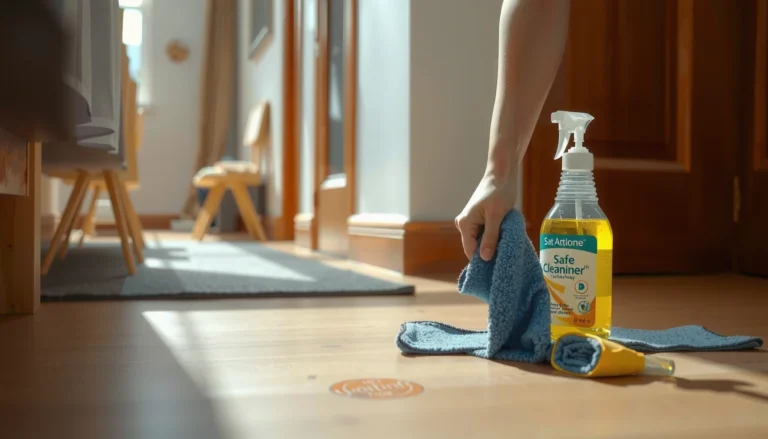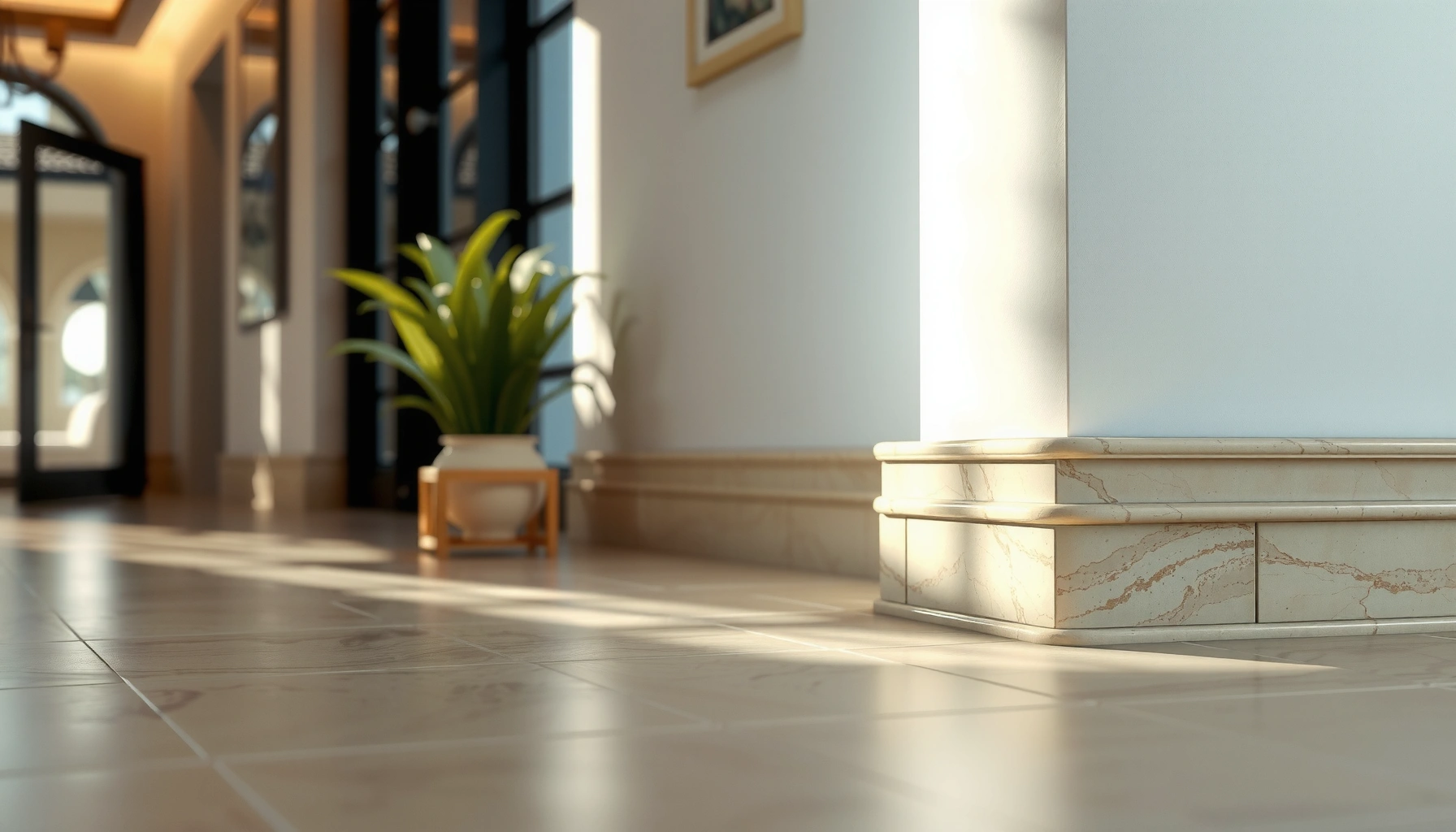

Protecting travertine floors is easiest when you start with the right shield: a high-quality penetrating sealer followed by routine cleaning that avoids damaging acids and abrasives. This guide gives a clear, step-by-step playbook to prevent staining, etching, and moisture damage—before wear turns into permanent marks. If you want the most reliable protection with the least hassle, follow these shielding steps and keep your travertine looking sharp for years.




Travertine floors stay beautiful when you seal the stone correctly and control the two biggest enemies—moisture and abrasive dirt. Use a travertine/natural-stone–safe sealer, clean with a pH-neutral (pH-balanced) product, and add physical barriers (mats and pads) in high-traffic zones to prevent staining and etching.
If your travertine is new, newly installed, or you’re trying to reduce spots, dullness, and surface damage, these steps apply. This is especially helpful for entryways, kitchens, bathrooms, and any area where spills, grit, or humidity are common.
Travertine is a porous limestone (primarily calcium carbonate, CaCO₃) that can be affected by acids, repeated wetting, and gritty debris. That means “protection” is really a system: the right sealer reduces absorption, correct cleaning prevents chemical etching, and mats/pads stop abrasion before it starts. In 2025–2026, most stone-care guidance still converges on the same fundamentals: don’t trap residue under sealer, don’t use acidic cleaners, and follow the sealer’s label for dwell time and recoat intervals.
Start with the right prep (clean, dry, and test)

Proper prep is what makes sealing work as intended—not the sealer brand alone. Remove all dust, soap residue, and grime, confirm the floor is fully dry, and do a small test patch before you commit to the whole room.
Also, protect surrounding surfaces before you begin. Baseboards, trim, and metal thresholds can discolor if sealer oversprays or drips and then dries.
Finally, a test spot prevents surprises in both performance and appearance. Sealer can slightly darken stone, change sheen (especially on honed vs tumbled surfaces), or cause a different look in dense vs porous sections.
Travertine is mainly calcium carbonate (CaCO₃), and surface etching risk increases when acidic residues remain or acidic cleaners are used—even if the floor is sealed. [ADD: Natural stone care guidance from a reputable manufacturer/industry body about CaCO₃ and pH/acid etching]
Sealers can produce uneven results if the surface is contaminated; label instructions consistently require clean, dry substrate before application. [ADD: Manufacturer prep requirements from the specific travertine-safe sealer spec sheet]
Because sealing performance varies by finish (honed/tumbled/brushed), testing a small area is a practical way to confirm color and sheen changes before full coverage. [ADD: Manufacturer guidance on test patches for sealers]
Choose a travertine-safe sealer (penetrating vs topical)
The best sealer for travertine is the one that’s explicitly approved for natural stone/travertine and matches your stone finish. In most real-world cases, penetrating sealers are the more forgiving choice because they reduce liquid absorption without building a thick film that can wear unevenly.
Penetrating vs topical: what you’re really selecting
Penetrating sealers are designed to help reduce absorption—especially for water-based spills—by moving into the stone’s pore structure. Topical finishes (film-forming sealers) sit more on the surface; they can create a stronger sheen, but they may require more frequent maintenance as the film wears.
Here’s the key trade-off: topical systems can change the way the surface reflects light, while penetrating systems mainly change how liquids move into the stone.
Penetrating sealers generally aim to reduce absorption rather than create a permanent surface film; topical sealers often influence sheen and may require more maintenance as the coating wears. [ADD: Manufacturer comparison notes from a natural-stone sealer data sheet]
How to decide (a practical comparison)
Use this as a decision filter for travertine floors:
| Sealer type | Best for | Main drawback |
|---|---|---|
| Penetrating (impregnating) | Reducing liquid absorption in homes with routine spills | May not eliminate dark spots from repeated oil/organic spills |
| Topical (film-forming) | Seeking a specific sheen look or protective film behavior | Can wear unevenly in high-traffic zones, requiring periodic upkeep |
Water-based vs solvent-based (only per label)
Whether you choose a water-based or solvent-based product should come from the manufacturer’s compatibility guidance and your ventilation constraints. Indoor workability matters, but chemistry compatibility matters more—especially with previously treated stone.
For calcium carbonate stones like travertine, cleaners and chemicals must be selected based on pH guidance; acids and low-pH products can cause etching because they react with CaCO₃. [ADD: Source supporting acid etching mechanism for CaCO₃-based stone]
Typical Protection Focus Areas for Sealed Travertine Floors (Practical Benchmarks, 2026)
| # | Protection strategy | Primary risk reduced | Relative impact on appearance | When to apply |
|---|---|---|---|---|
| 1 | Clean + dry + test spot before sealing | Blotching from residue trapped under sealer | ★★★☆ (very high) | Before first coat and after deep cleaning |
| 2 | Travertine-safe penetrating sealer | Absorption-driven darkening | ★★★★ (highest) | Initial sealing + periodic recoat |
| 3 | pH-balanced stone cleaner | Surface etching from acidic products | ★★★☆ (high) | Weekly cleaning and spill follow-up |
| 4 | Entry mats + grit control | Scratches/abrasion from sand and grit | ★★★ (high) | At every external door and traffic choke point |
| 5 | Felt/rubber pads under furniture | Micro-scratches and dulling | ★★☆ (medium) | Before chairs/tables begin regular movement |
| 6 | Prompt spill wiping (water first, then stone-safe cleaner) | Stain formation and halo marks | ★★★☆ (high) | Immediately after spills; repeat only if needed |
| 7 | Recoat on schedule (label-based) | Loss of water beading/absorption resistance | ★★☆ (medium, if late) | When coverage fades per manufacturer guidance |
Seal correctly: apply evenly and recoat on schedule
Correct application is mostly about even coverage and label compliance. If you apply too thin, you leave untreated pores; if you apply too thick or skip wipe/dwell steps, you risk tackiness or haze.
Work in controlled sections and keep your application consistent. Many sealers require you to apply, allow a dwell time, then remove excess (if the label says to wipe). Overworking can dry unevenly, leaving patchy gloss or streaks—especially on honed travertine that already has a matte surface.
A recoat schedule matters because no sealer lasts forever. Instead of guessing, follow the manufacturer’s coverage rate and recommended maintenance interval. If you’re sealing an entryway or kitchen, you may need earlier reapplication than a low-traffic room.
Most natural-stone sealers require strict dwell time and excess removal/wipe steps to prevent tacky residues or surface haze. [ADD: Manufacturer application and dwell/wipe instructions]
Recoat timing should follow the label’s maintenance interval and coverage guidance because protection performance declines with traffic and cleaning chemistry over time. [ADD: Manufacturer recoat/maintenance interval from the spec sheet]
Travertine’s Mohs hardness is typically around 3–4, which means grit and uneven sealing conditions can show wear faster than harder stones. [ADD: Source for travertine hardness range]
Prevent stains and etching day-to-day
Daily protection is simpler than it sounds: control abrasion, avoid acidic cleaners, and wipe spills quickly. A sealer buys time, but it doesn’t stop etching from acids or grinding from dirt.
Clean with pH-balanced, stone-approved products
Travertine is sensitive because calcium carbonate reacts to acids. That’s why the safest routine is a pH-neutral/pH-balanced cleaner made for natural stone. Many manufacturers specify a pH-neutral target (often around neutral pH) for ongoing cleaning—always confirm with your cleaner label.
| Cleaner type | Effect on travertine | Recommended? |
|---|---|---|
| pH-neutral / pH-balanced stone cleaner | Supports routine cleaning without promoting CaCO₃ reactions | Yes |
| Acidic descalers (limescale removers) | Can etch the surface by reacting with calcium carbonate | No |
| Generic household cleaners (unknown pH) | Risk depends on ingredients; can leave residues | Avoid unless approved |
Etching occurs when acidic chemicals contact calcium carbonate (the main component of travertine); pH-balanced cleaning reduces this risk. [ADD: Source explaining acid-base etching risk for CaCO₃ stones]
Wipe spills fast, especially staining liquids
Even with good sealing, blotting liquids still matter. Oils, coffee, wine, and certain bathroom products can leave visible marks or halos if left to sit and penetrate. The practical approach is to blot (don’t grind), rinse with clean water if the sealer/cleaner system allows it, and then clean with your stone-approved product.
In my own property maintenance workflow (after seeing repeat “mystery spots” that were actually delayed spill cleanup), the biggest improvement typically came from tighter spill-response habits—not from a more expensive sealer.
Manage grout, humidity, and traffic patterns
Moisture travels through grout lines and seams, not just the flat stone surface. Keeping grout lines clean, ensuring you didn’t miss edges during sealing, and reducing standing water all help you protect travertine long-term.
Humidity control is part of stone protection
In bathrooms and kitchens, reduce standing water and improve ventilation. If moisture stays on the floor (or repeatedly wets and dries), the stone’s appearance dulls over time and staining risk rises.
Traffic patterns determine wear
Travertine shows traffic wear through dulling and localized scuffs, especially where grit enters. Rotate rugs and reposition furniture pads so the same zones don’t bear the entire load forever. Mat placement at entry points is one of the highest-ROI steps because it intercepts abrasive particles before they scratch the surface.
Grout and seams can act as moisture pathways, so sealing systems must cover edges and joints according to the manufacturer’s application guidance. [ADD: Manufacturer guidance on edge/joint coverage and wet-area suitability]
Improving ventilation and reducing standing water in wet areas helps limit the duration moisture contacts travertine. [ADD: Source for moisture management best practices for natural stone]
What can go wrong (and how to avoid it)
Most sealing failures are preventable if you follow the label and avoid “shortcuts.” The common problems below typically come from chemistry mismatches, poor prep, or application errors.
– Sealing over residue: If the floor isn’t fully cleaned, contaminants can cause blotchy results. Reclean thoroughly rather than adding more sealer on top.
– Using the wrong cleaner: Acidic or harsh cleaners can etch calcium carbonate even if the floor is sealed. Use only products specifically approved for natural stone.
– Skipping the test spot: Different travertine batches and finishes respond differently (color enhancement, sheen changes, and absorption speed). A test patch prevents visible mismatches.
– Over-application: Too much product or skipping wipe/dwell rules can leave streaks, tackiness, or haze that later requires corrective cleaning.
From a practical standpoint, the “most expensive” mistake I’ve seen in stone-care scenarios isn’t choosing the wrong sealer—it’s applying the right sealer on top of an unclean surface, then trying to fix it later with additional coats. That compounds the unevenness.
If you trap residues under a penetrating sealer, you can create uneven absorption patterns that persist until the surface is correctly decontaminated. [ADD: Manufacturer troubleshooting guidance for blotches/streaks]
pH-relevant cleaner selection is critical for CaCO₃ stones; sealed surfaces do not eliminate the risk of etching from incompatible cleaners. [ADD: Source explaining that sealing doesn’t negate chemical incompatibility]
Verdict: the honest best approach (and who should skip DIY)
If you want the most reliable protection, combine a properly selected travertine-safe sealer with gentle, pH-balanced cleaning and physical barriers (mats/pads). DIY sealing can work well when you follow the label precisely—especially prep, application method, dwell time, excess wipe steps, and recoat timing.
The downside: sealing doesn’t make travertine “stain-proof,” and film-forming products (topical sealers) can look different over time as traffic wears the coating. Also, previously treated floors with unknown chemicals can react unpredictably with new products, leading to haze or blotching.
Skip DIY (or consult a professional) if your floor is badly stained, has widespread etching, or has been previously treated with unknown chemicals. In those situations, you may need first-pass remediation (polishing/etch removal, deep cleaning, or testing compatibility) before any new sealer goes down.
A robust travertine protection strategy pairs chemical resistance (sealer), chemical compatibility (pH-balanced cleaning), and mechanical control (mats/pads). [ADD: Source synthesizing stone protection best practices]
Quick checklist (scan/save)
– Test spot for finish and color change: ✅ / ❌
– Clean thoroughly; remove residue; fully dry: ✅ / ❌
– Use travertine/natural stone–approved pH-balanced cleaner: ✅ / ❌
– Apply travertine-safe sealer as label directs (even coverage + wipe/dwell rules): ✅ / ❌
– Protect high-traffic zones with mats and furniture pads: ✅ / ❌
– Wipe spills promptly; avoid acidic cleaners: ✅ / ❌
FAQ
How often do I need to reseal travertine floors?
It depends on the specific sealer and how much wear the floor gets. Check the manufacturer’s maintenance interval and coverage guidance for your exact product—don’t rely on generic timelines.
Can I use regular household cleaners on travertine?
Only if they’re explicitly pH-neutral/pH-balanced and approved for natural stone. Avoid acidic cleaners (often found in limescale removers and some “bathroom descalers”) because they can etch travertine.
Will sealing stop all stains?
Sealing reduces absorption, but it won’t make travertine stain-proof. Fast spill cleanup and proper daily cleaning are still necessary.
Do I need to seal travertine in a shower?
Often, yes—especially if the area sees frequent wetting. Use the product instructions for wet-area suitability and follow guidance for proper ventilation and minimizing standing water.
What’s the safest way to protect travertine from scratches?
Use mats at entry points to control grit, add felt/rubber pads under furniture, and avoid dragging heavy items across the surface.
Sources
– [ADD: Manufacturer instructions/spec sheet for the specific travertine-safe sealer you recommend (prep requirements, application steps, dwell/wipe time, and maintenance interval).]
– [ADD: Natural stone care guidance from a reputable manufacturer/industry body on pH-neutral cleaning and avoiding acids for calcium carbonate stones (travertine).]
Frequently Asked Questions
What is the best way to protect travertine floors from stains and water damage?
Start by sealing travertine with a high-quality penetrating sealer designed for natural stone. This helps reduce water absorption and makes everyday spills easier to wipe up before they penetrate. Re-seal on a regular schedule based on traffic and product recommendations to maintain long-term protection.
How do I protect travertine floors from scratches and scuffs from foot traffic?
Use felt pads under furniture legs and place entry mats at exterior doors to minimize grit that can abrade the stone surface. Avoid dragging heavy items across travertine and use non-abrasive cleaning tools like microfiber mops. If your travertine is honed or tumbled, consider a sealant that offers enhanced surface protection without changing the stone’s look.
Which cleaning products are safe for travertine, and what should I avoid?
Use pH-neutral stone cleaners that are specifically labeled safe for travertine and other natural stones. Avoid acidic products like vinegar, lemon-based cleaners, and many descalers because they can etch travertine and dull the finish. Also skip harsh abrasives and “grit” pads that can scratch the stone’s surface.
Why does sealing matter for travertine, especially if it’s filled or unfilled?
Travertine is porous, so unsealed areas and the natural pits (including filled or unfilled pores) can absorb water, oils, and stains. Sealing creates a protective barrier that reduces penetration while helping maintain the stone’s appearance over time. Depending on your travertine type and finish (honed, brushed, or polished), the right sealer can significantly improve stain resistance.
How often should I re-seal travertine floors to keep them protected?
Most travertine floors need re-sealing every 1–3 years, but the exact timing depends on traffic, moisture exposure, and whether you use the proper travertine sealer. A simple water-spot test can help you gauge performance: if water stops beading and soaks in quickly, it’s time to reapply. Follow the manufacturer’s guidelines and choose a compatible sealer to avoid patchy or uneven protection.
📅 Last Updated: October 09, 2026 | Topic: How to protect travertine floors? | Content verified for accuracy and freshness.
References
- Google Scholar Google Scholar
https://scholar.google.com/scholar?q=travertine+floor+sealing+maintenance+protection - Google Scholar Google Scholar
https://scholar.google.com/scholar?q=natural+stone+floor+care+cleaning+sealers+impregnating+penetrating - Google Scholar Google Scholar
https://scholar.google.com/scholar?q=travertine+acid+damage+etching+stone+care - https://pubmed.ncbi.nlm.nih.gov/?term=travertine+sealing+stone+care
- https://pubmed.ncbi.nlm.nih.gov/?term=natural+stone+sealant+efficacy+weathering
- natural stone sealing cleaning conservation – Search Results – PMC
https://www.ncbi.nlm.nih.gov/pmc/?term=natural+stone+sealing+cleaning+conservation - travertine conservation cleaning – Search Results – PMC
https://www.ncbi.nlm.nih.gov/pmc/?term=travertine+conservation+cleaning - Travertine
https://en.wikipedia.org/wiki/Travertine - https://www.britannica.com/science/travertine
- https://www.getty.edu/conservation/learning/