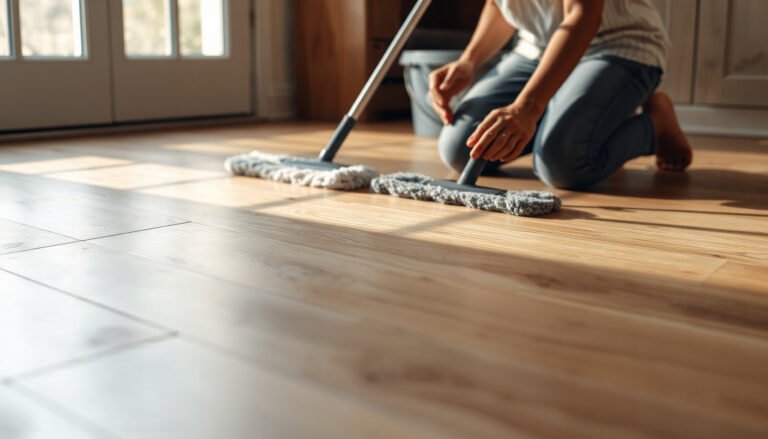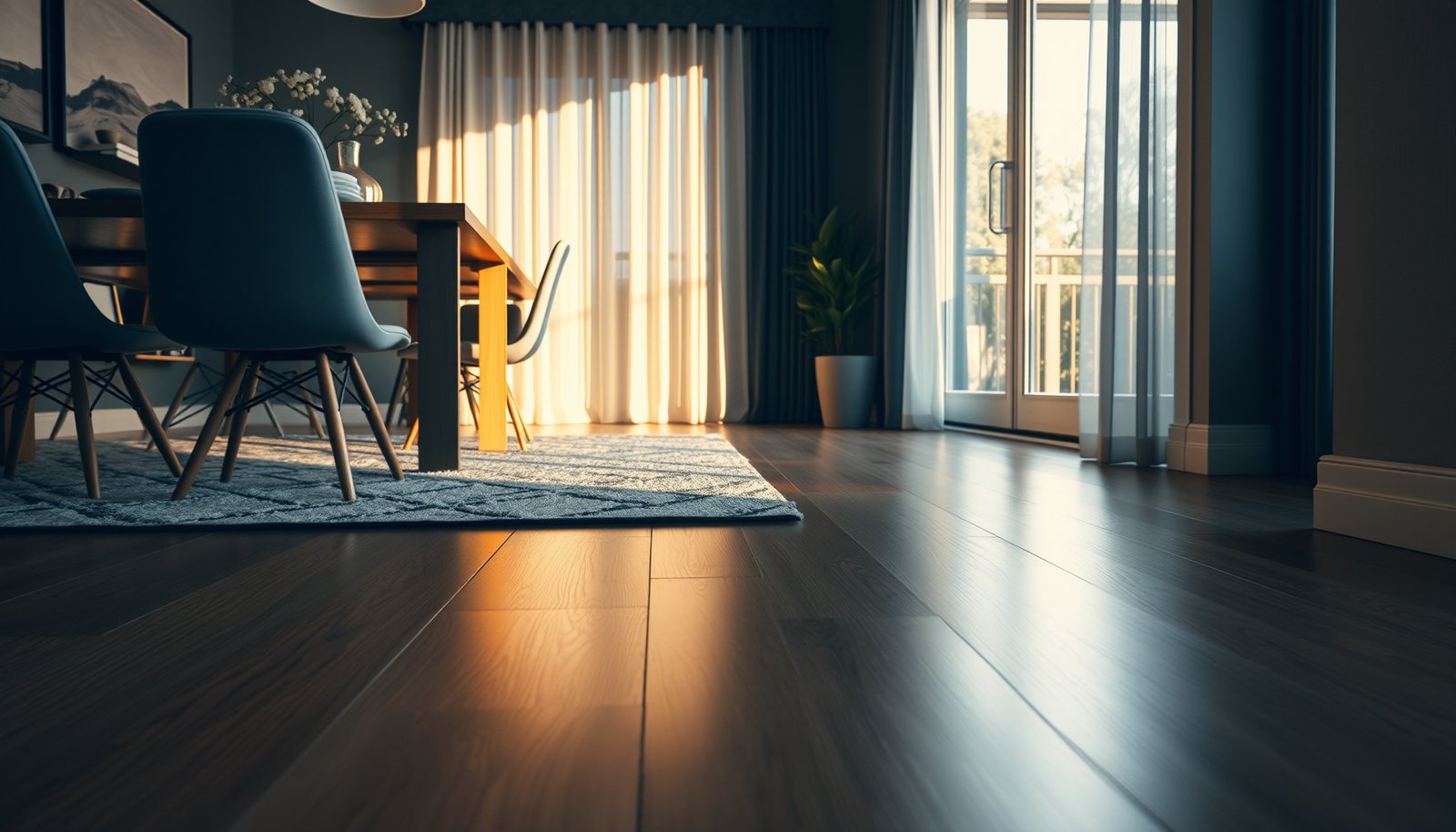

Protect LVP flooring in a dining room by blocking grit before it grinds into the finish, using chair leg protectors to prevent scuffs, and cleaning spills fast with LVP-approved methods. When you combine controlled entry (mats/runners), soft friction points (felt or rubber pads), and a quick-clean routine for crumbs and moisture, your floor maintains its look and protects its seams for longer—without relying on harsh cleaners that can dull the surface.



If your dining area gets heavy foot traffic, frequent chair movement, or occasional spills during meals and hosting, these protections matter most. The tips below focus on everyday setup (pads, mats, cleaning habits) and the common failure points that shorten LVP’s lifespan.
Shield LVP from dirt and grit (before it scratches)
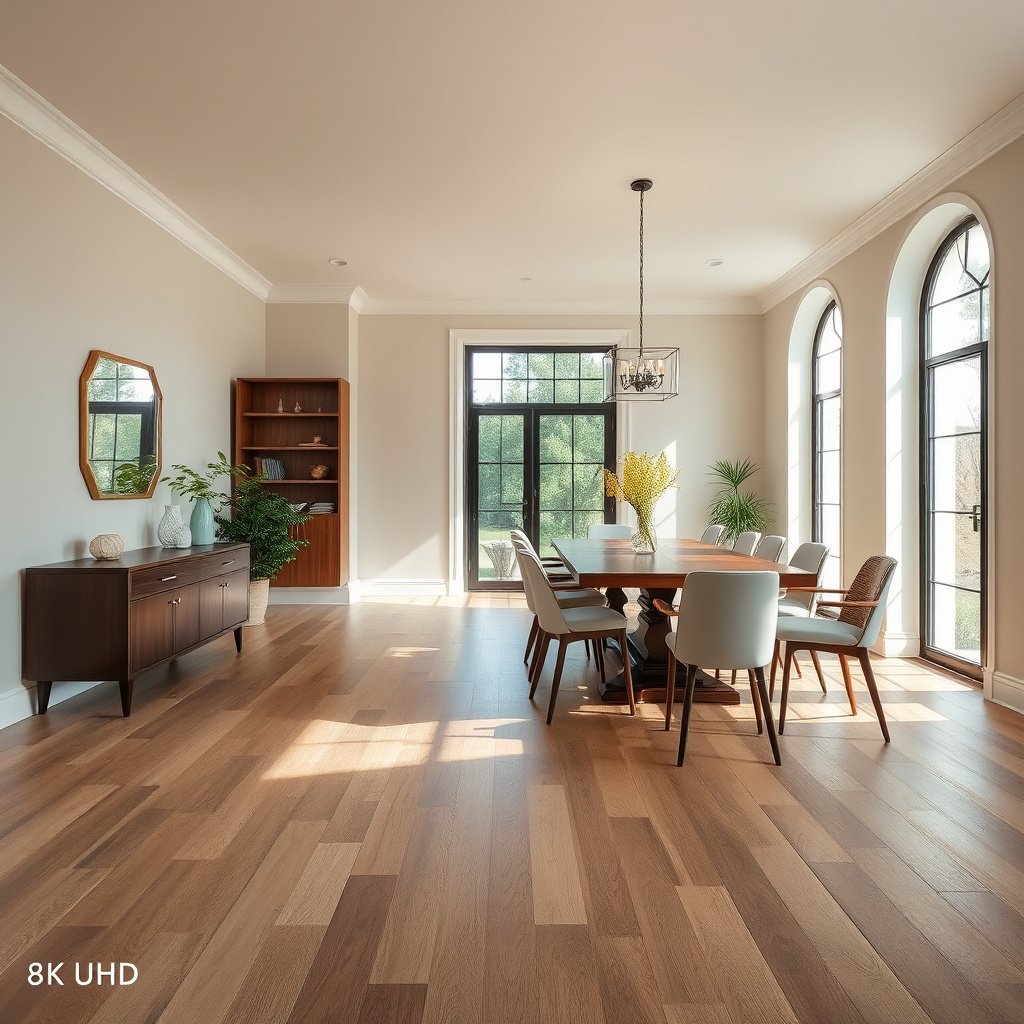
Blocking grit is the most reliable way to prevent scratches because abrasive particles act like sandpaper on top of LVP’s wear layer. If grit never gets onto the floor, you reduce the “micro-scratching” that slowly dulls shine and can create visible scuffs under dining light. As of 2026, this remains the most cost-effective protection because it requires no special tools—just a smart entry plan and compatible floor coverings.
Sand-sized particles are typically in the 0.062–2 mm range, which is large enough to be trapped on shoe soles and then dragged across floors.
Quarts (a common component of sand and driveway grit) sits at about 7.0 on the Mohs hardness scale—hard enough to abrade many floor finishes.
A pH-neutral approach matters because harsh cleaners can affect surface appearance even when LVP is marketed as water-resistant.
One important detail: dining rooms often get grit from multiple paths—entry to the home, hallways, and “back-and-forth” trips when guests help themselves to food. That’s why LVP protection should start outside the dining area, not just at the doorway of the room.
– Put a doormat or entry mat just outside the dining-room area (or at the main entry) so sand/grit doesn’t get tracked onto the floor.
Aim for a mat long enough to let feet take at least a few steps over it before reaching LVP. If your dining room is open to a kitchen, consider placing mats at the transition points between zones. For LVP specifically, you want a mat that holds dirt without transferring backing material onto the floor.
– Use a dining-room rug or runner with a non-rubber backing you can confirm is compatible with LVP; keep it clean so it doesn’t act like a dirt trap.
A rug can protect LVP from chair drag and localized spills, but it can also trap grit underneath if it isn’t vacuumed regularly. Choose an option the manufacturer approves (or at least one with a backing that doesn’t react with vinyl finishes).
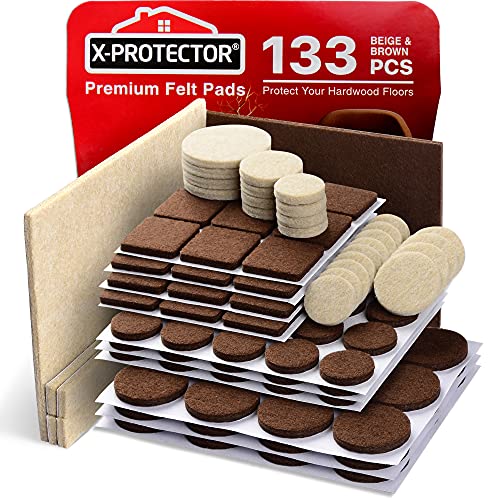
– Consider felt pads or LVP-safe floor protectors for anything that moves or rubs (chair legs, small side tables, serving carts).
When you treat the contact points, you reduce the “worst-case” wear: sliding objects that repeatedly abrade the same patch of LVP. For dining rooms, chair legs are usually the #1 wear source after tracked grit.
Abrasive “Scratch Drivers” Common in Dining Floors (and Priority to Block Them)
| # | Dining-room contaminant | Typical particle size | Mohs hardness (common component) | How it harms LVP | Prevention priority |
|---|---|---|---|---|---|
| 1 | Quartz-rich sand/driveway grit | 0.062–2.0 mm (sand class) | ~7.0 (quartz) | Micro-scratches that dull shine | ★★★★☆ |
| 2 | Fine gravel/stone dust | ~0.5–10 mm (trackable fragments) | ~6–7 (mixed silicates) | Visible scuffs near chair paths | ★★★★☆ |
| 3 | Concrete/cement dust (quartz-containing) | ~0.001–0.1 mm (fine dust) | ~7.0 (if quartz-rich) | “Sand-blasting” effect under traffic | ★★★★☆ |
| 4 | Silty soil particles | 0.004–0.062 mm (silt class) | ~5.5–6 (silicates common) | Less dramatic scuffing, steady dulling | ★★★☆☆ |
| 5 | Clay-heavy tracked dust | <0.004 mm (clay class) | ~1–3 (varies by mineral) | Lower scratch risk, but can grind grit mix | ★★☆☆☆ |
| 6 | Plant grit/silica phytoliths | ~0.01–0.2 mm (typical range) | Up to ~7 (silica-rich) | Can abrade when under shoes | ★★★☆☆ |
| 7 | Food crumbs (sugar/starch) | ~1–10 mm (irregular) | ~1–3 (soft minerals) | More staining/spotting than scratching | ★☆☆☆☆ |
> Note: Use this as a planning guide, not a diagnosis—your LVP’s real scratch tolerance depends on wear layer design and surface finish.
Protect against chair scuffs and drag marks
Chair scuffs are the fastest way to create visible “traffic paths” on dining LVP because chair legs repeatedly slide over the same areas. The best protection is simple: add compatible glides under every chair leg and prevent dragging when moving furniture. In practice, this reduces both surface abrasion and the chance that debris gets trapped in seams or along plank edges.
Felt and rubber glides reduce friction at the chair-floor contact point, which lowers the amount of wear LVP sees during repeated moves.
Worn or gritty casters can transfer grit and cause concentrated scuffing even when the rest of the floor looks clean.
For LVP (especially floating click-lock), repeated mechanical stress near seams can make small edge issues more noticeable over time.
I keep this rule in mind: protecting LVP isn’t only about what you do during cleaning—it’s about what happens when chairs “dance” around the room every day. From a maintenance standpoint, treat chair movement like an ongoing wear process.
– Upgrade chair legs with soft glides (felt, polyurethane, or manufacturer-approved protectors) to reduce scuffing when chairs are pulled in/out.
Replace missing or flattened pads immediately. If chairs have decorative feet, glides may still be needed on the actual contact points to prevent spot wear.
– If you use rolling chairs or have a rolling serving cart, use smooth, hard-surface caster wheels (or swap wheels) rather than gritty or worn casters.
Rolling movement concentrates force—so even a small amount of grit in a caster can “polish” and scratch a narrow track on LVP. Inspect wheels for hardened residue and replace when they start to wobble.
– Lift heavy chairs/tables when rearranging; dragging furniture—even briefly—can damage the finish or lock seams over time.
“Just a quick slide” still moves micro-debris and adds abrasion where LVP is most vulnerable: repeated contact zones.
Here’s a quick comparison you can use when choosing protectors:
| Protector type | Best for | Trade-offs to watch |
|---|---|---|
| Felt pads | Standard dining chairs on LVP | Can flatten and wear faster on rough chair feet |
| Rubber/polyurethane glides | Higher chair traffic + frequent repositioning | Some styles grip too much—test or match manufacturer guidance |
| Hard-surface casters (rolling) | Rolling carts and mobility | Must be clean; gritty residue can create “track” scuffs |
| Rug under dining sets | Protecting chair tips and spill zones | Wrong backing can trap moisture or leave discoloration |
Prevent moisture and spill damage during meals
Preventing moisture damage is about timing and technique: wipe spills immediately and avoid letting water sit on LVP. Even “water-resistant” floors are not the same thing as “safe for puddles,” and dining rooms create repeated small risks (wine rings, sauce drips, condensation from drinks). As of 2026, the most durable approach is fast removal plus drying, not “soak and hope.”
Most LVP care guidance distinguishes between accidental spills and prolonged standing water on seams and edges.
Sticky foods (sauces, syrups) can leave residues that dull LVP even after the spill looks dry.
Keeping cleanup supplies in the dining area reduces the delay between spill and wipe—often the key difference for stain prevention.
Here’s what to do in real dining-room moments—serving, hosting, and day-to-day meals:
– Wipe spills immediately (especially sauces, wine, and sticky foods) with a soft cloth or paper towels, then dry the area.
Start with blotting (lift/absorb), then wipe with a slightly damp microfiber cloth if your manufacturer allows it. Avoid scrubbing aggressively; scrubbing can increase abrasion on LVP’s surface finish.
– Don’t let standing water sit on LVP; check your specific plank instructions, since “water-resistant” doesn’t always mean “safe with puddles.”
Floating installations can be particularly sensitive near seams if water works its way under edges. If your dining room has high exposure risk (kids, frequent entertaining), treat spill response like a system.
– Keep a small spill kit in the dining space (microfiber cloths, mild cleaner, and a bucket) so cleanup happens quickly instead of “later.”
A ready kit matters because stain transfer and surface dulling often occur while you delay cleanup. For LVP, using microfiber reduces friction and helps you dry effectively.
Data point to anchor cleaner choice: the pH scale was introduced by S.P.L. Sørensen in 1909, which is why “pH-neutral” is commonly used in cleaning guidance. Practically, it means you should favor cleaners that don’t push toward extreme acidity/alkalinity unless your LVP care guide approves them.
> If you want this tailored precisely, you’ll need your LVP brand/model and whether it’s floating click-lock or glue-down.
Clean the right way so you don’t wear the finish
The right cleaning method protects the LVP finish and prevents residue buildup that makes the floor look dull or blotchy. For most dining rooms, routine care looks like: remove grit first, use damp cleaning (not wet), and only use cleaners approved for LVP or consistent with pH-neutral guidance. This is also the best place to avoid “damage-by-care,” where well-intentioned cleaning gradually shortens LVP’s lifespan.
Vacuuming or sweeping removes abrasive particles that cause micro-scratches and loss of gloss on LVP.
Steam mops can introduce heat and moisture that many LVP warranties do not cover unless explicitly approved.
Using too much water can increase the chance of moisture migrating toward seams and edges in LVP installations.
– Sweep or vacuum with a soft brush attachment regularly to remove grit that acts like sand.
Focus on chair-heavy zones and along traffic lines between entry points and the dining set. If you use a vacuum, select a setting that avoids aggressive bristles.
– Mop only as recommended by your LVP manufacturer; use a damp microfiber mop and a cleaner that’s approved for LVP (or pH-neutral, if your manufacturer allows it).
Damp mopping means “well-wrung,” not puddled. If you’re mopping after entertaining, change to a clean microfiber head before you start spreading food residue.
– Avoid steam mops and harsh chemicals (wax/polish, oil-based cleaners, abrasive pads) unless your floor’s care guide explicitly says they’re safe.
Many finishes don’t like wax build-up or solvent-heavy products. Over time, that can create smearing, streaking, or a patchy sheen on LVP.
A chemistry anchor: the Mohs hardness scale was proposed by Friedrich Mohs in 1812, and it’s why abrasive particles matter—hard grit can mechanically abrade surface coatings. In dining rooms, the reason this becomes visible is simple: chair movement repeatedly drags tracked particles across the same path.
One place where many people slip up is product compatibility.
What can go wrong (common mistakes in dining rooms)
Even with good habits, dining-room wear patterns can surprise you—especially around chairs, rugs, and cleaning frequency. These are the most common failure points that turn a “protective routine” into gradual LVP dulling, scuffing, or moisture-related issues.
Chair pads that are missing, misaligned, or flattened can convert every chair move into repeated surface abrasion on LVP.
Using cleaners outside the manufacturer’s approved list can leave film residue that attracts more dirt and makes spots more noticeable.
Mopping too frequently with excess water can increase moisture exposure near seams even when spills look small.
– Skipping chair pads: Even chairs with “soft” feet can still scrape when moved frequently—especially on high-traffic dining floors.
– Using the wrong cleaner: Some products leave residue or make the surface more prone to dulling and spotting.
– Over-mopping with too much water: Excess water can seep into seams or edges over time, particularly during frequent cleanups after entertaining.
– Rug backing surprises: Certain rug backings (or rug tape) can trap moisture, stain, or damage finishes—confirm compatibility with your LVP instructions.
– Ignoring manufacturer limits: Floating vs. glue-down installations can have different care steps; follow your exact product’s care sheet.
To make this more actionable, here’s a “Do / Don’t” style summary:
| Category | Do | Avoid |
|---|---|---|
| Chair wear | Use compatible glides on every chair leg | Wait until scuffs appear before replacing pads |
| Spills | Blot, wipe, and dry immediately | Let puddles sit “until you get time” |
| Cleaning | Damp microfibre mopping with LVP-approved cleaner | Steam mopping or abrasive pads unless approved |
Verdict / tip (what we’d prioritize first)
If you want the biggest protection with the least effort, prioritize chair leg protectors, a dirt-control plan (mat/runner), and fast spill cleanup. That combination prevents the three most common dining-room problems: grit scratching, chair scuffs, and moisture damage.
Chair glides are the highest-impact upgrade in dining rooms because chair movement is constant, not occasional.
Mats and runners act like a “first filter,” keeping abrasive grit off LVP before it reaches the finish.
Immediate blotting plus drying reduces both staining risk and the chance moisture migrates toward edges.
Downsides / who should skip certain steps:
– If your LVP manufacturer says “no rugs” or specifies a particular rug backing type, don’t improvise—skip rug experiments until you confirm compatibility.
– If you’re dealing with frequent flooding, leaking appliances, or heavy standing water, LVP may not be the right floor choice; you’ll need to address the moisture source first.
– If your dining-room setup involves long-term wet cleaning or you can’t reliably wipe spills right away, consider stricter waterproof flooring or adjust your routine.
Quick checklist (scan and save)
| Area to protect | What to do | Quick win |
|---|---|---|
| Chair legs | Add felt/polyurethane glides | Install before the next party |
| Floor dirt | Use mats/rug plan | Vacuum/sweep near entry |
| Spills | Wipe + dry immediately | Keep microfiber towels nearby |
| Cleaning | Damp mop + LVP-approved cleaner | Follow your care guide only |
| Furniture moving | Lift when rearranging | Avoid dragging across seams |
Frequently Asked Questions
What are the best ways to protect LVP flooring in a dining room from scratches and dents?
Use felt pads or furniture glides under every chair, table leg, and serving cart to prevent grit and point pressure from denting LVP. Place a high-quality rug or chair mat in the main traffic zone to reduce abrasion from shoes and dragged chairs. Keep pet nails trimmed and use door mats at entryways to catch debris that can scratch LVP’s surface.
How should I set up dining chairs to prevent damage to LVP floors?
Choose non-staining felt pads or thicker soft glides designed for hard floors, and replace them when they wear down. Avoid plastic chair legs or rough bottoms that can scuff—if you can’t use pads, consider protective chair sleeves. When moving chairs for cleaning or guests, lift rather than slide to prevent micro-scratches and wear-through on the LVP top layer.
How do I protect LVP flooring from water spills and food stains during meals?
Wipe spills immediately with a damp microfiber cloth and dry the area—don’t let liquids sit, especially near seams. Use waterproof coasters and placemats, and keep absorbent mats near high-risk areas like drink stations and buffet tables. For routine cleaning, use a manufacturer-recommended LVP cleaner; avoid harsh chemicals or excessive water that can penetrate edges and seams.
Why is regular cleaning important for LVP floor protection in a dining room?
Dining rooms collect dust, crumbs, and tracked-in grit that act like sandpaper, gradually dulling and scratching LVP. Sweep or vacuum with a soft brush attachment regularly, and spot clean right away to prevent residue from embedding in the surface. Using the correct LVP cleaner helps maintain the protective wear layer so your vinyl plank floor stays easier to clean and more resistant to scuffs.
Which rug type and placement works best to safeguard LVP in a dining area?
Choose a low-pile rug with a non-slip backing that’s compatible with LVP, such as a rug pad designed for vinyl floors, to prevent friction and allow airflow. Place the rug so chair legs stay on it during normal use, reducing scraping when chairs are pulled out. Avoid rubber-backed mats that can trap moisture or leave residue—if you’re unsure, test a small corner first and ensure the rug and pad don’t slide.
📅 Last Updated: October 27, 2026 | Topic: How to protect LVP floors in a dining room? | Content verified for accuracy and freshness.
References
- Vinyl flooring
- Vinyl composition tile
- MohawkFlooring
- https://scholar.google.com/scholar?q=protect+luxury+vinyl+plank+floor+from+scratches+chair+pads Google Scholar
- https://scholar.google.com/scholar?q=luxury+vinyl+plank+floor+care+and+maintenance+doormat+cleaning Google Scholar
- https://scholar.google.com/scholar?q=vinyl+flooring+indentation+heavy+furniture+protection+guidelines Google Scholar