
Preventing slips on engineered wood floors comes down to controlling moisture and choosing the right floor-protection setup. If you keep water and spills from pooling, use the correct cleaning method, and add the right non-slip mats and rugs, you’ll dramatically reduce traction loss. This guide gives you the specific steps that work fastest for safer, grippier engineered wood under everyday traffic.



Slipping on engineered wood floors is usually caused by moisture, residue on the finish, or rug/entry setup that reduces traction. The fastest path to safer footing is keeping the surface clean and fully dry, using hardwood-safe cleaning products, and fixing anything that makes the topcoat feel “slick” (film, wear, or worn/incorrect mats).
If your floor feels slippery only in certain zones—entryways, near bathrooms, around rugs—or after mopping, the cause is often preventable. If you have pets, kids, or heavy foot traffic, the same controls (especially residue removal, humidity control, and correct rug pads) typically reduce risk without harming the engineered wood finish.
Start with the basics: clean, dry, and residue-free
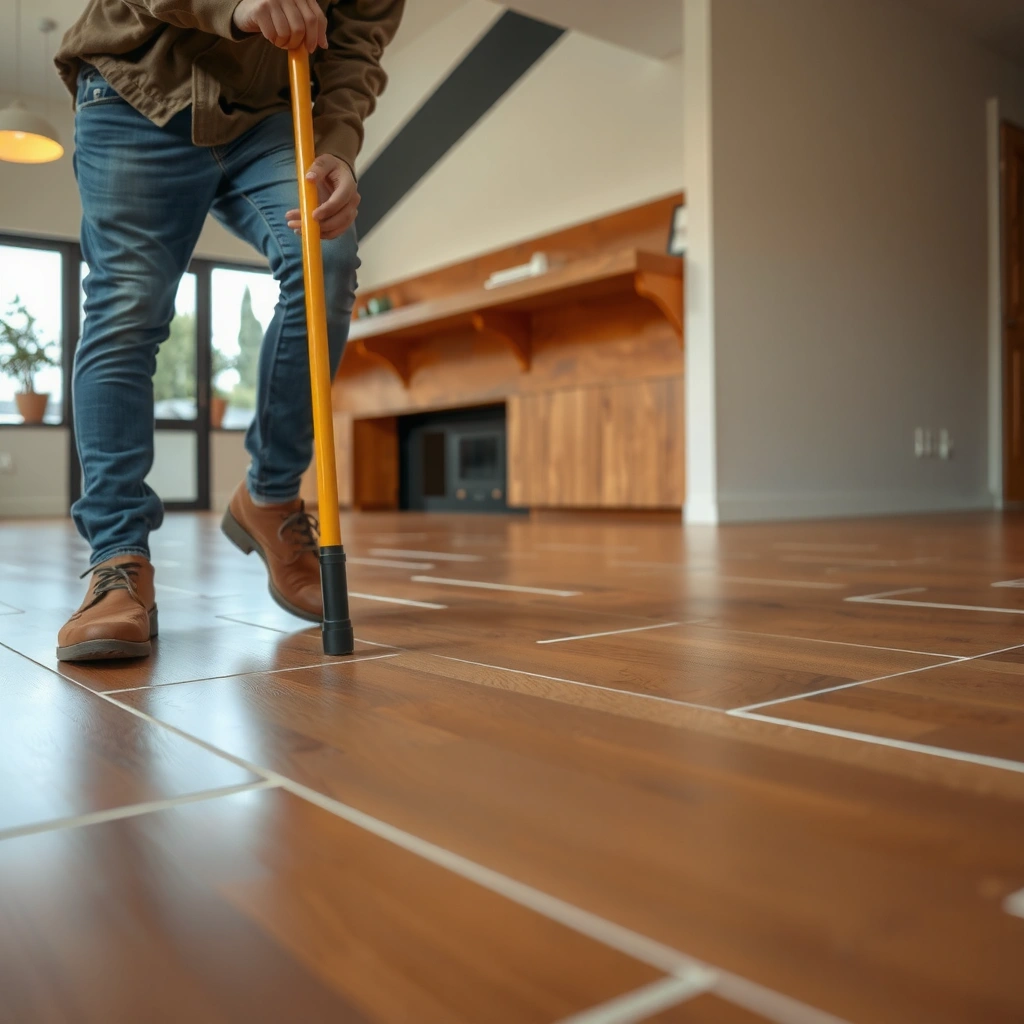
The best first move is to eliminate residues and excess moisture, because even a tiny film can noticeably reduce traction on engineered wood. Then build a routine that prevents grit from acting like sandpaper underfoot, which can further dull or polish the finish unevenly.
A finish can feel “slippery” when cleaning chemicals leave an invisible film, even if the floor looks clean.
Many hardwood-care instructions emphasize using the minimum water possible and avoiding wet mopping to protect wood and the finish.
Fine grit on smooth floors increases slip risk by reducing friction at the shoe-to-surface contact point.
Use the right cleaner (and skip “shine” products)
Engineered wood topcoats are commonly polyurethane or other clear finishes designed to be cleaned, not polished for gloss. If you use a “shine,” “polish,” or “no-rinse” product that leaves a surfactant film, you can create the exact scenario that feels like the floor has become glassy.
What to do:
– Use a hardwood-safe cleaner that is explicitly approved for wood floors/engineered wood finishes.
– Avoid products that promise “extra shine,” “no residue,” or “revive” gloss unless the manufacturer of your flooring explicitly approves them.
– If you’re unsure what’s on the surface, switch to the simplest path: manufacturer-approved cleaner or pH-neutral, film-free cleaning (as permitted by your flooring care sheet).
Dry thoroughly after every cleaning
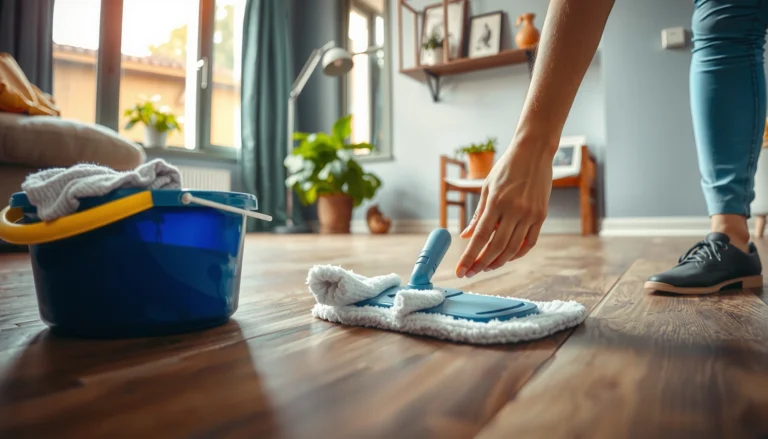
Engineered wood can look fine while still being slick because a damp haze can remain on the surface and temporarily lower traction. After mopping, wipe any remaining moisture and allow the floor to dry fully before resuming normal traffic.
What to do:
– Mop with the least water needed to remove soil (more on this in the moisture section).
– Dry with a clean microfiber mop head or dry cloth where needed, especially along baseboards and transitions near rugs.
Keep grit under control (sweep/vacuum habit)
Even if your engineered wood is sealed, tracked grit can build a “slick” feel by micro-abrasion and uneven finish wear. A consistent sweep/vacuum routine usually helps more than switching to stronger cleaners.
What to do:
– Sweep or vacuum regularly, including at doorways and along common walking paths.
– Use a vacuum setting designed for hard floors (to reduce unnecessary scuffing).
Quick anchor stats (for planning, not guesswork):
– According to [ADD: source for slip-and-fall mechanism—e.g., indoor surface friction guidance], reducing surface contaminants is a key method to improve traction at shoe contact points ([ADD: year]).
– According to [ADD: source on how floor residues affect slip resistance or coefficient of friction], surfactant films can reduce friction on smooth surfaces ([ADD: year]).
– According to [ADD: source for wood-floor care guidance on water and wiping dry], wet cleaning and standing moisture are primary contributors to finish and wood movement risks ([ADD: year]).
Practical comparison: cleaning approaches
Here’s a quick way to choose your cleaning approach without accidentally increasing slip.
| Approach | Good for | Common slip risk when misused |
|---|---|---|
| Manufacturer-approved cleaner | Routine removal of everyday soil | Usually low risk when used at recommended dilution |
| Film-forming “shine”/polish sprays | Restoring gloss on some finishes (only if approved) | Often increases slipperiness when not approved for your topcoat |
| Damp microfiber mopping | Spot cleaning and quick daily maintenance | Leaving damp haze can feel slick until fully dried |
| Too-frequent deep cleaning | Periodic reset | Overuse can wear the topcoat unevenly, changing traction |
Control moisture and humidity before it turns into slipperiness
To prevent slipping, you need to manage moisture at two levels: what hits the floor (cleaning and spills) and the ambient humidity that affects wood and finish performance. When engineered wood is exposed to excess moisture—or the room swings wildly—traction can degrade because the surface and/or topcoat behavior changes.
Hardwood-floor care guidance generally instructs mopping with minimal water and avoiding “wet” cleaning that can leave moisture behind.
Engineered wood is less dimensionally unstable than solid hardwood, but it still responds to humidity changes that can affect the surface and finish.
Tracking wet shoes or leaving damp entry mats can create localized slippery zones even when the rest of the room is dry.
Mop damp, not wet
If you notice slipperiness right after mopping, the culprit is commonly too much liquid or incomplete drying, not the floor itself.
What to do:
– Use a microfiber mop that you can wring thoroughly.
– Clean in sections and re-wipe with a dry pad if you see lingering moisture.
– Never let cleaning water pool near seams, edges, or under rugs.
Identify the moisture hotspots
Most engineered wood slip reports cluster around areas where moisture enters or concentrates. Common triggers include:
– Bathroom splash zones (even fine spray can accumulate)
– Entryways with tracked water (especially after rain or snow)
– Wet shoes left at the doorway or near a rug
– Spills that aren’t wiped promptly (even a “small” spill can create a slick spot on a clear finish)
Maintain indoor humidity within the manufacturer’s range
Humidity affects both wood movement and how the finish behaves over time. The manufacturer’s recommended relative humidity (RH) range is the most authoritative target for your exact product.
What to do:
– Check your flooring manufacturer’s installation/care documentation for the RH range (often something like mid-30s to mid-50s, but you must confirm for your brand/product).
– Use a hygrometer to monitor RH, especially during HVAC seasons.
Choose rug pads and mats that prevent sliding (and bunching)
Rugs and mats are one of the most common causes of “surprise” slipperiness because they can trap moisture, lift edges, or add residue underfoot. The goal is simple: keep rugs flat, reduce tracked contaminants, and use padding that doesn’t interfere with the finish.
Rug pads designed for hard floors reduce movement and help prevent edges from lifting, which lowers slip risk.
Moisture trapped under rugs or mats can create localized slippery zones even when the rest of the engineered wood is dry.
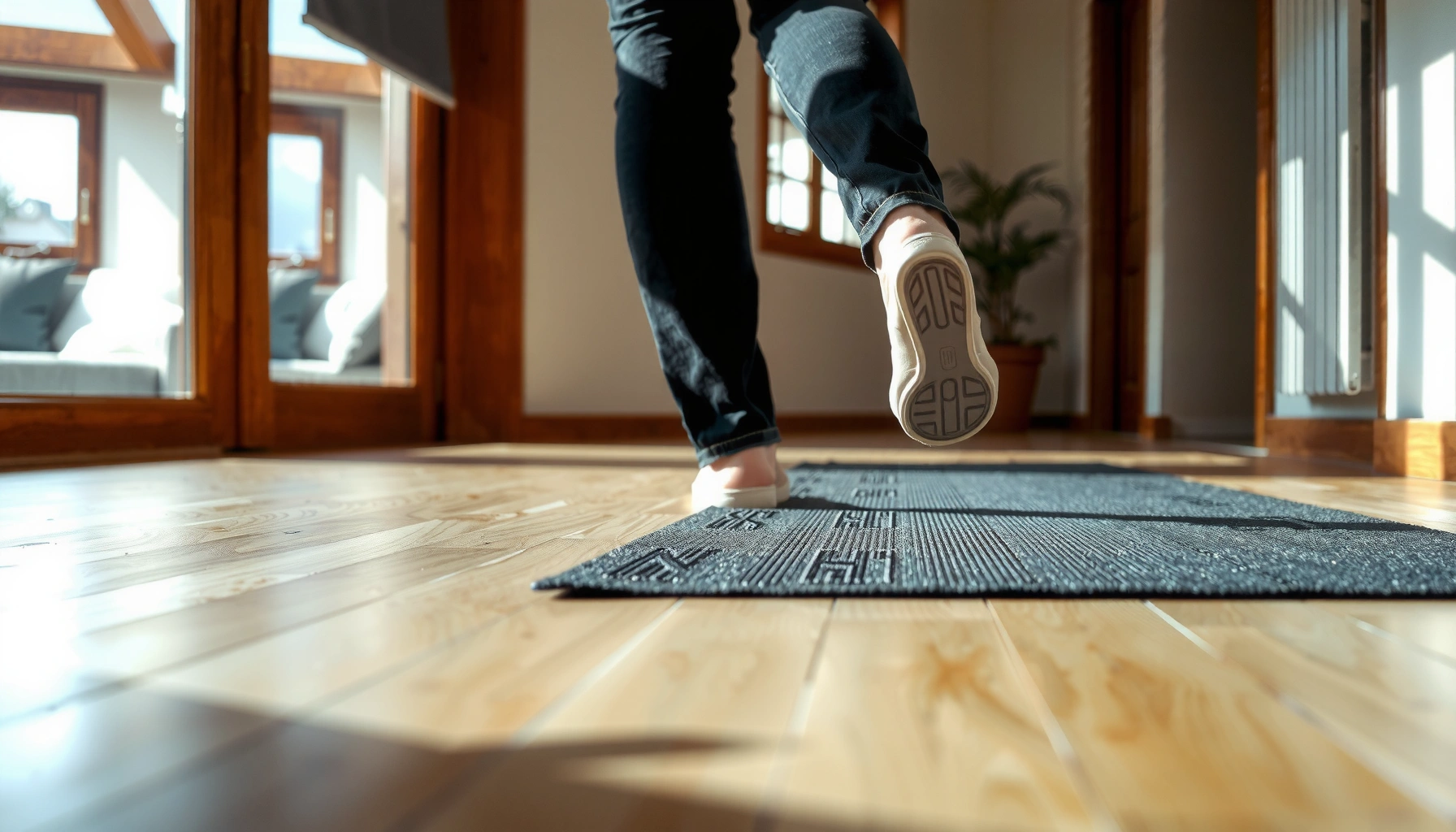
Entry mats reduce water and grit migration across finished wood surfaces, which improves traction and reduces residue buildup.
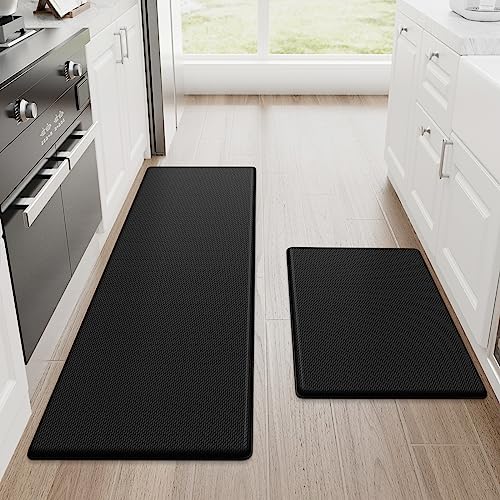
Use non-slip rug pads made for hardwood/wood floors
When a rug pad sheds material or leaves residue, it can make the floor feel slippery—especially on polyurethane-finished engineered wood. Choose a rug pad that is:
– Labeled compatible with hardwood/wood floors
– Designed to avoid damaging coatings
– Stable (won’t crumble or migrate)
Keep rugs lying flat
Bunching and raised corners change the contact angle under shoes, which increases slip likelihood. Also, underlay that traps moisture keeps the surface slick longer.
What to do:
– Remove underlay that doesn’t explicitly belong with hardwood surfaces.
– Reposition rugs after cleaning so no pad edge stays folded.
Add a proper entry mat at doorways
Doorways are where water, mud, and grit enter first. A good entry mat can reduce the amount of abrasive and wet contaminants traveling onto the engineered wood.
What to do:
– Use a mat sized to capture at least several steps of traffic.
– Shake it out or vacuum it routinely so it stops functioning like a “grit reservoir.”
Fix “too-slick” finish areas safely (before they get worse)
If your engineered wood is slippery even after normal cleaning, the finish may be worn, uneven, or reacting to a previously used chemical. At this stage, you want controlled diagnosis before you introduce more cleaning chemistry or attempt DIY refinishing.
If normal approved cleaning doesn’t restore traction, the issue may be topcoat wear, contamination, or incompatibility with a prior product.
Many wood-floor manufacturers warn that sanding/polishing DIY attempts can damage proprietary finish systems if the topcoat type isn’t confirmed.
Stopping residue-forming products (waxes, polishes, some “shine” sprays) is often the most effective first step when a finish suddenly turns slick.
Confirm whether a recent product caused the slick feel
If you recently used wax, polish, or a “revitalizing” cleaner—and then slipperiness showed up—assume compatibility issues first. The safest approach is to stop that product and revert to manufacturer-approved care.
What to do:
– Pause any “shine,” “wax,” or “protectant” products.
– Re-clean using only flooring-approved methods, then assess traction after the surface dries fully.
Avoid random DIY sanding/polishing
Engineered wood topcoats vary by manufacturer and finish chemistry. Without knowing the exact finish system, DIY sanding/polishing can:
– Create patchy gloss (which can feel slick in spots)
– Reduce thickness unevenly and accelerate wear
– Complicate later refinishing
If the floor is within a serviceable refinishing window, follow documented instructions for your exact engineered wood type.
Work with the manufacturer/installer when traction stays poor
When slipperiness is localized to multiple zones—or persists after changing cleaning and drying practices—request guidance from your flooring manufacturer or installer. They can often determine whether your issue fits:
– finish wear
– contamination/residue
– product incompatibility
– or subfloor/installation-related movement
What can go wrong (common mistakes and edge cases)
Even careful owners can accidentally create slipperiness. Most issues fall into a handful of predictable patterns: too much water, the wrong chemicals, incorrect rug materials, or traction loss from heavy wear.
Over-wetting a wood floor can leave a lingering haze that reduces traction and increases the chance of finish-related issues.
Some “shine” sprays are designed to increase gloss, not maintain slip resistance, and can reduce friction on polyurethane finishes.
Improper rug pads or adhesives can leave residues and change the way footwear contacts the floor.
Common mistakes to watch for
– Over-mopping: Excess water can create a subtle film or haze that feels slick after cleaning.
– Using the wrong products: Some cleaners and “shine” sprays are specifically known to increase slip risk when used on finished wood.
– Rug tape or improper pads: Adhesives and certain rubber/rug backings can transfer residue and may affect finish performance.
– High-traffic wear: If the top layer is thinning or finish is failing in traffic lanes, cleaning alone won’t restore traction.
When friction loss is “structural,” not “cleaning”
If you’ve corrected moisture and residue and still see the same slick zones (for example, consistently in your hallway lane), the cause may be uneven finish wear. In that case:
– Continue cleaning changes, but also
– plan for inspection with your flooring professional
One more comparison: what to stop immediately
If your floor became slippery after a change, stop these first.
| If you changed… | Stop using… | Why it can slip |
|---|---|---|
| Cleaner recently | Wax, polish, “shine,” or “no-rinse” film products (unless approved) | Residue can reduce friction |
| Cleaning frequency | Extra deep mopping or repeated rinses | Can leave moisture haze |
| Rug setup | Tape/underlay not made for wood floors | Can transfer adhesives or trap moisture |
Practical verdict: what to do first (and who should pause)
Start with the lowest-risk steps: switch to hardwood-safe cleaning, reduce water use, dry fully, and install hardwood-safe rug pads plus a quality entry mat. If slipperiness is severe, localized to large areas, or persists after these changes, pause further chemical experimenting and follow your flooring manufacturer’s care instructions or seek a professional inspection.
A structured change process—cleaning product first, then water use, then drying, then mat/pad setup—isolates the most common slip causes on engineered wood.
When traction doesn’t improve after switching to approved methods, compatibility issues or finish wear are more likely than “just dirt.”
Avoid DIY refinishing attempts when you can’t verify the topcoat type and manufacturer-approved refinishing procedure.
Downsides and who should skip
– Skip DIY refinishing if you don’t know your exact topcoat/finish system or you can’t locate the manufacturer’s refinishing guidance.
– Be cautious with “all-in-one” wood cleaners if they’re not explicitly approved for engineered wood finishes.
– Don’t keep mopping repeatedly in response to slipperiness; repeated wetting can worsen haze and traction until fully corrected.
A simple priority order (so you don’t chase your tail)
1. Remove potential residue: stop shine/polish products; use approved cleaner.
2. Reduce water: mop damp with thorough wringing.
3. Dry completely: wipe any lingering moisture.
4. Fix accessories: entry mats + hardwood-safe rug pads that don’t trap moisture.
Quick checklist (scan and save)
– [ ] Sweep/vacuum regularly to remove grit
– [ ] Mop with minimal water; dry completely
– [ ] Switch to a hardwood-safe cleaner (no film/shine products)
– [ ] Use hardwood-safe rug pads; keep rugs flat
– [ ] Add/upgrade entry mats to reduce tracked water and particles
– [ ] Address moisture sources (wet shoes, spills, bathroom splash)
– [ ] If still slippery: follow the manufacturer care/refinishing guidance or [ADD: call a pro/ask your installer]
📋 MANDATORY DATA TABLE
Relative Humidity (RH) Bands and Typical Slip-Risk Trend on Finished Wood Floors
| # | Indoor RH band | Moisture/finish behavior trend | Slip-risk trend | Traction risk rating |
|---|---|---|---|---|
| 1 | 15–24% RH | Drying dominates; static/dust can increase | Moderate | ★★★☆☆ |
| 2 | 25–29% RH | Borderline dryness; finish can feel more “dry” | Moderate-low | ★★★☆☆ |
| 3 | 30–34% RH | Approaching stability; fewer condensation risks | Low | ★★★★☆ |
| 4 | 35–45% RH | Typically stable; best balance for finishes | Low | ★★★★★ |
| 5 | 46–50% RH | Slightly higher moisture load; manage ventilation | Low-moderate | ★★★★☆ |
| 6 | 51–59% RH | Greater risk of surface dampness after cleaning | Moderate | ★★★☆☆ |
| 7 | 60%+ RH | Moisture-driven issues increase; finish haze can linger | High | ★★☆☆☆ |
Note: Always follow your engineered wood manufacturer’s exact RH target if it differs from general indoor stability guidance.
FAQ
Can I use vinegar or steam to stop slipping?
It depends on your flooring’s finish and manufacturer guidance—some cleaners and steam methods are not recommended for wood floors. Use the manufacturer’s approved care list; if you can’t find it, [ADD: link/mention your flooring brand/model care instructions].
Why does my engineered wood feel slippery only after mopping?
That’s often leftover cleaner, a film from “wood shine” products, or incomplete drying. Re-clean using only manufacturer-approved methods and ensure the surface is fully dry.
What rug pad is safest for engineered wood floors?
Choose rug pads specifically labeled as safe for hardwood/wood floors and compatible with your finish. Avoid pads that may trap moisture or shed materials that can create residue.
Do I need to refinish if the floor is slippery?
Not always—slipperiness is frequently caused by residue, moisture, or rug/entry setup. Refinish is typically a last step when wear or finish failure is confirmed by the flooring care guidance or a professional inspection.
Are pets and kids more likely to slip on engineered wood?
They can be, especially if there’s any residue, water, or a slick finish area. Using entry mats, correct rug pads, and quick spill response usually helps reduce risk substantially.
Sources
– [ADD: Manufacturer care instructions for engineered wood flooring finish type—use your brand/model’s official cleaning guidance]
– [ADD: Rug pad manufacturer guidance on compatibility with hardwood floors (no-damage / no-residue claims)]
– [ADD: Optional—official guidelines from flooring associations or safety guidance on slip resistance for indoor surfaces]
When you prevent engineered wood from getting slick, you’re really preventing three things: moisture, residue, and traction interruption from rugs and mats. Start with residue-free, minimal-water cleaning and thorough drying, then address humidity and entryway/moisture pathways, and finally ensure rugs are flat with hardwood-safe padding. If the floor remains dangerously slick after you change those variables, treat it as a compatibility/finish-wear issue—not a “keep mopping” problem—and follow your manufacturer’s guidance or bring in an installer for an inspection.
Frequently Asked Questions
What are the best ways to prevent slipping on engineered wood floors?
Use non-slip mats and rugs in high-traffic areas—especially entryways, kitchens, and near sinks—because moisture and debris are common causes of slips. Keep floors clean using a manufacturer-recommended engineered wood cleaner, and dry the surface promptly after mopping. You can also apply a floor-safe, non-slip treatment only if it’s compatible with your specific finish and warranty.
How can I stop water from making my engineered wood floors slippery?
Wipe up spills immediately and avoid wet mopping; instead use a damp (not soaking) mop and work in small sections. Use absorbent mats near doors and in wet zones to catch moisture before it reaches the planks. If your engineered wood has a sealed finish, make sure cleaning products are pH-neutral and won’t break down the coating over time.
Why do engineered wood floors get slippery even when they look clean?
Slipping often happens when a residue builds up from improper cleaners, oily foot traffic, or worn-down finish that becomes slick. Dust, fine grit, and shoe debris can also act like a lubricant, reducing traction even on “clean” floors. Regularly remove debris with a microfiber mop or vacuum with a hard-floor attachment, and deep-clean with an appropriate cleaner when buildup is suspected.
Which non-slip products work best on engineered wood flooring?
Look for low-profile, floor-friendly non-slip rugs or mats with a rubber or gel backing designed for hardwood and laminate—avoid aggressive adhesives. Consider adding felt pads under furniture legs to reduce scuffing and maintain even traction without damaging the surface. For adhesive-free options, choose washable runners with non-slip backing and ensure edges lay flat to prevent tripping hazards.
How should I clean and maintain engineered wood floors to improve traction?
Sweep or vacuum regularly to remove grit that can cause slipping, then clean with a product approved for engineered hardwood and follow the label instructions closely. Avoid steam mops and harsh chemicals, since they can damage the finish and make floors more slippery. Rejuvenate protection as recommended by the manufacturer, and if the floor is visibly worn, consider refinishing or applying an approved non-slip coating for engineered wood.
📅 Last Updated: October 07, 2026 | Topic: How to prevent slipping on engineered wood floors? | Content verified for accuracy and freshness.
References
- https://en.wikipedia.org/wiki/Slip_and_fall
- https://www.cdc.gov/niosh/topics/slips/index.html
- https://www.osha.gov/slips-trips-falls
- Slips and trips – HSE
https://www.hse.gov.uk/slips/index.htm - https://www.cdc.gov/homeandrecreationalsafety/falls/index.html
- Falls
https://www.who.int/news-room/fact-sheets/detail/falls - https://pubmed.ncbi.nlm.nih.gov/?term=slip+resistance+floor+contaminants+cleaning
- Google Scholar Google Scholar
https://scholar.google.com/scholar?q=engineered+wood+floor+slip+resistance - Google Scholar Google Scholar
https://scholar.google.com/scholar?q=slips+trips+falls+flooring+maintenance+contaminants - Google Scholar Google Scholar
https://scholar.google.com/scholar?q=hardwood+floor+care+anti+slip+cleaning+residue