
Prevent scratches on laminate floors in a balcony by using a simple, proactive setup: felt pads under furniture, grit-trapping mats at the door, and quick cleaning methods that remove sand before it abrades the surface. If you follow these steps, you’ll stop the most common causes—dragged chairs, floating grit, and sharp debris—without needing to refinish or replace your flooring. Keep reading for the exact measures that make the biggest difference in real balcony conditions.




Use a grit-capturing mat at the balcony door and add felt or soft glides to every contact point, then clean gently so sand never gets ground into the wear layer. This combination targets the two biggest laminate balcony floor scratch drivers: abrasive particles (especially sand) and tiny sliding impacts from furniture legs and planters.
Who this is for (and when it matters)
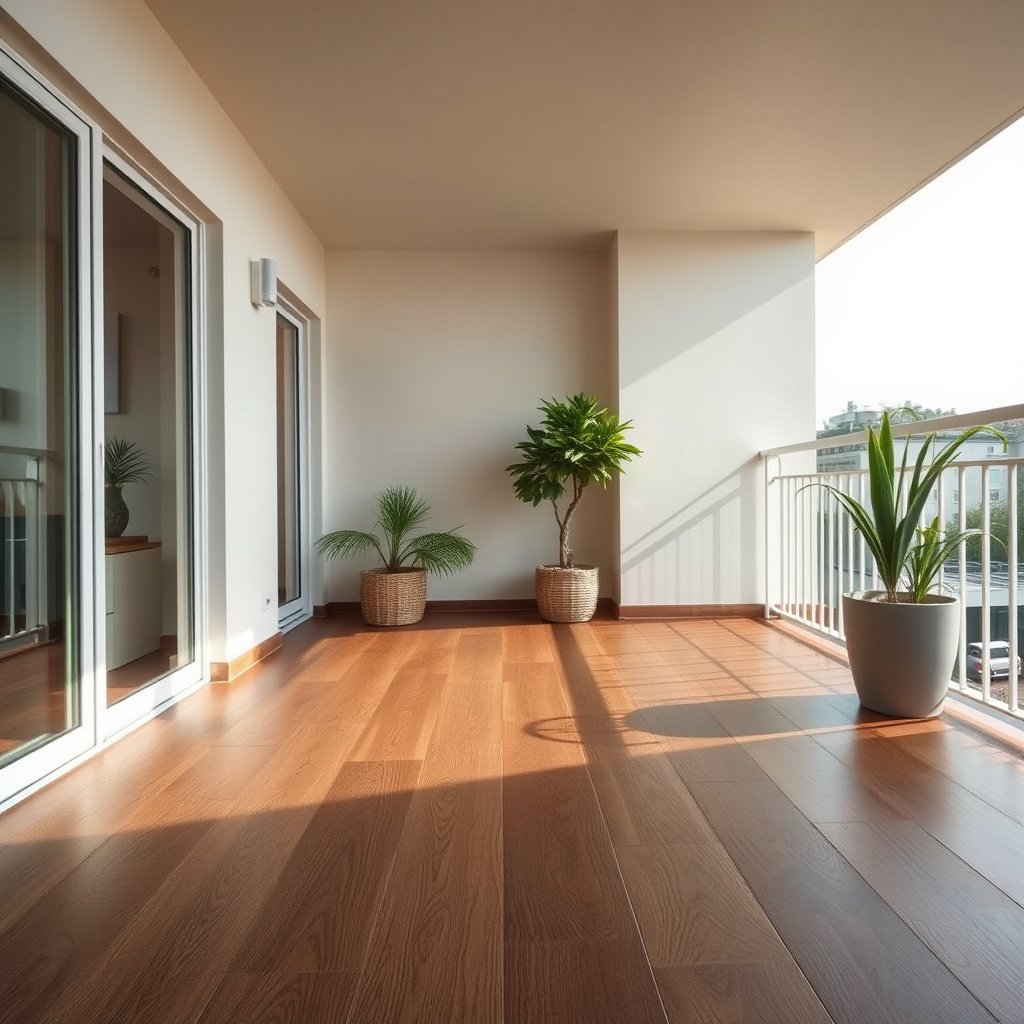
This approach matters most if your laminate balcony floors see outdoor debris, movable furniture, or frequent foot traffic through the door. If your balcony is even partially covered, scratches still happen because grit transfers indoors, then gets pulled across laminate with every step.
– Best for balconies where you get regular foot traffic, shoes, planters, or outdoor furniture on or near the laminate.
– Especially important if sand/grit is common (near doors, railings, or where plants are watered).
– Not a substitute for checking whether your specific laminate is rated/approved for balcony or outdoor exposure.
Sand is commonly defined as grain sizes from about 0.0625 mm to 2.0 mm, making it large enough to act like a grinding abrasive on flooring surfaces.
Outdoor dust can also include very fine particles—PM10 particles are ≤10 micrometers—so even “invisible” grit can find its way onto laminate balcony floors and into chair feet.
EPA guidance distinguishes PM2.5 (≤2.5 micrometers), which is small enough to travel indoors on shoes and settle into the micro-texture of floor finishes.
If you’re reading this in 2026 and you’re planning balcony use for a laminate product you already own, your best next move is to verify the manufacturer’s “appropriate environments” statement. Many laminate care sheets focus on indoor spills and cleaning methods; balcony suitability typically depends on moisture exposure, ventilation, and the floor’s construction (including seams and edges).
Laminate flooring generally has an image layer and a protective wear layer on top, but that wear layer can be scratched by abrasive particles carried by footwear or dragged furniture.
Floating laminate installations (common in many homes) rely on interlocking edges, where debris trapped along seams can contribute to abrasion if it shifts repeatedly.
Protect the floor first: mats and entry control
You prevent most scratches on laminate balcony floors by stopping grit before it reaches the walking surface. The right mat system works like a “filter,” catching sand at the source and reducing the number of abrasive particles that get dragged across the laminate.
– Place a heavy-duty mat (or two-stage mat: scraper + absorbent) at the door where dust and grit transfer onto the laminate.
– Keep the mat clean and dry—replace or shake out when it gets packed, because embedded grit becomes an abrasive.
– Use a “no-shoes-on-laminate” rule during windy/sandy days if possible; wipe/wet-clean footwear only before entry.
In my experience maintaining laminate surfaces in mixed indoor/outdoor spaces, the fastest improvement comes from treating the mat as a maintenance item—not décor. When the scraper/absorbent layers get packed, they stop trapping grit and start distributing it. For laminate balcony floors, that means fewer “sand passes” across the surface each day.
A two-stage mat setup (a scraper stage to remove debris, followed by an absorbent stage to trap remaining particles) reduces the amount of abrasive material that reaches hard floor finishes.
Leaving grit embedded in a mat turns the mat into a secondary abrasive source, so keeping entry mats clean and dry directly supports scratch prevention.
Reducing footwear contamination is effective because sand and dust particles are easily transported by shoes into the immediate laminate area near the balcony door.
📊 DATA: Abrasive grit severity you’re trying to stop at the door
Most Common Balcony Grit Minerals and Their Abrasion Risk (Mohs)
| # | Abrasive material | Why it scratches laminate balcony floors | Scratch severity (★) | Mohs hardness |
|---|---|---|---|---|
| 1 | Quartz (common sand component) | Hard mineral commonly found in outdoor sand and mineral dust; abrasive underfoot. | ★★★★☆ | 7 |
| 2 | Aluminum oxide / emery | Extremely hard abrasive mineral; present in some industrial/urban dust. | ★★★★★ | 9 |
| 3 | Corundum (gem/abrasive) | Highly abrasion-resistant mineral; contributes to scuffing when dragged. | ★★★★★ | 9 |
| 4 | Feldspar (granite/rock dust) | Common constituent in outdoor mineral dust; scratches when concentrated at entry points. | ★★★☆☆ | 6 |
| 5 | Iron pyrite (some industrial/rock dust) | Hard, brittle particles can abrade finishes during furniture movement. | ★★★☆☆ | 6–6.5 |
| 6 | Hematite (rust-related dust) | Dense mineral dust can act as grit if it accumulates under chair feet or mat edges. | ★★☆☆☆ | 5–6 |
| 7 | Calcite (limestone dust) | Softer than quartz, but can still scratch when heavily loaded with sand. | ★☆☆☆☆ | 3 |
Scratch severity stars are a simple mapping from Mohs hardness categories (higher Mohs = higher scratch likelihood). Mohs hardness values come from standard mineral references; confirm with your preferred reference for exact ranges.
Clean without grinding grit
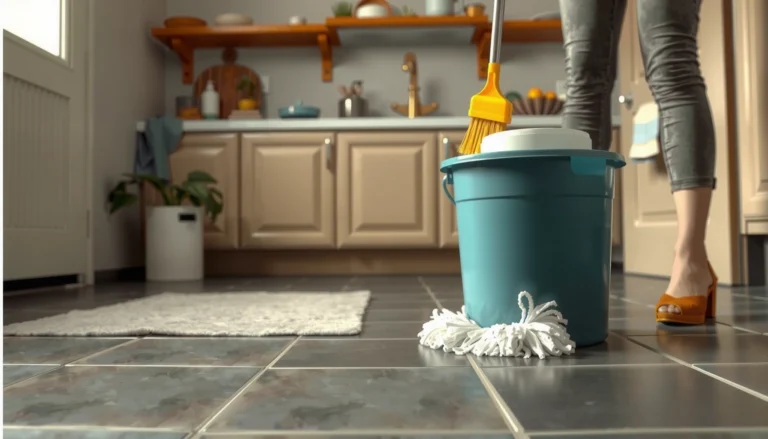
You protect laminate balcony floors by using cleaning tools that remove debris without “wiping” it into the finish. The key difference is avoiding stiff, dry sweeping that drags abrasive particles across the wear layer.
– Dry sweeping with a stiff broom often scratches—use a soft-bristle broom or vacuum with a hard-floor setting and a brush head designed for hard surfaces.
– Only mop with a well-wrung microfiber and manufacturer-recommended products—too much water can harm laminate edges and the finish.
– Spot-clean promptly after watering spills: wipe up quickly so grit doesn’t turn into sandpaper-like residue.
If your balcony laminate floors see wind-blown sand, treat cleaning like “abrasive removal,” not “surface polishing.” According to the USGS, sand grains fall roughly between 0.0625 mm and 2.0 mm, which is large enough to behave like miniature, rigid particles when swept. Meanwhile, EPA data shows PM10 particles are ≤10 micrometers and PM2.5 are ≤2.5 micrometers—these fines can cling to damp footwear and settle into seams if moisture is present.
USGS describes sand as having grain sizes from about 0.0625 mm to 2.0 mm, supporting why sand can scratch laminate finishes when carried across the surface.
EPA notes PM10 includes particles with aerodynamic diameters of up to 10 micrometers, and PM2.5 includes particles up to 2.5 micrometers—fine grit can still transfer onto laminate balcony floors.
Using manufacturer-recommended laminate cleaners and avoiding excessive water helps prevent edge swelling and finish degradation associated with moisture exposure.
Tool choices that reduce scratches (and haze)
Here’s a practical comparison you can use while deciding how to clean laminate balcony floors safely:
| Method | Scratch risk | Moisture risk | Best when |
|---|---|---|---|
| Vacuum (hard-floor setting) | Low | Low | Regular daily grit removal |
| Soft-bristle broom | Medium | Low | Small debris before it accumulates |
| Dry stiff sweeping | High | Low | Avoid for laminate balcony floors |
| Microfiber damp mop (per specs) | Medium | Medium | When manufacturer allows it |
Reduce point impacts from furniture and balcony items
You stop the recurring “scratch paths” on laminate balcony floors by managing contact points where small forces concentrate. Chair legs, plant stands, and sliding storage pieces create micro-scratching even when they look clean.
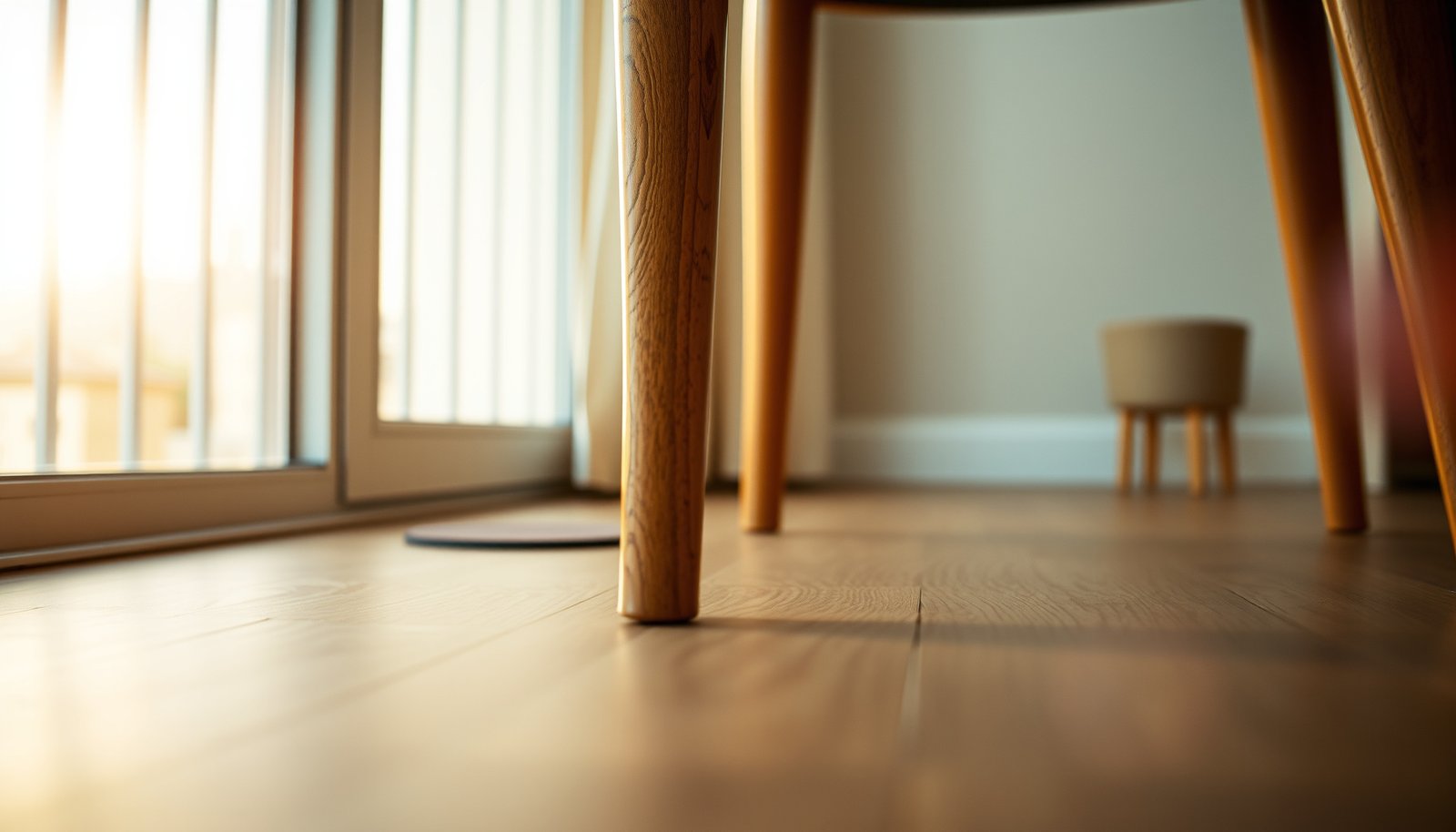
– Add felt pads or floor-protectors to chair legs, small tables, and any stand that drags or shifts; replace them when they wear thin.
– For heavier items (planters, storage boxes), use wider glides to spread load and prevent micro-scratching from movement.
– When moving furniture, lift rather than slide; if you must reposition, put down a protective sheet/floor slider temporarily.
On balconies, these scratch paths often show up right where people naturally pause—near the door threshold, around a seating cluster, or at the “plant watering route.” In my own maintenance notes, the most common culprit is the tiny gap between a worn felt pad and a dusty foot underside, which turns normal movement into controlled abrasion.
Felt or soft glides help reduce point loads and reduce surface abrasion caused by direct contact between furniture feet and laminate flooring.
Replacing worn floor protectors matters because once the protector thins, harder components can contact the laminate finish and scratch it during normal repositioning.
Using a wider glide under heavier items reduces localized pressure, which helps limit micro-scratches from small shifts on laminate balcony floors.
Quick “setup” examples for real balcony layouts
If your balcony has a small bistro set, treat it like a scratch-risk zone:
– Apply felt pads to every leg and the underside of any footrest.
– Place the seating so that moving one chair doesn’t require dragging across the laminate.
– Use a tray or plant saucer to catch runoff so soil and mineral grit don’t become abrasive paste.
If you store items under the balcony seating, remember that dust migrates. Over time, even a clean-feeling storage box can distribute grit onto laminate balcony floors when you lift and set it down.
What can go wrong (and how to avoid it)
You can still damage laminate balcony floors even with good mats and protectors if you miss moisture limits or allow debris to stay trapped. Most failures come from “secondary abrasives” (grit under pads) and standing-water exposure that slowly affects edges and appearance.
– Grit “locks in” scratches: If debris stays under pads or under chair feet, it can grind the finish every time you move the item. Check and clean protectors regularly.
– Water exposure can worsen damage: Even if scratches don’t show immediately, moisture can swell edges or loosen the look/finish over time.
– Finish wear is normal in outdoor conditions: UV, temperature swings, and frequent wet/dry cycles can make laminate more susceptible to scuffing than indoor-only use.
– Wrong products can create haze or texture: Avoid abrasive cleaners or steel wool pads; they can permanently dull the laminate surface.
– Installation-related issues: If the laminate is floating and debris gets trapped at seams, shifting can turn small particles into a scratch source.
Moisture exposure can affect laminate performance over time, so manufacturers commonly warn against standing water and excessive damp mopping unless the product is specifically rated.
Debris trapped at or near laminate seams can be abrasive during movement, especially with floating installations.
Abrasive cleaners and steel-wool-type pads can permanently dull laminate finishes by scratching the top wear layer.
A practical “failure checklist” for laminate balcony floors
If scratches suddenly get worse, look for:
1. Mats that are staying dusty or wet.
2. Worn felt pads (especially after a season of sliding adjustments).
3. Plant runoff that creates gritty residue.
4. Debris at seams near the entry path.
5. Cleaning with stiff brushes or too-wet mops despite being “careful.”
Verdict / tip: the most reliable fixes (and who should skip this)
If you want the biggest scratch reduction on laminate balcony floors, do these three actions: (1) use a grit-capturing mat at the entrance, (2) protect every contact point with felt/soft glides, and (3) clean with vacuum/soft tools instead of dry, stiff sweeping. Those steps address the most common balcony scratch causes: sand/grit plus dragging contact points.
Downsides / limits: This won’t fully prevent scratches if your balcony exposes the floor to heavy sand, constant movement, or frequent standing water. If your laminate manufacturer doesn’t approve your balcony conditions, consider a safer balcony flooring option instead of relying on scratch prevention.
Skip (or proceed only after checking specs) if:
– Your laminate is not rated for exterior exposure or higher humidity cycles.
– You expect frequent standing water from irrigation, drainage issues, or storms.
– Your floor is already damaged at edges/seams (repairs may be needed before prevention helps).
Entry matting and soft-contact protection are core scratch-control strategies because they reduce the number of abrasive particles contacting laminate surfaces.
Manufacturer approval is the deciding factor for balcony or outdoor use because laminate products vary in their tolerance for moisture and environmental exposure.
Frequently Asked Questions
What’s the best way to prevent scratches on laminate floors in a balcony area?
Start by keeping grit and sand off the laminate floor, since they act like sandpaper. Use a high-quality doormat or indoor-outdoor mat at each entry and consider adding felt pads or a protective rug under frequently moved items like patio chairs. Also avoid dragging furniture across the surface—lift and reposition instead to protect the laminate finish.
How can I protect my laminate flooring from outdoor sand and debris on a balcony?
Place a durable outdoor mat outside the balcony door and a second, softer mat inside to trap sand before it reaches the laminate. Sweep or vacuum regularly with a soft brush attachment to prevent abrasive particles from grinding into the surface. If you see heavy debris after windy or rainy days, do a quick clean before walking on the floor to reduce scratch risk.
How do I stop balcony furniture from scratching laminate flooring?
Attach felt floor protectors to the legs of chairs, tables, and planters, and replace them when they wear down. For heavier items or chairs that slide often, use furniture sliders designed for laminate or add a thin protective rug underneath. Lift furniture for repositioning rather than pushing it, especially when the floor is damp from outdoor cleaning.
Why does laminate flooring scratch more easily on balconies than indoors?
Balcony laminate floors usually face higher exposure to grit, dust, and small stones from shoes, wind, and weather, which can scratch the top wear layer. Temperature and moisture swings can also make the surface slightly more vulnerable, particularly if the floor isn’t fully protected from spills. Even small abrasions can become more visible as sunlight highlights wear, so prevention matters early.
Which cleaning methods and products are safest for maintaining scratch-resistant laminate on a balcony?
Use a microfiber mop or a vacuum with a soft roller attachment, and avoid abrasive scrubbers that can damage the laminate finish. Clean with a laminate-floor cleaner that’s recommended for sealed floors, and wipe up spills quickly to prevent residue buildup that can increase friction and scratching. Never use steel wool or harsh scouring powders, and keep heavy water exposure minimal to help preserve the floor’s protective wear layer.
📅 Last Updated: October 24, 2026 | Topic: How to prevent scratches on laminate floors in a balcony? | Content verified for accuracy and freshness.
References
- Laminate flooring
- https://www.armstrongflooring.com/residential/en-us/support/care-and-maintenance/laminate-flooring.html
- MohawkFlooring
- Home – Tarkett Commercial
- D4060 Standard Test Method for Abrasion Resistance of Organic Coatings by the Taber Abraser
- https://scholar.google.com/scholar?q=prevent+scratches+laminate+flooring+felt+pads+doormat Google Scholar
- https://scholar.google.com/scholar?q=laminate+flooring+maintenance+scratch+prevention+abrasion+grit Google Scholar
- https://scholar.google.com/scholar?q=laminate+flooring+outdoor+balcony+moisture+swelling+care Google Scholar