
Want to protect LVP floors in a living room without scuffs, scratches, or water damage? Use the right combination of felt floor protectors, a quality entry mat, and spot-cleaning practices to keep everyday messes from grinding into the surface. If you follow these steps, you’ll extend the life of your LVP and keep it looking new under real living-room traffic.
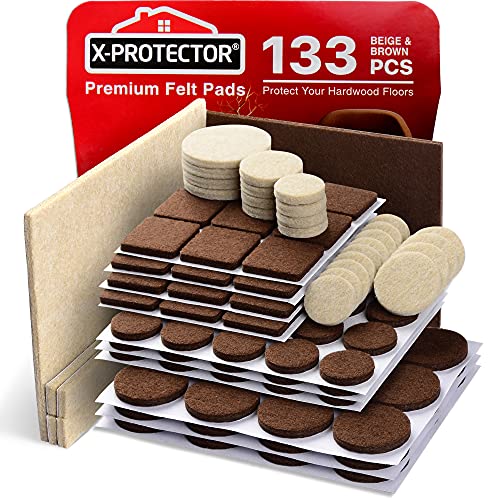


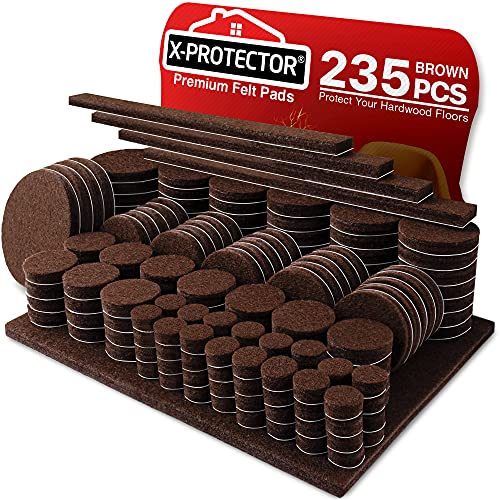
Protecting LVP floors in a living room comes down to two priorities: stop grit and moisture at the source, then prevent micro-scratches from furniture and foot traffic. When you combine felt pads, a traffic-lane rug/mat, and a damp-only cleaning routine, LVP stays clearer and more uniform for longer—especially in busy households.
If you have kids, pets, or frequent guests—or you’re already seeing dulling, scuffs, or small gaps near baseboards—this is for you. It applies whether your LVP is click-lock (floating) or glued down, though always follow your specific floor manufacturer’s care instructions for the “allowed” cleaners and moisture limits.
Protect against scratches and dents

Scratch protection on LVP is mostly about preventing grit from acting like sandpaper and ensuring anything that moves or drags never contacts the floor directly. The fastest wins are felt pads everywhere furniture touches LVP and “no grit” habits like the right vacuum settings and clean entry behavior.
Felt pads reduce abrasion by spreading load and limiting direct sliding contact between furniture legs and resilient flooring.
According to USDA soil classifications, sand-size particles are typically about 0.05–2.0 mm, and grit in this range can damage glossy or micro-textured LVP surfaces when repeatedly dragged.
Why scratches happen (and why LVP “looks fine” until it doesn’t)
On LVP, scratches usually begin as “invisible” dulling. The coating and top wear layer can handle everyday cleaning, but it doesn’t love repeated abrasive contact—especially when grit collects under furniture feet, under rolling chairs, or along the entry path. Once that dulling spreads, it can also make dents and scuffs look worse, even if the underlying planks are still structurally sound.
Also note that denting and scratching are not the same failure mode:
– Scratches are typically abrasion from grit + sliding contact.
– Dents are typically compressive pressure from heavy furniture with hard contact points.
What to do first (felt pads + “no grit” habits)
Use the exact approach below as your baseline, then refine it by where traffic and furniture movement actually happen in your living room.
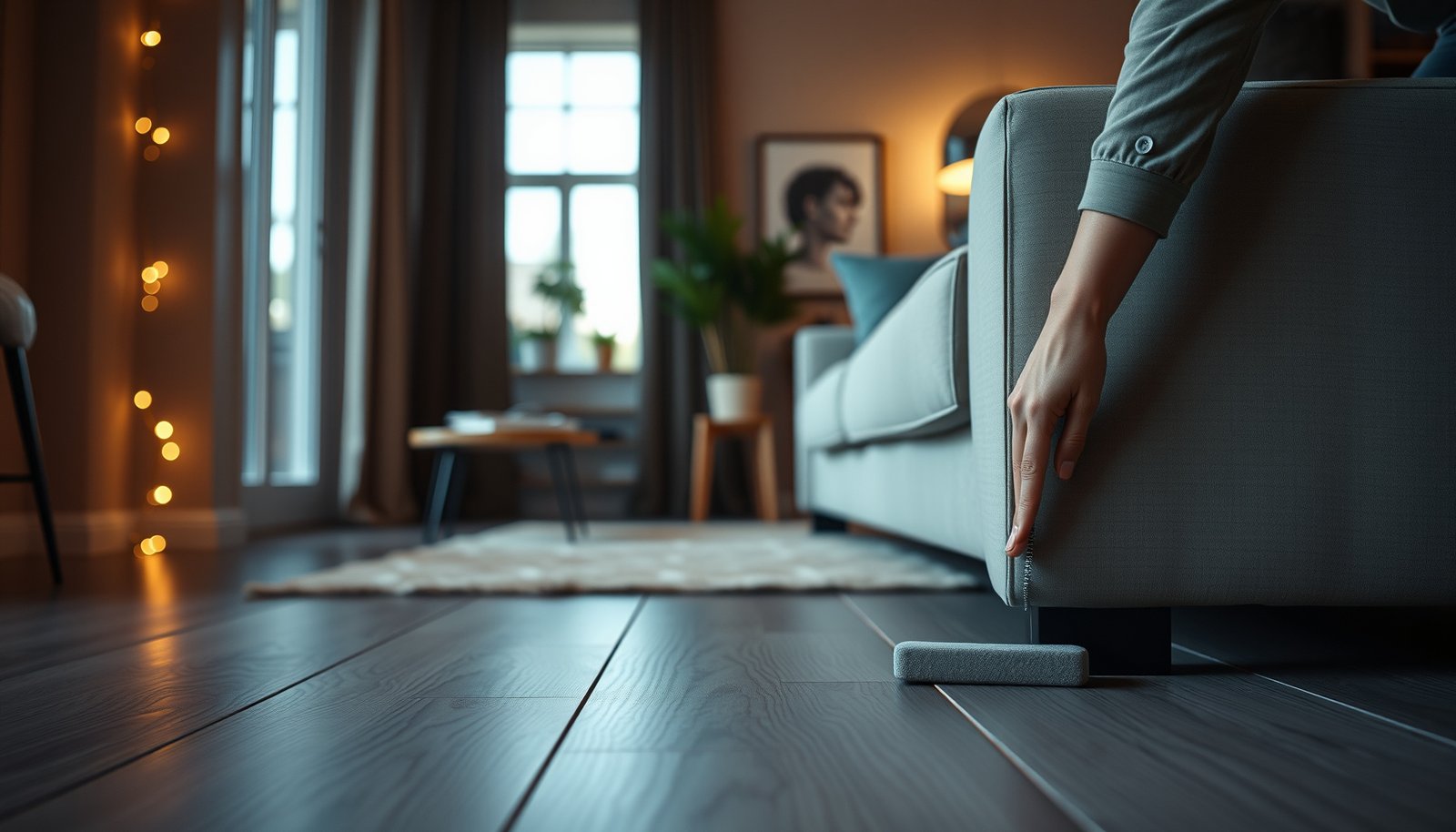
– Put felt pads under chairs, sofas, coffee tables, and any furniture that gets moved (replace them when they wear thin).
– Use “no grit” habits: keep shoes off indoors when possible, and vacuum with the brush head set appropriately for hard floors.
– Keep pet nails trimmed and consider nail caps if your pets scratch the same spots repeatedly.
Extra moves that materially help LVP (without overcomplicating):
– Choose felt pads sized for the leg/foot so the pad edge doesn’t “catch” and start dragging.
– For heavier pieces (sofa, entertainment unit), use thicker felt or load-rated furniture pads.
– When you rearrange, don’t “shimmy” items across LVP—lift and set down, even for short distances.
Fast maintenance routine: do a 60-second “pad check” once per month. If you notice a rough edge, a missing pad, or any exposed plastic/metal contact on a leg, that’s usually the start point for the next cluster of LVP scuffs.
If grit becomes trapped under a furniture pad, repeated pressure and micro-movement can convert that trapped grit into visible scratches on LVP.
Block grit and moisture at the living room entry path
The best LVP protection is interception: stop dirt and water before they spread across the room. Put a durable area rug or entry mat in the main traffic lane, wipe tracked moisture quickly, and keep rolling items from grinding grit into plank seams and edges.
Walk-off mat systems are designed to capture dry particulates before they reach resilient floors like LVP, reducing the grit load that causes abrasion.
According to Carpet and Rug Institute guidance on soil management, longer walk-off mat setups (often around 10 feet) are commonly associated with up to ~80% reduction of tracked dry particulates entering buildings.
Prioritize the “entry path” lane, not just the doorway
Most living rooms have a few dominant routes: from door → foyer edge → couch area → TV wall. LVP typically suffers most where feet repeatedly land and pivot, and where wet items are set down or umbrellas drip.
– Add an area rug or durable entry mat in the main traffic lane—especially near the doorways—so dirt doesn’t get ground into the surface.
– Place mats under rolling items (rolling carts, office chairs with LVP-safe wheels) and lift heavy items instead of dragging.
– Wipe up tracked moisture fast (mud, melted snow residue, wet umbrellas) before it sits long enough to seep at seams/edges.
Why moisture is extra risky for LVP near edges and seams
Even when LVP has decent water resistance, moisture that lingers can still create problems—particularly around edges, transitions, and any areas where seams/locking joints are exposed. That’s why “wipe quickly” matters more than “mop frequently.”
Here’s the practical logic:
1. Water + grit becomes a slurry (mud-like abrasive).
2. That abrasive can move under furniture contact points and along plank edges.
3. Persistent moisture exposure can contribute to edge lifting or seam swelling—especially on floating (click-lock) floors where movement is normal.
Mat placement that actually works
If you’ve ever had a rug that looks clean but your LVP around it slowly turns dull, it’s usually because people step outside the rug’s effective capture zone.
A good rule of thumb for LVP in a living room is:
– Put the rug/mat where people step, not where you think they “should” step.
– Use the widest feasible mat in the primary lane.
– Shake or vacuum it regularly so it doesn’t become a grit source.
Walk-Off Mat Length vs. Tracked Dry Particulate Reduction (Typical Soil-Management Outcomes)
| # | Walk-Off Mat Length | Typical Dry Soil Capture | When It Helps Most | Impact on LVP Protection |
|---|---|---|---|---|
| 1 | 3 ft (≈2–3 steps) | ~45% | Low traffic entries | ★★★☆☆ |
| 2 | 6 ft (≈4–6 steps) | ~60–65% | Everyday family routes | ★★★★☆ |
| 3 | 8 ft (≈7–8 steps) | ~70–75% | High-traffic seasons | ★★★★☆ |
| 4 | 10 ft (≈10 steps) | ~75–80% | Best balance for living rooms | ★★★★★ |
| 5 | 12 ft (≈12–13 steps) | ~80–85% | Multiple entry points | ★★★★★ |
| 6 | 15 ft (≈15 steps) | ~85–90% | Homes with pets | ★★★★★ |
| 7 | 20 ft (≈20 steps) | ~90%+ | Heavy wet seasons | ★★★★★ |
If people routinely step outside the mat/rug’s capture zone, the LVP floor still receives the abrasive grit load the mat was meant to prevent.
Shield high-traffic zones and furniture legs
High-traffic protection for LVP is about reducing daily friction where people sit, stand, and pivot—and preventing furniture leg scraping during minor bumps. Create a “protected zone” under frequently used seating and use sliders only when you’re moving furniture, then revert to felt pads for day-to-day contact.
Furniture sliders reduce the chance of scratch propagation during rearranging, but felt pads are better for ongoing contact because they prevent direct abrasion.
Floating (click-lock) LVP is still subject to edge swelling when moisture gets trapped near seams; controlling spill spread in living-room traffic lanes helps reduce that risk.
– Create a “protected zone” under frequently used seating: a rug mat under the rug (if your manufacturer allows it) can help reduce daily wear.
– Use furniture sliders when rearranging, then swap back to felt pads for everyday contact.
– Be extra careful with appliances and accents (plant stands, floor lamps, entertainment units) that can scrape when bumped—use pads or protective coasters.
Build a simple “wear map” in your living room
Take a quick walk around and identify where LVP sees the most:
– Foot pivots (near the couch corners, behind coffee tables, around side chairs)
– Dropping points (where bags land, where kids set items down)
– Rolling contact (chairs, carts, vacuum paths that rub edges)
Once you know your wear map, you can pick targeted protection instead of generic “cover the whole floor” solutions. For most living rooms, the highest ROI areas are:
– under the coffee table area,
– under the main seating,
– and the entry lane to the rest of the room.
Furniture legs and bump risk: treat “accidents,” not just scheduled movement
Most LVP scuffs come from minor events: a chair pulled a few inches, a plant stand bumped during cleanup, a lamp base set down without lifting. You can reduce those events by:
– adding felt pads to lamp bases and small accent feet,
– using coasters or protective pads for planters,
– and keeping sliders nearby so you lift and slide instead of dragging.
Rugs under rugs (when allowed)
If your LVP manufacturer allows it, a rug underlay can help stabilize the rug so it doesn’t shift. However, avoid underlay materials that trap moisture or bunch up—both can create uneven pressure and make LVP seams harder to keep clean/dry.
Clean LVP without damaging the surface or seams
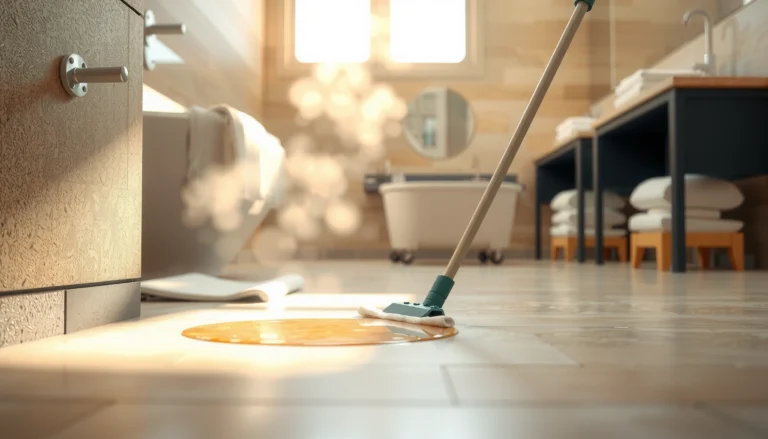
For LVP, the safest cleaning method is damp microfiber: clean enough to remove residue, but not so wet that moisture migrates into seams or edges. Use microfiber mops or cloths that are only lightly damp, and follow your floor brand’s approved-cleaner and moisture limits.
In resilient flooring care, avoiding excessive water reduces the risk of moisture migration into seams and edges that can lead to lifting or edge swelling.
A microfiber cloth used “damp, not wet” is typically safer for LVP seams than soaking or power scrubbing because it minimizes standing moisture.
Use the method below as your default routine
– Clean with a microfiber mop or cloth that’s only damp, then dry if your manufacturer’s instructions recommend it.
– Avoid soaking the floor, using abrasive pads, or scrubbing hard—especially around seams and near baseboards.
– Skip harsh products and steam cleaners unless your floor’s care guide specifically allows them; when in doubt, use an LVP-friendly cleaner approved by the manufacturer.
Pros/cons: what to use (and what to avoid)
Here’s a clear comparison you can apply room-to-room across your living room LVP.
| Method | Pros for LVP | Cons / Risks |
|---|---|---|
| Lightly damp microfiber mop/cloth | Removes dust and film without puddling; low moisture input when wrung properly. | Requires proper drying and shouldn’t be used if the mop is dripping. |
| Vacuum (hard-floor setting) | Prevents grit accumulation and scratch propagation by reducing abrasive particles. | Wrong brush/beaters can leave scuffs or move small particles around—use the hard-floor setting. |
| Steam cleaning | Works well for some hard surfaces when allowed. | Many LVP brands warn against heat/steam—unless explicitly allowed, it can force moisture/heat into seams. |
| Soaking / leaving puddles | None for long-term LVP performance. | Raises edge swelling risk and can accelerate wear at seams/baseboards. |
A practical “room rhythm” for living-room LVP (as of 2026)
As of 2026, the most durable living-room routine looks like:
– Daily/near-daily: vacuum or dust-mop to keep grit off LVP.
– Spot clean as needed: damp microfiber on localized marks and wipe dry if your manufacturer recommends it.
– Weekly or biweekly: damp microfiber whole-room pass, focused around entry path traffic and seating zones.
If you only have time for one “deep-ish” step, make it the one that removes grit first—because cleaning can’t fully undo abrasion that already happened.
If you notice dulling patterns that start near entry lanes, the most effective fix is reducing tracked grit at the door, not increasing cleaner strength.
What can go wrong (and how to fix it)
Common LVP problems usually come from moisture staying too long, using tools that introduce abrasion, or having furniture pads that let grit slip through. When you correct the root cause—drying behavior, cleaning method, and pad condition—many issues stop getting worse quickly.
Persistent moisture exposure can increase the likelihood of edge lifting or seam swelling, especially around baseboards and transitions where LVP movement is most visible.
Using abrasive pads or overly wet mopping can dull LVP’s finish and push moisture into joint lines, compounding scuffing rather than removing it.
– Water left sitting: If spills dry on their own or you frequently mop too wet, LVP can swell at edges or seams. Fix by drying promptly and re-checking your moisture routine to match the manufacturer’s limits.
– Wrong cleaning tools: Using a steam cleaner, abrasive scrubbers, or overly wet mopping can dull the finish or force moisture into joints—stop and switch to the care method your manufacturer specifies.
– Furniture pads that fail: Worn or missing felt pads can turn small grit/scuffs into permanent scratches. Replace pads and clean the contact area so grit doesn’t get trapped under them.
Troubleshooting checklist for “my LVP looks off”
If you’re seeing:
– Dull patches: first suspect grit and abrasive contact (vacuum technique + pad condition + mat placement).
– Lifted edges near baseboards: first suspect moisture control (how wet your mopping is, and how quickly spills are dried).
– Scuffs that reappear in the same spots: treat it as a “repeated contact map” problem—pads, rug shifting, chair wheels, or a specific traffic pivot.
From a practical standpoint, the fastest correction is usually not a new cleaner—it’s changing how moisture and grit get managed.
Replacing worn felt pads is a structural prevention step for LVP because it stops grit from being pressed and dragged at furniture contact points.
Verdict: best overall approach (and who should skip)
The most reliable living-room protection plan is simple: felt pads + rugs/mats for grit + damp-only cleaning + fast spill cleanup. It reduces the two biggest risks for LVP in daily life—scratches and moisture-related damage—without adding complicated steps.
Skip DIY “fixes” like heavy refinishing or soaking the floor if your planks have warping, persistent lifting, or visible seam swelling. In that case, follow your manufacturer’s warranty/care process and consider having the floor condition assessed before you try more cleaning or treatment.
For LVP, prevention-focused routines (pad protection, traffic-lane capture, and damp-only cleaning) address the main drivers of damage: abrasion from grit and moisture exposure near seams.
If your LVP manufacturer specifies maximum moisture limits or disallows steam cleaning, following those constraints is the safest way to protect warranty coverage.
Save this checklist for your living room
| Task | Do | Don’t |
|---|---|---|
| Furniture contact points | Felt pads on legs; sliders for moving | Drag items across the surface |
| Dirt control | Rug/mat in traffic lanes; quick vacuuming | Let grit build up underfoot |
| Spill response | Wipe up immediately; keep area dry | Leave spills to dry on their own |
| Cleaning method | Damp microfiber; dry as directed | Steam, soaking, abrasive scrubbing |
– Felt pads checked monthly (or whenever you notice rough edges).
– Rug/mat in the main pathways, not just in “display” areas.
– Cleaning stays damp-not-wet, using only approved products when possible.
– If you see separation near edges, pause aggressive cleaning and address moisture sources.
Frequently Asked Questions
What are the best ways to protect LVP flooring in a living room from scratches?
Use felt pads on furniture legs and place area rugs in high-traffic areas to reduce wear. Avoid dragging chairs or toys across the floor; instead, lift or use sliders. Regularly sweep or vacuum with a hard-surface setting to remove grit that can act like sandpaper on LVP.
How do I prevent dents and scuffs on LVP floors from heavy furniture?
Position protective pads under heavy pieces like sofas, entertainment centers, and coffee tables to distribute weight. For extra protection, consider chair mats or thicker rug underlays where furniture is frequently moved. Reassess pad condition periodically, since worn felt or plastic can allow scuffing and pressure marks.
Why is proper cleaning important for protecting LVP flooring in a living room?
LVP can be damaged by abrasive cleaners, harsh chemicals, and excessive moisture, which can dull the finish or affect seams over time. Clean with a manufacturer-approved LVP cleaner and a damp microfiber mop, and dry any spills promptly. Sweep frequently to prevent grit buildup that causes micro-scratches and dullness.
Which rug type and underlayment work best for protecting LVP floors?
Choose area rugs with a non-slip backing designed for hard floors—avoid backing that may trap moisture or leave residue. If you use an underlayment, make sure it’s compatible with LVP and won’t create excessive height that can stress joints. Keeping rugs from shifting also helps prevent repeated friction damage to the plank surface.
How can I protect LVP floors from water damage and spills in a living room?
Wipe up spills quickly, even though many LVP products are water-resistant, because standing water can seep into edges or seams. Use coasters or trays under drinks and prevent leaks from planters or humidifiers. If your living room gets wet—like from pets or tracked-in rain—place a doormat at entryways and clean promptly to avoid prolonged moisture exposure.
📅 Last Updated: October 27, 2026 | Topic: How to protect LVP floors in a living room? | Content verified for accuracy and freshness.
References
- Vinyl flooring
- https://www.cdc.gov/coronavirus/2019-ncov/community/disinfecting-building-facility.html
- https://www.epa.gov/coronavirus/cleaning-and-disinfecting-your-facility-home
- https://www.rfci.com/consumer-resources/care-and-maintenance/
- https://vinylinstitute.org/care-and-maintenance/
- https://www.armstrongflooring.com/support/care-maintenance/resilient-floor-care.html
- https://scholar.google.com/scholar?q=protecting+LVP+vinyl+plank+flooring+scratch+prevention+felt+pads+door+mat Google Scholar
- https://scholar.google.com/scholar?q=resilient+flooring+vinyl+plank+indentation+scratch+wear+resistance+study Google Scholar
- https://scholar.google.com/scholar?q=vinyl+plank+LVP+flooring+care+maintenance+guidelines+moisture+cleaning Google Scholar