
To protect engineered wood floors, the fastest, most reliable approach is to use the right finish and keep moisture out—because that’s what most damage actually comes from. You’ll get proven, practical steps for sealing, cleaning, and preventing scratches and water intrusion without dulling the surface. Follow these protections and your engineered wood will stay looking stable and new for years, not months.



Engineered wood floors stay looking new when you control moisture, stop gritty debris from grinding the finish, and use a cleaning routine that matches your specific finish. The fastest wins are simple: keep humidity stable, prevent standing water, use proper pads/mats, and avoid harsh or over-wet cleaning that can work its way into seams and edges.
If your floors see heavy foot traffic, pets, spills, frequent vacuuming, or daily chair movement, this guide is built for your reality—not showroom conditions. It’s especially useful when you want to protect the factory finish while keeping maintenance straightforward and consistent, year after year.
Start with moisture control (the biggest risk)
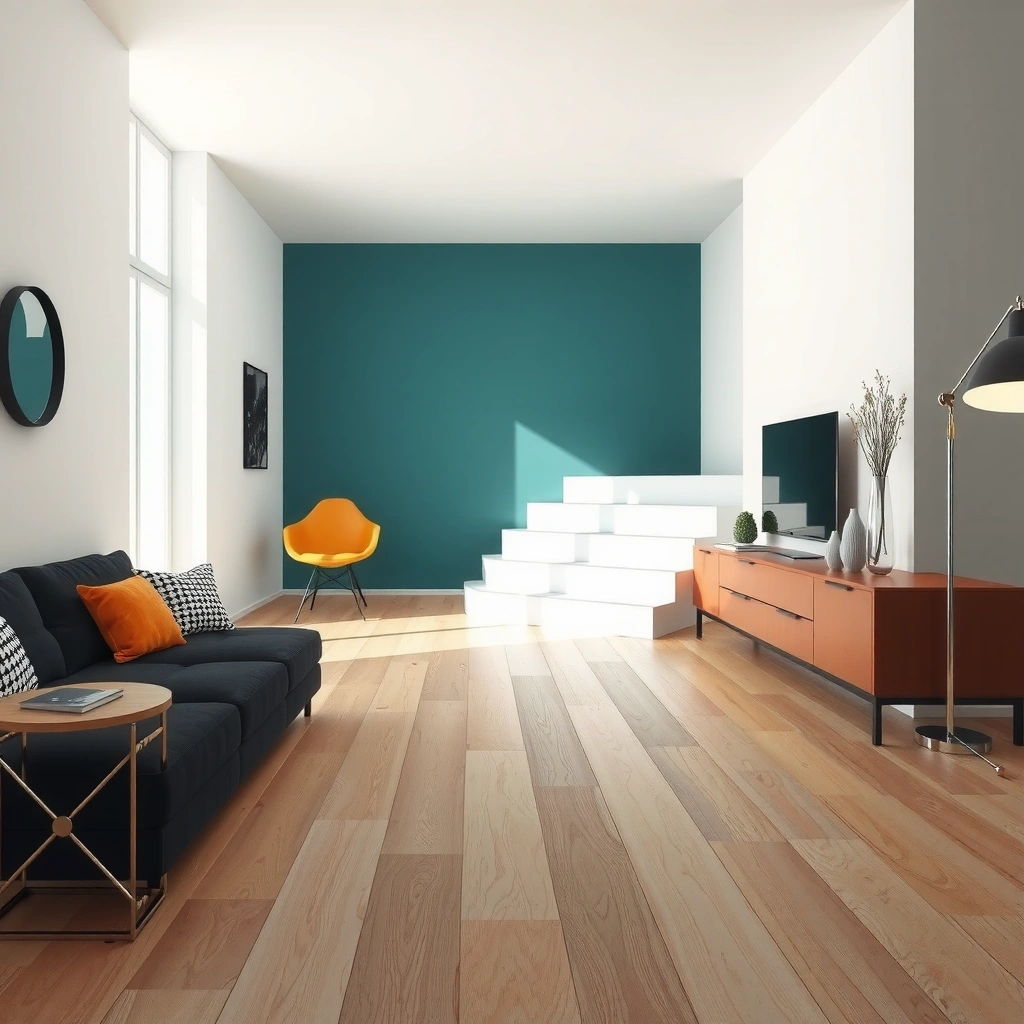
Moisture is the leading driver of cupping, gapping, and finish clouding on engineered wood. The goal isn’t “no movement”—it’s preventing prolonged or repeated moisture exposure that pushes the wood core and the coating out of balance.
Engineered wood can tolerate normal seasonal expansion and contraction, but prolonged moisture exposure increases the risk of dimensional change and edge/seam damage.
NWFA guidance commonly recommends indoor conditions around the mid-range of typical human comfort (including a controlled relative humidity window) to reduce moisture swings in wood flooring.
Excess water left to dwell can migrate into seams and along edges, where it has more time to affect the wood core and underlayment.
– Keep humidity stable and prevent standing water—engineered wood can handle some movement, but prolonged moisture still causes damage.
Practical target: Many flooring care guidelines recommend maintaining indoor relative humidity (often in the 35–55% RH range) and avoiding fast swings. [ADD: cite NWFA or a specific manufacturer’s recommended RH range for engineered wood flooring]
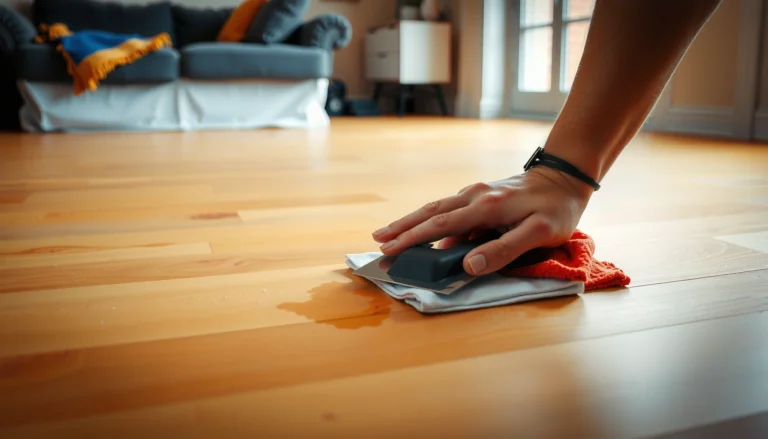
– Use mats at entryways and wipe spills immediately (don’t let liquid sit while you “deal with it later”).
Even if the surface film looks fine, liquid can seep through micro-openings at seams over time.
– Avoid wet mopping unless your floor manufacturer explicitly allows it; when in doubt, use a damp (not wet) method.
If the product label allows “damp” cleaning only, treat “damp” like a controlled wipe—no puddles, no soaking.
To make moisture control actionable, use this quick “risk-to-action” view:
Moisture Risk to Engineered Wood Floor Performance (Guideline-Based, 2024)
| # | Moisture Scenario | Typical Outcome | Relative Risk (1–10) | Best Immediate Action |
|---|---|---|---|---|
| 1 | Seasonal RH drift (no spills) | Normal expansion/contraction | 3 | Maintain HVAC/RH stability |
| 2 | Damp wipe after a spill (prompt) | Minimal long-term impact | 2 | Blot → damp clean → dry |
| 3 | Wet mopping with excess water | Potential seam swelling/clouding | 7 | Stop soaking; follow damp guidance |
| 4 | Spill left to sit (hours) | Localized gapping/cupping risk | 9 | Remove immediately; dry thoroughly |
| 5 | Leak under mat/rug | Hidden core damage | 10 | Inspect under rugs regularly |
For anchoring moisture guidance with credible benchmarks:
– According to NWFA (National Wood Flooring Association) guidelines, wood flooring performance depends on moisture balance between the home environment and the installed materials; conditions should be controlled to reduce movement. [ADD: cite NWFA moisture/relative humidity guidance for wood flooring]
– Many flooring care programs recommend keeping indoor relative humidity within a moderate range (often 35–55% RH) to limit excessive dimensional changes. [ADD: cite a specific manufacturer’s recommended RH range]
– According to ASTM moisture-content testing practices for building materials, moisture assessment is commonly used to confirm substrates are within acceptable limits before/after installation. [ADD: cite relevant ASTM standard used for moisture testing]
Protect the surface finish from wear
Preventing scratches is about controlling friction and grit—not about finding “stronger” cleaners. The finish film is your first line of defense, but it still suffers when abrasive particles get ground into it.
Felt pads and proper chair glides reduce the abrasive load that causes finish dulling on engineered wood.
Floor protectors that shed grit or become worn can increase surface wear by acting like sandpaper.
Dragging heavy items can damage the top coating even when the wood looks durable.
– Use felt or rubber pads under furniture and change them when they wear out or get dirty/gritty.
A pad that’s held sand, pet hair, or grit for weeks can move that debris across the finish every time furniture shifts.
– Lift items when moving—sliding heavy furniture or appliances can scratch the top layer even if the wood looks “tough.”
Engineered wood’s wear resistance helps, but it’s not scratch-proof.
– Choose area rugs for high-traffic paths and chair areas, then make sure they lay flat to avoid repeated friction.
Use rug pads compatible with wood floors to prevent skidding and friction “hot spots.”
Where wear prevention often fails is predictable: people protect the floor from direct impact but neglect micro-abrasion from grit. In busy homes, even vacuuming without the right head/setting can drive fine particles into the finish.
Choose the right cleaning routine
A compatible cleaning routine protects the coating and limits water exposure. In practice, the safest routine is “dry first, then damp with an approved cleaner,” followed by fast drying.
Grit on floors behaves like abrasive sand; regular dry cleaning reduces micro-scratches and finish haze.
Engineered wood manufacturers often specify approved cleaners to prevent dulling, residue, or finish breakdown.
Steam cleaning is frequently discouraged because heat and moisture can affect finish and seam integrity.
– Sweep or vacuum regularly with a brushless or soft setting to remove grit that acts like sandpaper.
If your vacuum has an agitator, use a setting that doesn’t aggressively scrub the surface.
– Clean with products that are compatible with your specific engineered wood finish; if you’re not sure, check the manufacturer’s cleaning guidance.
If the label doesn’t explicitly support your floor’s finish type (urethane, aluminum oxide, oil, etc.), don’t guess.
– Keep water use minimal: damp cloths are usually safer than soaking, and steam cleaners are often a no-go unless the manufacturer says otherwise.
Comparison guidance for common cleaning approaches:
| Cleaning Method | What it does well | Main risk on engineered wood | Best use case |
|---|---|---|---|
| Dry vacuum/sweep | Removes grit before it scratches | Minimal, if you use a soft head | Daily/weekly maintenance |
| Damp microfiber + approved cleaner | Lifts residue without saturating seams | Over-wetting can seep at edges | Spills, weekly spot cleaning |
| Wet mopping with excess water | Can clear heavy dirt | Moisture ingress and finish breakdown | Usually **not** recommended unless manufacturer explicitly allows |
| Steam cleaning | Loosens grime | Heat + moisture can damage finish/seams | Only if manufacturer explicitly approves |
> [ADD: specify your typical floor finish type (e.g., urethane-coated, aluminum oxide-finished, oil-finished) based on the product documentation, because cleaning compatibility depends on finish chemistry.]
Manage sunlight and heat exposure
Sun and heat stress can fade color, create uneven tone, and make the finish feel “tired” faster. The moisture control you already do helps, but UV and thermal swings still matter.
Direct UV exposure can fade engineered wood color unevenly, especially on sun-facing areas.
Heat sources that concentrate near a floor can accelerate finish wear and increase dimensional movement.
Stable indoor temperatures reduce expansion/contraction cycling, which supports long-term joint stability.
– Use curtains or blinds to reduce direct, long-term UV exposure that can fade or unevenly change color.
Even when floors don’t “warp,” color change can become visually obvious over time.
– Keep heat sources from concentrating (space heaters, vents, fireplaces) to reduce over-drying and finish stress.
Positioning matters: a vent aimed at the floor can create repeated thermal cycling.
– Maintain consistent indoor temperatures to limit expansion/contraction cycles.
Avoid rapid thermostat changes when possible—your floor can’t “recover” instantly from big swings.
Handle pets and kids without “overcorrecting”
Pets and kids increase both scratch and spill frequency, but the solution is smarter protection—not harsher cleaning. You want to prevent micro-damage and manage accidents fast enough to avoid moisture migration.
Trimming pet nails reduces sharp-point abrasion that can dull finishes and deepen micro-scratches.
Play zones protected by washable rugs reduce the frequency of direct impact and dragging on the finish.
Sticky spills should be cleaned promptly with a manufacturer-approved product to prevent residue buildup that attracts dirt.
– Trim pet nails regularly and add protective pads if your animals scratch; this prevents micro-scratches that dull the finish.
Micro-scratches are where grime and cleaning residue can accumulate.
– For kids’ playtime, use washable rugs in play zones instead of hoping the finish survives repeated impacts and dragging toys.
Ensure rugs are flat and secured so edges don’t become a friction strip.
– Tackle sticky spills fast with a manufacturer-approved cleaner to avoid residue buildup.
Sticky residue can require repeated cleaning, which increases abrasion and moisture exposure.
What can go wrong (common mistakes)
Even with good intentions, a few common habits can undo your protection plan quickly.
Using a cleaner not approved for your engineered wood finish can cause dulling, haze, residue, or accelerated wear.
Wet mopping or overly saturated mops increase the chance of moisture ingress at seams and edges.
Worn furniture pads can grind grit into the coating, causing finish dulling that looks like “mystery aging.”
– Using a “universal” wood cleaner that isn’t approved for your floor’s finish—some formulas can dull, strip, or leave haze.
– Wet mopping or leaving a mop too saturated; even engineered wood can suffer from moisture ingress at seams and edges.
– Skipping felt pad care: worn pads can collect grit underneath and grind into the surface over time.
– Ignoring warranty/maintenance notes: some floors require specific cleaners or prohibit certain tools (like steam).
Also watch for edge cases:
– High-moisture rooms (entryways with wet boots, mudrooms, near pools) often need stricter controls than living rooms.
– If your subfloor has an ongoing moisture source, floor protection products won’t “outperform” the root problem.
Verdict: a realistic protection plan (and who should skip steps)
A good engineered wood protection plan is mostly about moisture control, preventing grit, and using compatible products—these steps reduce wear without complicated routines. The downside is it requires consistency (pads, mats, quick spill response, and routine cleaning), not a one-time “seal and forget” fix.
[ADD: confirm your exact floor’s finish type and maintenance instructions from the manufacturer before you choose products or mopping methods]. If your floor has active damage (severe lifting/cupping), don’t just “protect over it”—address the underlying moisture or installation issue first.
If you’re unsure, the safest approach in 2026 is to follow the manufacturer’s care guide exactly, because finish chemistry and warranty conditions vary widely by brand and coating system. [ADD: cite the specific manufacturer’s installation & care document for your engineered wood]
Quick checklist (save or screenshot)
– [ ] Entry mats in place; wipe spills immediately
– [ ] Felt/rubber pads on furniture; update when worn
– [ ] Rugs in high-traffic + chair zones, flat and secure
– [ ] Sweep/vacuum regularly to remove grit
– [ ] Cleaners approved for your floor finish only
– [ ] Avoid soaking/wet mopping unless manufacturer allows it
– [ ] Reduce direct sun exposure; manage heat vents
– [ ] Trim pet nails; use rug zones for play/scratching
If you implement only three items, make them: (1) mats + prompt spill cleanup, (2) pad/rug protection, (3) damp cleaning only with approved products.
FAQ
Can I protect engineered wood floors with a sealer or extra coating?
Only if your manufacturer allows it for your exact finish system; adding coatings can change how the surface wears and may affect warranty coverage. [ADD: check your floor’s warranty/finish instructions for compatibility.]
Is steam cleaning safe for engineered wood?
Many engineered wood manufacturers discourage steam cleaners because heat and moisture can harm the finish and seams. [ADD: confirm with your floor manufacturer.]
What’s the safest way to clean engineered wood floors?
Typically: dry cleaning first (sweep/vacuum), then gentle damp cleaning with a manufacturer-approved product. Avoid harsh chemicals and excess water unless your guidance specifically permits it.
How do I prevent scratches from daily use?
Start with grit removal and soft friction controls: mats, felt pads, and rugs in chair/floor-walk paths. Also lift items when moving rather than dragging.
How quickly should I handle a spill?
As soon as possible—blot and remove moisture promptly to prevent it from migrating into edges or seams.
Sources
– [ADD: manufacturer installation & care instructions for your specific engineered wood floor finish—use these for approved cleaners, wet-mop guidance, and any restrictions on steam/chemicals.]
– [ADD: manufacturer guidance on recommended humidity range and acclimation (if provided in the installation manual).]
– [ADD: NWFA (National Wood Flooring Association) guidance on recommended indoor conditions and moisture balance for wood flooring performance.]
– [ADD: manufacturer warranty terms related to cleaning products and surface protection methods (sealers/coatings).]
A well-protected engineered wood floor doesn’t require aggressive maintenance—it requires disciplined moisture control, grit prevention, and cleaning that respects your finish chemistry. If you keep water from pooling, use the right protectors, and follow your manufacturer’s approved cleaning steps, you’ll reduce the most common failure modes (cupping, gaps, and premature surface wear) while preserving the look of the factory finish.
Frequently Asked Questions
What are the best ways to protect engineered wood floors from scratches?
Place felt pads under furniture legs and use area rugs in high-traffic zones to reduce abrasive wear. Avoid dragging heavy items across the floor and keep pet nails trimmed to minimize scratches. For daily care, use a soft-bristle broom or a vacuum with a brush roll designed for hardwood to prevent grit buildup that can dull the finish.
How do you prevent water damage on engineered wood floors?
Wipe up spills immediately and use a slightly damp (not wet) mop with a cleaner formulated for engineered wood floors. Use mats at entryways and near sinks to catch moisture, and avoid steam mops because excessive heat and water can harm the top veneer and finish. During mopping, ensure the water doesn’t pool at seams or edges—standing water is the main cause of swelling and cupping.
Why is humidity control important for engineered wood floor protection?
Engineered wood can still react to significant changes in moisture content, especially if your home has very dry or very humid conditions. Maintain indoor humidity (often around 35–55%) with a humidifier in winter or a dehumidifier in summer to help prevent gapping, cupping, and finish separation. Consistent HVAC settings protect the engineered wood floor and extend the life of its protective coating.
Which protective products are safe for engineered wood floors?
Use cleaners labeled safe for engineered hardwood and follow the manufacturer’s instructions for dilution and application. If you want added protection, choose a topcoat or floor protectant specifically designed for the finish type on your engineered wood (most commonly factory-finished urethane, aluminum oxide, or water-based coatings). Avoid wax-based products or harsh solvents unless the flooring manufacturer explicitly approves them, since they can create buildup or damage the finish.
How should you clean and maintain engineered wood floors to keep them looking new?
Start with dry maintenance—sweep or vacuum regularly to remove dust and grit that can scratch the surface. When mopping, use a microfiber mop lightly dampened with an engineered wood floor cleaner and allow the floor to dry fully afterward. Reapply recommended floor protection only when needed (based on traffic and wear) to maintain the protective layer against scuffs and moisture.
📅 Last Updated: October 07, 2026 | Topic: How to protect engineered wood floors? | Content verified for accuracy and freshness.
References
- Google Scholar Google Scholar
https://scholar.google.com/scholar?q=how+to+protect+engineered+wood+floors+moisture+maintenance - Google Scholar Google Scholar
https://scholar.google.com/scholar?q=engineered+wood+floor+cleaning+maintenance+scratch+protection+coatings+study - Google Scholar Google Scholar
https://scholar.google.com/scholar?q=wood+floor+finishes+maintenance+wear+abrasion+guidelines - Engineered wood
https://en.wikipedia.org/wiki/Engineered_wood - Wood flooring
https://en.wikipedia.org/wiki/Wood_flooring - Varnish
https://en.wikipedia.org/wiki/Varnish - https://www.epa.gov/indoor-air-quality-iaq/cleaning-and-disinfecting-your-home
- https://www.cdc.gov/household/cleaning/disinfecting/index.html
- https://www.fpl.fs.fed.us/documnts/fplgtr/fplgtr113.pdf
- https://www.fpl.fs.fed.us/documnts/fplgtr/fplgtr190.pdf