
Prevent slipping on terracotta floors by using the right surface grip: clean thoroughly, dry completely, and apply a terracotta-safe, anti-slip treatment designed for porous tile. Start with a pH-neutral cleaner and avoid waxy residue that makes terracotta slick. Then boost traction with a suitable non-slip sealant or floor product and add high-grip mats in wet-entry zones for immediate, safer footing.


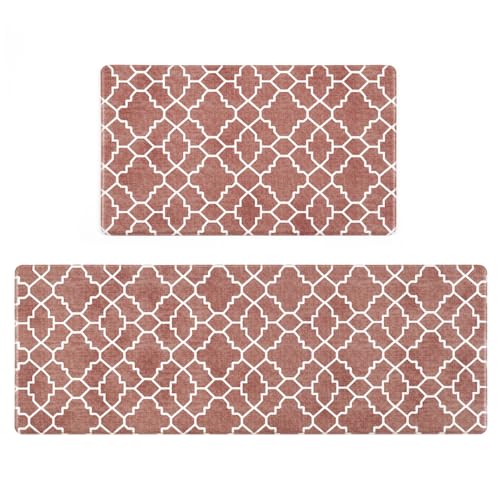

Terracotta floors slip most often due to moisture, worn finishes, or the wrong cleaning method—fix those first. Switch to a pH-neutral cleaner, avoid leaving residue, dry the floor quickly, and add non-slip mats or an approved traction treatment in high-risk areas so the surface grips without looking altered.
If your home has smooth glazed-like patches, frequently gets water (kitchens, bathrooms, entryways), or you’re noticing slick spots after mopping, this is for you. It’s also useful if you want a safer floor that still looks like terracotta—because the safest improvements are usually behavior- and maintenance-based before you change the floor’s chemistry.
Start with the cause: moisture, residue, and finish
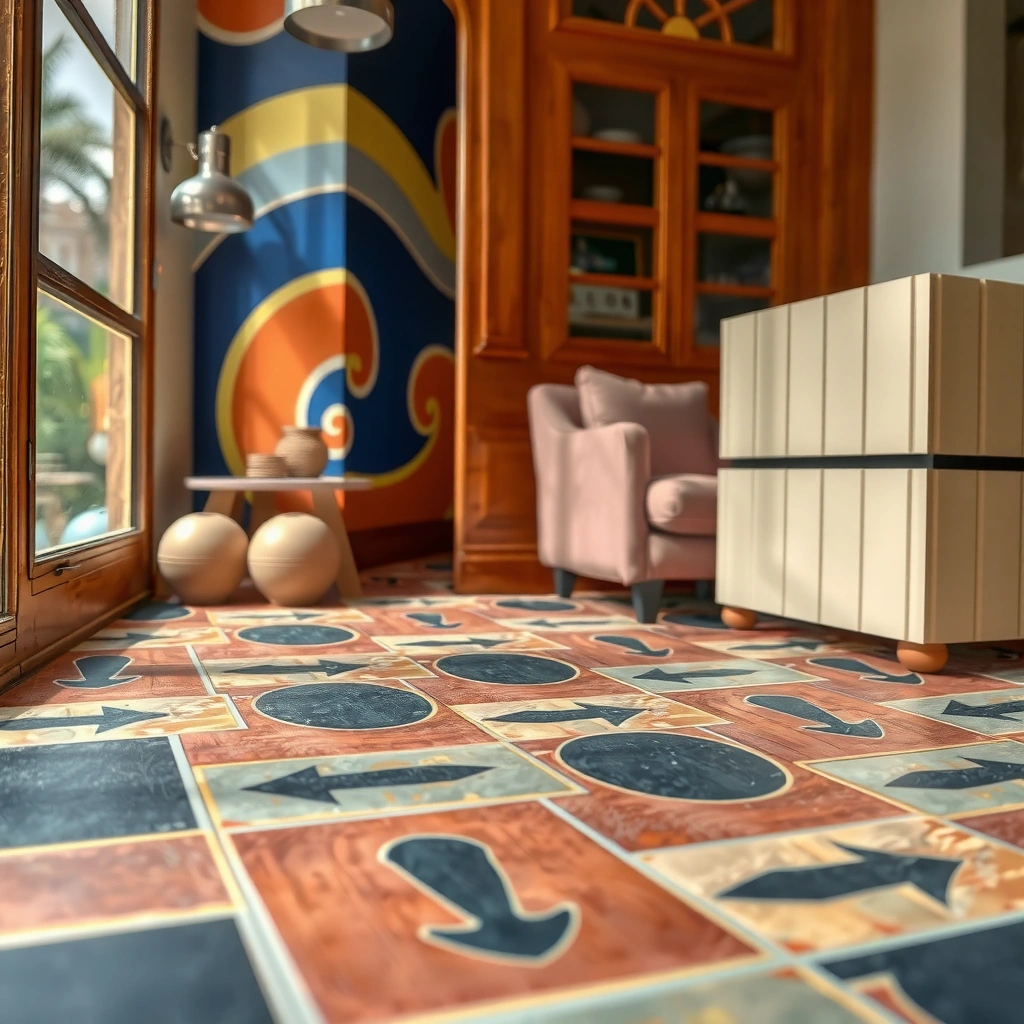
Terracotta becomes slick when moisture sits on top, detergent/wax residue creates a film, or an existing finish loses uniform grip. Start by identifying which category your slip problem fits—because the “right” fix for terracotta depends on whether water or residue is driving the slickness.
Terracotta is porous, so moisture can migrate into micro-pores and linger after the surface looks “dry,” increasing slip risk.
Slickness that appears immediately after mopping is often caused by a cleaning film (soap residue, wax, polish, or rinse-off residue), not the terracotta itself.
If the floor has an aged or uneven seal/finish layer, traction can drop because the top surface becomes less consistent.
Moisture control
Water is the most common trigger in terracotta slip incidents, especially in entryways, bathrooms, and kitchens where feet track in wetness or where cleaning leaves a damp layer. In practical terms, the goal isn’t just “no puddles”—it’s no lingering wetness in grout lines, edges, and high-traffic strips.
– Dry spills fast: Use an absorbent cloth or towel within seconds rather than letting liquid spread across the terracotta.
– Avoid wet mopping: A damp mop is different from an over-wet application—terracotta can hold moisture in pores, then release it as a thin damp film later.
Residue check
Slick spots right after cleaning usually point to residue: soap, detergents, waxes, polishes, or “shine” products that leave a protective layer. Even if the product label sounds compatible with “tile,” terracotta’s surface chemistry can react differently—especially if it’s unsealed or only partially sealed.
– If slickness starts right after mopping, switch to a pH-neutral stone/tile cleaner.
– If the manufacturer’s care instructions recommend it, rinse lightly with clean water after cleaning—then dry promptly.
Finish condition
Finally, check the floor’s finish state. Terracotta may be:
– Unsealed/natural (higher absorption, needs gentle chemistry)
– Sealed (usually easier cleaning, different traction outcomes)
– Recently resurfaced/coated (can be slick if the coating is uneven or degraded)
An older seal can become patchy and uneven. That unevenness can create “glazed-like” slick zones even when the floor isn’t truly glazed.
Data anchor (traction performance): For slip-resistance targets on flooring, many compliance frameworks reference a Dynamic Coefficient of Friction (DCOF) threshold of 0.42 for wet conditions. [ADD: cite ADA/ANSI flooring slip-resistance guidance source] (Use this as a planning reference; your terracotta’s actual DCOF depends on finish, footwear, and surface condition.)
Clean correctly so the floor doesn’t get slippery
Cleaning is where most slip risk is introduced—so your method should remove soil without leaving film. For terracotta, the safe default is a pH-neutral cleaner, damp-mop application, and fast buff-drying to eliminate any residue or moisture left behind.
pH-neutral stone/tile cleaners are recommended because extreme acidity/alkalinity can change surface behavior and increase uneven absorption.
If a floor feels tacky or slippery after cleaning, the issue is commonly a residue film that remains after mopping or incomplete rinsing.
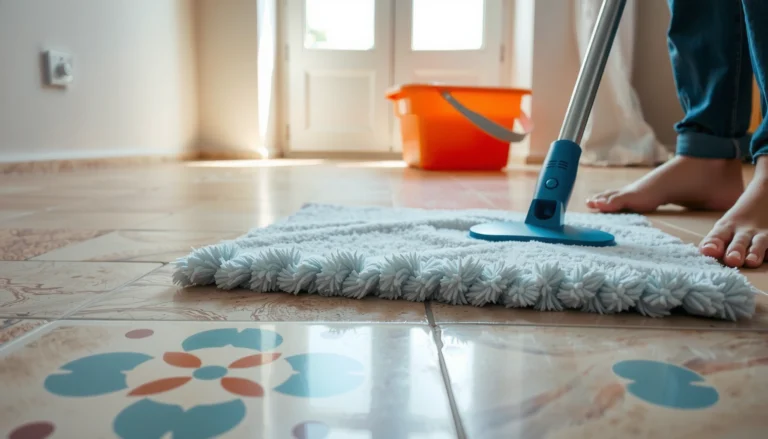
A damp mop followed by microfiber buffing reduces both residual cleaner film and lingering moisture that can cause terracotta to feel slick.
Choose the right cleaner
Use a pH-neutral cleaner made for stone/tile—not harsh detergents or vinegar-based products unless your terracotta/installer explicitly allows it.
– Why “pH-neutral”? Neutral is typically around pH 7, and “neutral range” is often described as about 6–8 in care guidance. [ADD: cite pH range definition source]
– Why avoid vinegar? Household vinegar is acidic, commonly around pH 2–3 depending on concentration. [ADD: cite acetic acid/vinegar pH range source]
Use the right technique
A technique that works well for terracotta is:
1. Damp-mop only (not soaking).
2. Let the cleaner do the work without leaving puddles.
3. Buff dry with a clean microfiber cloth to remove any micro-film.
Key places that trap residue: corners, grout transitions, and areas you revisit with “extra passes.” Those extra passes can build a film layer.
Avoid “shine products”
Some floor waxes and polishes create a high-gloss layer that reads “clean” but behaves “slippery.” Terracotta can be especially sensitive because the surface may be uneven (unsealed or seal-worn). Skip “everyday” shine products unless the label explicitly allows unglazed/terracotta-compatible use.
Cleaning Chemistry vs. Slip Risk on Terracotta (Typical pH & Film Potential)
| # | Cleaner / Type | Typical pH Range | Residue / Film Risk* | Best For | Terracotta Safety Rating |
|---|---|---|---|---|---|
| 1 | pH-neutral stone/tile cleaner (no wax) | 6–8 | Low | Routine cleaning | ★★★★★ |
| 2 | Mild “neutral detergent” without polish | ~7–9 | Medium | Spot soil (small areas) | ★★★☆☆ |
| 3 | Dish soap / surfactants (not stone-specific) | ~7–10 | High (if not rinsed) | Occasional, rinse-required use | ★★☆☆☆ |
| 4 | Vinegar / acetic acid cleaners | 2–3 | Variable | Only if explicitly approved | ★☆☆☆☆ |
| 5 | Ammonia-based cleaners | ~11–12 | Medium–High | Avoid for routine terracotta | ★★☆☆☆ |
| 6 | Bleach/chlorine cleaners | 11–13 | High (surface stress) | Not recommended | ★☆☆☆☆ |
| 7 | “No-rinse” shine/polish products | Often near neutral* | Very High (film) | Avoid on terracotta | ★☆☆☆☆ |
Residue/film risk reflects common formulation behavior (surfactants, waxes, or “shine” polymers). Confirm the exact product formulation with the label and terracotta care instructions. [ADD: cite stone/tile care guidance on film residue and pH-neutral cleaning]
Add traction where slips usually happen
Your fastest traction wins usually come from intercepting water and improving surface grip at the entry points and wet-traffic lanes—before it reaches open terracotta. Mats and runners are low-risk because they don’t chemically change terracotta; they manage moisture and grit where slips begin.
Placing absorbent entry mats reduces tracked-in moisture and grit, which are the primary causes of “sudden slipperiness” on terracotta.
Wet zones benefit from hard-floor non-slip backing designed for indoor use—rather than rubber-backed rugs that may shed or degrade finishes.
Drying time matters: speeding evaporation and buff-drying can reduce the thin damp film that makes terracotta feel glossy and slick.
Use entry mats and runners
– Use mats at exterior doors and inside transitions.
– Choose mats that scrape debris (coarse surface) and then absorb moisture (upper layer).
– Shake or clean mats regularly; a dirty mat becomes a grit spreader that can create “polished” paths.
Non-slip coverings in wet zones
In bathrooms, near sinks, or by exterior doors:
– Add runners/rugs rated for hard floors and wet conditions.
– Keep rug corners flat—curling edges cause tripping and also concentrate moisture at edges.
Keep walk paths dry
After cleaning:
– Increase airflow (open vents/windows where feasible).
– Consider “smaller batches” for mopping so you can dry each section quickly rather than leaving the entire floor damp.
Quantitative planning note: Because slip resistance standards often use wet-condition friction targets (e.g., DCOF 0.42 references), mats are a practical way to reduce “wet condition exposure time,” even when you can’t measure DCOF at home. [ADD: cite friction target source]
Apply non-slip treatments (only if they match your terracotta)
Non-slip treatments can help, but the safest approach depends on whether your terracotta is sealed or unsealed and which finish layer already exists. Start with approved products and patch tests—because the wrong treatment can darken terracotta, haze the surface, or reduce appearance uniformity.
Any non-slip treatment should be tested in an inconspicuous spot first to confirm color, sheen, and slip behavior on your exact terracotta finish.
Sealed and unsealed terracotta respond differently because absorption and top-surface chemistry are not the same.
Many traction enhancers require a specific dry/cure time and may need light abrasion or buffing to achieve the expected grip.
Test first
Pick a product approved for terracotta/tile and try it in an inconspicuous spot (low-visibility corner or closet threshold). Let it fully cure before judging—early appearance can mislead.
Match the product to the finish
– Unsealed terracotta: Many treatments penetrate; traction can improve but appearance can shift.
– Sealed terracotta: Treatments may sit on top, affecting sheen and uniformity.
If your floor is currently “glossy” or looks like it has glazed-like patches, treat it as finish-sensitive until you confirm seal status.
Follow curing/buff steps
Some traction products work only after:
– full cure time,
– controlled dryness,
– and sometimes light mechanical preparation (as described in the product instructions).
– [ADD: exact product names/brands or treatment types you recommend, plus the terracotta seal status the advice assumes.]
– [ADD: cite manufacturer instructions for compatibility with terracotta and required cure/buff steps.]
Choose between two traction routes (comparison)
If you’re deciding whether to change the surface (sealers/coatings) or apply a targeted traction layer (topical non-slip treatment), use the comparison below.
| Feature | Penetrating sealer (or re-seal) | Topical non-slip treatment |
|---|---|---|
| Primary goal | Reduce water uptake and improve uniformity | Increase friction/traction on top surface |
| Best when | Moisture is the main driver | You need localized grip (entry/wet spots) |
| Appearance change risk | Medium (depends on sealer) | Medium–High (sheen/texture changes) |
| Uniformity dependency | High—patchy sealing can create uneven look | High—application thickness matters |
| Testing requirement | Essential | Essential |
| Foot traffic timeline | Often requires longer cure | Varies; may be faster |
| Maintenance over time | May need reapplication as it wears | May wear in high-traffic areas |
| Compatibility concerns | Must match existing seal/finish chemistry | Must match surface porosity and sheen |
| Cleaning changes after | May allow easier maintenance | May require specific “post-treatment” cleaning |
| Overall risk if wrong choice | Can lock in uneven moisture behavior | Can create haze or non-uniform traction |
| Best For | Whole-floor moisture management when seal status is known | Targeted slip zones when you want minimal area change |
Maintenance plan to keep traction consistent
Consistency comes from preventing “film build-up” and keeping moisture exposure brief. With terracotta, a simple routine—remove grit, clean gently, dry promptly—outperforms aggressive cleaning cycles that leave residue or degrade the finish.
Regular dust and grit removal prevents abrasive buildup that can polish the surface and reduce traction.
Over-cleaning can leave a residue layer that creates slickness even when the cleaner itself is “stone-safe.”
If sealant is present, watching for water-beading changes is a practical indicator that traction and moisture behavior may be changing.
Regular dust removal
– Sweep or vacuum with a brush attachment to lift grit.
– Don’t dry-dust aggressively in a way that grinds particles into terracotta.
Scheduled deep cleaning (when needed)
When you deep clean:
– follow the stone-safe method specified by the terracotta/installer or sealant manufacturer,
– keep cleaning product amounts conservative,
– and dry immediately after.
Inspect sealant/finish condition
If your floor is sealed:
– monitor for dulling, patchiness, or altered water behavior (water beading vs. soaking).
– changes often correlate with traction changes—especially in wet-traffic lanes.
Friction planning note: Slip standards often emphasize wet-condition friction targets and consistent performance. If your seal degrades unevenly, you can end up with zones that behave differently. [ADD: cite slip-resistance standard overview]
What can go wrong (and when to stop)
Some fixes make the problem worse because the wrong chemical or excess moisture can alter terracotta’s surface behavior. If you don’t see improvement after correcting moisture/residue and adding mats, stop changing products and reassess finish/repair needs.
Using acidic or strongly alkaline cleaners can increase uneven absorption and surface stress, which may worsen slip behavior.
Steam mops introduce heat and moisture; on porous or older-sealed terracotta, this can raise moisture risk unless explicitly approved.
If traction remains poor after method changes and matting, the underlying issue may be seal/finish failure or surface reconditioning.
Common mistakes to avoid
– Wrong cleaner: acidic/alkaline products can change terracotta’s surface response.
– Treatment to the wrong surface: unsealed vs sealed terracotta can react differently to the same non-slip product.
– Over-wetting: steam mops and repeated soaking can increase the damp-film period.
When to stop and escalate
If traction is still poor after you:
1. switched to a pH-neutral cleaner,
2. damp-mopped with microfiber buff-drying,
3. installed entry/wet-zone mats,
then it may be time for a professional assessment for seal/finish replacement or surface reconditioning.
– [ADD: a recommended “stop point” based on your site’s policy or a professional guideline—e.g., after X attempts.]
Quick “vinegar vs pH-neutral cleaner” reality check
| Criteria | Vinegar (acidic) | pH-neutral stone cleaner |
|---|---|---|
| Typical pH | ~2–3 | ~6–8 |
| Surface impact | Higher chance of altering mineral response | Designed to be gentle on stone/tile |
| Film/residue potential | Depends on dilution/rinsing | Lower if used per label and dried |
| Wet-slip reduction | Not reliable; may worsen uneven absorption | Supports cleaner removal of residue and faster drying |
| Best-case scenario | Only if manufacturer explicitly allows it | Routine cleaning with consistent results |
| Compatibility with seals | Can still stress finishes; compatibility varies | Typically safer for sealed/unsealed if label fits |
| Who should avoid | Most terracotta owners unless approved | Anyone who follows instructions and dries promptly |
| Risk of dulling/haze | Possible over time | Lower when used correctly |
| Verification steps | Requires explicit approval + spot testing | Still patch test if you’re unsure, but default is safer |
| Verdict | Avoid for terracotta slip prevention unless manufacturer allows | Choose pH-neutral cleaning + prompt drying |
Verdict / tip: the safest approach for most homes
For most people, the best results come from cleaning correctly (pH-neutral, damp not wet), removing residue, and using mats in wet/entry areas—then add a non-slip treatment only after confirming your terracotta’s seal status. Downsides: treatments can subtly change look, and the “traction you expect” may require cure/buff steps that labels specify; if you can’t confirm seal status, skip chemical changes.
If you rent or can’t confirm the floor’s finish, start with mats and cleaning technique first. Skip sealant/treatment changes if you don’t know whether your terracotta is sealed, or if you can’t do patch tests and follow the manufacturer’s directions.
[ADD: author’s practical observation note—e.g., common failure pattern seen in real households: “mopping with too-wet water + soap residue + no drying”]
Quick checklist (save this)
– ☐ Clean with pH-neutral stone/tile cleaner
– ☐ Damp-mop only, then buff dry
– ☐ Remove residue (avoid wax/polish “shine” products)
– ☐ Add entry mats/runners with non-slip backing
– ☐ Confirm sealed vs. unsealed before any non-slip treatment
– ☐ Patch-test treatments in an inconspicuous area first
FAQ
Can vinegar help prevent slipping on terracotta?
Often it should be avoided unless your terracotta care guidance explicitly allows it. Vinegar is acidic and can affect natural stone over time, which may worsen uneven absorption and slip risk. Use a pH-neutral cleaner instead. [ADD: cite your floor/finisher guidance or manufacturer recommendation.]
Are steam mops safe for terracotta floors?
It depends on whether your terracotta is sealed and what the care instructions say. Steam mops introduce heat and moisture that can be risky for porous surfaces or older sealants—check the manufacturer guidance first. [ADD: source for terracotta or your specific floor’s care instructions.]
What’s the fastest way to reduce slipping today?
Place mats/runners in entry and wet-traffic zones, and switch to damp cleaning with a pH-neutral cleaner followed by quick drying. This usually reduces slip risk immediately by removing moisture and leftover residue.
Will a sealant automatically make terracotta less slippery?
Not automatically—sealants can either improve or reduce traction depending on the product and surface condition. If traction is your goal, choose a sealant/treatment with an appropriate slip-resistant finish and confirm compatibility with terracotta. [ADD: source for the specific sealant compatibility/traction guidance.]
How do I tell if my cleaner is leaving residue?
If the floor feels slick soon after cleaning, or water doesn’t behave normally, residue is a common cause. Try rinsing/adjusting cleaning products to a pH-neutral option and re-test after drying.
Sources
– [ADD: terracotta floor care guide or manufacturer specs for your specific product—cleaner type, pH guidance, and sealed vs. unsealed instructions.]
– [ADD: manufacturer documentation for any non-slip treatment/sealant you mention—compatibility with terracotta and application/buffing requirements.]
– [ADD: official guidance from a stone/tile care organization or manufacturer on pH-neutral cleaning and avoiding harsh/acidic cleaners.]
– [ADD: slip-resistance standard reference (e.g., DCOF guidance) used for the traction planning note.]
Terracotta slip prevention is mostly about managing moisture and residue, then only changing the surface when you have the right product match for your seal status. Follow the order—cause → method → matting → (optional) approved non-slip treatment—and you’ll improve grip while protecting the look of your terracotta floor.
Frequently Asked Questions
What are the best ways to prevent slipping on terracotta floors?
Start by keeping terracotta floors clean and dry, because dust, soap residue, and spilled water dramatically increase slipping. Use a pH-balanced terracotta-safe cleaner and wipe up spills immediately, especially in kitchens and bathrooms. Add non-slip mats in high-traffic areas and consider applying a professional-grade, slip-resistant sealer designed for natural stone.
How can I make terracotta flooring less slippery without changing the look?
Use penetrating, terracotta-friendly sealers that are rated for slip resistance rather than glossy coatings that can create a slick finish when wet. Choose matte or satin finishes that maintain the natural texture and breathability of terracotta. You can also place area rugs with non-slip backing that won’t scratch the surface and remove any loose or worn mats that lose grip.
Why does terracotta become slippery, especially when wet?
Terracotta can become slick when water sits on the surface, loosening fine dust and reducing friction, particularly on unsealed or improperly cleaned tiles. Some cleaners and waxes can leave a film that becomes more slippery over time. Additionally, worn sealants or high-traffic polishing from frequent mopping can smooth the surface and lower traction.
Which cleaning products are safest for improving traction on terracotta floors?
Stick to pH-neutral or pH-balanced stone cleaners labeled safe for terracotta and avoid harsh detergents, ammonia, and bleach that can damage the surface and leave residue. If the floor feels slippery after cleaning, rinse thoroughly with clean water and allow it to fully dry. For ongoing maintenance, use microfiber mops and minimal water, then dry the surface to reduce slipping risk.
How often should I seal terracotta floors to reduce slipping?
The right frequency depends on your sealer type, foot traffic, and how often the floor gets wet, but many terracotta floors benefit from re-sealing every 1–3 years. Apply a slip-resistant, breathable sealer so water doesn’t penetrate and leave the surface unstable or slick. Test a small hidden area first and follow the manufacturer’s cure time before walking on the floor to ensure the slip-resistant finish bonds correctly.
📅 Last Updated: October 10, 2026 | Topic: How to prevent slipping on terracotta floors? | Content verified for accuracy and freshness.
References
- https://en.wikipedia.org/wiki/Slip_resistance
- https://www.osha.gov/preventing-slips-trips-and-falls
- https://www.cdc.gov/niosh/topics/slips-trips/index.html
- https://www.hse.gov.uk/toolbox/slips/index.htm
- Trans fat is double trouble for heart health – Mayo Clinic
https://www.mayoclinic.org/healthy-lifestyle/healthy-aging/in-depth/falls-prevention/art-20046114 - https://pubmed.ncbi.nlm.nih.gov/?term=slip+resistance+floor+cleaning+maintenance
- Google Scholar Google Scholar
https://scholar.google.com/scholar?q=terracotta+floor+slip+prevention - Google Scholar Google Scholar
https://scholar.google.com/scholar?q=slip+resistance+floor+cleaning+maintenance - Google Scholar Google Scholar
https://scholar.google.com/scholar?q=coefficient+of+friction+ceramic+tile+slip - Google Scholar Google Scholar
https://scholar.google.com/scholar?q=How+to+prevent+slipping+on+terracotta+floors?