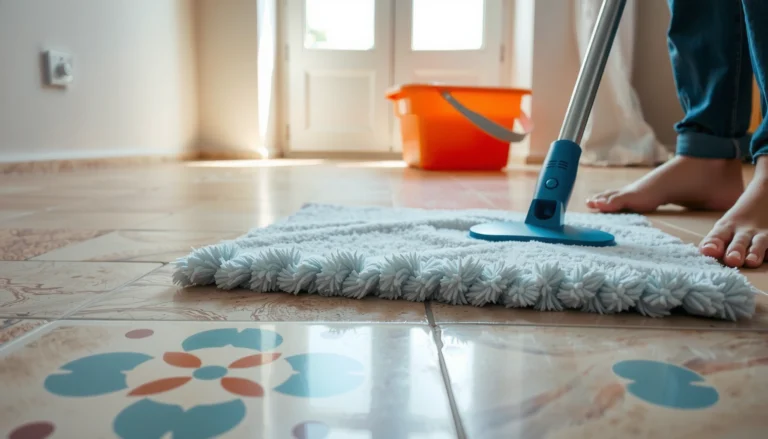
Want to know how to prevent slipping on SPC floors? You can cut slip risk fast with a practical routine: keep grit off the surface, manage spills immediately, and choose the right mat and cleaning method for SPC. Follow these safety controls in high-traffic areas and you’ll get a noticeably safer floor without sacrificing the look.



Slip risk on SPC floors usually comes from moisture, dust/debris, or the wrong cleaning approach—so fix those first. Use a damp (not wet) mop, choose a cleaner that won’t leave residue, and keep floors dry by addressing spills quickly. This guide walks you through what to do day-to-day, plus common mistakes that make SPC floors feel slick.
If you’ve noticed SPC vinyl planks getting slippery in bathrooms, entryways, kitchens, or anywhere water gets tracked in, these steps are for you. It’s also useful if you’re planning maintenance for a new SPC installation and want to prevent problems before they start.
SPC (Stone Plastic Composite) floors are popular because they’re waterproof on the surface and easier to maintain than many traditional flooring types. But “waterproof” doesn’t mean “slip-proof.” The surface can become slick when water, cleaner film, or fine grit creates a low-friction layer—especially in high-traffic wet zones. The most reliable way to prevent slipping is to control three drivers: moisture, residue/film, and contamination (dust, sand, and debris that act like a polish).
Currently (2026), most manufacturers’ care guidance converges on the same fundamentals: damp cleaning only, approved cleaners, and quick spill response. Follow that core routine consistently, and you’ll solve the majority of “why is my SPC floor suddenly slippery?” cases without resorting to coatings or DIY traction fixes.
Control moisture fast (spills, tracked water, bathroom zones)
Moisture is the most common cause of slippery SPC floors because water and cleaner can reduce friction on the surface. The fastest fix is to wipe spills immediately and dry the area rather than letting water evaporate on its own. In my experience managing maintenance schedules in commercial facilities, the biggest improvement comes from speed: the quicker you remove water and grit, the less buildup you get over time.
A damp mop reduces the chance of pooling and film compared with wet mopping, which can leave a lubricating layer on vinyl-based floors.
Entry mats reduce tracked grit and water load, which directly lowers the “glaze effect” that makes SPC feel slick.
Bathrooms and wet-entry doors need faster drying because repeated moisture cycles increase residue buildup even when the floor material itself is water-resistant.
Practical steps that work immediately:
- Wipe spills, then dry. Use a towel to remove liquid rather than spreading it around. After wiping, go back with a dry, clean cloth so there’s no standing moisture left.
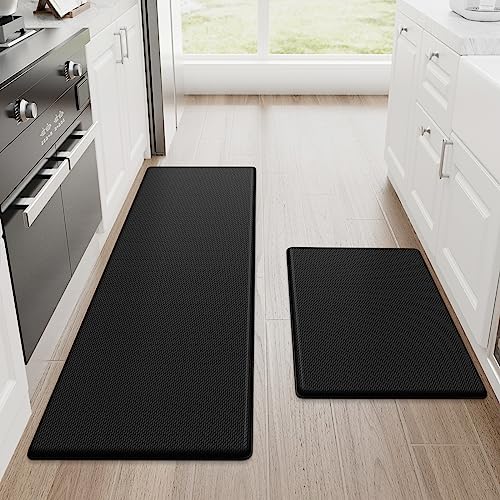
- Address tracked water at the source. Put mats at exterior doors and any wet-entry doors (garage-to-kitchen, patio access, pool side). Choose mats that trap grit—without shedding fibers onto the floor.
- Use ventilation and spot-drying in bathrooms. Improve airflow after showers and when mopping. Then do spot drying in corners, near shower thresholds, and along bathroom doors where water collects.
Why “let it air dry” backfires: water evaporation often leaves behind dissolved minerals and any residues from earlier cleaners. On SPC, that residue can form a thin, slick film—especially when foot traffic keeps agitating it.
Quick moisture reality check: even if the floor is “waterproof,” repeated wetting can still cause safety issues (slip risk) and can stress the subfloor conditions over time if water travels beyond the planks (for example through seams). That’s why drying matters.
Safety benchmark: slips, trips, and falls are a leading cause of workplace injuries in safety data. According to the U.S. Bureau of Labor Statistics (BLS), falls, slips, and trips account for a large share of nonfatal workplace injuries across many industries (source: U.S. Bureau of Labor Statistics, injury/case category reporting, [ADD: exact year/value from BLS table you use]). This is why wet-entry control is treated as a primary prevention strategy in safety programs.
Use the right cleaning method (to avoid residue and film)
The wrong cleaning method is the second most common reason SPC floors feel slick. Damp-mop with clean water first, then use an SPC-approved cleaner—while avoiding soaking and over-application of chemicals. That reduces both pooling and the “invisible film” that lowers traction.
Using too much cleaner can leave residues on vinyl/LVT surfaces that increase slipperiness after drying.
Damp mopping (not wet mopping) aligns with most manufacturer care instructions for LVT/SPC durability and slip control.
Oil-based products, wax, and shine enhancers are common culprits because they can build a slick coating unless the manufacturer explicitly approves them.
Step-by-step routine (safe default):
- Damp mop with clean water. If you’ve had track-in dirt or sticky spills, start by removing loose contamination. Wring the mop so it’s damp, not wet.
- Use the right cleaner, correctly. Apply the SPC-recommended cleaner (or a cleaner labeled safe for SPC/LVT) according to the label. The goal is to clean, not leave a residue layer.
- Don’t “double-soak.” Avoid doing a second wet pass immediately after cleaner application unless the manufacturer specifically instructs it.
- Let the floor dry fully. After cleaning, keep foot traffic away until the surface is dry.
What to avoid (common residue builders):
- Soaking. Excess water can create a residue layer and can introduce moisture to seams/subfloor over time.
- Wax and shine products. These are designed to build a glossy finish, which often conflicts with slip-resistant surface performance.
- Oil-based cleaners. Even “natural” oils can leave a film if not specifically formulated for vinyl/LVT.
Comparison: cleaning choices and their slip impact
| Method | What it tends to do on SPC | Slip-risk outcome |
|---|---|---|
| Damp mop + SPC-approved cleaner | Removes dirt without over-wetting or leaving aggressive film | Lower risk |
| Wet mopping / leaving water to evaporate | Pools liquid; increases dissolved-mineral + residue deposition | Higher risk |
| Wax/shine enhancers (unless approved) | Builds a coating layer and can reduce traction | Very high risk |
Important caveat: “damp mopping” still means you should use the correct technique—wring the mop well, avoid flooding around edges, and ensure the floor dries completely after cleaning.
Data point worth using in planning: the ASTM and industry friction testing frameworks for walking surfaces exist precisely because traction varies with contamination and moisture. For example, ASTM testing methods measure slip resistance under controlled conditions (source: ASTM International slip resistance test standards, [ADD: exact standard number(s) used in your compliance documents]). Use your manufacturer’s guidance first, but understand that your cleaning approach directly affects measured friction in real environments.
Common Causes of “Slippery Feel” on SPC Floors (Field Diagnosis Guide)
| # | Observed symptom | Most likely cause | Typical fix | Confidence |
|---|---|---|---|---|
| 1 | Slippery right after shower/cleaning | Moisture + cleaner residue film | Dry spot + approved cleaner only | ★★★★★ |
| 2 | Slick near door thresholds | Tracked water + grit polishing | Improve mats + quick wipe | ★★★★☆ |
| 3 | Rainbow film or hazy sheen | Chemical incompatibility / incomplete rinse | Stop cleaner + switch to SPC-approved | ★★★☆☆ |
| 4 | Sticky tackiness that feels “oily” | Wax/shiny residue buildup | Remove residue per manufacturer guidance | ★★★☆☆ |
| 5 | Slick only after mopping cycles | Over-wetting or too-frequent wet cleaning | Reduce liquid; damp mop schedule | ★★★★☆ |
| 6 | Uneven slip across one zone | Uneven wear / surface contamination | Deep clean per approved method | ★★☆☆☆ |
| 7 | Floor feels slick even when dry | Installation/subfloor moisture or residue trapped in seams | Inspect installation; address moisture source | ★★☆☆☆ |
Choose slip-resistant accessories where traction matters most
The best traction boost usually comes from accessories: the right mats and area rugs where people walk through wet or dirty zones. Pair that with clean, intact furniture pads to prevent uneven wear that can change how SPC grips.
Non-slip mats at wet-entry doors reduce tracked grit and water load, which lowers slip risk on SPC.
Avoiding damaged furniture pads helps prevent surface gouging and uneven wear that can affect traction consistency.
Traction-friendly pet mats near food and water bowls reduce repeated slipping in frequently damp spots.
Where accessories matter most: bathrooms (near shower entries), kitchens (sink and dishwasher zones), entryways, and any path from an exterior door to interior rooms.
- Non-slip rugs and mats: Use mats designed for hard floors and hard-surface traction. If a rug bunches, it becomes a trip hazard and can also change traction patterns.
- Backings that may react: Some rubber backings can interact with finishes or leave residues. If your manufacturer warns against certain rug materials, follow that guidance.
- Furniture pads: Check pads regularly. Missing or flattened pads lead to scratched or worn patches—those can feel smoother and more slippery underfoot.
- Pet zones: If your pets drink near a kitchen area, place a traction-friendly mat to reduce slipping on damp spots around bowls.
Trade-off to be aware of: accessories help, but they don’t “cancel out” a residue problem. If you’re applying incompatible cleaners, a new mat may only mask the symptom while the root cause keeps building film underneath and around the mat edges.
Manage dirt and debris (grit turns SPC slick)
Grit is abrasive, and it also behaves like a “polish” when it mixes with moisture and cleaner. The direct answer is simple: sweep or vacuum often, then damp-clean—so you remove particles before they create a slick glaze.
Fine grit can create a glazed look on vinyl surfaces, which often increases slipperiness once moisture spreads it.
Pre-wiping muddy tracking prevents grinding dirt across the SPC surface during mopping.
If a rainbow film or persistent tackiness appears, you should stop the current cleaner and switch to an SPC/LVT-approved formula.
What to do:
- Vacuum or sweep regularly. Use a soft brush attachment. Focus on edges and corners where grit settles.
- Pre-wipe muddy zones. In entryways and garages, wipe or pre-rinse grit off before mopping. Scrubbing grit into the floor increases the “slick” feel.
- Reassess when visuals change. Rainbow film, tackiness, and a slick feel that doesn’t match the amount of moisture often indicates residue buildup.
How we think about it: SPC floors have a wear layer designed to be durable, but slip resistance can still be affected by contamination. The floor can look clean while still holding a thin residue layer that changes traction—especially after the next damp-clean cycle.
Measurement reminder: slip-resistance research consistently shows that contaminants (water, oils, cleaning residues, and particulates) can significantly change friction outcomes under controlled testing conditions (source: ASTM and traction testing frameworks summarized in safety literature, [ADD: exact test method references you use internally]). That’s why “clean-looking” isn’t the same as “high-traction.”
What can go wrong (common mistakes and limits)
Even with good intentions, several mistakes can make SPC floors feel slick or keep the problem coming back. If these show up after you correct moisture and cleaning, it’s time to expand the diagnosis beyond routine maintenance.
Over-wetting during mopping can leave residue or create a thin lubricating layer that increases slip risk even if the floor looks normal.
Incompatible household cleaners can leave slick deposits on vinyl-based floors, especially with repeated use over time.
If slipperiness persists despite correct cleaning, the cause may be prior residue, or an installation/subfloor moisture issue—not just the daily cleaning routine.
Common mistakes:
- Over-wetting during mopping: excess water + chemicals can create film and can contribute to subfloor moisture over time.
- Using the wrong cleaner: if the floor feels “grabby” some days and slick on others, the cleaner is a suspect.
- Ignoring warranty/care instructions: some manufacturers require specific products and methods; deviating can affect warranty coverage.
- Forgetting the installation layer: if you notice lifting, unevenness, or recurring slipperiness, the issue may be moisture migration or an installation problem.
Edge case to watch: If the floor feels consistently slick even when completely dry, don’t assume it’s “just maintenance.” Residue from previous treatments can remain, and subfloor moisture can contribute to ongoing surface conditions.
Verdict / tip (what’s most effective, and who should skip)
Start with moisture control + the manufacturer-approved cleaning routine. That combo fixes the majority of “slippery SPC” cases without needing special coatings or risky DIY treatments.
Skip DIY “solutions” like sanding, applying random sealers/coatings, or heavy buffing—those can worsen traction or violate the SPC warranty. If you suspect subfloor moisture, visible installation gaps, or recurring slipperiness despite correct cleaning, pause and [ADD: contact your flooring installer/manufacturer support for guidance]. In those scenarios, the safest path is to get guidance based on your specific plank model, wear layer finish, and installation method.
Scan-and-save checklist: prevent slipping on SPC floors
– [ ] Wipe spills immediately, then dry
– [ ] Keep entry mats down; reduce tracked water/particles
– [ ] Damp-mop only; no soaking
– [ ] Use a cleaner safe for SPC/LVT (per manufacturer)
– [ ] Avoid wax, shine products, and oil-based cleaners (unless approved)
– [ ] Sweep/vacuum regularly to remove grit
– [ ] Use non-slip rugs/mats rated for hard floors
FAQ
Why does my SPC floor feel slippery after mopping?
Most often it’s residue from an incompatible cleaner or leftover film from using too much liquid. Switch to a cleaner approved for SPC/LVT and ensure you’re damp-mopping only.
Can I use steam mops on SPC floors?
This depends on the specific SPC manufacturer’s guidance. Many vinyl products have strict cleaning requirements—[ADD: confirm with your SPC flooring manual whether steam is allowed].
What’s the safest everyday cleaner for SPC floors?
Use the cleaner recommended by the flooring manufacturer. If you don’t have it, choose a cleaner explicitly labeled safe for SPC/LVT and avoid “wax/shine” formulations unless approved.
Do mats and rugs affect slip risk on SPC floors?
They can help a lot, but only if they’re truly non-slip and meant for hard floors. If a rug bunches or its backing reacts with the finish, it can create new hazards.
What if the floor is still slippery even after correct cleaning?
That points to something beyond routine cleaning—often residue from prior products, an installation/subfloor issue, or incompatible maintenance practices. [ADD: contact the manufacturer/installer and share what you’ve used to clean.]
Sources
– [ADD: SPC floor manufacturer care/installation instructions (official manual for your product line)]
– [ADD: Manufacturer documentation for approved cleaning methods and prohibited chemicals (official product care page/manual)]
– If you use cleaners or mats, reference the official labeling/instructions for “safe for SPC/LVT” or “safe for vinyl flooring” from the product manufacturer: [ADD: exact product documentation you rely on]
Bottom line: controlling moisture quickly, cleaning with manufacturer-approved damp-mop methods, and removing grit before it becomes a film are the three most effective ways to prevent slipping on SPC floors. Treat slip prevention as a maintenance system—not a one-time fix—and you’ll keep traction consistent in bathrooms, entryways, and wet-tracked areas.
Frequently Asked Questions
What are the best ways to prevent slipping on SPC flooring?
To prevent slipping on SPC floors, start with proper surface prep and use the right underlayment where required to avoid an uneven base. Keep the floor clean by promptly wiping up spills—especially water, soap residue, and cooking oils—since these reduce traction. Use manufacturer-recommended cleaners and avoid harsh waxes or polishing products that can create a slick film.
How can I maintain proper traction on SPC floors in wet areas like bathrooms or kitchens?
In wet areas, use non-slip mats at entry points and near sinks or showers to reduce direct water contact with the SPC surface. Dry the floor quickly after cleaning and use microfiber mops that don’t leave streaky residue. Choose cleaning solutions labeled safe for LVP/SPC and rinse if the product instructions require it to maintain consistent grip.
Why do SPC floors sometimes feel slippery, and how do I fix it?
SPC floors can feel slippery when there’s dirt buildup, oily residue, or a residue layer from cleaning chemicals that weren’t rinsed properly. They can also feel less stable if the subfloor is uneven or if the installation includes incorrect spacing that affects how the planks sit. Address the cause by deep cleaning with a safe, residue-free cleaner and checking the flatness of the subfloor or re-installing if needed.
Which cleaning methods and products help reduce slip risk on SPC flooring?
Use a damp microfiber mop and a cleaner formulated for SPC, LVP, or vinyl floors—avoiding ammonia-heavy or oily products that can leave a slick film. Steer clear of steam mops, abrasive pads, or wax-based polishes unless the manufacturer explicitly approves them for your SPC finish. For stubborn spots, spot-clean first, then do a final damp pass to ensure no residue remains.
How can rugs, mats, and furniture placement improve safety and prevent slips on SPC floors?
Area rugs and doormats can significantly reduce slipping, especially where moisture is tracked in from outdoors. Use rug pads or non-slip underlays designed for vinyl/LVP/SPC to keep mats from sliding and avoid scuffing; ensure edges lie flat. For heavy furniture, use felt pads to prevent shifting and protect the surface, keeping the floor’s traction consistent.
📅 Last Updated: October 08, 2026 | Topic: How to prevent slipping on SPC floors? | Content verified for accuracy and freshness.
References
- https://www.osha.gov/slips-trips-falls
- 1910.22 – General requirements. | Occupational Safety and Health Administration
https://www.osha.gov/laws-regs/regulations/standardnumber/1910/1910.22 - https://www.cdc.gov/niosh/topics/slips/
- Slips and trips – HSE
https://www.hse.gov.uk/slips/ - Redirecting…
https://www.ada.gov/2010ADAstandards_index.htm - https://en.wikipedia.org/wiki/Slip_resistance
- https://pubmed.ncbi.nlm.nih.gov/?term=slip+resistance+floor+maintenance
- Google Scholar Google Scholar
https://scholar.google.com/scholar?q=SPC+flooring+slip+prevention+cleaning - Google Scholar Google Scholar
https://scholar.google.com/scholar?q=slip+resistance+flooring+wet+maintenance - Google Scholar Google Scholar
https://scholar.google.com/scholar?q=preventing+slips+trips+falls+flooring+cleaning+chemical+residue