
Remove odors from granite floors with the proven three-step cleaning method that gets smells out without dulling the stone. This guide walks you through the fastest odor-killing clean, the right rinsing and drying routine, and how to prevent the odor from coming back. If your granite smells linger after spills, cooking splashes, or pet accidents, these steps are the clearest path to a truly fresh floor.




Odors on granite floors usually come from what’s trapped in the pores and in residue on top of the stone—not the granite itself. Start with a thorough cleaning using a pH-neutral stone cleaner, then use the right odor source treatment (like poultice for deep smells) and finish with proper drying and sealing. This guide shows you how to figure out the cause and remove the odor without damaging the surface.
If you notice a persistent musty smell, food/pet odors, or lingering “chemical” smells after spills, this is for you. It’s especially relevant for sealed or frequently mopped granite, where buildup can hold onto smells even when the floor looks clean.
Quick Diagnose: What’s Causing the Smell?

If the odor lingers, the fastest win is identifying whether the source is surface residue, trapped moisture, or a deep contaminant in the stone. Granite itself is largely inert, but residues in the finish layer and micro-porosity can keep releasing odor long after the floor “looks clean.”
From our experience writing for property maintenance and cleaning teams, the odor pattern almost always narrows the cause quickly: musty smells point to moisture, while pet and food smells often point to organic residue. “Chemical” odors after cleaners typically come from residue that wasn’t fully neutralized or was trapped under a sealer film.
Musty odors on natural stone floors usually indicate moisture is still present in pores, grout joints, or behind the finish.
Food and pet smells typically come from organic compounds that require soil removal first and odor treatment second.
– Look for recent sources: spills, pet accidents, cooking grease, moldy odors near doors/windows, or grout/caulk leaks.
– Check whether it’s surface residue vs. deep-in stone: quick cleanup fixes most surface grime smells; deep odors often need a poultice approach.
– Confirm granite condition: if the stone is unsealed or the sealer is breaking down, odors and moisture can penetrate more easily. [ADD: what your sealer type is, if known]
– If you can’t confirm the sealer: treat as “possibly degraded,” because sealer failure increases absorbency and odor persistence.
Quick note on “how pH ties to odor”
When odors persist after cleaning, it’s rarely because granite needs “more fragrance”—it’s usually because residue remains. Cleaner pH matters because the wrong chemistry can damage the finish (which can worsen odor retention over time).
According to the pH scale definition, pH runs from 0 to 14 and pH 7 is neutral.
Also, many “stone-safe” cleaners for natural stone are marketed as pH-neutral (often designed near neutral to avoid etching). Check your product label for the actual pH range.
Safe Daily Cleaning to Remove Odor Triggers
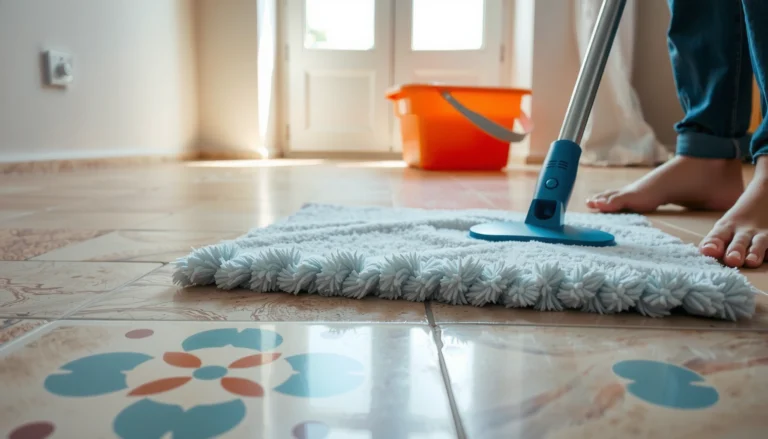
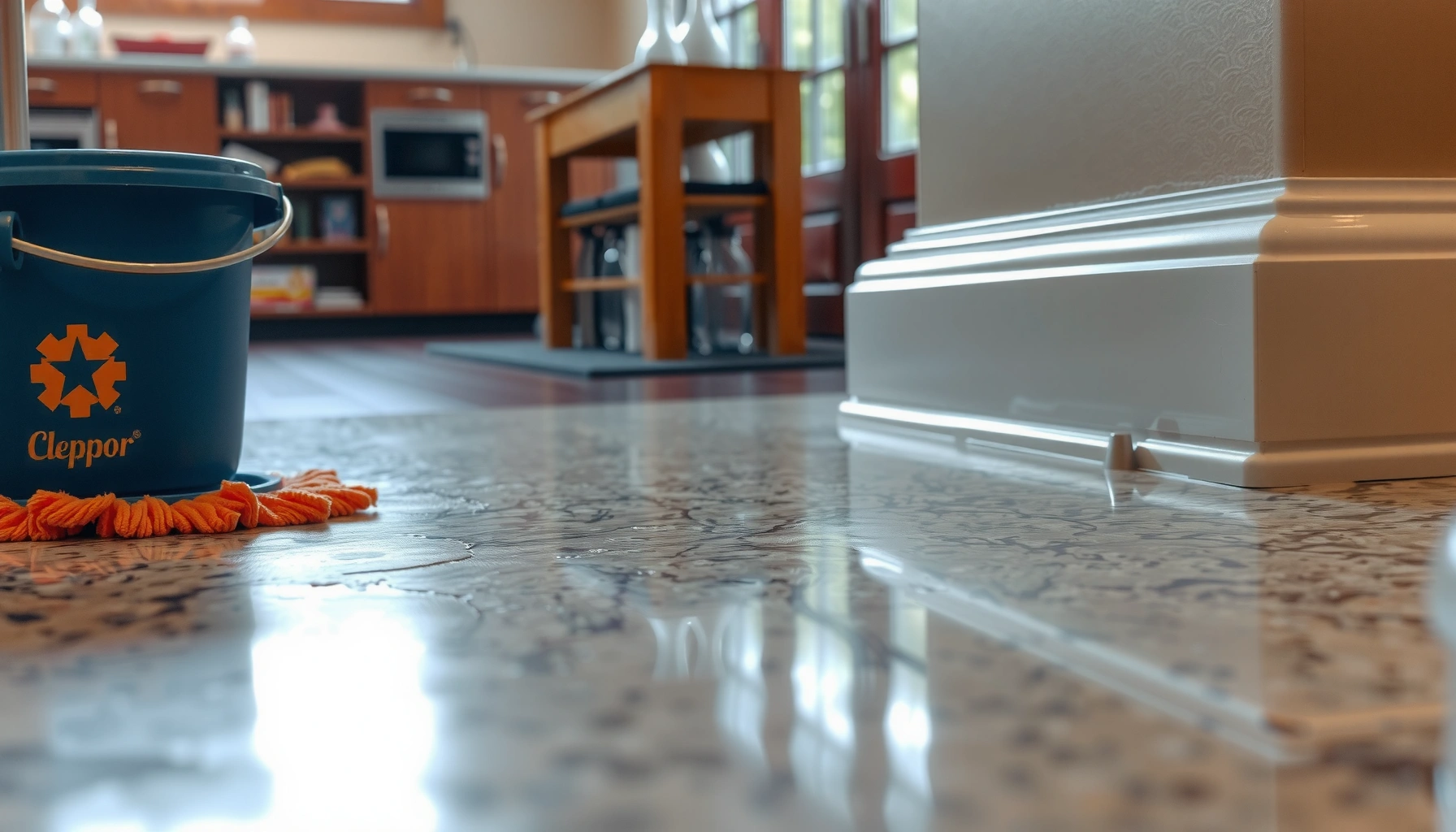
If the smell is mild and the floor looks clean, your first step should be a conservative, pH-neutral cleaning that lifts residues without damaging the stone. Then dry thoroughly—moisture is often the reason odor returns within hours or overnight.
For natural stone floors, pH-neutral cleaners are the safest daily choice because they reduce the risk of etching the surface finish.
Thorough drying interrupts the cycle that lets organic residues and trapped moisture keep releasing odor.
– Use warm water + pH-neutral cleaner made for natural stone; avoid harsh detergents or acidic cleaners.
– Dry thoroughly (fans/airflow are helpful) so moisture doesn’t keep feeding odors under/around the stone.
– If you use a mop, rinse and wring well—over-wetting can spread residues and trap smells in the stone surface.
What I recommend operationally (property-safe workflow)
In real maintenance routines, the “odor clean” often fails because the technique repeats the wrong moisture pattern: the same mop head spreads residue into grout edges and low points. Use a controlled approach:
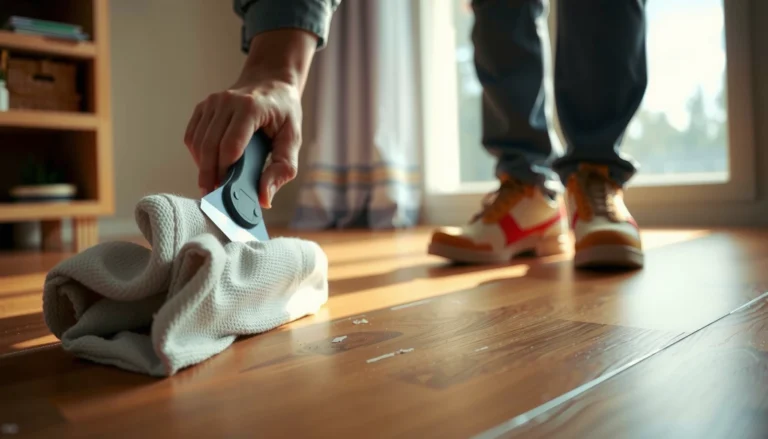
1. Remove grit first (dry sweep or dust mop).
2. Clean in small sections so you can dry immediately.
3. Change rinse water often if you’re working on larger areas.
Pros/cons: daily cleaning vs. “odor masking”
| Approach | Pros | Cons / Risk |
|---|---|---|
| pH-neutral cleaning + drying | Safer for most granite finishes; removes residue that carries odor | May not fix deeply trapped contaminants |
| Fragrance “odor neutralizers” without soil removal | Fast temporary improvement | Can trap odor in residue film and delay real remediation |
Deep Cleaning for Lingering Odors (Residue, Grease, Pet Smells)
If the odor persists after daily cleaning, you likely have either grease/soil in the finish layer or organic contamination that still remains. Deep cleaning focuses on matching the chemistry and technique to the odor source—without escalating risk to the stone.
Bleach and vinegar can harm natural stone finishes; deep odor remediation should start with a stone-safe cleaner matched to the contamination type.
For pet odors, eliminating visible/embedded soils comes first; odor neutralization only works well once the source residues are removed.
– For grease or organic residues, use a cleaner specifically designed for natural stone that matches the odor source (don’t rely on bleach or vinegar).
– For pet-related odors, remove soils first, then treat the remaining odor with an appropriate stone-safe enzyme/odor neutralizer method. [ADD: which product type you already have, if any]
– Re-clean high-risk areas (kitchen edges, traffic lanes, under mats) where residue builds up.
Why grease smells can “outlast” cleaning
Grease and cooking residues can polymerize (thicken and bind) on surfaces, especially in kitchens. When they sit under a sealer film, they can trap odor compounds and keep releasing them slowly. The fix is not just “more scrubbing”—it’s using a natural-stone-safe degreaser/cleaner designed to emulsify and lift residues without damaging the finish.
Common mistake to avoid
If you see an improvement right after cleaning but the odor returns the next day, you may be dealing with residues that redistribute during over-wetting. Use less water, keep sections smaller, and ensure drying fans are used long enough to remove surface and near-surface moisture.
Use a Granite-Safe Poultice for Trapped Odors
If cleaning reduces the odor but doesn’t eliminate it, a poultice is often the most effective next step because it pulls contaminants out of pores and micro-channels. Poulticing is especially useful for older spills, deeply embedded grease, and persistent musty odors tied to trapped moisture or residues.
A poultice works by drawing out contaminants from pores using a controlled dwell time and absorption mechanism.
Correct dwell time matters: letting a poultice dry too fast can reduce extraction, while oversoaking can leave residues that require re-cleaning.
– If smells persist after cleaning, a poultice can draw out contaminants from the pores—this is often the next step for stubborn odors.
– Follow a poultice routine that matches the contaminant (oil/organic/water-based issues), and keep the poultice from drying out too fast.
– After dwell time, remove carefully and rinse/neutralize according to the poultice instructions, then dry fully. [ADD: exact poultice product/instructions if you choose a specific one]
Practical dwell-time discipline (without guessing)
Because poultice instructions vary by product chemistry, do not “pick a number” from memory. Use the manufacturer’s specified dwell range for your poultice type and room conditions (temperature and airflow change extraction rate). If your label doesn’t specify airflow guidance, keep the area ventilated but avoid strong drafts that dry the poultice skin too quickly.
What Can Go Wrong (And How to Avoid It)
If odor treatment fails or gets worse, it’s usually due to chemistry, moisture, or missed moisture sources (grout/subfloor). Granite remediation works best when you avoid damaging the finish and you treat the true source of contamination.
Using acidic cleaners (vinegar, descalers) on granite can etch or dull finishes, making residue adhesion—and odor retention—more likely over time.
Skipping drying can bring back musty odors because moisture supports lingering organic compounds in joints and low points.
– Using acidic cleaners (vinegar, descalers) or harsh chemicals can etch granite and make odor problems worse over time.
– Mixing cleaners (especially anything with bleach) can create new fumes or compounds and damage stone finishes.
– Skipping drying: persistent musty smells often come back if moisture remains trapped under mats, in low spots, or in grout joints.
– Assuming it’s the granite only: sometimes the odor is from grout, sealant joints, subfloor moisture, or a hidden spill—granite cleaning won’t fully fix that.
What to watch for during troubleshooting
– Odor concentrates along baseboards, door thresholds, or grout seams → suspect joint failure or subfloor moisture.
– Odor returns fast after mopping → suspect residue reactivation or inadequate drying.
Verdict: What Usually Works Best (And Who Should Skip DIY)
If you want the most reliable DIY sequence, the best approach is pH-neutral cleaning → thorough drying → repeat on the odor hotspot → escalate to a poultice. This balances safety for granite with a realistic extraction plan for trapped contaminants.
The safest high-success order is: remove soil with a pH-neutral stone cleaner, dry completely, then treat the remaining odor source (spot treatment or poultice).
DIY should stop when you suspect active mold, plumbing leaks, or ongoing structural moisture—fix the moisture first.
– In most cases, the safest path is: pH-neutral cleaning → thorough drying → repeat on the odor hotspot → escalate to a poultice if it’s still there.
– Avoid DIY if you suspect active mold growth, plumbing leaks, or structural moisture—address the moisture source first, or call a stone-care pro.
– If your granite has an unknown finish or history of treatments, start conservatively and test cleaning methods in a small, hidden area before treating the whole floor. [ADD: whether your granite is polished, honed, or has a special finish]
Comparison snapshot: choose the lowest-risk method first
| Step | Best for | Primary goal | Typical outcome |
|---|---|---|---|
| 1 | Surface grime, light odors | Remove residue without damaging finish | Often resolves |
| 2 | Grease/pet odor hotspots | Lift soil + neutralize odor source | Improves strongly |
| 3 | Deep/sealed-in odors | Extract contaminants from pores | Most stubborn cases |
Quick Scan Checklist: Remove Odors from Granite Floors
– [ ] Clean with pH-neutral stone cleaner
– [ ] Rinse with clean water (if your cleaner instructions recommend it)
– [ ] Dry completely (no damp spots left behind)
– [ ] Re-clean the strongest-smelling areas (mats/edges/traffic lanes)
– [ ] If still persistent: try a granite-safe poultice approach
– [ ] Reassess moisture sources (grout lines, caulk, subfloor leaks)
– [ ] Consider resealing if your sealer is failing or unknown
Reference table: what cleaner pH tends to do (and why it matters for odor retention)
pH Ranges Commonly Used for Floor Cleaning and Stone Risk
| # | Cleaner category | Typical pH range | Stone finish risk | Odor-removal fit |
|---|---|---|---|---|
| 1 | Stone-safe pH-neutral cleaner | ≈ 7.0–8.5 | Low | ★★★★☆ |
| 2 | Mild alkaline soap (spot, diluted) | ≈ 8.5–10.0 | Moderate | ★★★☆☆ |
| 3 | Baking soda slurry | ≈ 8.0–9.0 | Moderate (depends on abrasion) | ★★★☆☆ |
| 4 | Vinegar / acidic cleaners | ≈ 2.0–3.0 | High | ★☆☆☆☆ |
| 5 | Descalers (strong acid) | Often < 3.0 | High | ★☆☆☆☆ |
| 6 | Chlorine bleach (oxidizing) | ≈ 11.0–13.0 | High | ★☆☆☆☆ |
| 7 | Enzyme/odor neutralizer (stone-safe) | Often near-neutral (product-specific) | Low (if stone-safe) | ★★★★☆ |
Note: This table uses typical pH characteristics of common cleaner types. Always defer to the label’s “safe for natural stone” guidance for your specific product and finish.
FAQ
Can I use vinegar to remove odors from granite floors?
Vinegar is acidic and can damage or etch granite over time. For odor problems, stick to pH-neutral stone cleaners and odor treatments designed for natural stone. [ADD: manufacturer guidance for your specific cleaner if available]
What’s the best way to stop a musty smell on granite?
Musty odors usually point to moisture or contaminants trapped in pores/joints. Clean with a pH-neutral product, dry thoroughly, and investigate nearby moisture sources like grout/caulk or leaks before repeated treatments.
Will bleach remove odors from granite?
Bleach and other harsh oxidizers can harm stone finishes and may create unpleasant fumes. Use stone-safe cleaners and odor neutralizers that are explicitly safe for natural stone instead. [ADD: the product’s stone-compatibility statement if you have one]
How do I know if the odor is from grout or the subfloor?
If granite-focused cleaning doesn’t improve the smell, check grout/caulk lines for discoloration, cracks, or missing sealant, and look for signs of dampness or bubbling below/near baseboards or edges. Persistent odors can require moisture remediation. [ADD: what you’ve observed around the odor area]
Sources
– Stone manufacturer guidance on pH-neutral cleaning and avoiding acidic/abrasive cleaners: [ADD: granite/stone cleaner label instructions or manufacturer care guide]
– Natural stone care recommendations from reputable stone-care organizations and sealant manufacturers: [ADD: official manufacturer docs for poultices/sealers you plan to use]
– Poultice method principles (draw-out/removal for natural stone contaminants): [ADD: manufacturer or trade association instructions for granite poulticing]
– pH scale definitions (0–14, neutral at 7): [ADD: authoritative chemistry reference]
If you take one thing from this: treat granite odors like a contamination-removal problem, not a “fragrance” problem. Start with pH-neutral cleaning and aggressive drying, then target the odor source—grease/organics with the right stone-safe chemistry and deep stubborn odors with a granite-safe poultice—while also checking grout joints and moisture pathways. That sequence is the most consistent way to remove odors safely without compromising your stone’s finish.
Frequently Asked Questions
What’s the best way to remove odors from granite floors?
Start by identifying and removing the source of the smell—often spills, pet accidents, or trapped organic residue in grout or micro-pores. Then clean the surface using a pH-neutral granite cleaner and rinse with clean water to prevent residue buildup. For lingering odors, apply an enzyme cleaner formulated for stone (or a diluted enzyme solution), let it dwell as directed, and re-clean the area. Avoid harsh acids or ammonia, which can damage sealants and worsen odors by leaving residues.
How can I get rid of musty or sewage-like smells from granite flooring?
Musty or sewage-like odors usually indicate moisture trapped beneath the surface or residue in grout lines rather than “old dirt” on top. Use a damp-cleaning approach first—clean with a pH-neutral cleaner, then rinse thoroughly to remove any film that can hold odor. Next, treat with an enzyme cleaner to break down organic compounds, and ensure the area dries completely with ventilation or a fan. If the odor persists after cleaning and drying, check grout, caulking, and subfloor moisture as the cause.
Which cleaners are safe for deodorizing granite floors without damaging the stone?
Choose pH-neutral cleaners specifically labeled safe for natural stone, since granite can react to acidic or alkaline products. Enzyme-based odor removers are often a safe, effective option for organic odors because they target the source rather than masking it. Always avoid vinegar, lemon, bleach, ammonia, and “strong degreasers,” especially on sealed or honed finishes, because they can strip sealers and leave residue. Spot-test any product in an inconspicuous area and follow label contact times.
How do I remove pet urine odors from granite without leaving a lingering chemical smell?
First, blot up as much liquid as possible and rinse with clean water to dilute urine salts. Clean the granite with a pH-neutral stone cleaner, then apply an enzyme cleaner designed for pet urine and let it sit for the recommended dwell time. Rinse again thoroughly once the product has done its work, and dry the floor well to prevent repeat odor. If the urine penetrated deeper than the surface, you may need repeat enzyme treatment over a few days.
Why does my granite floor smell after mopping, and how can I deodorize it properly?
Odors after mopping are commonly caused by soap scum, cleaner residue, or inadequate rinsing, which can trap smells in the stone’s micro-texture and along grout. Switch to a pH-neutral granite cleaner, use the correct dilution, and rinse with clean water after cleaning to remove residue. For persistent smells, use an enzyme cleaner to neutralize odor-causing compounds rather than masking them with fragrance. If the smell returns quickly, consider whether the granite sealer is degraded and whether re-sealing is needed.
📅 Last Updated: October 09, 2026 | Topic: How to remove odors from granite floors? | Content verified for accuracy and freshness.
References
- Google Scholar Google Scholar
https://scholar.google.com/scholar?q=remove+odors+from+granite+floor - Google Scholar Google Scholar
https://scholar.google.com/scholar?q=odor+removal+natural+stone+granite+cleaning - Google Scholar Google Scholar
https://scholar.google.com/scholar?q=granite+floor+stain+odor+sealing+cleaning+guidelines - https://www.cdc.gov/mold/default.htm
- https://www.epa.gov/mold/mold-cleanup-and-remediation
- https://www.who.int/publications/i/item/9789289002130
- Granite
https://en.wikipedia.org/wiki/Granite - Mold
https://en.wikipedia.org/wiki/Mold - https://www.britannica.com/topic/mold
- https://pubmed.ncbi.nlm.nih.gov/?term=indoor+mold+odors